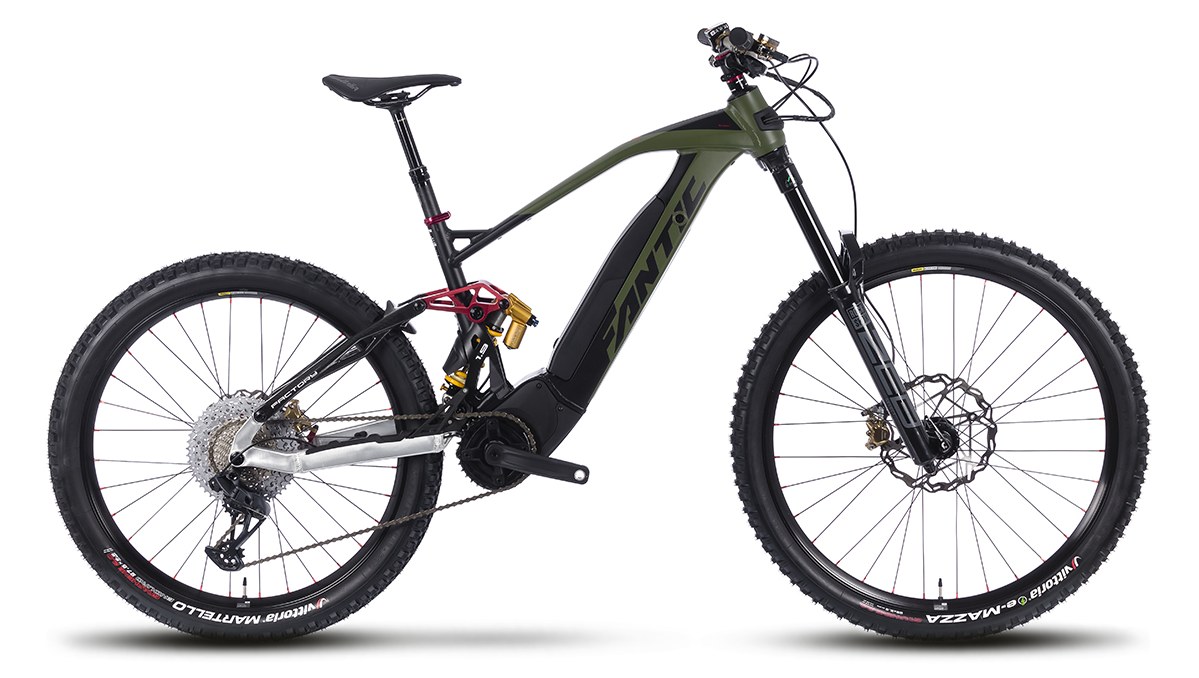
Drive S Mag
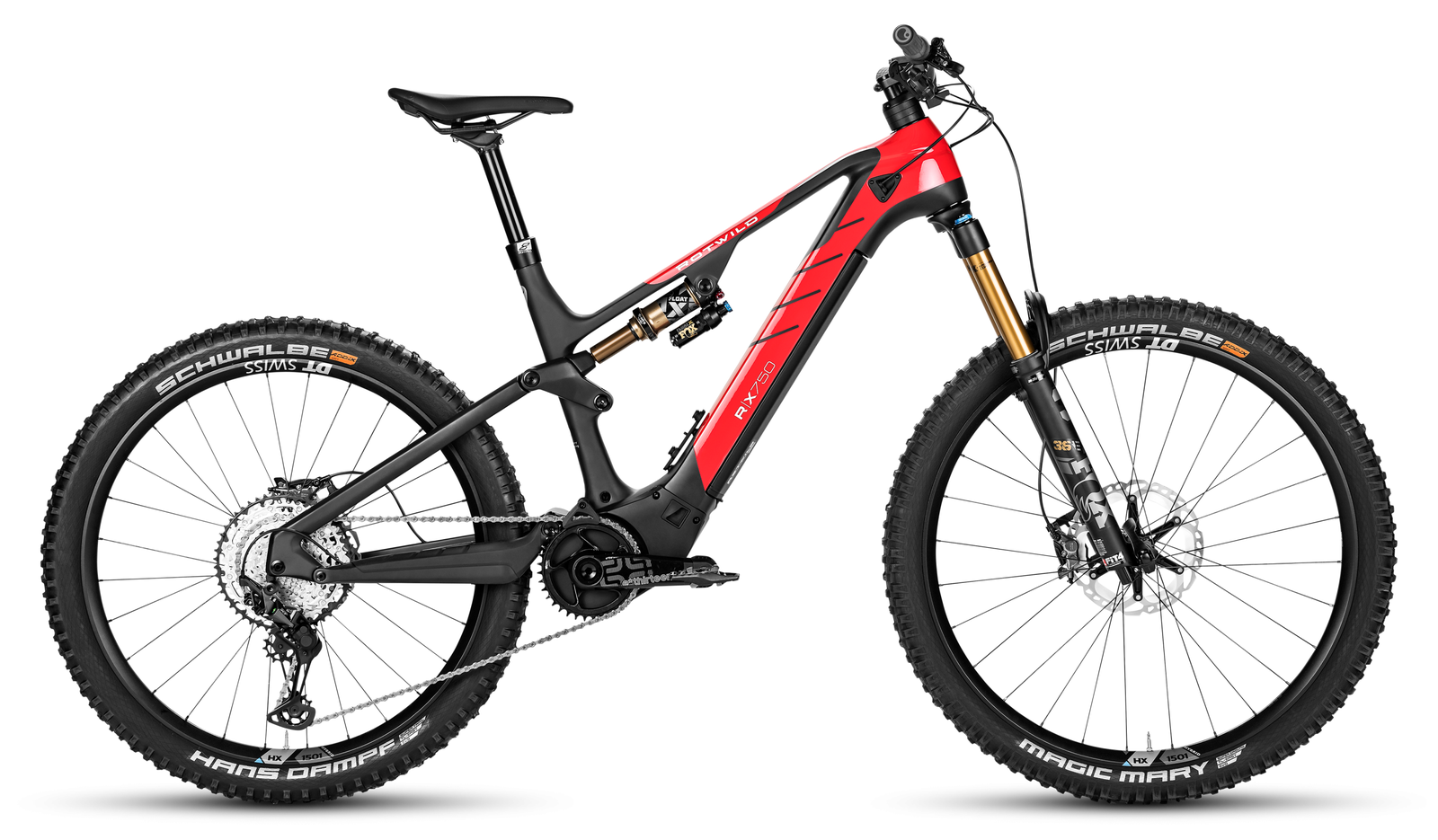
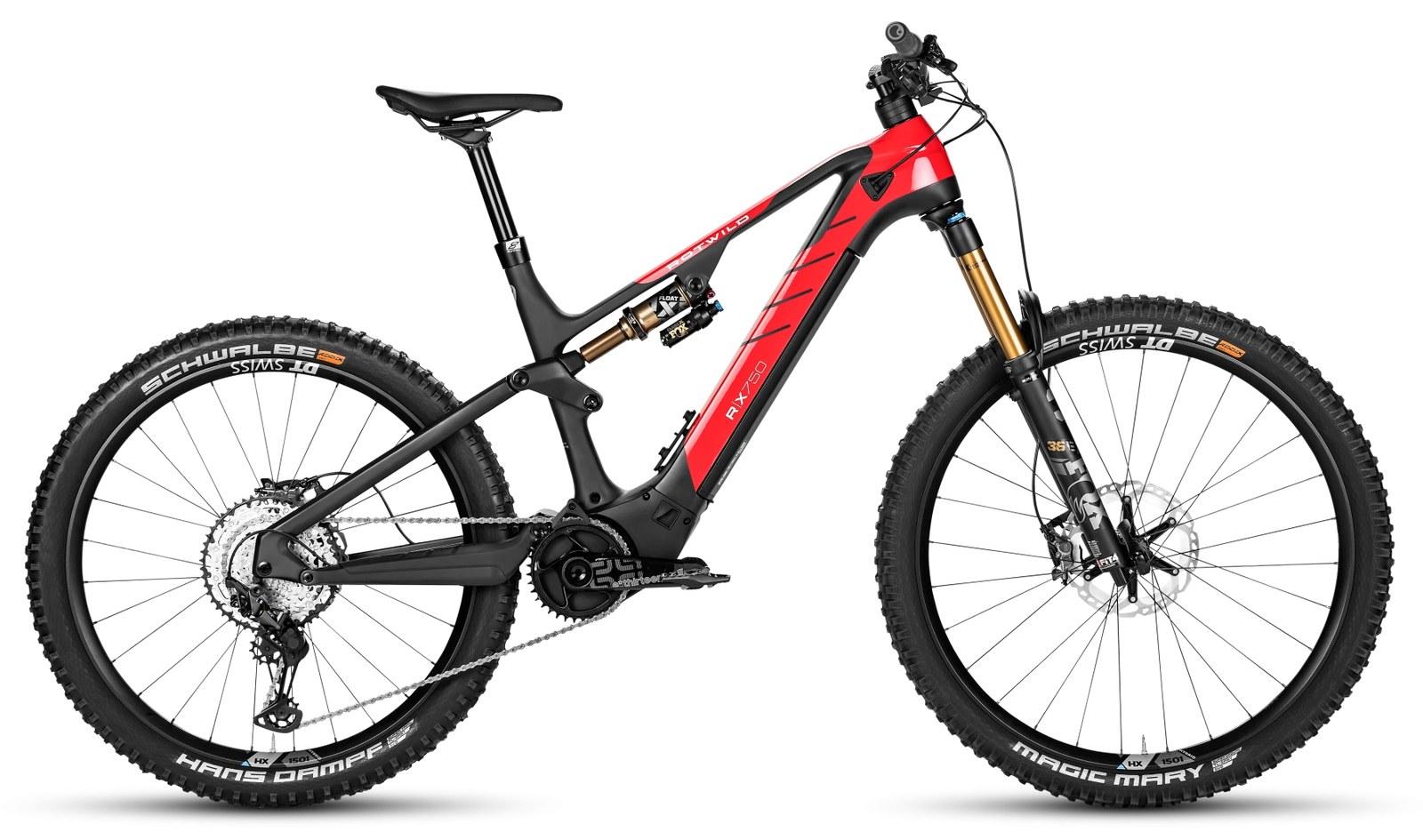
The Brose Drive S Mag was the connoisseur's mid-drive: a magnesium-cased, belt-driven motor whose silky, near-silent delivery and strong low-cadence torque made it the favourite of brands like Specialized, BULLS and Rotwild long before the current torque wars. It is now a legacy unit, superseded in 2025 by Brose's 48V Drive³ Peak.
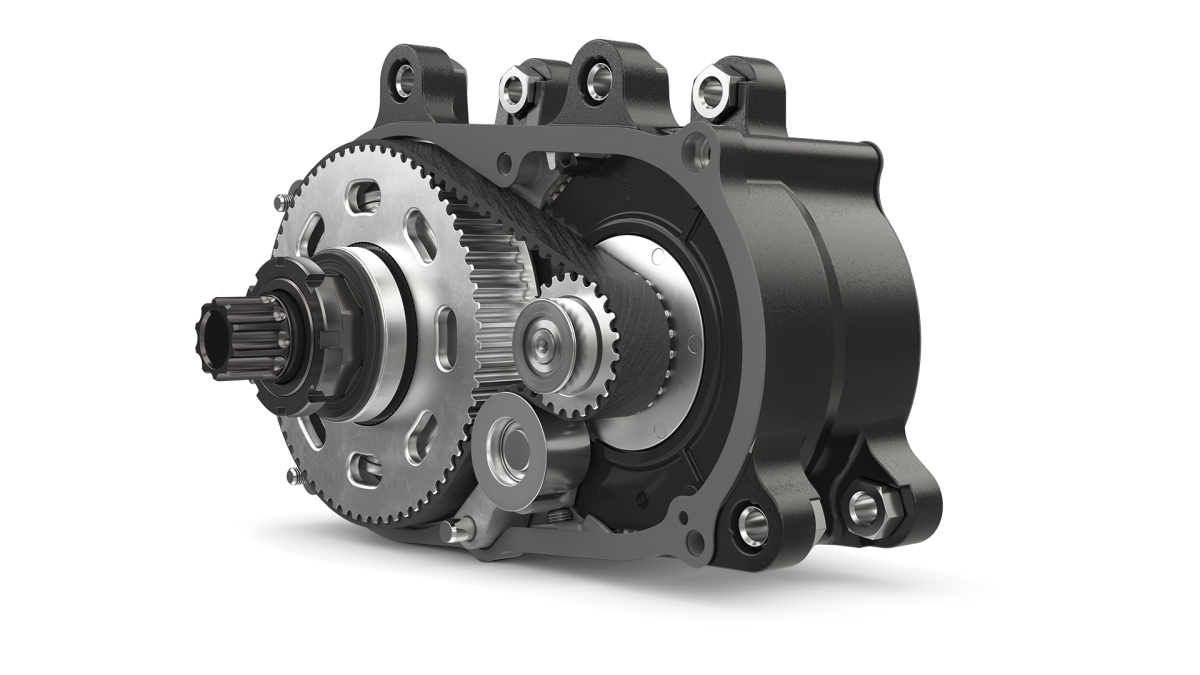
Brose Drive S Mag was built around a belt rather than the usual gear train, and that single decision defines the motor. Power arrives without the metallic whir of its rivals, and it builds with an organic, almost analogue swell that flatters a smooth pedalling style. Velomotion's 2022 dyno backs the seat-of-the-pants impression: fed 100 watts at the cranks on the flat, the Brose returns 575 watts to the chain — an efficiency-point figure at low rider input, not an absolute peak — and that ranks it among the most efficient units of its era. Brose itself claimed 90 Nm and around 560 W peak from the 250 W-rated, 36V unit; no independent lab has published an absolute peak-watt figure, so we don't quote one.
Wind the input up to full effort and the picture is more nuanced. At 250 watts input the Drive S Mag sits in the upper-midfield, trading blows with the 85 Nm Bosch Performance Line CX but visibly outgunned by the brawnier 110 Nm Sachs RS and 95 Nm Panasonic GX Ultimate Pro of the era. On a sustained climb its efficiency slips to mid-pack — the Bosch CX is the one motor it concedes to. It is a motor that rewards finesse rather than brute force.
At 2.9 kg the magnesium housing is genuinely light for a 90 Nm full-power motor, and Brose's Flex Power tune blends assist seamlessly across the cadence range. It feels less peaky than a Shimano EP8 and quieter than almost anything, which is exactly why so many premium brands stuck with it for years. Buyers should note it is now out of production: Brose moved to the 48V Drive³ Peak (95 Nm) in 2025, and Specialized has gone in-house, so the Drive S Mag survives mainly on older bikes and via SRAM's Eagle Powertrain firmware.
Character
The case for and against
Strengths
- Near-silent belt drive (no published dBA, but rated quietest in class)
- Light 2.9 kg magnesium housing for 90 Nm
- Outstanding flat-ground efficiency (575 W to chain from 100 W input)
- Smooth, natural Flex Power delivery
- Strong, early-arriving low-cadence torque
Compromises
- Outgunned at full input by Sachs RS (110 Nm) and Panasonic GX Ultimate Pro (95 Nm)
- Mid-pack efficiency on steep climbs (Bosch CX does better)
- Belt drive can need specialist servicing
- Legacy unit - out of production, superseded by 48V Brose Drive³ Peak (2025)
How it stacks up
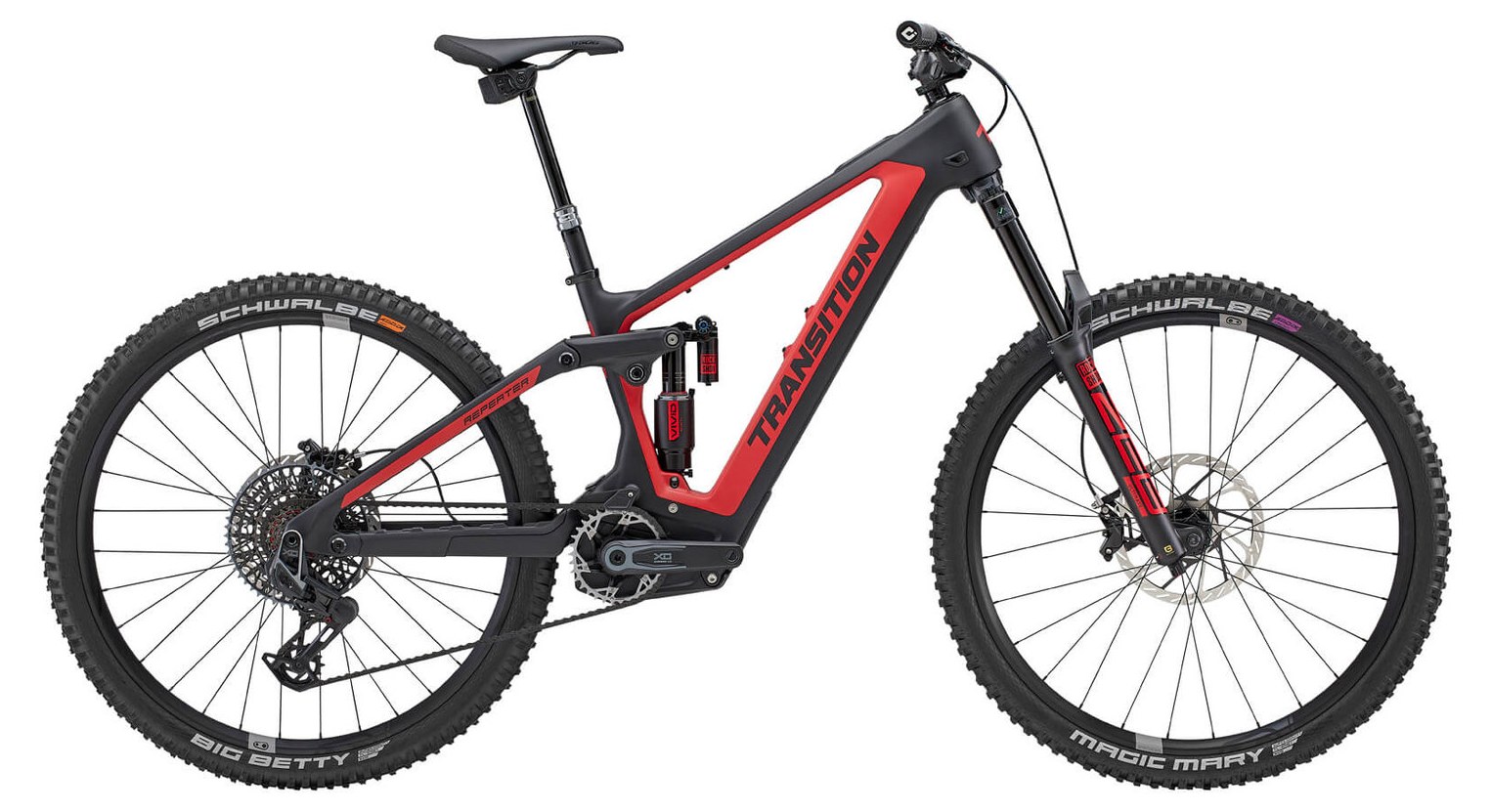
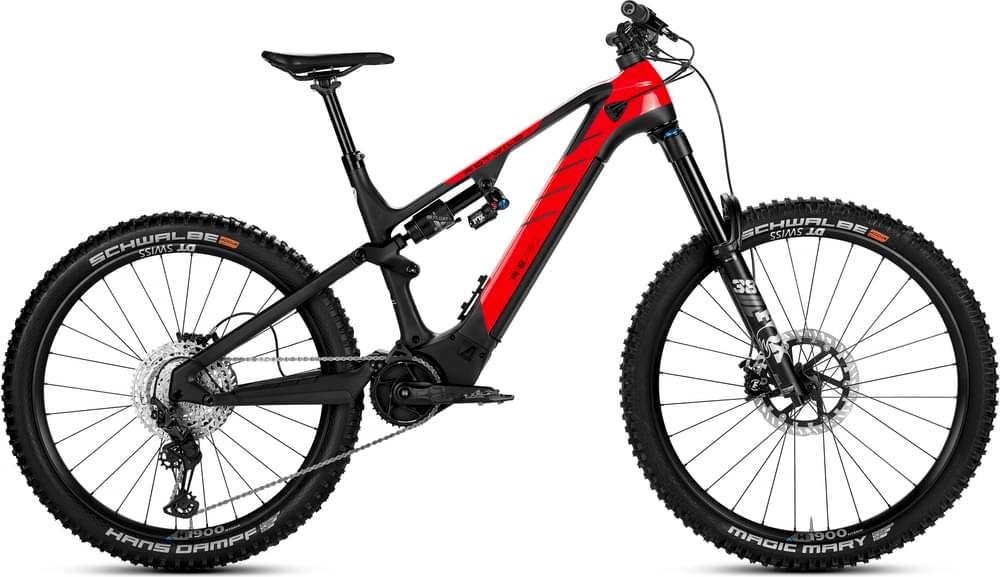
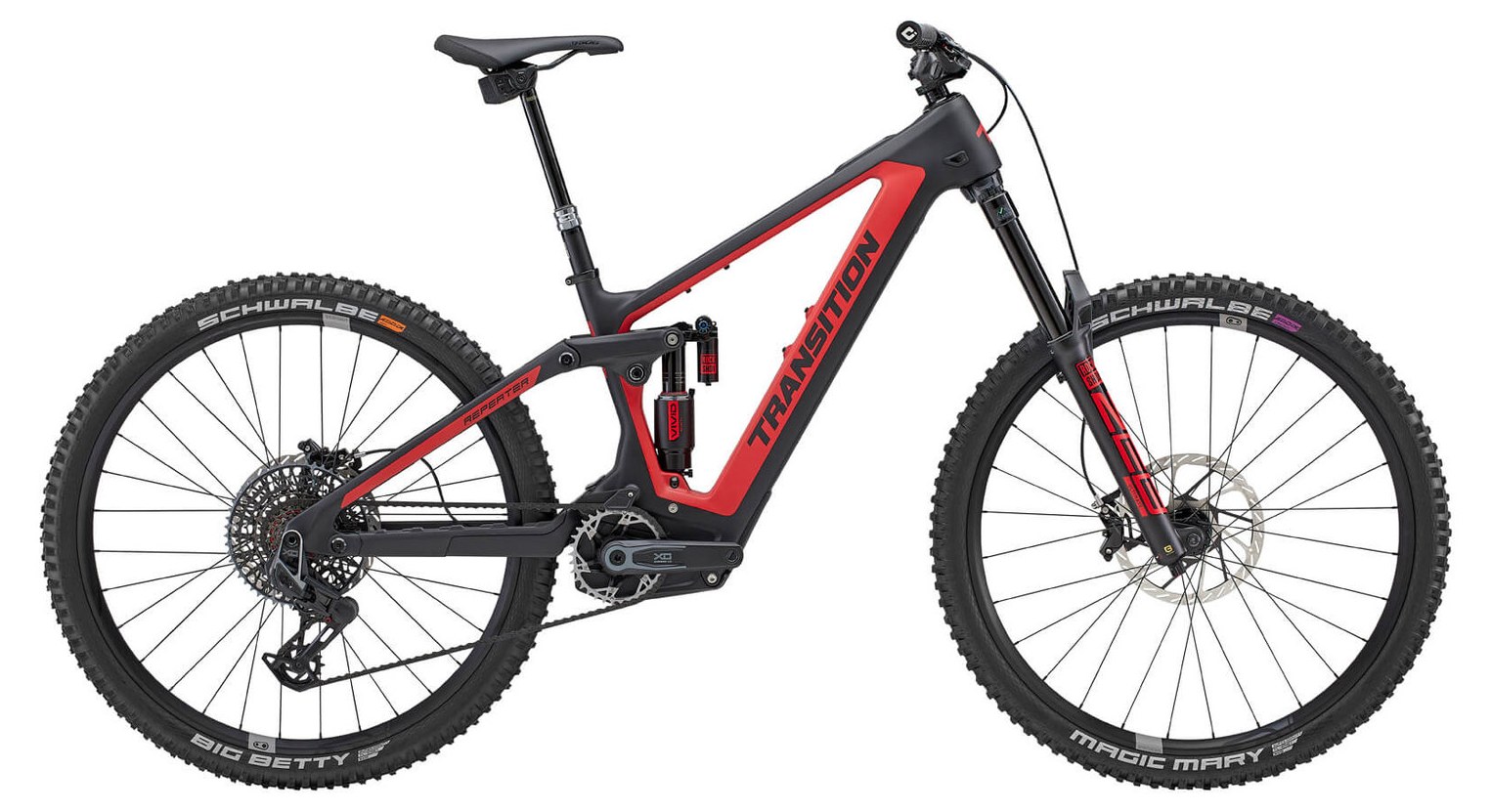
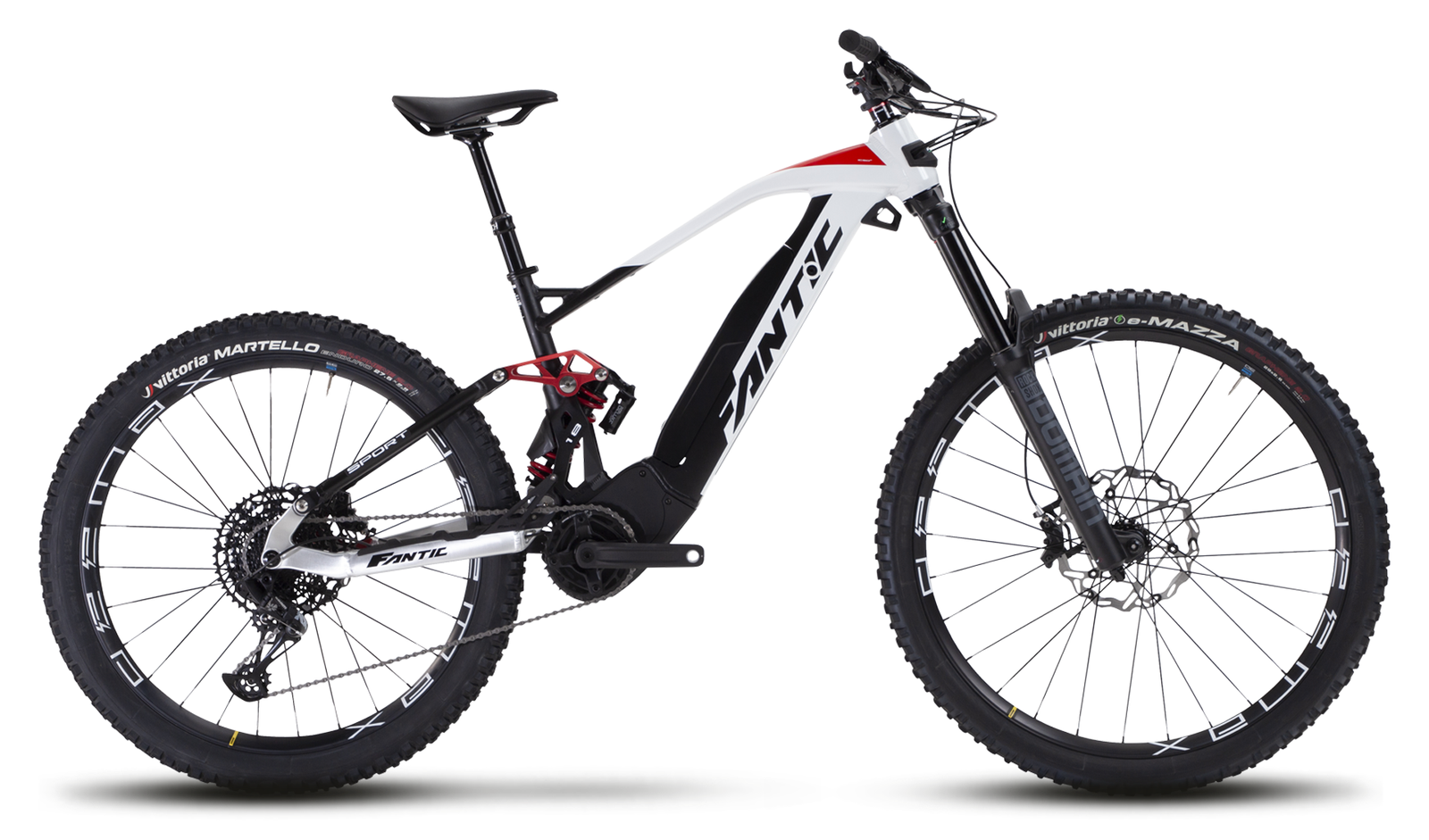
Bikes running this motor · 40