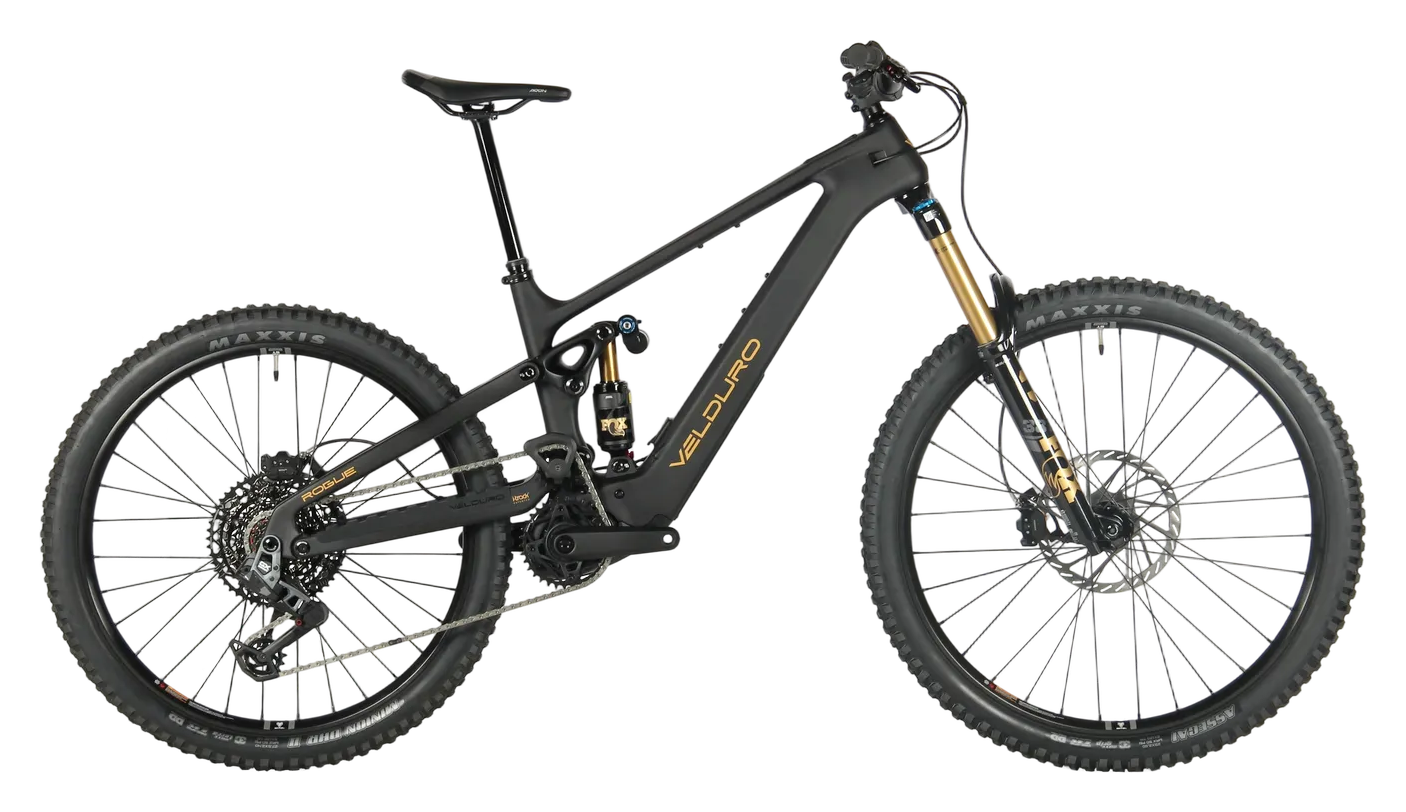
M1
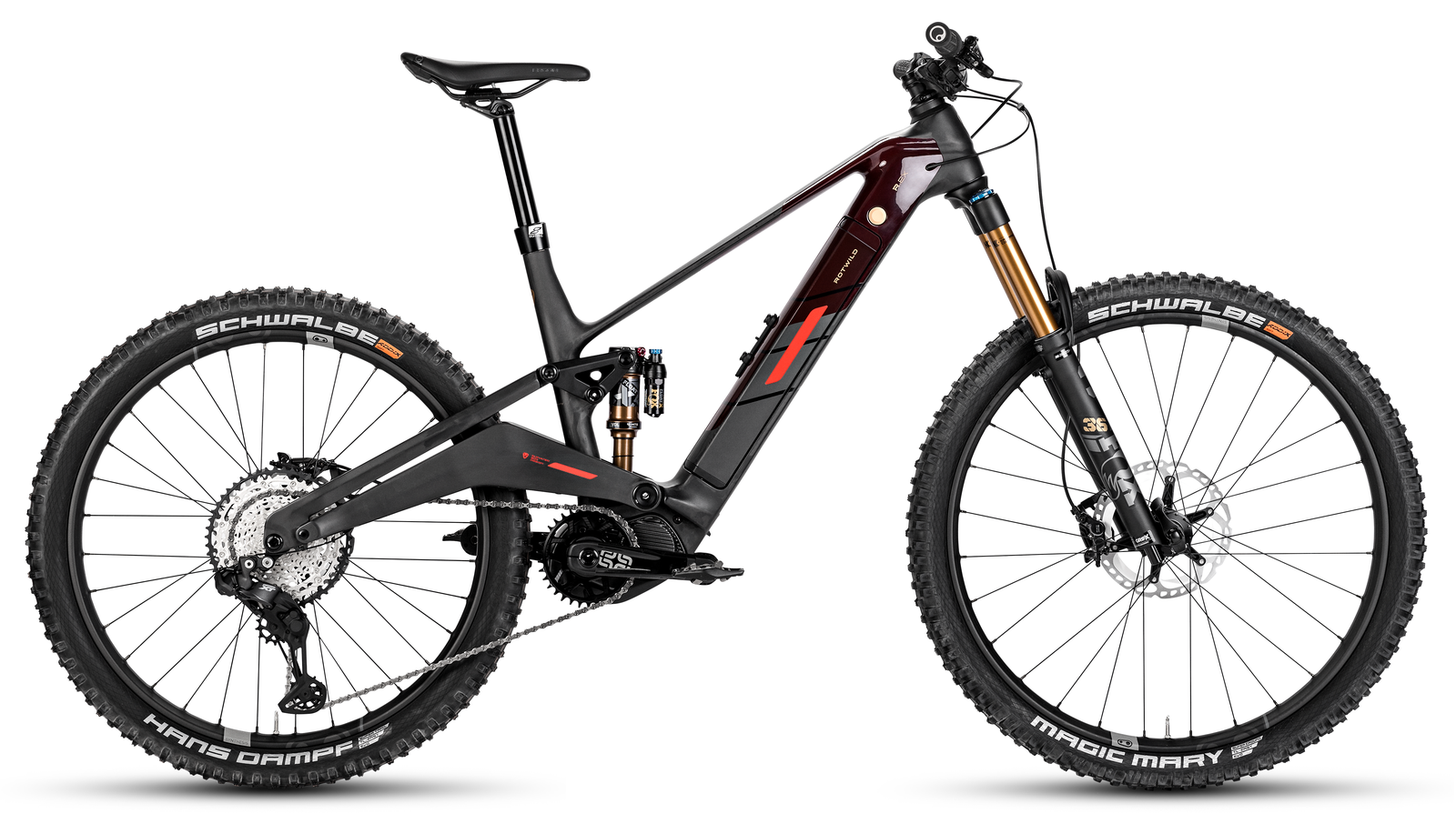
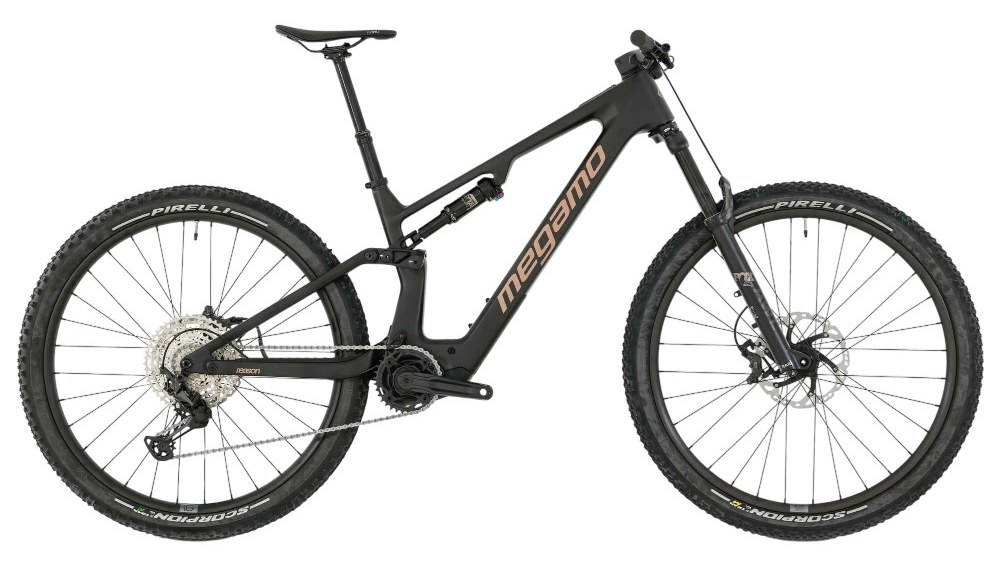
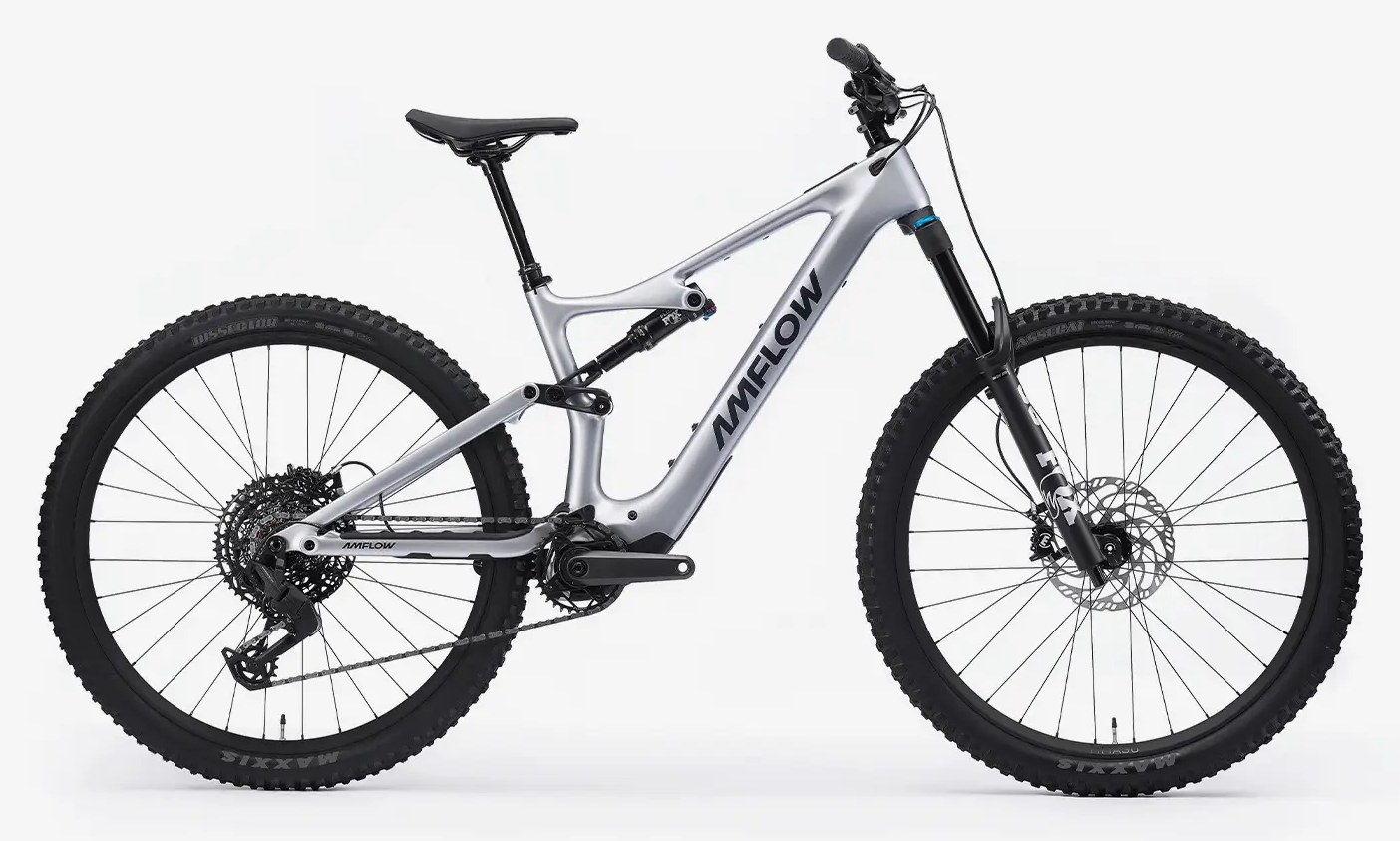
DJI's debut e-bike motor stunned the lab: a 2.52 kg featherweight that out-muscles drives twice its size. In Boost it claims 120 Nm and 1000 W; in normal modes 105 Nm and 850 W — headlining the Amflow PL Carbon and rewriting what a lightweight system can do.
Cadence-hungry: trails rivals below 30 rpm, then climbs hard — over 600 W from 50 W rider input, leaving the field from ~70 W — peaking around 90–95 rpm before tailing off, with a deliberate ~10% pulsing overlaid throughout. Curve shows measured output (lab), not DJI's unconfirmed 850/1000 W claims.
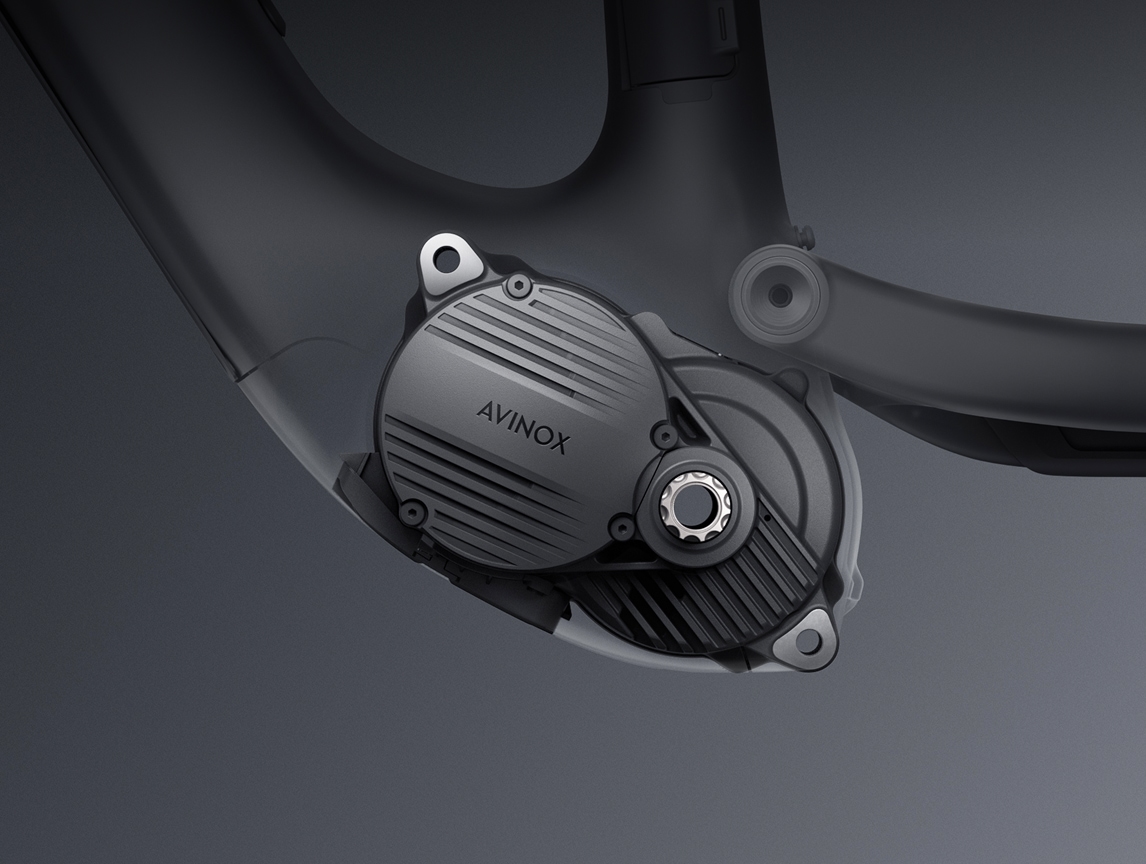
Avinox M1 is the motor that announced DJI as a serious player. On the Velomotion and ebike-lab dynos it delivered over 600 W from just 50 W of rider input, and from around 70 W of rider effort it simply walked away from the rest of the test field. DJI's headline figures of 1000 W and 120 Nm (Boost mode) couldn't be reproduced in the lab — Velomotion explicitly could not reach even the 850 W maximum DJI communicates for the regular modes — yet the M1 still ranked among the most powerful units measured, beaten only by the far heavier TQ HPR120S.
Read the modes carefully: regular Auto/Trail/Turbo run to 105 Nm and a claimed 850 W, while a 30–60 s Boost (configurable in the Avinox app) unlocks the headline 120 Nm and 1000 W. DJI quotes a maximum support ratio of 800%. The character is peaky and loves revs: below 30 rpm the M1 trails its rivals, but spin it past 80 rpm and it surges, with almost nothing living with it around 95 rpm. Testers noted a deliberate ~10% pulsing of output that reads as a control strategy rather than thermal protection; under sustained 10% climbing at 250 W rider input it cut hard after roughly 22 minutes, and Boost shortens that window further.
What seals the verdict is the package: this performance from 2.52 kg, a near-silent sonorous hum on a par with Bosch's CX Gen 5, a 36 V system fed by 600 or 800 Wh packs, and a 12 A / 508 W fast charger that fills the 800 Wh pack in about 2 h 25 min. For its launch generation, nothing matched the M1's power-to-weight.
Sustained power & heat
How long the headline number actually lasts under sustained climbing load.
Trail mode lasts ~30 min; Boost shortens the sustained run to ~20 min before a drastic cut-off.
Larger pack for range; 12 A / 508 W fast charger fills it in ~2 h 25 min.
Character
The case for and against
Strengths
- Class-leading power-to-weight at just 2.52 kg
- Over 600 W from minimal (50 W) rider input
- Strong sustained output; 120 Nm / 1000 W on tap in Boost
- Very quiet — only a sonorous hum at full load (~Bosch CX Gen 5)
- Fast 12 A / 508 W charging; compact, neatly integrated drive unit
Compromises
- Weak below 30 rpm — needs a high cadence
- Noticeable ~10% power pulsing
- Hard cut-off under prolonged real-world climbing
- Lab could not reproduce DJI's 850 W / 1000 W claims (Boost added only ~50–100 W)
- Notable freewheel drag from the triple spindle seal (fixed on M2)
How it stacks up
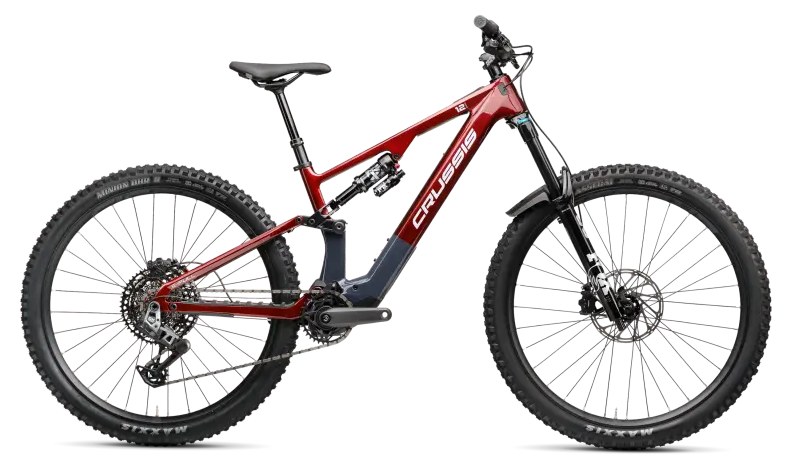
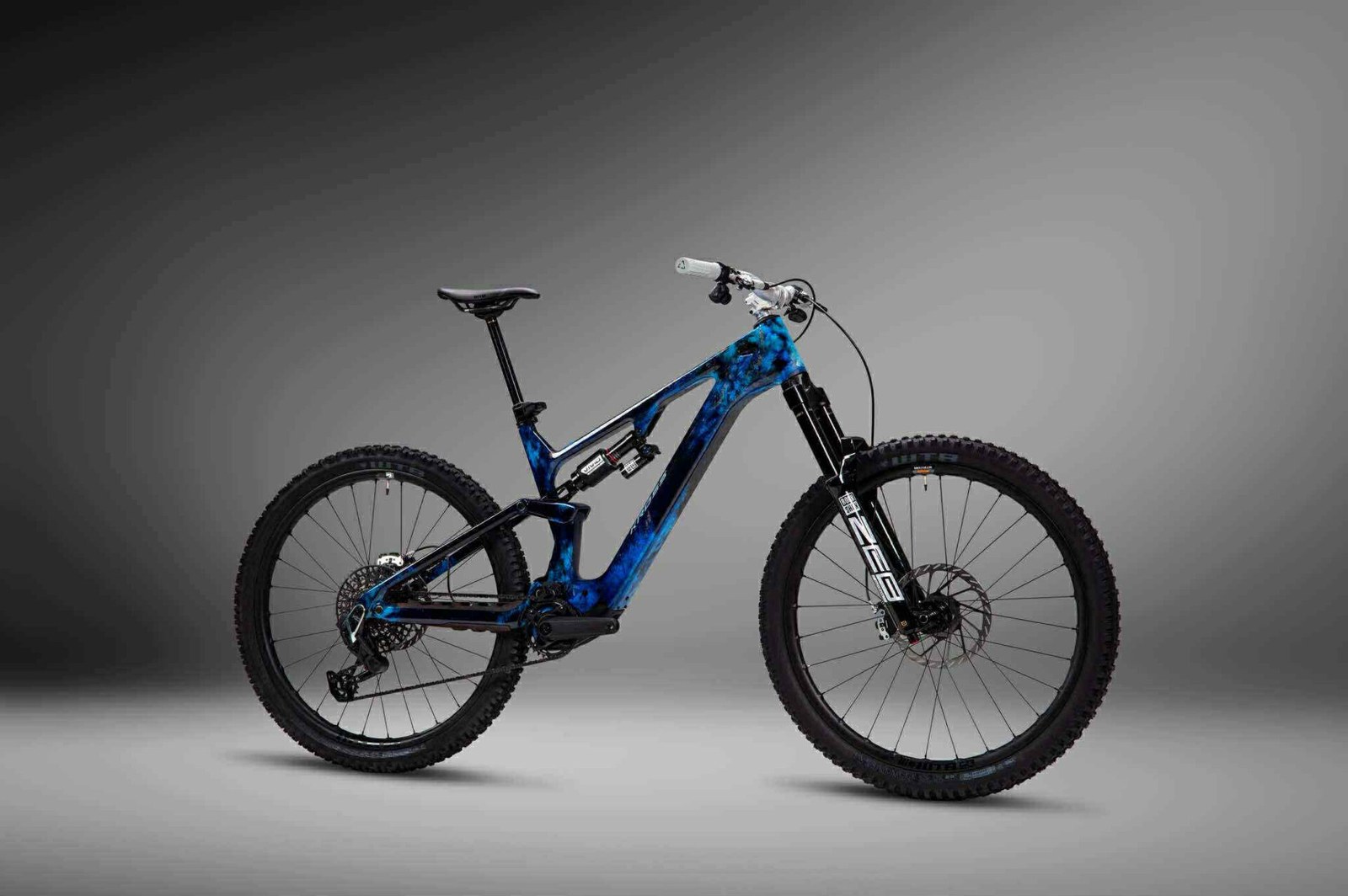
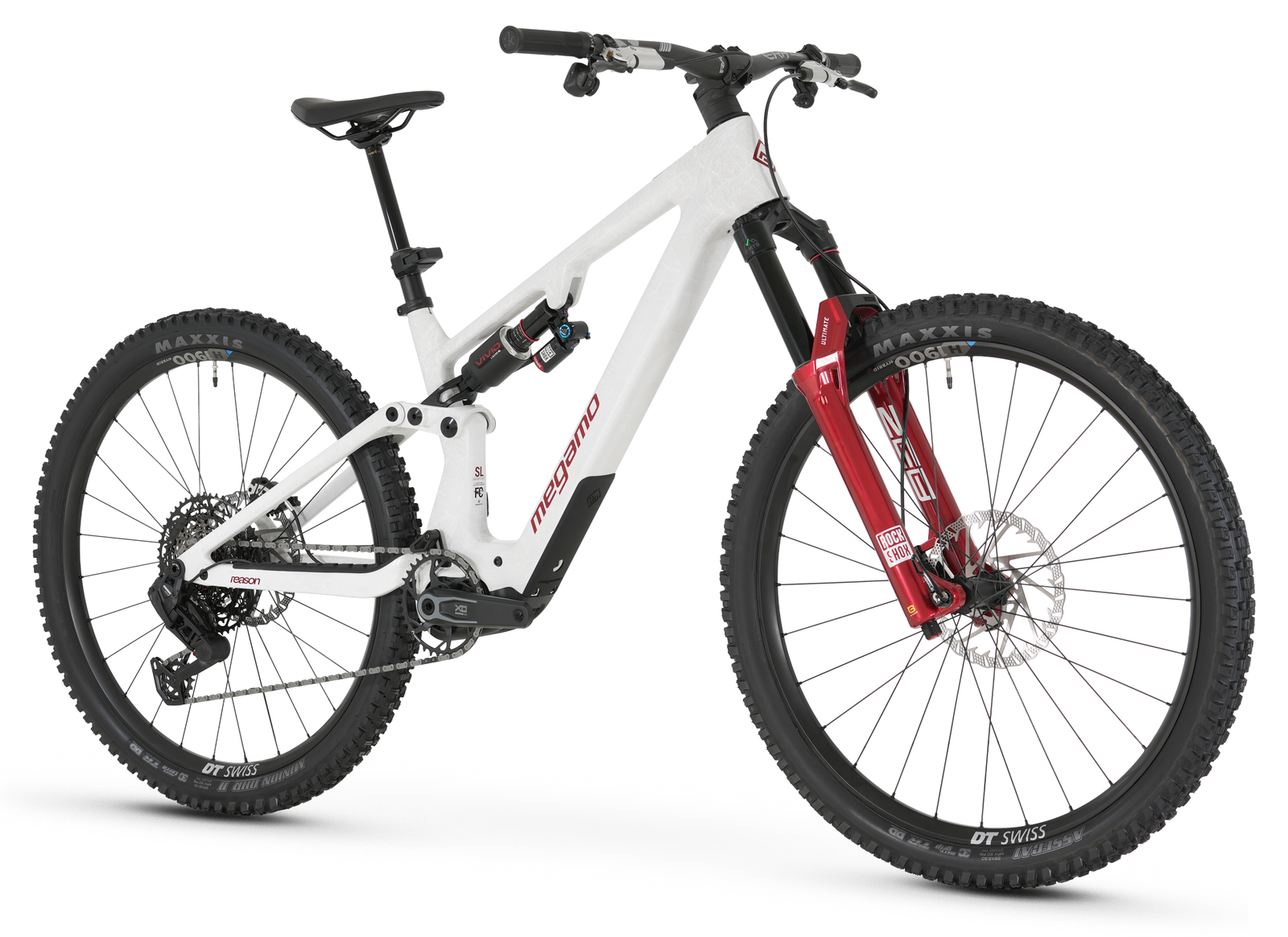
Bikes running this motor · 40