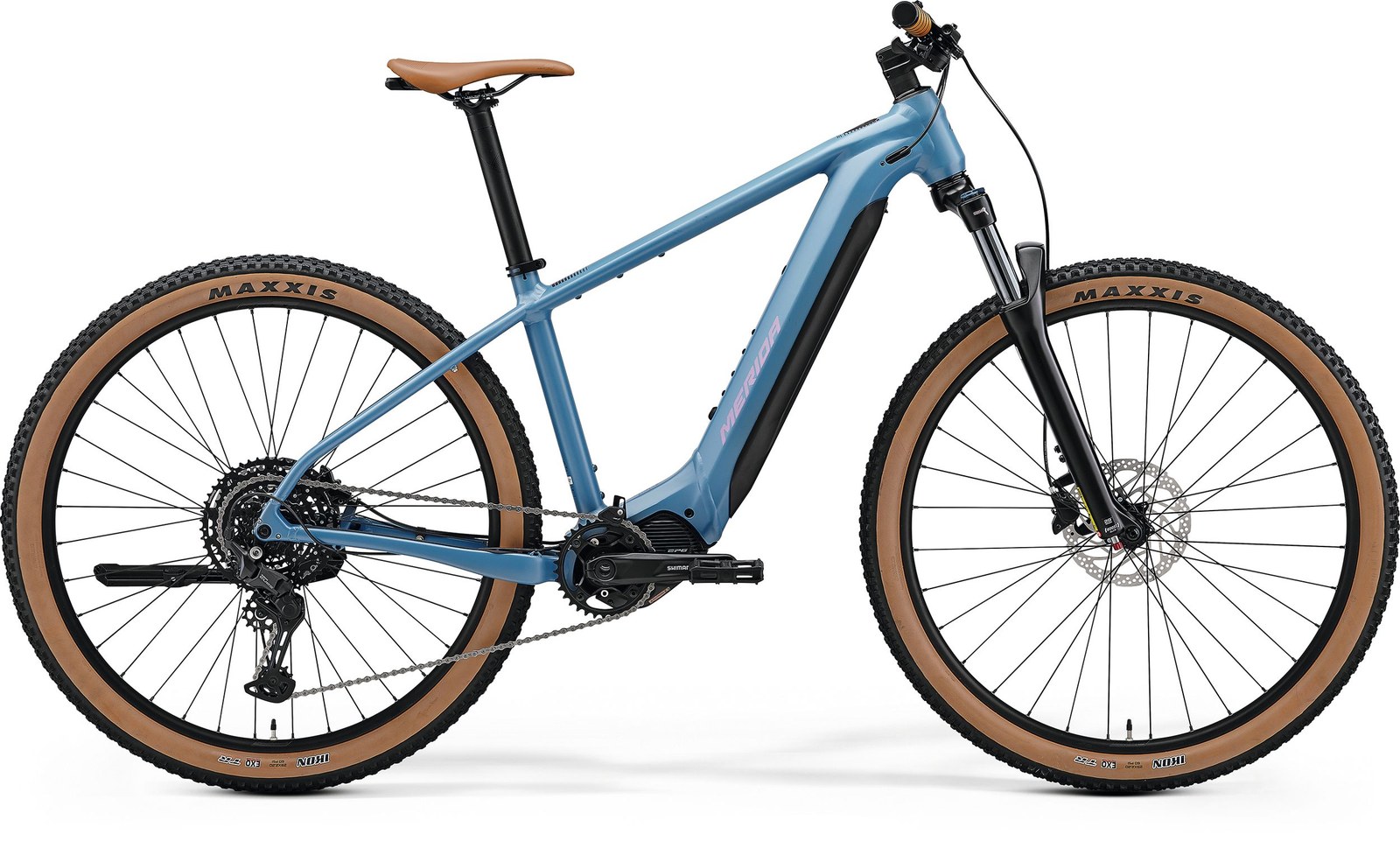
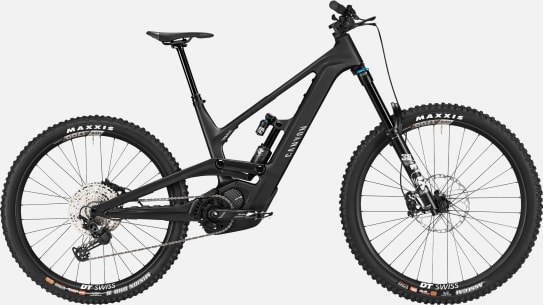
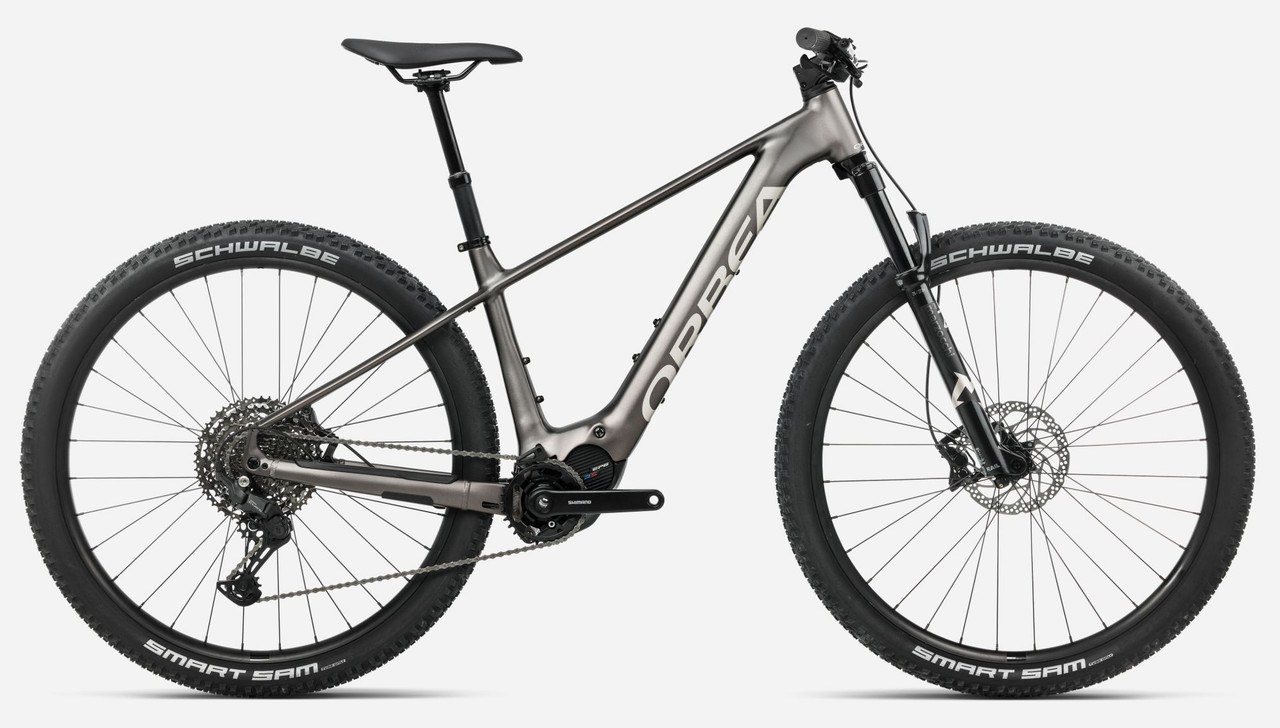
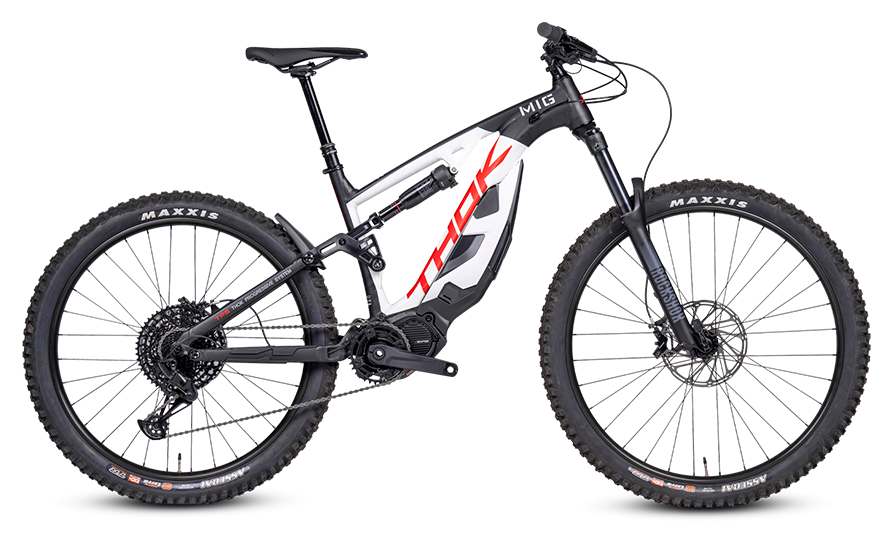
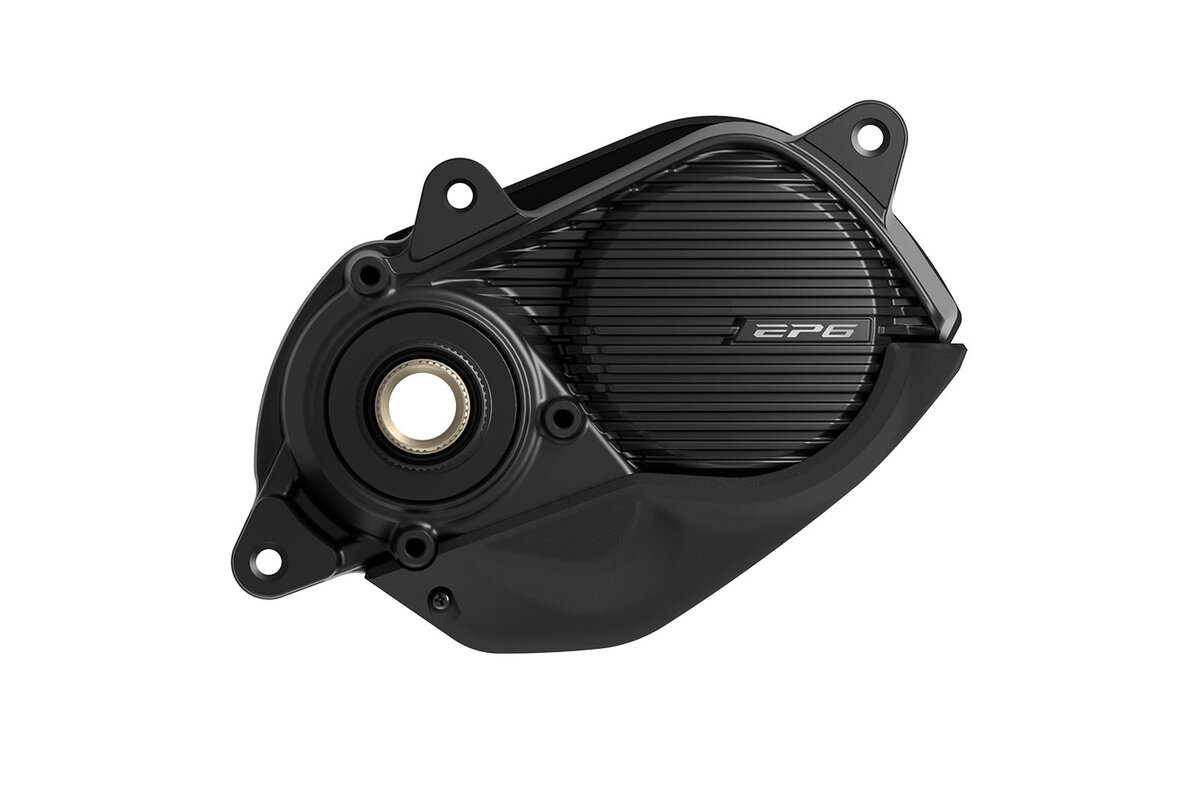
EP6 (DU-EP600)
Shimano's value-tier full-power motor: the EP801's 85 Nm punch and ~500 W ceiling poured into a cast-aluminium housing to hit a lower price, at the cost of roughly 400 g over the magnesium-cased flagship. On the dyno it gives away almost nothing.
Velomotion's EP6 test reports a 508 W peak but no cadence-resolved power curve, so the rpm sweet-spot is not measured for this unit. The shape shown is inferred from the mechanically identical EP801: strong from low cadence, broad mid-range, tailing off well before 120 rpm. Treat the rpm axis as indicative, not an EP6 measurement.
Shimano EP6 (DU-EP600) is the EP801 wearing cheaper clothes. Shimano launched it in 2022 as the mid-tier sibling to the flagship EP801, swapping the magnesium case for cast aluminium and accepting roughly 400 g of extra weight — 3.0 kg against Shimano's official 2.6 kg EP801 figure — in exchange for a lower OEM cost. The drive unit, sensors and tune underneath are effectively the same, and that shows on the test bench.
Velomotion measured 508 W of peak output and 85 Nm of torque — within a whisker of the EP801 and comfortably ahead of the older EP8. More telling is the 505 W it produced from just 100 W of rider input: like its flagship sibling, the EP6 hands over almost everything you ask for with very little leg, which makes it feel eager and generous rather than something you have to fight for. Velomotion's EP6 test doesn't publish a cadence-by-cadence power curve or a sustained-load thermal run, so the rpm sweet-spot and time-to-derate behaviour here are inferred from the mechanically identical EP801 rather than measured on this exact unit.
The compromises are the ones you'd expect from a value motor that shares its flagship's guts: the same coast-clutch rattle that EP8/EP801 owners know well, and the extra weight. Shimano doesn't publish a noise figure and no lab has put a decibel meter on the EP6 specifically, so the "quieter than EP8" character is a subjective read, not a measured one. For a bike priced to undercut an EP801 build, that's a very small toll to pay.
Character
The case for and against
Strengths
- EP801-level 85 Nm and ~508 W measured peak at a lower price
- Very eager assist — 505 W from just 100 W rider input
- Efficient: 4.8 Wh/km flat, 33.4 Wh/km climbing
- Out-torques value rivals (Bosch Performance Line, Yamaha PW-S2, both 75 Nm)
- Full E-TUBE app tuning, Di2 Auto/Free Shift compatible
Compromises
- ~400 g heavier than the EP801 (cast-aluminium housing vs the flagship's magnesium; 3.0 kg vs Shimano's official 2.6 kg)
- Coast-clutch rattle audible on the trail
- Lower peak than a Bosch CX Gen 5 (600–750 W vs ~500 W)
- No EP6-specific thermal or cadence dyno — sustained-climb behaviour is inferred from the EP801, not measured here
How it stacks up
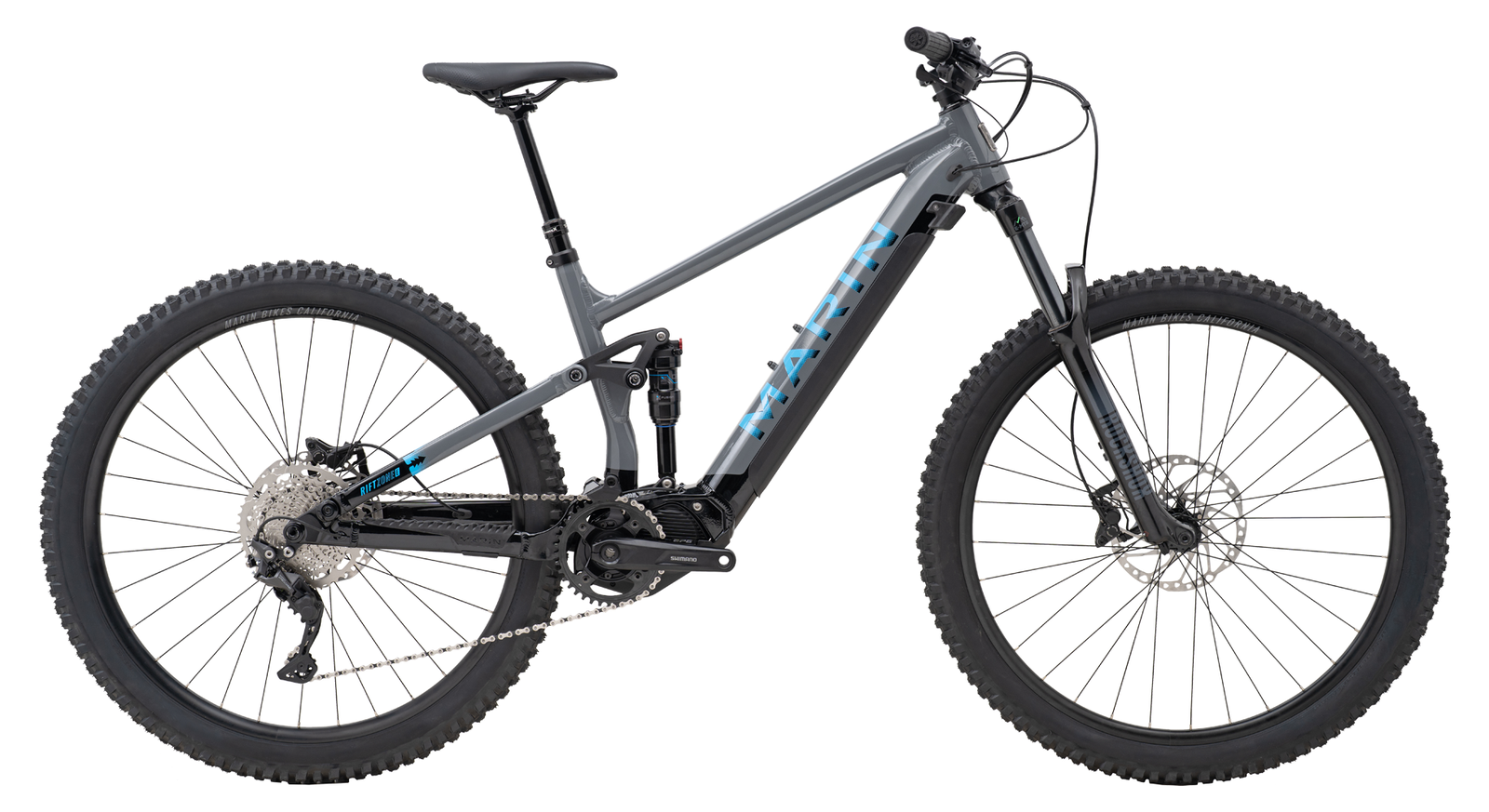
Bikes running this motor · 23