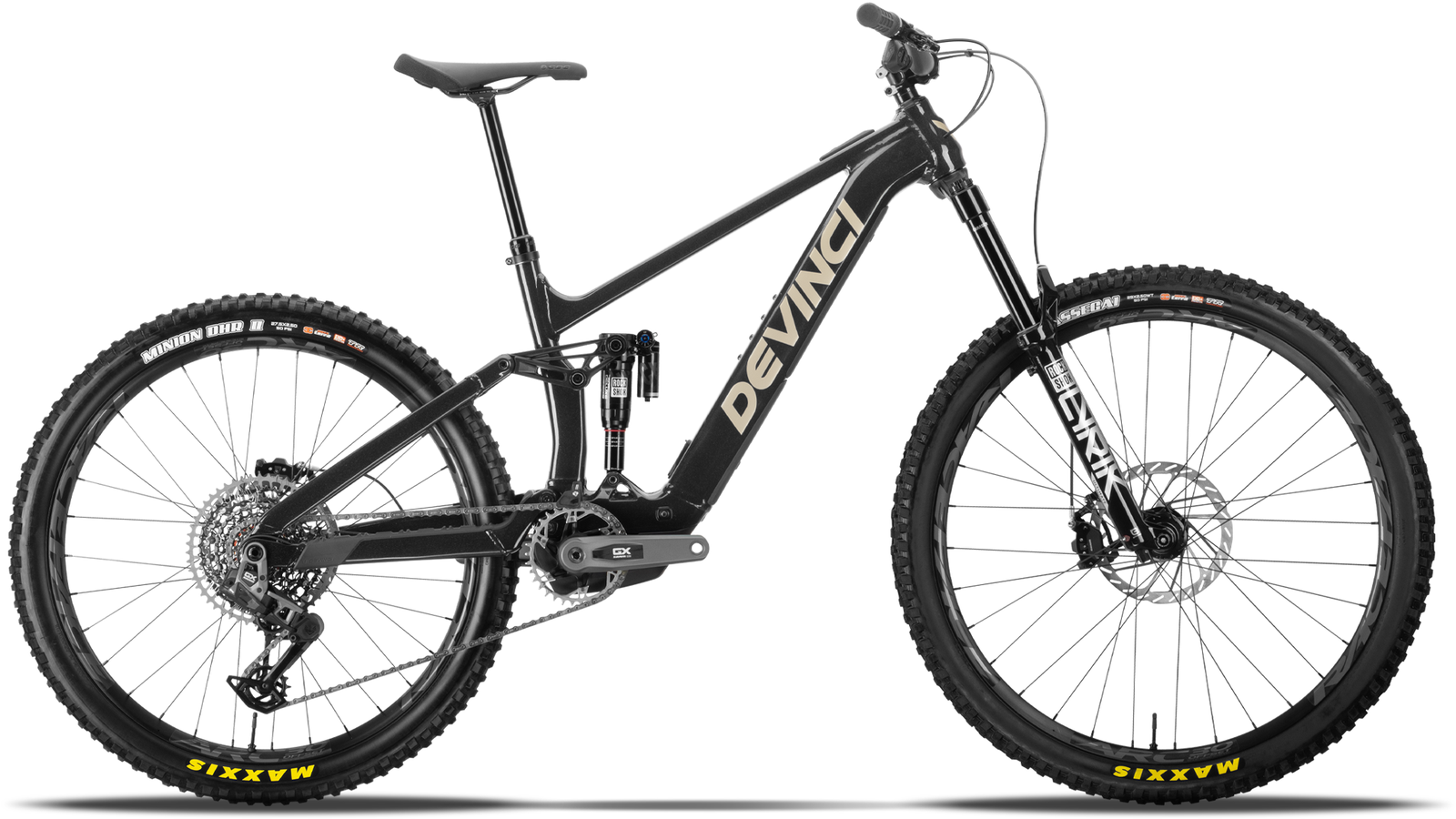
Motors · Bosch
Bosch · Performance Line SX

Performance Line SX

Bosch's featherweight Smart System drive squeezes near-full-power peaks from a 2 kg package — but only if you spin it like a road racer. Torque is 55 Nm by default, raisable to 60 Nm in the eBike Flow app (60 Nm ships as standard on post-October-2025 bikes); the headline 600 W peak only arrives at high cadence. On the dyno its trick is cadence, not grunt.
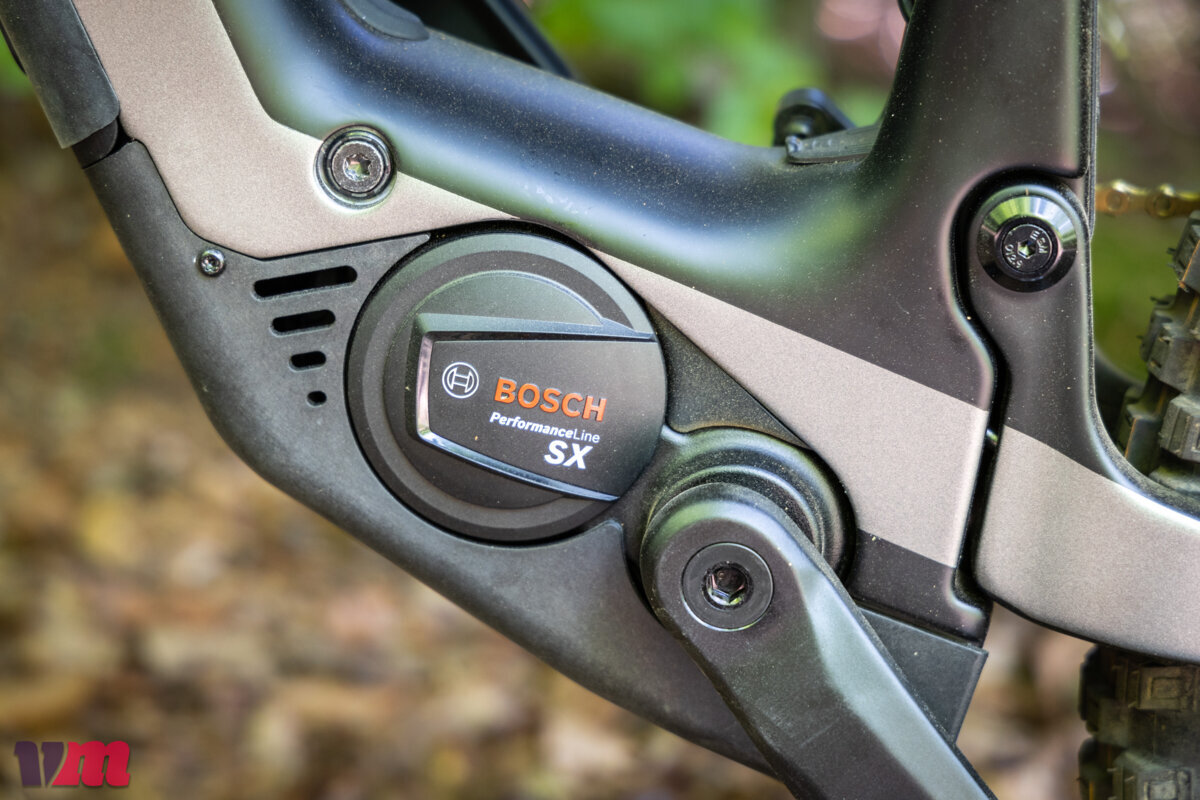
Performance Line SX eMTB motor
The Performance Line SX: magnesium-housed, ~2 kg, the lightest motor in Bosch's range. (Image pending replacement with a clean, licensed Bosch press shot — current asset carries a Velomotion watermark.)
02505006080100120140560 Wcadence (rpm) →power (W)

Output climbs steadily with cadence and keeps rising where rivals plateau — weak below 70 rpm, peaking only beyond 110 rpm.

The verdict

Performance Line SX is Bosch's answer to the lightweight-eMTB boom: roughly 2 kg, magnesium-housed, and engineered to chase a 600 W peak from a modest torque figure. That torque is 55 Nm as the factory default on bikes built before October 2025, raisable to 60 Nm via a free eBike Flow app update (with the eMTB+ mode); bikes built from October 2025 ship at 60 Nm out of the box. Either way the trick is the same — a dynamic boost algorithm that rewards a fast, sustained spin rather than a heavy stamp on the pedals. Velomotion's PT Labs run lays it bare: at a normal 75 rpm with moderate input the SX delivers only around 320 W, but flick the cadence past 110 rpm and feed it real effort and it surges toward the headline figure, their dynamic-boost run measuring just under 560 W of pure motor output.

Don't confuse the EU 250 W rating with the ceiling. Bosch's nominal 250 W is the legal continuous figure; the SX is rated for up to 600 W peak and Velomotion measured ~560 W in short bursts at high cadence, with ~320 W on tap at a steady 75 rpm. The 250 W badge is a regulatory floor, not a wall.

That makes it a brilliant motor for riders who keep the cranks whirring on rolling, flowing terrain, and a frustrating one on a slow, steep, low-cadence grind, where the modest 55–60 Nm and a constant-load reading nearer 300 W means it 'runs out of steam pretty quickly.' Heat is the other limiter: housing temperatures climb toward 100°C and you'll see roughly 10–15% derating after 10–15 minutes of sustained climbing, sooner inside a carbon frame.

Treat it as a light-assist motor with a sporty top end rather than a CX rival, and it's superb — narrow Q-factor, gentle and easy-to-dose delivery, quiet at cruise. Just don't expect the dyno to confirm the 600 W marketing unless you can hold 110-plus rpm.

“600 watts is real — but it lives at 110-plus rpm, not in your legs at 60.”

Sustained power & heat

How long the headline number actually lasts under sustained climbing load.

CompactTube 400 Wh
Holds 87% for 12 min · housing 100 °C

~10-15% derating after 10-15 min full load (some runs began declining around the 6-min mark); carbon frames trigger it earlier than alloy

Character

Rider input
Bosch publishes 340% support as the baseline for the SX, raised to up to 400% in custom modes by the free Performance Update 2.0 (May 2026); up to 600% applies only below 15 km/h. The eMTB+ mode blends eMTB control with Race-level power. Unlocking the headline peak still needs a sustained ~250 W rider input plus a high spin.
On the trail
Gentle, easy-to-dose and natural-feeling — it amplifies a fast, fluid pedalling style rather than masking a slow grind. Rewards cadence, punishes lugging.
Noise
No independent dBA figure has been published for the SX, so this stays qualitative: quiet and unobtrusive at cruising cadence; Velomotion describes a brighter hum than the Gen 5 CX when worked hard, plus a metallic freewheel clatter on descents. Treat the 'brighter hum' as a relative impression, not a measured difference.
Efficiency
Genuinely efficient as a light-assist drive at moderate cadence, but the cadence-hungry boost algorithm burns battery fast when you chase peak watts on climbs. Worked figures from the 400 Wh CompactTube pack: at a steady ~320 W draw on a sustained climb the pack equates to roughly 75 minutes of full assistance, and Bosch's own ~1,500 m elevation claim with the 400 Wh pack works out to around 0.27 Wh per metre climbed (≈ 13–15 Wh/km on typical 5–6% trail gradients). Spin past 110 rpm to hold the 560 W peak and consumption rises sharply — expect the 1,500 m figure to drop toward 1,000 m of vertical, which is why a PowerMore 250 range extender (650 Wh total) is the popular fix on bigger days.

The case for and against

Strengths

  • Just 2 kg with a class-leading narrow Q-factor
  • Genuine near-600 W measured peak — the highest ceiling in the lightweight class
  • Gentle, easy-to-dose, natural delivery
  • Quiet at cruising speed
  • Smart System ecosystem; 340% support, raised to up to 400% by Performance Update 2.0

Compromises

  • Soft and uninspiring at low cadence on steep climbs
  • Only ~320 W at a normal 75 rpm despite the 600 W claim
  • Derates 10-15% after 10-15 min of sustained load (housing nears 100°C)
  • Cadence-hungry: chasing peak watts drains the 400 Wh pack fast on climbs
  • Metallic freewheel clatter on descents

How it stacks up

It's not a Performance Line CX rival despite the matching 600 W peak — the CX delivers its 85+ Nm low down where the SX is comparatively soft. Among true lightweight rivals the SX has the highest ceiling on paper and on the dyno: Velomotion's ~560 W measured peak (600 W claimed, 55–60 Nm) tops the Specialized SL 1.2 (50 Nm, ~320 W peak), the TQ HPR50 (50 Nm, ~350 W) and even the punchy Fazua Ride 60 (60 Nm, ~450 W Boost). The catch is where that power lives. Plot them on the same W-vs-rpm chart and the rivals are flatter and earlier — the SL 1.2 and HPR50 are near their ceilings by 90–100 rpm, the Fazua peaks around 100 rpm, while the SX is still climbing past 110 rpm. So at a low, steep 60 rpm grind the SX feels no stronger than a TQ or Fazua and arguably less smooth; it only converts its headline advantage above ~110 rpm, where most of its rivals have already plateaued. Buy it for cadence, not for low-speed torque.
OWNER INTELLIGENCE
Most owners report no problems · 1,023 posts from 263 members analysed.
45400Wh CompactTube range - the biggest gripe cluster · typical onset: n/a - system property.
29Coasting clack/rattle and whine under load (design characteristic) · typical onset: From new; several owners say it gets louder as gears bed in [post 655915].
29High-cadence power character - complaints vs acceptance · typical onset: Inherent character, obvious on first ride.
Two-bike household (Neuron:ONfly SX + Canyon TQ), 'well over 1,000 miles... both 100% trouble free.
Read the full owner report →
Back
Top