HPR50
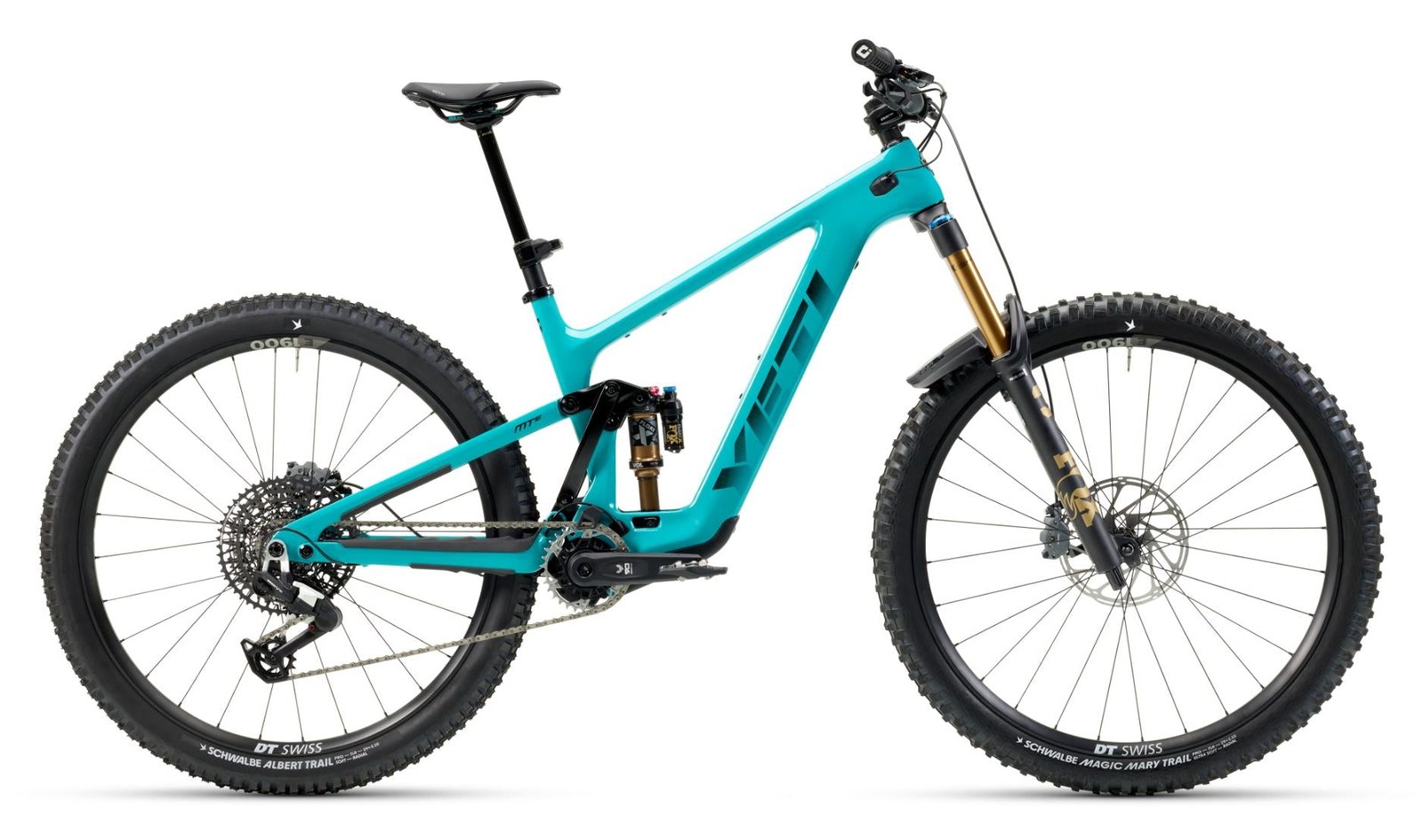
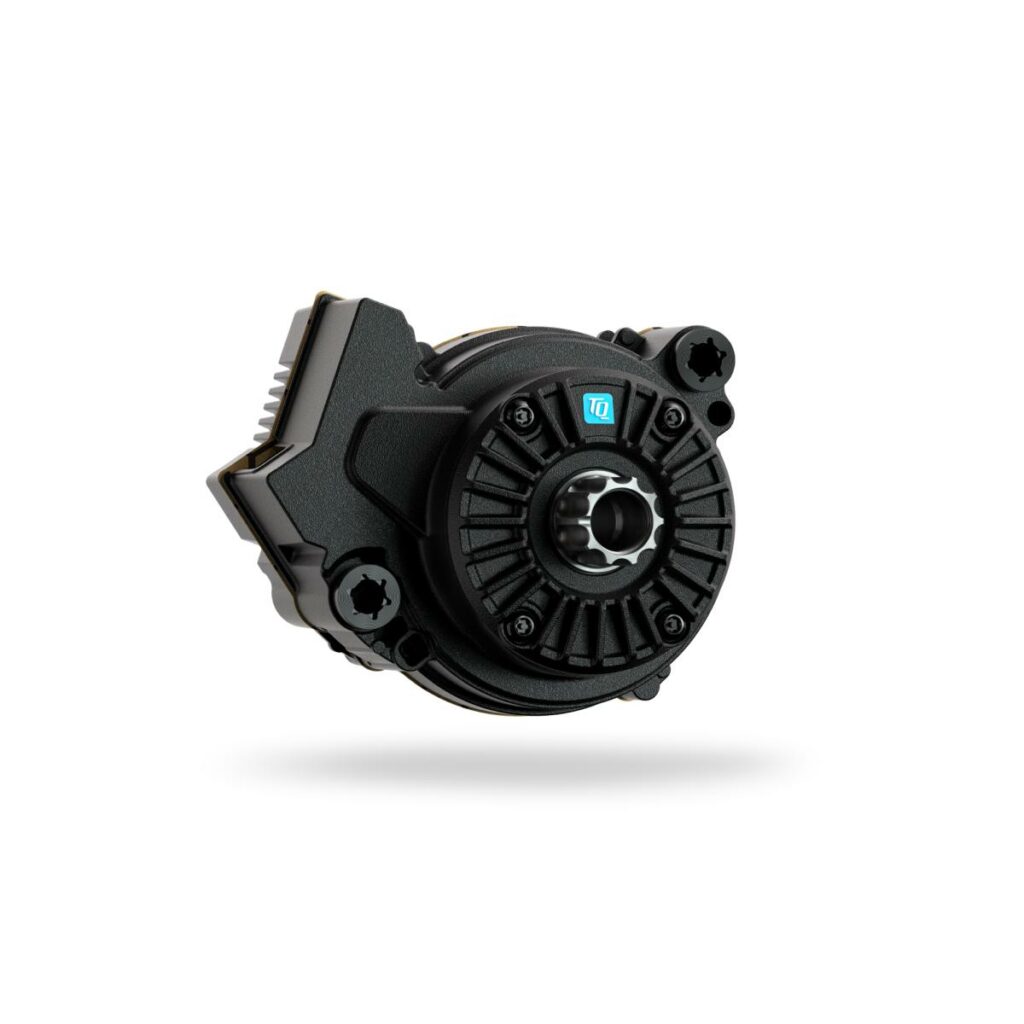
TQ's HPR50 is the featherweight that redefined what a 'light' e-MTB motor could be: 1.85 kg, near-silent, and built around a radical Harmonic Pin-Ring gearbox that trades outright grunt for an uncanny, ride-like naturalness. TQ claims 50 Nm and a 300 W peak; independent labs measure roughly 38 Nm and ~283 W at the wheel.
Modest and progressive low down (~38 Nm nominal torque), building meaningfully only past ~60 rpm and peaking at the lab-measured 283 W around 80-90 rpm before tapering at high cadence. Watts shown are PT Labs/BIKE rear-wheel measurements, not TQ's 300 W claim.
TQ HPR50 was never about winning the torque war. Its single-stage Harmonic Pin-Ring transmission, three concentric precision parts replacing a conventional geartrain, makes it the quietest mainstream e-MTB motor on the market and one of the lightest at just 1.85 kg. TQ's claimed figures are 50 Nm and a 300 W peak, modest numbers in a world of 85-100 Nm full-power units, and on the bench independent labs land lower still.
Getting it onto a dyno proved awkward, the housing is too compact for a conventional torque sensor, so BIKE Magazin (PT Labs) drove it on a roller and read 283 W at the rear wheel with a measured nominal torque of about 38 Nm; Velomotion's stand test put peak output at a touch over 280 W and reached the same broad conclusion. The takeaway: at low cadence the assist is modest, you need to put in real effort, around 150 W or more, before the motor leans in. Spin it up to 80-90 rpm and it comes alive, delivering smooth, proportional support that feels less like a motor and more like simply being a stronger version of yourself.
It won't haul you up a wall the way a Bosch CX will, and the standard 360 Wh battery limits range; TQ's 160 Wh range extender lifts the system to roughly 520 Wh for longer days. Buyers should also note that the HPR50 has been superseded by the 2025 HPR60 (60 Nm claimed, 350 W peak, added cooling fins), so the HPR50 now sits as the lighter, quieter, lower-torque option in TQ's range. But for riders who want an analogue-feeling bike with a quiet, discreet boost, nothing else feels quite like it.
Sustained power & heat
How long the headline number actually lasts under sustained climbing load.
No measured thermal de-rate data published by independent labs; no widespread owner reports of cut-outs on sustained climbs given the motor's low ~283 W ceiling.
Character
The case for and against
Strengths
- Lightest mainstream e-MTB motor at 1.85 kg
- Quietest drive on the market (Trek anechoic study: 1.5-1.8x quieter than rival e-MTBs)
- Uncannily natural, ride-like assist
- Frugal energy use for its class
- Compact, fully integrated system; optional 160 Wh range extender (~520 Wh total)
Compromises
- Modest claimed power (300 W) measures ~283 W at the wheel; low ~38 Nm nominal torque
- Input-hungry, you must pedal hard (~150 W+) for full assist
- Standard 360 Wh battery limits range without the extender
- Outclassed on steep climbs by full-power rivals; now superseded by the 60 Nm HPR60
How it stacks up
Bikes running this motor · 40