M2S
DJI's flagship is the most powerful production eMTB motor yet measured — 150 Nm Boost and a dyno-verified 1,450 watts at the cranks, in a 2.59 kg package. Here's what that actually feels like on the trail, where it lands against Bosch, and the one thing no-one can vouch for yet: how it holds up over time.
Builds with a short, gentle ramp, peaks at 100-110 rpm and - unusually - holds power cleanly all the way to 150 rpm with no stalling at high cadence.
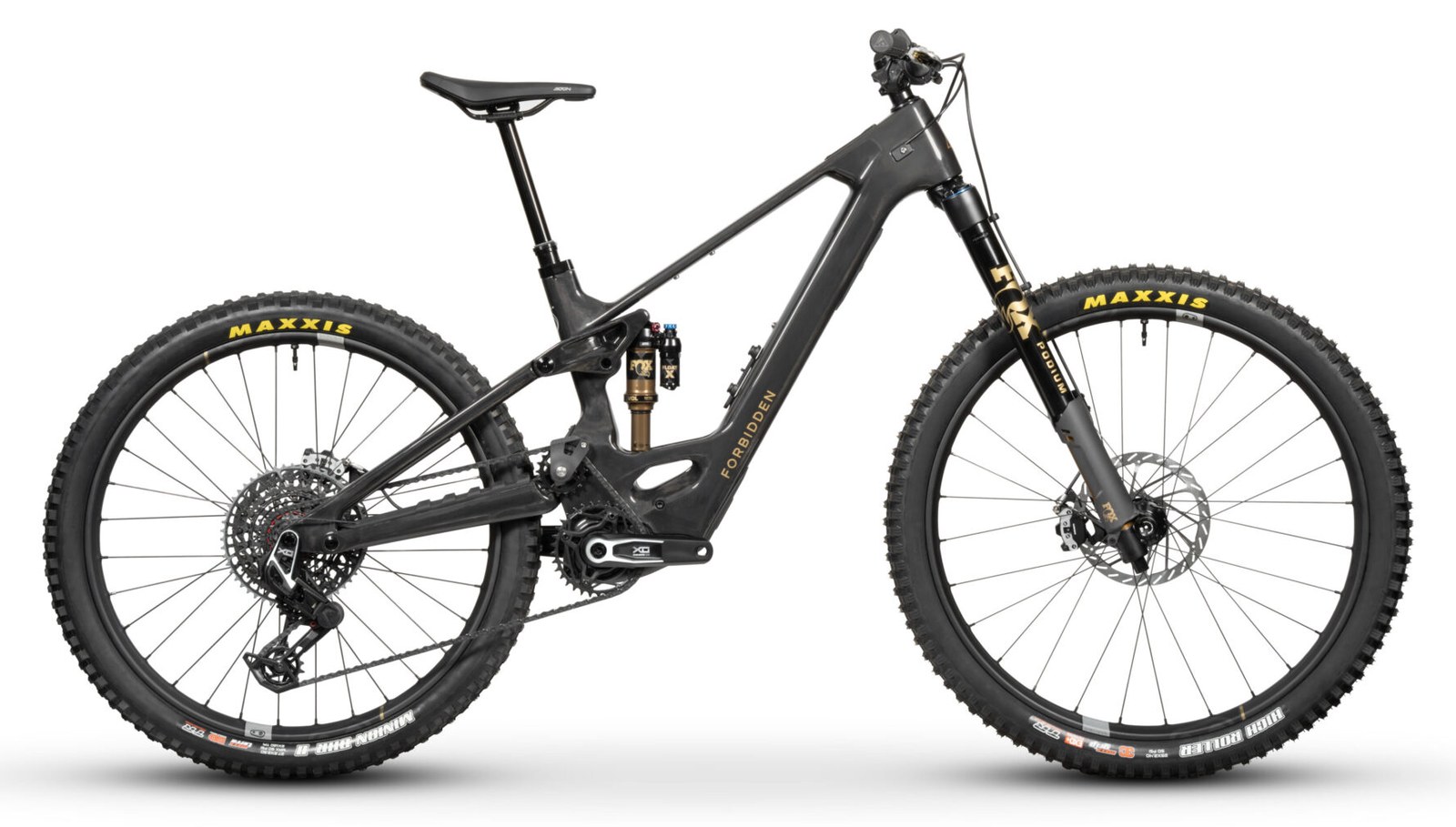
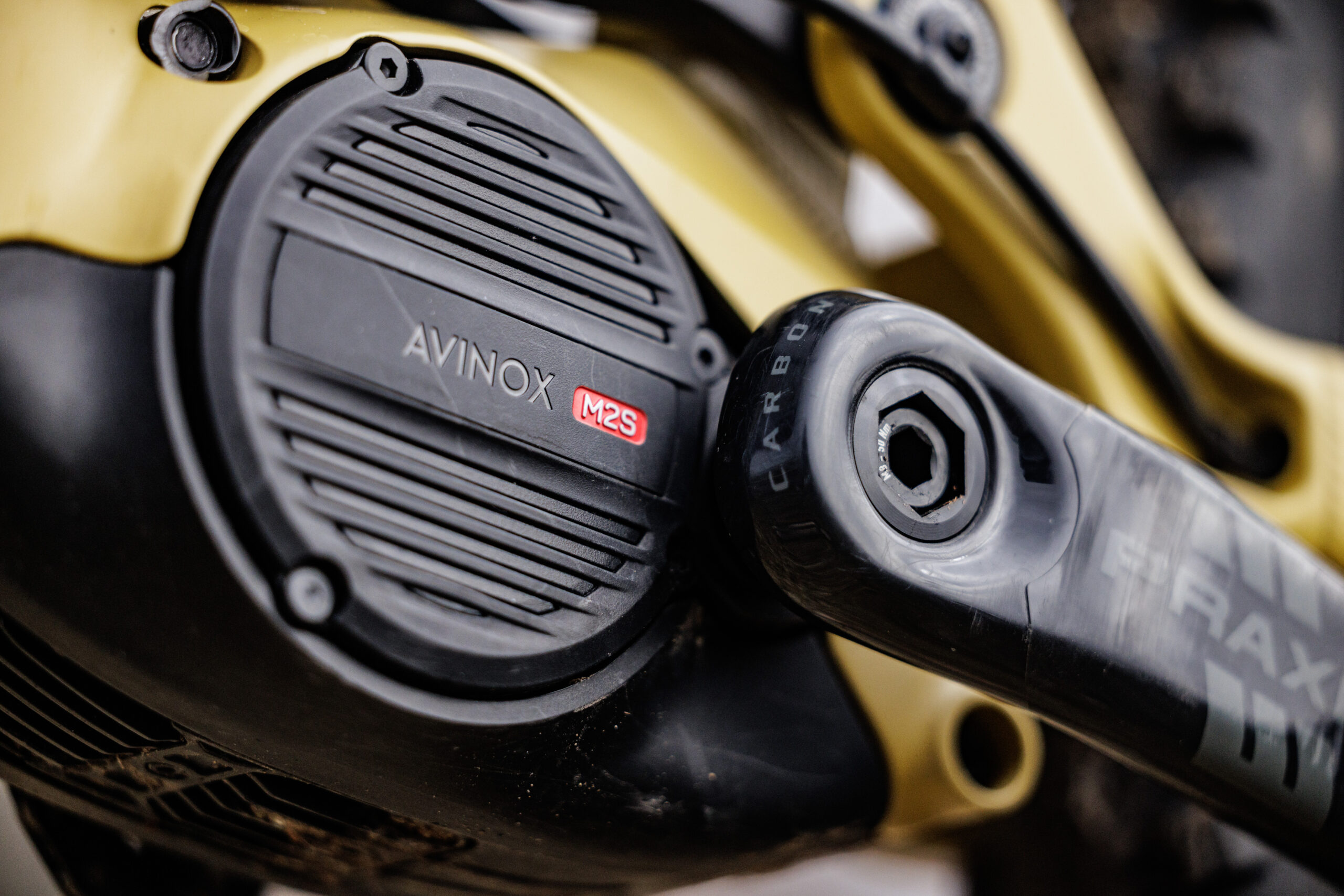
Avinox M2S is the flagship full-power drive unit in the Avinox M2 series, launched 9 April 2026 and aimed squarely at the top of the full-power eMTB tier. The headline numbers: 150 Nm peak torque, 1500 W claimed peak (1462 W measured on an independent dyno), 36 V architecture, 2.63 kg. It supersedes the M1 (which measured around 850 W on the same test bench) and arrives as the highest-output production eMTB motor announced to date. Community framing is blunt: as one tester put it on a Forbidden Druid E build, the weight-to-power ratio is what stops people mid-sentence, with a 19.2 kg complete bike running well over a kilowatt on tap.
The numbers. Claimed peak is 1500 W and 150 Nm; eMTB Magazine's dyno landed at 1462 W, within 2.5% of the claim and well clear of anything else on the market. Nominal continuous output is 130 Nm and 1300 W, with the extra 20 Nm and 200 W reserved for the Boost burst, so the gap between cruising torque and the headline figure is real and worth understanding. Up to 800% assist is available in the top mode. Output is also battery-conditional: the FP700 700 Wh internal pack sustains the full 1500 W / 150 Nm, while the RS800 removable pack sustains 1300 W and bursts to 1500 W in Boost. That is still more sustained wattage than any rival's peak, so the RS800 is a feature ladder rather than a compromise. Firmware is delivered OTA through the Avinox app and has already shifted Trail-mode ramp behaviour twice since launch.
Character and feel. The recurring rider note is that the motor is quiet under load and clean off the pedals. Jazzii reports a 20.9 kg coil-shock build that is quiet but not TQ-silent, with no downhill rattle, which matches the wider consensus that drag is low enough to pedal over the 25 km/h cutoff without feeling like you are towing a brake. Modulation across Eco, Trail and Boost is where the Avinox app earns its keep: Rob Rides EMTB runs a beta app that lets him cap watts per mode, setting Trail to 600 W to mimic a Bosch CX feel and Turbo to 850 W to stretch range. Run uncapped, Boost is genuinely violent off a standstill and the 150 Nm shows up as front-wheel lift on steep tech.
Compatibility and ecosystem. Five battery configurations are supported: FP700 (700 Wh internal, full 1500 W sustained), RS800 (800 Wh removable, 1300 W sustained / 1500 W burst), RS600 (600 Wh removable, also rated to 1500 W peak), and FP800 / FP600 internal packs on non-PR builds capped at 1300 W. The Avinox app handles firmware, mode customisation and diagnostics. There is a bar remote and a top-tube display on most builds, with a 12 A / 508 W fast charger shipped on Amflow bikes. Standards are conventional: ISIS interface, Boost 148 rear, 55 mm chainline on most builds.
Reliability and known issues. Early-batch reports have been mostly clean. Mad_Angler1, a long-time Avinox brand watcher, flags that warranty politics are part of buying into the ecosystem and worth factoring in if you are not near a dealer. On the M1 generation, emtbeast's lab test showed the unit shutting down under sustained Boost load rather than hitting its claimed ceiling; M2S thermals appear improved on hairpin-wound stators, but long bike-park laps in 30 °C are still the real test and the jury is technically out until summer 2026 data lands. No formal recalls as of writing.
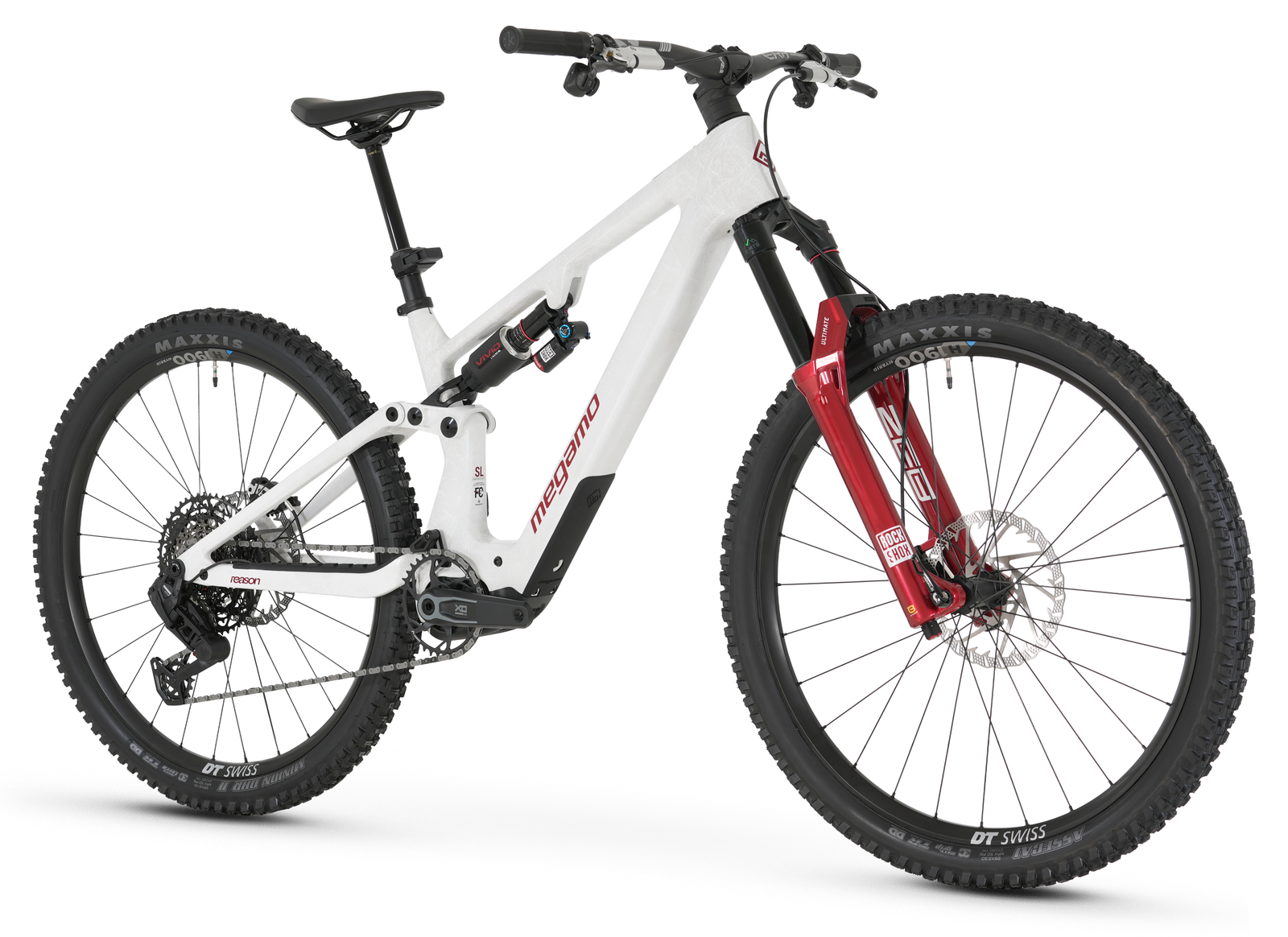
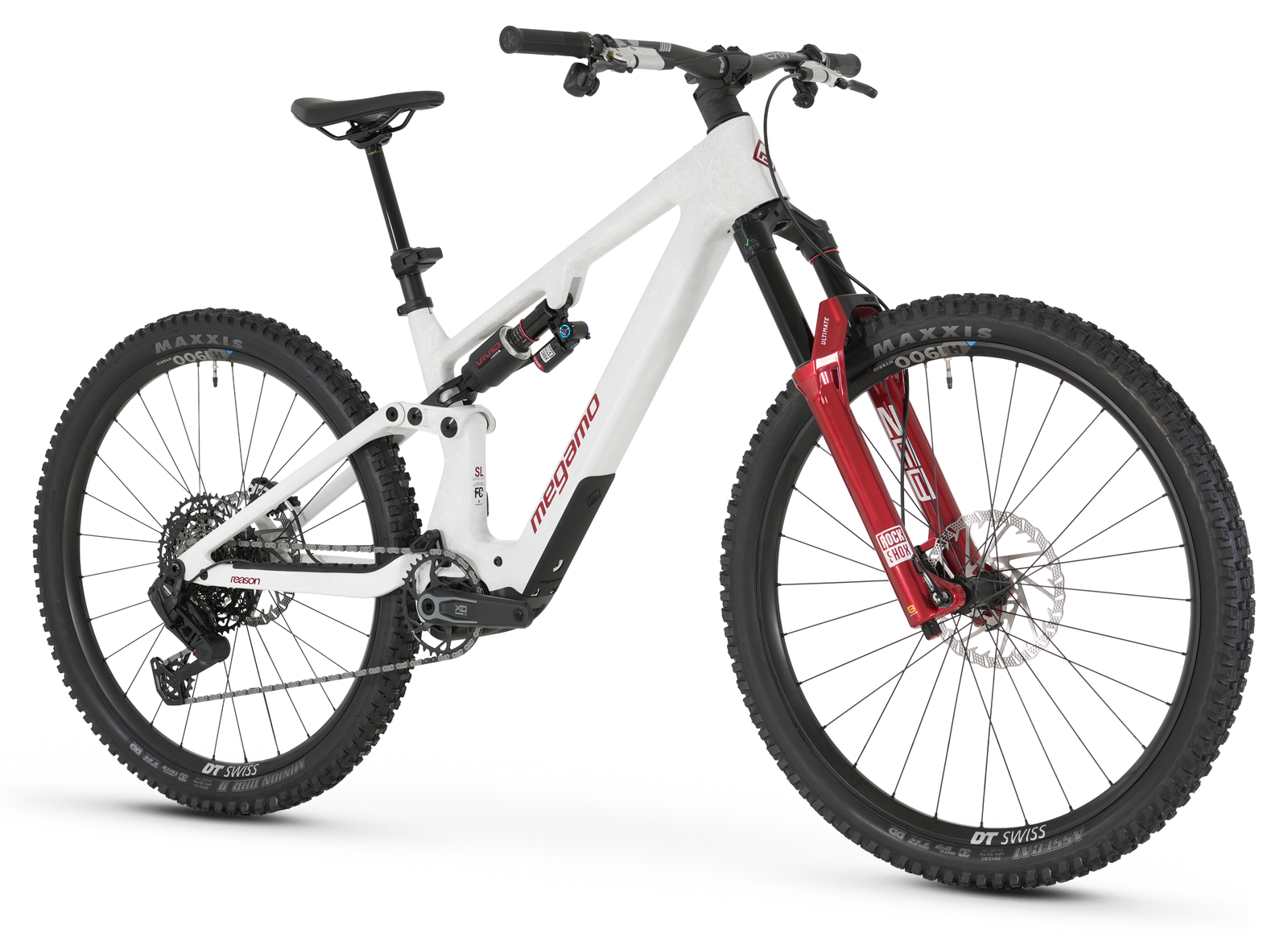
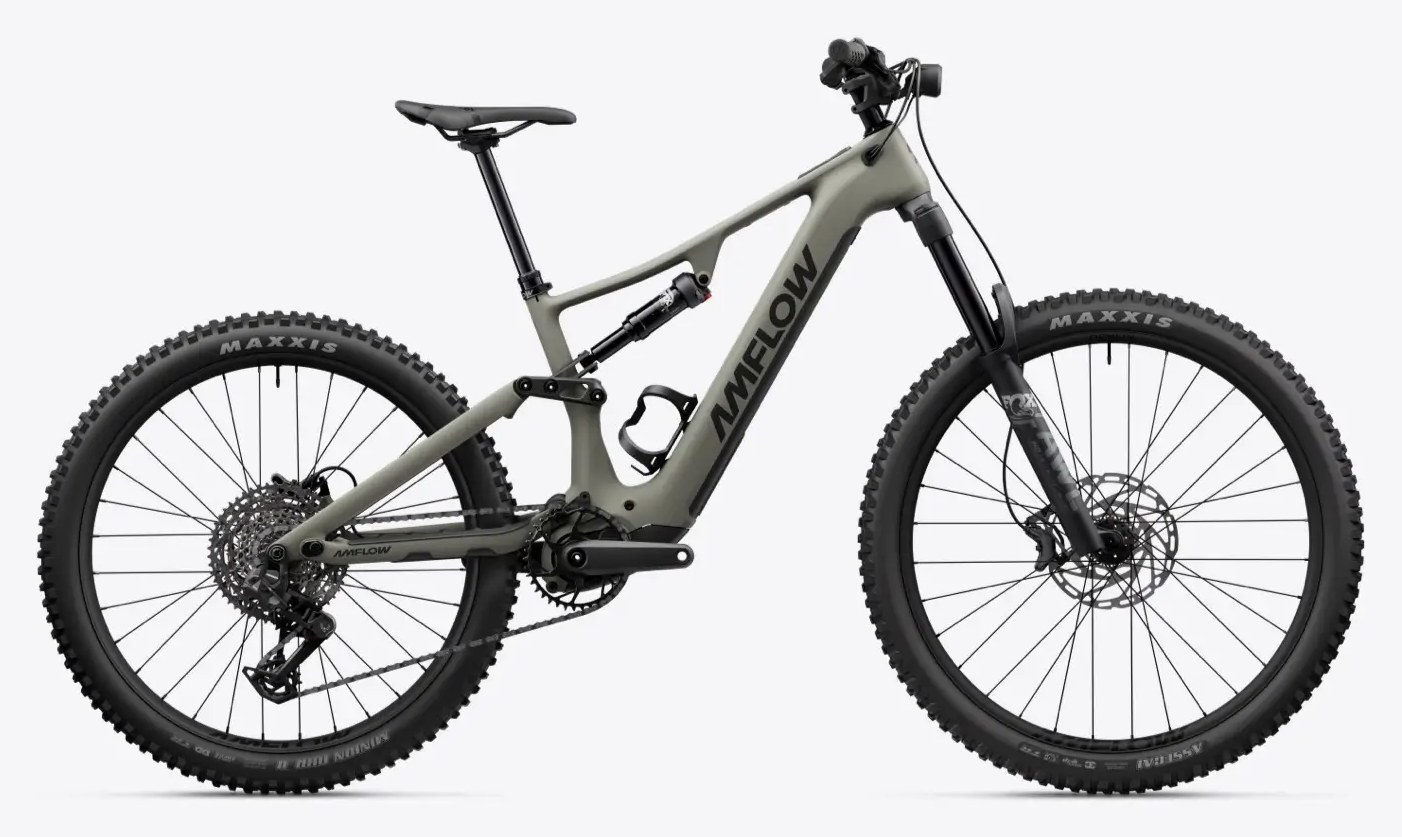
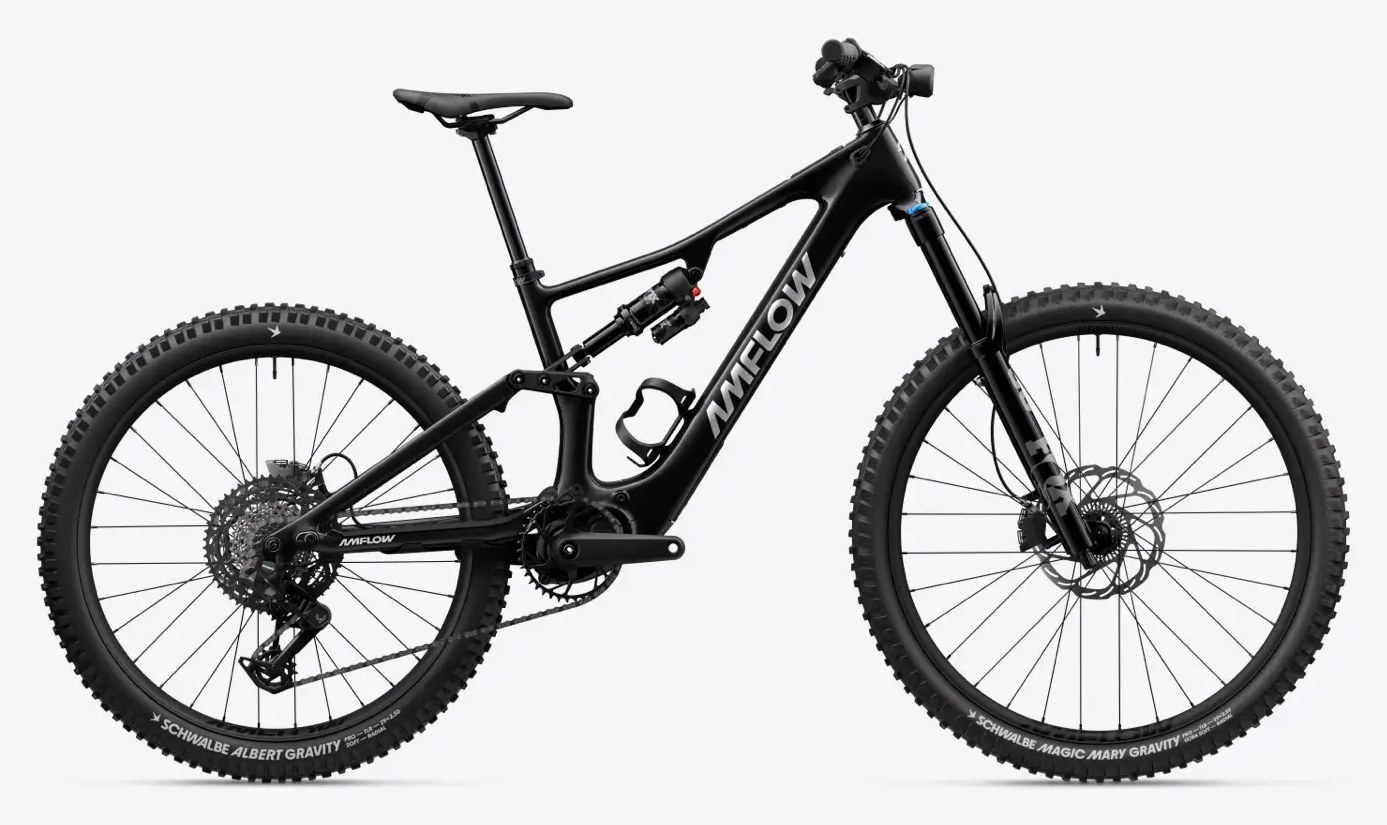
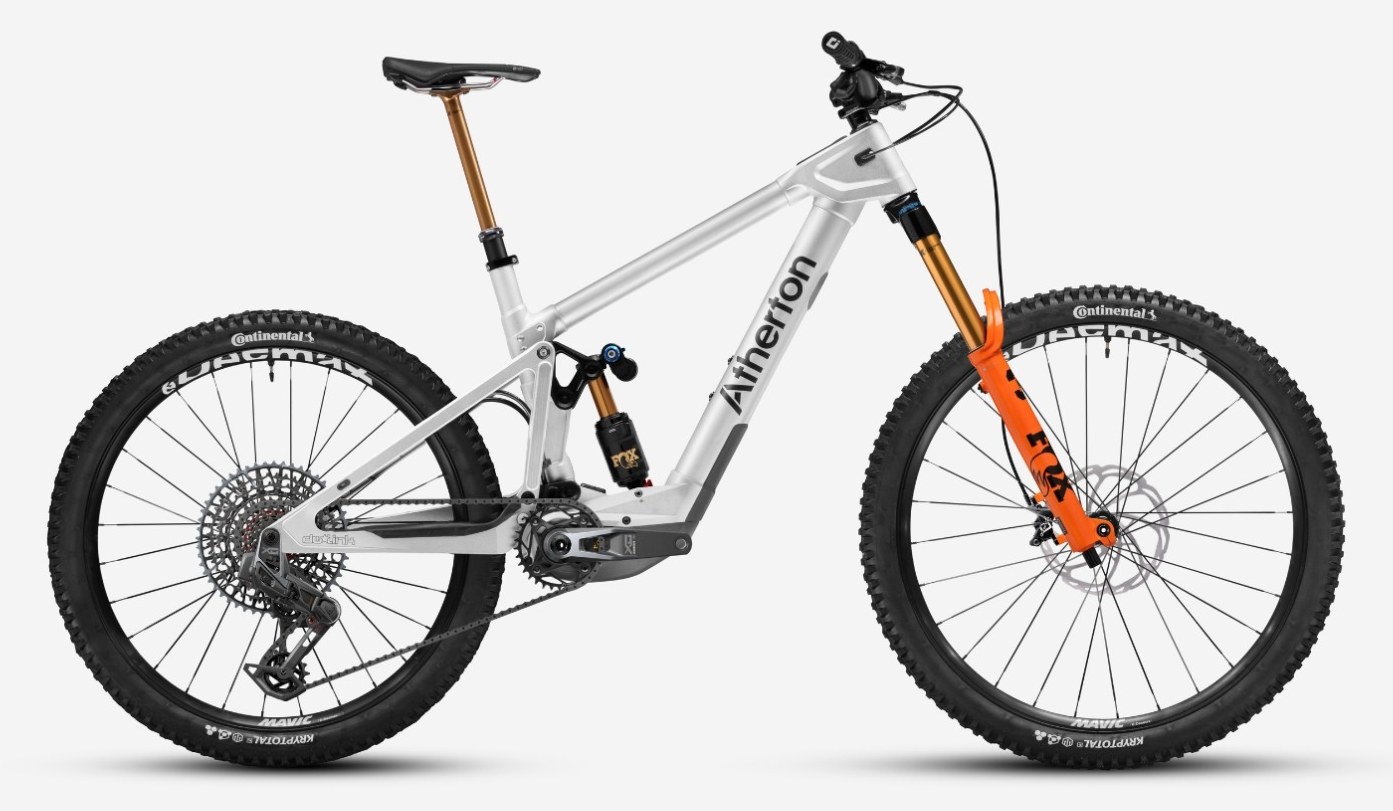
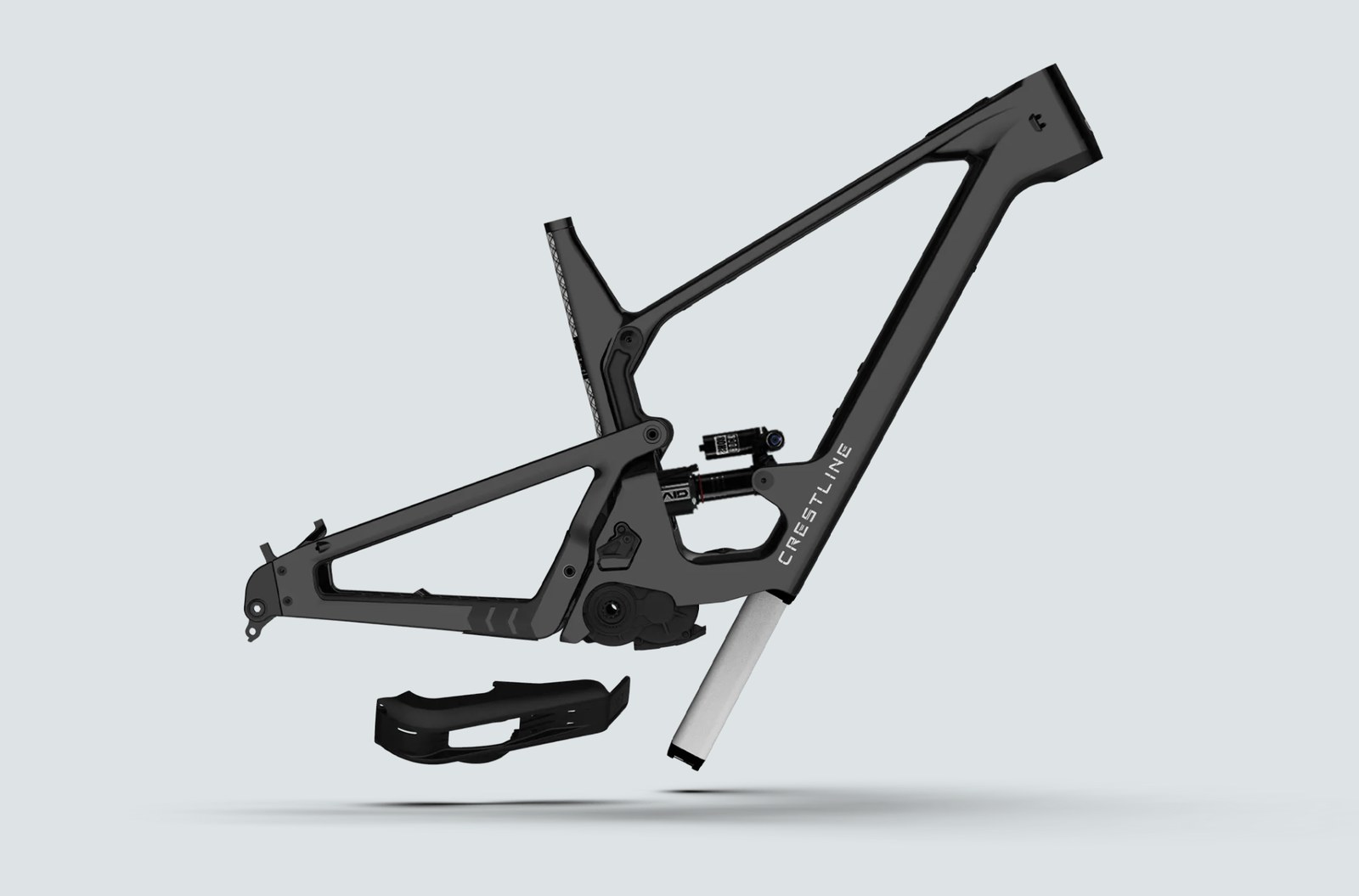
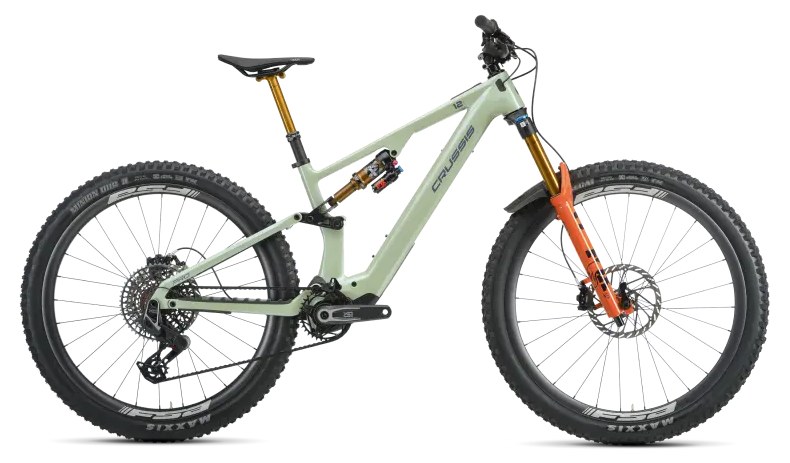
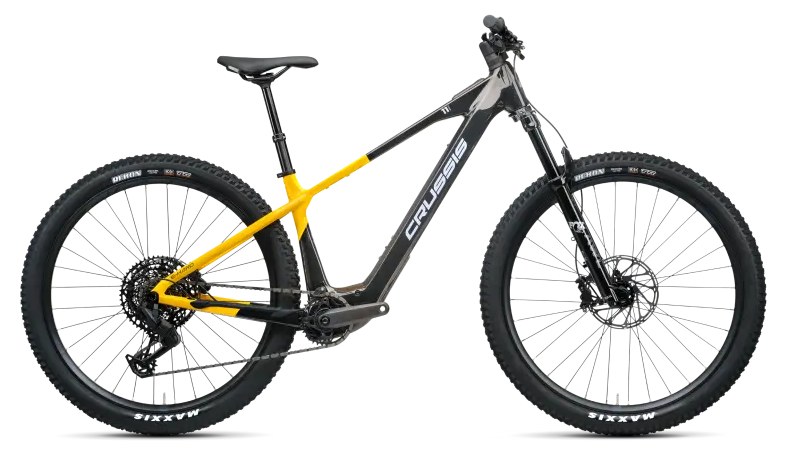
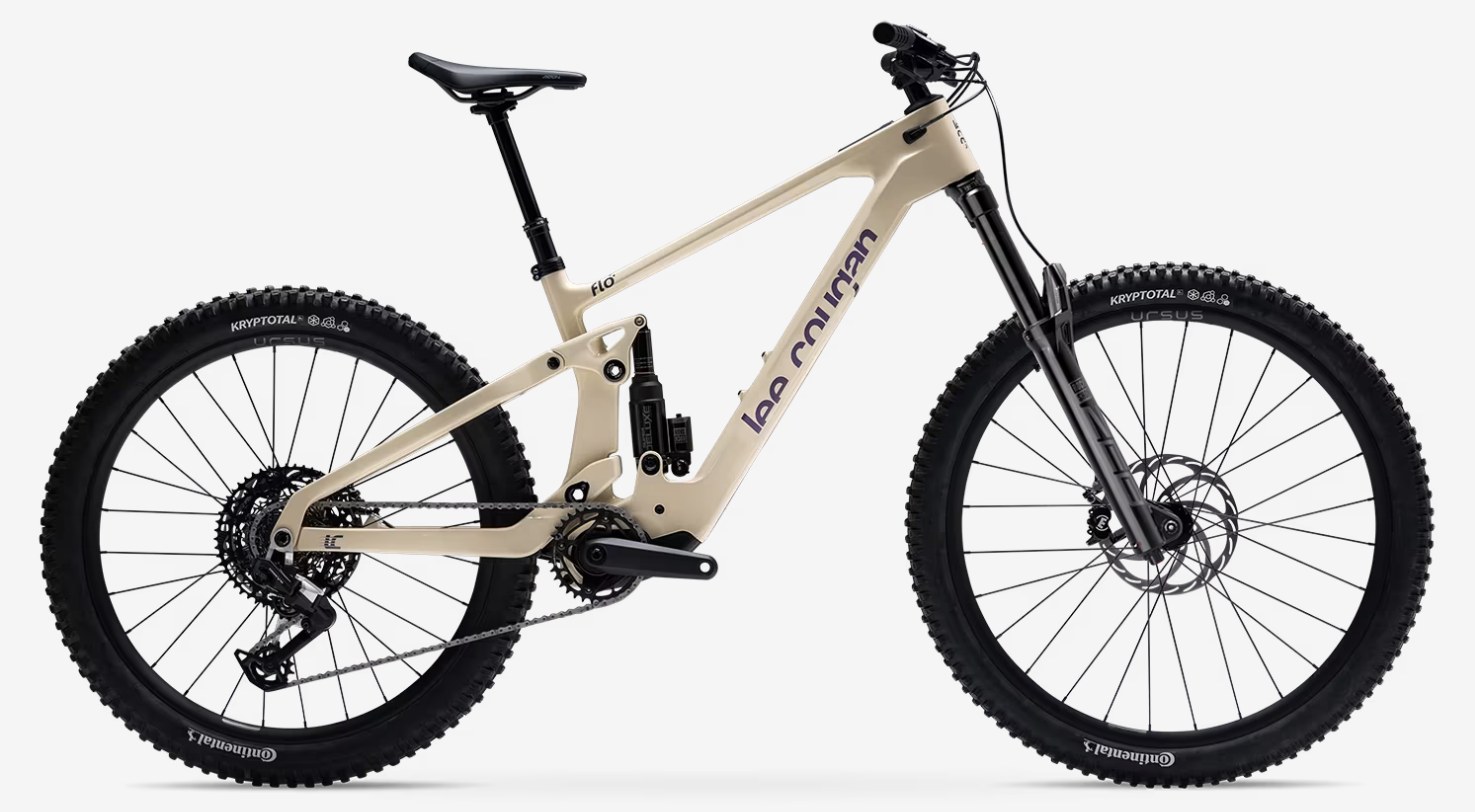
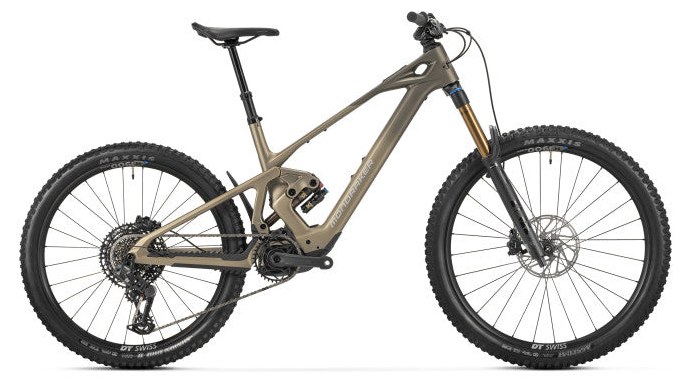
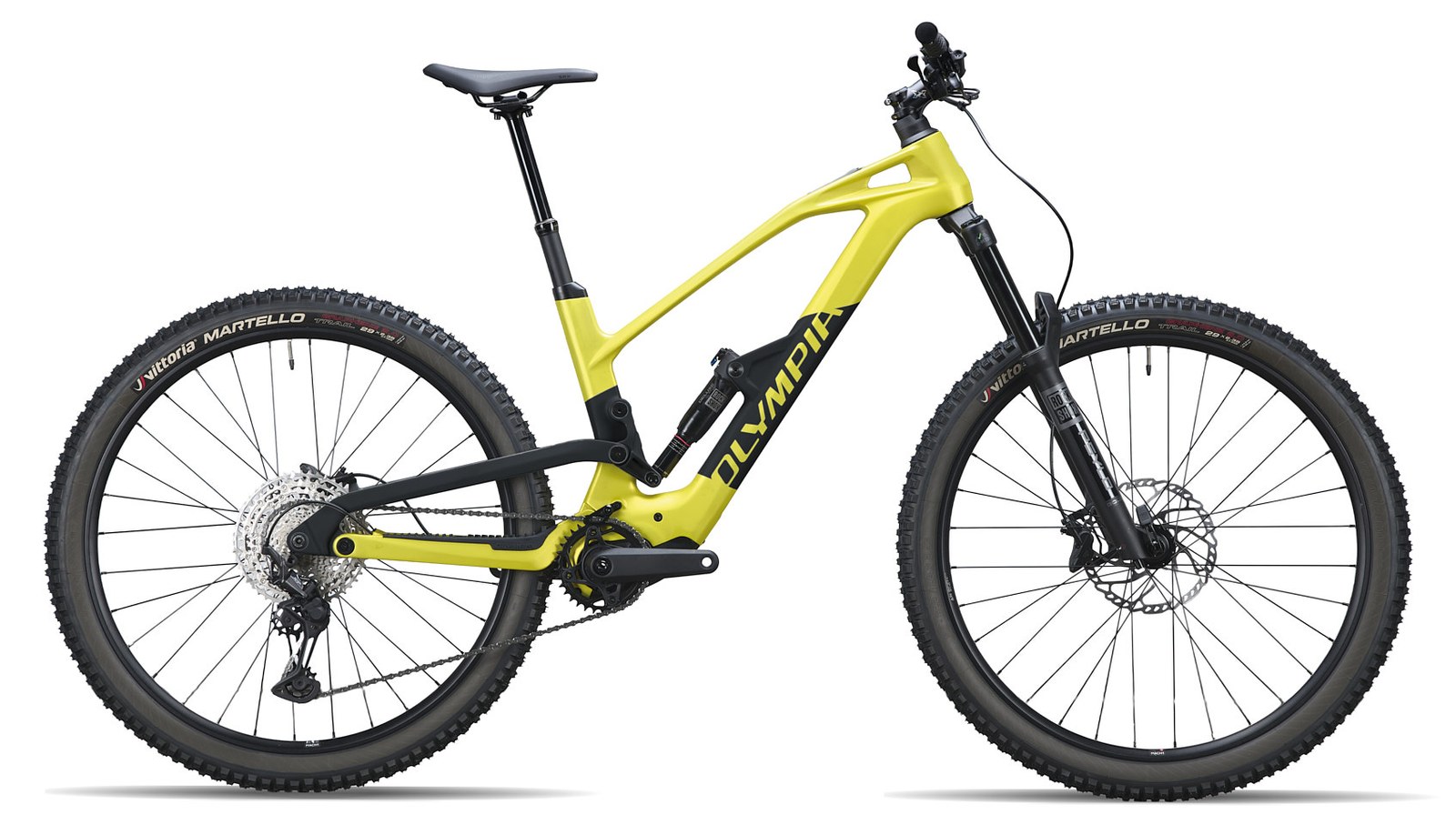
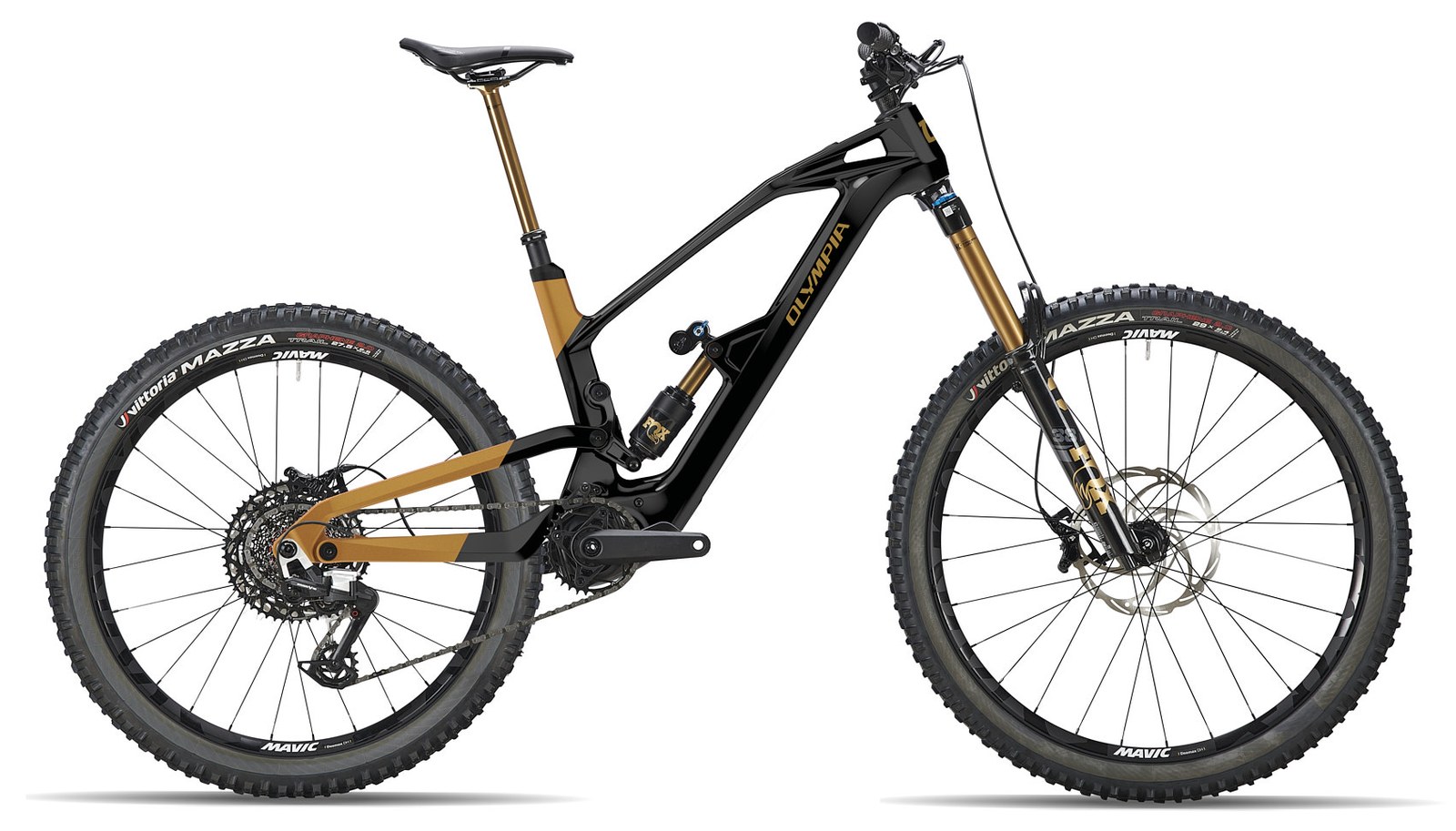
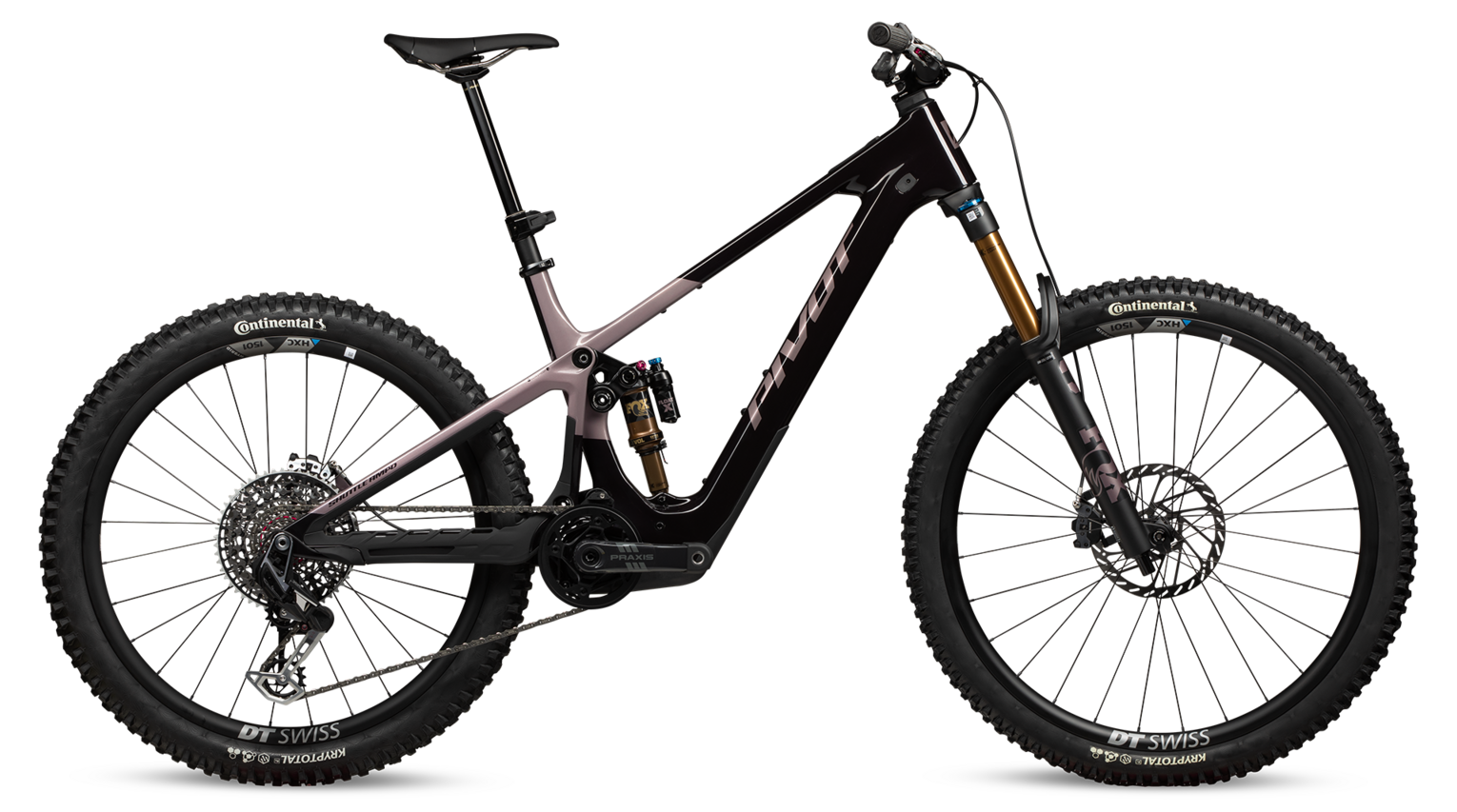
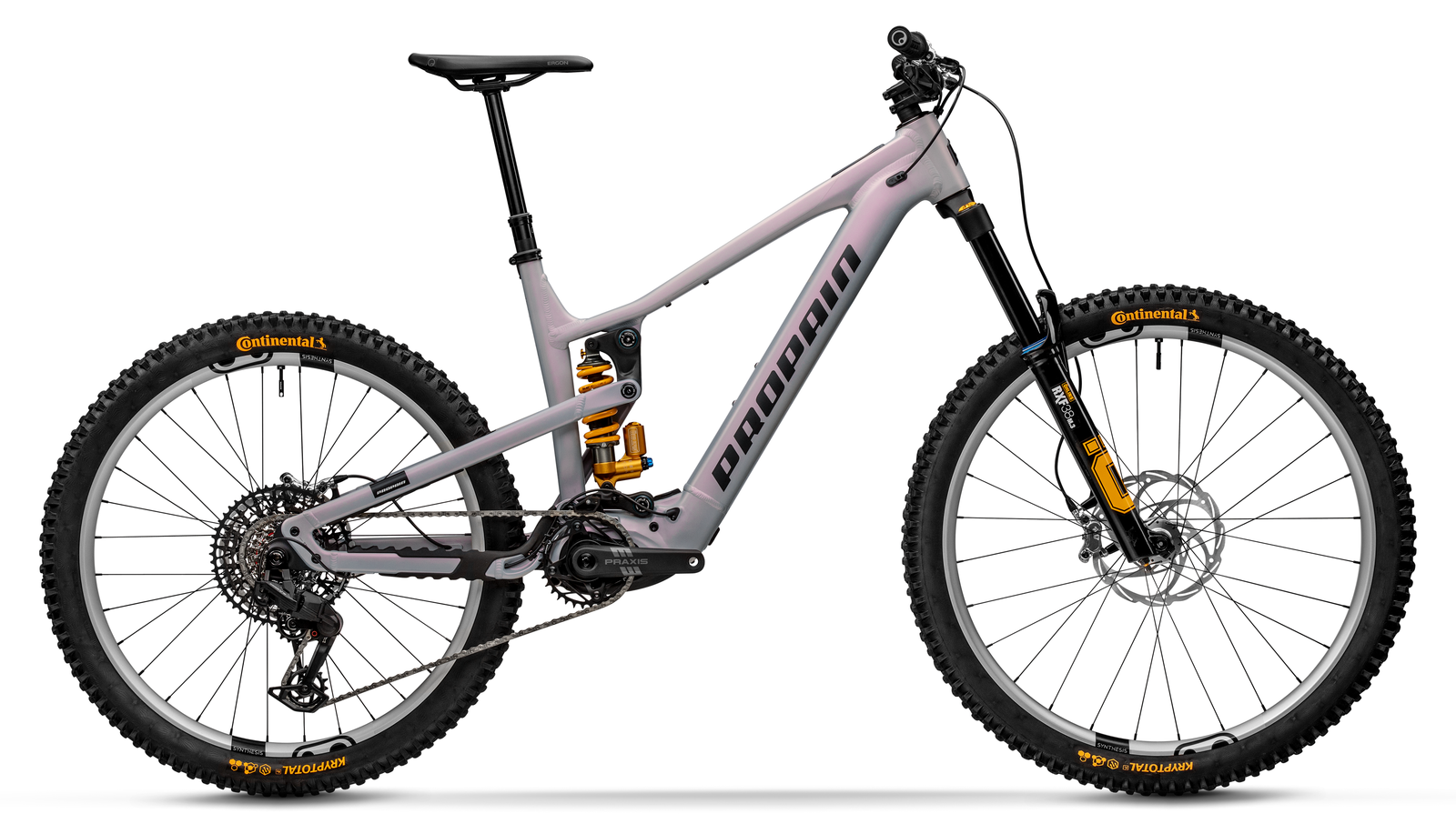
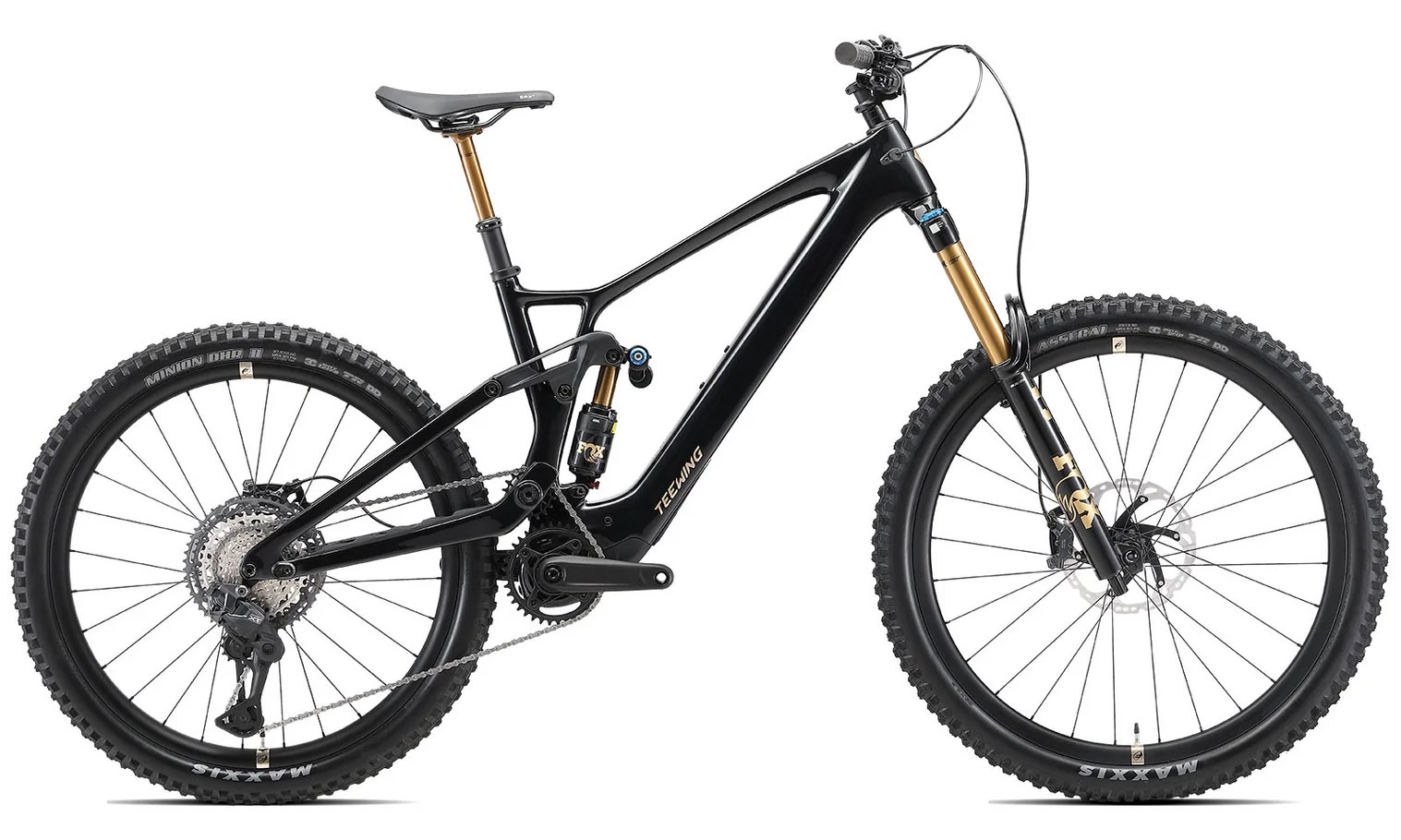
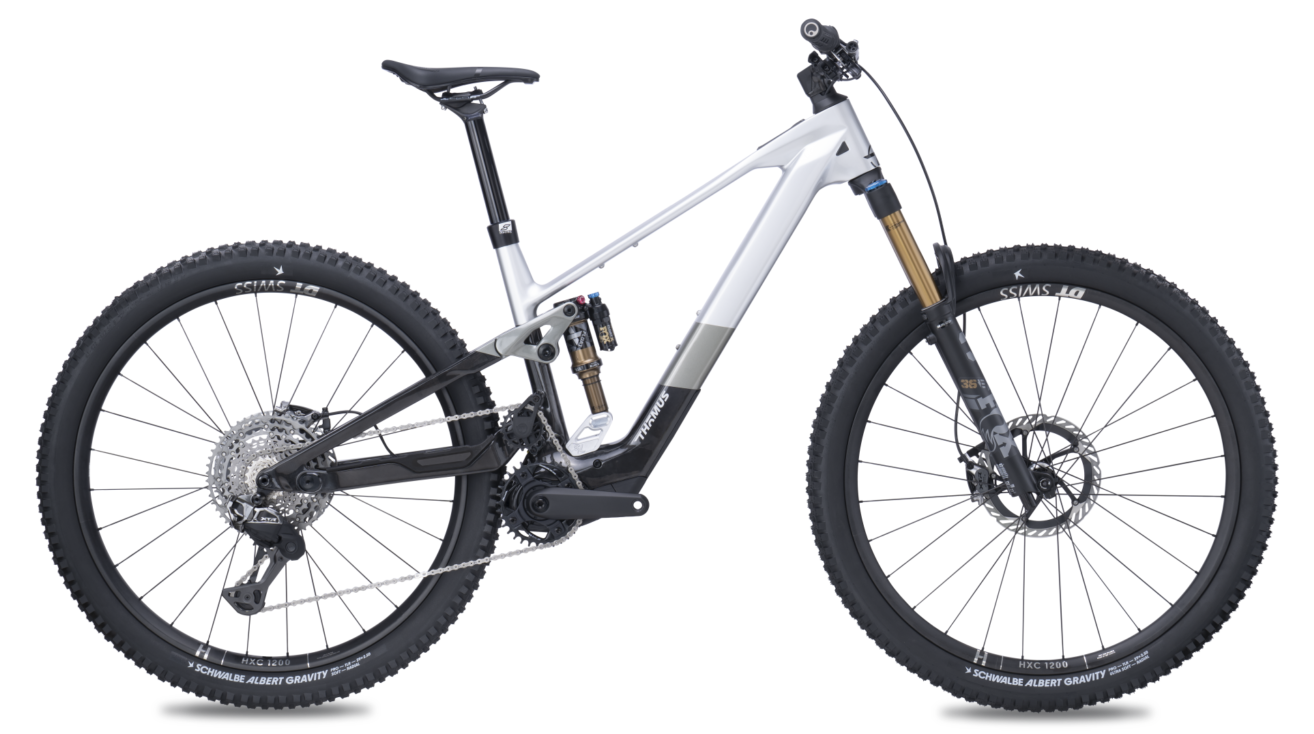
Bikes you'll find it on. The range now spans roughly sixty brands. For trail duty the Forbidden Druid E 2026 at 160/150 mm is the obvious benchmark, paired with the RS800 pack. The Amflow PX Carbon 2026 is the reference enduro build at 2.4 kg frame weight with the FP700 for full sustained output. For bigger terrain the Atherton S.170E 2026 runs 180/170 mm on the same drive unit, and the Crestline RS181 2026 pushes to 180/181 mm. Budget-leaning, the Megamo Reason 2027 brings the M2S into more sensible money. Tuning varies: Amflow's stock map is the most aggressive in Boost, while Megamo softens the initial ramp noticeably.
Verdict. The M2S suits riders who want the highest sustained output currently shipping and accept a 36 V ecosystem that is still maturing on the dealer-support side. The genuine trade-off is battery-conditional output: if you want the RS800's removability for shuttle days, you give up 200 W of sustained ceiling, and that choice is made at frame-purchase time, not later. Current flagship, launched 9 April 2026, no announced replacement.
Sustained power & heat
How long the headline number actually lasts under sustained climbing load.
still 90%+ after 20 min continuous; housing past 120 C in an extreme bench scenario
Character
The case for and against
Strengths
- The highest measured output of any production eMTB motor to date
- Exceptional power-to-weight — just 2.59 kg
- Holds power cleanly to 150 rpm, with no high-cadence stall
- Remarkably quiet for its power class
- Calm, predictable delivery that flatters technical climbs
Compromises
- Thirsty: a 700 Wh pack empties in well under an hour at full boost
- Runs hot under sustained load — housing past 120 °C on the bench
- Trails Bosch CX and Specialized 3.1 on overrun/delay finesse
- Too new to trust long-term: April 2026 launch means no real-world durability or reliability record yet
How it stacks up
Bikes running this motor · 40