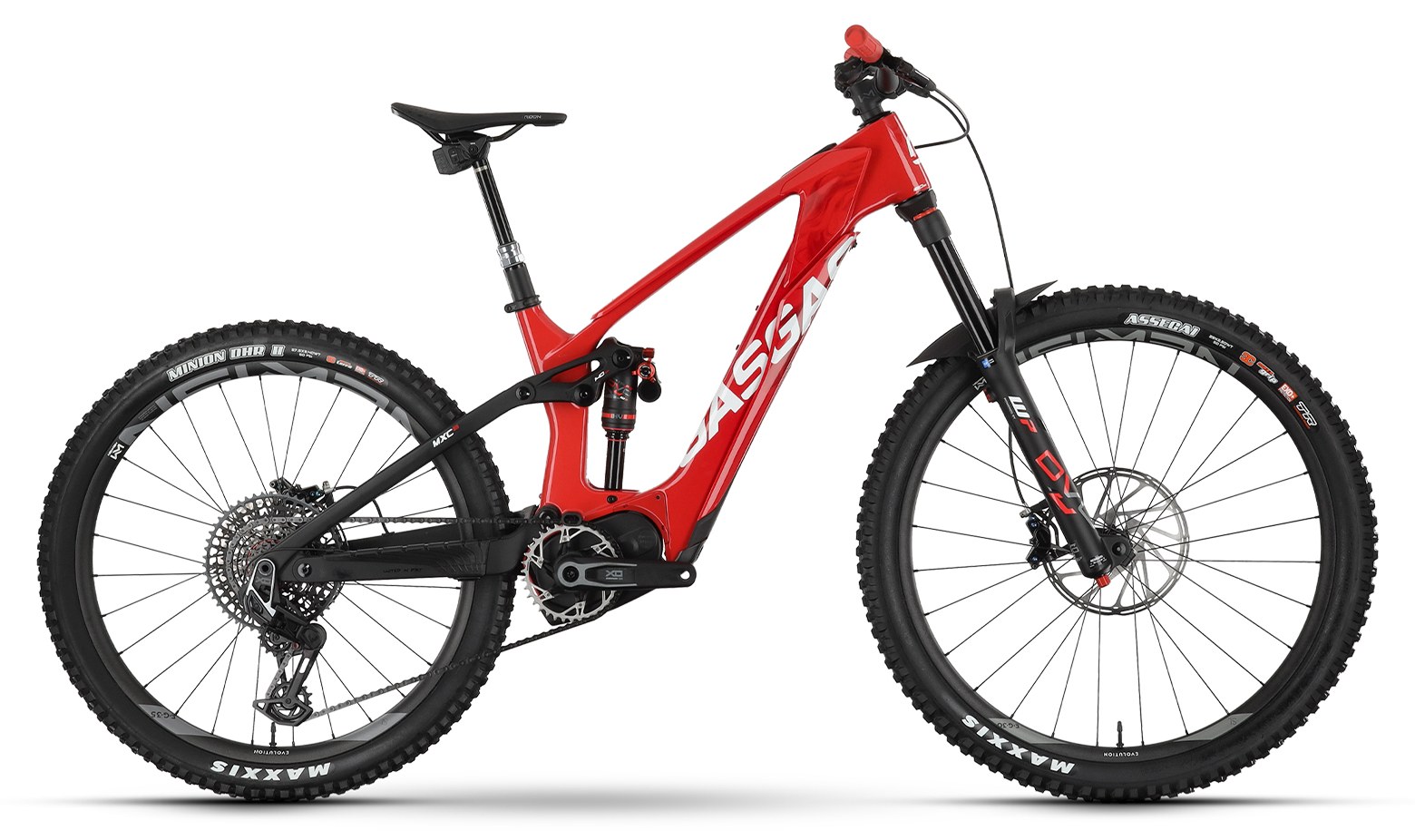
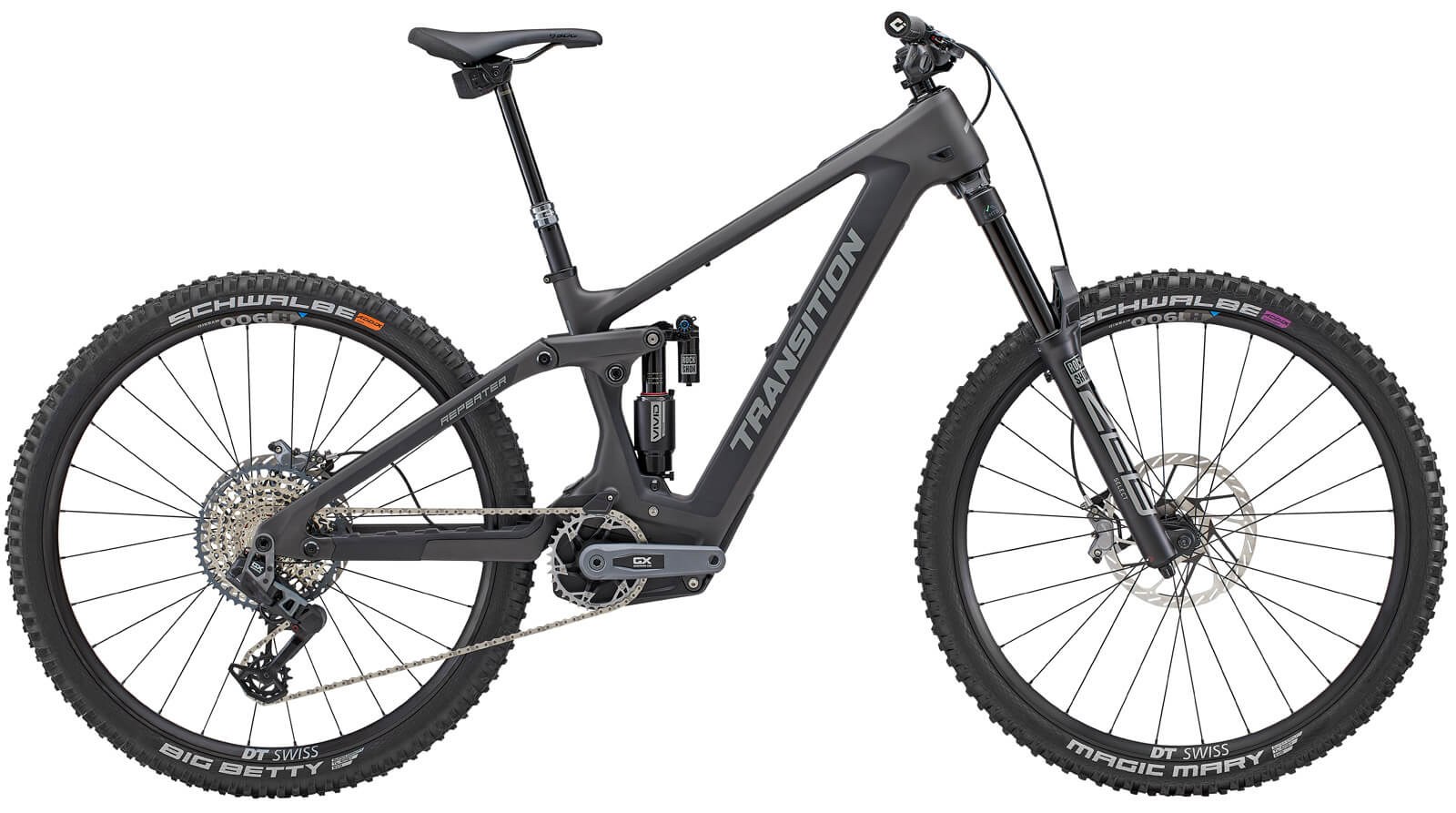
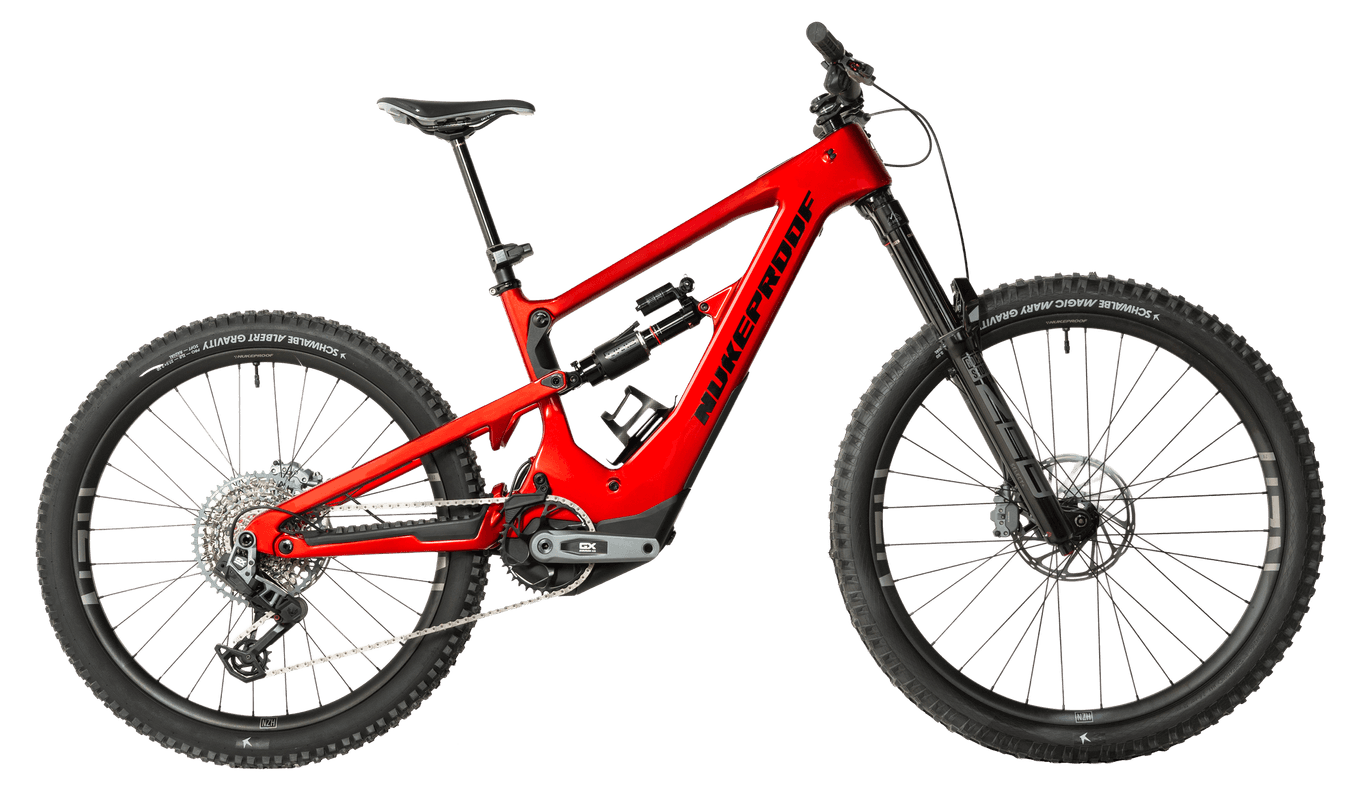
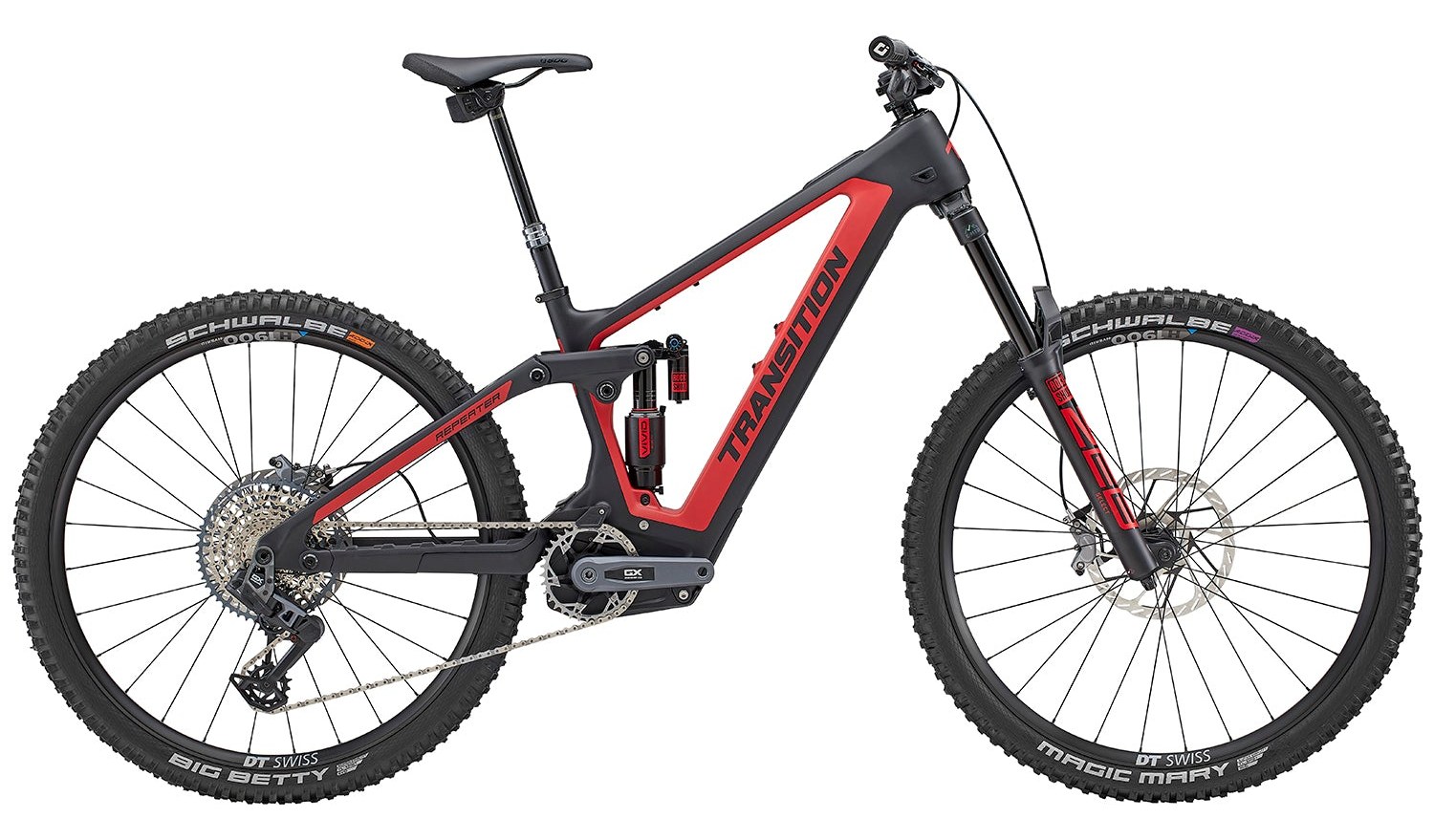
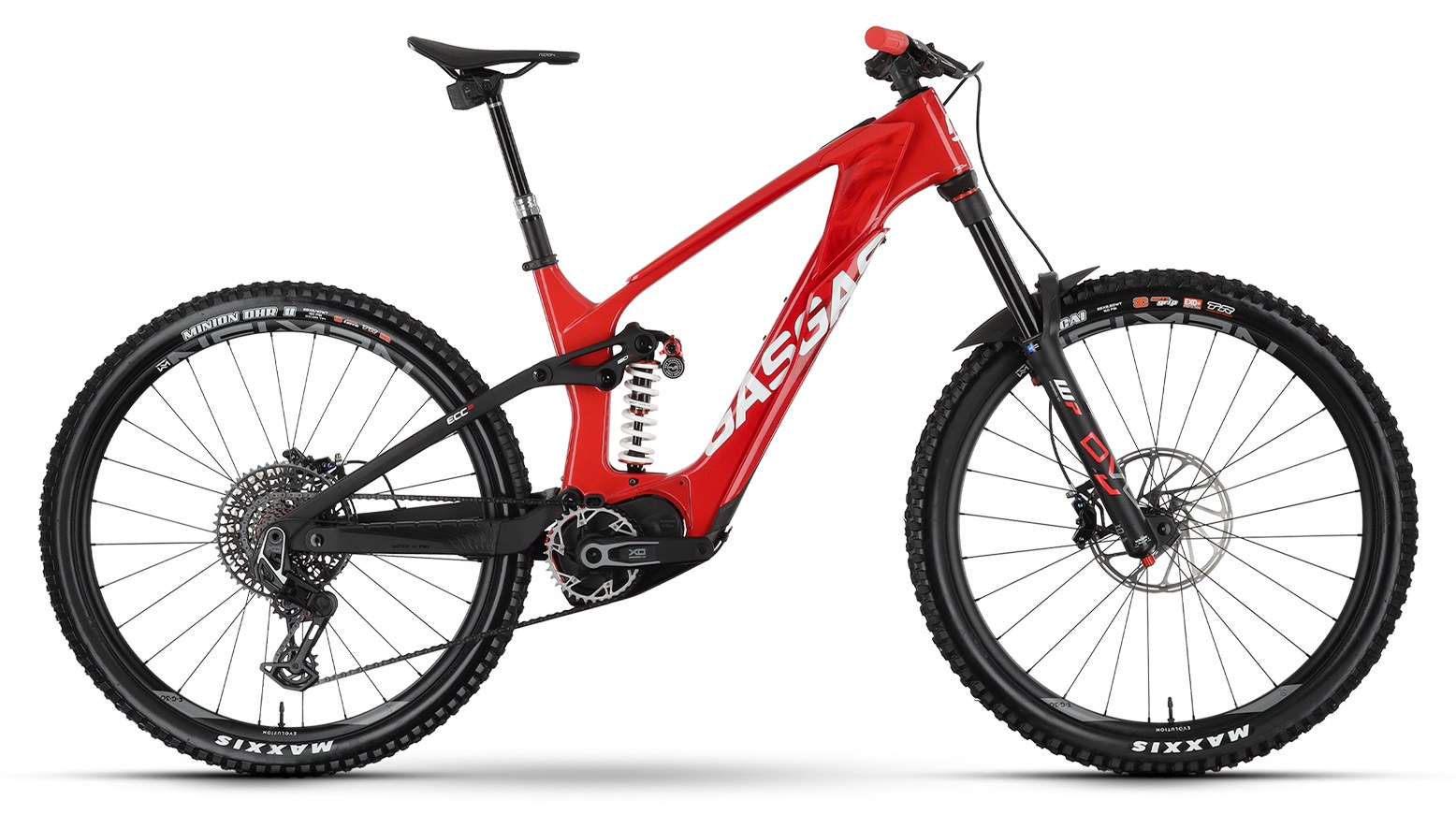
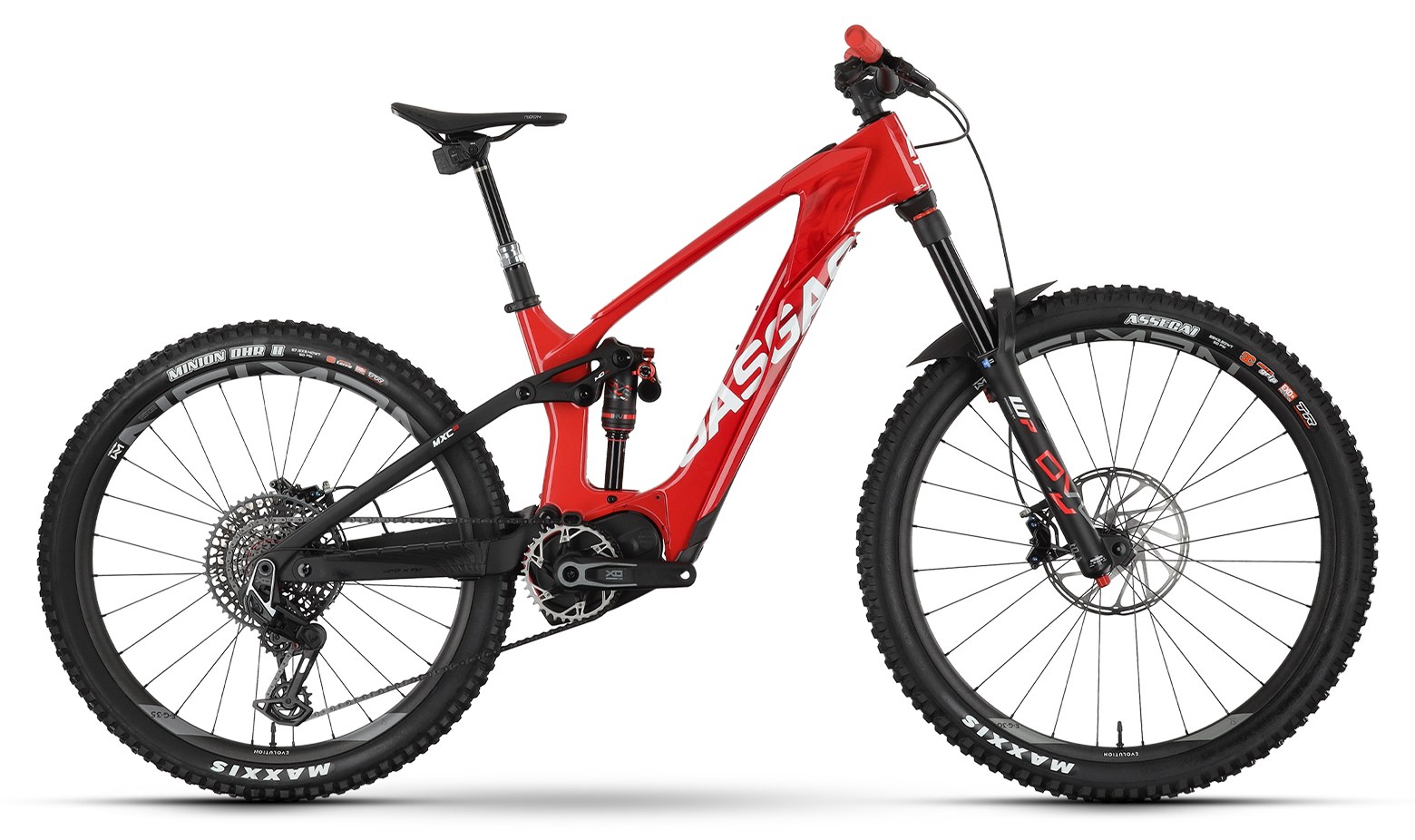
Eagle Powertrain
SRAM's first e-MTB drive isn't really SRAM's at all: it's a Brose Drive S Mag in a new suit, retuned for the quietest, most natural-feeling power delivery in the class and wrapped around Eagle Transmission's Auto Shift.
Indicative only (no published dyno trace). Strong torque arrives early and the broad power plateau holds from the mid-60s through the high-80s before tapering smoothly at high cadence; the curve is modelled on SRAM's 90 Nm / 680 W claim, not a measured test.
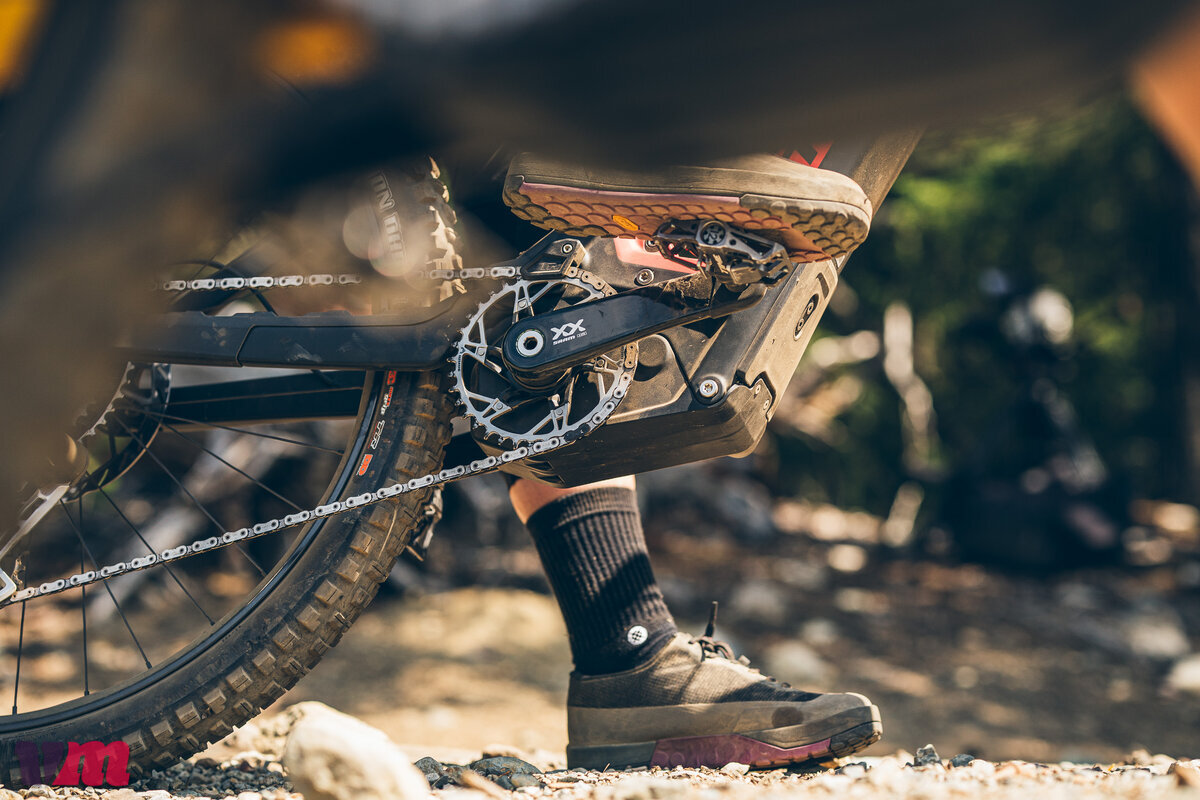
SRAM Eagle Powertrain is SRAM's clever shortcut into the motor game. Rather than spend years designing a drive unit from scratch, SRAM took the proven Brose Drive S Mag (the same hardware Specialized built its Levo around) and poured its effort into the software, battery, AXS pods, Bridge display and the Auto Shift integration with Eagle Transmission. The result is a 2.9 kg unit that SRAM claims makes 90 Nm and up to 680 W of peak power in Rally mode, with a tamer Range mode capped around 400-540 W.
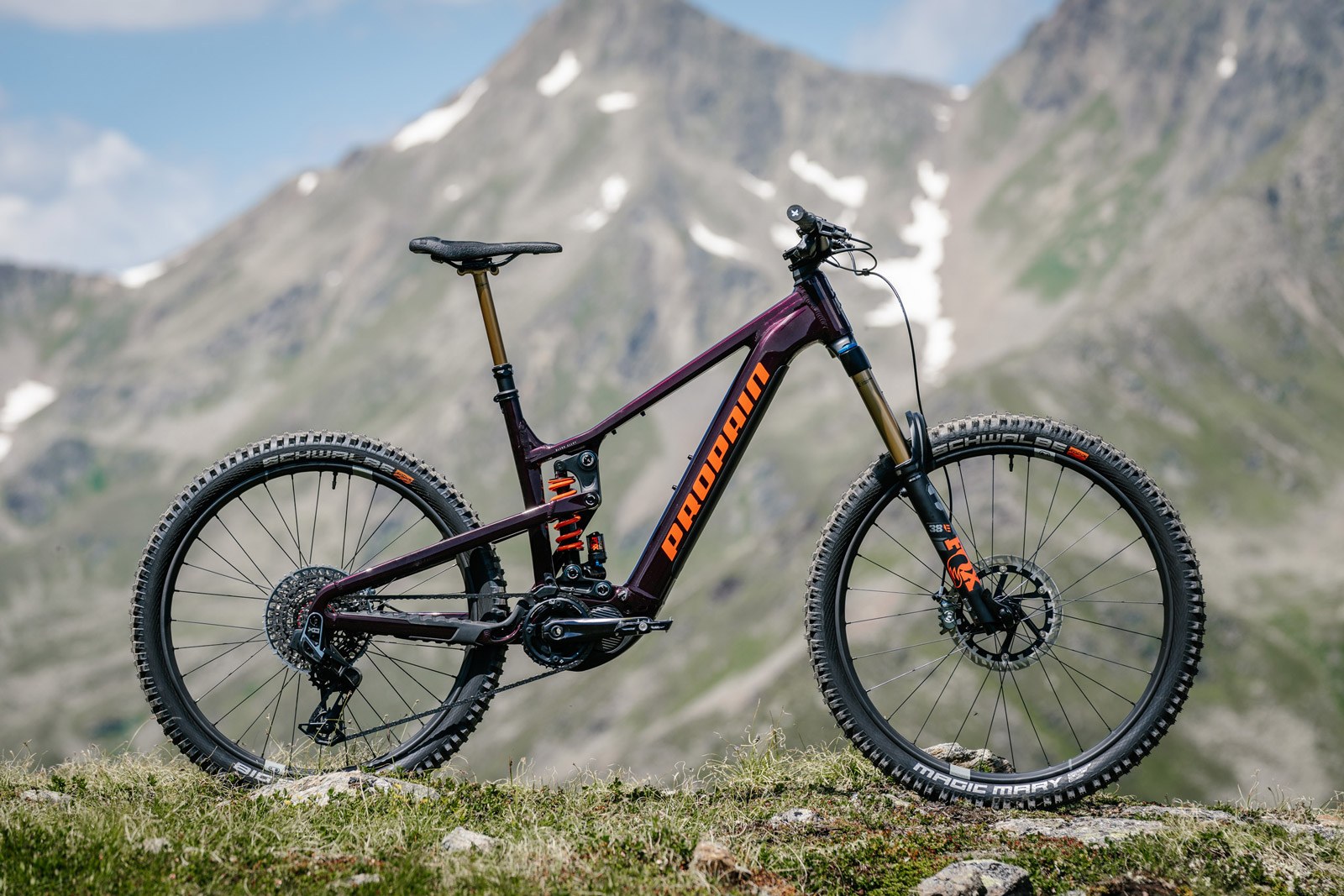
No magazine has put it on a dyno and published a wattage: Velomotion, who measured peak power on their test bike, would only say it "sits pretty much between the Bosch CX and the Shimano EP8," and BikeRadar rate Rally as "almost identical in feel to Specialized's Turbo, but slightly down on power compared to Bosch's eMTB." So treat 680 W as SRAM's claim, not an independent result. What everyone agrees on is the delivery. Velomotion rated the Propain Ekano test bike among the quietest e-MTBs they had ridden in months, a soft hum rather than the old Brose belt whine, and the assistance builds progressively into that 90 Nm rather than slamming it into the rear wheel.
It is not the lightest or the punchiest unit out there, and the smooth tune means it never feels explosive: BikeRadar are explicit that Bosch's Tour+ and eMTB modes still lead on raw power. But for riders who want a drive that disappears beneath them, the Eagle Powertrain is one of the most refined-feeling motors money can buy, and the Auto Shift trickery is genuinely useful on technical climbs.
Character
The case for and against
Strengths
- 90 Nm claimed on a proven, reliable Brose Drive S Mag platform
- Among the quietest motors in the class (no rattle, steady whirr)
- Smooth, natural, progressive power delivery
- Eagle Transmission Auto Shift / Coast Shift integration
- Over-the-air tuning via the SRAM AXS app
- Well-sealed magnesium housing
Compromises
- Heavier than a Shimano EP801 at 2.9 kg (plus ~3-4 kg of battery)
- Smooth tune lacks the outright punch of Bosch's top CX modes
- Slight Brose freewheel drag above the assist cut-off
- Only two ride modes (Range / Rally), and no published dyno data
How it stacks up
Bikes running this motor · 29