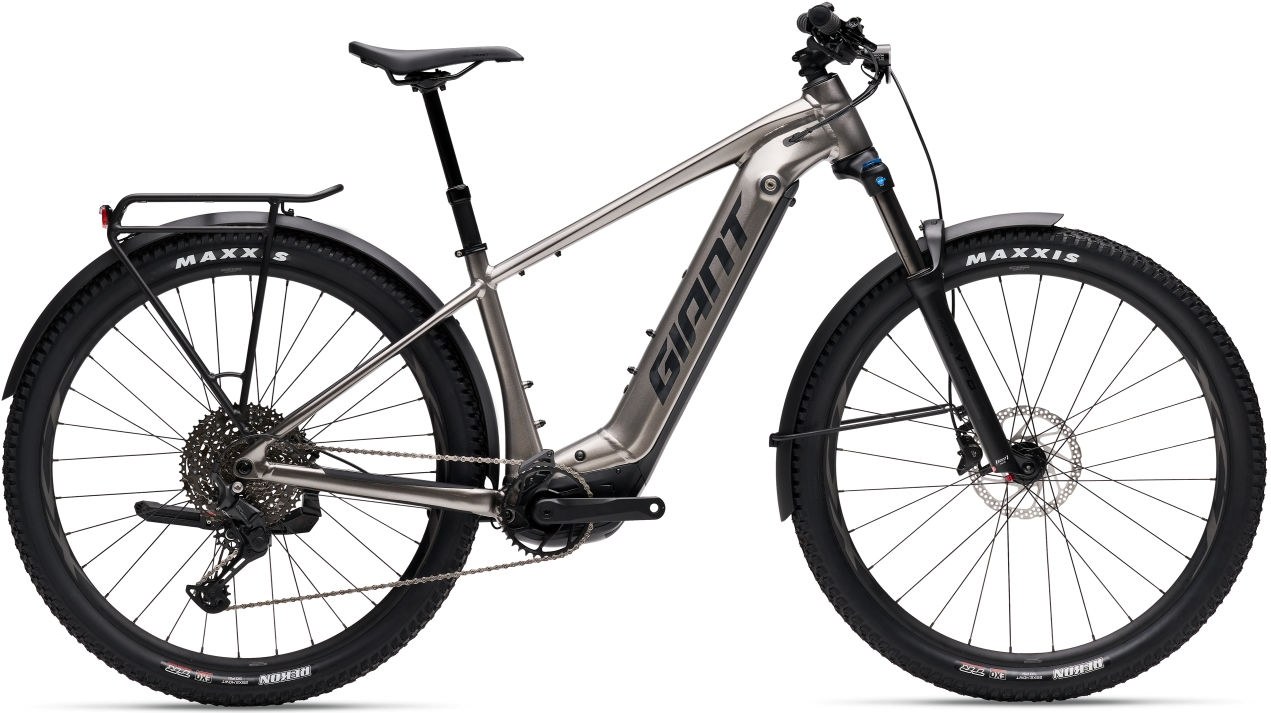
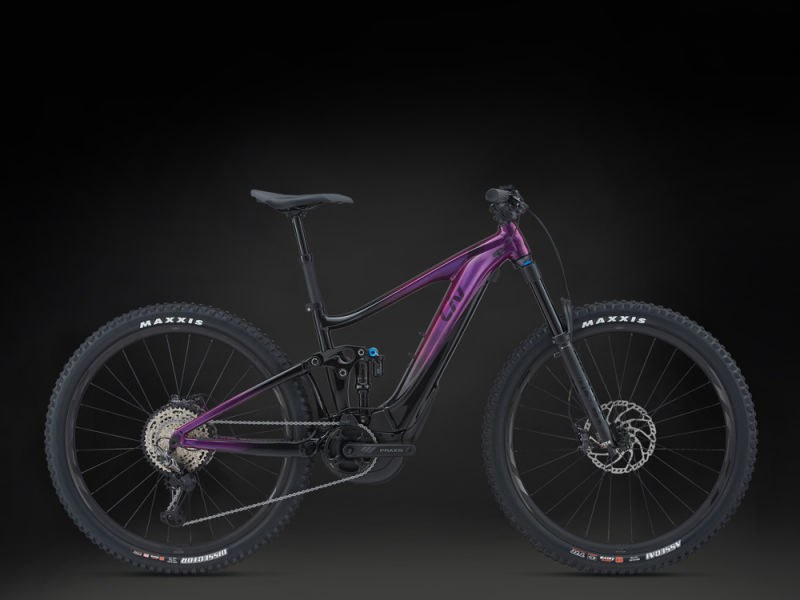
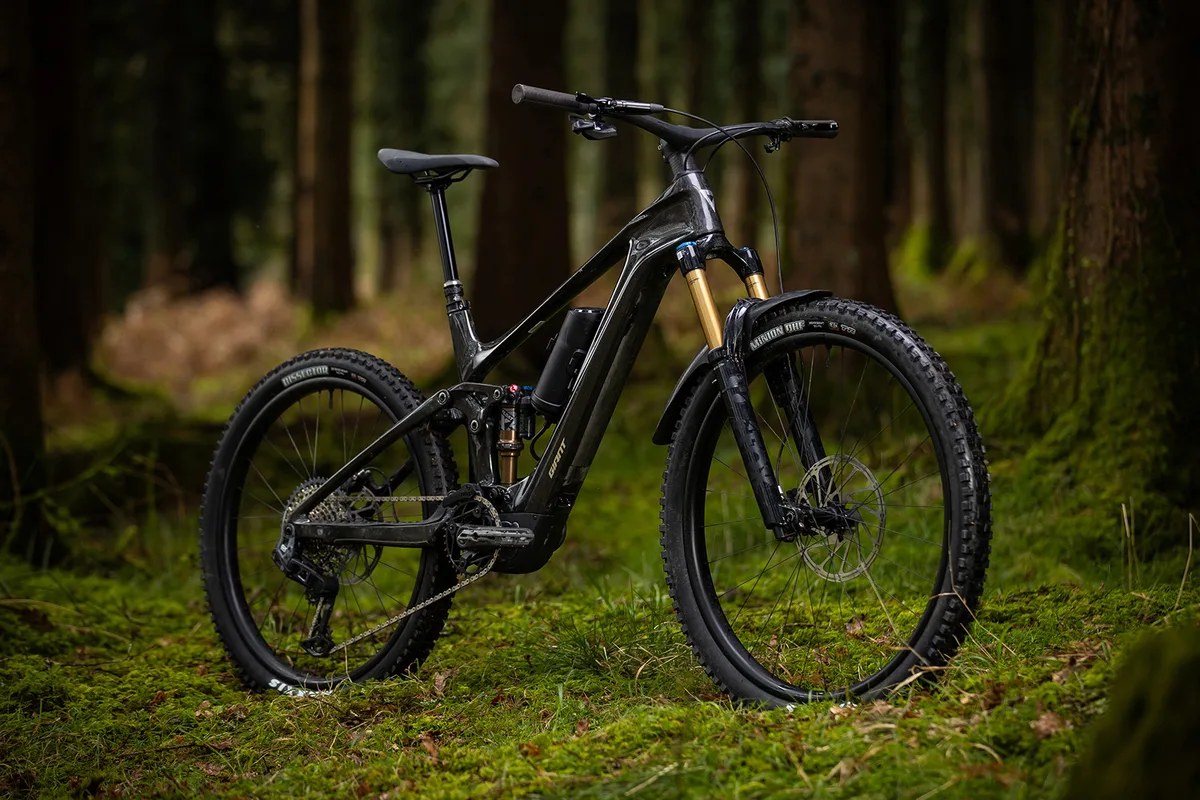
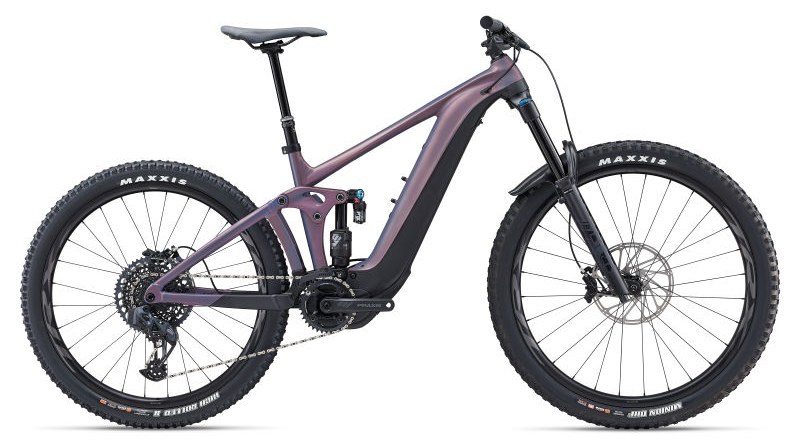
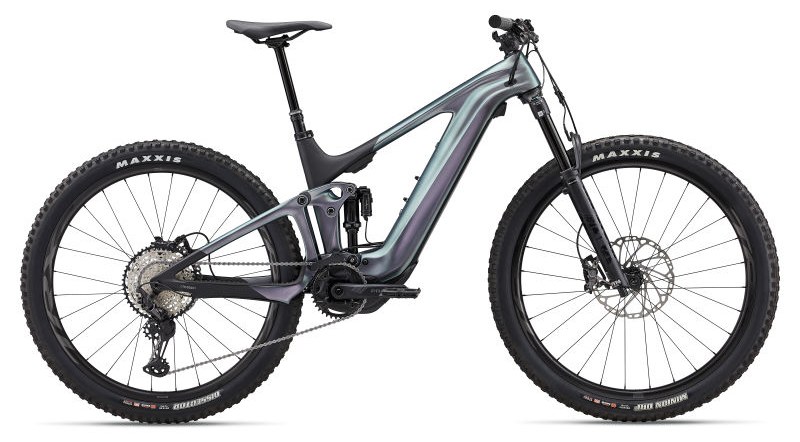
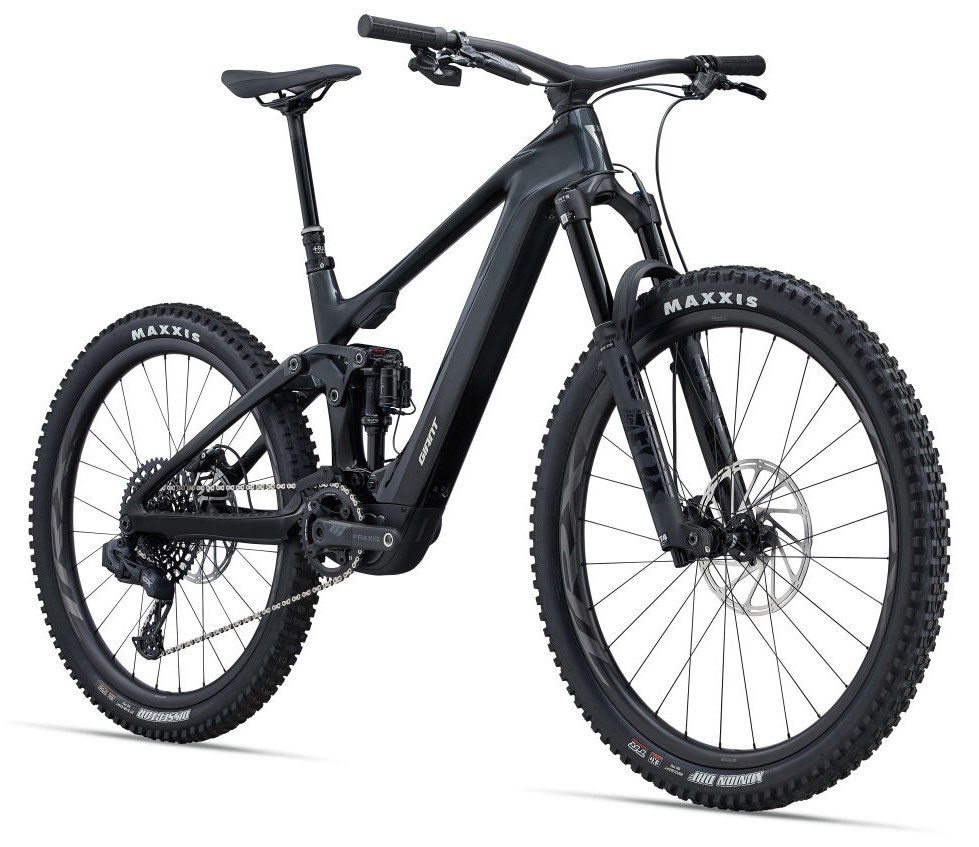
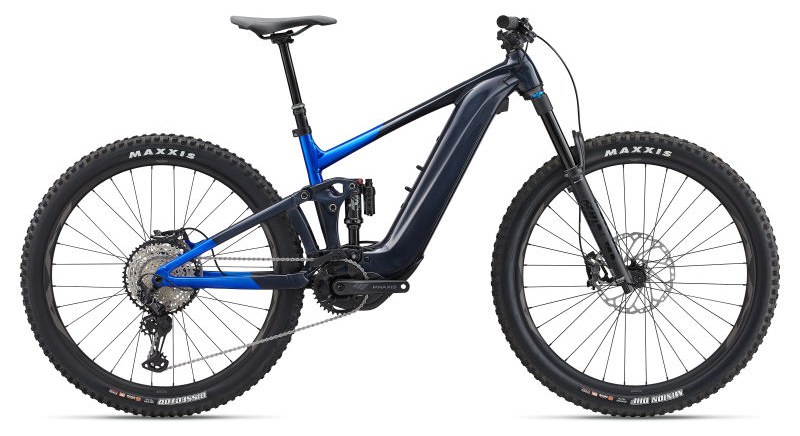
Giant SyncDrive Pro2
Giant's Yamaha-built SyncDrive Pro2 is the quiet, composed climber of the full-power class — 85 Nm of torque and 400% support wrapped in one of the smoothest, most controllable deliveries you can buy.
Progressive build to an input-conditioned peak around 70–75 rpm, then a gentle taper — never spiky, with usable reserves held in hand low down. Plotted from Velomotion's 250 W-input dyno run.
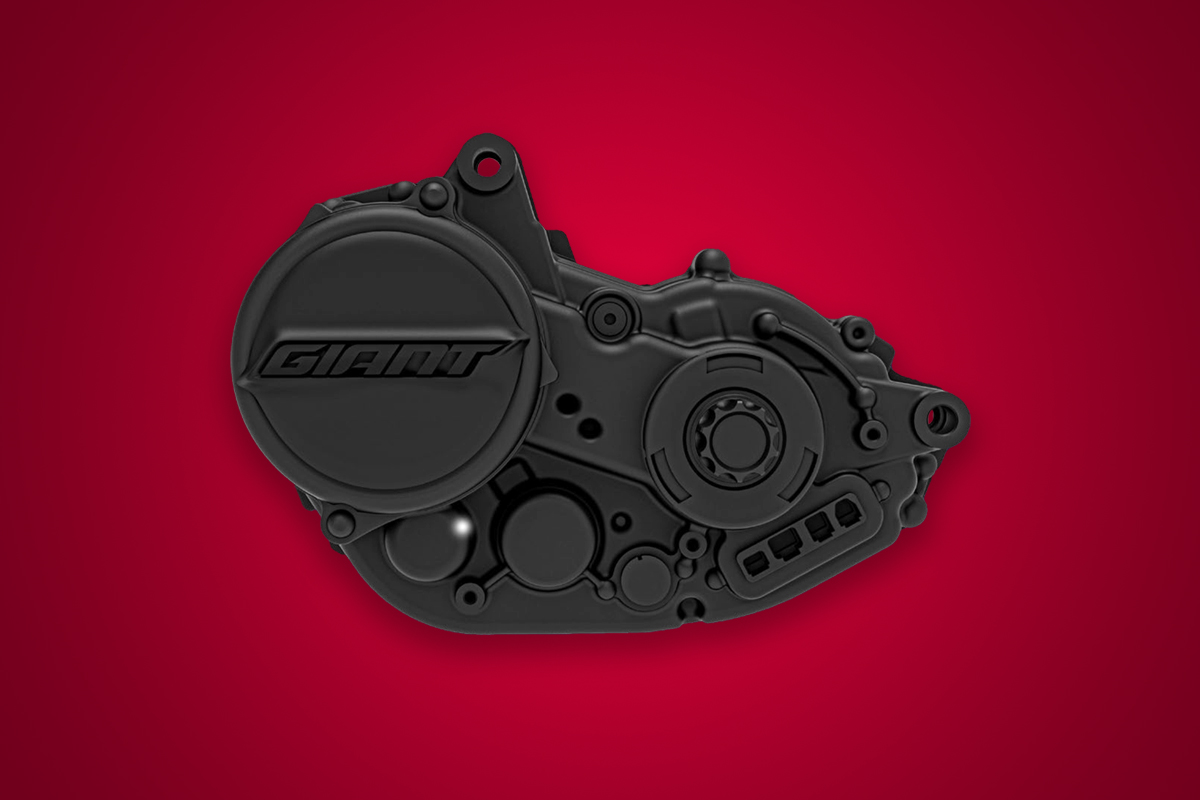
Giant SyncDrive Pro2 is Giant's house full-power motor, co-developed with Yamaha and built on the PW-X3 platform. Giant and Yamaha publish 85 Nm, 250 W nominal and up to 400% support — neither quotes a peak-power figure. The only independent number comes from Velomotion's dyno, which recorded an input-conditioned 682 W (fed a high 250 W at the cranks, 70–75 rpm cadence) — modest next to a Bosch Performance CX (745 W) or a Shimano EP8 (666 W in the same test), and firmly at the lower end of the field.
But raw watts undersell it. Where the SyncDrive shines is the quality of its delivery: testers rated its response and controllability among the best on the market, especially the way it meters torque off the line and through tricky, traction-limited climbs. It is also noticeably quieter than an EP8 or a Bosch CX, with none of the rattle on rough descents that plagues some rivals.
The trade-offs are efficiency and sustained grunt. On the flat it draws more from the battery than most of the competition, though on a 10% climb its consumption is genuinely good. And like every PW-X3, it leans on rider input — in BIKE magazine's load-cycle test the Giant slid to last in the power ranking on the second climb, a reminder that its headline figure needs your legs to back it up. For riders who value finesse, silence and a natural feel over outright power, it is one of the most likeable motors in the segment. It is the current 36 V full-power SyncDrive; from 2026 Giant moves the flagship Reign Advanced E+ to the 48 V SyncDrive Pro3 (90 Nm, 800 W peak), so the Pro2 now sits as the outgoing full-power generation.
Character
The case for and against
Strengths
- Class-leading response and controllability
- Very quiet — beats EP8 and Bosch CX for noise (subjective; no dB published)
- Light at 2.75 kg
- Strong, natural assist on technical climbs
- Up to 400% support, app-tuneable via RideControl
Compromises
- Lower measured peak power than key rivals; peak is input-fed (needs 250 W rider input)
- Thirsty on the flat
- Faded to last on the second climb of BIKE's load-cycle test — leans on rider input, no published de-rate data
- 36 V — superseded by the 48 V Pro3 (90 Nm, 800 W) on the 2026 flagship
How it stacks up
Bikes running this motor · 25