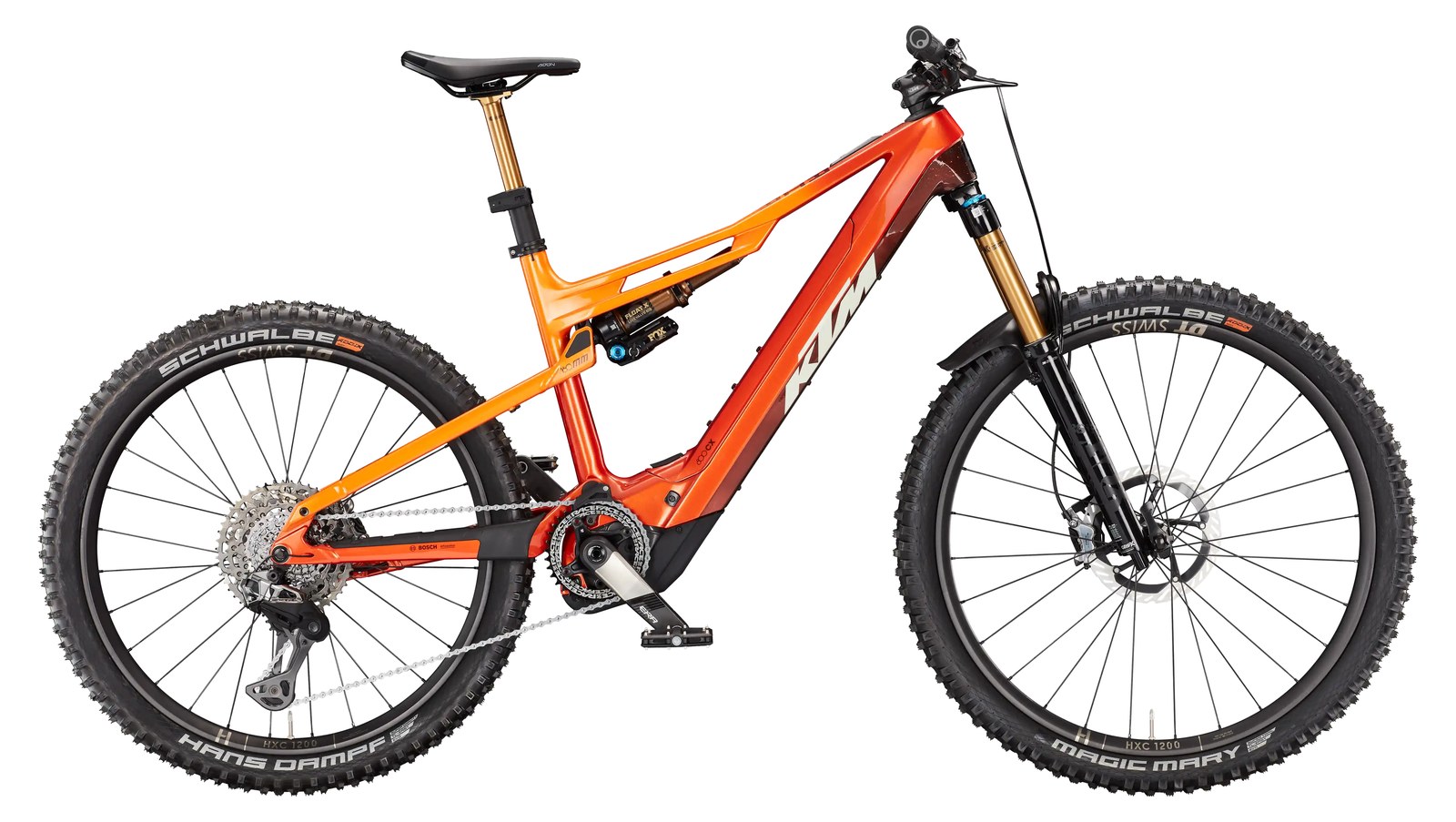
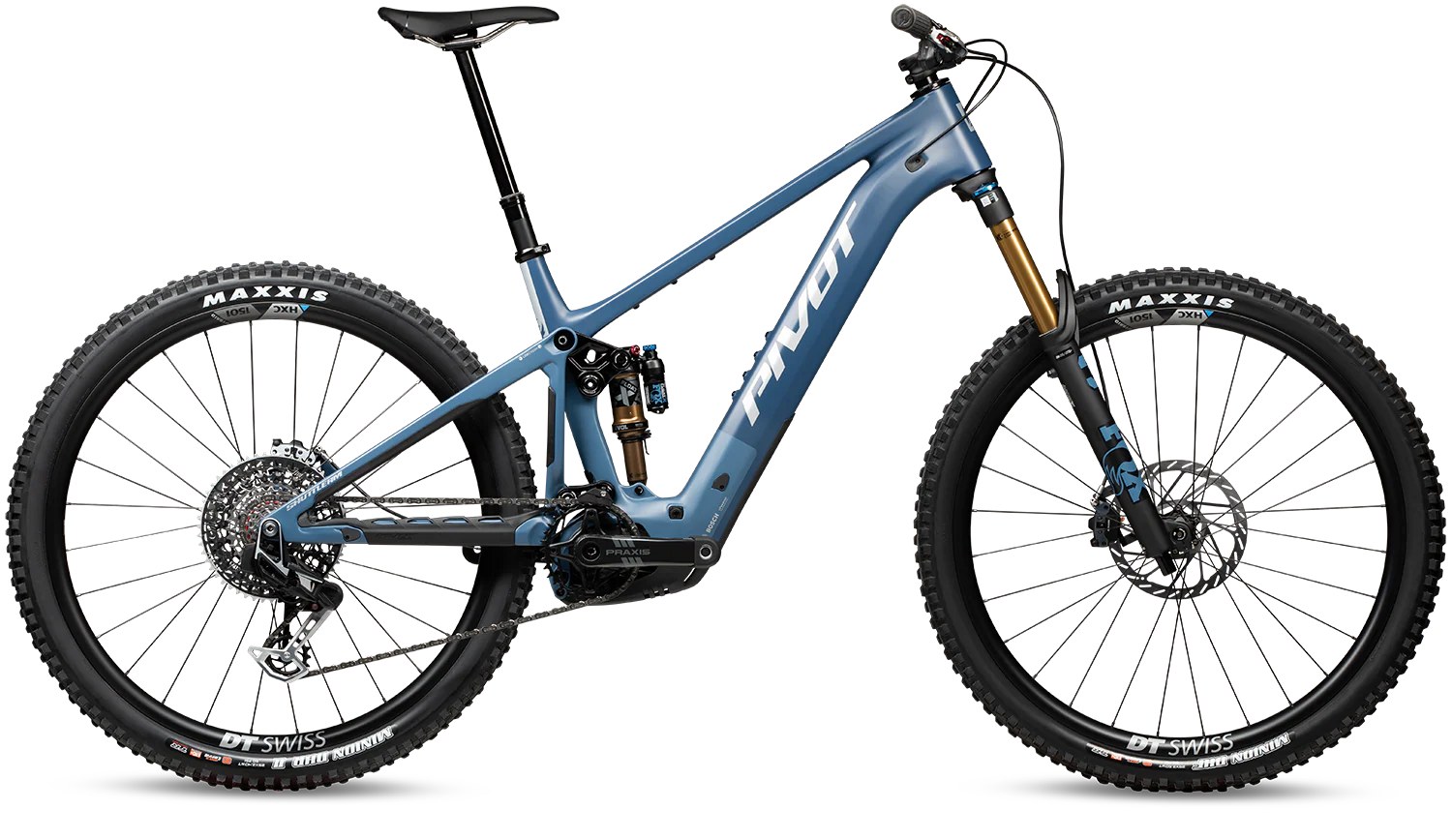
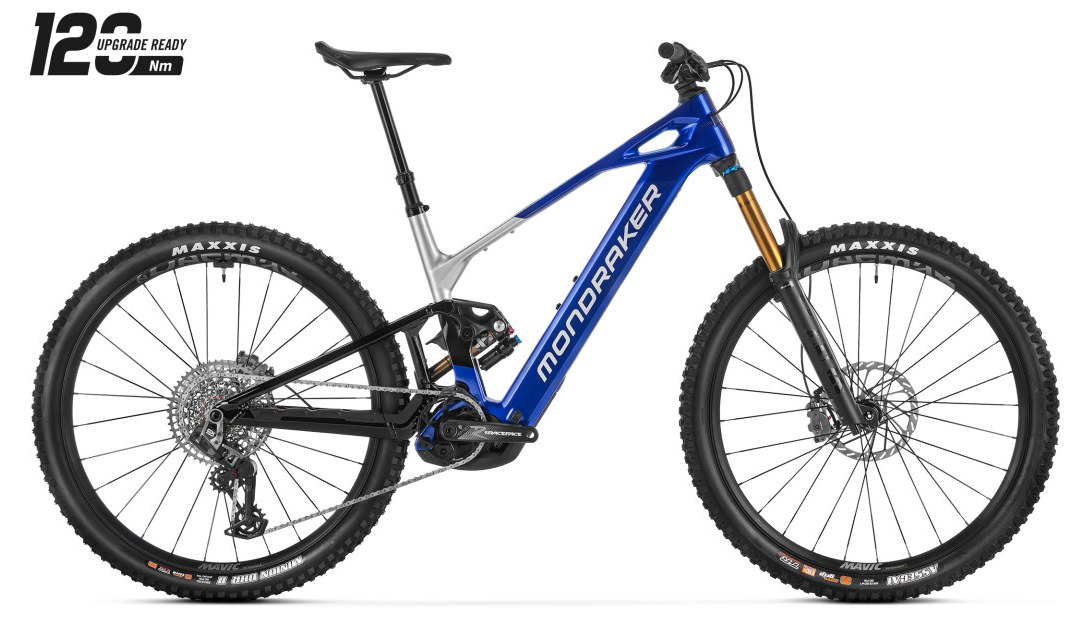
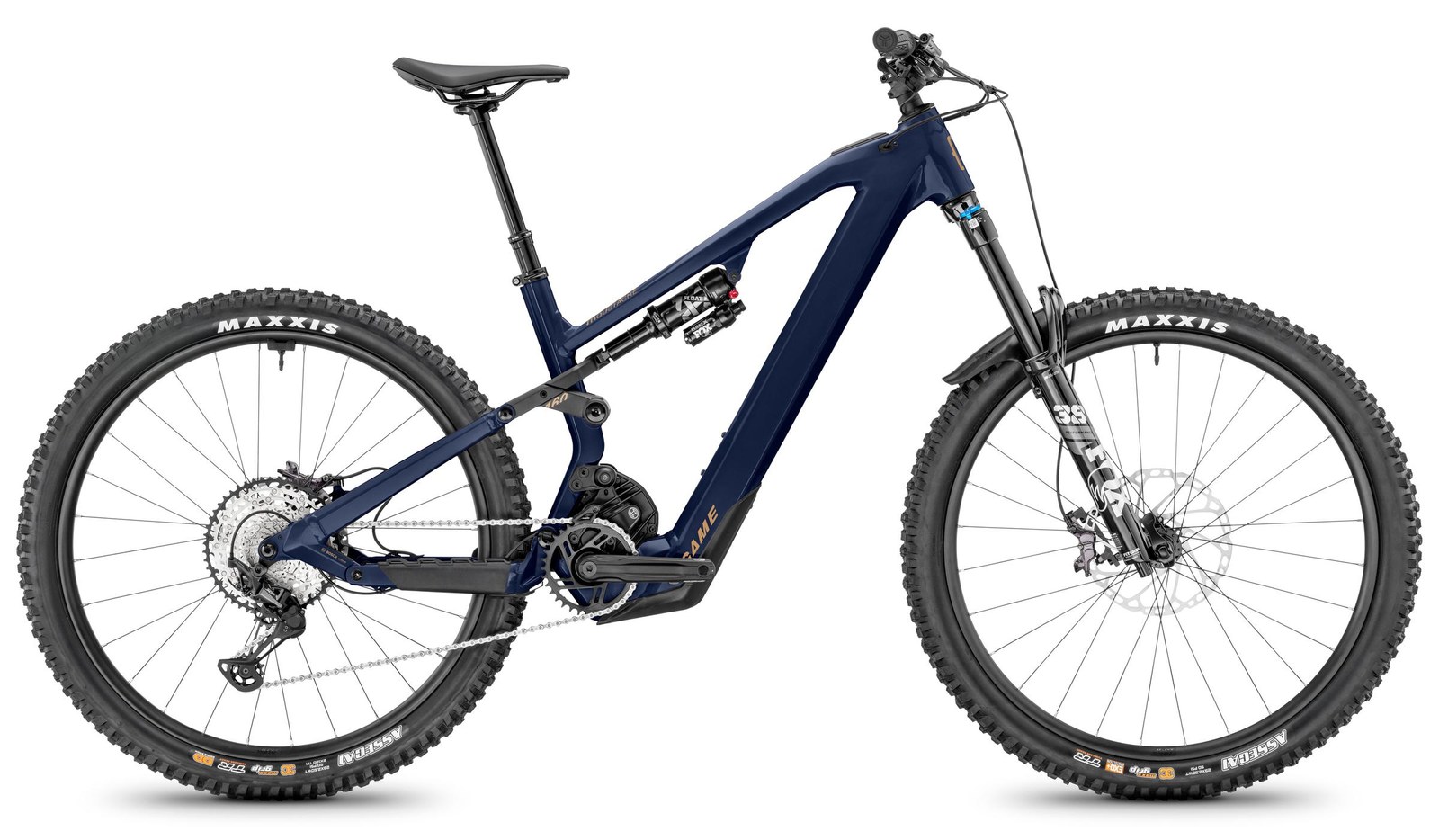
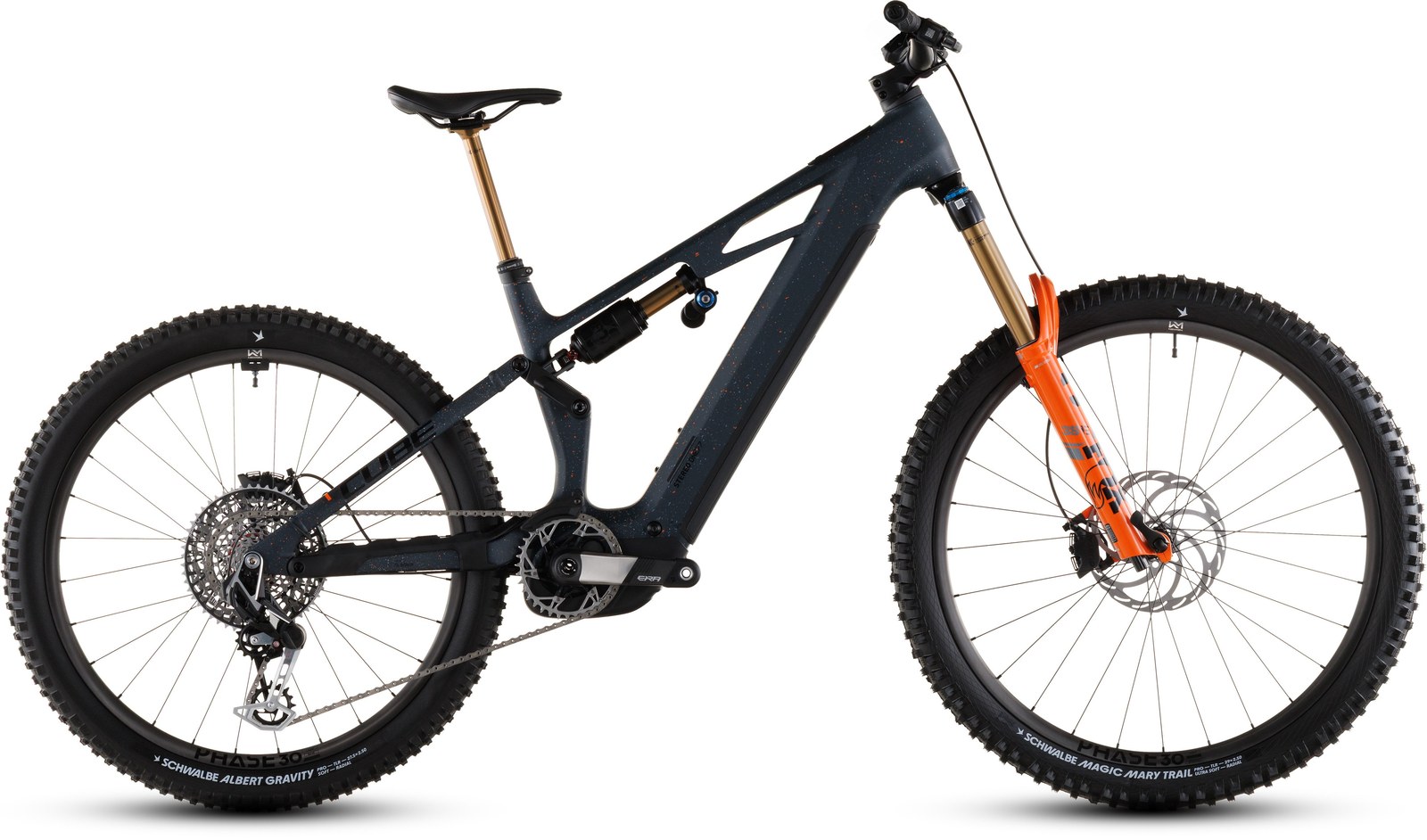
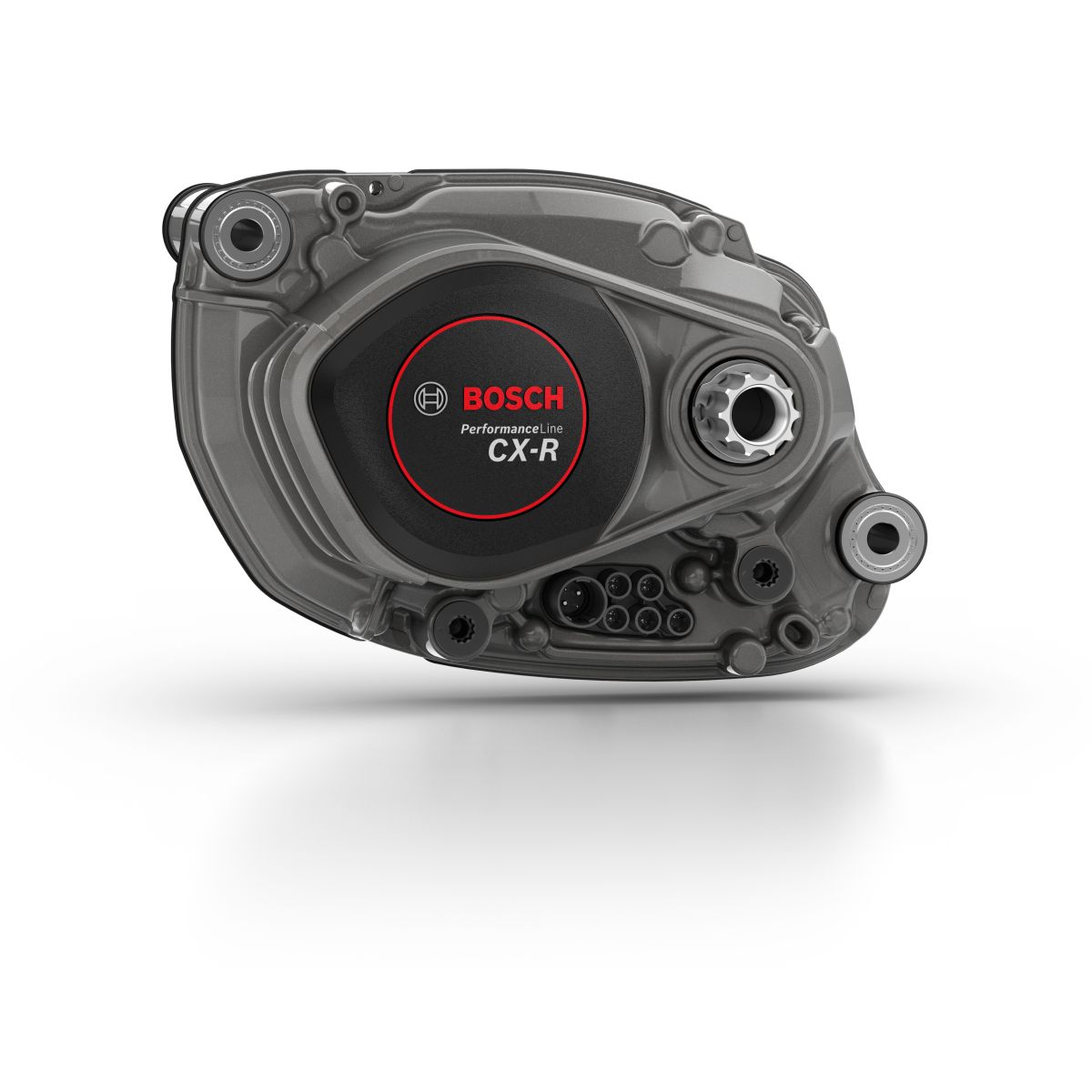
Performance Line CX-R Gen 5
Bosch's first dedicated race motor: the Gen 5 CX drive in a lighter magnesium-and-titanium body with ceramic bearings and an exclusive Race mode. Free Performance Update 2.0 (May 2026) lifts it to up to 120 Nm and up to 600% support, putting Bosch back in the full-power fight with DJI's Avinox.
On the shared-internals standard CX bench, power climbs hard to a broad peak around 685 W by 60-70 rpm, then holds an almost flat plateau to 140 rpm. No CX-R-specific dyno exists; curve shown is the standard CX Gen 5 (Velomotion).
Bosch Performance Line CX-R Gen 5 is Bosch's answer to DJI's Avinox and the new wave of 'full-fat' race motors. The drive unit (model code BDU386Y) shares the standard CX Gen 5's BDU38 internals, but the housing is magnesium, the crank spindle titanium and the main bearings ceramic, dropping weight to a claimed 2.7 kg versus 2.8 kg for the standard CX (BDU384Y). At launch (July 2025) it ran 100 Nm / 750 W / 400% support as standard; the free Performance Update 2.0 OTA (4 May 2026) lifts it to up to 120 Nm and up to 600% support (active to roughly 15-20 km/h), so the torque story is 85 → 100 → 120 Nm — state 120 Nm as the current figure, with 85/100 as history.
There is no independent dyno of the CX-R unit itself yet, but because it shares the standard CX's internals the bench picture carries across: after the 100 Nm upgrade Velomotion measured the standard CX Gen 5 at about 685 W peak (against a 750 W claim), needing roughly 200 W of rider input to reach it. Expect the CX-R to behave the same on the bench — the difference is mass and materials, not a hotter winding. What sets the CX-R apart is its exclusive Race mode, which hands over full support with a super-direct response (plus Extended Boost when you stop pedalling over obstacles), and the lightweight hardware that makes it the lightest motor in the CX family.
The trade-off is Bosch's familiar one: the CX-R wants a strong, deliberate rider — you have to put close to 200 W through the pedals to unlock the full output, so it rewards fitness rather than flattering a lazy leg. Get on top of it and the payoff is a wide, flat, predictable power plateau wrapped in the quietest, most refined soundscape Bosch has built. DJI's current Avinox M2S (April 2026) has since moved the bar — up to 1500 W peak and 150 Nm (1300 W / 130 Nm continuous) — so the post-PU2.0 CX-R, for all its gains, now trails the class-leading rival on both peak watts and torque; what it keeps is the weight advantage, at a claimed 2.7 kg against the M2S's 2.59-2.65 kg.
Character
The case for and against
Strengths
- Up to 120 Nm and up to 600% support after free Performance Update 2.0 (May 2026)
- Lightest CX at a claimed 2.7 kg (magnesium housing, titanium spindle, ceramic bearings)
- Exclusive Race mode with full, no-delay support
- Quietest, most refined Bosch drive; PU2.0 Drivetrain Tensioner quietens coast-side freewheel
- Shares the proven Gen 5 CX (BDU38) internals and Smart System ecosystem
Compromises
- Needs ~200 W rider input to reach peak output
- Race hardware (BDU386Y) only — not a software upgrade of a standard CX
- DJI Avinox M2S leads on outright peak watts (up to 1500 W) and torque (up to 150 Nm)
- No independent CX-R-specific dyno or thermal bench test yet — bench data is the shared-internals standard CX
- Premium price for the lightweight materials