Hello,
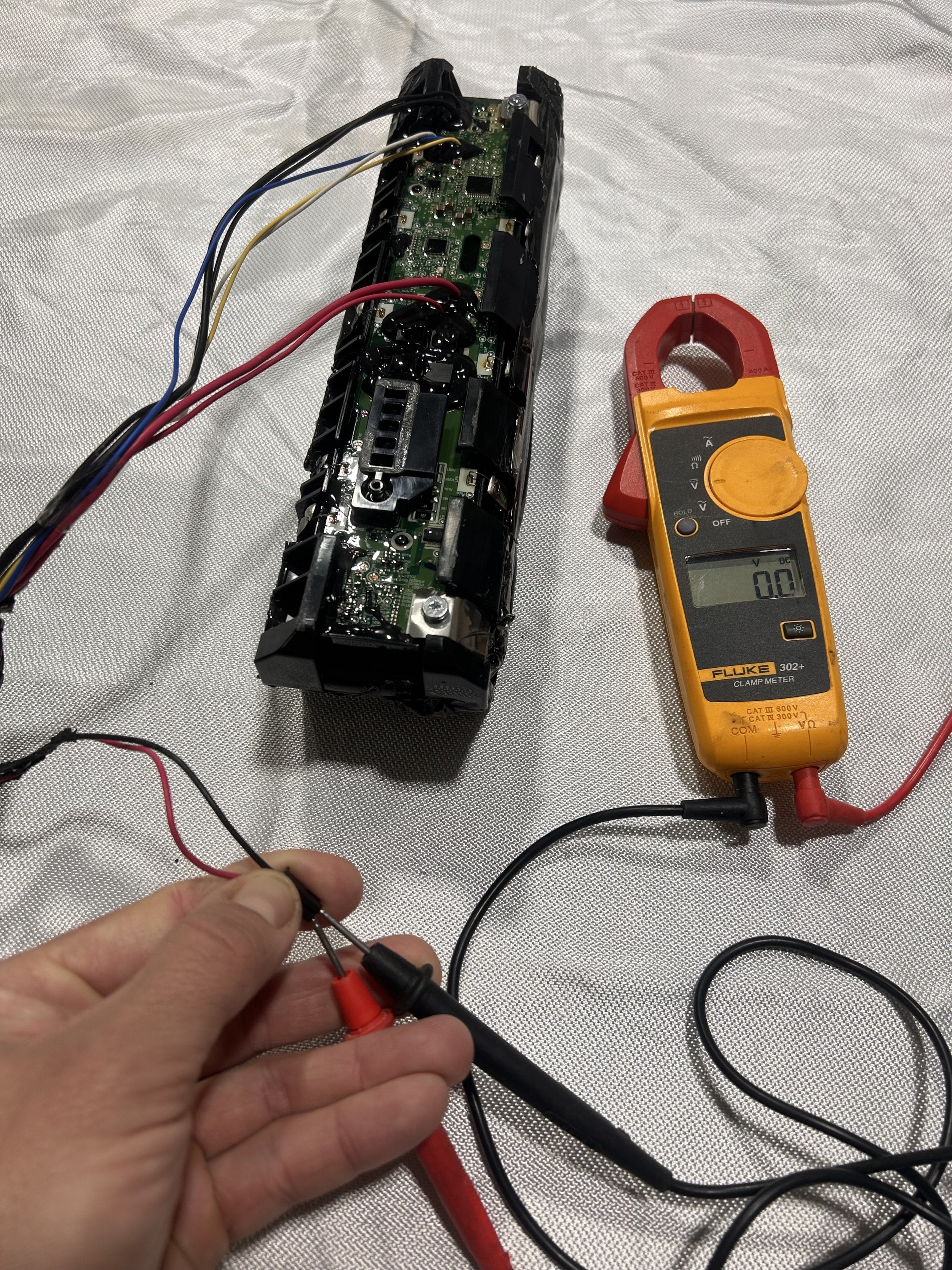
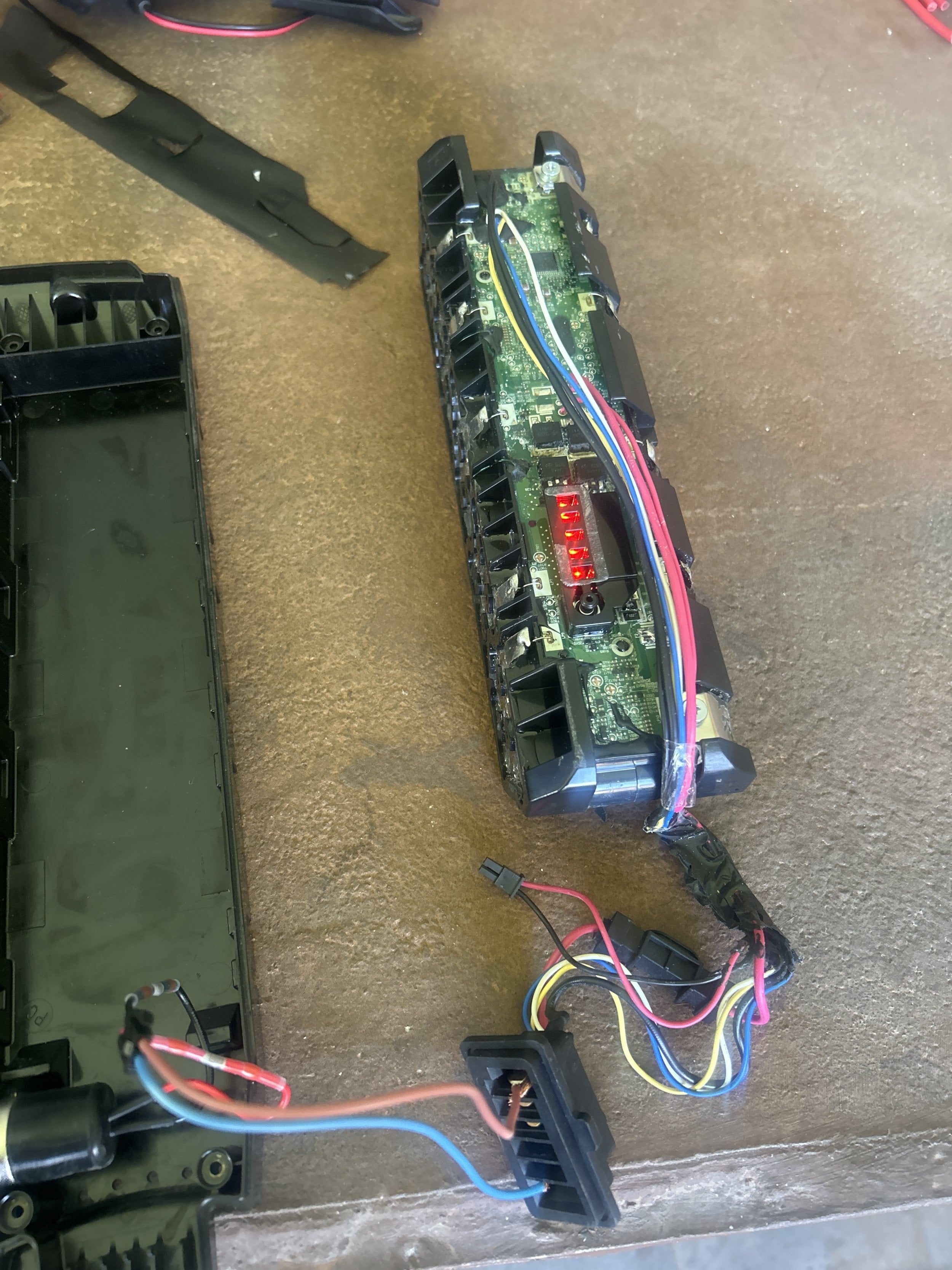
I know it's a bit late but here's what I found out about Giant batteries. I usually repair all kinds of electronics so I got a couple of faulty giant intube batteries to play with. I thought, even if I don't repair them, I will keep the cells (which in most cases are intact) which are high quality Panasonic 18650GA which if used correctly will last for many years.
Anyway, battery construction is space proof

They could easily save some weight using a thinner case and also what I don't like, the whole pack is potted with some silicone compound, including BMS board. That makes things more complicated and also significant weight "bonus" but I took the following approach:
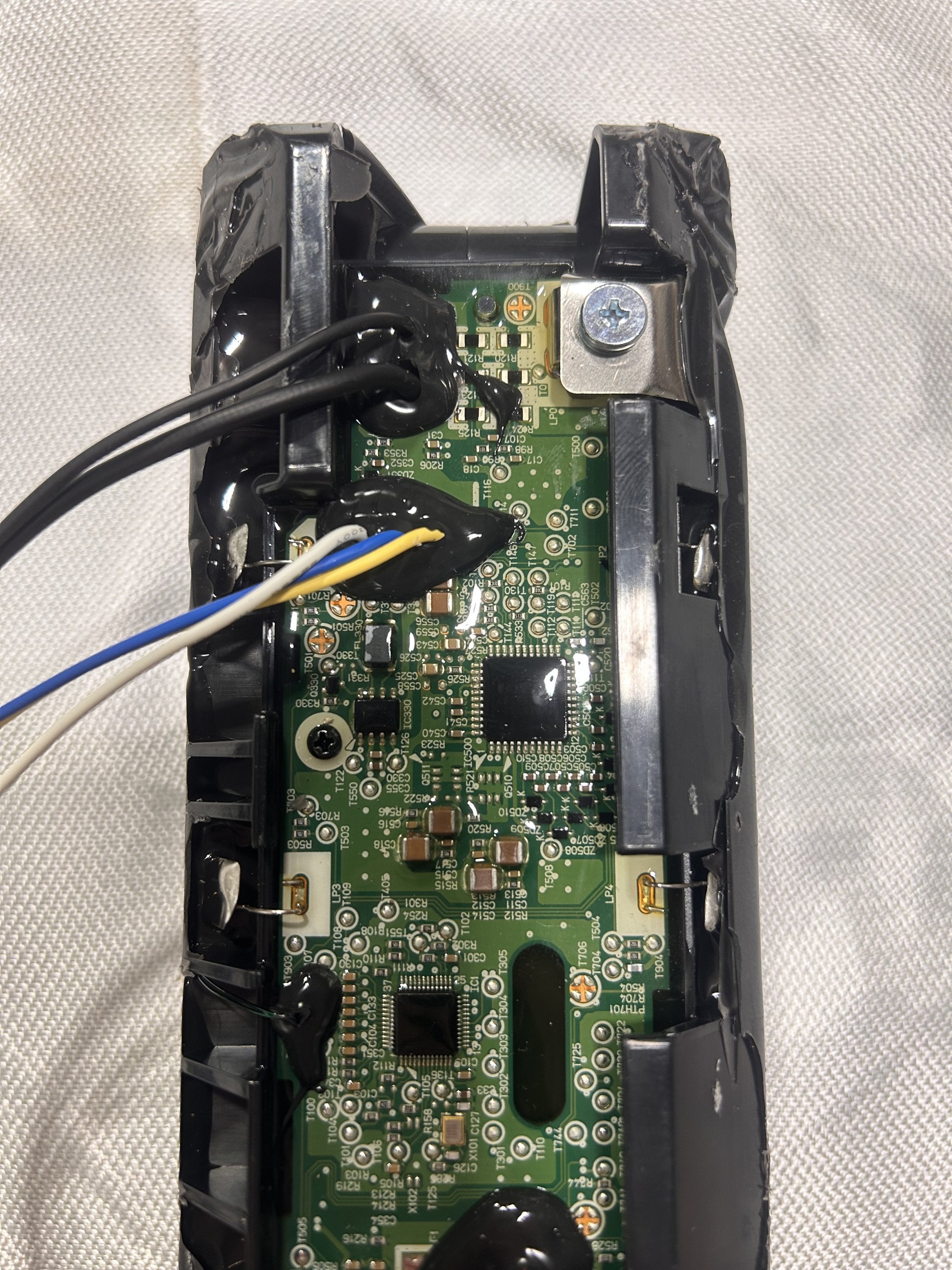
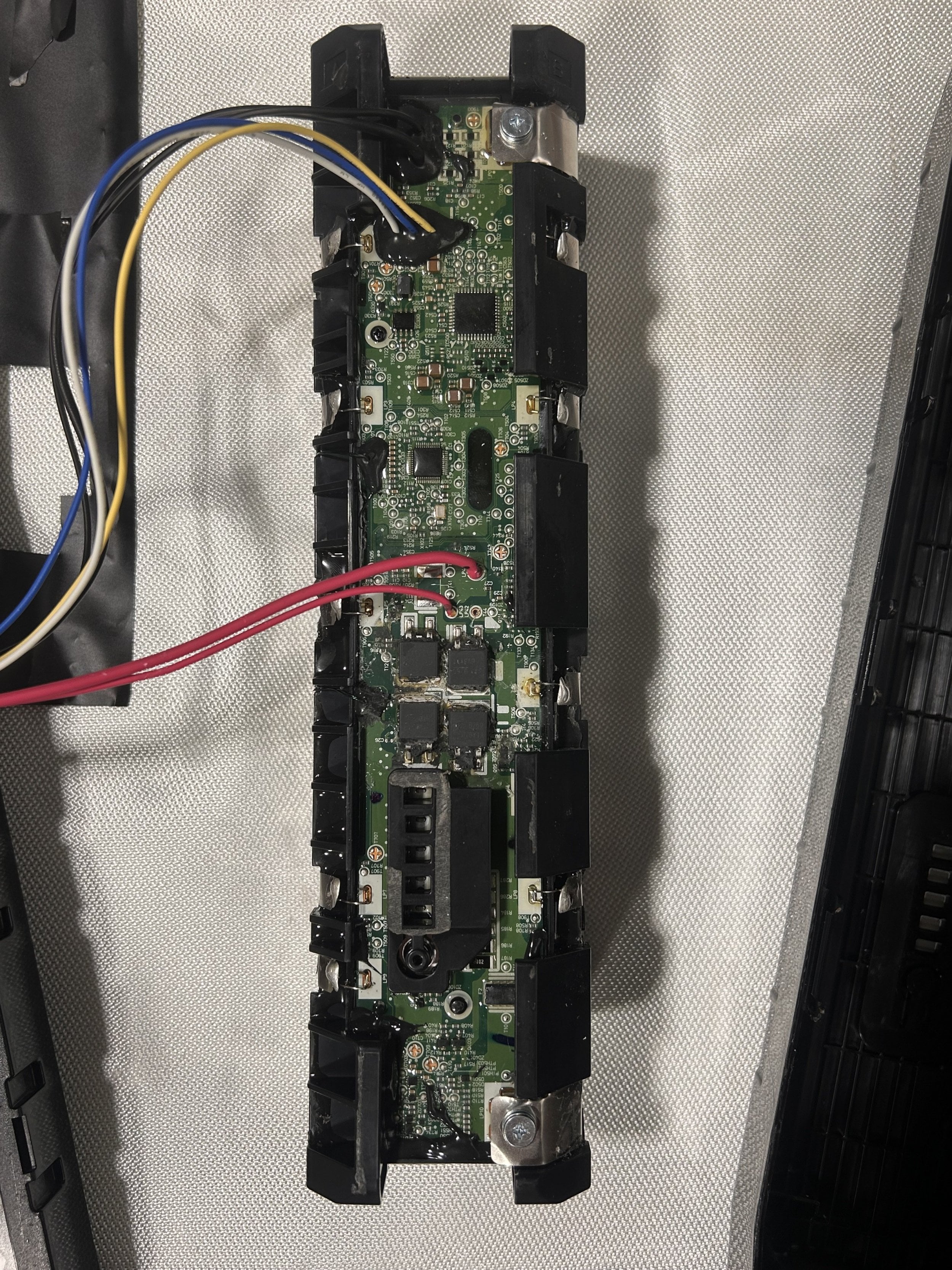
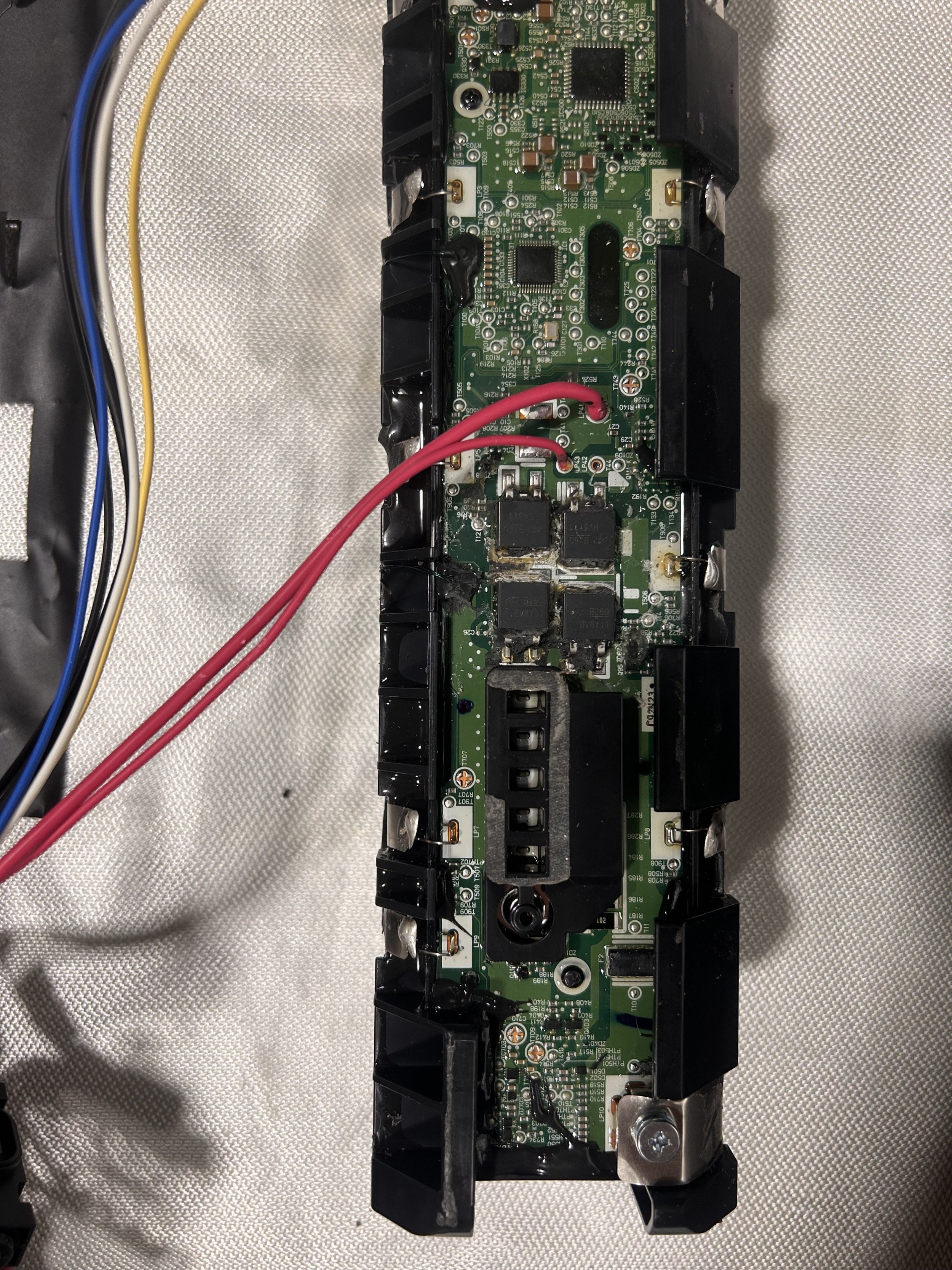
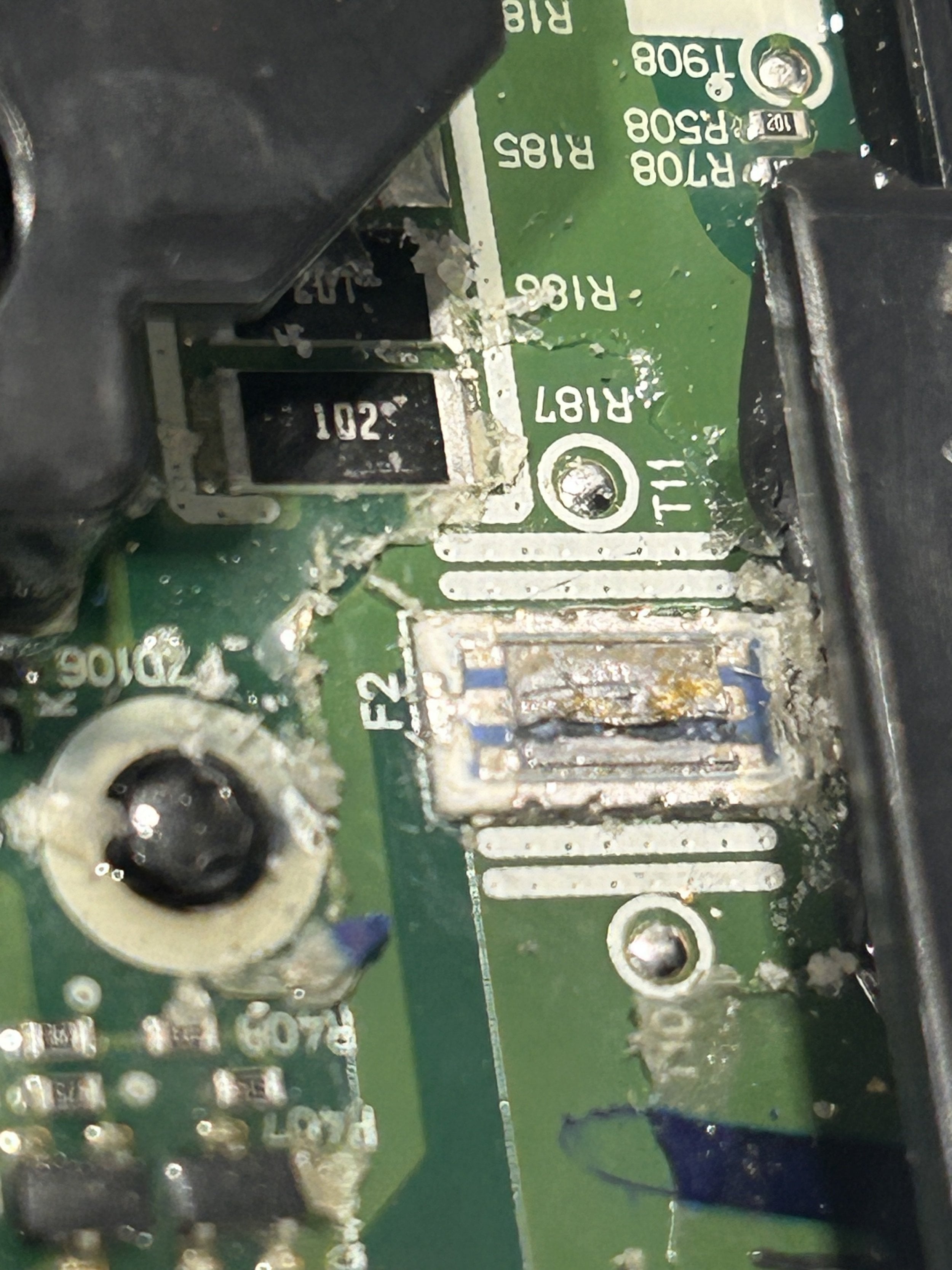
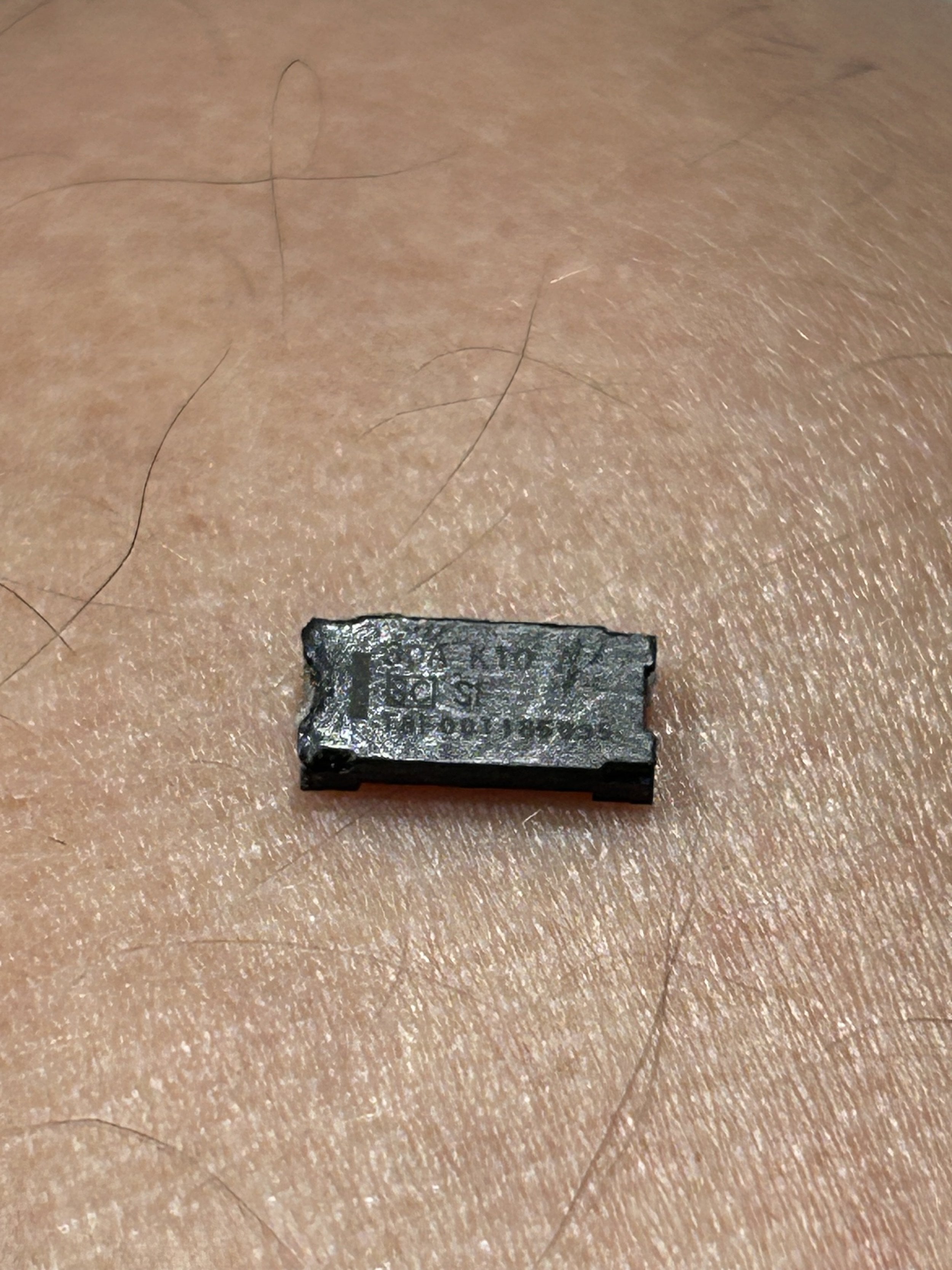
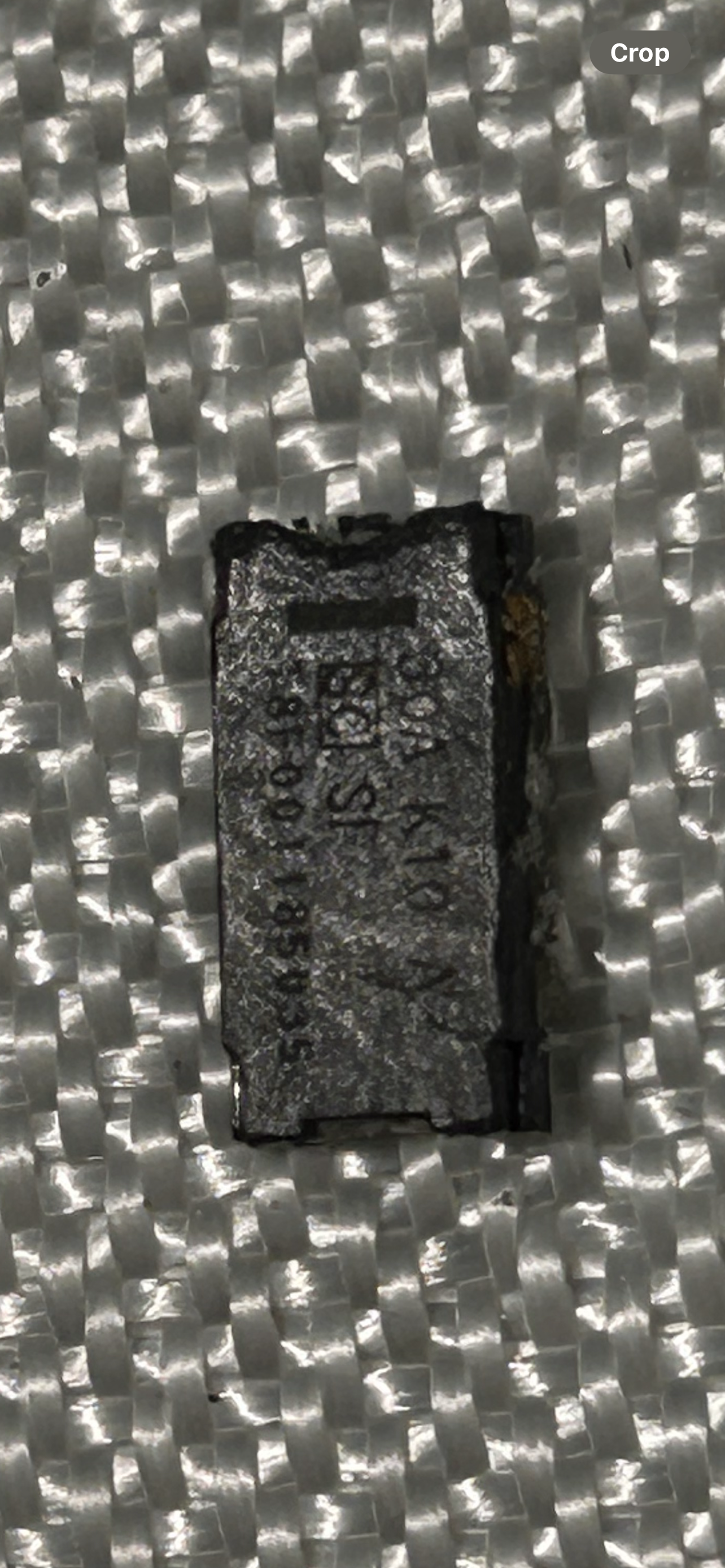
I've tried to remove the silicone from the BMS board, without blowing SMD components. It was quite a nasty job and only 2 components were removed in the process but but I thought doing this I might isolate the common failure point of this battery and on the next one I will only remove the silicone where I needed. Also I have the board to reverse engineer as much as I can at least from the hardware perspective.
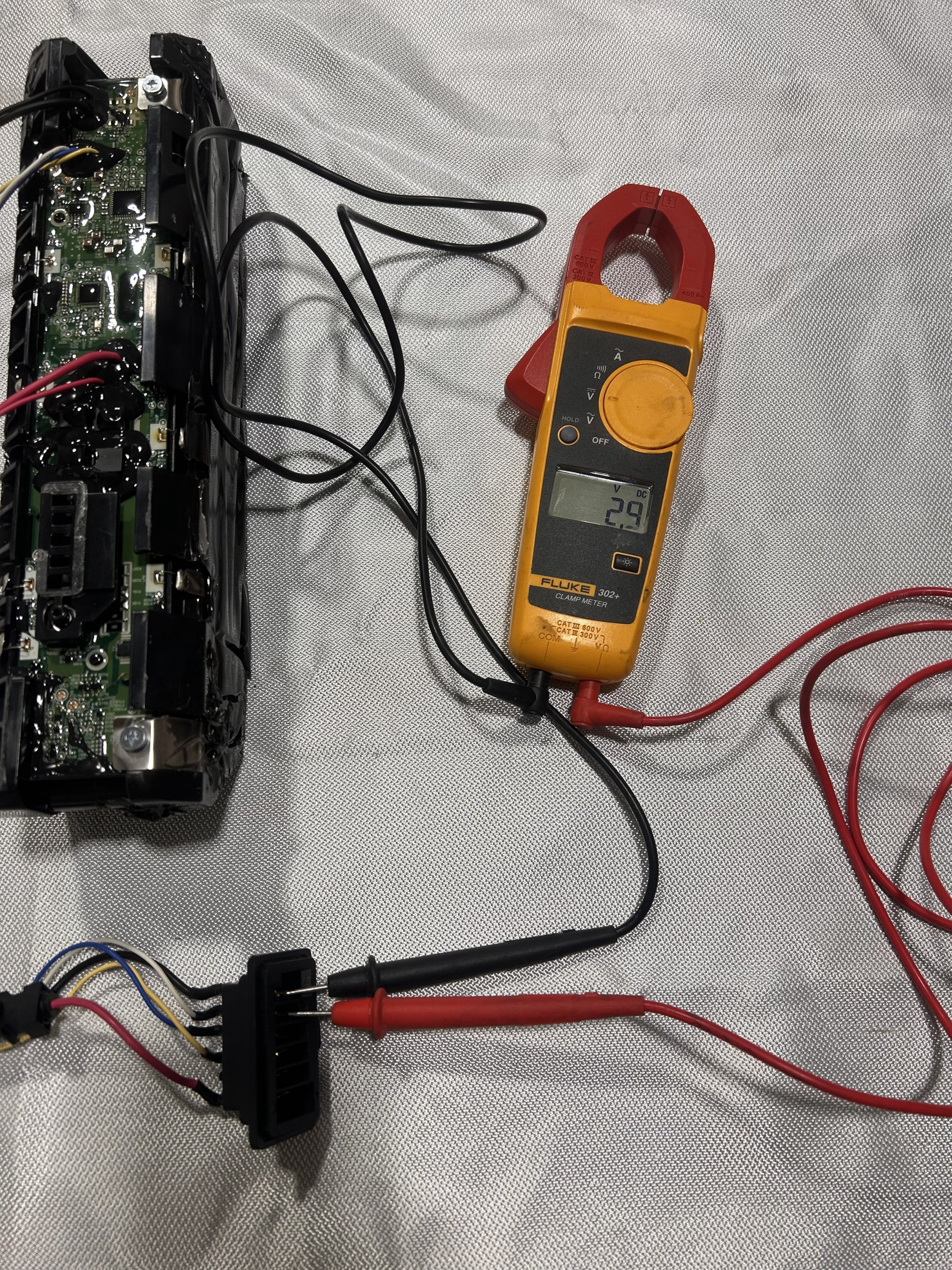
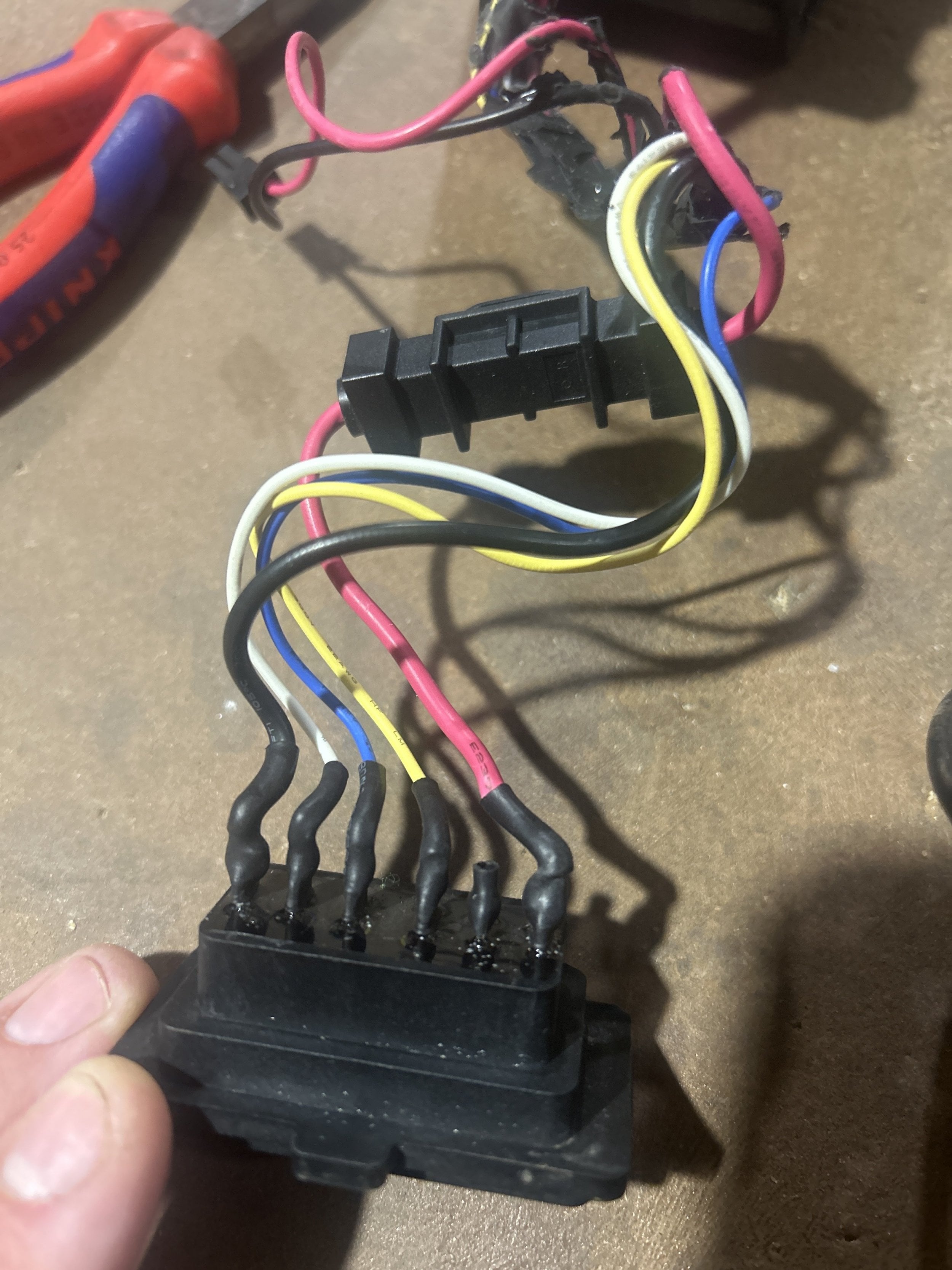
The pinout is as follows:
1. GND (-)
2. Wake up /Charge control (2.5v, if put to gnd the battery will power on and give a voltage on discharge port P+ for powering the rest of bike electronics)
3. Can (L/H)
4. Can (H/L)
5. Charge port (C+)
6. Discharge port (P+)
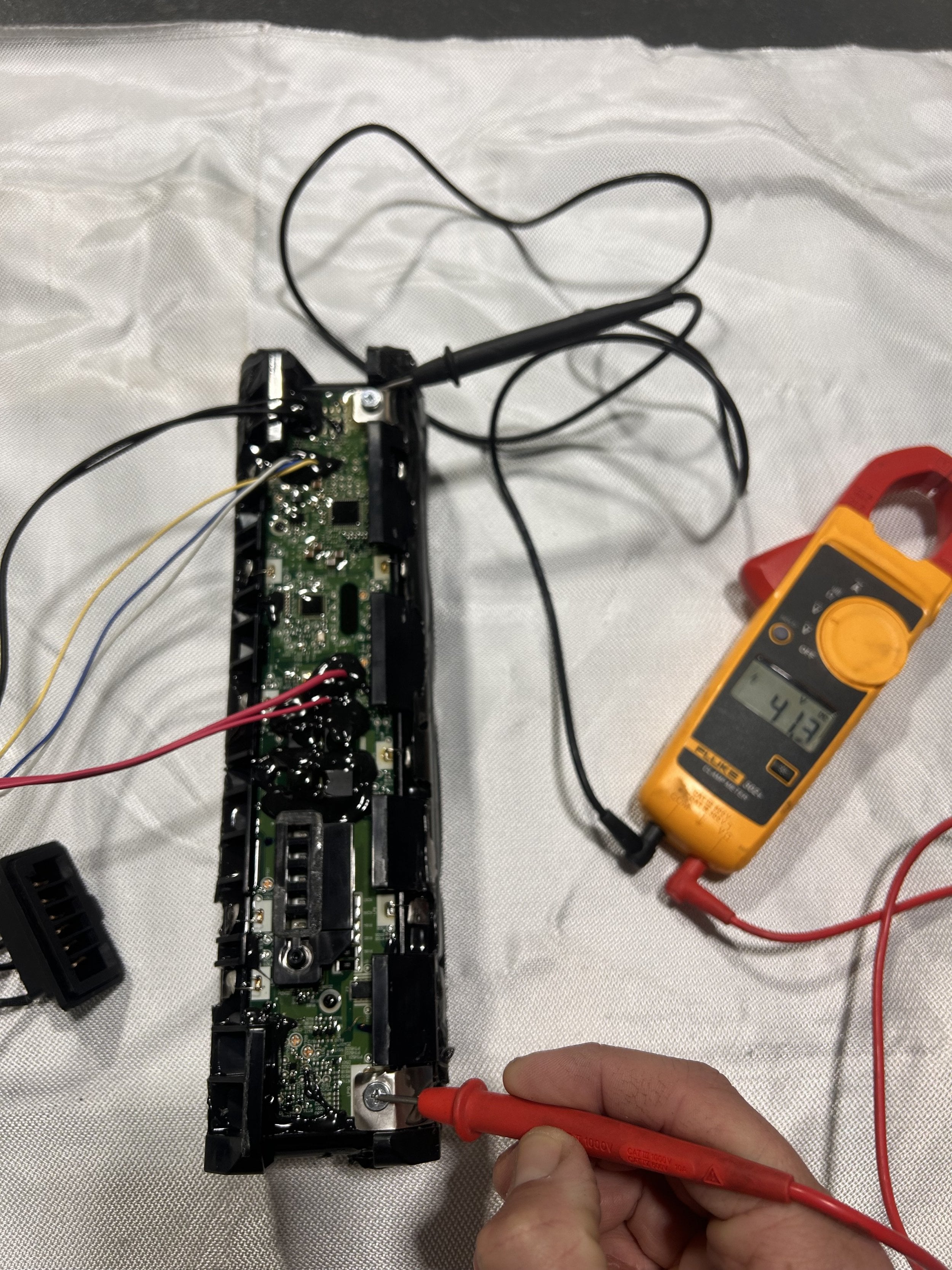
You mentioned in this thread that you have 32v. This means your battery has charging port failure (mosfets shorted) which exposes battery voltage directly on pin 5. The same thing I measured on my faulty batteries I bought. First, I thought that it was a control voltage (high impedance) for the charger or something. But then, I saw I could pull a higher current than a control signal needs and still it supplied the same voltage. So this was a low resistance signal that shouldn't be present when the battery is off/standby.
Also, in your case, at 32V, the BMS assumes the battery is empty, that's why it wouldn't work on the bike and because mosfet failure, it won't charge.
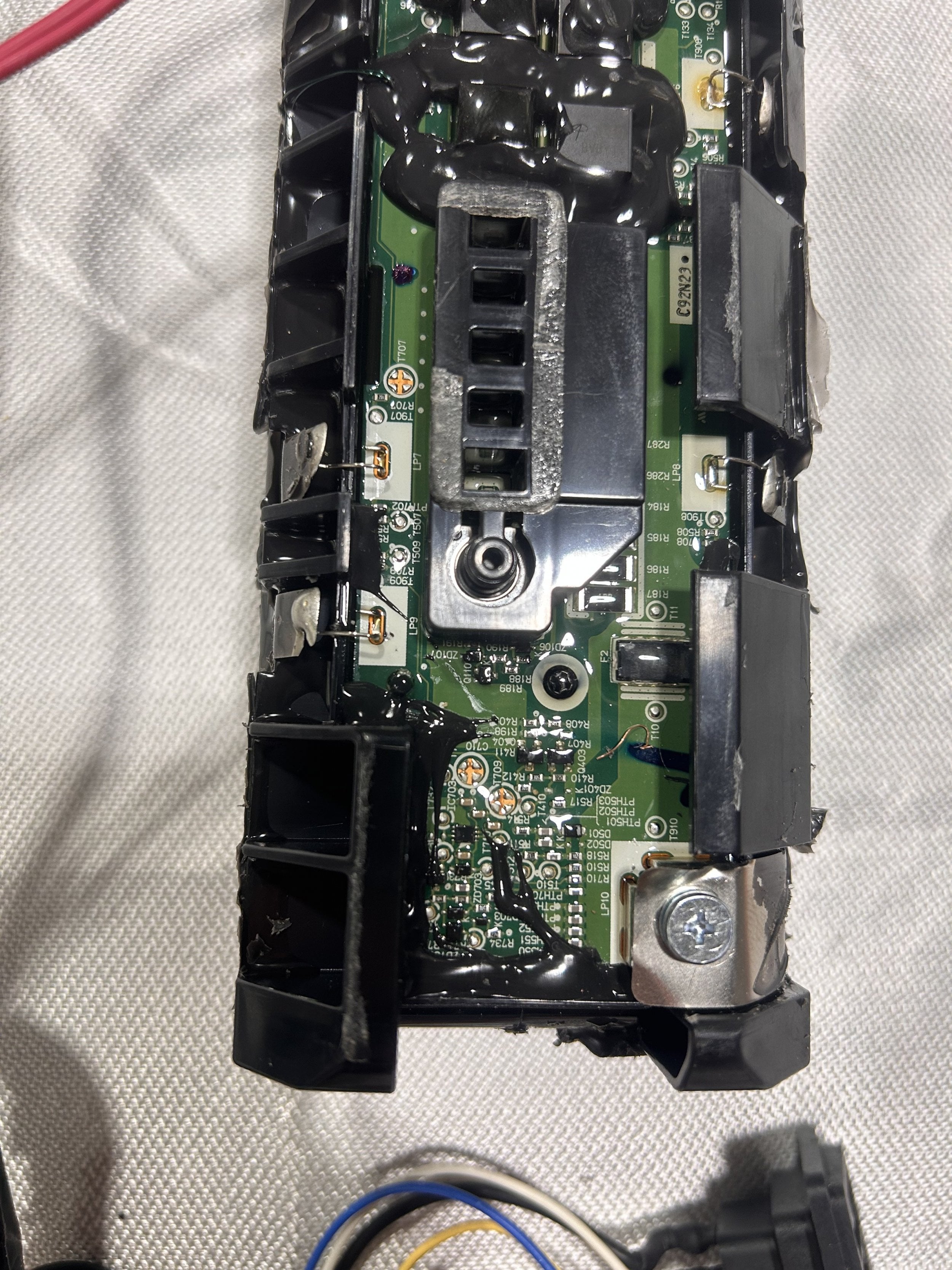
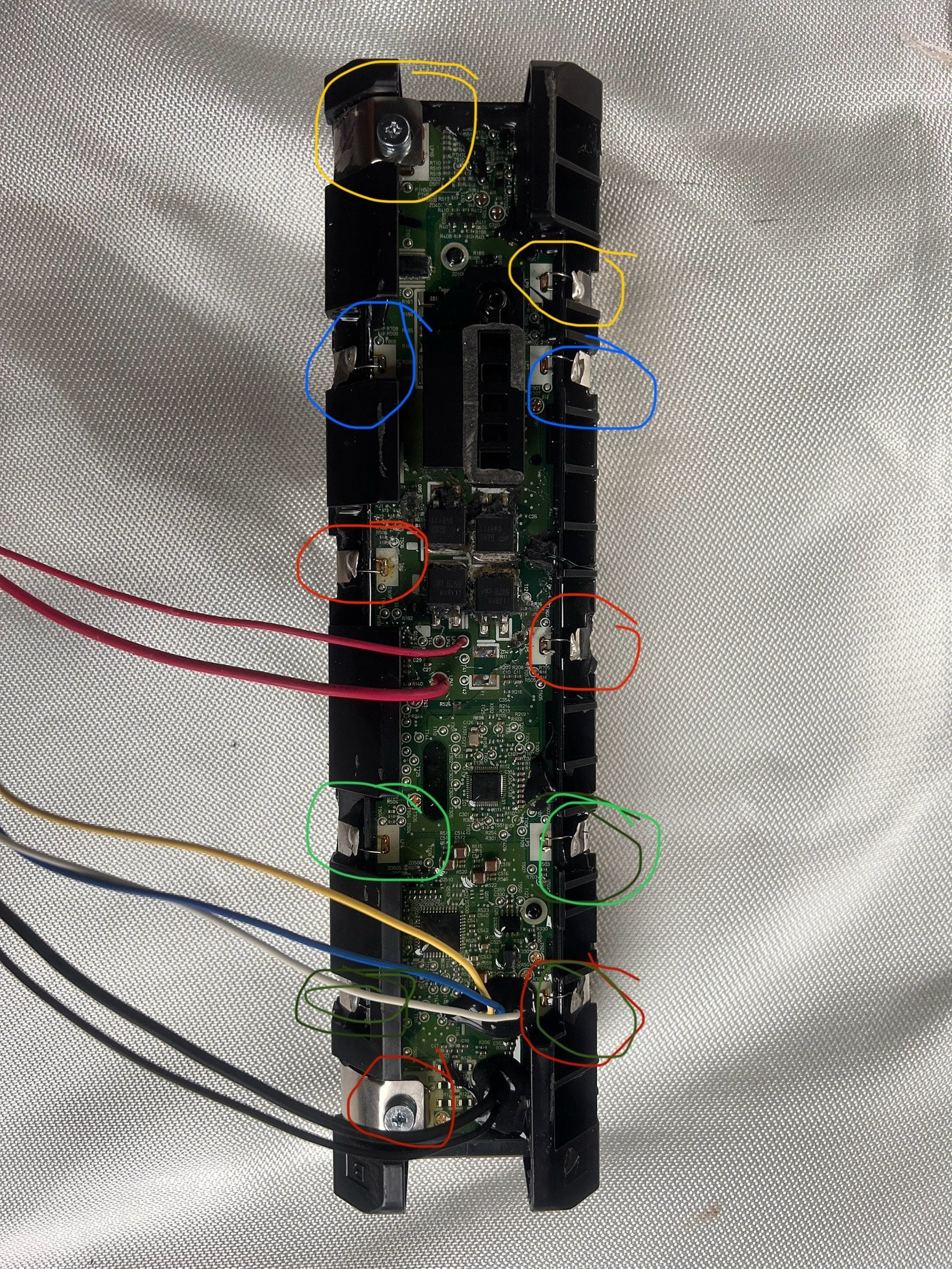
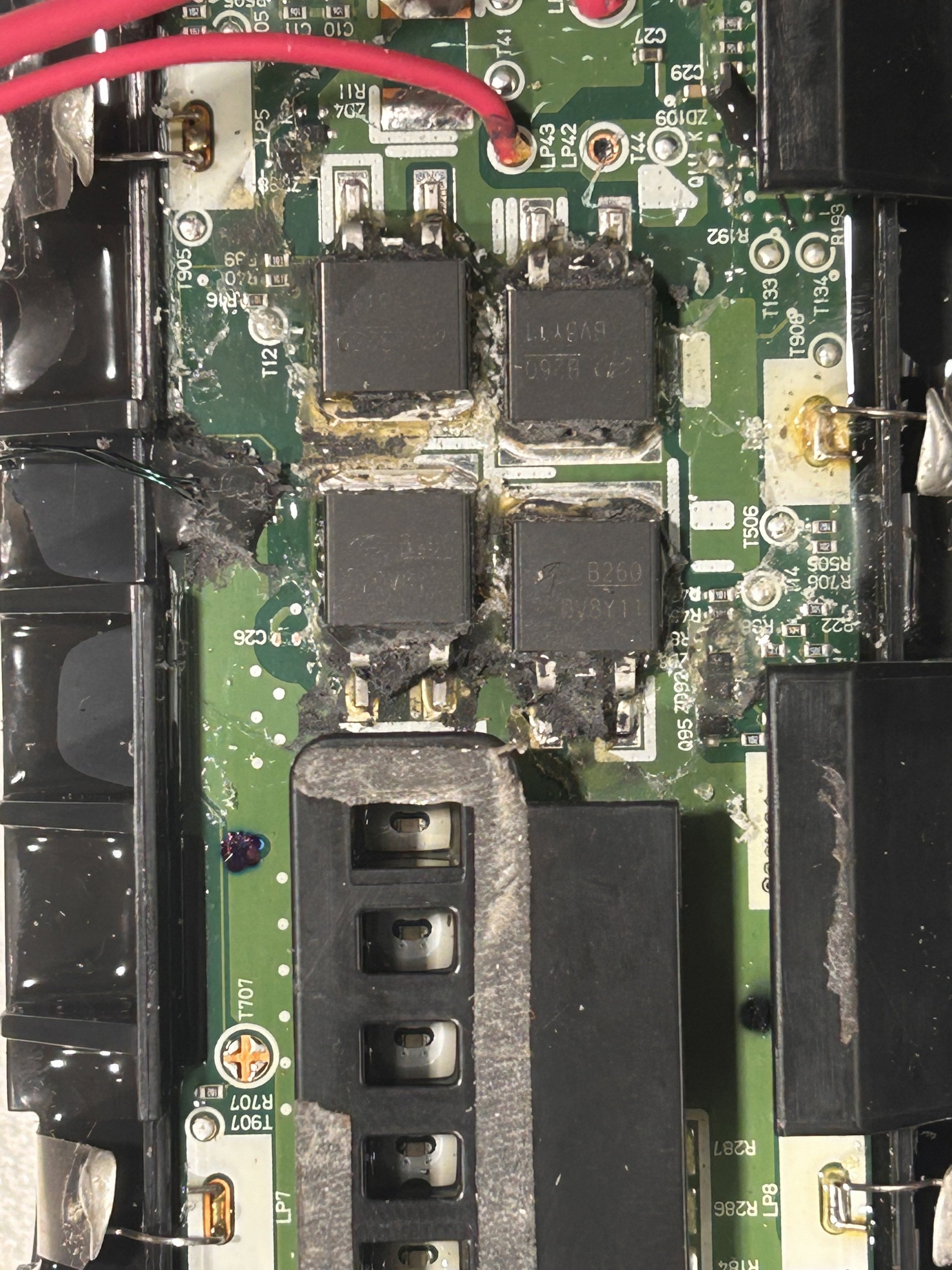
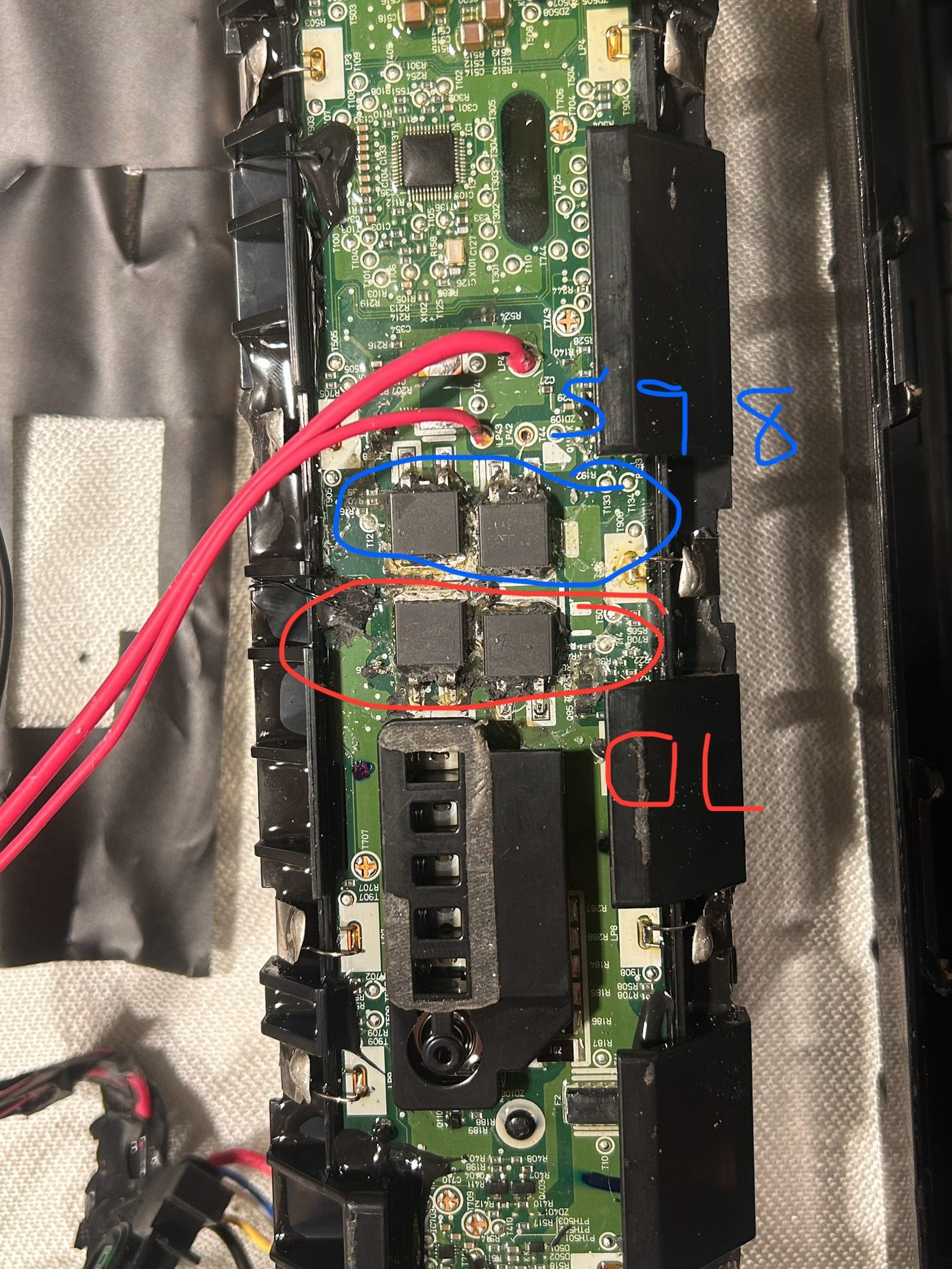
Anyway, after I remove the silicone on the first battery, I analyzed/measured different things, including the charge/discharge mosfets. Bingo, charge mosfets were shorted. Anyway, when accidentaly damaged some smd components in the silicone removal step, I software locked the BMS. This is a project for another time as it might take a while...if possible at all.
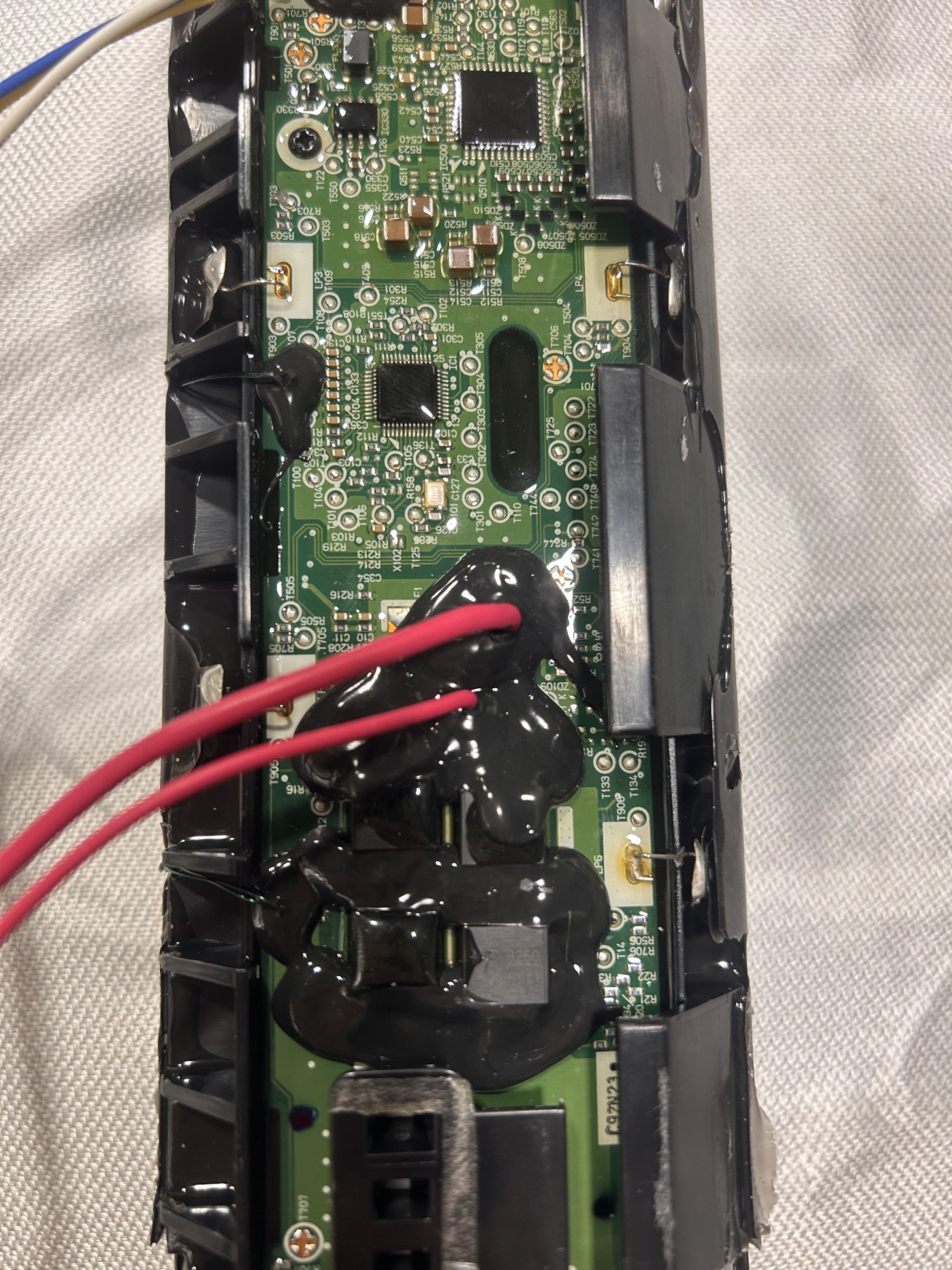
So now, back to the second battery, I only removed the silicone around charging mosfets, changed the mosfets while the BMS was still powered and what do you think. The battery behaves as it should. On pin 5 there was no voltage. Charging now works, discharging also works. So I have one good battery out of 2.
It seems it's a common failure point.
Besides this thread there's another in which someone has 3 batteries, all with Vbat on pin 5. Why that happens so often? Maybe because some will charge their batteries off the bike, and the charging adapter can be put backwards (not completely maybe just as to make contact with some battery pins). Also the order might be important. In their manual, giant have the following procedure.
1. Plugin the charger to the bike/battery.
2. Plugin the charger to AC outlet.
When charging is complete:
1. Remove the charger from AC outlet.
2. Remove the charger from the bike/battery.
Usually it's the other way around, I think most people plug in the charger to AC then on the bike/battery.
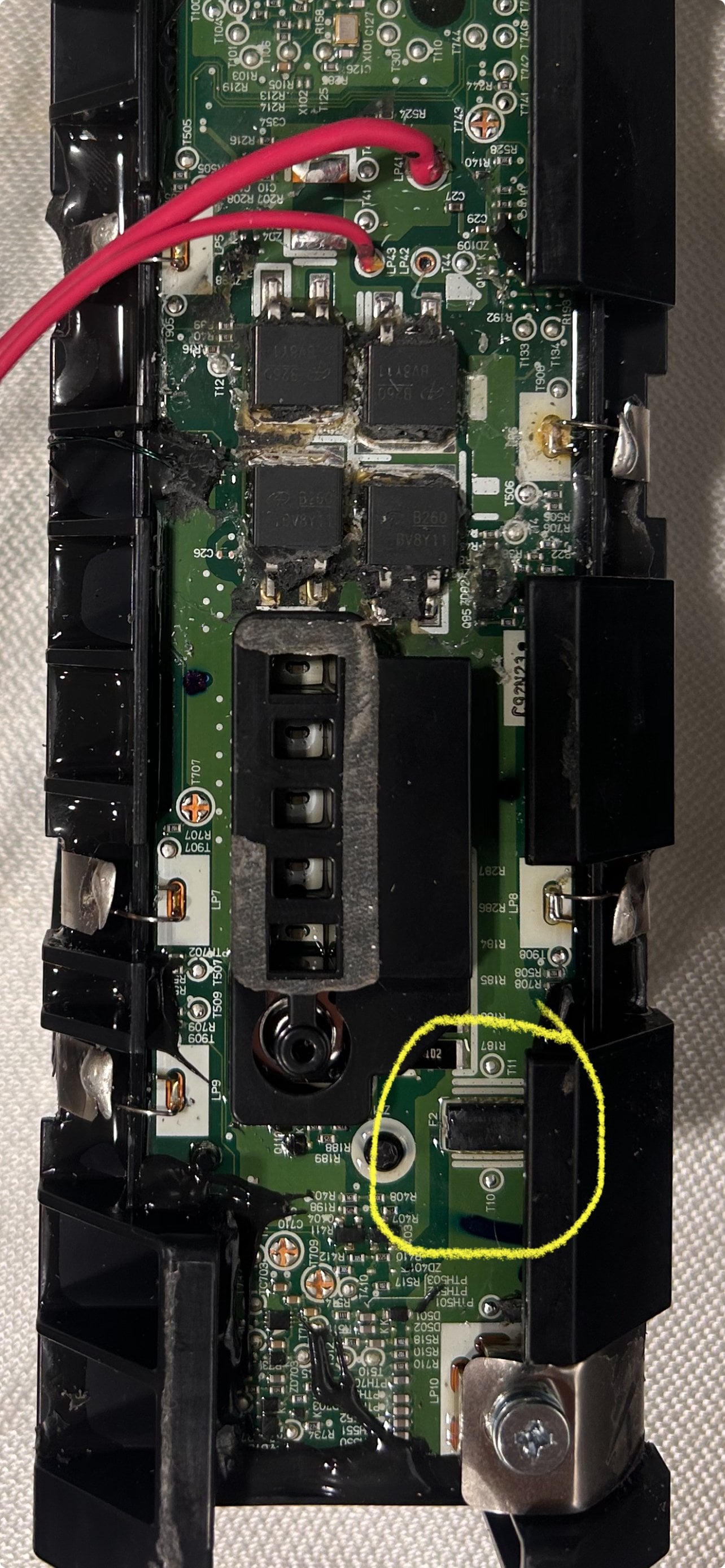
Another fault (when the battery won't communicate with the bike) I discovered is that on can bus lines there are some protection diodes, on one of the batteries one was shorted (one can line didn't have idle voltage of around 2.5v when powered on).
I've posted a photo showing where the charging mosfets are or the protection diodes on can lines and also can transceiver (which might also fail, I've seen it in smart chargers).
Energypak 625 has a completely different PCB layout, also potted in silicone (transparent). I didn't have time to look at it but I have one faulty 625Wh battery It's a 2 board (stacked) design. It seems to suffer the same fault (charge mosfets failure) but it's impossible to get to them without removing all electrical connections as they are on the bottom PCB. I need to find a way not to software lock the BMS in the process. For 500Wh it's not necessary to remove any connection from the pack to the BMS.
View attachment 143925


 After updating the firmware on my Giant Explore E+ 1 2021 it is now capable to "boot up" when using my spare 625 Wh battery I've purchased second hand (before, it did not power on at all). At first, I was thinking it is due to the slightly different "older" connector - as my local Giant dealer told - but after reading these posts, I've measured the pins and I also have 39V on pin 4 (Charge +)... additionally, my 6V charger has just died (unfortunately the fuse is fine, LEDs don't indicate any sign of life).