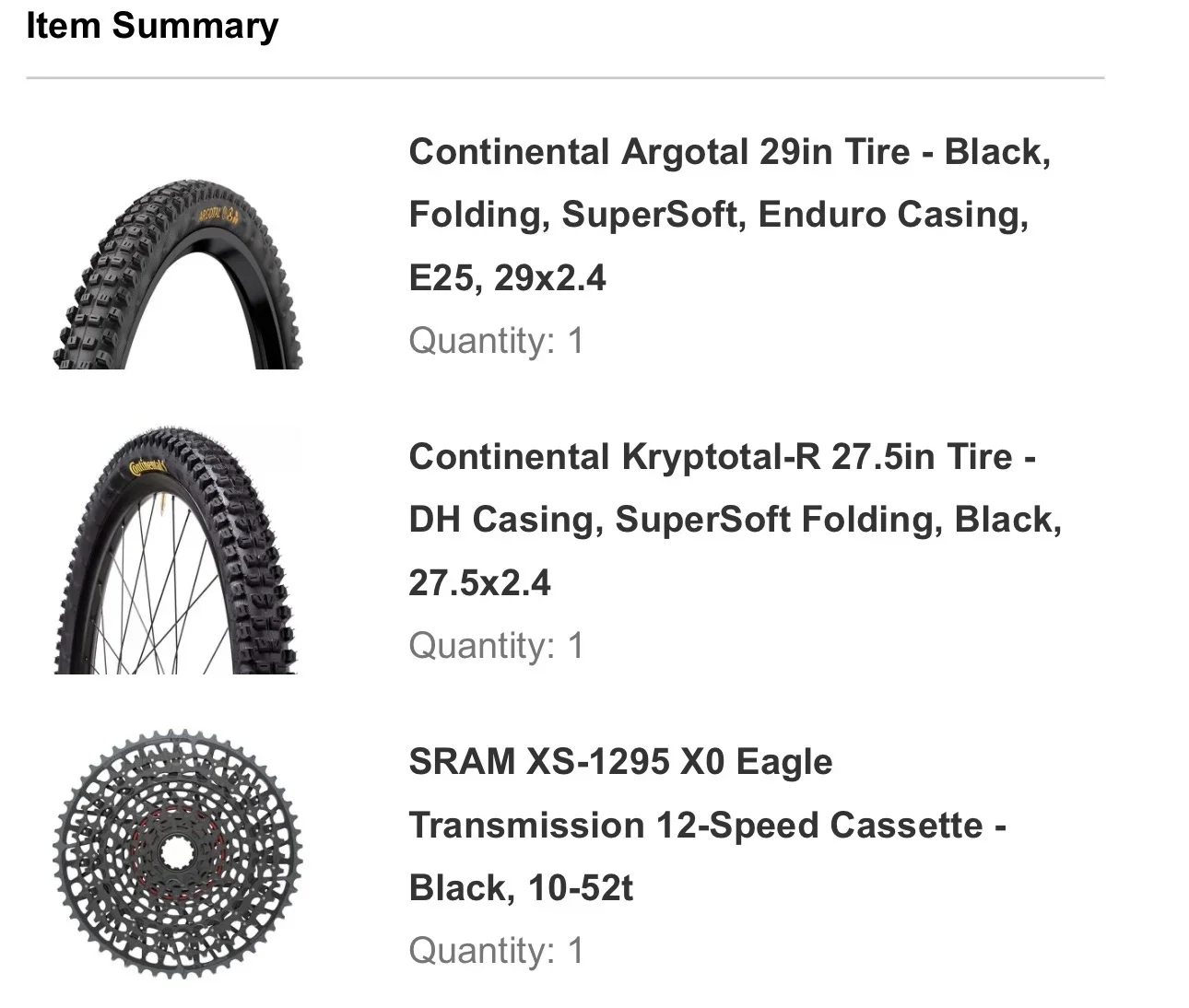
I get it. If you really want to limit the cassette to 36t for derailleur protection, valid point for some riders focused on getting the der out of harms way. Reduce CR size, since not everyone cares about top speed. (I would like both and the 32 would not be enough top speed for me on an ebike). If there was a 9-36t or 9-40t that was durable and played well with my other preferences, I would probably use it. Then again I would want it to be an 8 or 9-speed also.
Some people use the e-bike to commute to the trailhead, and for some it is several miles. The biggest CR practical is always going to be preferred for that.
I have a 9t on an acoustic bike paired with a 32, and I am always wanting a 34 (that is with just leg power) on some trail sections with gentle descents. That is with a 29" wheel (not a 27.5). That bike has a 9-45t cassette, and I can handle any grade the tires can stick to, for a while anyway, again no motor. I am 65 years old, so younger fit people would do even better. Commuting to and from a trailhead on a class 3 using a cadence that provides better electrical efficiency and a more comfortable cadence for the rider, the 34t is USEFUL . It is also safer, since you will spend less time on busy roads with distracted drivers. The individual needs to determine if the 34t CR poses a hindrance to his individual use climbing needs.
For my use of an e-bike, I would not consider less that 34-9 ratio, and would use a 36 if I knew I would not destroy it on rocks, which I would. I am sure a 32 is plenty for most recreational riders, but in this specific scenario, there is little downside ( 16 grams) to using a 34, since the skid plate appears to fully protects it.
But you do you, just do it without being so offensive.


 ️ For delivery in June
  .
. 
 .
.

 And yes, a 32 has more clearance than a 34 does. One is larger, one is smaller, do the math. One is further from the edge than the other. Can you tell me which one?