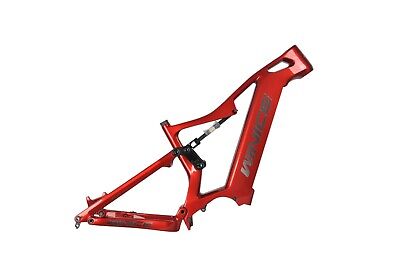
The more and more I think about this. The more and more I want one.
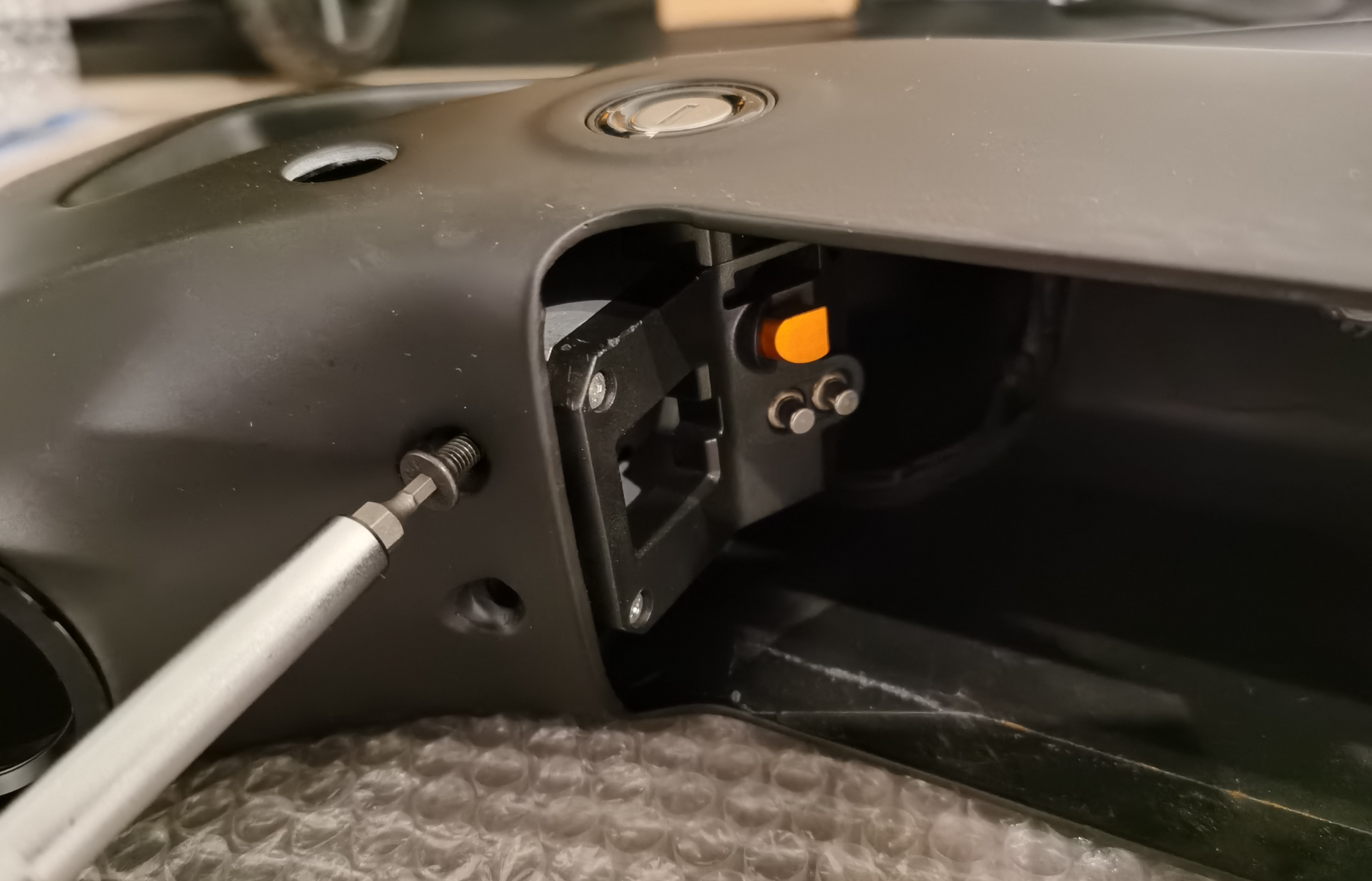
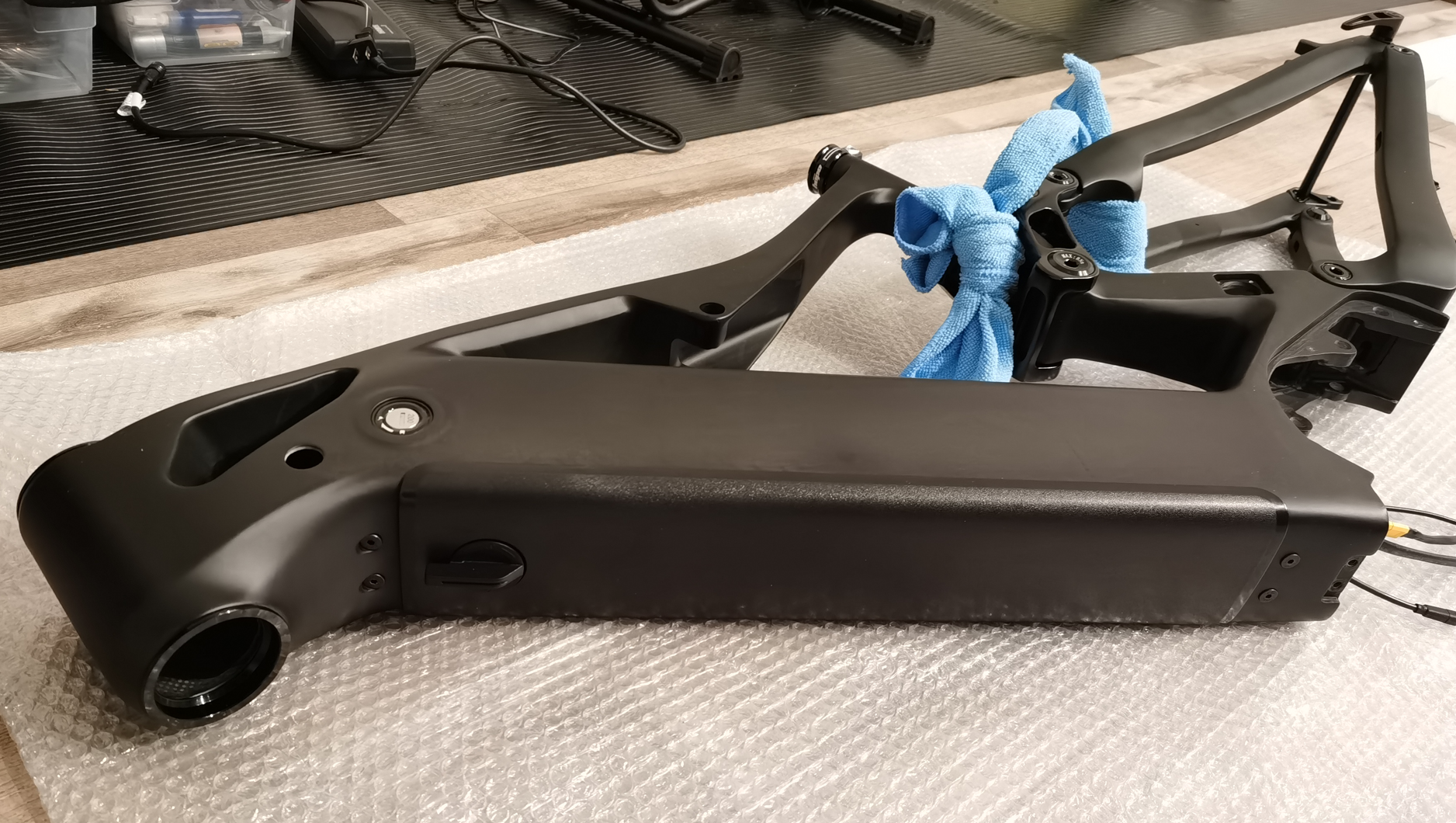
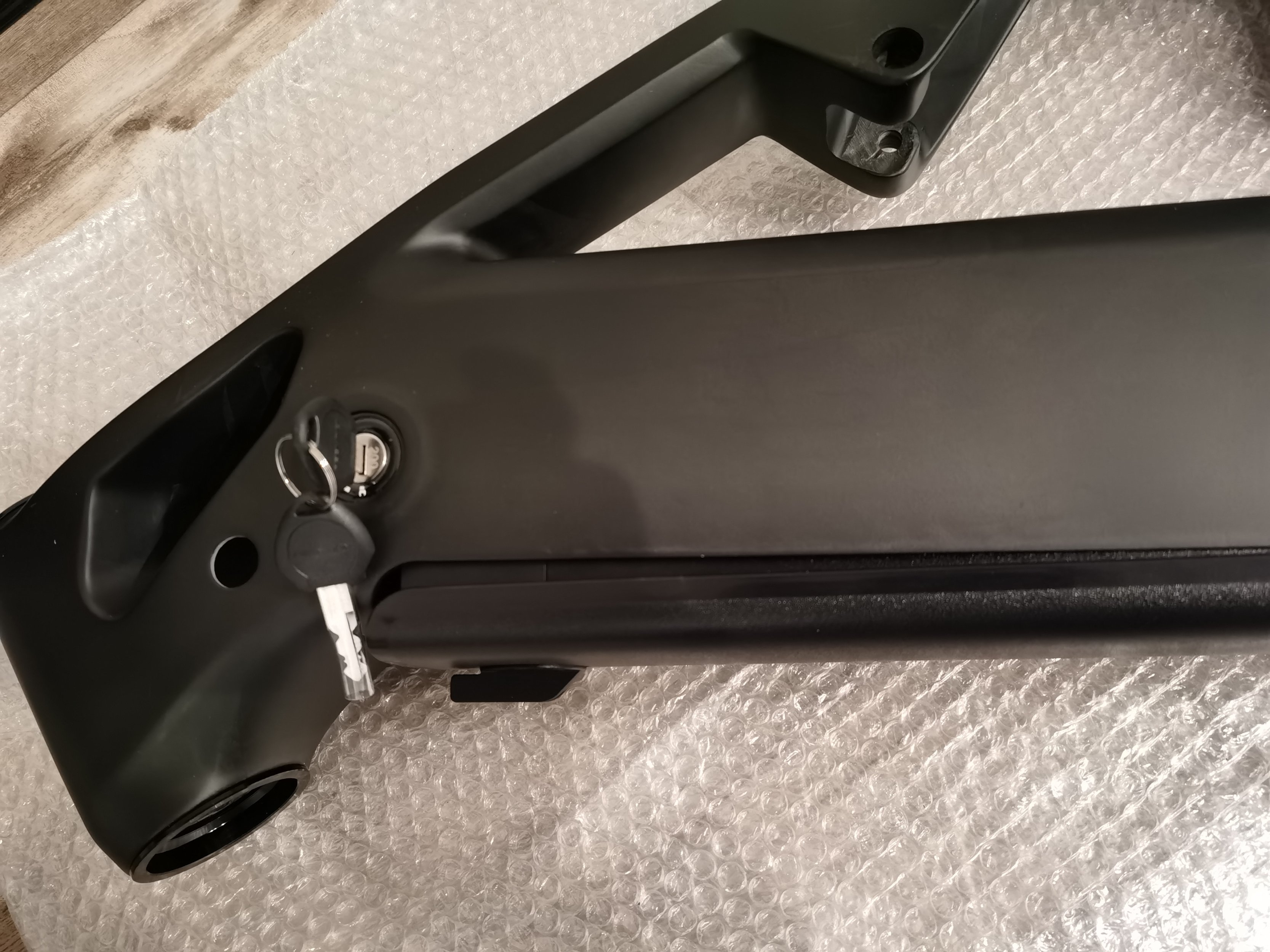
Firstly comparing this to the e22, I think the larger battery compartment is a clear improvement for most users. The e22 does tend to suffer with battery capacity. Not because the e22 battery is small, 840wh is already bigger than most other eMTBs. But when you pair it with a motor that is also twice as powerful as a most other eMTBs, (and then go and use all that power), you soon find that battery capacity lacking. The other thing that I think will be important moving forwards, will be the option to build custom higher voltage batteries, for modified / tuned motors etc, and still keep a respectable AH rating and parralell cell count.
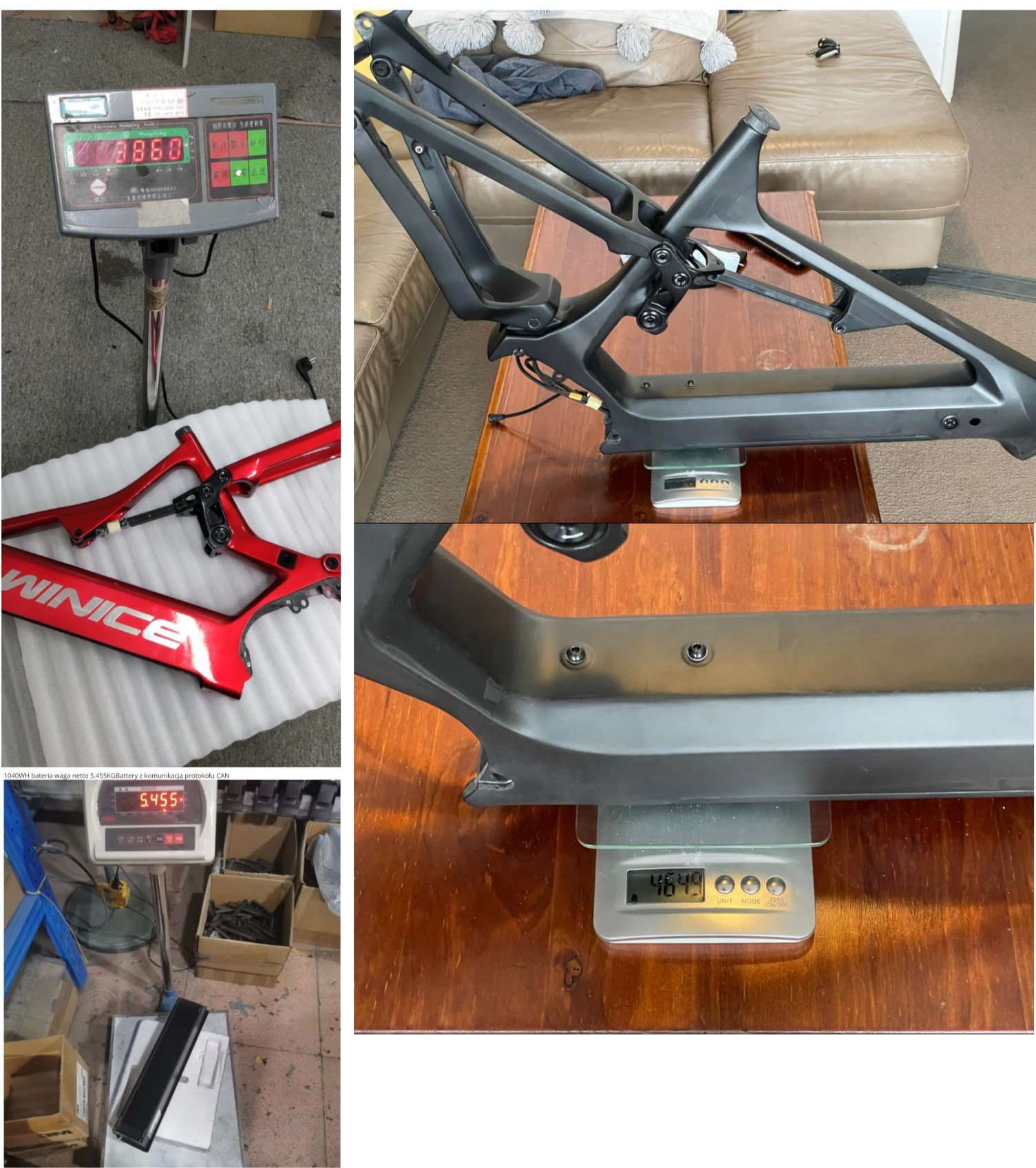
Yes, the weight does increase with more battery But this is a full size eMTB, using the biggest motor in Bafangs mid-drive line up. The target demographic is clearly not weight weenies.
I am a little disappointed that Dengfu have opted to only make 2 frame size options. I just don't think that is a enough to properly size a bike for alot of people, without having some compromises. The e22 has 3 frame sizes, and the e10 has 4 frame sizes. 4 is nice, but 3 is probably as few as you would want to go and still comfortably be able to fit most riders. Ofcourse there will always be outliers from the bell curve that will struggle for a perfect fit no matter what size options are available, (giants and dwarfs.) But atleast with 3 size options, you can size up the majority of people pretty well.
In a perfect world, you would also size the rear triangle to each frame size. But I do understand the finacial flipside, where more component moulds, cost more money etc. I'm sure there is a juggling act to balance production cost, vs expected sales. Ofcourse not everyone wants a bike with the heavy and powerfull Bafang ultra. And not everyone wants a more DIY approach bike, sold via direct sales from a lesser known Chinese manufacturer. So although the e55 may look amazing to some potential buyers, like myself, sales may not be massive when compared with more mainstream brand offerings, or even other Dengfu offerings like the e10 with the more conventional 500/510/600 motor size etc.
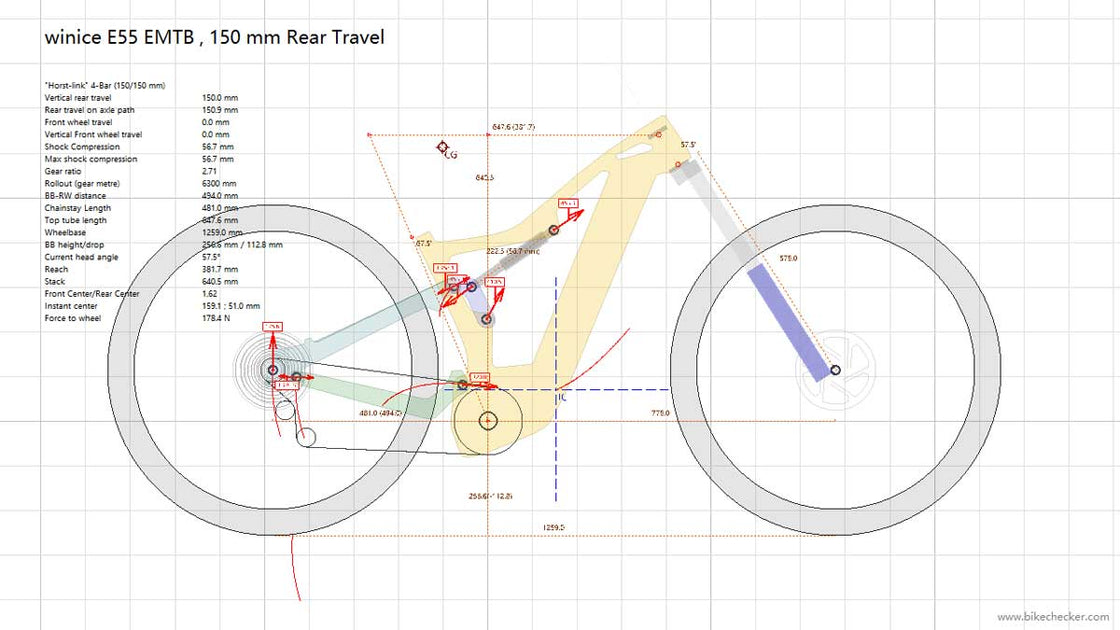
Looking at the 19" e55 geometry numbers compared to the 20" e22. There is some similarities, and some improvements.
With the stack / reach sizing, comparing 19" e55 with 20"e22, they are actually pretty close. The e55 has a slightly longer reach and a slightly shorter stack, at 480mm / 682mm. Yet with the diagonal / hypotenuse measurement, the 19" e55 and 20" e22 are basically identical. Ofcoarse the difference in stack and reach, yet with the same diagonal distance can easily be attributed to the slacker head tube angle difference, which I will discus later.
(On MTBs, I much prefer to look at the diagonal measurement between stack and reach to judge sizing. Stack and reach will vary wildly from advertised depending on variables like wheels, tyres, fork, suspension sag, and even the angle of the terrain your riding over. Yet the diagonal measurement from crank axis to the top of the head tube will ALWAYS remain constant. So IMHO, this is a better metric for judging frame size / fitments.)
The next aspect that I would like to discuss is the seat tube angle. Dengfu have steepened this up nicely by 5° on the e55 vs the e22. Which brings it up to 77°. This is less important on a eMTB than perhaps a regular MTB because of the motor assistance. But it is still somewhat important. A steeper effective seat tube angle will help with pedalling efficiency and climbing characteristics. It isnt such an issue on the e22 because the long effective chainstay length already put the riders CoG nice and central. Which reduces the tendency to unweight the front, and even loop out backwards on steep climbs. But seeing it steeper on the e55 is a nice improvement in my opinion. But then this does introduce other potential issues, especially when combined with the limited frame size options.
The steeper seat tube brings the rider forwards in the frame in the seated position, which could give a more cramped feeling while seated for larger riders on the 19". Again more frame size options would be nice here.
The seat tube is also shorter on the e55 19" than the e22 20". So this will allow for a more slammed seat post and possibly even a shorter stand over. Due to the bent top tube design. Hopefully enough seat tube insertion depth to allow a large dropper and appropriate saddle hieght for larger/taller riders.
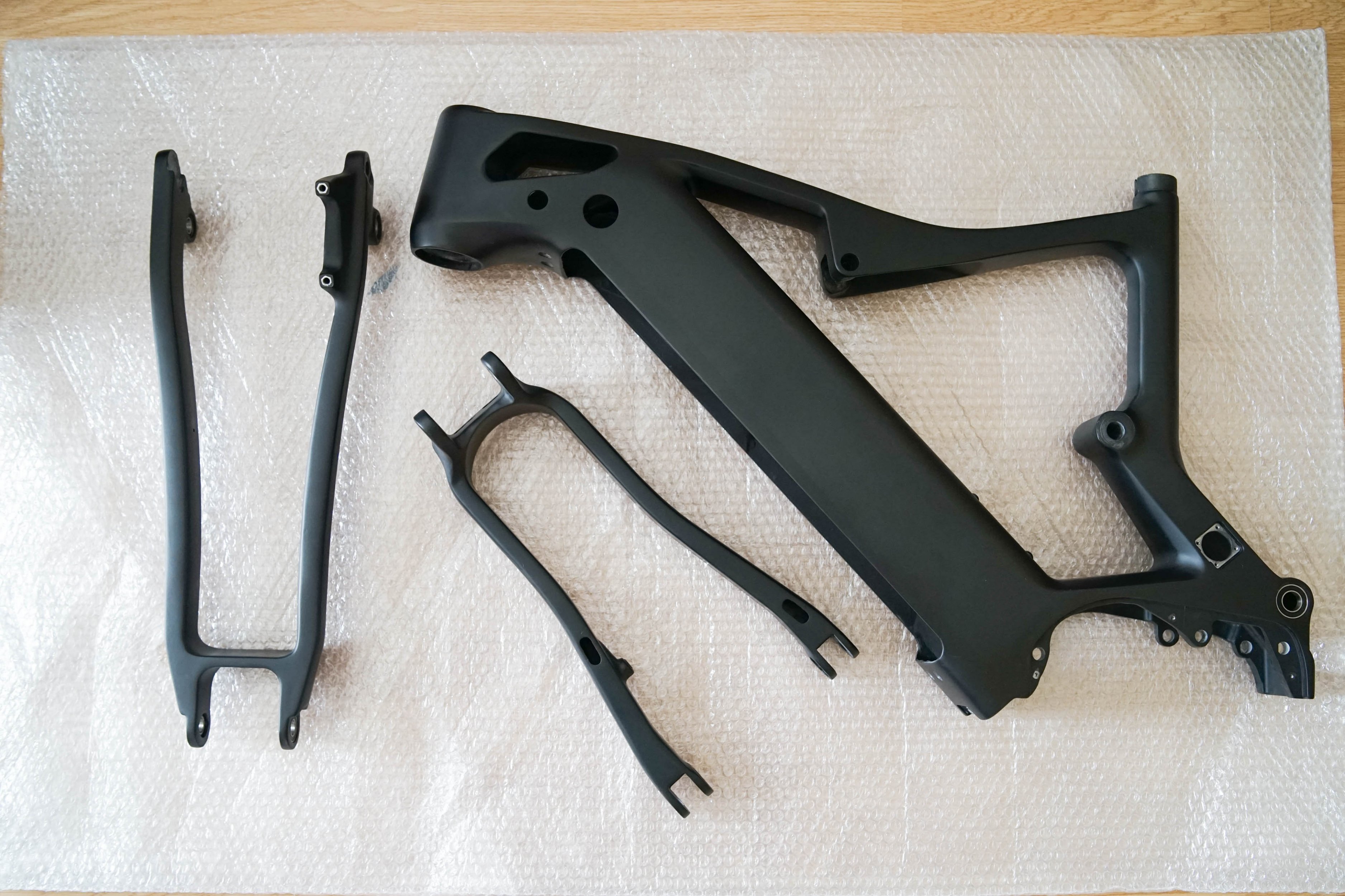
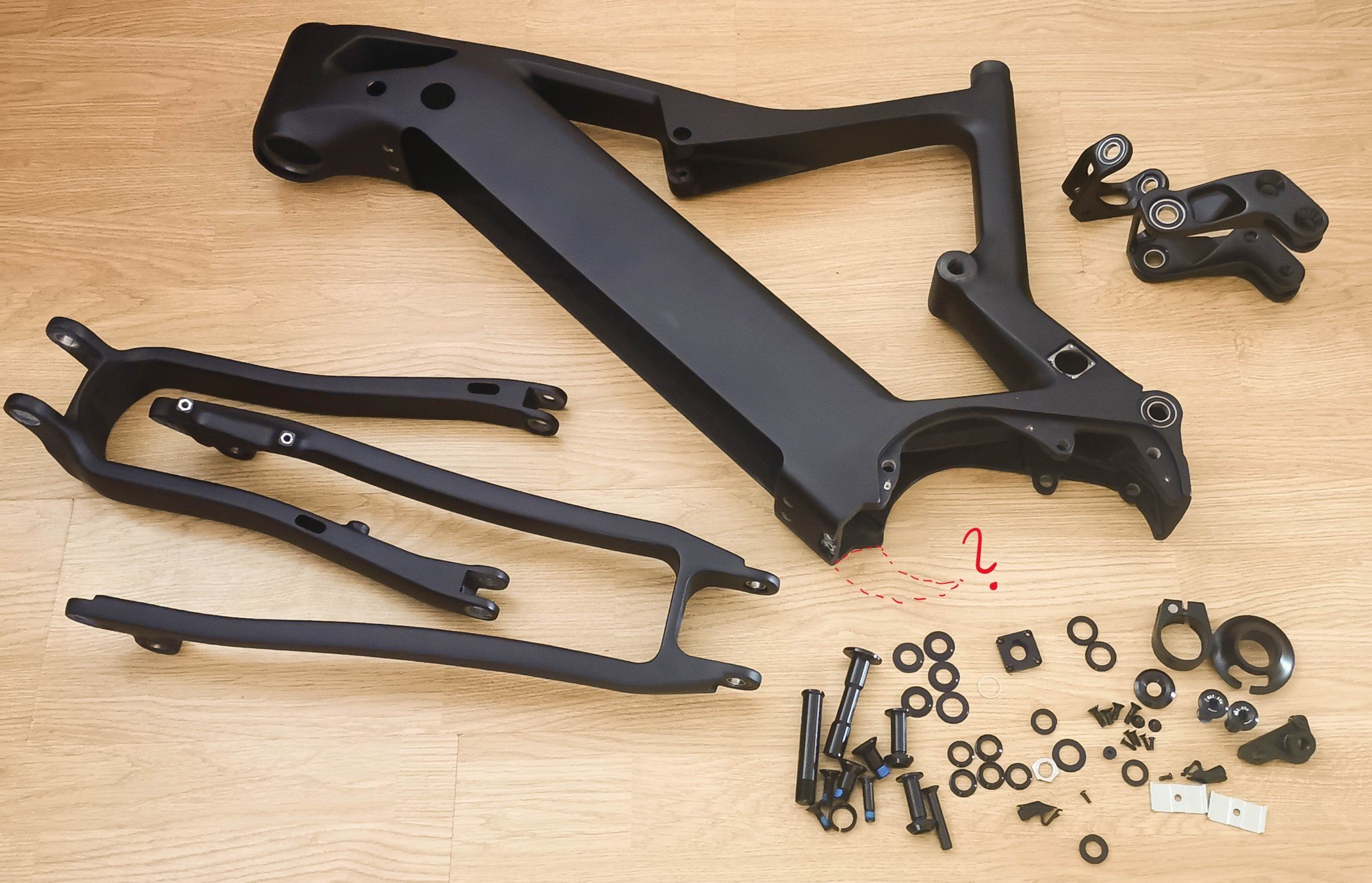
This brings me to the rear chainstay effective length. This has slightly shortened on the e55 vs the e22. Which is interesting, as to my eye, it looks like the rear triangle is still the same part / mould as used on both the e10 and e22. (Looking at the photos.) So I'd guess the difference is in the placement of the pivot point on the front triangle relative to the motor. This probably won't have much of a bearing on the 19" frame (Especially taking into account the steeper seat tube angle). But it will be nice on the smaller 17" frame. One issue with small frame size and long effective chainstay, is that it is mismatched to the overall wheel base, (and crank position within that wheel base.) It works well on the large frame size e22, though, because it's more in proportion to the overall size. Again, this is why having size dependant rear triangles is a nice feature. But I dont want to keep harping on about this. Ofcourse this increases production costs, and eats into profit margins. And there will always be a finacial balancing act, dependant on expected sales.
The next obvious difference between the e22 and the e55 is the head tube angle. The e55 has slackened out 2°. Bringing it up to 64°. Which is a pretty big jump. This is gonna be nice for more descent and speed orientated riders. It will be more sure footed on steeper descents. Plus the added front length and overall wheelbase will make it a nice and stable platform at speed. But this will negatively impact more technical trail orientated riders, with the longer front / longer wheelbase generally making it a bit more pig-ish on tight technical switchback type riding, and especially on tighter switch back single track climbing.
It is also interesting to note on the geo charts, the longer suggested axle to crown measurement on the e55 vs the e22. This means they have a 160mm 29" fork in mind. Which IMO is definitely a better match than the suggested 150mm of the e22. I personally think a full size / power eMTB is better suited to a largish fork maybe 170mm-ish, especially once you factor in the heavier motor and larger battery than most other eMTBs. There isn't really any weight / nimbleness benefits not to, as there is on manual MTBs. The bike is already gonna be a big rig with that motor and battery. And the motor is gonna push the speeds on trails. Which means what would have been a moderate hit on a regular MTB, is gonna be a big hit on this bike because your doing more speed when you hit the feature. So expect to go deeper on jumps. Blow through more travel on drops. And bounce into rocks and holes harder. The other issue is generally smaller forks use thinner tubes to keep weight down. This big bike is not only gonna want to eat up the limited travel, it will also want to flex those smaller forks more.
I was a little concerned when I first saw the e55 64° head angle, thinking about where it would end up with a 170mm-ish length fork. But they have also slightly increased the suggested axle to crown aswell when compared to the e22. So it won't be too extreme if you want to run that size fork. But you definitely won't need to run an angle set on it with a big fork.
Obviously that slacker headtube, and longer fork is gonna push the front out further for a given reach measurement. So its going to have a longish wheelbase at 1.3m on the 19". I don't think this is nessisarily a bad thing, obviously depending on the type of trails and terrain you will be using it on. Horses for courses I guess. Although, it will be an annoyance for some people on some trails.
I personally would like to see a little more rear travel. I think bumping it up another 10 or even 20mm would be nice. Again, this is gonna be a heavy bike. And a little more travel would be nice insurance for those times when 150mm just isn't enough.
Overall I think all these changes compared to the e22 play to the bikes and motors strengths, perhaps at the expense of its weakness. It looks to be a fast, fairly capable, trail / mild enduro rig, with the added bonus of the powerful Bafang Ultra power, and large battery to suit. Words like "light, poppy and playfull" won't be used to describe this bike. Instead I think "solid, planted and sled" are probably more suited.
As for the styling. I'm not 100% sure. I think I prefer the e10 and e22 lines more. Although, you shouldn't really buy a bike based on how it looks. So I reckon I could live with the styling. And to be honest, everytime I look at it, I think I like it a little more.
Now I just need to justify the purchase to my partner haha.