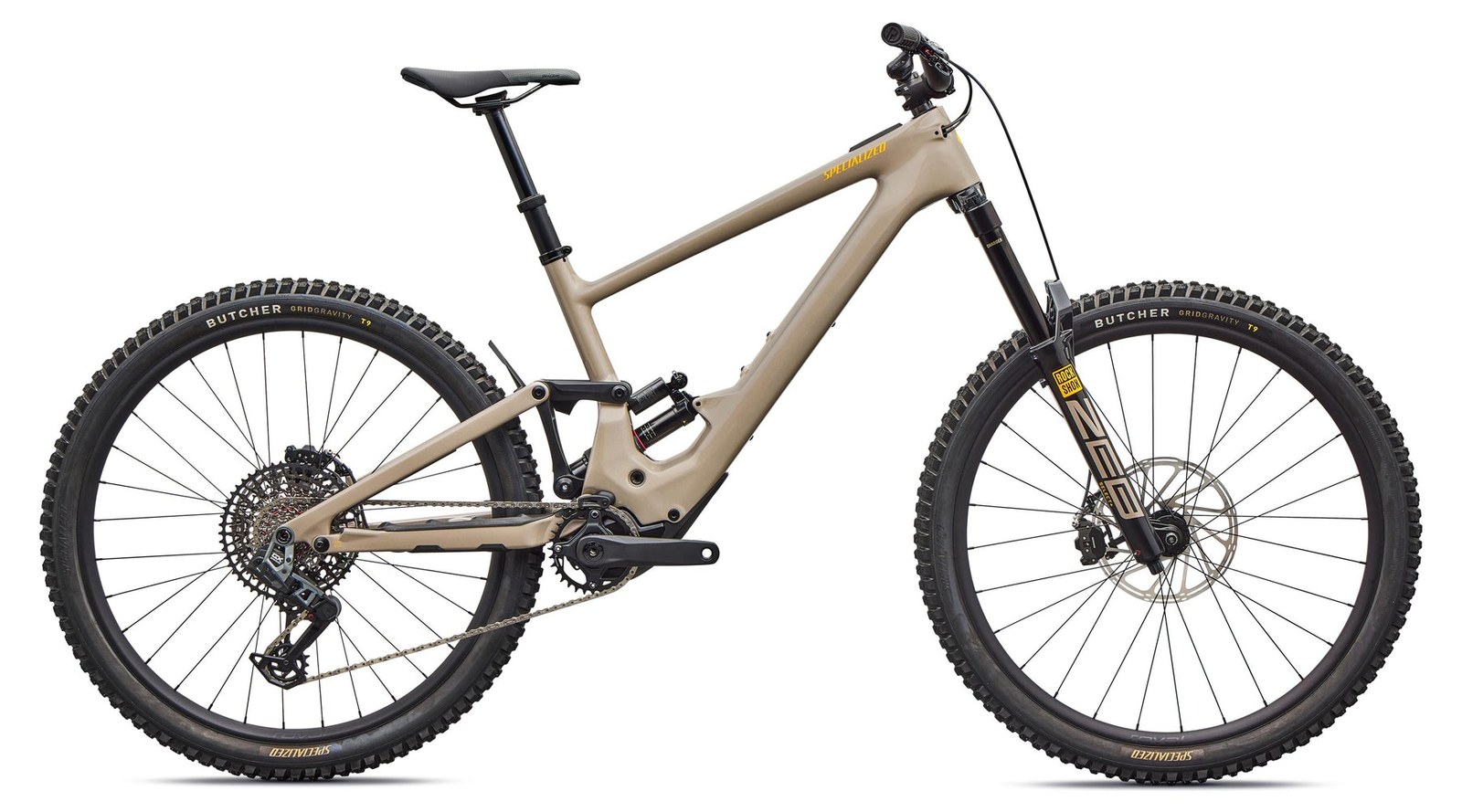
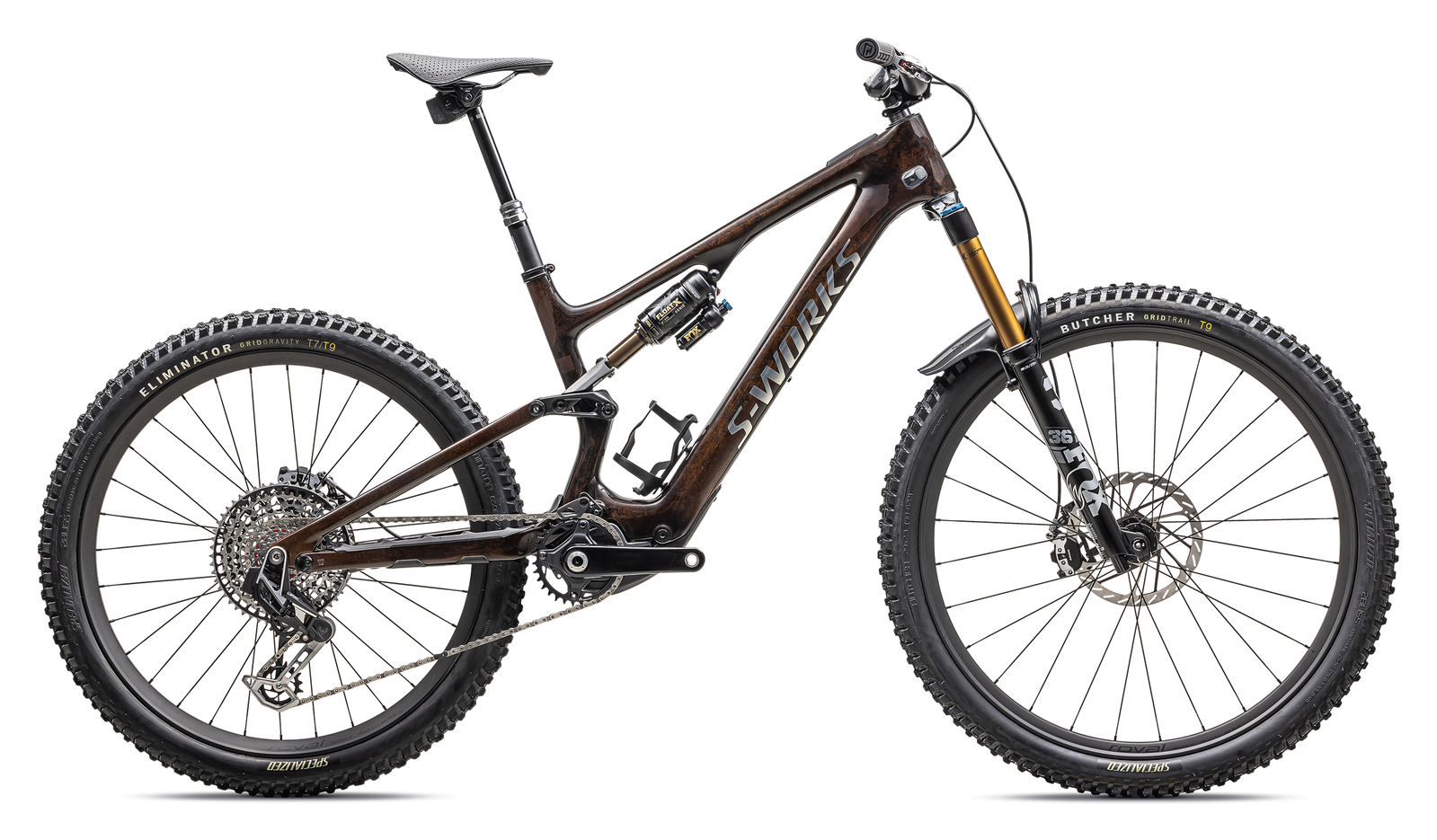
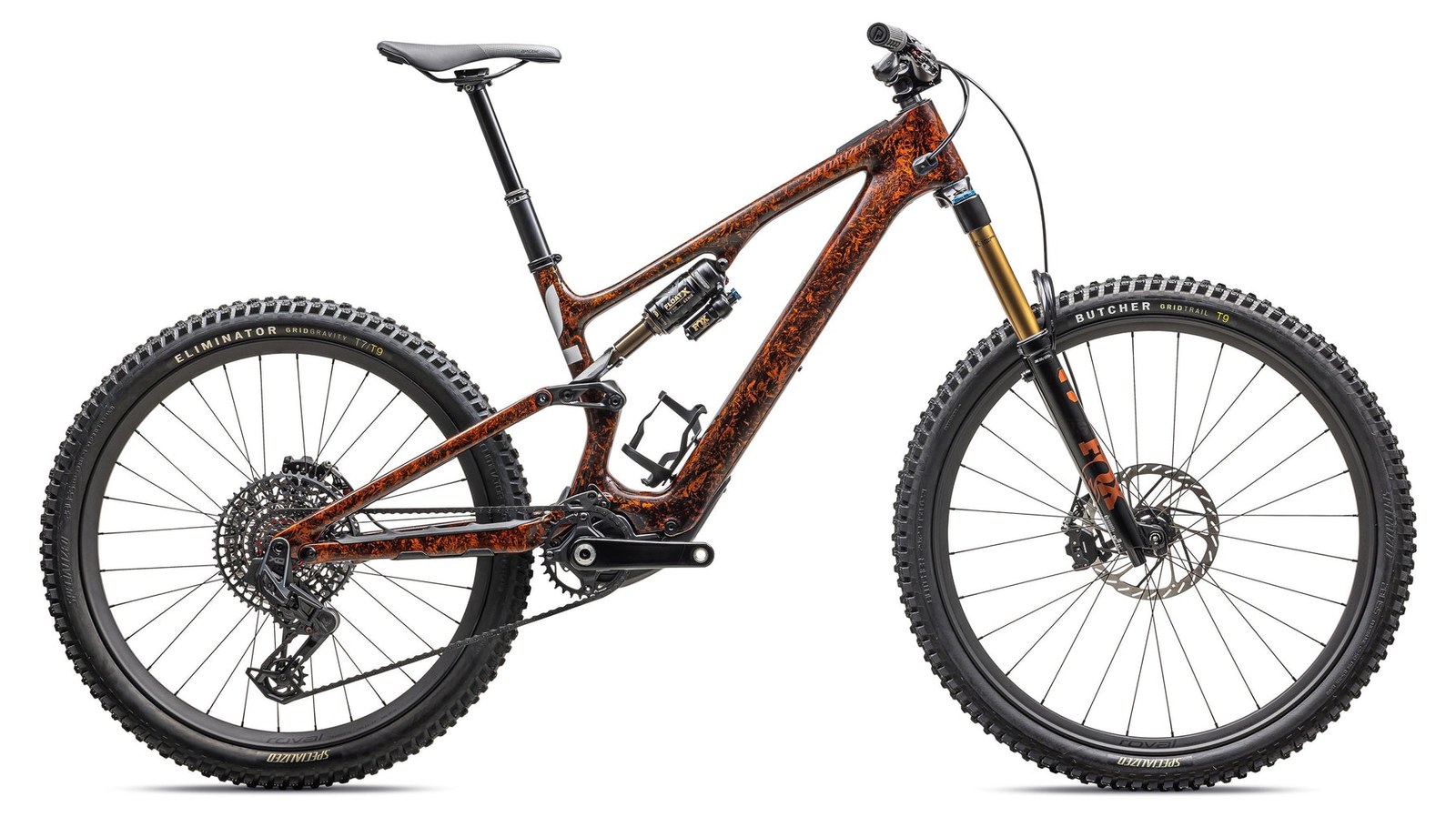
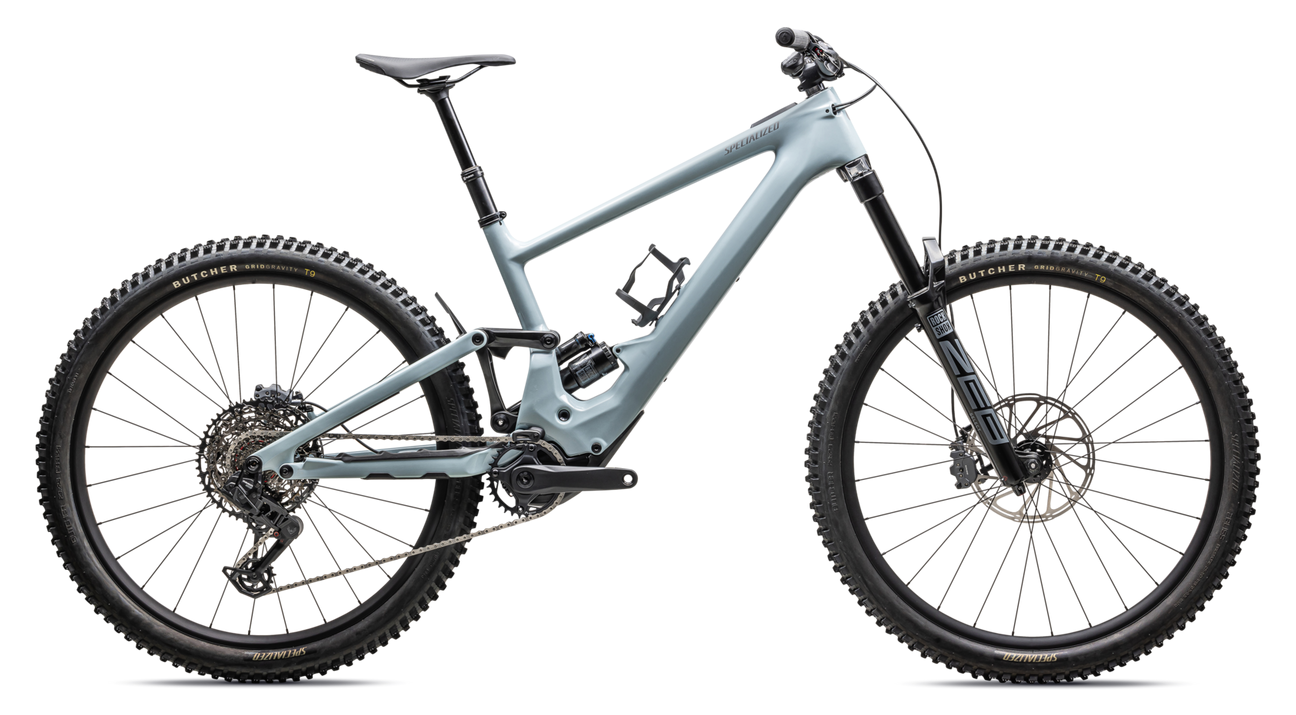
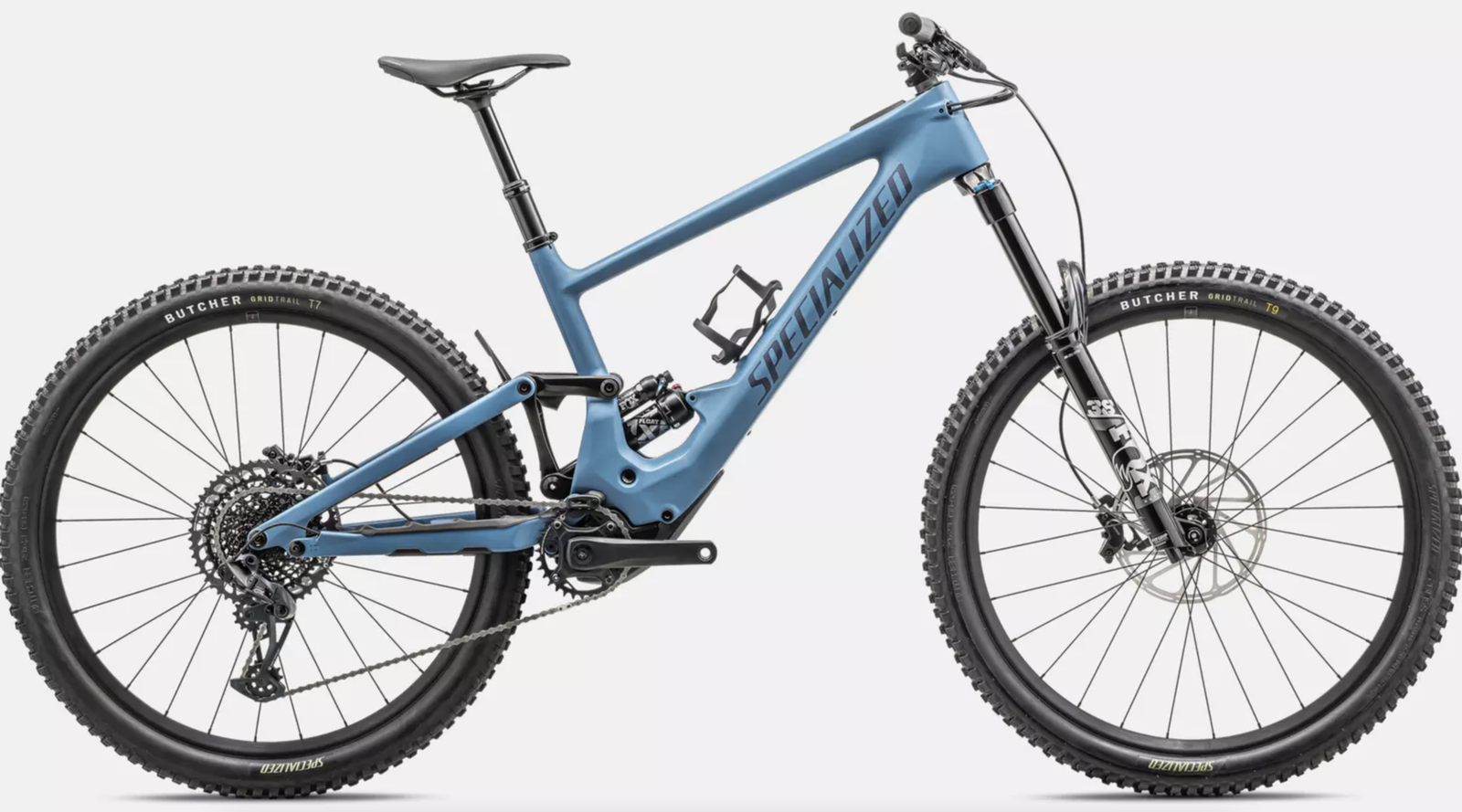
SL 1.2
Specialized's second-generation light-assist drive, the SL 1.2, takes the near-silent, sub-2 kg minimalism of the original and adds the muscle it was missing: 50 Nm and a claimed 320 W peak, with 280 W measured to the wheel on Velomotion's bench — enough to make the Levo SL Gen 2 feel like a real trail bike rather than a fitness aid.
Broad and flat through the mid-range, holding near-peak from roughly 60 to 100 rpm before tapering only above 110 rpm. Output keys off cadence, not input force: at a given cadence the assist barely changes with how hard you push, which is why a gentle stroke unlocks near-full power in Turbo.
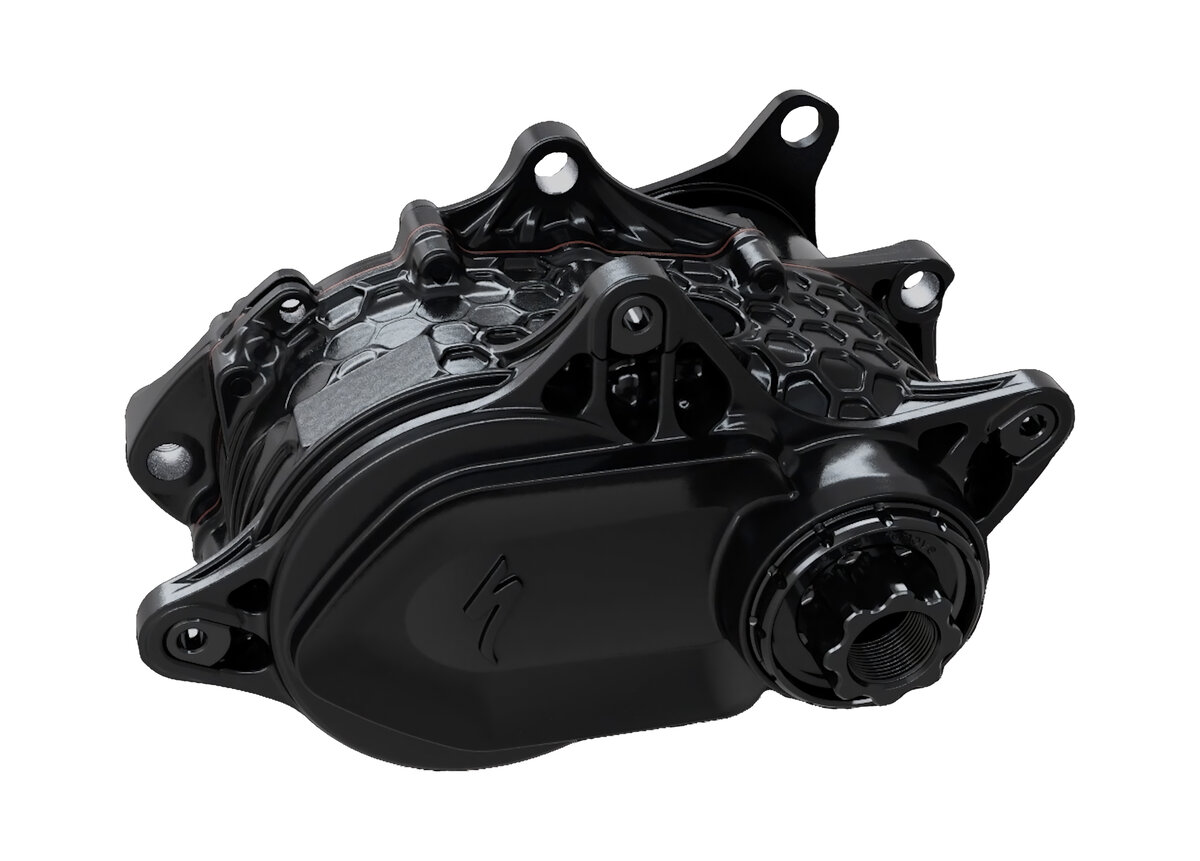
Specialized SL 1.2 is the motor that finally justified Specialized's lightweight philosophy. The old SL 1.1 only mustered 35 Nm and 240 W; this one lifts torque 43% to 50 Nm and claimed peak power 33% to 320 W, while staying at a remarkable 1.93 kg. On Velomotion's bench it put 280 W to the rear wheel, landing it on a par with TQ's HPR50 (50 Nm, ~300 W claimed) and clearly ahead of the old SL 1.1 in both figures and feel.
What sets it apart is composure under load. Testers found derating simply isn't an issue here, even when pushed hard: the SL 1.2 holds its full output where many full-power motors would already be throttling back. The delivery is broad and unflustered, only tailing off above 110 rpm, and it runs with the kind of low, even hum that lets you forget there's a motor at all — Specialized and reviewers put the perceived noise reduction at 34–45% versus the SL 1.1, thanks to a redesigned gearbox and a two-piece honeycomb housing.
The catch is the tuning. The SL 1.2 keys almost entirely off pedalling cadence and is largely indifferent to how hard you actually push, so in Turbo it doles out near-full assist for the faintest pedal stroke. The bike ships with Turbo capped at 80% peak power; you can unlock the full 100% on the fly via MicroTune, in the Mission Control app, or through a dealer's Turbo Studio. Brilliant for effortless cruising, but riders who want the motor to reward genuine effort will be reaching for those settings.
Currency note: figures here are the current factory SL 1.2 map as fitted to the Levo SL Gen 2 / Kenevo SL / Vado SL / Creo 2 (2024–present). The 50 Nm / 320 W claimed and 280 W measured are the shipping specification; later Mission Control / MicroTune updates change rider-adjustable delivery, not the motor's hardware peak.
Sustained power & heat
How long the headline number actually lasts under sustained climbing load.
Holds its full 280 W on sustained climbs; no measurable thermal roll-off observed in testing.
Character
The case for and against
Strengths
- Just 1.93 kg — among the lightest trail motors
- No meaningful derating, holds full output on long climbs
- Very quiet: 34–45% perceived noise reduction vs SL 1.1
- Big step over SL 1.1: +43% torque, +33% claimed power
- Broad, flat power band through the mid-cadence range
Compromises
- 50 Nm / 280 W measured can't match full-power rivals on steep tech
- Factory map keys off cadence, not effort, so genuine effort isn't rewarded
- Needs MicroTune or the app to unlock the full 100% and dial in a more natural feel
- Small 320 Wh internal battery limits range without a range extender
How it stacks up
Bikes running this motor · 16