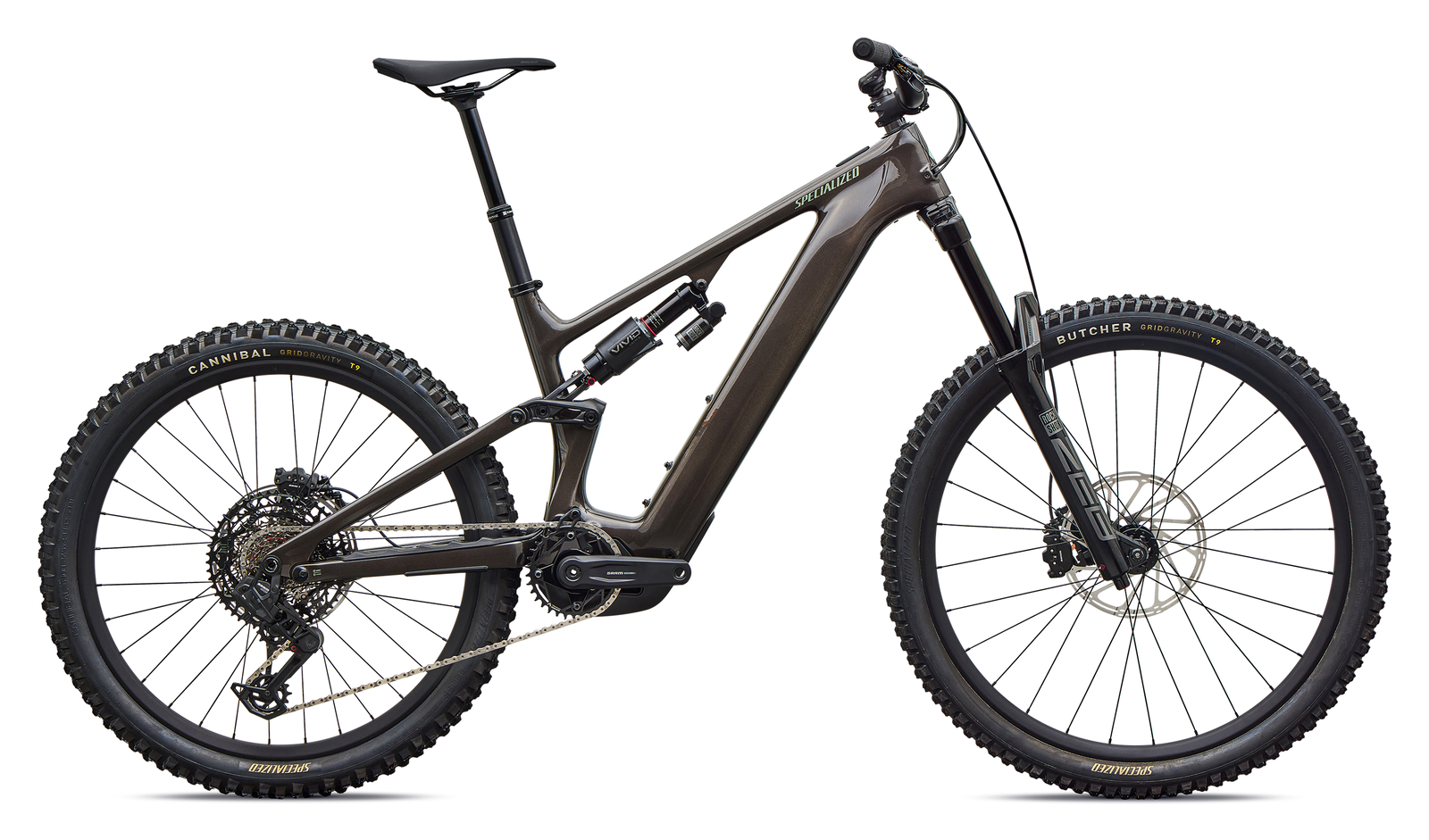
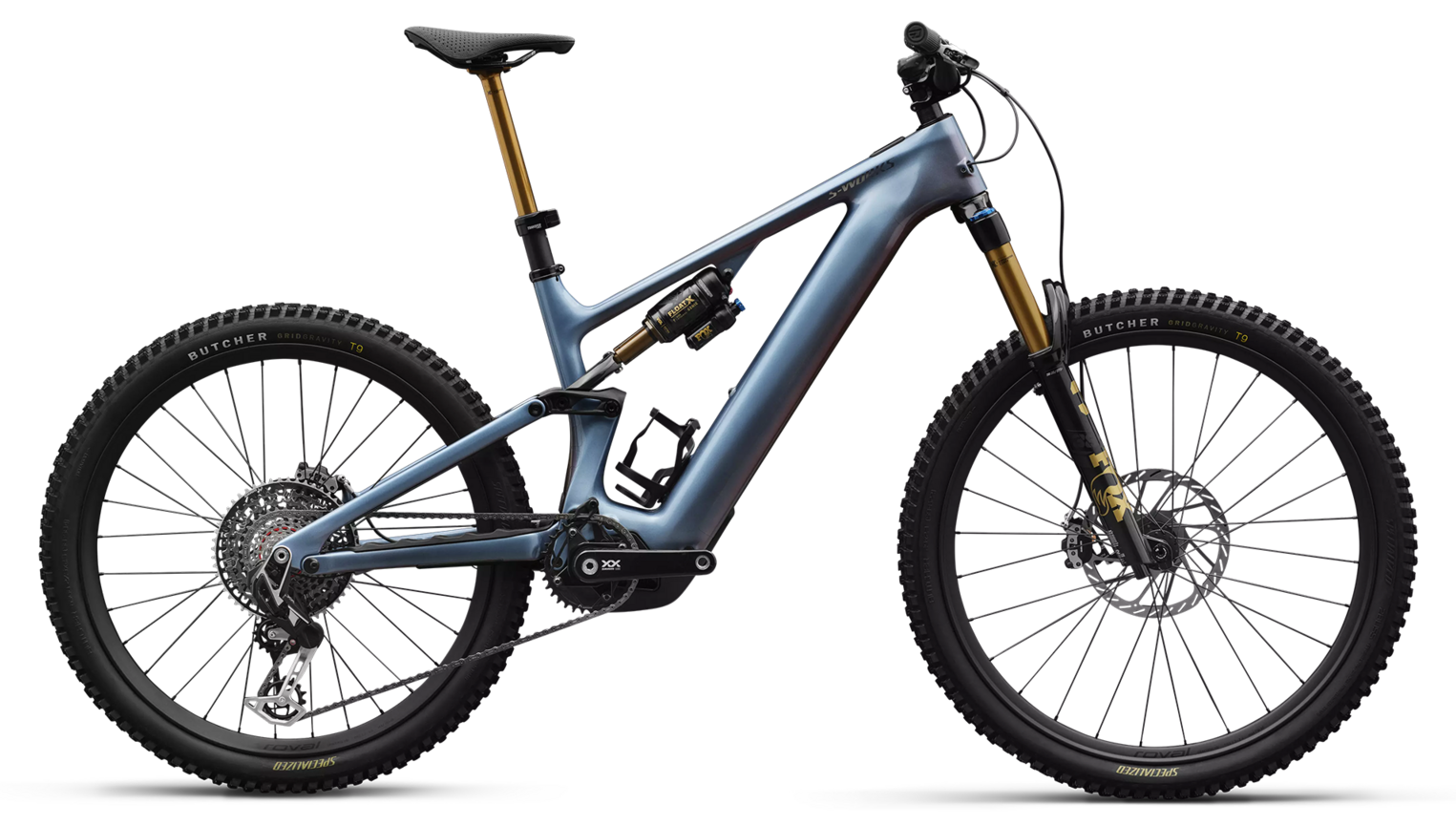
3.1
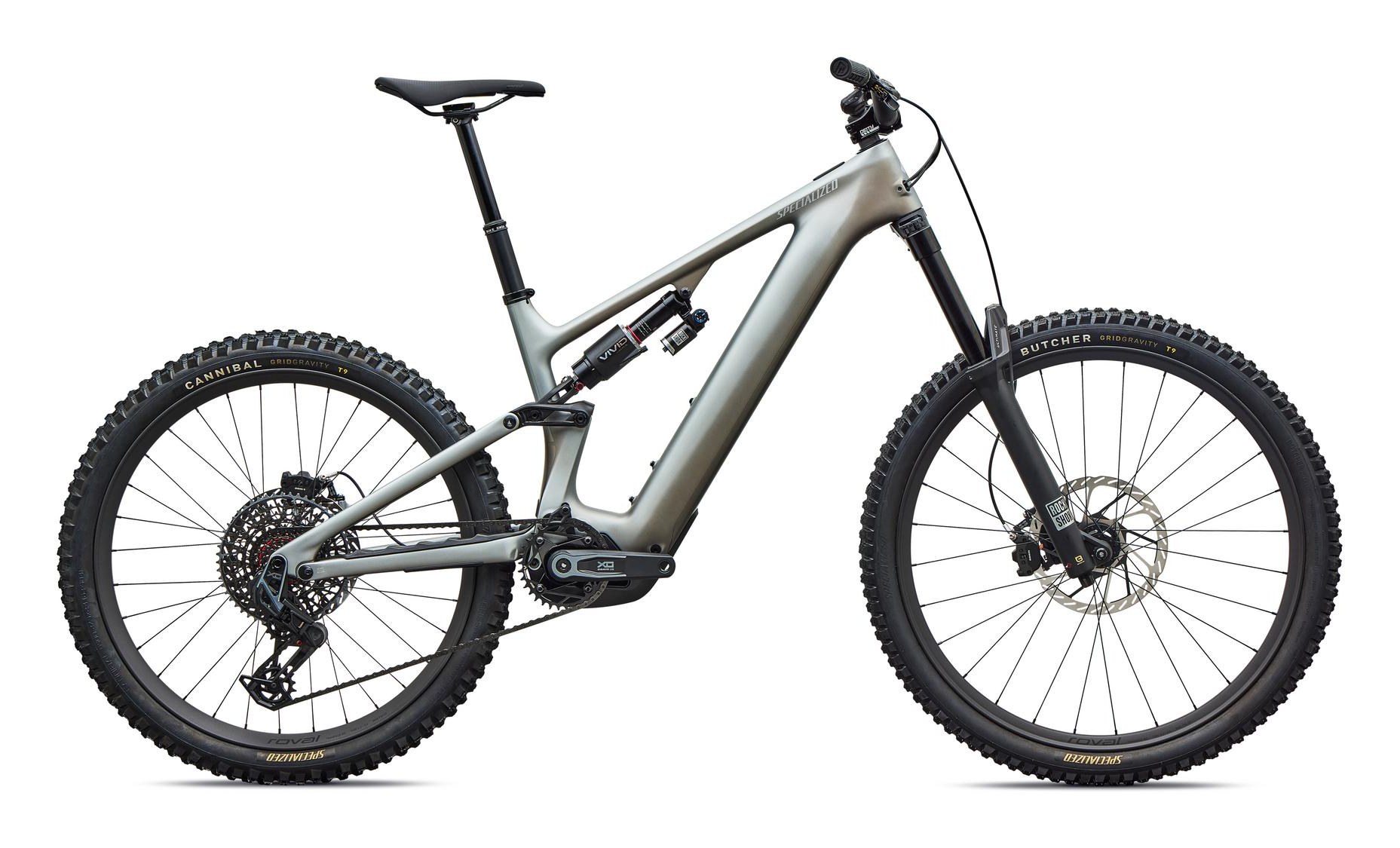
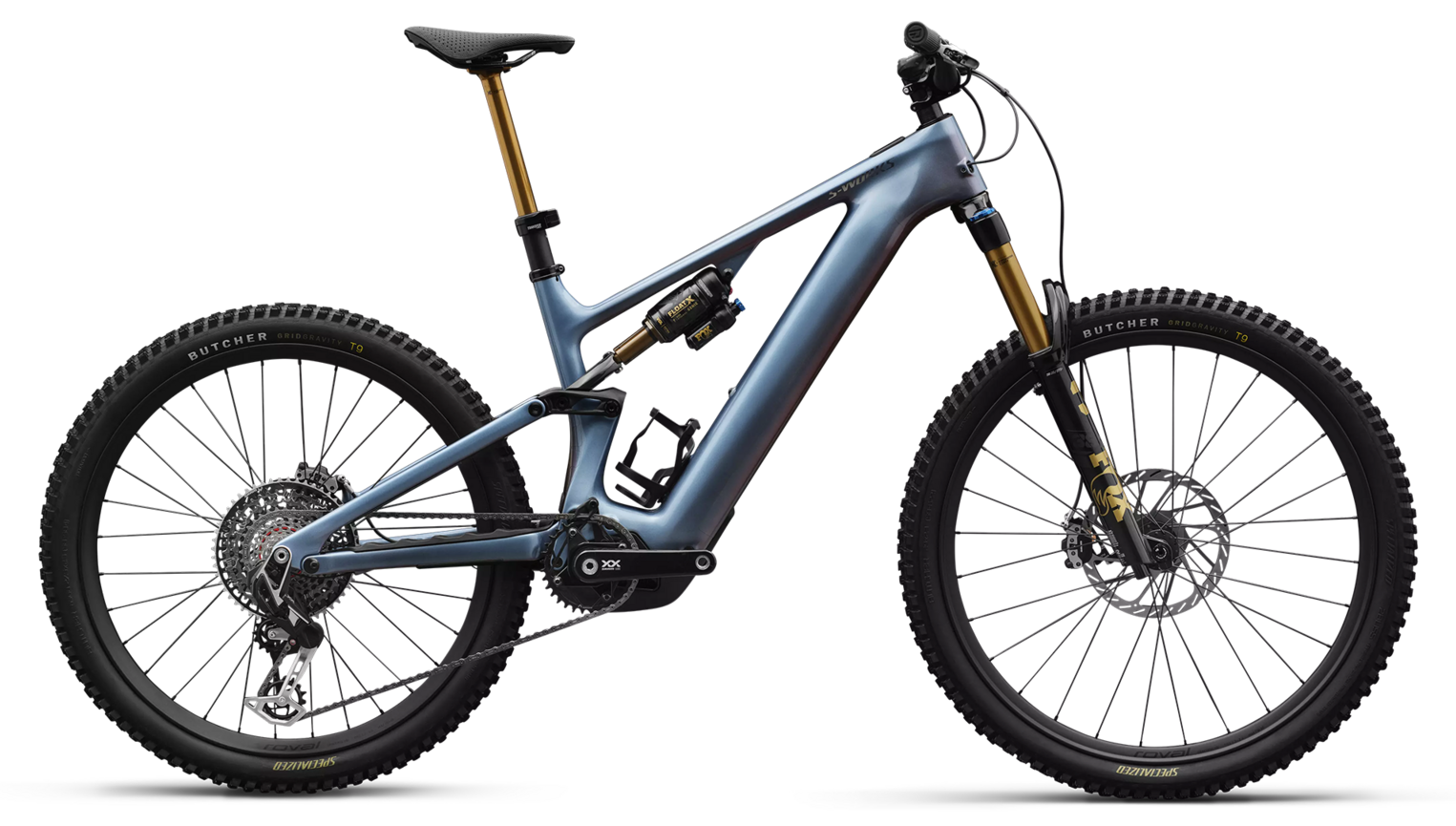
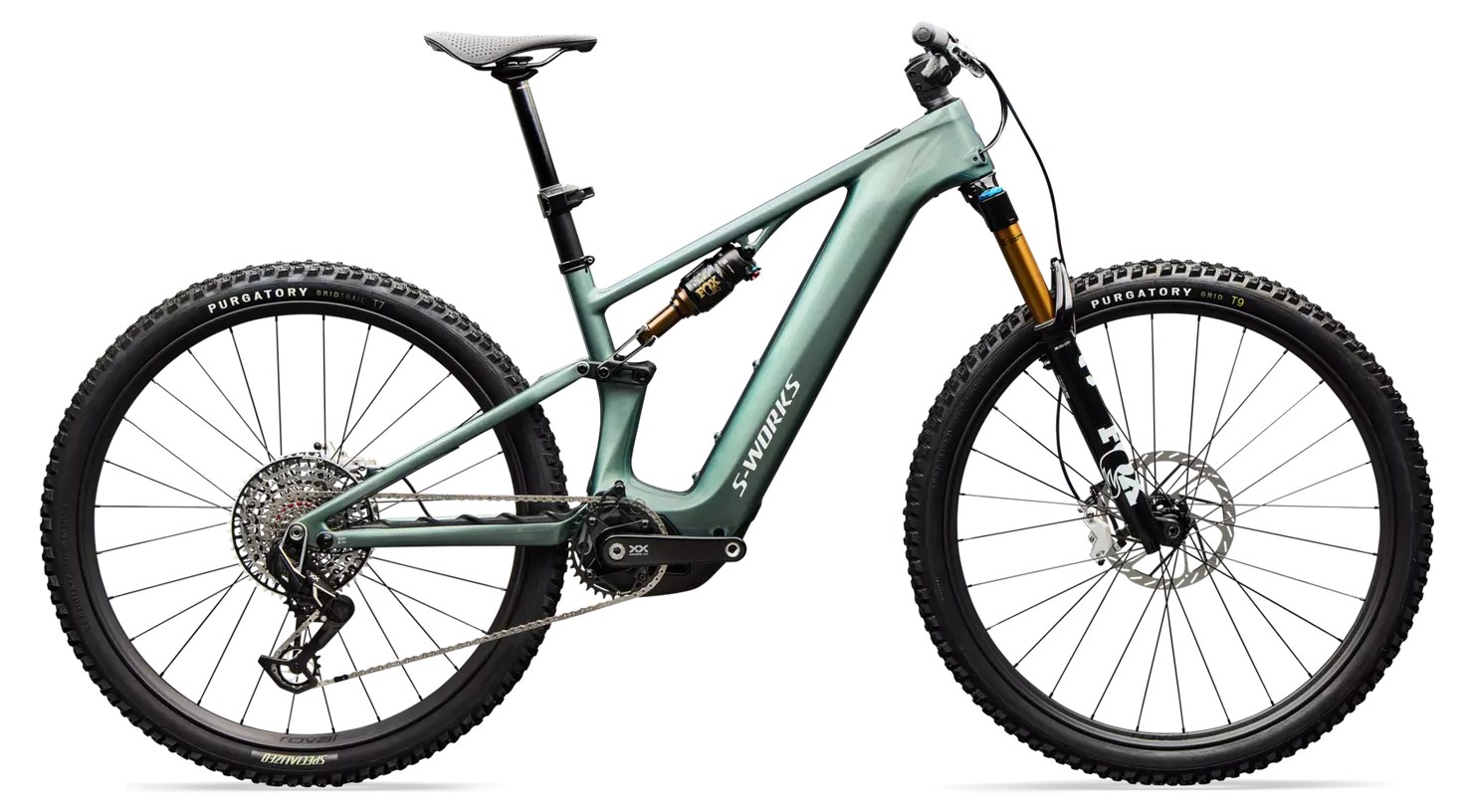
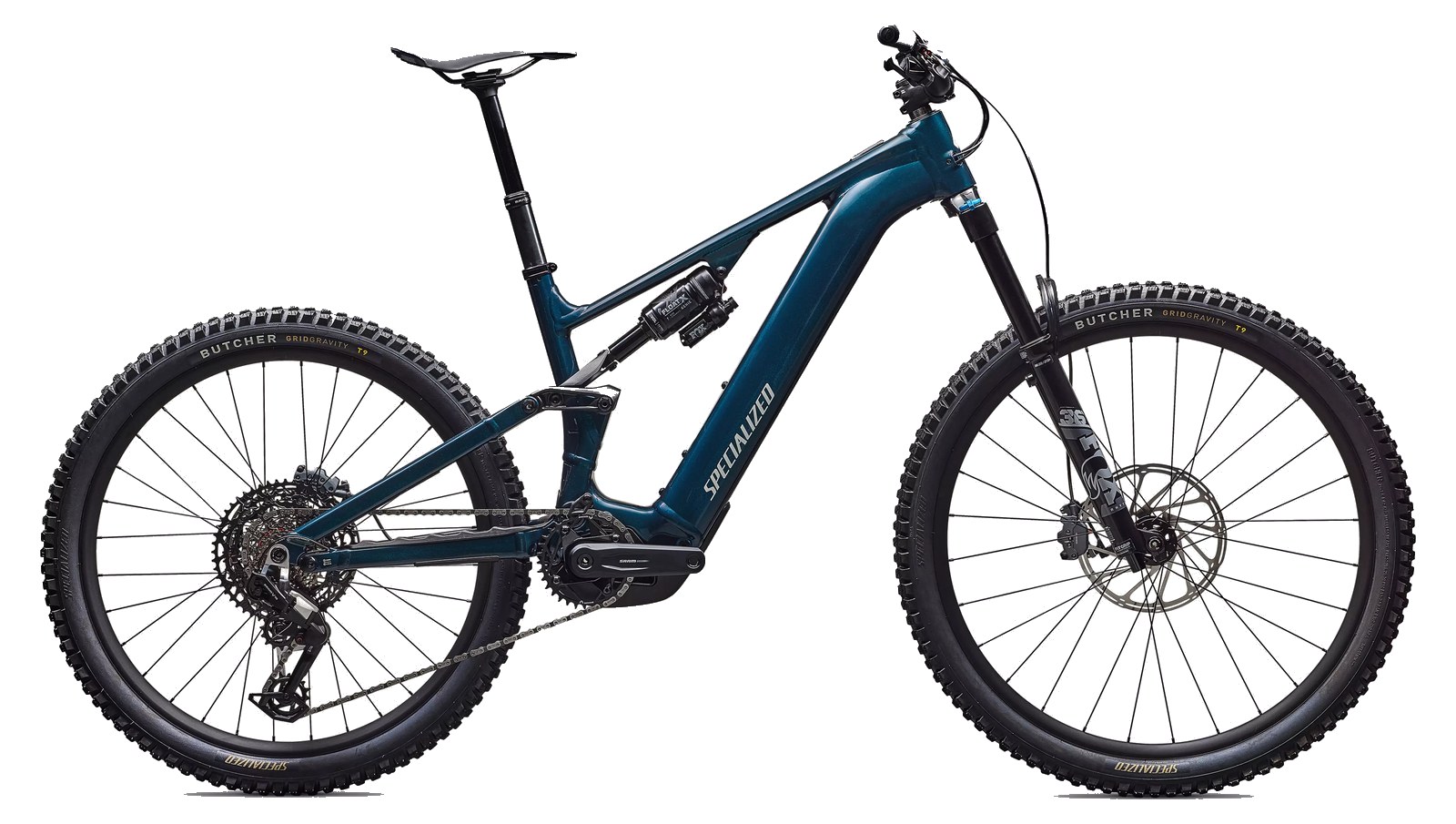
Specialized's 3.1 motor is the standard tune of the Levo 4's drive unit — the same physical hardware as the S-Works version, firmware-locked to a claimed 105 Nm and 810 watts. A free over-the-air update in February 2026 lifted the claimed peak from 666 to 810 watts, dropping it into the modern full-power top tier. On Velomotion's dyno the standard tune actually delivers around 725 watts — the 810-watt figure is Specialized's claim, and the measured number for the hotter S-Works tune.
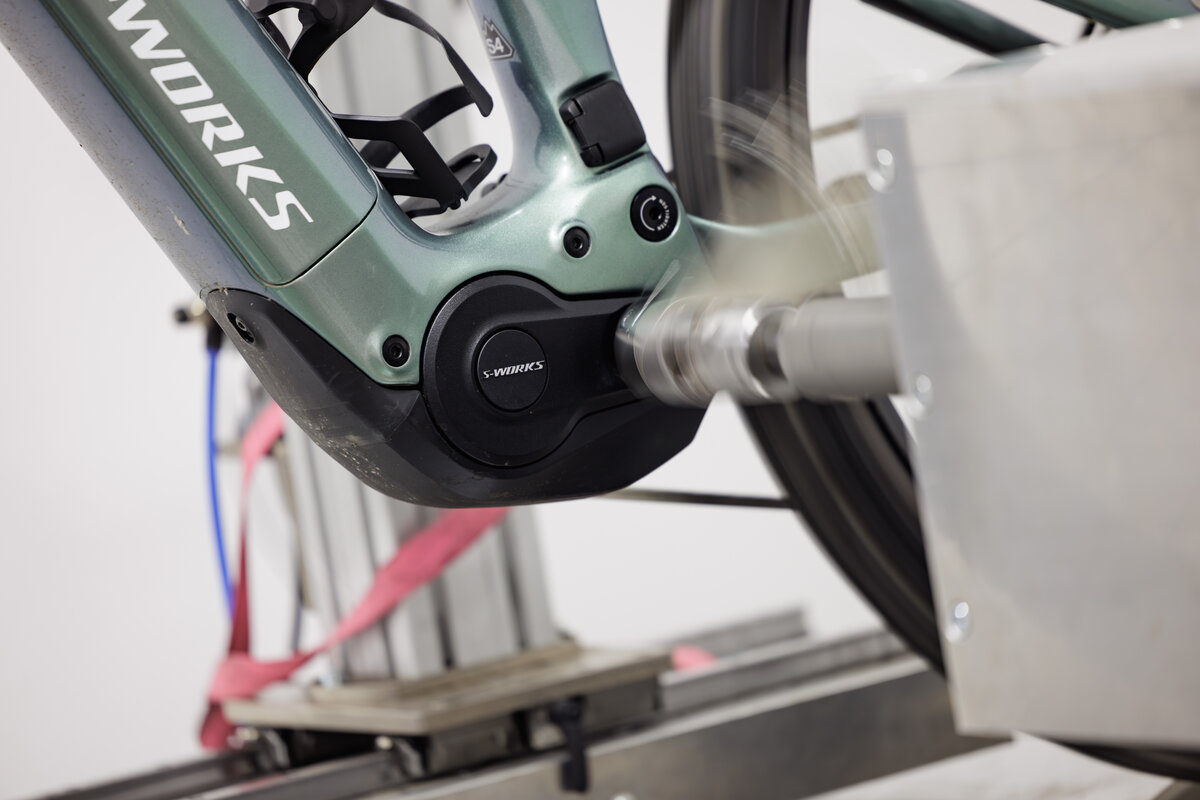
Massive torque from low revs that builds to a measured peak of around 725 W near 75 rpm, then tails off through the higher cadences and falls away sharply above 110 rpm.
Specialized 3.1 is the motor that finally answers the question Specialized had been ducking since the belt-driven Brose days: can it build a full-power unit that runs with Bosch and DJI without compromise? Specialized claims 810 watts and 105 Nm of torque for the standard tune, though Velomotion's March 2026 dyno measured it at around 725 watts — the 810-watt figure is the claim, and the number the hotter S-Works tune actually hits. Even at the measured output it pulls hard from low revs, and Velomotion rates it on par with the Bosch CX Gen 5. The drive runs at roughly 50 volts in operation (charging climbs to just under 59 volts), and that relatively high operating voltage is the clever part: lower current for a given output means the motor runs cooler and the gears see less stress.
The February 2026 OTA update was effectively a new motor for free. Specialized's claimed peak jumped 22 percent and claimed torque ticked up four percent, and crucially the firmware added Dynamic MicroTune so output now tracks rider input more naturally. Peak power arrives at a usable mid-cadence — Velomotion measured it at around 75 rpm — and huge torque is on tap from below 60 rpm, which is what you actually feel grinding up a technical climb. Velomotion measured support of over 500 percent of rider input (well above the 400 percent Specialized officially quotes), with strong thrust available off less than 100 watts of leg.
It isn't flawless. The thermal management is honest rather than clever: under a sustained 250-watt climbing load it holds rock-steady for almost 20 minutes, then de-rates abruptly by 20 to 25 percent once the housing hits 90 degrees, where Bosch tapers more gently. At 3.2 kg it's also heavier than the Bosch CX Gen 5 and the Avinox units. And the honest reading of the dyno is that only the S-Works tune (measured at 810 watts) comes close to the Avinox M1 — the standard tune sits level with the Bosch CX Gen 5 rather than beating the class leaders. But this is the standard, UCI-legal, every-bike tune — and it already trades blows with the best of the mainstream.
Sustained power & heat
How long the headline number actually lasts under sustained climbing load.
250 W input at 75 rpm; max 1% fluctuation until cutoff, then settles at the reduced level
Character
The case for and against
Strengths
- Claimed 810 W / 105 Nm; measured ~725 W — modern full-power tier
- Free OTA update lifted the claimed peak 22%, no new hardware
- Level with the Bosch CX Gen 5 on the dyno; huge low-rev torque
- ~50 V operating voltage runs cool and quiet under load
- Velomotion-measured 500%+ support, strong thrust off minimal rider input
Compromises
- Measured ~725 W trails the 810 W claim (810 W is the S-Works figure)
- Doesn't reach the Avinox M1 — only the S-Works tune comes close
- Abrupt 20-25% de-rate once housing hits 90°C
- Heavier than Bosch CX Gen 5 and Avinox at 3.2 kg
- Occasional gearbox rattle on rough descents