Thanks Rod for the advice. To give you more info:
1. I would aim to ride about 2/3 times per week.
2. Country lanes and trails is what my recovery and age would dictate for probably the next year or so.
3. The trails I ride don't have jumps and drops. A couple of steepish climbs but nothing technical.
4. The distance is really dependant on my recovery to full fitness afer my open heart surgery. I shall probable start off with 15-20 km
budget is around £3 - £3.5 k
Chris
Chris, thank you for the info. It helps considerably. I‘m sorry about the late reply, I’m currently in Baja Mexico and the internet is spotty where I’m at.
When considering a suitable bike, my first thought is that because of your heart surgery, you don’t want to immediately go “Full Tilt” on intense cardio rides. Bad things can happen. Ideally, you want to gradually up the intensity of your riding over a period of time.
My second thought is that a traditional pedal bike may not be your best choice for recovery. It’s been my experience that a traditional pedal bike provides a much more “Intense” cardio workout. If the terrain is rolling, your heart rate will spike high on the climbs. You can expect a higher BPM when pedaling a traditional bike as opposed to an eBike.
An eBike will give you the option of doing a more intense workout or a less intense cardio workout. Many people who’ve never ridden a eMTB mistakenly believe you can’t get a workout on a eBike. Bullshit….An eBike allows you to regulate how intense your ride effort will be. An eBike allows you to ride farther and climb higher than you personally can do at present on a traditional bike. You want an easy day in the saddle, dial up the motor assist. You want a hard day, dial back the assist. An eBike will allow you to regulate and keep your heart rate at a healthy optimal level as you ride.
Because of your heart surgery, I would think that a hard tail bike would not be a good choice for recovery. A hard tail bike offers a more harsh ride due to the rigid rear end. My thought is that this may irritate the scar tissue from surgery. A full suspension bicycle would be the better option. The articulating rear end on a full suspension bike will offer a more plush ride and cause less shock and bouncing to your chest area.
Every bike manufacturer provides a rider size chart on their website that lists recommended bike sizes based upon rider height, i.e. frame size Large, Medium, etc. You will need to know what bike frame size fits you when you shop for a bike.
it’s important to know that bicycles come in various frame design/geometries. Frame geometry is usually dictated by what the bike is designed to do.
As an example, a commuter city bike‘s geometry tends to place the rider in a more upright and relaxed riding position. However, a city bike is not ideally suited for off trail use because the geometry causes instability on rough terrain.
A cross country bike’s geometry tend’s to place the rider bent more forward, racer like, and in a position over the front wheel for optimal pedal efficiency. This type of ride position places a lot of stress on the shoulders, hands, triceps and chest areas since they are primarily used to support the rider. A cross country bike is best suited for more mellow types of off trail use.
A trail bike‘s geometry tends to place the rider bent over at the waist more than a city bike, but not as much as a cross country bike. The rider’s weight is more biased towards the middle of the bike than the front. A trail bike‘s geometry is suited for most types of off trail use.
I mention the above types of bike geometry because I am unsure how your chest area will react to the stresses placed upon it if you were to be bent over at the waist for extended periods of ride time?
Note that handlebars come in various upsweeps, i.e. 30mm High Rise handlebar. A taller rise handlebar would position you into a more upright riding position. If you chose a cross country or trail bike, a high rise handlebar might be an option to help ease pain or chest irritation.
Which bike style you choose will impact how you are positioned over a bike. You don’t necessarily want a commuter bike because it will limit where you can ride the bike. You don’t necessarily want a cross country bike. The strain of leaning far over may irritate your chest. Ideally, a trail bike with a “High Rise” handlebar would be a good choice as it will position you more upright and you can ride the bike on dirt or smooth paved paths.
Your bike budget of 3 to 3.5 GBP also takes major precedence. This leads to the next consideration. “How” to buy your bike.
Buying new and from a bike shop means you get the support of the shop and a warranty on the bike. If it breaks, the bike shop has to deal with the problem. However, buying a new bike means you typically will pay more for a new bike as opposed to a used bike. Because you are paying more, you may have to buy a more cheaply equipped bike in order to stay within budget.
A typical mountain biker will buy a bike and then upgrade the bike with premium components during ownership. Most mountain bikers will typically hold on to their bike for a few years and then sell it when the next latest and greatest thing comes along. Because the bike being sold is used, it tends to be offered at a discounted price. Buying a gently used and well maintained mountain bike allows you to buy a more premium equipped bike, but for a lot less money than a new bike with inferior components.
Buying used does come with downsides. Unless the bike is fairly new, it may not have a warranty. You also don’t get the same level of backing from a bike shop like you do after a new bike purchase. Keep in mind, all bike shops will work on used bikes should your used bike have a problem. Lastly and most importantly, when buying a used bike, you need to know what you are looking at. If you do decide to buy a used bike, make sure a mate with bike experience examines the bike and the purchase for you. You also want to buy from a person locally. That way you can physically see and examine the bike. I would not advise buying a used bike sight unseen and over the internet unless you have supreme trust in the person.
I would avoid buying a used bike via Offer Up, Craigslist, eBay, etc. It’s too easy to get scammed. There are several places online where you can reliably shop for used mountain bikes and or parts. I like to use Pink Bike. Pink Bike is a mountain bike centric website that posts mtb articles and has a used bike for sell section, including bike sold in the UK.
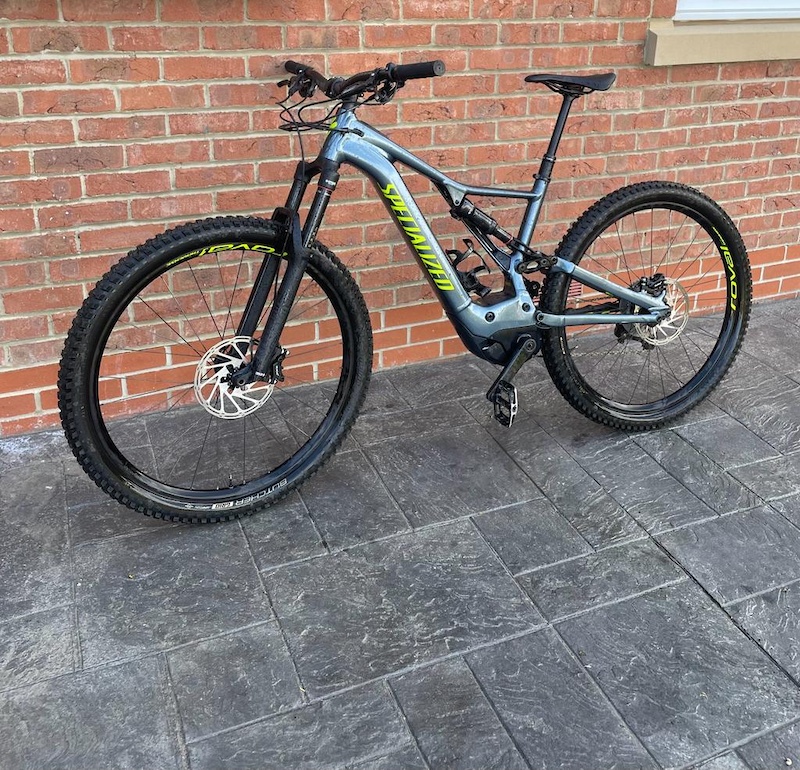
Here is an example of a 2020 Specialized Levo eMTB, frame size Large, like new, being offered up for sale at 2,600 GBP. The bike is located in Middlesbrough. Once again, I would not buy an eBike unless I can physically examine the bike, or I have supreme trust in the person.
2020 SPECIALIZED LEVO LARGE For sale on Pinkbike buysell

www.pinkbike.com
Explore North America's largest marketplace for used mountain bikes and parts.
www.pinkbike.com
Another option for used bike purchase includes eMTB Forum which has a used bike section.

www.emtbforums.com
Ideally, any eMTB a year or so old, which has less than 1,000 miles on the motor will tend to be a safe purchase. This is not a hard and fast rule. People can easily switch batteries on a bike or strip a new bike of it’s components which are then replaced with junk. This is where examining the bike in person pays dividends. If you do purchase a used eMTB, try to purchase from a local rider. Ask the seller if it’s okay to take the bike to a shop for inspection. If the Seller says No, then take a walk. Most major eBike brands will have an app for their bikes. You can download the app and then pair the app up with the bike via bluetooth. The app will let you know how many miles are on the motor and the health of the battery.
As you read this, you’re probably thinking, ‘All this scares me, I’d rather not mess with buying a used bike.’ You want to keep in mind that what you can buy new on your budget will most likely not be as good as what you can get used and with careful shopping. Bike shops frequently have brand sales, so who knows, maybe you’ll score on a new bike.
I am not totally familiar with all of the European brand eBikes, so I may miss some in my recommendation. There are many great eBikes out there which I can recommend, i.e. Cube, Pivot, Santa Cruz, Specialized, Orbea, Trek, Scott, etc. Unfortunately, 99% of major brand eBikes will most likely be out of the budget range you quoted.
I can guarantee, somebody will read this post and question why I didn’t’ recommend a certain bike. Folks, we need to stay within budget. If you know of one that’s within budget, mention it. The models I’m choosing will be the cheapest for that particular bike model. I’ll try to stay as close to your budget as possible. Once again, if you buy used, you will have more options in regards to major brand eBikes.
I’ll try recommend bikes in City, Cross Country and Trail categories.
1. Full suspension City/Urban eBike:
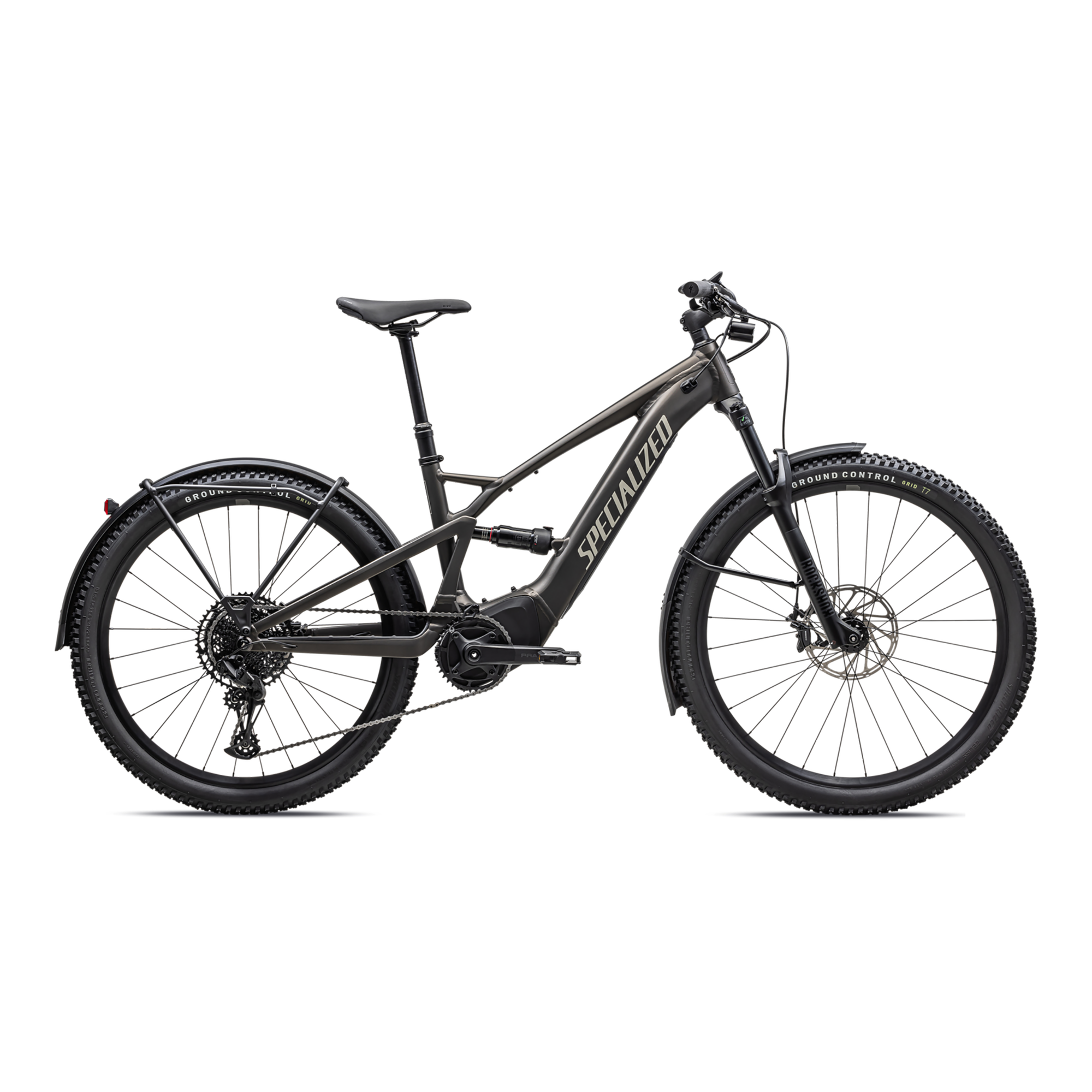
Specialized Tero X 4.0
Note: Lately, Specialized has been having some very good sales events. I’m not sure if the sales are also happening in the UK. In the USA, the bikes have been heavily discounted at times.
The Turbo Tero X means one thing: you're going to need a bigger map. With ride anywhere range, this full-suspension electric bike is our go-anywhere, ov...

www.specialized.com
2. Full suspension Urban/Cross Country eBike
Trek Powerfly FS 4 Gen 2
Discover your next great ride with Powerfly FS 4. See the bike and visit your local Trek retailer. Shop now!

www.trekbikes.com
3. Full suspension Trail eBike
Vitus E-Escarpe 290 VR
4. Full suspension Trail eBike
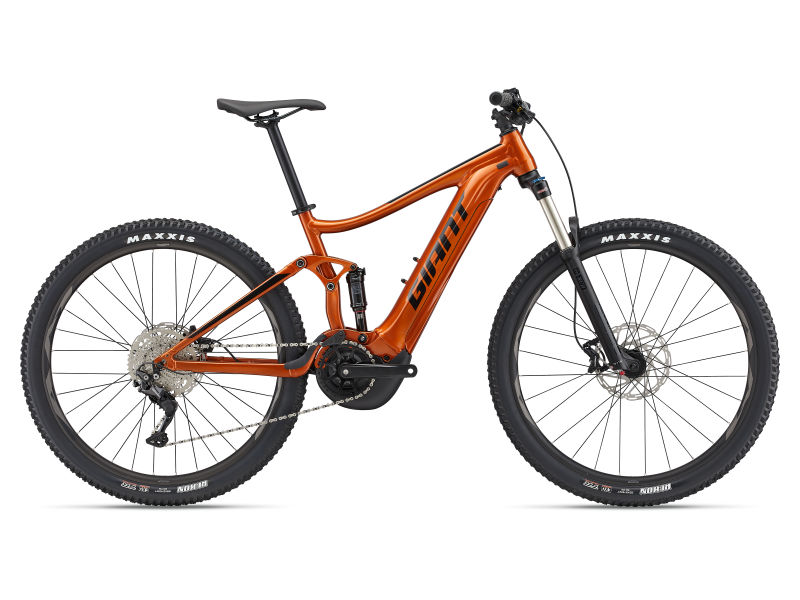
Giant Stance E+2

www.giant-bicycles.com
If you would like recommendations for traditional pedal bikes let me know.
Rod