I hope TQ is paying attention to this thread. They should be working on a battery upgrade. A 500 wh battery on the EXe would be perfect and in my opinion, put it well ahead of any other SL EMTB. I think the battery is the only place that Trek/TQ dropped the ball.
Navigation
Install the app
How to install the app on iOS
Follow along with the video below to see how to install our site as a web app on your home screen.
Note: This feature may not be available in some browsers.
More options
Style variation
You are using an out of date browser. It may not display this or other websites correctly.
You should upgrade or use an alternative browser.
You should upgrade or use an alternative browser.
Trek Fuel EXe 500wh Battery Project
- Thread starter MamboN5
- Start date

shure2
New Member
I believe a lot of people was following this, but I understand if you don’t want to update this. Could you post the link to the other thread?
socal_rider
Member
I hope TQ is paying attention to this thread. They should be working on a battery upgrade. A 500 wh battery on the EXe would be perfect and in my opinion, put it well ahead of any other SL EMTB. I think the battery is the only place that Trek/TQ dropped the ball.
I totally agree with this. I’d be all over a 500 Wh internal battery. The range of the Fuel EXe with the 360 Wh is underwhelming.
Maybe with the new Rise offering options of 360 Wh and 540 Wh, Trek/TQ will see the need for a larger internal battery option.

Is that with your homemade 500wh battery?I don't know if it is forbidden to put links to other forums....
This is the first ride with turbo mode configured with everything to the maximum .
In this mode I think that autonomy has improved by around 35%
View attachment 103930View attachment 103931
Nice!
Treksurfer
Member
I hope you don't mind me asking, but can you imagine selling finished batteries - once you have completed your tests positively?Difference in weight between the original shell and the carbon shell, this one has 1 layer of kevlar and a layer of carbon of 260 gr.
View attachment 103934View attachment 103935
- Thread starter
- #38
This is not possible because the battery needs the original BMS to work, it has Can bus communication and a wake up that is very difficult to copy, it could only be sold as a kit to assemble and I am not interested in doing so. For someone with knowledge in can bus communication and programming, I understand that it would not be difficult to copy the system, but I do not have that knowledge.I hope you don't mind me asking, but can you imagine selling finished batteries - once you have completed your tests positively?
socal_rider
Member
This is not possible because the battery needs the original BMS to work, it has Can bus communication and a wake up that is very difficult to copy, it could only be sold as a kit to assemble and I am not interested in doing so. For someone with knowledge in can bus communication and programming, I understand that it would not be difficult to copy the system, but I do not have that knowledge.
Just to make sure I’m following all that you’ve done. You’ve taken a TQ battery pack, replaced the TQ batteries and shell, and put in your new batteries and shell to make this? You reused the TQ BMS and end caps? Is that correct?
- Thread starter
- #40
I have designed a complete battery pack that has 28 21700 cells with their caps, in which I have installed the original TQ BMS and its connector to avoid compatibility problems, the TQ system does not know that I have changed anything simply because it has no way of knowing Where does the cell voltage come from.Just to make sure I’m following all that you’ve done. You’ve taken a TQ battery pack, replaced the TQ batteries and shell, and put in your new batteries and shell to make this? You reused the TQ BMS and end caps? Is that correct?
Fantastic work & results, very impressive project.
A slightly related question for you @MamboN5, are the end caps on the standard TQ/Trek battery sealed in any way to stop moisture ingress? & have you managed to seal your version. It's very wet in the UK at the moment & when I pulled my battery the other day there was moisture on it externally which understandably I'm not very keen on.
A slightly related question for you @MamboN5, are the end caps on the standard TQ/Trek battery sealed in any way to stop moisture ingress? & have you managed to seal your version. It's very wet in the UK at the moment & when I pulled my battery the other day there was moisture on it externally which understandably I'm not very keen on.
Last edited:
Luiz Andre Rodrigues
New Member
Hi @MamboN5! Nice project do be done with these incredible bike! Thanks for sharing with us.
I've read the tread in the spanish speaking forum and saw that you used a layer of kevlar to get electric insulation of the battery pack. Why not use a heat shrink tube instead a layer of kevlar?
The heat shrink will give you the electric insulation needed and is much cheaper.
I've read the tread in the spanish speaking forum and saw that you used a layer of kevlar to get electric insulation of the battery pack. Why not use a heat shrink tube instead a layer of kevlar?
The heat shrink will give you the electric insulation needed and is much cheaper.

You can't see battery health in the trek app.Just wonder since it is a different battery system and BMS from Shimano in my bike, is the battery health also displayed in Trek app? And after BMS stays oryginal and battery were replaced does battery health also changed?
- Thread starter
- #47
We have space problems and the Kevlar is just one more layer of the carbon shell, they are joined in the same process and it is cheaper than carbon, I don't see where the savings are, in this specific case in adding more volume of a material It does not provide structural resistance.Hi @MamboN5! Nice project do be done with these incredible bike! Thanks for sharing with us.
I've read the tread in the spanish speaking forum and saw that you used a layer of kevlar to get electric insulation of the battery pack. Why not use a heat shrink tube instead a layer of kevlar?
The heat shrink will give you the electric insulation needed and is much cheaper.
Anyway, I am already working on the improved model that does not need that insulating layer because the cells will no longer come into contact with the casing, so it will no longer be a problem and the carbon will be able to fulfill its function of dissipating heat as it does aluminum in the original and how kevlar does not do as it is insulating.
- Thread starter
- #48
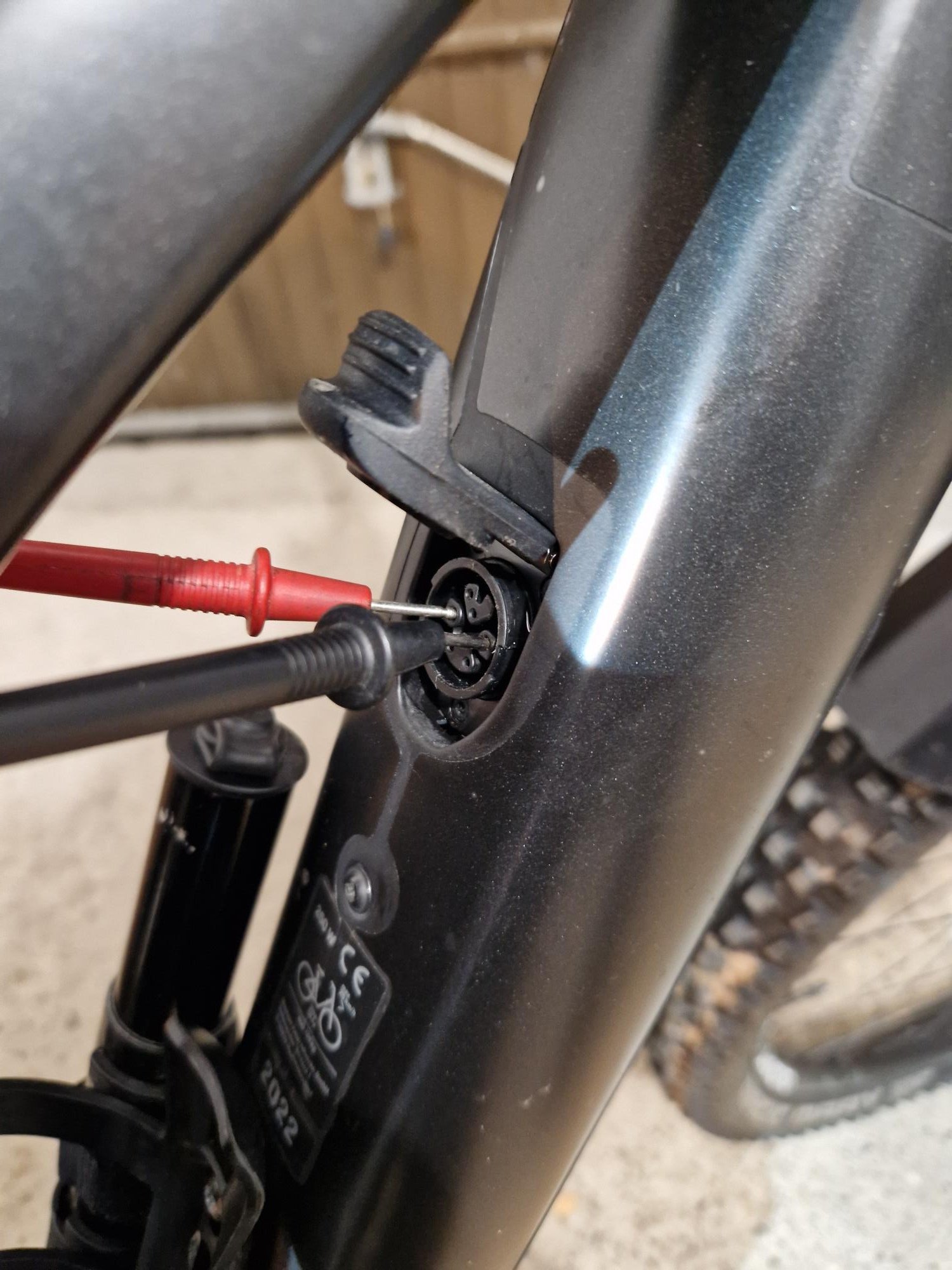
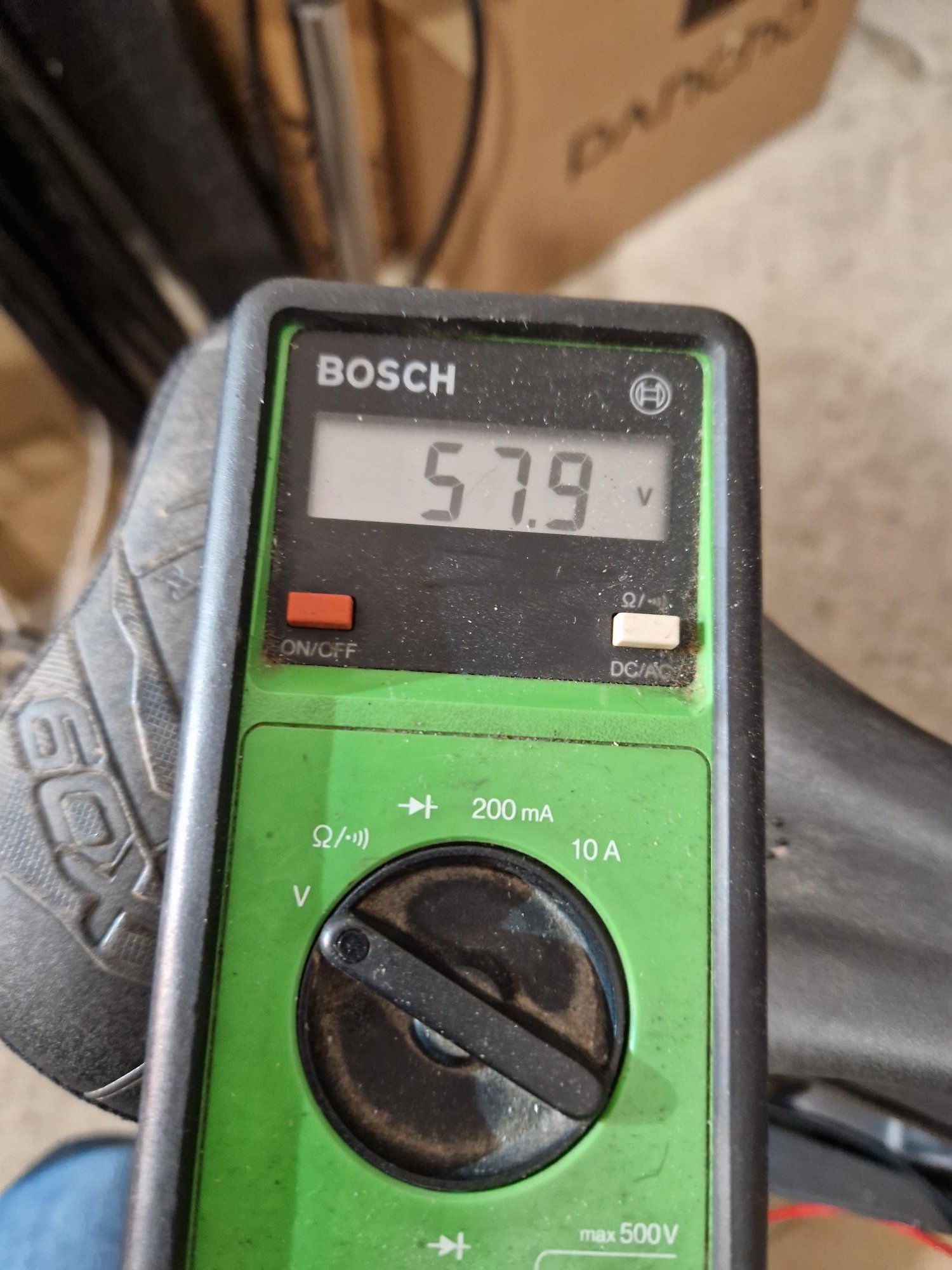
I need a little collaboration, someone can measure the voltage that the bike gives through the charging port at 100% and 0%, I am doing autonomy tests and there is voltage data on the new battery that does not fit.
The voltage is measured with a tester with the bike on.
Thanks
The voltage is measured with a tester with the bike on.
Thanks
Treksurfer
Member
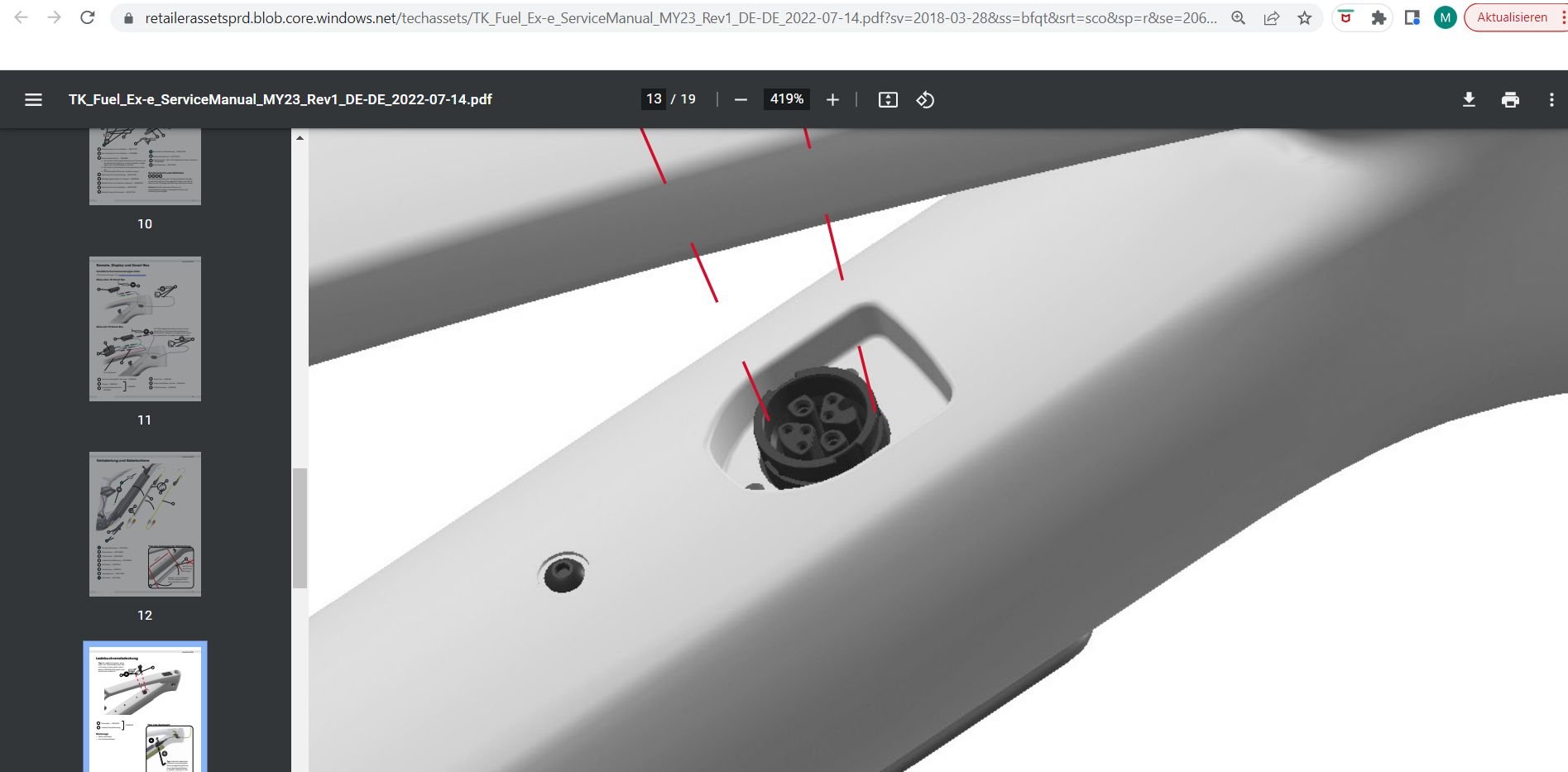
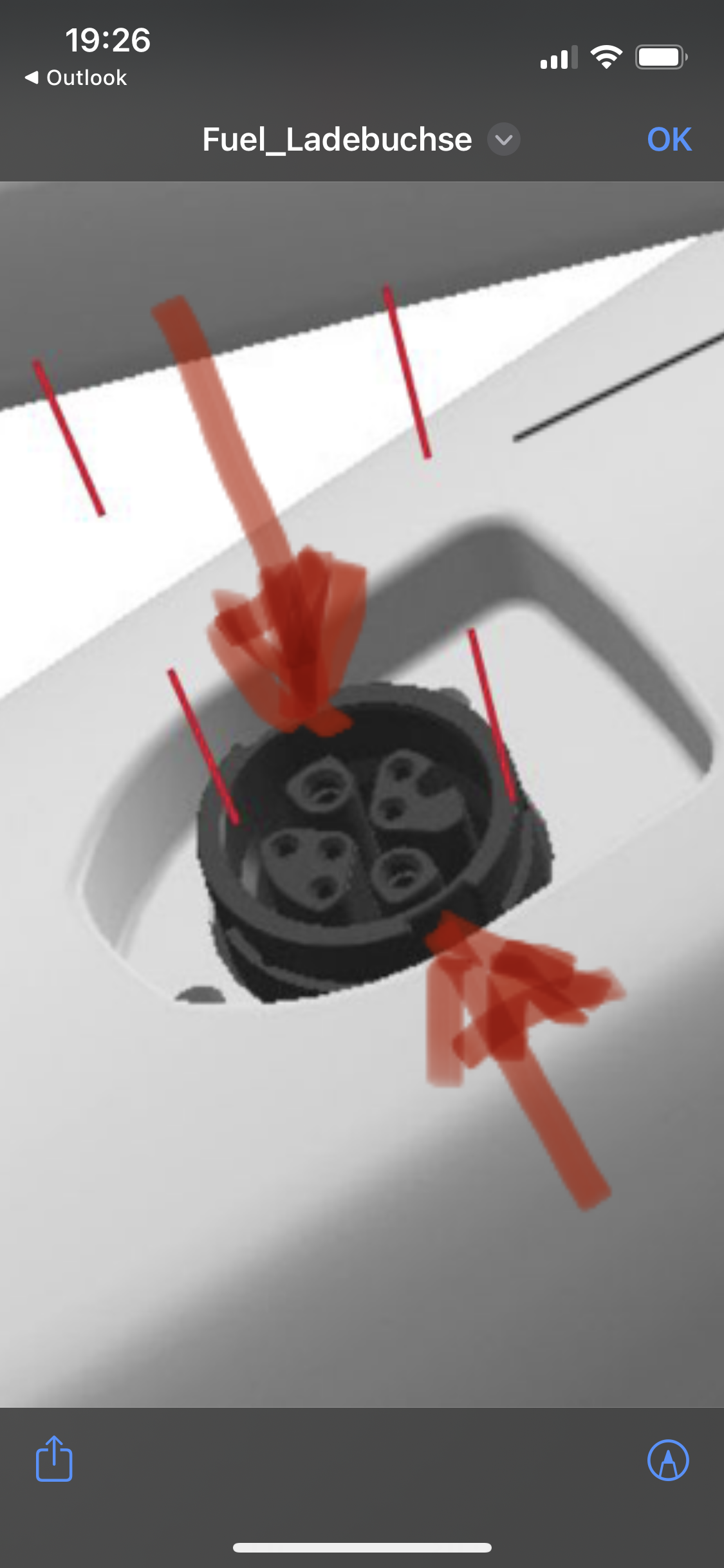
Do you mean a tester or measuring the voltage with a voltmeter between two contacts? If you should have to measure two contacts, please draw the contacts in the picture.I need a little collaboration, someone can measure the voltage that the bike gives through the charging port at 100% and 0%, I am doing autonomy tests and there is voltage data on the new battery that does not fit.
The voltage is measured with a tester with the bike on.
Thanks
- Thread starter
- #50
Do you mean a tester or measuring the voltage with a voltmeter between two contacts? If you should have to measure two contacts, please draw the contacts in the picture.
View attachment 104236
- Thread starter
- #51
Treksurfer
Member
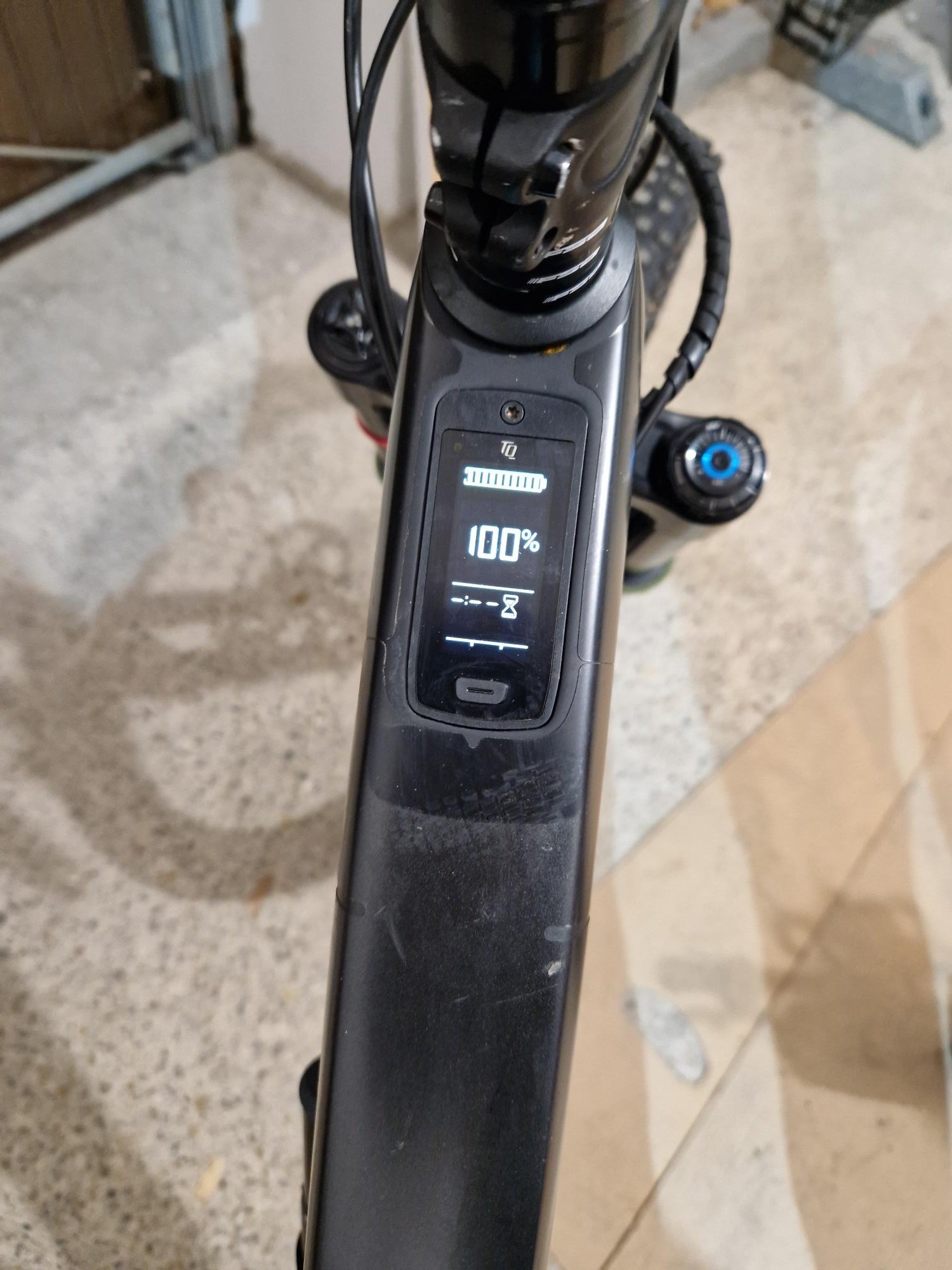
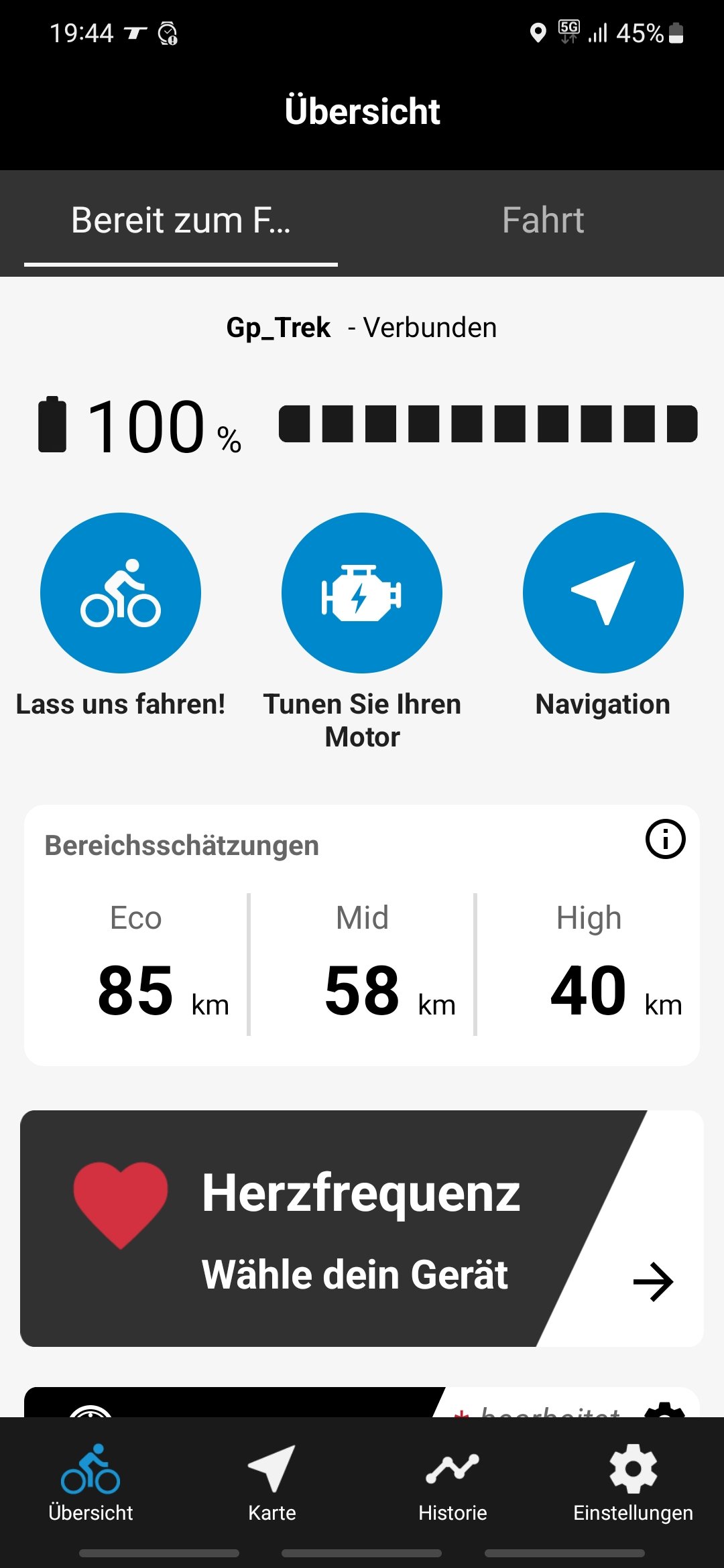
I have a full battery and took the photos - maybe someone has a flat battery.the two biggest
shure2
New Member
The bike will charge to around 58.6V (but can vary in my experience, I think I've seen less than this). It then drops down to 58v over a minute or so of being idle. This charging behaviour is similar to other chargers I've used where it doesn't always charge to the same top voltage.
The cells are likely being balanced on the way up, maybe on the way down too.
It might be normal that you're seeing discrepancies, but also if one group is hitting 4.2v sooner than others then it might stop charging completely. The would leave the rest of the pack with a lower overall voltage
The cells are likely being balanced on the way up, maybe on the way down too.
It might be normal that you're seeing discrepancies, but also if one group is hitting 4.2v sooner than others then it might stop charging completely. The would leave the rest of the pack with a lower overall voltage
- Thread starter
- #55
Yes, I more or less know how BMS and smart chargers work, here we have an added factor.The bike will charge to around 58.6V (but can vary in my experience, I think I've seen less than this). It then drops down to 58v over a minute or so of being idle. This charging behaviour is similar to other chargers I've used where it doesn't always charge to the same top voltage.
The cells are likely being balanced on the way up, maybe on the way down too.
It might be normal that you're seeing discrepancies, but also if one group is hitting 4.2v sooner than others then it might stop charging completely. The would leave the rest of the pack with a lower overall voltage
When I assembled the battery for the first time, the original cells were 100% full but the new ones were approx 50% full. When turning on the bike for the first time, it marked 100% charge status, as if instead of reading the voltage it used a saved data.
The loader behaved the same.
When spending 10% of the battery it already took charge and measuring the voltage at the end it was at a correct value, but the autonomy that the bike gives me does not fit, it has improved a lot but I think it should be better.
With the battery at 1% it is giving me 49.7v, which would correspond to 3.55v per cell, and it should be much closer to 3v.
I am very interested in the voltage that the original battery gives close to 0% charge, any other volunteers please?
Today I have disassembled the battery and I have taken the voltage of the series to rule out a failure in any of them and the differences are in a correct value, between the highest and the lowest there is less than 0.015 v.
shure2
New Member
S
So the voltage isn't matching with the percentage, but does it still let you ride the bike? There are other devices like that as the BMS is programmed with a certain Ah in mind, you just run for long at 1%Yes, I more or less know how BMS and smart chargers work, here we have an added factor.
When I assembled the battery for the first time, the original cells were 100% full but the new ones were approx 50% full. When turning on the bike for the first time, it marked 100% charge status, as if instead of reading the voltage it used a saved data.
The loader behaved the same.
When spending 10% of the battery it already took charge and measuring the voltage at the end it was at a correct value, but the autonomy that the bike gives me does not fit, it has improved a lot but I think it should be better.
With the battery at 1% it is giving me 49.7v, which would correspond to 3.55v per cell, and it should be much closer to 3v.
I am very interested in the voltage that the original battery gives close to 0% charge, any other volunteers please?
Today I have disassembled the battery and I have taken the voltage of the series to rule out a failure in any of them and the differences are in a correct value, between the highest and the lowest there is less than 0.015 v.
shure2
New Member
P.s. how are you draining the original cells? I would have discharged the pack to 50% before removing personally. The BMS will need to re-learn the percentage in my experienceS
So the voltage isn't matching with the percentage, but does it still let you ride the bike? There are other devices like that as the BMS is programmed with a certain Ah in mind, you just run for long at 1%
- Thread starter
- #58
The truth is that I have not tried it but at 10% the bike automatically goes into ECO or some kind of limited mode. So if it were as you say, which is very possible, a solution would have to be found.S
So the voltage isn't matching with the percentage, but does it still let you ride the bike? There are other devices like that as the BMS is programmed with a certain Ah in mind, you just run for long at 1%
If with the original battery the dead battery voltage is close to 3v per cell, the bike is almost certainly running according to calculations and not voltage readings.
- Thread starter
- #59
you're right, I left them at 100% and I should have left them at 60%, I'll find a way to download them.P.s. how are you draining the original cells? I would have discharged the pack to 50% before removing personally. The BMS will need to re-learn the percentage in my experience
Can it be a solution to reset the BMS?
Second part of the artice 'Reset The BMS Internally':

 evbaron.com
Second part of the artice 'Reset The BMS Internally':
How To Do A BMS Reset For An Electric Battery. -
As an e-bike owner, there may come a time when your battery will stop working. Common wisdom would tell you that you should try turning it off and then on
evbaron.com
Similar Threads
-
-
 Fuel EXe Trek Fuel Exe Battery Charging/balancing - for those who know about batteries
- Started by Mteam
- Replies: 22
-
eXTender Mod for Fuel EXe (Ego battery adapter, previously named eXTernal Mod)
- Started by shure2
- Replies: 23
-