Yeah I completely agree, I find its better with higher BB, more clearance with long cranks and you smash over large obstacles without grounding etc? Also even though its the biggest and longest bike I've owned its still very nippy in the turns? Just down to rider preference, skill levels and physical differences between us all?Good and comprehensive review but I can't say I really agree with his opinions about thee high BB as my personal findings were the polar opposite. I thought the bike was really fast to change direction
Navigation
Install the app
How to install the app on iOS
Follow along with the video below to see how to install our site as a web app on your home screen.
Note: This feature may not be available in some browsers.
More options
Style variation
You are using an out of date browser. It may not display this or other websites correctly.
You should upgrade or use an alternative browser.
You should upgrade or use an alternative browser.
Pole Voima 190mm Travel EMTB
- Thread starter Rob Rides EMTB
- Start date

⚡ EMTB PRO
25% off e*thirteen, Peaty’s & more with PRO
Member-only deals from e*thirteen, Peaty’s, PEMBREE and Magicshine · ad-free browsing · PRO badge · Living Intelligence Reports
See the deals →
From £1.99/month

CheeckyChippies
New Member
Yeah these reviews are always qualitative in their nature. He has his biases on how he would like a bike to feel and we all have our own. Best thing to do is just ride the bike if possible and see how it works for you.Yeah I completely agree, I find its better with higher BB, more clearance with long cranks and you smash over large obstacles without grounding etc? Also even though its the biggest and longest bike I've owned its still very nippy in the turns? Just down to rider preference, skill levels and physical differences between us all?

Funny, the Bike Radar reviewer is more fixated with bottom bracket height than meFINALLY a second review of the Voima, this one on Bike Radar: Pole Voima review
(and the first one on Enduro if you missed it: Exclusive first ride review of the 2022 Pole Voima – A downhiller’s ebike?)
Thoughts?

Having gotten some very helpful input from you guys and Chris at Pole, I'm sure I can ride around it. After all, it's only 15mm higher than my Supreme.
I hope to be a proud new Voima owner in the near future!

Good and comprehensive review but I can't say I really agree with his opinions about thee high BB as my personal findings were the polar opposite. I thought the bike was really fast to change direction
He seemed like he went into the test with preconceived ideas about what works best and how the bike should be designed rather than having an open mind on what works and is good and what isn’t. He was correct about the climbing and suspension performance, however he couldn’t be more wrong on the handling.
He purposely softened the suspension too much and he lowered his bars too much in an effort to duplicate how other bikes may be setup with a lower BB and stack height, when that is not how this bike was designed to be operated. This is actually the best handling bike I’ve owned overall and I’ve owned plenty of bikes.
And the winey nit picking about the plug location and that the bike didn’t come with water bottle cage bolts, (what bike does) and grips hurting his hands and the high bb height and top tube height, (he must have a really short inseam because I felt the opposite, it’s got a really low stand over height) seems so overly dramatic.
Last edited:

slickrock
Well-known member
Part 1 Voima Review: Geometry
I’ve been with this bike for about a month now and there’s quite a lot to take in this whole time. Quite simply, this bike is transformative and stakes out its own ground in the long-travel e-bike space, quite apart for the current lot of enduro EMTBs , not to mention the recent trend of light-weight EMTBs. Everything about this bike is deliberate and designed-in, driven by its maker’s personal notion of what a EMTB should do, from its looks, to motor choice, to suspension design, and most-ultimately its intensely unique progressive geometry. I’m coming from a Tube Levo as a baseline to compare the Voima to. My height puts me squarely with the K1 that I ordered.
More than anything else, and I fully was not prepared for this, it’s the geometry that defines this bike and when you succumb to it, nothing else seems to matter as much. But at first, the geometry looks and feels quite surprising, with an initial sensation that this geometry is not gonna work. The reach is long but the top tube is short. The wheelbase is very long but the BB is high. The chain stay is long but the seat tube angle is high. These are neither downhill nor trail bike attributes, but really something else. You’re further forward on the bike and box seems smallish at first and you are pretty high up. This sounds unsettling but then something starts to happen. You start to notice that this bike is quite stable, when it shouldn’t be given how high you are on the bike. It’s always planted. Always! And at crazy high speeds. In corners. And even hairpins - how can a bike this long handle hairpins with aplomb? You learn to lean the bike to turn. Leaning feels more natural and bike allows you cut sharper when you need to without tipping into instability. It’s as if there is an area or patch in front of you that bike works really well in. The ultra long wheelbase combined with high BB and assertive front-center and high seat angle seem to expand this “area of stability” in various modes of bike pitch and roll. It’s like a personal stability zone that moves along with you while you ride the bike.
With a bike like this its easy to assume that it will “downhill” well. And it does this in spades. But then there’s the uphills. The steep, technical uphills. Again, this bike is super planted and maneuverable. The high seat tube angle and front-center with long chain stay put the rider in very advantageous position that make daunting technical climbs fun without leaning heavily on rider skills to negotiate them. This bike is downright spooky on the super steep, technical uphills. The bike with its geometry creates this strange planted consistency whether cornering or in straightaways, whether going fast or slow, whether riding up or down. Once you come to grips with what the geometry can do for you, you are gonna want to exploit it. And on this path, I have three strong recommendations to dial this in:
- Experimentation with a higher stem height and/or handlebar rise: The geometry of the bike demands that your ride position be correctly placed on the bike, which IMO and based my rider proportions, means riding more upright on bike with your elbows bent. This translates to higher stem and/or handlebar height. I deliberately cut the steerer tube at a longer length and play with stem spacers to add more height. But adding too much stem height brings the steerer closer to you so I switched to a 35mm rise handlebar. After this change, the reach and front-center make more sense, especially when oriented downhill. What interesting is that for me, this positioning didn’t unweight steering on uphills. Again, always planted. That said, YMMV, so don’t hesitate to experiment.
- AXS dropper: As much value as the high seat angle and reach/front-center provide in uphills, you need to tame them on the step downhills and in heavily tipped bike leans in cases where want to lean the bike more than your person. The instantaneous response of this electronically controlled dropper really maximizes what the bike can do with its geometry on a whim. Yes, it’s a splurge, but it’s a perfect pairing IMO.
- Slim Saddle: This bike needs to lean in turns, and when you need slalom left and right quickly, and if you have lowered your dropper, the seat needs to freely move without hitting your thighs. so you want a bike saddle that is slim as you can get for your given sit-bone width. Also, I would stay away from short-nosed saddles with this bike. There’s something about these saddles that, for me, seem pitch the rider forward, which the bike already does with its geometry.
With taller bike, one consequence for my dimensions its the tight standover. As in no-room tight. I’ve got a longer torso but shorter inseam, which simply does not help, however, YMMV as other may not not have this issue.
And I haven’t even started on the motor and suspension and 100% CNC fabrication, as well as my particular bike build, which I’ll leave for Part 2.
Again though, it’s the geometry that defines this bike and like or not, it’s this characteristic that will either draw or repel a potential buyer, in essence. You have to not just try it to assess it, but learn what a different bike like this can do for you on the trail, and will require you to let go of most of your suppositions of how an (E)MTB handles or how it should be designed. You can easily go to your local Specialized dealer and audition a Levo and quickly find out if you like the bike. With Pole, being both a boutique and Internet-only outfit, you will not have this luxury, which is unfortunate, because you need to ride the bike a while to understand it, and if you are not receptive, you might never understand it. I succumbed to this bike, and quite honestly, unless the rest of the industry catches on to this geometry, I’ll be stuck with this brand for years to come.
Last edited:
Superb write up sllickrock... looking forward to part 2
I’ve got one coming in the next few weeks and currently on a Rail so interested to see how it stacks up.. for me its a DH machine for super steep techy stuff and big hits. Not for bimbling on the local flow trail. Based on my understanding of the mechanics of the geo, just like the bikeradar reviewer am expecting to have to lean it a bit more to initiate side to side turns (high COG = more stable) but once turning I’m also expecting to have a larger zone of stability when carving the arc - i think that’s what sllickrock is saying is happening? Which is good. I’m also expecting good fore and aft agility, as with the higher BB getting weight back over the axle should be easier, than a low bb. I’ll be sure to write up some thoughts once I have it. I’m usually super critical of whatever ive bought rather than being someone who feels they need to justify their purchase so I won’t be holding back!
Final thing... Pole (+Porter + Mond) were bang on with geo 8+ years ago, and don’t get enough credit for it. The entire industry ignored them for ages. Since then, all the other manufactures have been edging towards their numbers, and don’t get enough crap for being so slow. The latest review on PinkBike is a Meridia with a 79 deg seat angle and 64 deg head angle, -7mm bb, 474 reach on a M - they are 2016 Pole numbers - and they are frothing about it. The entire industry is validating that Pole was right 8 years ago. That’s sets a huge precedent in my mind. As such I’m happy to trust the Pole team, rather than the rest of the industry, that their current geo, including the higher bb, is right for 2022. TBC
I’ve got one coming in the next few weeks and currently on a Rail so interested to see how it stacks up.. for me its a DH machine for super steep techy stuff and big hits. Not for bimbling on the local flow trail. Based on my understanding of the mechanics of the geo, just like the bikeradar reviewer am expecting to have to lean it a bit more to initiate side to side turns (high COG = more stable) but once turning I’m also expecting to have a larger zone of stability when carving the arc - i think that’s what sllickrock is saying is happening? Which is good. I’m also expecting good fore and aft agility, as with the higher BB getting weight back over the axle should be easier, than a low bb. I’ll be sure to write up some thoughts once I have it. I’m usually super critical of whatever ive bought rather than being someone who feels they need to justify their purchase so I won’t be holding back!
Final thing... Pole (+Porter + Mond) were bang on with geo 8+ years ago, and don’t get enough credit for it. The entire industry ignored them for ages. Since then, all the other manufactures have been edging towards their numbers, and don’t get enough crap for being so slow. The latest review on PinkBike is a Meridia with a 79 deg seat angle and 64 deg head angle, -7mm bb, 474 reach on a M - they are 2016 Pole numbers - and they are frothing about it. The entire industry is validating that Pole was right 8 years ago. That’s sets a huge precedent in my mind. As such I’m happy to trust the Pole team, rather than the rest of the industry, that their current geo, including the higher bb, is right for 2022. TBC
Last edited:
pamartia
Member
Nice, but I'm not sure what you mean by "I switched to a 135mm rise handlebar", I guess 35mm, or am I missing something?View attachment 97932
Part 1 Voima Review:
I’ve been with this bike for about a month now and there’s quite a lot to take in this whole time. Quite simply, this bike is transformative and stakes out its own ground in the long-travel e-bike space, quite apart for the current lot of enduro EMTBs , not to mention the recent trend of light-weight EMTBs. Everything about this bike is deliberate and designed-in, driven by its maker’s personal notion of what a EMTB should do, from its looks, to motor choice, to suspension design, and most-ultimately its intensely unique progressive geometry. I’m coming from a Tube Levo as a baseline to compare the Voima to. My height puts me squarely with the K1 that I ordered.
More than anything else, and I fully was not prepared for this, it’s the geometry that defines this bike and when you succumb to it, nothing else seems to matter as much. But at first, the geometry looks and feels quite surprising, with an initial sensation that this geometry is not gonna work. The reach is long but the top tube is short. The wheelbase is very long but the BB is high. The chain stay is long but the seat tube angle is high. These are neither downhill nor trail bike attributes, but really something else. You’re further forward on the bike and box seems smallish at first and you are pretty high up. This sounds unsettling but then something starts to happen. You start to notice that this bike is quite stable, when it shouldn’t be given how high you are on the bike. It’s always planted. Always! And at crazy high speeds. In corners. And even hairpins - how can a bike this long handle hairpins with aplomb? You learn to lean the bike to turn. Leaning feels more natural and bike allows you cut sharper when you need to without tipping into instability. It’s as if there is an area or patch in front of you that bike works really well in. The ultra long wheelbase combined with high BB and assertive front-center and high seat angle seem to expand this “area of stability” in various modes of bike pitch and roll. It’s like a personal stability zone that moves along with you while you ride the bike.
With a bike like this its easy to assume that it will “downhill” well. And it does this in spades. But then there’s the uphills. The steep, technical uphills. Again, this bike is super planted and maneuverable. The high seat tube angle and front-center with long chain stay put the rider in very advantageous position that make daunting technical climbs fun without leaning heavily on rider skills to negotiate them. This bike is downright spooky on the super steep, technical uphills. The bike with its geometry creates this strange planted consistency whether cornering or in straightaways, whether going fast or slow, whether riding up or down. Once you come to grips with what the geometry can do for you, you are gonna want to exploit it. And on this path, I have three strong recommendations to dial this in:
- Experimentation with a higher stem height and/or handlebar rise: The geometry of the bike demands that your ride position be correctly placed on the bike, which IMO and based my rider proportions, means riding more upright on bike with your elbows bent. This translates to higher stem and/or handlebar height. I deliberately cut the steerer tube at a longer length and play with stem spacers to add more height. But adding too much stem height brings the steerer closer to you so I switched to a 135mm rise handlebar. After this change, the reach and front-center make more sense, especially when oriented downhill. What interesting is that for me, this positioning didn’t unweight steering on uphills. Again, always planted. That said, YMMV, so don’t hesitate to experiment.
- AXS dropper: As much value as the high seat angle and reach/front-center provide in uphills, you need to tame them on the step downhills and in heavily tipped bike leans in cases where want to lean the bike more than your person. The instantaneous response of this electronically controlled dropper really maximizes what the bike can do with its geometry on a whim. Yes, it’s a splurge, but it’s a perfect pairing IMO.
- Slim Saddle: This bike needs to lean in turns, and when you need slalom left and right quickly, and if you have lowered your dropper, the seat needs to freely move without hitting your thighs. so you want a bike saddle that is slim as you can get for your given sit-bone width. Also, I would stay away from short-nosed saddles with this bike. There’s something about these saddles that, for me, seem pitch the rider forward, which the bike already does with its geometry.
With taller bike, one consequence for my dimensions its the tight standover. As in no-room tight. I’ve got a longer torso but shorter inseam, which simply does not help, however, YMMV as other may not not have this issue.
And I haven’t even started on the motor and suspension and 100% CNC fabrication, as well as my particular bike build, which I’ll leave for Part 2.
Again though, it’s the geometry that defines this bike and like or not, it’s this characteristic that will either draw or repel a potential buyer, existentially. You have to not just try it to assess it, but learn what a different bike like this can do for you on the trail, and will require you to let go of most of your suppositions of how an (E)MTB handles or how it should be designed. You can easily go to your local Specialized dealer and audition a Levo and quickly find out if like the bike. With Pole, being both a boutique and Internet-only outfit, you will not have this luxury, which is unfortunate, because you need to ride the bike a while to understand it, and if you are not receptive, you might never understand it. I succumbed to this bike, and quite honestly, unless the rest of the industry catches on to this geometry, I’ll be stuck with this brand for years to come.
Also, what dropper did you fit in your K1?
slickrock
Well-known member
Yes, it's at a 35 rise (up from 20mm originally). Fat finger on my part. Thx for catching this.Nice, but I'm not sure what you mean by "I switched to a 135mm rise handlebar", I guess 35mm, or am I missing something?
Also, what dropper did you fit in your K1?
pamartia
Member
XDYes, it's at a 35 rise (up from 20mm originally). Fat finger on my part. Thx for catching this.
what about the second question?
how long is the travel on the dropper you fitted? what's your high? inseam if possible =)
I ordered a K1 too, waiting for it now and hopping to fit a PNW Loam,and trim the travel down if necessary
slickrock
Well-known member
...
Also, what dropper did you fit in your K1?
XD
what about the second question?
how long is the travel on the dropper you fitted? what's your high? inseam if possible =)
I ordered a K1 too, waiting for it now and hopping to fit a PNW Loam,and trim the travel down if necessary
For my inseam and crank length chose the 125mm AXS dropper. I used the this spreadsheet to determine the best post and length for your given bike size/inseam/crank length, which was provided by Pole: Voima Dropper Calculator. For my inseam and bike size, 125mm was the longest no matter the brand.
For my inseam and crank length chose the 125mm AXS dropper. I used the this spreadsheet to determine the best post and length for your given bike size/inseam/crank length, which was provided by Pole: Voima Dropper Calculator. For my inseam and bike size, 125mm was the longest no matter the brand.
I have a 150mm 9point8 Fall Line dropper in my K1 and it’s perfect. 165mm cranks and my inseam is 29”-30ish.

Last edited:
slickrock
Well-known member
Yes, I had wrote my review before I read BikeRadar review, so I didn't have a physics explanation for the "zone of stability". While it appears that the author could not come to grips with how to get the most out of the bike in switchbacks with the geometry of this bike, he did uncover a major secret sauce ingredient of the bike by pointing to the Pinkbike article on what should be deemed “a stable bike” from a physics standpoint: The idea of Center of Gravity being markedly higher than the center of roll for stability and not the other way around.... Based on my understanding of the mechanics of the geo, just like the bikeradar reviewer am expecting to have to lean it a bit more to initiate side to side turns (high COG = more stable) but once turning I’m also expecting to have a larger zone of stability when carving the arc - i think that’s what sllickrock is saying is happening? Which is good. I’m also expecting good fore and aft agility, as with the higher BB getting weight back over the axle should be easier, than a low bb. ...
Indeed, what I’m finding while using the dropper is to control COG and making way for bike leans rather than for fore-aft weight shifts. I returned to my Levo and this bore out clearly in comparison. (Not to mention whacking my pedals on deeper in-line troughs on my local trails on the Levo.).
I’m finding that the dropper comes into play with COG in two areas for my developing riding style for this bike: One, is keeping the rider in a seated stance under most situations, which I’m drawn to on this bike (perhaps due to its attendant stability). The other, as I mentioned in the Part 1 Review, is to get the saddle out of the way for leans with lively switchbacks or when I’m cornering in unfamiliar trail territory. On wider corners, you can counter steer and afford a higher COG and the feel of stability of the result (can even stay seated for that matter) and can body lean with bike. On the tighter stuff, which require quick changes in bike lean where you want to lean/roll the bike more than yourself, you can lower your position enough to ease leaning deeper, more so than lowering COG for nimbleness sake.
Of course this may all due to the particulars of my riding style, so I’d be curious on riding style feedback from other riders of this bike.
Durrti
Active member
Finally got this thing! It’s incredible; build, motor, geometry, handling…
AMA

Thanks for your reply, that's really good to hear that comparison.My SC V10 has a bb drop of only 2mm. Meaning 2mm lower than the wheel axels.
So 0 drop is nothing anyone can complain about that rides long travel bikes. Pretty sure the syndicate team rides their high BB bikes faster than anyone complaining.
Still. I’m sure this bike will have a lot of rear end flex for. 50-55lb bike. I want to see someone who shreds and sends it do a review other than the pole employees.
Syndicate team can most likely ride a shopping trolley faster than most mere mortals on a DH bike

I placed my order with Pole for a K4 Storm Grey Voima last night

Last edited:

- Thread starter
- #135
DT Carbon wheels, Michelin Wild Enduro Racing Line Fronts on both ends.
The bike literally crushes everything in its path! watching slo mo of it deflecting off wet roots and rocks, it just doesnt get fazed at all. It holds its like extremely well. I've set mine up on the firmer side, and it feels like a race machine; fast, precise and poised for anything.
It has taken a bit more fettling to set up than most bikes. Due to the different geo compared to a 'traditional' emtb - the long travel etc, it takes a bit more time to dial (well, I'm not used to setting up 190mm travel, so there's definitely a sweet spot to find, that takes a bit longer).
Bar position, height, saddle position, tyres etc, can all really transform how it feels to ride. More so than even I think on this bike.
It's insanely capable, and can be set up for a multitude of riding situations, and abilities. Way above what I'm capable of, but makes me feel incredibly confident.
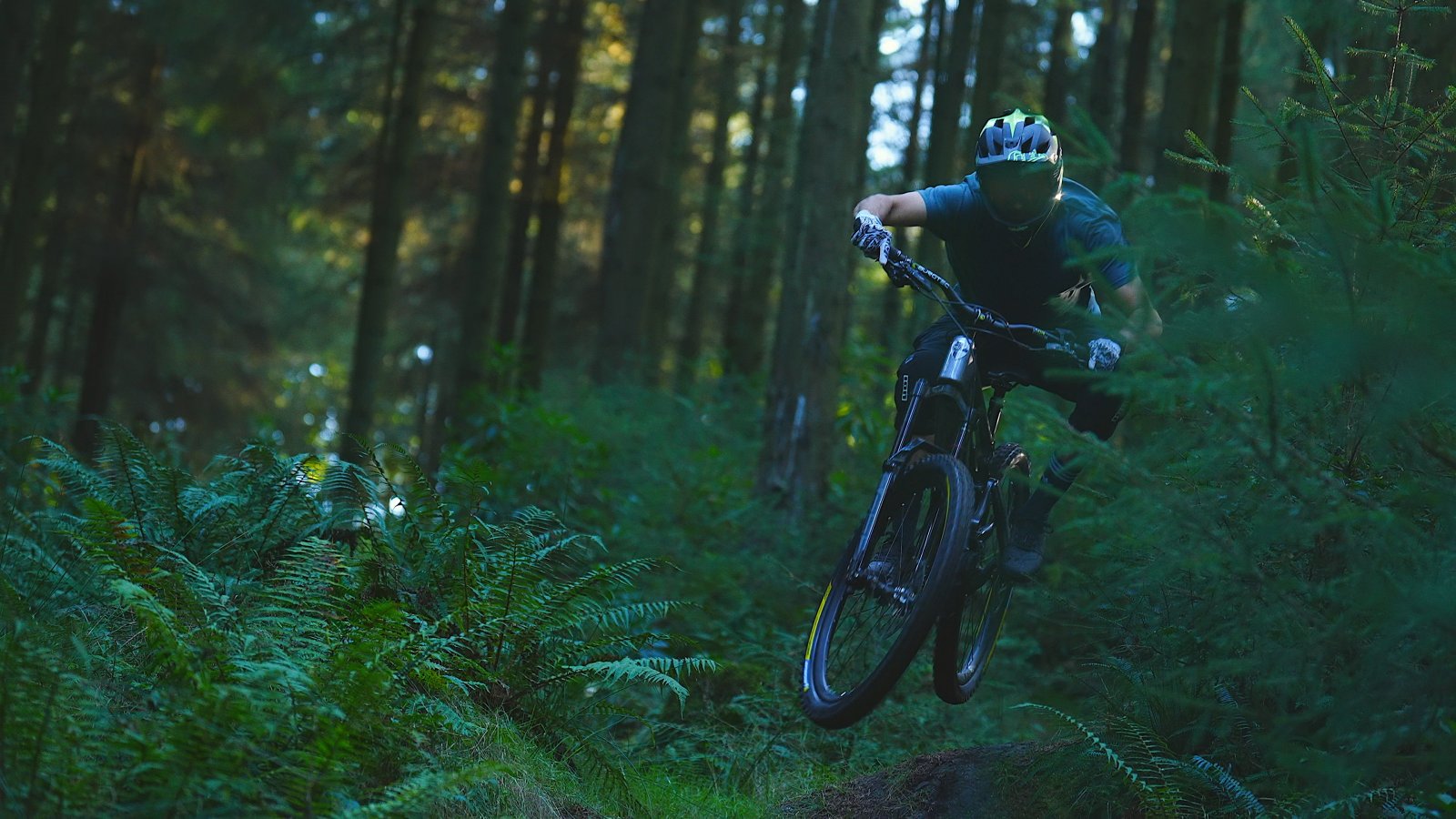
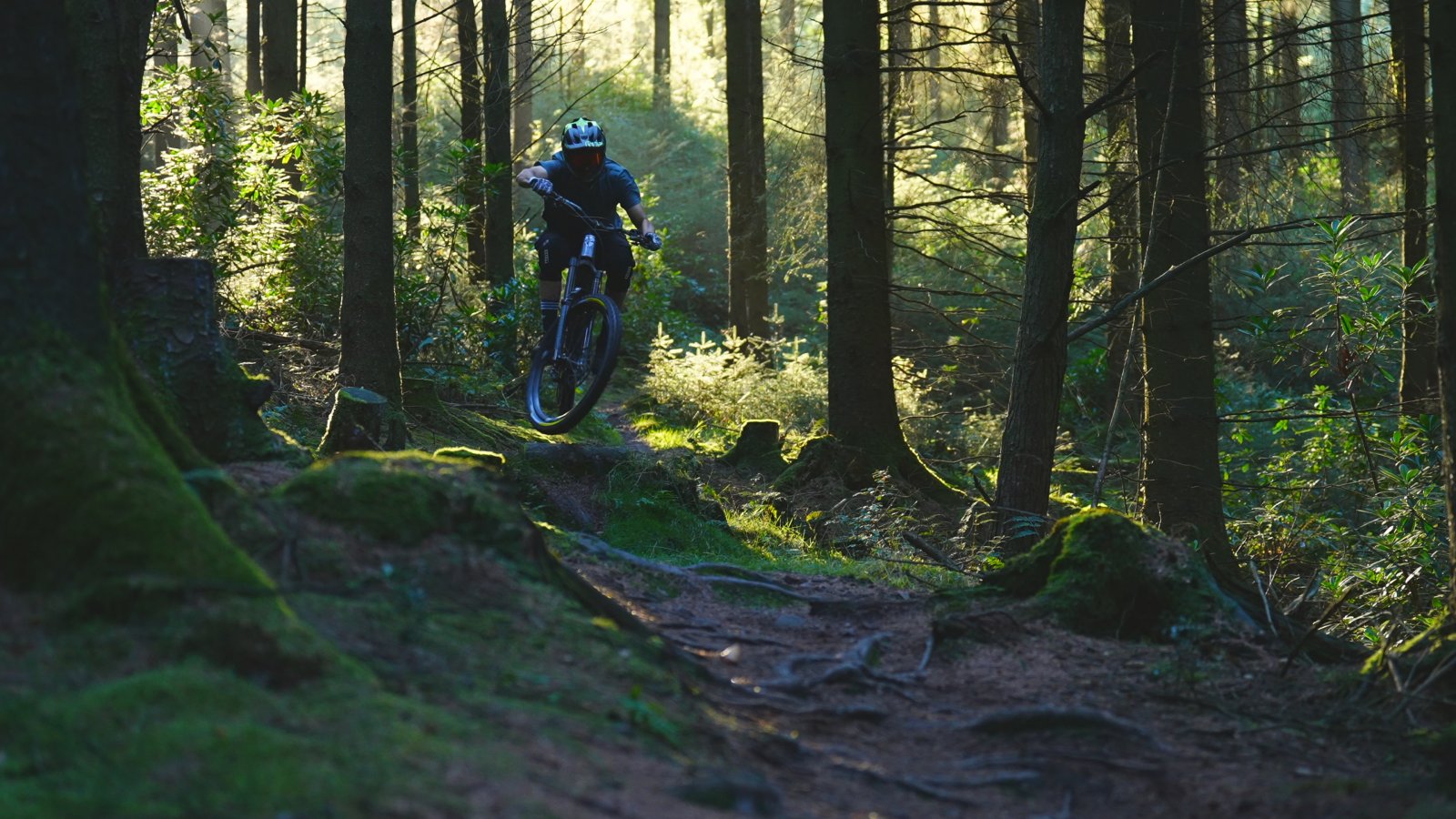
The bike literally crushes everything in its path! watching slo mo of it deflecting off wet roots and rocks, it just doesnt get fazed at all. It holds its like extremely well. I've set mine up on the firmer side, and it feels like a race machine; fast, precise and poised for anything.
It has taken a bit more fettling to set up than most bikes. Due to the different geo compared to a 'traditional' emtb - the long travel etc, it takes a bit more time to dial (well, I'm not used to setting up 190mm travel, so there's definitely a sweet spot to find, that takes a bit longer).
Bar position, height, saddle position, tyres etc, can all really transform how it feels to ride. More so than even I think on this bike.
It's insanely capable, and can be set up for a multitude of riding situations, and abilities. Way above what I'm capable of, but makes me feel incredibly confident.
Last edited:
- Thread starter
- #136
Agree totally with this statement.because you need to ride the bike a while to understand it, and if you are not receptive, you might never understand it.
Nice - hopefully my golden voima chunk destroyer can get extracted from customs soon and I can get mine built up. Aiming for it to be an off piste steeps weapon. Looking forward to tinkering with it. Im going to start with Air but I think it might be unstopable with a coil!
Last edited:
- Thread starter
- #138
Yes would be good to try a coil!Nice - hopefully my golden voima chunk destroyer can get extracted from customs soon and I can get mine built up. Aiming for it to be an off piste steeps weapon. Looking forward to tinkering with it. Im going to start with Air but I think it might be unstopable with a coil! - Jon
Forgot to mention, climbs like anything. Put a grippy as f*ck rear on it and that steep seat angle and grip from the rear is addictive.
- Thread starter
- #139
Also highly recommend some 160mm crank arms, and some different bars to experiment with height. Stock were not great (25mm) so have some 38mm Burgtecs fit, and also 50mm to try too.
Ah cool - luckly i went for the frameset so can spec up what I like. I figured becase the BB is zero drop which makes your hips higher vs the bars than other bikes, id have to go 35+ rise on the bars to get comfy. Sounds like thats kinda like where your heading too.
slickrock
Well-known member
Indeed. I've gone through 3 saddles, 2 handlebars, 2 grips, and multiple steerer height changes and lucked out with initial dropper, crank length, and wheel choices. With what this bike affords in it's design, you just want to keep pushing and optimizing what this this bike can do for you; a progression at every step.... It has taken a bit more fettling to set up than most bikes. Due to the different geo compared to a 'traditional' emtb - the long travel etc, it takes a bit more time to dial (well, I'm not used to setting up 190mm travel, so there's definitely a sweet spot to find, that takes a bit longer).
Bar position, height, saddle position, tyres etc, can all really transform how it feels to ride. More so than even I think on this bike. ...
Last edited:
slickrock
Well-known member
Exactly. I'm at 35mm and wondering about even a higher riser. You can ride this bike in a more upright position for which it seems designed.Ah cool - luckly i went for the frameset so can spec up what I like. I figured becase the BB is zero drop which makes your hips higher vs the bars than other bikes, id have to go 35+ rise on the bars to get comfy. Sounds like thats kinda like where your heading too.

militantmandy
Well-known member
I saw not one, but TWO Voimas in the space of about 3 minutes while walking home from the shop on Sunday. Common as muck! 
militantmandy
Well-known member
It is in ScotlandIs muck common?
Interesting, I haven’t had to change anything on mine, (except I put on an X2 on to match my Fox 40). I built up my frameset with 40mm rise Renthal Fat bars, 20mm of spacers under my dual crown 40 and everything has been perfect. At this point I have no desire to change anything other than stiffening my suspension a little more when I’m at the bike park. This bike just does everything so good it’s crazy!Indeed. I've gone through 3 saddles, 2 handlebars, 2 grips, and multiple steerer height changes and lucked out with initial dropper, crank length, and wheel choices. With what this bike affords in it's design, you just want to keep pushing and optimizing what this this bike can do for you; a progression at every step.
Here is a link to my bike check with pics and build list on Vital MTB. PolePics!!
 ️Voima ️
Jono967
Active member
Has anyone here had any experience with Suntour Incas brakes
I did option the bike up with these and curious to get your opinion on them.
I did option the bike up with these and curious to get your opinion on them.

Do you mean Sunstar Braking Incas brakes?Has anyone here had any experience with Suntour Incas brakes
I did option the bike up with these and curious to get your opinion on them.
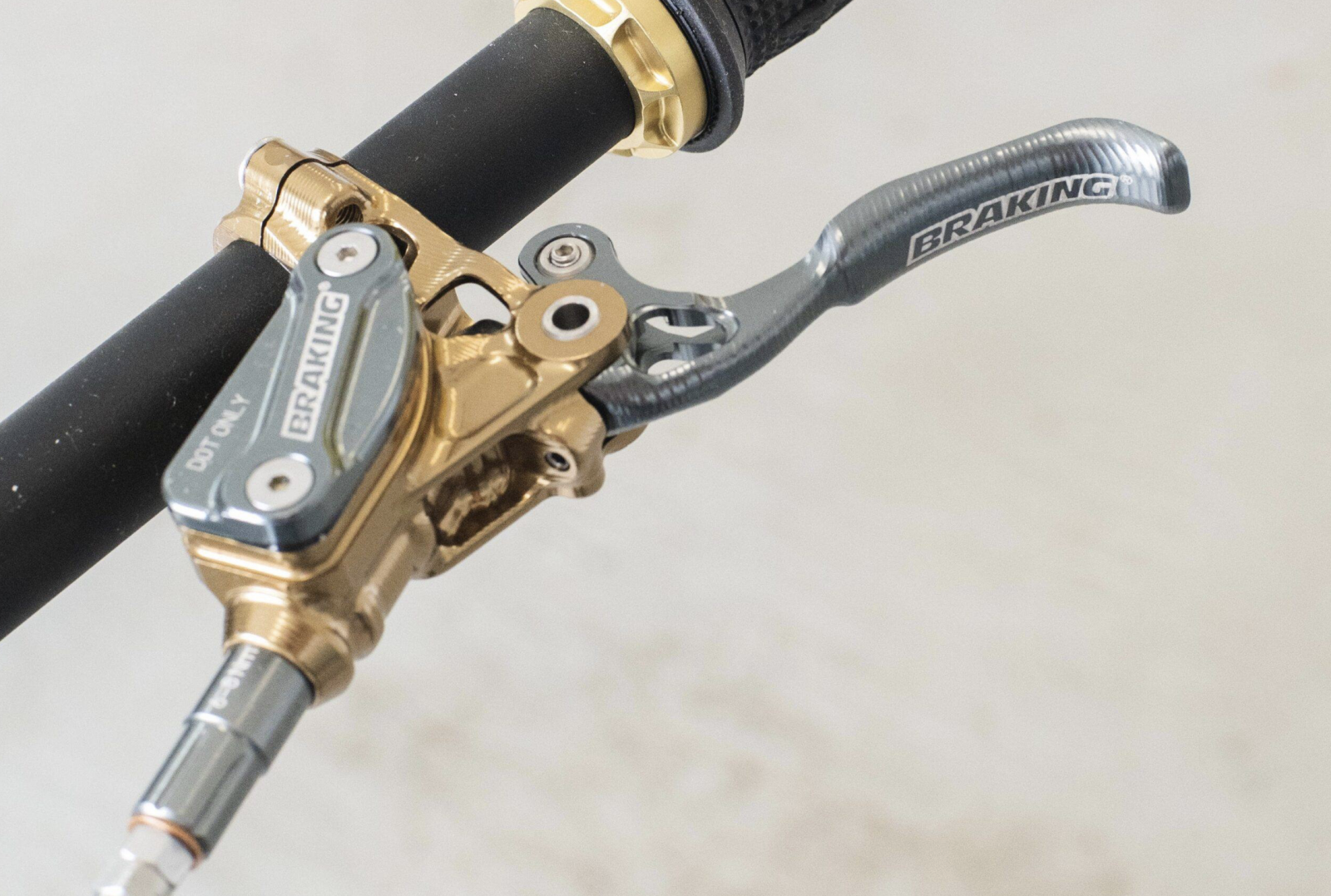
If so Braking the company makes some of the best brakes in the Motorcycle world, and have been making MTB brakes for a while but very much under the radar, and taking a different approach to most mainstream brands. Paul Aston has a set on review at the moment
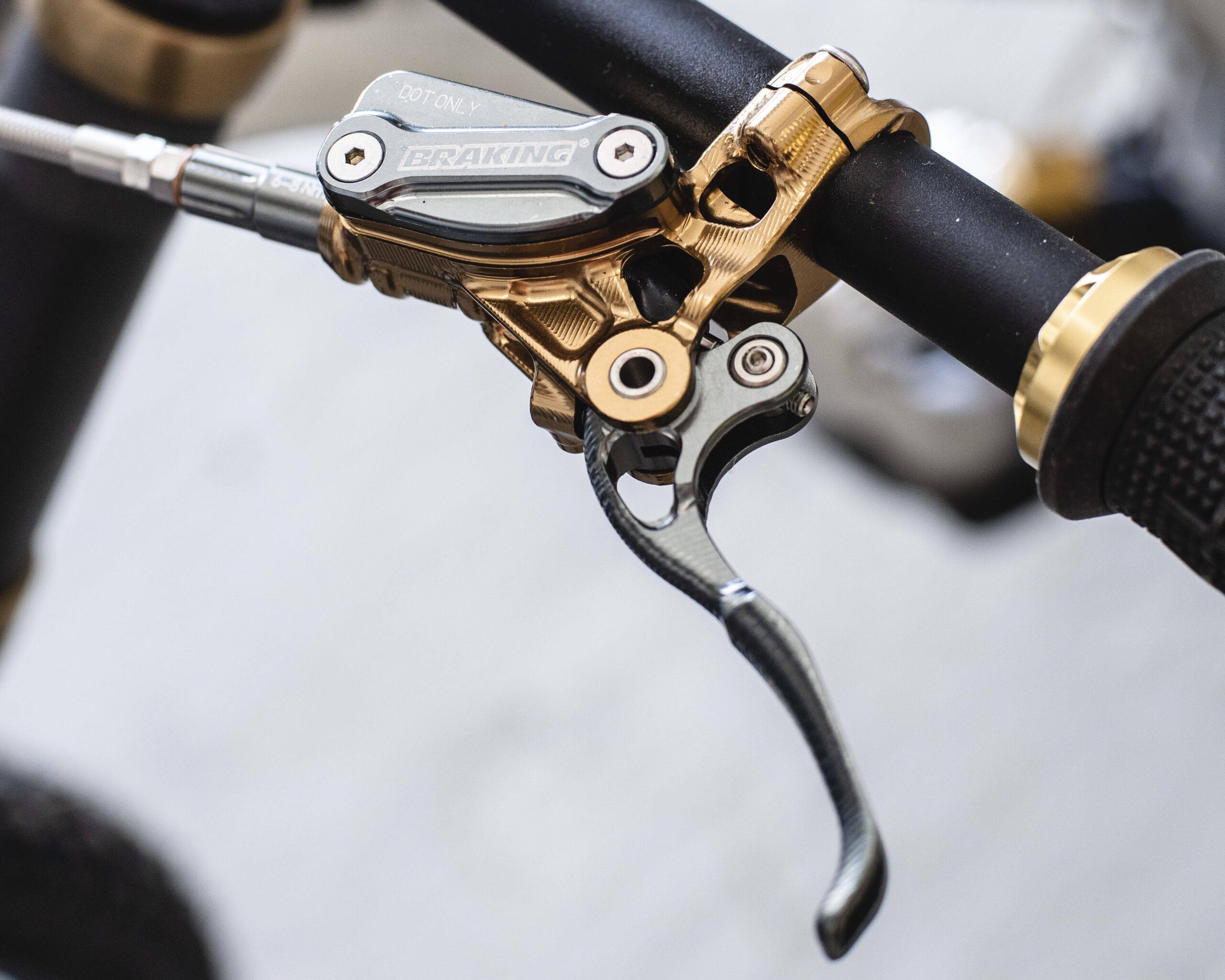
Braking INCAS 2.0 - Review - Aston MTB
 astonmtb.com
One thing they will definitely do is look the nuts on the Pole - the machining looks like it was made to match

Last edited:
Jono967
Active member
Thank youDo you mean Sunstar Braking Incas brakes?
If so Braking the company makes some of the best brakes in the Motorcycle world, and have been making MTB brakes for a while but very much under the radar, and taking a different approach to most mainstream brands. Paul Aston has a set on review at the moment
Braking INCAS 2.0 - Review - Aston MTB
One thing they will definitely do is look the nuts on the Pole - the machining looks like it was made to match
View attachment 99084
yes that’s what I was after
Too bad they went from Brose to Bosch. I'll take a Yam instead of a bosch any day. On the other hand, the bike looks so damn good... no : excellent. I need to try one, my precious !
If anyone come to ride around Digne, 'terres noires' .... with a Pole voima, of course ... My precious ? Precious !
If anyone come to ride around Digne, 'terres noires' .... with a Pole voima, of course ... My precious ? Precious !
Similar Threads


Free account
Join 43,228
eMTB riders
eMTB riders
One tap. No forms. Fewer ads.
or sign up with email
Already a member? Log in