M2
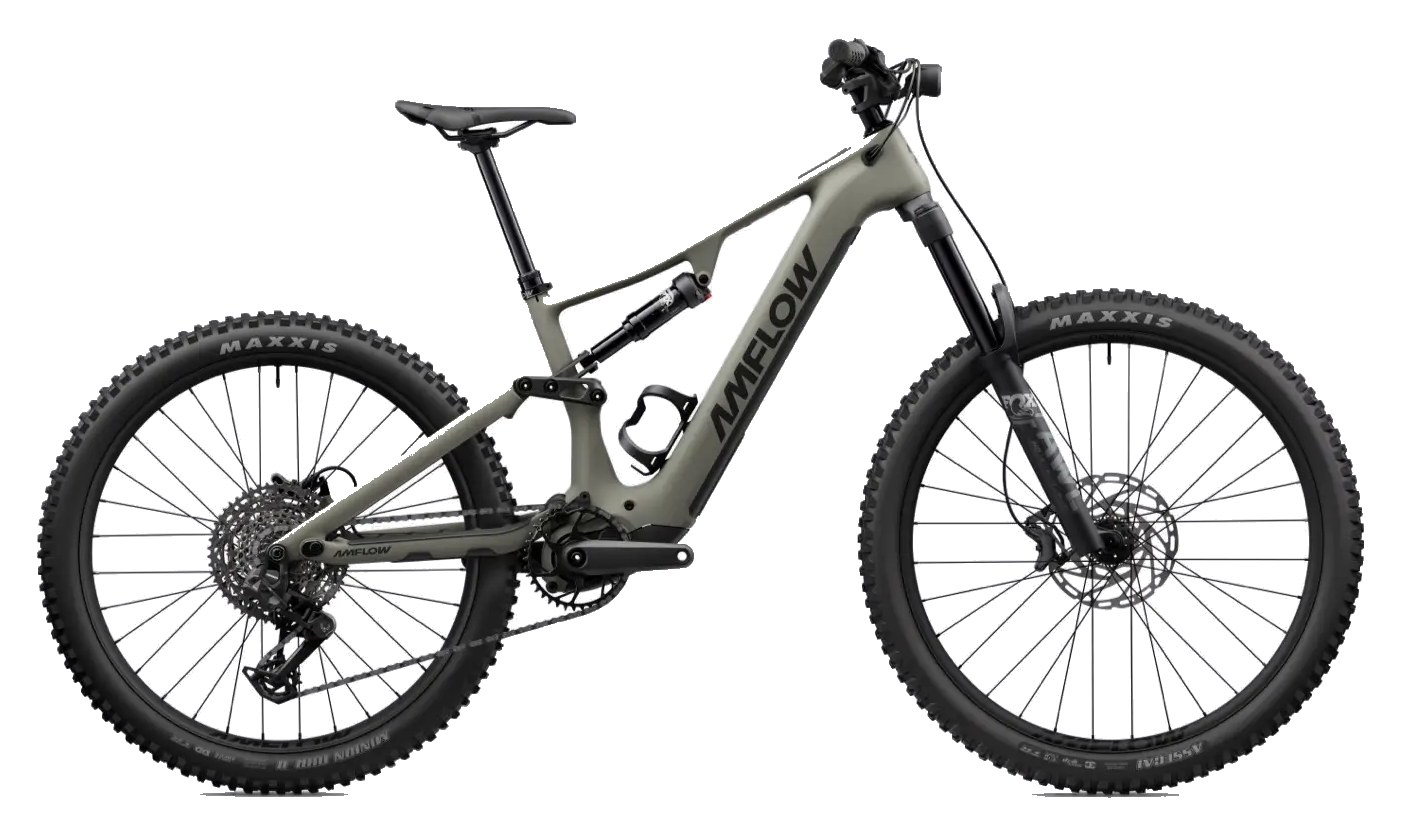
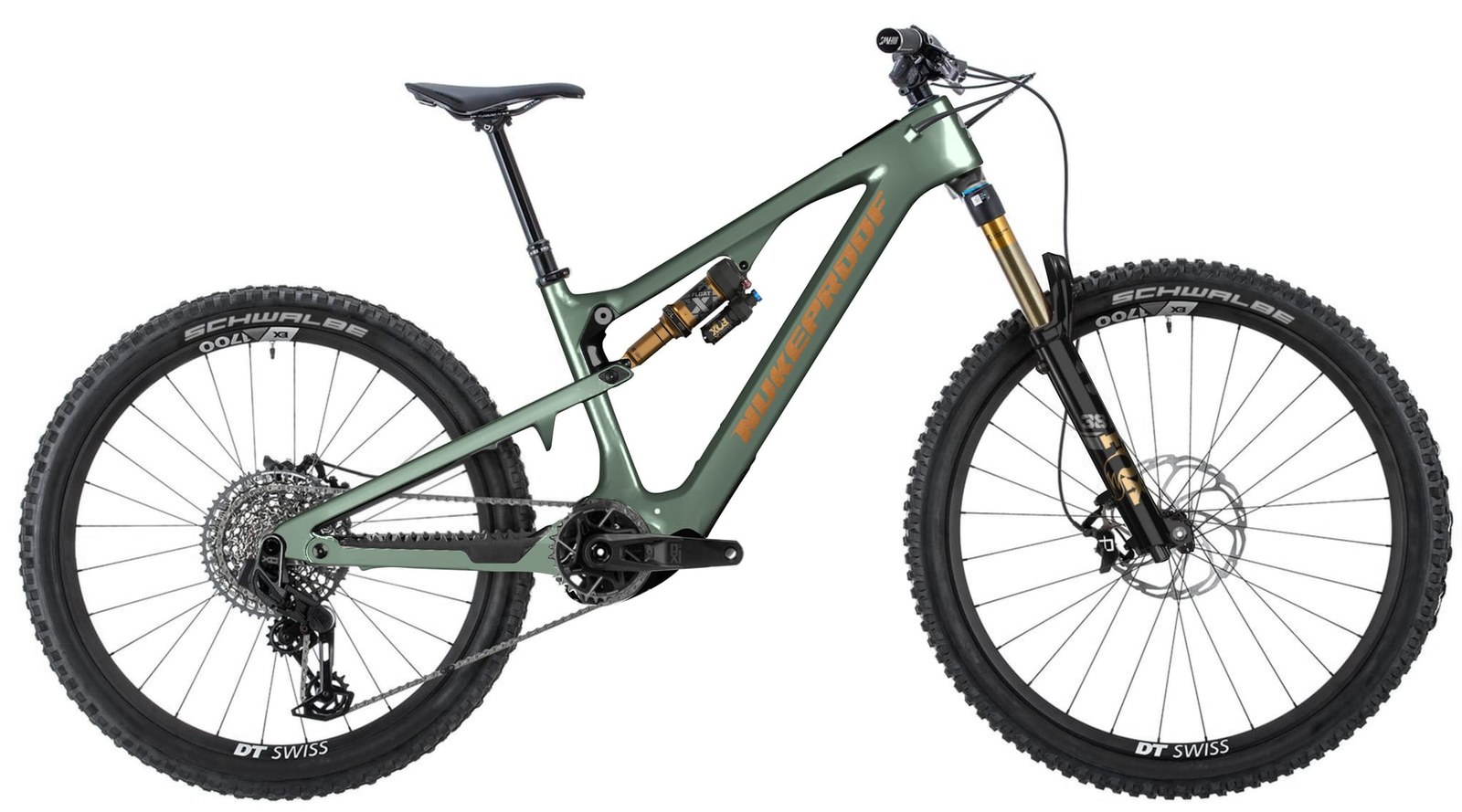
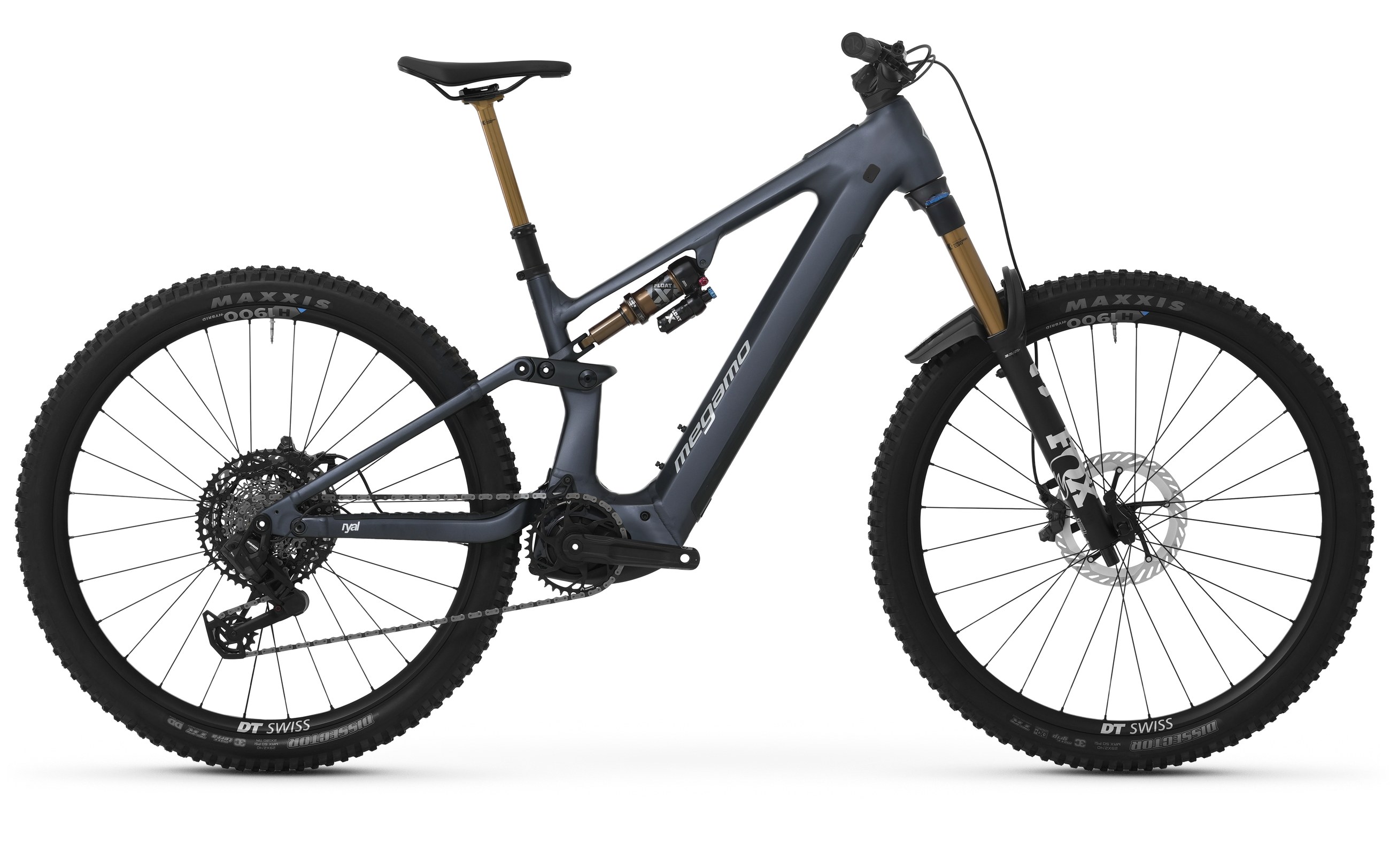
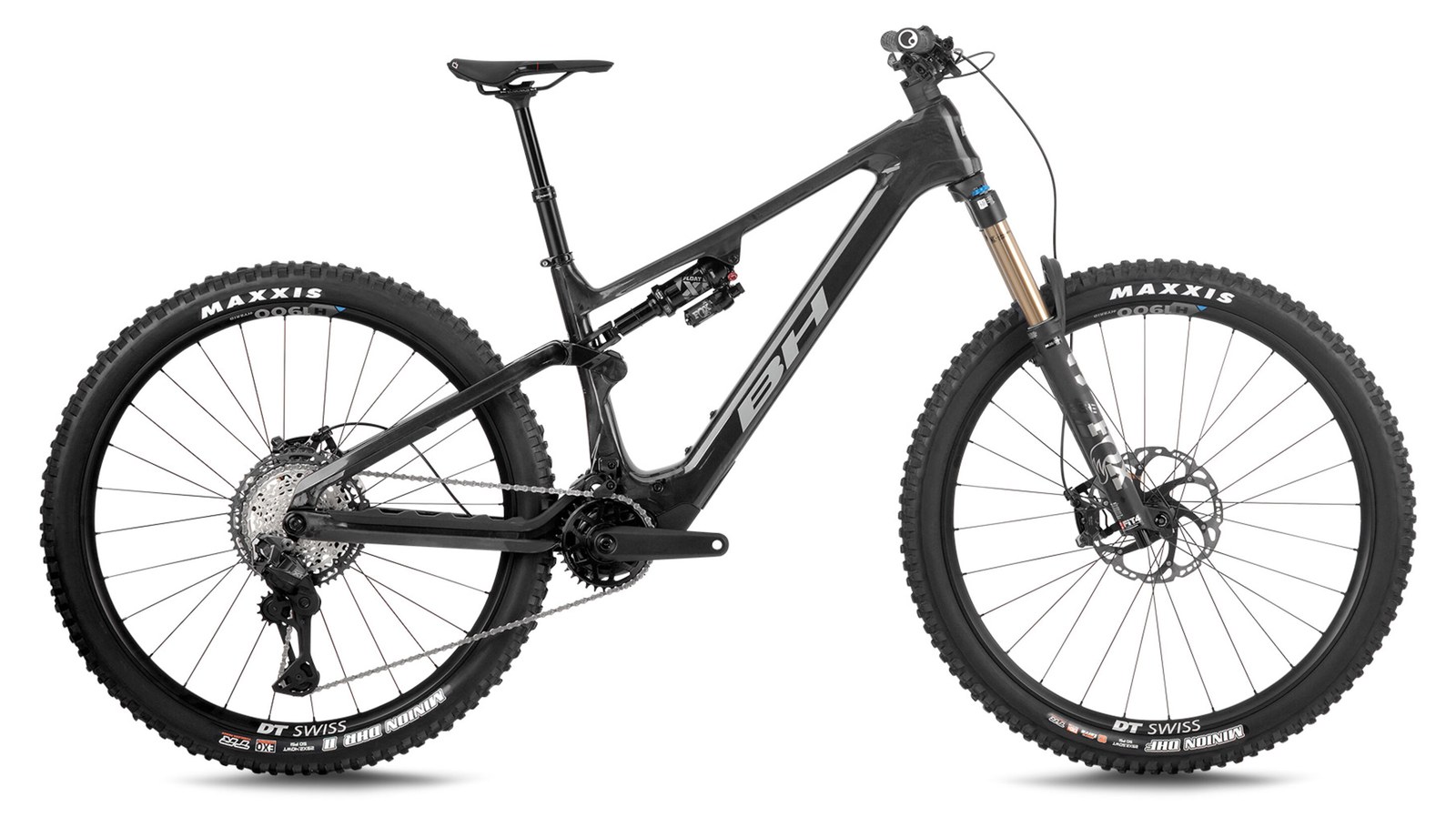
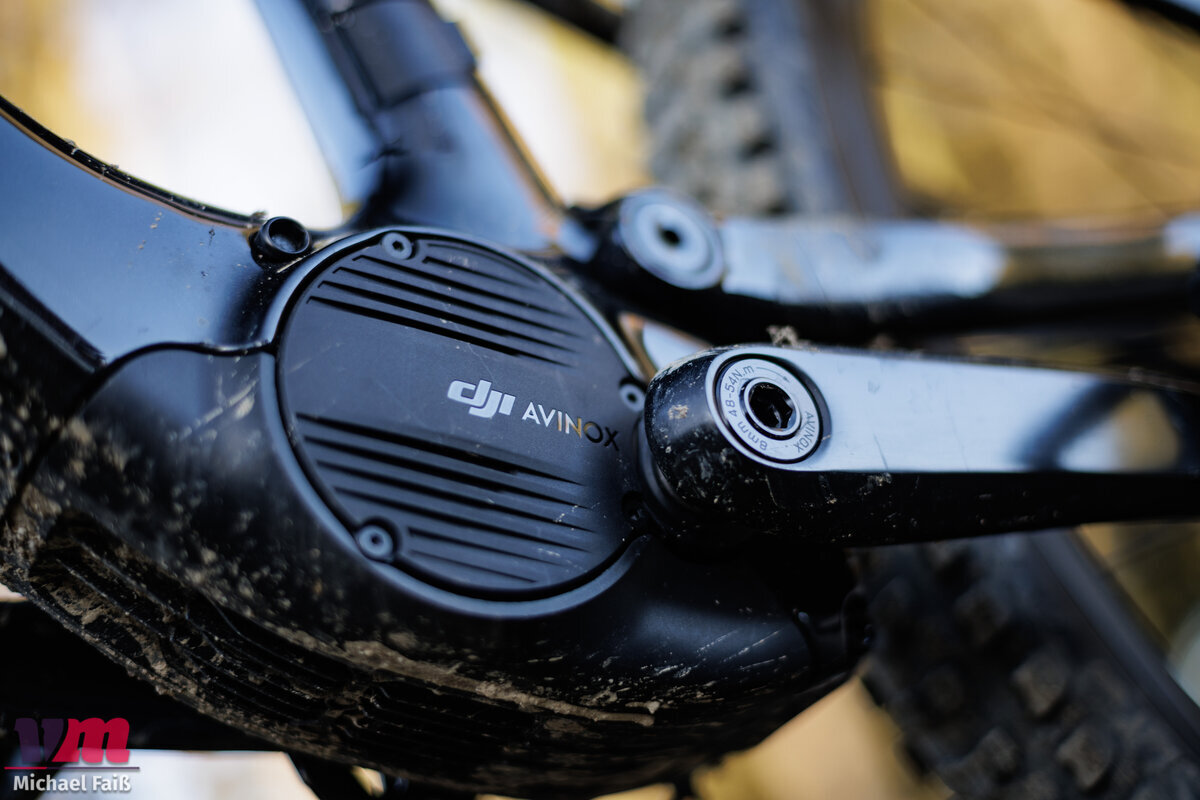
The Avinox M2 is DJI's 2026 second-generation lightweight drive unit: the cooler, more frugal sibling to the headline M2S, pairing a claimed 110 Nm (125 Nm in Boost) and up to 1,100 W with a 2.65 kg package that still undercuts almost every full-power rival. It ships on the Amflow PR Carbon.
Claimed/derived curve (no M2-specific dyno exists): power is expected to climb hard from low cadence toward the 1,100 W manufacturer peak in the mid cadence band, then taper while staying strong past 110 rpm — the M2S platform shape scaled to the M2's lower 1,100 W ceiling.
Avinox M2 is the version of DJI's second-gen motor that most riders will actually want to live with. Where the flagship M2S is quoted at up to 150 Nm and a peak that DJI's marketing puts at 1,500 W (Cycling Electric lists the M2S at 1,300 W, so treat 1,500 W as the headline rather than a settled figure), the standard M2 is a more modest claim: 110 Nm in the regular modes, 125 Nm on the Boost button, and up to 1,100 W peak. Crucially, those are DJI's own numbers — no lab has yet dyno-tested an M2 in isolation, so the figures here are manufacturer claims, not measurements.
The character is what carries it. The M2 builds assistance with the same instant, almost telepathic response DJI's first motor became famous for, but the lower ceiling makes it more linear and less likely to overwhelm a light trail frame. DJI quotes a support ratio of up to 800%, so a soft pedal stroke still unlocks most of the assistance. And because it is asked to make less heat than the M2S, it should hold its rated output longer on sustained fire-road drags — a sensible inference from the platform, though again not yet independently verified on the M2 specifically.
A word on power language: the 250 W in the spec box is the EU-legal continuous (nominal) rating that every road-legal pedelec carries; the 1,100 W is the short-burst peak the motor can deliver under load. Both are real, they just describe different things. It will not match the M2S for the brute, wheel-lifting surge on the steepest pitches, and like its sibling it lives or dies on DJI's battery and firmware ecosystem rather than offering open-standard flexibility. But as a featherweight full-power motor with a claimed 1.1 kW from 2.65 kg, the M2 is one of the most complete drive units in its class.
Sustained power & heat
How long the headline number actually lasts under sustained climbing load.
For context only — this is the M2S, not the M2. Velomotion measured the M2S housing at over 120 °C after 20 minutes of sustained load while it still held over 90% of its power. The cooler M2 tune should run lower temperatures, but no M2 figure has been published.
Character
The case for and against
Strengths
- Claimed up to 1,100 W and 110/125 Nm from just 2.65 kg
- Battery-agnostic full output across the Avinox pack range
- Instant, intuitive power delivery, more linear than the M2S
- Lower-output tune should run cooler and de-rate later than the M2S
- OTA firmware via the Avinox app, no workshop visit needed
Compromises
- Locked into DJI's proprietary battery and firmware ecosystem
- Less outright surge than the M2S flagship
- No independent dyno isolating the M2 from the M2S — all figures are manufacturer claims
- No published noise (dBA) or M2-specific efficiency data