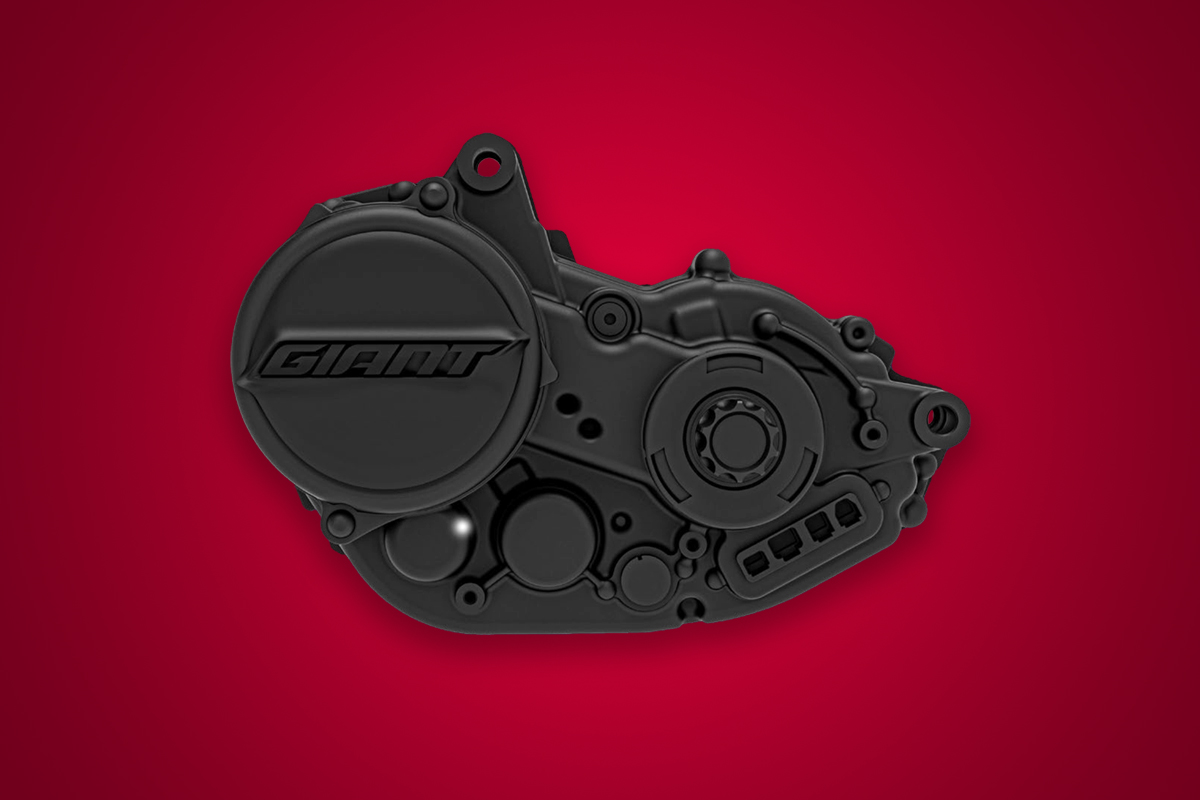
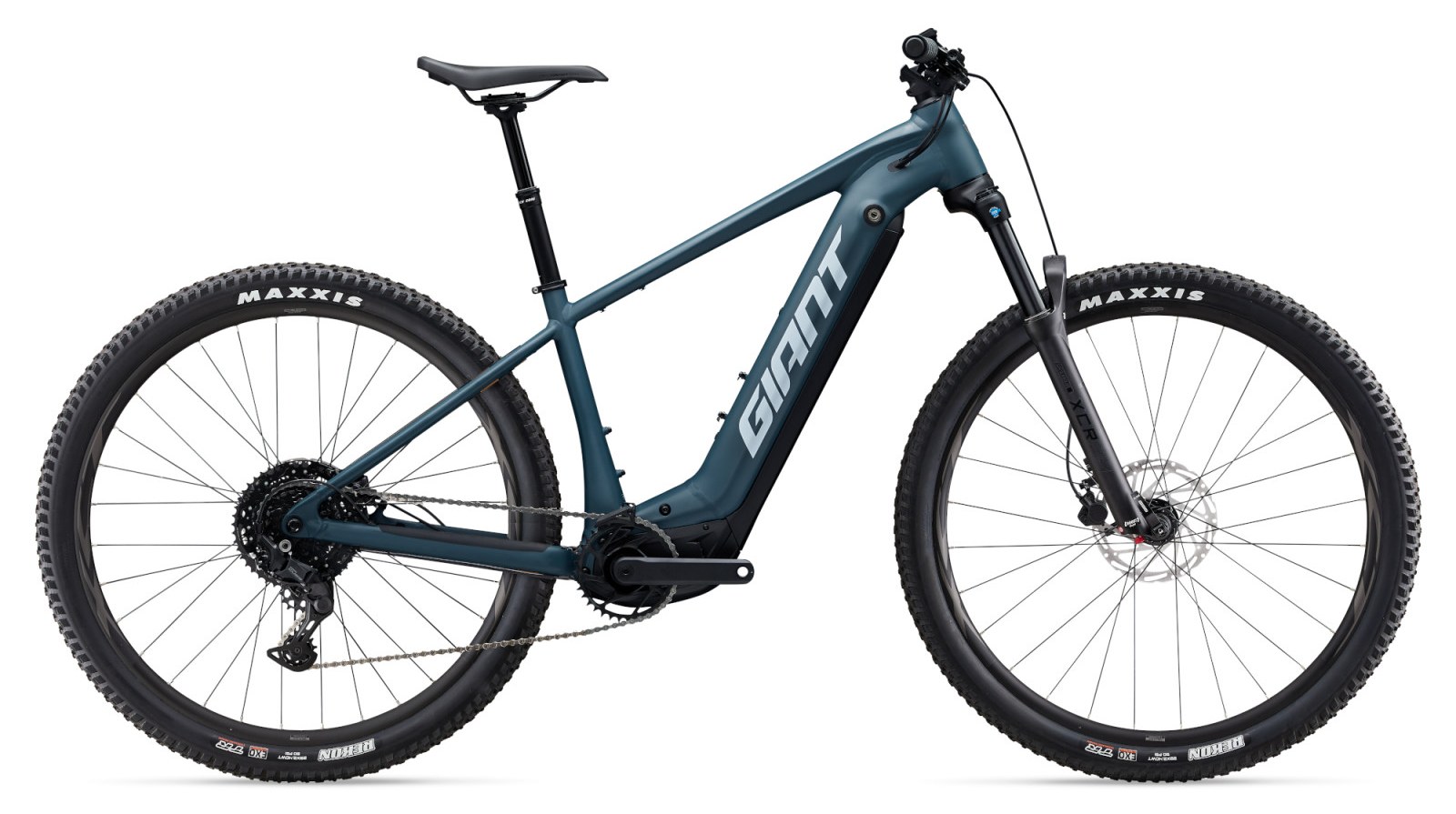
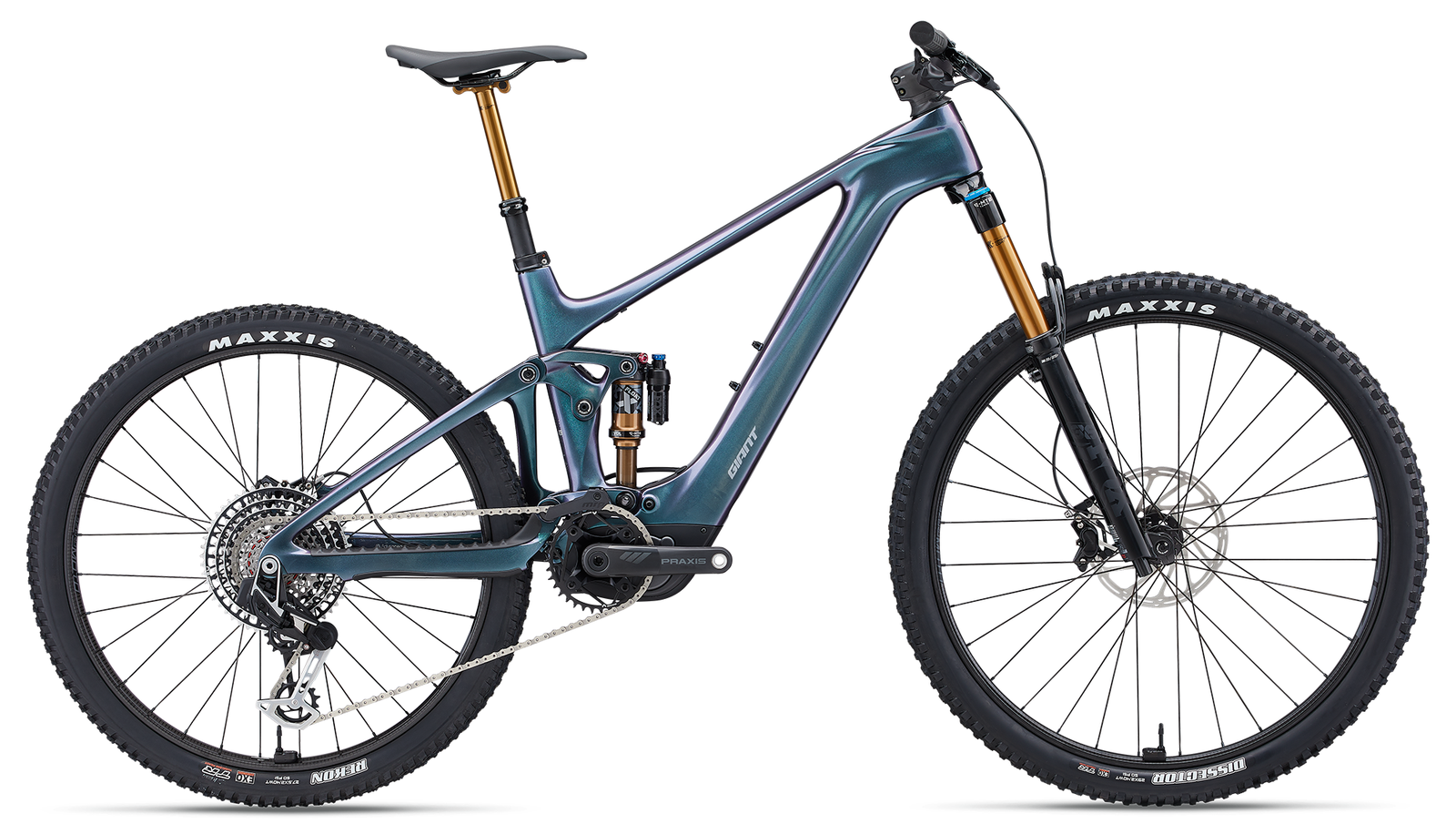
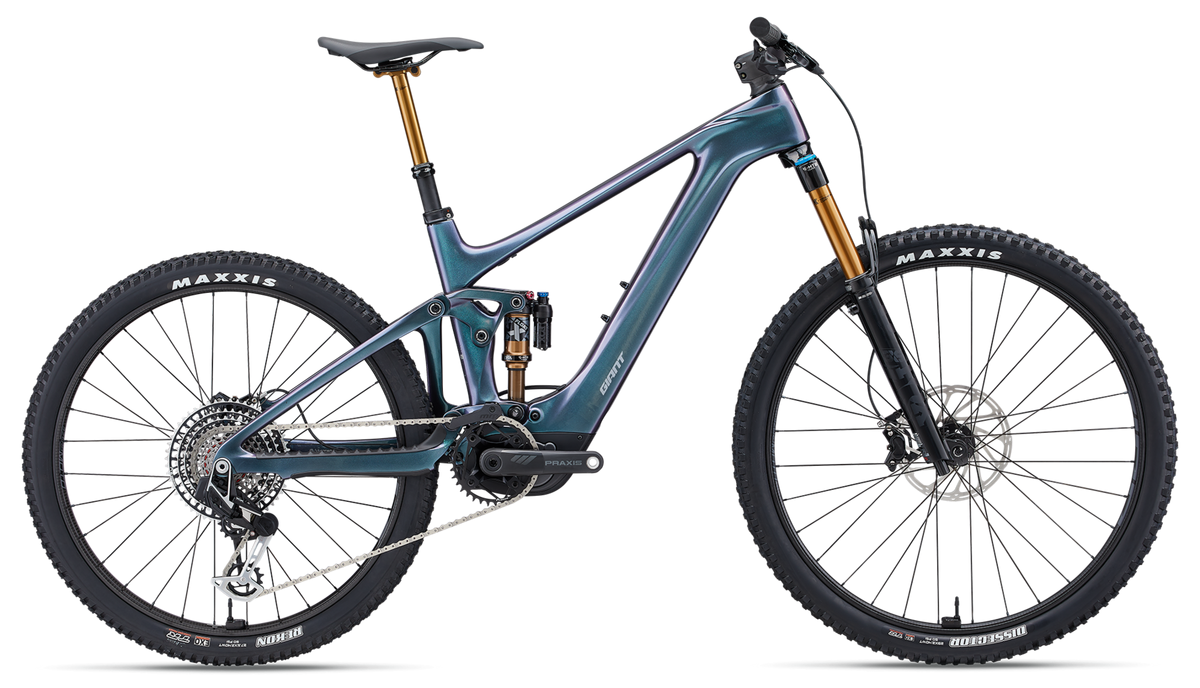
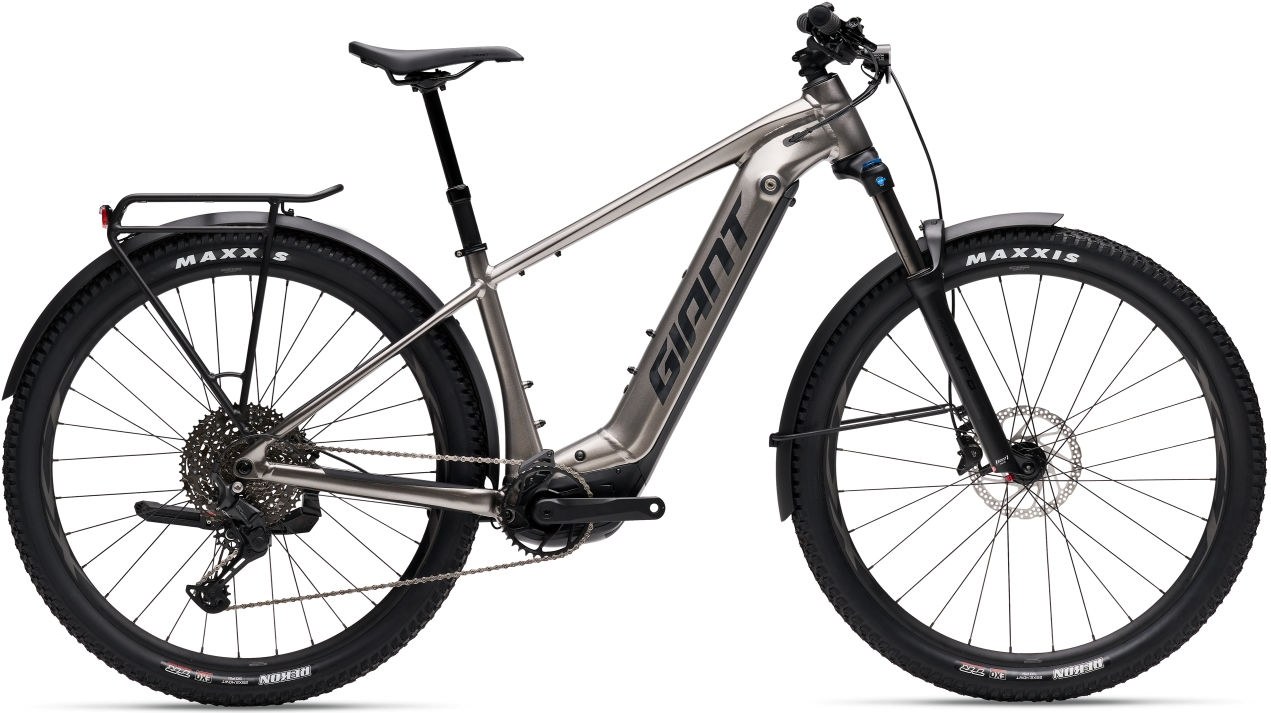
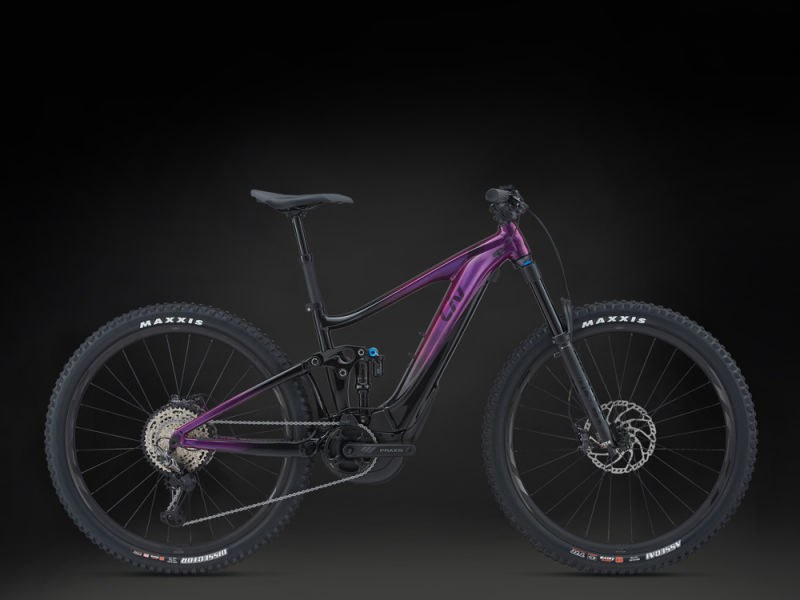
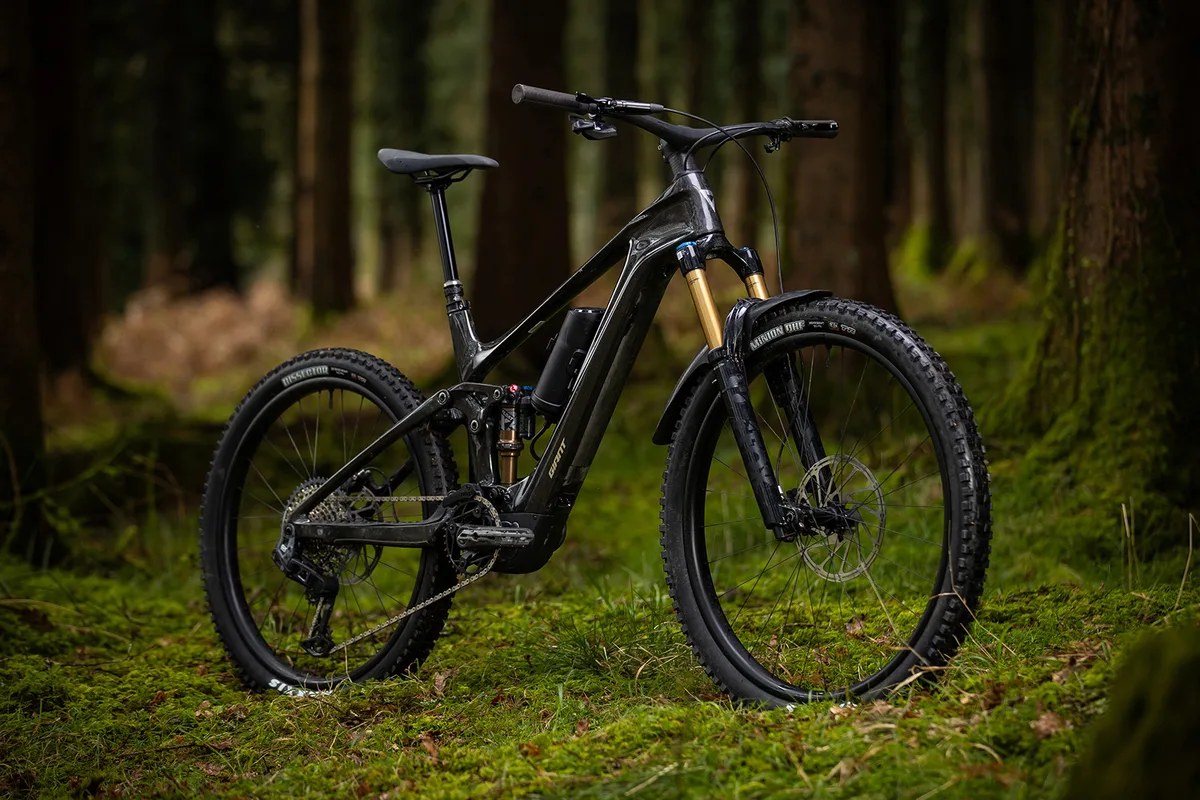
Giant's Yamaha-built SyncDrive Pro2 is the quiet, composed climber of the full-power class — 85 Nm of torque and 400% support wrapped in one of the smoothest, most controllable deliveries you can buy.
Giant SyncDrive Pro2 drive unit (Yamaha PW-X3 platform). Peak of 682 W is Velomotion's input-conditioned dyno figure (250 W rider input, 70–75 rpm), not an absolute ceiling.
Progressive build to an input-conditioned peak around 70–75 rpm, then a gentle taper — never spiky, with usable reserves held in hand low down. Plotted from Velomotion's 250 W-input dyno run.
The verdict
Giant SyncDrive Pro2 is Giant's house full-power motor, co-developed with Yamaha and built on the PW-X3 platform. Giant and Yamaha publish 85 Nm, 250 W nominal and up to 400% support — neither quotes a peak-power figure. The only independent number comes from Velomotion's dyno, which recorded an input-conditioned 682 W (fed a high 250 W at the cranks, 70–75 rpm cadence) — modest next to a Bosch Performance CX (745 W) or a Shimano EP8 (666 W in the same test), and firmly at the lower end of the field.
But raw watts undersell it. Where the SyncDrive shines is the quality of its delivery: testers rated its response and controllability among the best on the market, especially the way it meters torque off the line and through tricky, traction-limited climbs. It is also noticeably quieter than an EP8 or a Bosch CX, with none of the rattle on rough descents that plagues some rivals.
The trade-offs are efficiency and sustained grunt. On the flat it draws more from the battery than most of the competition, though on a 10% climb its consumption is genuinely good. And like every PW-X3, it leans on rider input — in BIKE magazine's load-cycle test the Giant slid to last in the power ranking on the second climb, a reminder that its headline figure needs your legs to back it up. For riders who value finesse, silence and a natural feel over outright power, it is one of the most likeable motors in the segment. It is the current 36 V full-power SyncDrive; from 2026 Giant moves the flagship Reign Advanced E+ to the 48 V SyncDrive Pro3 (90 Nm, 800 W peak), so the Pro2 now sits as the outgoing full-power generation.
“Modest on the dyno, but among the best on the market for response and control — and far quieter than a Bosch CX.”
Character
Rider input
Giant publishes up to 400% support in the strongest mode (100 W in yields ~400 W of assist). Five named modes — Eco, Basic, Active, Sport, Power — plus a dynamic Smart Assist; at 100 W rider input it stays progressive with reserves rather than dumping all its torque at once.
On the trail
Smooth, natural and supremely controllable, with an almost instant response off the line; it rewards finesse rather than brute pedalling and feels calm where punchier motors feel frantic. Unlike the raw Yamaha PW-X3, Giant lets you tame the character through the RideControl app.
Noise
No lab published a dB(A) figure. Subjectively, Velomotion rated it significantly quieter than a Shimano EP8 or Bosch Performance CX, with no rattle on rough descents — so the quietness claim is comparative and consistent across testers, but unquantified.
Efficiency
Below-average on the flat — it draws noticeably more from the battery than most rivals there — but consumption on a 10% climb is very good, among the better results in the field.
The case for and against
Strengths
Class-leading response and controllability
Very quiet — beats EP8 and Bosch CX for noise (subjective; no dB published)
Light at 2.75 kg
Strong, natural assist on technical climbs
Up to 400% support, app-tuneable via RideControl
Compromises
Lower measured peak power than key rivals; peak is input-fed (needs 250 W rider input)
Thirsty on the flat
Faded to last on the second climb of BIKE's load-cycle test — leans on rider input, no published de-rate data
36 V — superseded by the 48 V Pro3 (90 Nm, 800 W) on the 2026 flagship
How it stacks up
Down on measured peak power to the Bosch Performance CX (745 W) and even the Shimano EP8 (666 W in the same Velomotion test), the Giant trades watts for refinement. It shares its 85 Nm torque rating with both, but at 2.75 kg it is one of the lightest full-power units — on par with the bare Yamaha PW-X3 it is built on, and lighter than a Bosch CX. Within the Yamaha family it is the tuned, app-tameable take on the PW-X3; within Giant's own line it is the 36 V predecessor to the 48 V SyncDrive Pro3 (90 Nm, 800 W peak). Who should pick it: riders who prioritise quiet, natural, traction-friendly delivery and low weight on technical climbs over headline watts or long sustained-power grinds — if you measure a motor by outright power or all-day flat-ground efficiency, a Bosch CX or the newer Pro3 will suit you better.
OWNER INTELLIGENCE
Most owners report no problems · 4,536 posts from 668 members analysed.
66Bearings and water: the repairer's verdict on the PW-X generation· typical onset: Bearing complaints from ~2,000-7,000 km; water deaths are seasonal (after…
29Speed-sensor and wiring faults misdiagnosed as motor failures· typical onset: Any time; often after assembly or wheel/rotor work.
24Noise: high-cadence squeal, clicking, knocking (common but not normal)· typical onset: From new to ~650 miles; mostly stable rather than progressive.
✓18,953 miles on a 2016 Haibike Full FatSix's original, never-opened Yamaha PW motor - original everything except consumables