
The Bosch motor in the Voima is awesome! I have no complaints, it has plenty of power, it’s quiet and the range is excellent. I have buddies with the Brose motor and I can power up steep climbs faster than they can and super steep climbs that they can’t because they run out of power and I don’t. The Bosch is the best motor available right now IMO and I’m glad Pole made the change prior to production. I would like to tryout the new Bosch race motor though! Or at least tryout the race mode on my current motor.Too bad they went from Brose to Bosch. I'll take a Yam instead of a bosch any day. On the other hand, the bike looks so damn good... no : excellent. I need to try one, my precious !
If anyone come to ride around Digne, 'terres noires' .... with a Pole voima, of course ... My precious ? Precious !
Navigation
Install the app
How to install the app on iOS
Follow along with the video below to see how to install our site as a web app on your home screen.
Note: This feature may not be available in some browsers.
More options
Style variation
You are using an out of date browser. It may not display this or other websites correctly.
You should upgrade or use an alternative browser.
You should upgrade or use an alternative browser.
Pole Voima 190mm Travel EMTB
- Thread starter Rob Rides EMTB
- Start date

⚡ EMTB PRO
25% off e*thirteen, Peaty’s & more with PRO
Member-only deals from e*thirteen, Peaty’s, PEMBREE and Magicshine · ad-free browsing · PRO badge · Living Intelligence Reports
See the deals →
From £1.99/month


Too bad they went from Brose to Bosch. I'll take a Yam instead of a bosch any day
The biggest mistake they made when they announced the Voima was the choice of motor. I immediately went from yeah ... to no way !The Bosch motor in the Voima is awesome!
The Brose is a lovely motor in the way it can produce the power, the noise level, I have a Kenevo I constantly want to sell but then keep because I love riding it. BUT and it's a big BUT ! The Brose motor and even the Brose ancillaries have less than fantastic reliability record (Spesh are again ok as they use their own) . We could argue all day long and I've always been a supporter of the motor as mine has never failed, but it doesn't remove the fact that for many people they probably feel like they charge their bikes as often as they change their motor.
If you have a Spesh, you're generally ok. They're large enough to have leverage with Brose to get the problem sorted and have motors swapped out. You only have to look at the smaller companies and so many people get stuck with bricks because Brose refuse to change the faulty parts. Pole isn't huge, they'd be in the same situation.
Pole spent a lot of time developing the bike with the Brose and the new battery. Kudos to them for having the insight & balls to take the huge step to change to the Bosch. Ok, it's not perfect, but it's a safe and really effective choice - probably the best motor there is at the moment (especially if you like 1970's retro controllers
 - ok, no ones perfect). It's one of the most interesting and exciting bikes out there at the moment and is also available as a frame set. What more could you ask for ?

InRustWeTrust
E*POWAH Master
I saw on instagram that pole wrote a post that it's only 2 weeks delivery time on voima right now. that is pretty nice.
What more could you ask for ?
Integrated battery with slim downtube, like on my levo ?

A little more than a week,Legit. How long did you wait vs what they told you?
transport to germany - first packet (Battery) 3 day, second packet (Wheels,..) 6 days and the frame 9 days
No I did not, but I did trim the line on my eFanes, there I use the Park Tool Cable Cutter (https://amzn.eu/d/hweoiTD)Also did you trim your maxima lines? If so with what?

slickrock
Well-known member
Part 2 Review: Suspension
In the Part 1 Review and subsequent posts, I’ve focussed heavily on Voima geometry, if not beating the topic into submission. But the supporting player in the riding characteristics of this bike is the suspension, but you can only start to to focus on it after you’ve synthesized the progressive geometry. And again, Pole has forced me to rethink my notions of suspension design as well.
A big chunk of MTBs intellectual property is its suspension. Geometries can be copied but suspension design is often protected by patents, with design owners making sometimes wild claims about their unique performance and things can get heated in MTB forums on the topic with whatever biases a contributor/member might come to the table with.
My particular bias is for Horst Link four-bar linkages. Way back in 1993 I rode an Amp Research B2 which was made by Horst himself, in a age where full suspension bikes were mostly folly and unproven (URT, anyone?). Many designs languished but the Horst Link endured, with the Amp Research patent quickly acquired by Specialized which became the pervasive FSR suspension (and exploded into many other brands after the patented expired). The Levo I own posses this same suspension, essentially, which for me made the bike both familiar and usable at the get go. I always preferred the pure Horst Link design ( over, say, VPP-style designs) because both braking force and pedal force tended not the affect the suspension plushness. This kind of suspension is very noticeable because its always there and fully available and things like the older Specialized Brain remote dampers and platform shock controls could be used to reduce unwanted pedal induced bob.
The Voima’s suspension on the other hand, for me, is strangely not noticeable at all. The plushness is utterly and totally there (heck, there’s 190mm of it), but there is a sublimation of the suspension into the kinematic feel of the bike as whole. The suspension does not draw attention to itself, other its polarizing looks (a praying mantis, a USS starship?). When I’m pedaling hard or when torque from motor quickly engages, I don’t see the suspension move, no matter the gear I’m in. As such, the bike does not need rear shock platform setting - it can be full left open. So it seems Pole’s claim of anti-squat characteristics do hold water.
But what about anti-rise? It isn’t mentioned in the product literature, so I asked Pole about this and they sent me this graph:
Basically, the Voima has high anti-rise, which markedly lowers as the bike moves through the travel. The downside of high anti-rise is the tendency to compress the suspension while braking, hence limiting its effects. The positive side is that it tends to keep the geometry of the bike intact even while braking. For example, the Levo has low anti-rise and Specialized makes this known as an advantage in their product literature. Pole seems to have taken the opposite tack, as if not to even care.
Based on my testing, I’m not really sensing any effective difference in suspension when applying brakes and I’m not sure why. Perhaps its the 190mm of ample travel that can take up anti-rise compression and still provide ample travel for the suspension. Or perhaps it’s the progressive rate of the suspension framing the ride characteristics of the bike that overtakes any direct sense of suspension effects (unlike, say the Levo, where I can always feel it at work). Overall my impression is that the suspension seems designed to keep the geometry consistent in multiple ride modes and under various terrain contours. Hence why I don’t seem to notice it at work, rather, it just works.
Regarding damping, the current bike setup biases toward progression (as opposed linear or fall rates), keeping the bike from bottoming out rather that having super plush response that blows through the travel at times. I must admit I’m interested in exploring removing the spacers and changing the shock pressures to see where its takes me in the plushness department with the freaking 190mm of travel on tap. But then again, perhaps this is not what Leo intended, where doing so might make the bike’s geometry work against you rather than for you. I’ll report back after some experimentation. Also, it’s not worth lending much discussion about shock compression and rebound settings as this is something that can be easily assessed by individual rider preference. That said, for me, I’ve backed off compression and rebound settings pretty far.
Regarding the looks of the suspension, perhaps the elevated swing-arm throws people off, reminding folks of fat, elevated, single pivot swing-arms on bikes from Orange all the way back to the San Andreas. To be clear, this is four-bar linkage suspension, sharing this base DNA with FSR, VPP, and DW-Link, as they too are four-bar, albeit with different linkage lengths and rotations. But the linkages with Sensei are long compared to others, which somewhat adds to the "otherness" of the design. This too appears deliberate as it puts the bulk of the suspension well above the motor, which allows the both the long 190mm travel and chain stay length to stay consistent despite which bike size is chosen. The same cannot be said of, say, the new Ibis Oso (yet another bike with a polarizing rear end) where the smaller sizes are forced into a mullet configuration, turning the small sizes into seemingly different bikes altogether. And it also helps that the Voima swingarm is absent a cross-brace / crown, allowing the entire apparatus to freely ingress in the inner triangle of the frame without complication, allowing good mud clearance with a 29' wheel and full 190mm of articulation.
OK, so I still need to cover build choice, materials, finish and other details, so looks like there will be a Part 3. I hope at that point I won’t have overstayed my welcome.
Last edited:
OT: I have a Maxima in my eFanesNice!! That’s not a bad wait time at all.
The eFanes does not have the trickstuff cables. That’s why I asked. SRAM cuts like butter. I think trickstiff needs a proper one.
 2020 2021 Aulutech eFanes
Looking forward to Rob's review when it comes out as will be in the market for a new bike early next year and settled on that being one with a Bosch motor/750wh battery.
@Rob Rides EMTB Be interested in views on sizing - at 6'6" I'd normally be straight to XL on majority of bikes but when I compare the K3 Voima to my Enduro bike the stack is the same, but the reach (+19mm) is longer on the K3 sized Voima. The K4 would be +44mm Reach which i've no idea what that would be like.
Also not sure how those wheelbase lengths will be for fitting it on a bike rack?
@Rob Rides EMTB Be interested in views on sizing - at 6'6" I'd normally be straight to XL on majority of bikes but when I compare the K3 Voima to my Enduro bike the stack is the same, but the reach (+19mm) is longer on the K3 sized Voima. The K4 would be +44mm Reach which i've no idea what that would be like.
Also not sure how those wheelbase lengths will be for fitting it on a bike rack?

This bike is it. Id probably lower it w a mullet to fit me but thats ez, maybe one offset bushing turned so it conteracts the mullet slackening/mullet a hair.
With all these pics in the thread i just noticed you can run a chainring bashguard along with the frame having a nice looking downtube protector. Emtb's need to all do this. Burly iscg tabs on the frames surrounding the motor. I drag my chain/chainring over rocks more often on my emtb than the mtb. I back off a lot so i dont screw my chain or chainring(again), not to mention damaging frame or motor
With all these pics in the thread i just noticed you can run a chainring bashguard along with the frame having a nice looking downtube protector. Emtb's need to all do this. Burly iscg tabs on the frames surrounding the motor. I drag my chain/chainring over rocks more often on my emtb than the mtb. I back off a lot so i dont screw my chain or chainring(again), not to mention damaging frame or motor

Love that bike (and your build) - never thanked you at the time for posting up - looks like you now have alloy quiver to rule them all!OT: I have a Maxima in my eFanes
@sllickrock loving these in depth thoughts/feedback - keep it up!

Hi, and thank you for an excellent analysis. Here's something I can add to that.View attachment 99166
Part 2 Review: Suspension
In the Part 1 Review and subsequent posts, I’ve focussed heavily on Voima geometry, if not beating the topic into submission. But the supporting player in the riding characteristics of this bike is the suspension, but you can only start to to focus on it after you’ve synthesized the progressive geometry. And again, Pole has forced me to rethink my notions of suspension design as well.
A big chunk of MTBs intellectual property is its suspension. Geometries can be copied but suspension design is often protected by patents, with design owners making sometimes wild claims about their unique performance and things can get heated in MTB forums on the topic with whatever biases a contributor/member might come to the table with.
My particular bias is for Horst Link four-bar linkages. Way back in 1993 I rode an Amp Research B2 which was made by Horst himself, in a age where full suspension bikes were mostly folly and unproven (URT, anyone?). Many designs languished but the Horst Link endured, with the Amp Research patent quickly acquired by Specialized which became the pervasive FSR suspension (and exploded into many other brands after the patented expired). The Levo I own posses this same suspension, essentially, which for me made the bike both familiar and usable at the get go. I always preferred the pure Horst Link design ( over, say, VPP-style designs) because both braking force and pedal force tended not the affect the suspension plushness. This kind of suspension is very noticeable because its always there and fully available and things like the older Specialized Brain remote dampers and platform shock controls could be used to reduce unwanted pedal induced bob.
The Voima’s suspension on the other hand, for me, is strangely not noticeable at all. The plushness is utterly and totally there (heck, there’s 190mm of it), but there is a sublimation of the suspension into the kinematic feel of the bike as whole. The suspension does not draw attention to itself, other its polarizing looks (a praying mantis, a USS starship?). When I’m pedaling hard or when torque from motor quickly engages, I don’t see the suspension move, no matter the gear I’m in. As such, the bike does not need rear shock platform setting - it can be full left open. So it seems Pole’s claim of anti-squat characteristics do hold water.
But what about anti-rise? It isn’t mentioned in the product literature, so I asked Pole about this and they sent me this graph:
View attachment 99167
Basically, the Voima has high anti-rise, which markedly lowers as the bike moves through the travel. The downside of high anti-rise is the tendency to compress the suspension while braking, hence limiting its effects. The positive side is that it tends to keep the geometry of the bike intact even while braking. For example, the Levo has low anti-rise and Specialized makes this known as an advantage in their product literature. Pole seems to have taken the opposite tack, as if not to even care.
Based on my testing, I’m not really sensing any effective difference in suspension when applying brakes and I’m not sure why. Perhaps its the 190mm of ample travel that can take up anti-rise compression and still provide ample travel for the suspension. Or perhaps it’s the progressive rate of the suspension framing the ride characteristics of the bike that overtakes any direct sense of suspension effects (unlike, say the Levo, where I can always feel it at work). Overall my impression is that the suspension seems designed to keep the geometry consistent in multiple ride modes and under various terrain contours. Hence why I don’t seem to notice it at work, rather, it just works.
Regarding damping, the current bike setup biases toward progression (as opposed linear or fall rates), keeping the bike from bottoming out rather that having super plush response that blows through the travel at times. I must admit I’m interested in exploring removing the spacers and changing the shock pressures to see where its takes me in the plushness department with the freaking 190mm of travel on tap. But then again, perhaps this is not what Leo intended, where doing so might make the bike’s geometry work against you rather than for you. I’ll report back after some experimentation. Also, it’s not worth lending much discussion about shock compression and rebound settings as this is something that can be easily assessed by individual rider preference. That said, for me, I’ve backed off compression and rebound settings pretty far.
Regarding the looks of the suspension, perhaps the elevated swing-arm throws people off, reminding folks of fat, elevated, single pivot swing-arms on bikes from Orange all the way back to the San Andreas. To be clear, this is four-bar linkage suspension, sharing this base DNA with FSR, VPP, and DW-Link, as they too are four-bar, albeit with different linkage lengths and rotations. But the linkages with Sensei are long compared to others, which somewhat adds to the "otherness" of the design. This too appears deliberate as it puts the bulk of the suspension well above the motor, which allows the both the long 190mm travel and chain stay length to stay consistent despite which bike size is chosen. The same cannot be said of, say, the new Ibis Oso (yet another bike with a polarizing rear end) where the smaller sizes are forced into a mullet configuration, turning the small sizes into seemingly different bikes altogether. And it also helps that the Voima swingarm is absent a cross-brace / crown, allowing the entire apparatus to freely ingress in the inner triangle of the frame without complication, allowing good mud clearance with a 29' wheel and full 190mm of articulation.
OK, so I still need to cover build choice, materials, finish and other details, so looks like there will be a Part 3. I hope at that point I won’t have overstayed my welcome.
Last year when I did most of our testing, I was riding the bike pretty soft. 35% SAG roughly. The good side is that the bike is exceptionally plush. The downside for the plushness is that the bike tends to "hang up" on very rough sections with square-edged hits. I believe the hanging-up happens because the shock piston starts to move faster as the leverage ratio decreases. Also, the damping effect accumulates even further as the axle path is on the forward-moving path after 65mm of travel. The forward axle path works as s a mechanical "slowing down mechanism" that affects damping (slowness of the mass). In other words, there is too much damping at the ending stroke at a certain speed the bike is moving vs. the mass (I'm 80kg). I tried to work around this by reducing high-speed damping, adding tokens, and using a bigger negative spring. None of these seemed to work. Eventually, I reduced the amount of sag by setting it to roughly 27%. Now the bike works more on the mid-stroke and doesn't hang up on the ending stroke as the riding speed and damping are more in sync.
There are two ways of determining anti-squat values in the kinematics textbooks. However, we've discovered that neither of the theories works 100% on bicycles just because they only look at how high the center of mass is or determine the center of mass with a formula that doesn't work on bikes. In other words, we think the generally approved anti-squat calculation method is oversimplified for bicycles. I believe the main reason Voima pedals so well is that we have developed a unique theory of calculating the anti-squat for bicycles.
Anti-rise splits opinions throughout the industry. I think anti-rise doesn't have as significant an impact on the bike as we often think. However, I believe that the less anti-rise we can implement in the bicycle, the better the suspension works under braking, as fewer external forces affect the suspension during compression. Anti-rise as a phenomenon is more important in vehicles where the vehicle mass is the determining factor. For touring motorcycles, for example, the motorcycle mustn't rock too much forward and cause the passenger to swing too much under braking. On bicycles, the rider can influence the bicycle's behavior much more than he could on a vehicle. Bicycle riders can shift their weight and affect the center of gravity significantly. The center of gravity on bicycles is much higher than on vehicles due to the significant mass difference between the rider and the bike. The high center of mass means that the braking force is, in any case, on the front wheel after the initial braking happens.
The most noticeable event of anti-rise is on braking bumps where the rider's weight is at the back. I believe that a falling rate of anti-rise helps as there's less mechanical input to the shock's behavior towards the end stroke. Nevertheless, the rider is using his front brake. Here the high cockpit helps. The higher the handlebars, the easier (secure) the rider is to lean on the front from "behind" the handlebar. There is a limit for the height of the handlebar, but overall higher handlebar means a higher stance on the bike, so the rider's weight is more on the front as he doesn't need to lean back to get a better balance on the bike. Having higher handlebars and getting more grip at the front feels a bit counter-intuitive, and generally, we need to look at the rider's riding style and biomechanics to find the sweet spot.
Cheers everyone! We hope you enjoy your Voima's!

Looks awesome man! How are the trick stuff brakes?
Best brakes ever. On all my bike I use Trickstuff brakesLooks awesome man! How are the trick stuff brakes?
Thanks so much for posting this, great insights into the bike - would be interesting to see your own personal ride, and how you have the bike set up?Hi, and thank you for an excellent analysis. Here's something I can add to that.
Last year when I did most of our testing, I was riding the bike pretty soft. 35% SAG roughly. The good side is that the bike is exceptionally plush. The downside for the plushness is that the bike tends to "hang up" on very rough sections with square-edged hits. I believe the hanging-up happens because the shock piston starts to move faster as the leverage ratio decreases. Also, the damping effect accumulates even further as the axle path is on the forward-moving path after 65mm of travel. The forward axle path works as s a mechanical "slowing down mechanism" that affects damping (slowness of the mass). In other words, there is too much damping at the ending stroke at a certain speed the bike is moving vs. the mass (I'm 80kg). I tried to work around this by reducing high-speed damping, adding tokens, and using a bigger negative spring. None of these seemed to work. Eventually, I reduced the amount of sag by setting it to roughly 27%. Now the bike works more on the mid-stroke and doesn't hang up on the ending stroke as the riding speed and damping are more in sync.
There are two ways of determining anti-squat values in the kinematics textbooks. However, we've discovered that neither of the theories works 100% on bicycles just because they only look at how high the center of mass is or determine the center of mass with a formula that doesn't work on bikes. In other words, we think the generally approved anti-squat calculation method is oversimplified for bicycles. I believe the main reason Voima pedals so well is that we have developed a unique theory of calculating the anti-squat for bicycles.
Anti-rise splits opinions throughout the industry. I think anti-rise doesn't have as significant an impact on the bike as we often think. However, I believe that the less anti-rise we can implement in the bicycle, the better the suspension works under braking, as fewer external forces affect the suspension during compression. Anti-rise as a phenomenon is more important in vehicles where the vehicle mass is the determining factor. For touring motorcycles, for example, the motorcycle mustn't rock too much forward and cause the passenger to swing too much under braking. On bicycles, the rider can influence the bicycle's behavior much more than he could on a vehicle. Bicycle riders can shift their weight and affect the center of gravity significantly. The center of gravity on bicycles is much higher than on vehicles due to the significant mass difference between the rider and the bike. The high center of mass means that the braking force is, in any case, on the front wheel after the initial braking happens.
The most noticeable event of anti-rise is on braking bumps where the rider's weight is at the back. I believe that a falling rate of anti-rise helps as there's less mechanical input to the shock's behavior towards the end stroke. Nevertheless, the rider is using his front brake. Here the high cockpit helps. The higher the handlebars, the easier (secure) the rider is to lean on the front from "behind" the handlebar. There is a limit for the height of the handlebar, but overall higher handlebar means a higher stance on the bike, so the rider's weight is more on the front as he doesn't need to lean back to get a better balance on the bike. Having higher handlebars and getting more grip at the front feels a bit counter-intuitive, and generally, we need to look at the rider's riding style and biomechanics to find the sweet spot.
Cheers everyone! We hope you enjoy your Voima's!

I can Confirm. I have 3 sets of trickstuff. 4th set should arrive in 2 months.
Circa £4k's worth of brakes

I need a different job.


Sure!Thanks so much for posting this, great insights into the bike - would be interesting to see your own personal ride, and how you have the bike set up?
I'm 179cm and 79kg
80Psi on the fork, three clicks on LSC, zero clicks HSC from full open.
190psi rear SLDX MY23, (maybe two tokens) Low and high speed open, LSR four clicks from full open.
155mm cranks, 800mm wide, and 50mm rise handlebar with 35mm stem, 10mm stack.
Maxxis Assegai 2,5 DH 1,7 bar front
Maxxis DHR 2 2,4 DH 1,8 bar rear.
Huck Norris Hamburger 55mm front and back
Mavic E-Deemax S wheels.
Trickstuff Maxima 200mm front and rear.
Photos are mainly from Bike Park, but I ride trails with the same setup.

Leo Kokkonen | Strava Athlete Profile
Leo Kokkonen is an athlete using Strava. Join Strava to track your activities, analyze your performance, and follow friends. Strava members can plan routes, participate in motivating challenges, and join clubs. Get started by signing up for free.
 www.strava.com
A shredder….finally! Thanks!
Have you tried coil on the bike? No interest in going DC on the front?!?
Seriously, how are you getting away with 1.7/1.8bar riding like that? I’d be out of air by feature 3 on a jump line.
Just fine, I think


- Thread starter
- #175
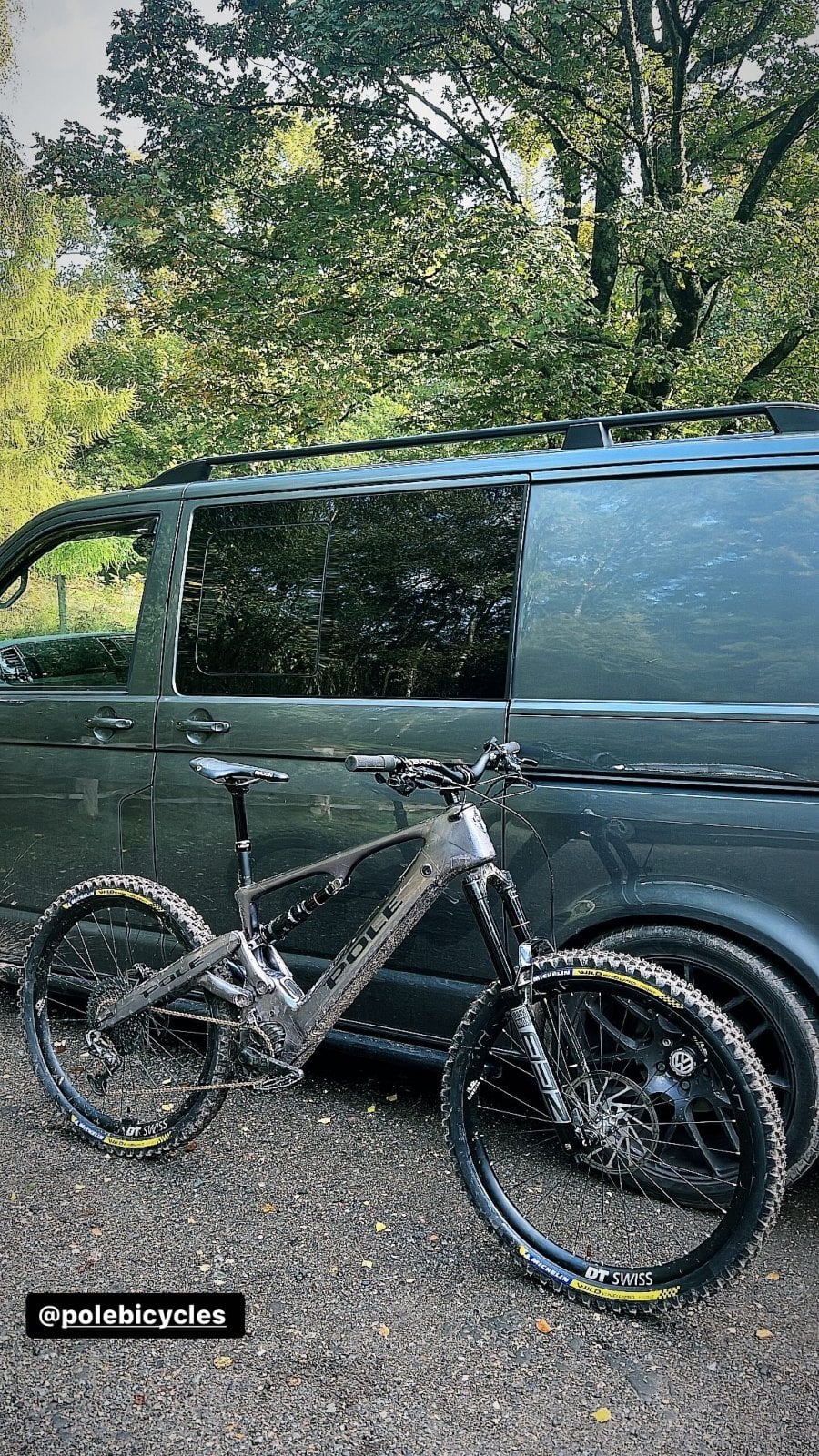
Full battery today in Surrey Hills. Some tight twisty stuff to try. The bike corners extremely well. Probably faster to corner than my rail.
Which is kinda strange as the internet says big bikes with higher BB’s and long chainstays can’t corner?
In fact, I’d go as far as saying that it’s *easier* to move weight from side to side, when pedals are level, especially when the bike is on a neutral weight (ie not compressed or sagged into the travel) as the arc and rider weight distribution is placed higher versus the wheel axles. Makes sense physically.
In addition to that, higher BB and 160mm cranks have obvious pedal clearance benefits when climbing
I really believe in this bike.
Which is kinda strange as the internet says big bikes with higher BB’s and long chainstays can’t corner?
In fact, I’d go as far as saying that it’s *easier* to move weight from side to side, when pedals are level, especially when the bike is on a neutral weight (ie not compressed or sagged into the travel) as the arc and rider weight distribution is placed higher versus the wheel axles. Makes sense physically.
In addition to that, higher BB and 160mm cranks have obvious pedal clearance benefits when climbing
I really believe in this bike.
Last edited:
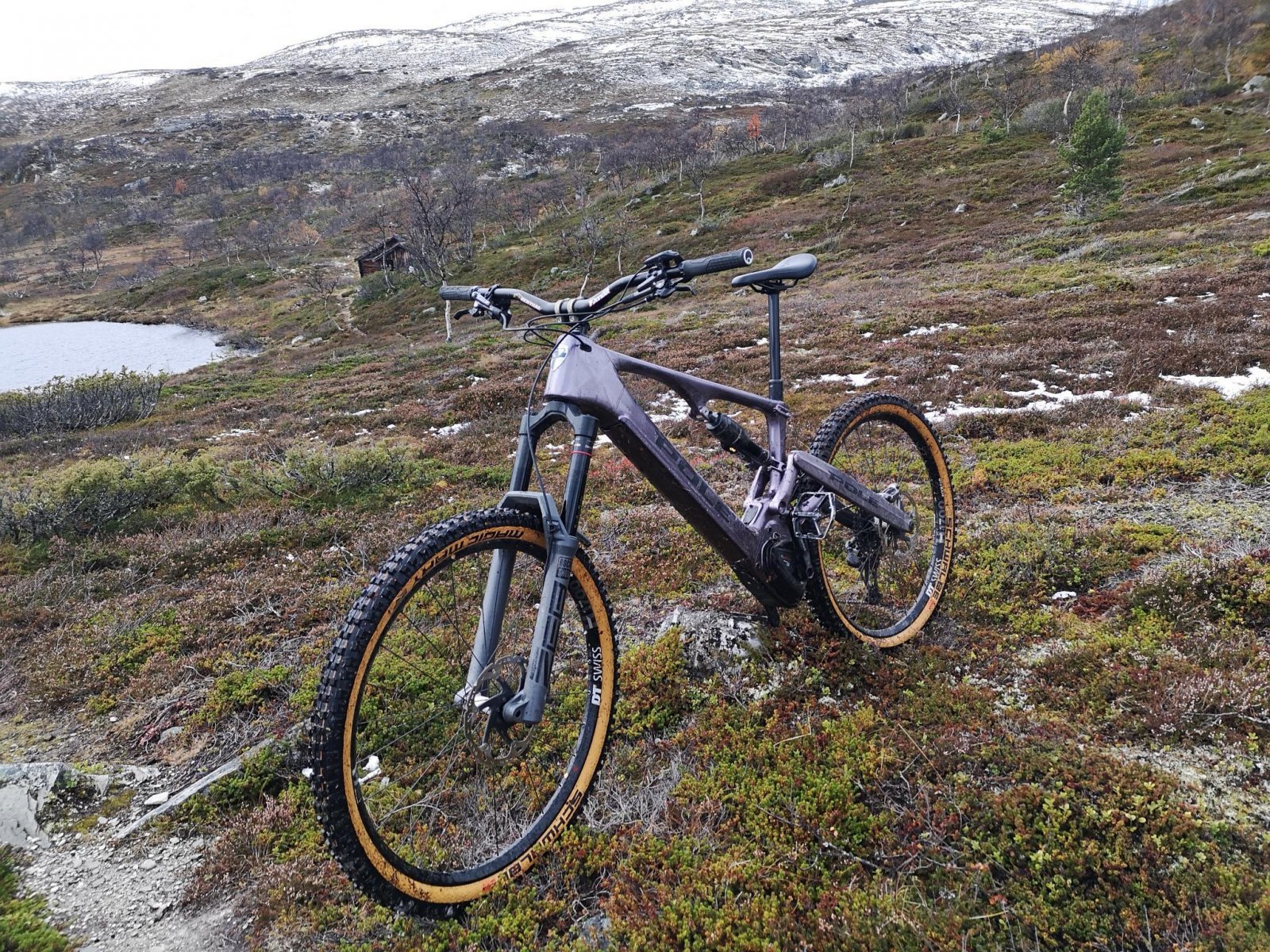
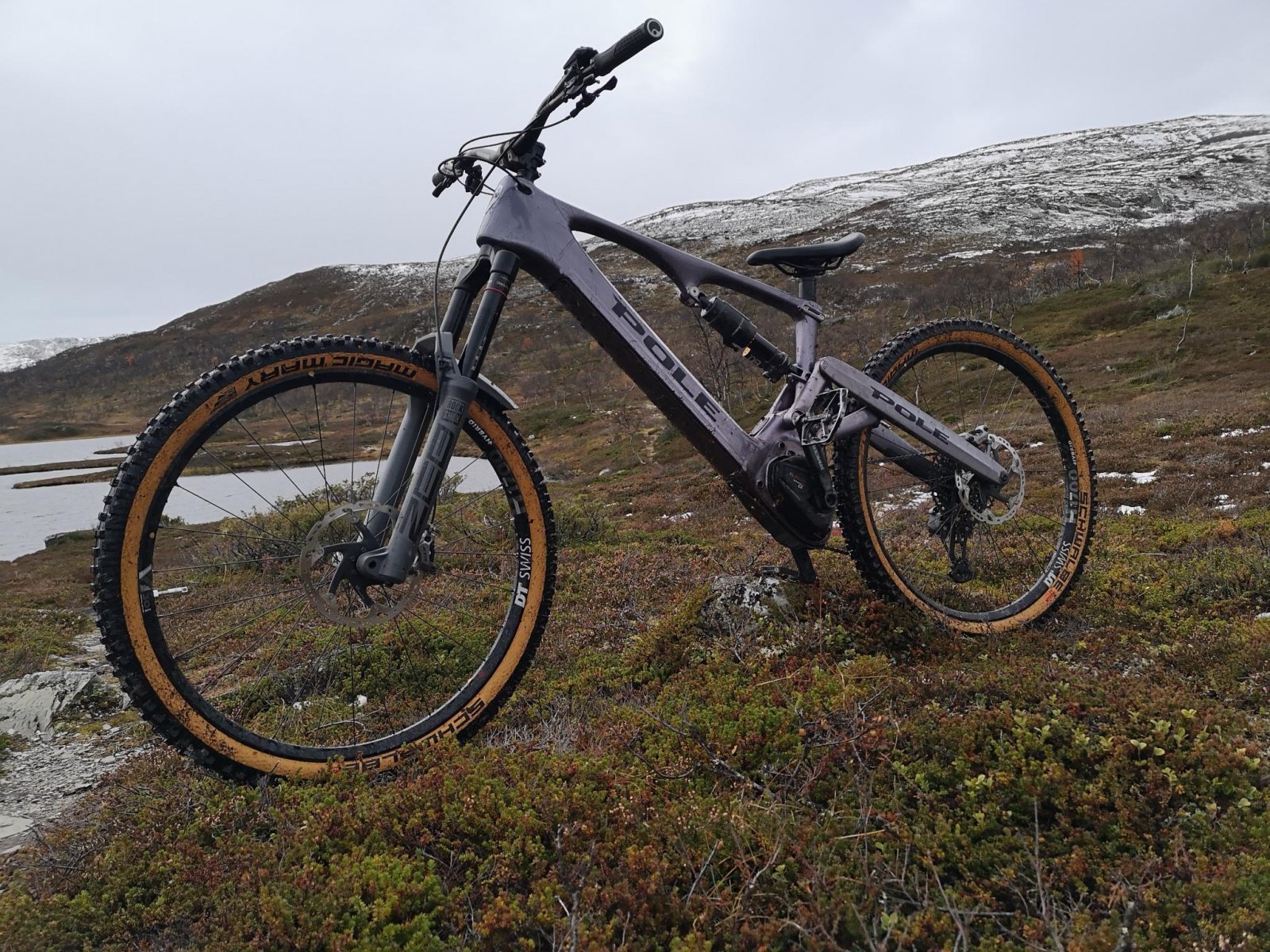
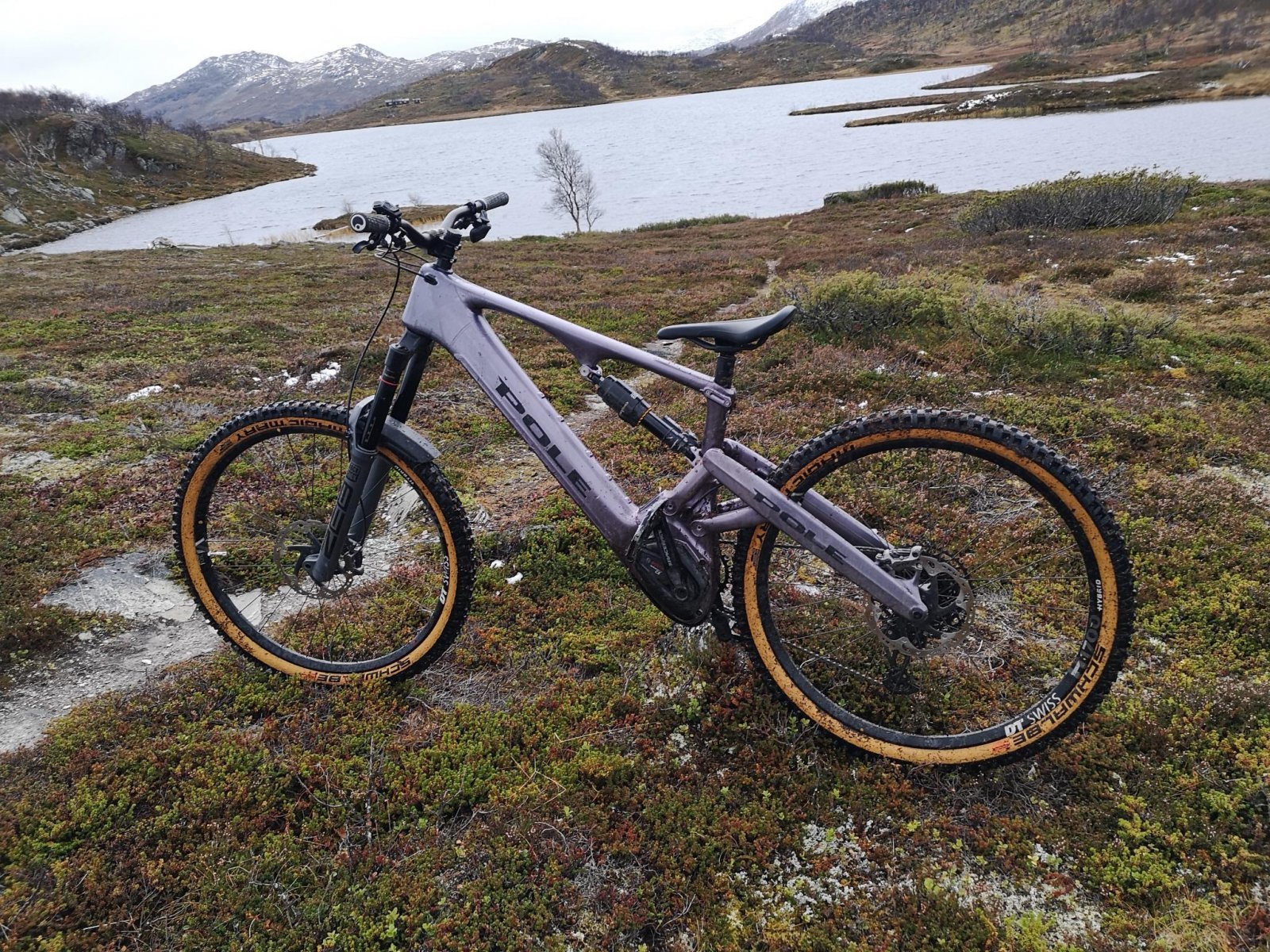
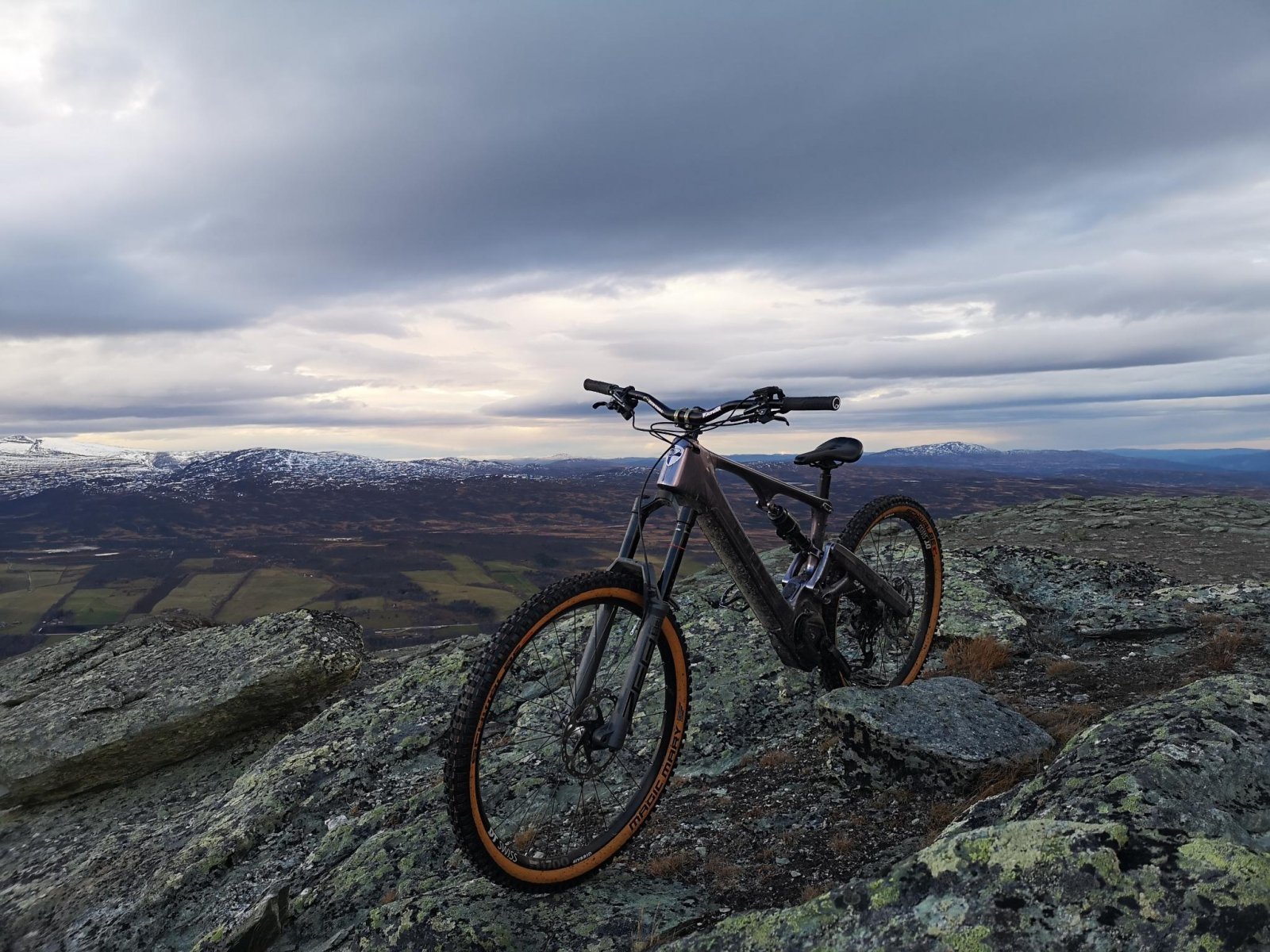
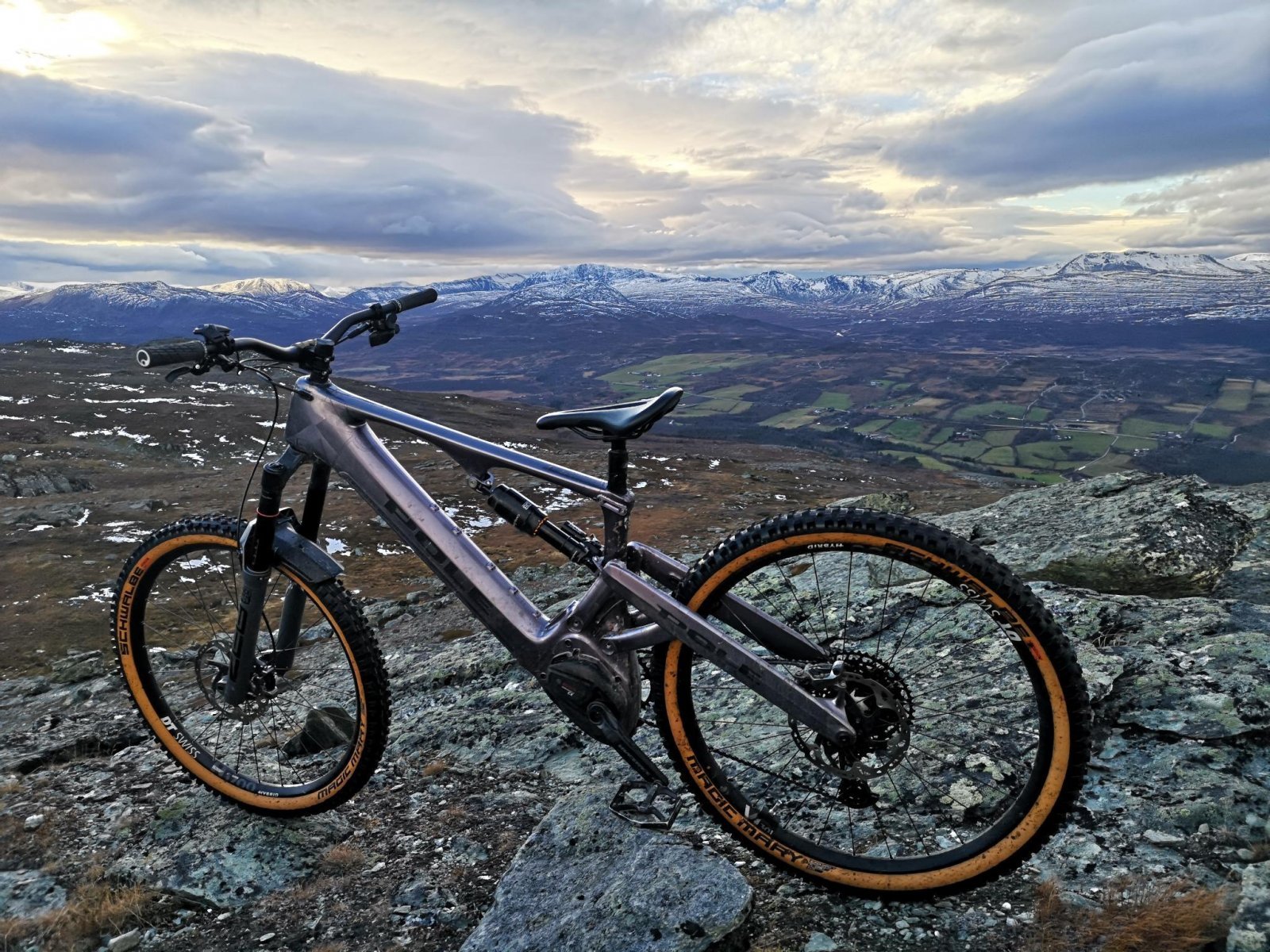
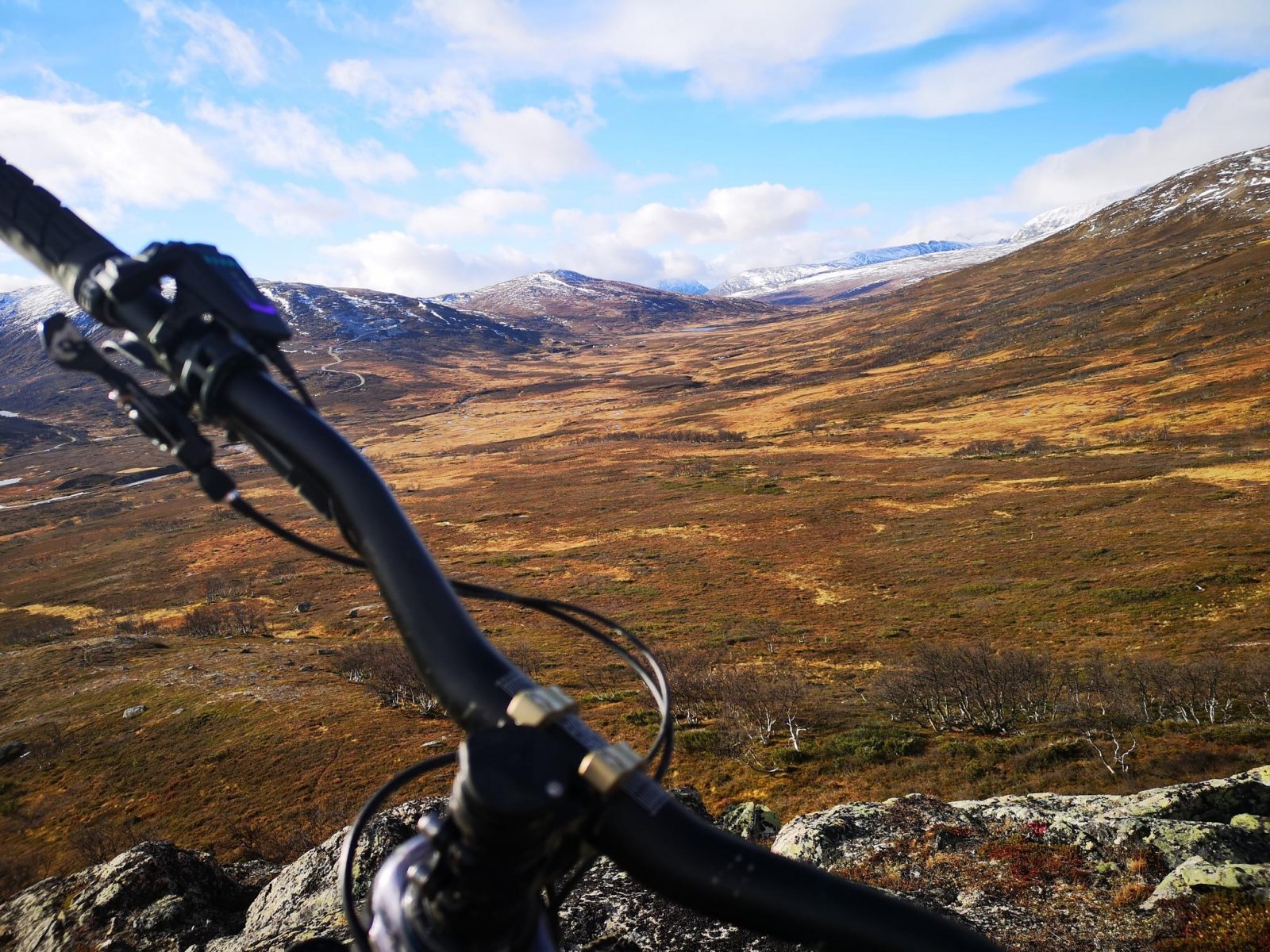
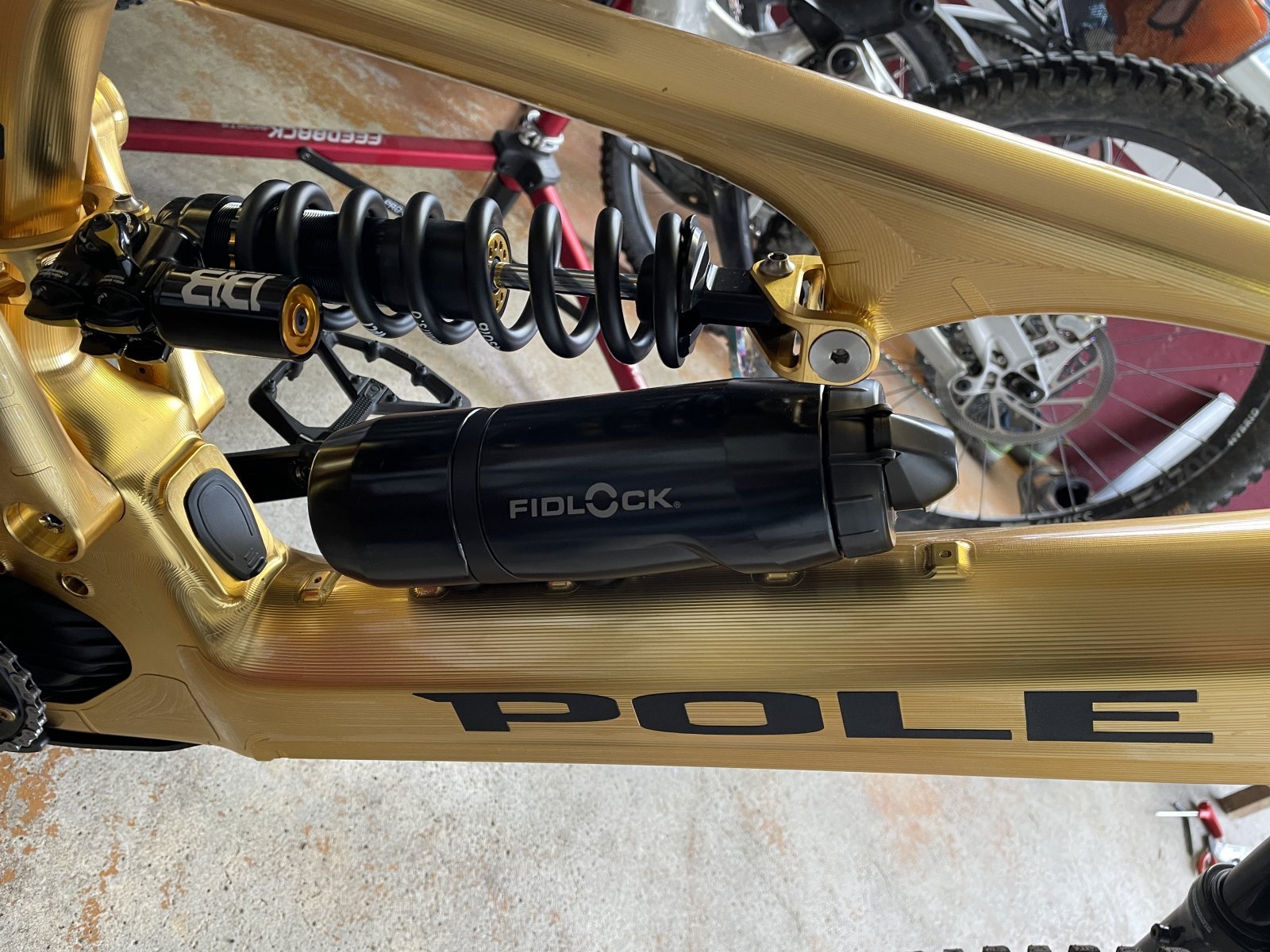
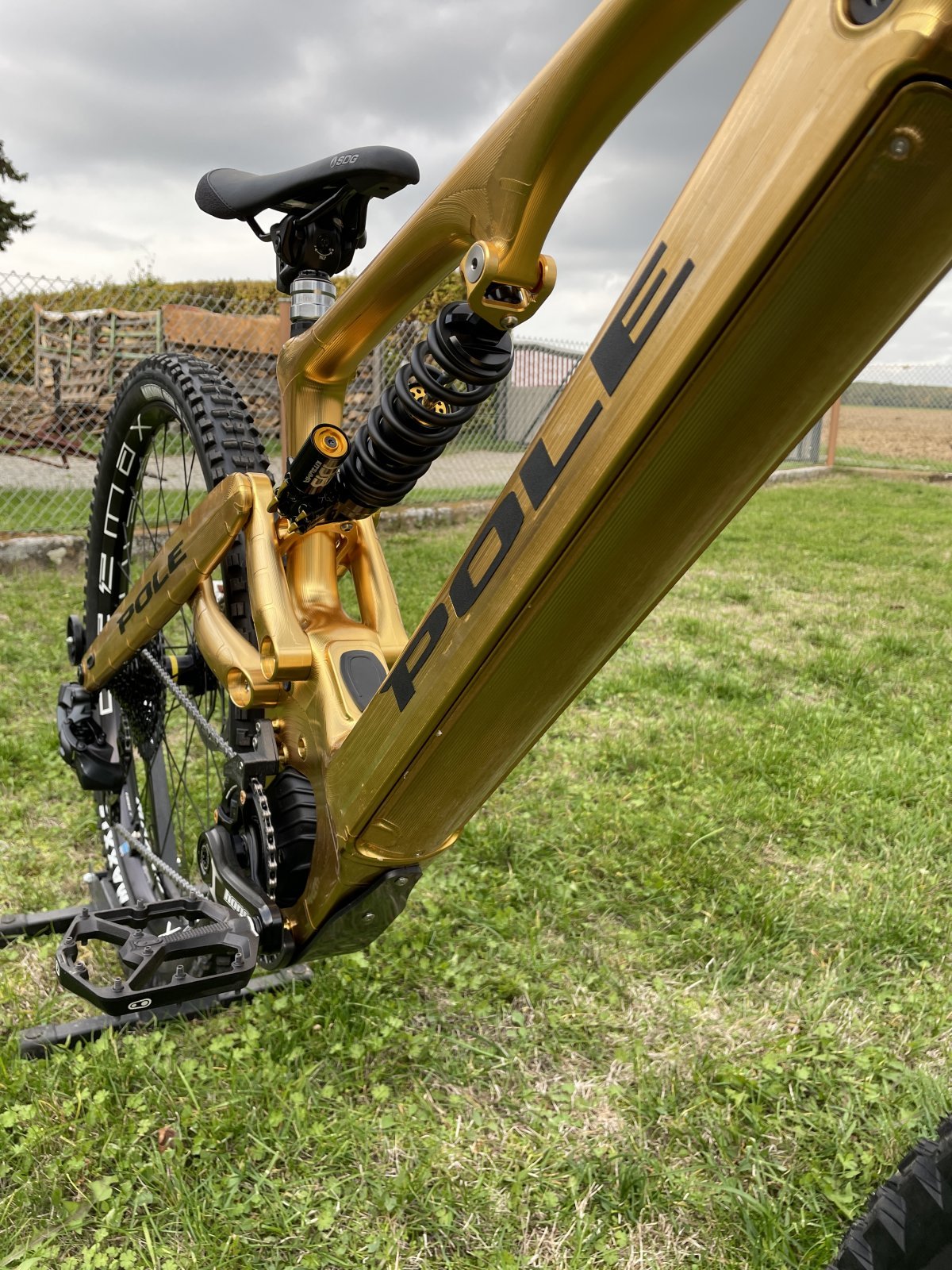
Leo,Sure!
I'm 179cm and 79kg
80Psi on the fork, three clicks on LSC, zero clicks HSC from full open.
190psi rear SLDX MY23, (maybe two tokens) Low and high speed open, LSR four clicks from full open.
155mm cranks, 800mm wide, and 50mm rise handlebar with 35mm stem, 10mm stack.
Maxxis Assegai 2,5 DH 1,7 bar front
Maxxis DHR 2 2,4 DH 1,8 bar rear.
Huck Norris Hamburger 55mm front and back
Mavic E-Deemax S wheels.
Trickstuff Maxima 200mm front and rear.
Photos are mainly from Bike Park, but I ride trails with the same setup.
Leo Kokkonen | Strava Athlete Profile
Leo Kokkonen is an athlete using Strava. Join Strava to track your activities, analyze your performance, and follow friends. Strava members can plan routes, participate in motivating challenges, and join clubs. Get started by signing up for free.
View attachment 99250
View attachment 99251View attachment 99256
View attachment 99258View attachment 99259View attachment 99260
Do you have any settings for the Cane Creek DB shock coming on most bikes? Also what size frame are you riding? Thx
For any Voima owners ... it's like the birthing video of your new baby ...
I feel like I just watched C3PO get built ....
I feel like I just watched C3PO get built ....
Last edited:
Similar Threads


Free account
Join 43,233
eMTB riders
eMTB riders
One tap. No forms. Fewer ads.
or sign up with email
Already a member? Log in