
This is English language forum, in case you haven't noticed.Minha pedalada aqui é XC e XCM, minha bike tem suspensões de 100mm e agora estou começando com a CEF50 com M820 e estou adorando, ela é superior em quase tudo, exceto em algumas singles com solavancos. Sou um ciclista leve com 72kg, mas meus joelhos estão doendo quando eu forço em subidas, minha única reclamação é um atraso de 1 ou 2 segundos para desligar o motor. Às vezes saio sem um parceiro e nessa condição eu faria uma pedalada mais conservadora, agora mesmo sozinho me sinto confiante em fazer pedaladas de 80km com 2000m de elevação e uma inclinação máxima de 15%. Para minha esposa estou pensando em montar uma m510.
Navigation
Install the app
How to install the app on iOS
Follow along with the video below to see how to install our site as a web app on your home screen.
Note: This feature may not be available in some browsers.
More options
Style variation
You are using an out of date browser. It may not display this or other websites correctly.
You should upgrade or use an alternative browser.
You should upgrade or use an alternative browser.
M820 or M510 ?
- Thread starter souftosouf
- Start date

Since I use a translator, I translated everything into English, but my browser translated it when I posted.This is English language forum, in case you haven't noticed.


Translate again
My riding here is XC and XCM, my bike has 100mm suspension and now I'm starting with the CEF50 with M820 and I'm loving it, it's superior in almost everything, except for some singles with bumps. I'm a light cyclist at 72kg, but my knees are acting up when I push on climbs, my only complaint is a 1 or 2 second delay in turning off the engine. Sometimes I go out without a partner and in that condition I would do a more conservative ride, right now even alone I feel confident in doing 80km rides with 2000m of elevation and a maximum orientation of 15%. For my wife I'm thinking of putting together an m510.

I don't know if i have an 2.01, but i have controller differency on my 2 FC2 (1 is an FC1 with FC2 controler). one can be seeted at 400 for assist %, the other 350 max. As i never use boost mode, i don't really feel differencybetween the 2 in useI don't know if i have an 2.01, but i have controller differency on my 2 FC2 (1 is an FC1 with FC2 controler). one can seet at 400% for assistl %, the other 350 max. As i never use boost mode, i don(t really feel differency in use

mike_kelly
E*POWAH Elite
Should make a correction that the M820 is 600grams llighter, almost 2 lbs, not .600g. It is a big difference if you are trying to make a lightweight bike.Thanks everyone for your replies. I wanted to correct some things that I haven't made clear yet:
My TSDZ2B is really good; I can climb 3% hills at 25kph with almost no effort. If the M820 is as good, I'm fine with that. Buying the best tool is part of the plan. I want a Bafang so I can configure it myself.
So far, the information that I understand:
And the question that I have now:
- M510 is too powerful out of the box.
- M820 can't compete with CX Gen 4.
- What's the purpose of the M820 when the M510 is more powerful for just 0.600g more?
- Is the M510 reliable?

@souftosouf Hello! I currently have a Tongsheng TSDZ2B motor with a 52V 750W firmware. I want to replace it with a Bafang motor, and I'm leaning towards the M820. I have a question: is its power equivalent to the TSDZ2 that you have (or had)?Also, with my current motor, I can ride for a long time on flat surfaces (asphalt) at a speed no faster than 35 km/h (with a limit of 60 km/h). Did you experience the same? And can you ride faster for a long time with the M820?
souftosouf
Member
- Thread starter
- #38
Hey how you doing ? i still have both, i use the TSDZ2B for commuting, and the M820 for mountain biking (400km so far since august).@souftosouf Hello! I currently have a Tongsheng TSDZ2B motor with a 52V 750W firmware. I want to replace it with a Bafang motor, and I'm leaning towards the M820. I have a question: is its power equivalent to the TSDZ2 that you have (or had)?Also, with my current motor, I can ride for a long time on flat surfaces (asphalt) at a speed no faster than 35 km/h (with a limit of 60 km/h). Did you experience the same? And can you ride faster for a long time with the M820?
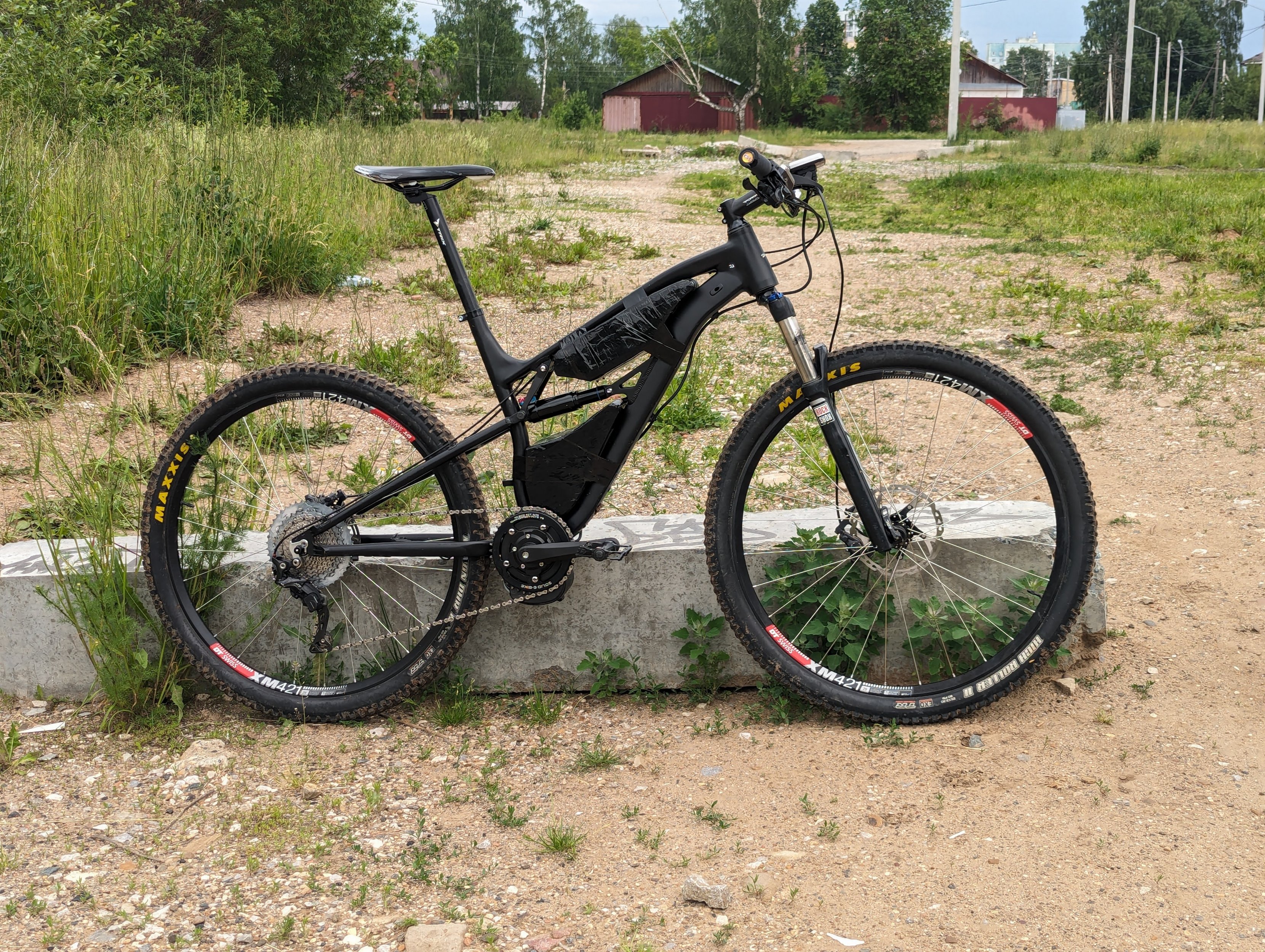
View attachment 156400
So far, i dont regret buying the M820. Its as powerfull as the TSDZ2B. But the power delivery is different (1 sec overrun more on the M820 but more natural feeling).
For me, the M820 is perfect for MTB. It doesnt draw too much power (so it has more range), but enough to climb fire roads without any issues (On boost mode its almost like a dirt bike).
If you liked the TDSZ2B, dont worry, you cant go wrong with the M820. And i'm 80kg heavy
Hey how you doing ?
For me, the M820 is perfect for MTB. It doesnt draw too much power (so it has more range), but enough to climb fire roads without any issues (On boost mode its almost like a dirt bike).
I'm doing relatively well, won't complain). Thank you for the detailed response. Just one more question: what firmware and battery are being used? I've read that people use 43V firmware with a 48V battery, which makes it more powerful. I saw that the blogger Neeko DeVinchi recorded the M820 delivering 577 watts uphill.
- YouTube
Enjoy the videos and music that you love, upload original content and share it all with friends, family and the world on YouTube.
 youtube.com
Hello! How are you? I watched your videos about the M820, and I saw you mentioned the frame implementation. What do you think about the Chinese Twitter EM19? You might have encountered it; the price is very appealing, and I plan to ride it lightly on forest trails. I need a full-suspension bike for comfort. Also, could you say something about the comparison, is the power-boosted M820 equivalent to the stock M510?Personally, I am leaning more towards the M820 system nowadays.
But I still enjoy the power and feel of the M510 when riding with other full-fat emtbs. Especially if everyone rider just sticks the bike into turbo/boost mode
View attachment 140349
Ultimately, the system is only as good as the implementation and the frame' geometry.
The above being 2 good examples.
View attachment 140353
With more options to look forward too
View attachment 140354


Twitter Bike
Twitter Bikes are designed and built in compliance with the Code of Federal Regulations of the USA. Great carbon bikes at affordable prices straight from the distributor at wholesale prices. Fast shipping from the USA.
 twitterbikeusa.com

Neeko DeVinchi
E*POWAH Elite World Champion
Sincere apologies for the delay.Hello! How are you? I watched your videos about the M820, and I saw you mentioned the frame implementation. What do you think about the Chinese Twitter EM19? You might have encountered it; the price is very appealing, and I plan to ride it lightly on forest trails. I need a full-suspension bike for comfort. Also, could you say something about the comparison, is the power-boosted M820 equivalent to the stock M510?
Twitter Bike
Twitter Bikes are designed and built in compliance with the Code of Federal Regulations of the USA. Great carbon bikes at affordable prices straight from the distributor at wholesale prices. Fast shipping from the USA.
I can't comment from "hands-on" experience concerning the Twitter ebikes, as they only offer 3 frame sizes with the large having a reach of roughly 480mm.
The reason I chose the CEF50 was because the XL has a reach of over 500mm. This suits me at a height of 6foot 3inches.
I have colleagues who dabble in emtb framesets and Chinese framesets who are shorter than myself. So I'll forward your enquiry to them and update you on any info they relay


Adam Anderson
Member
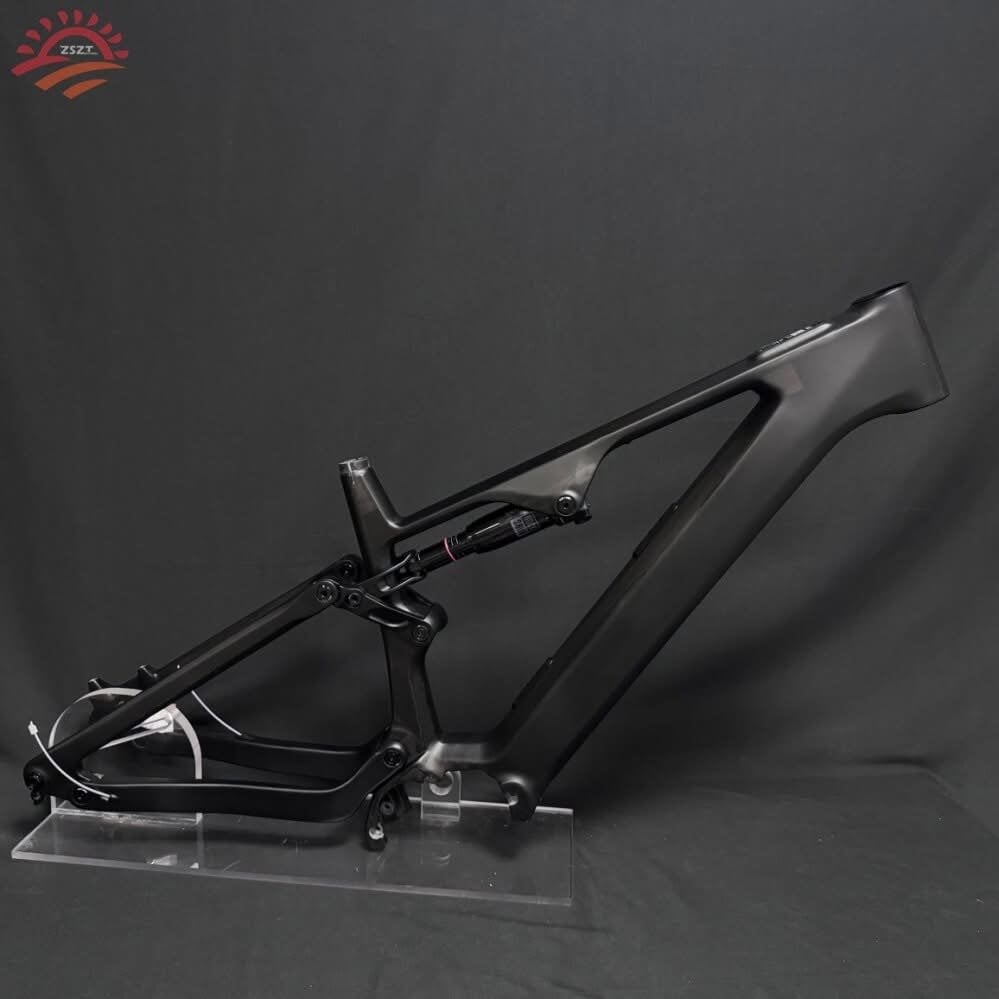
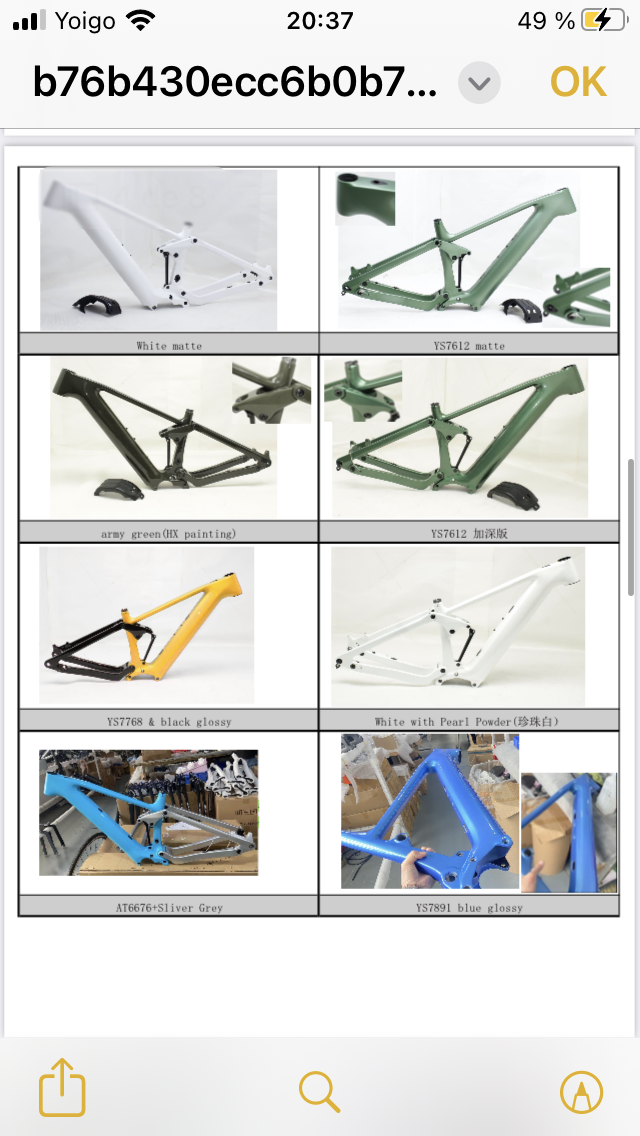
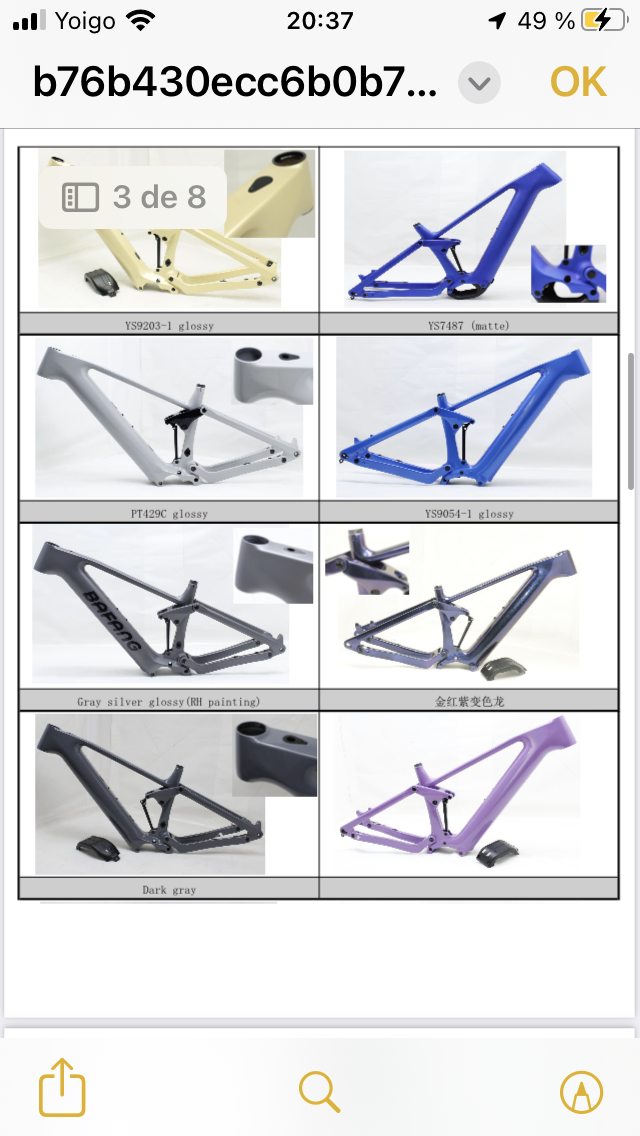
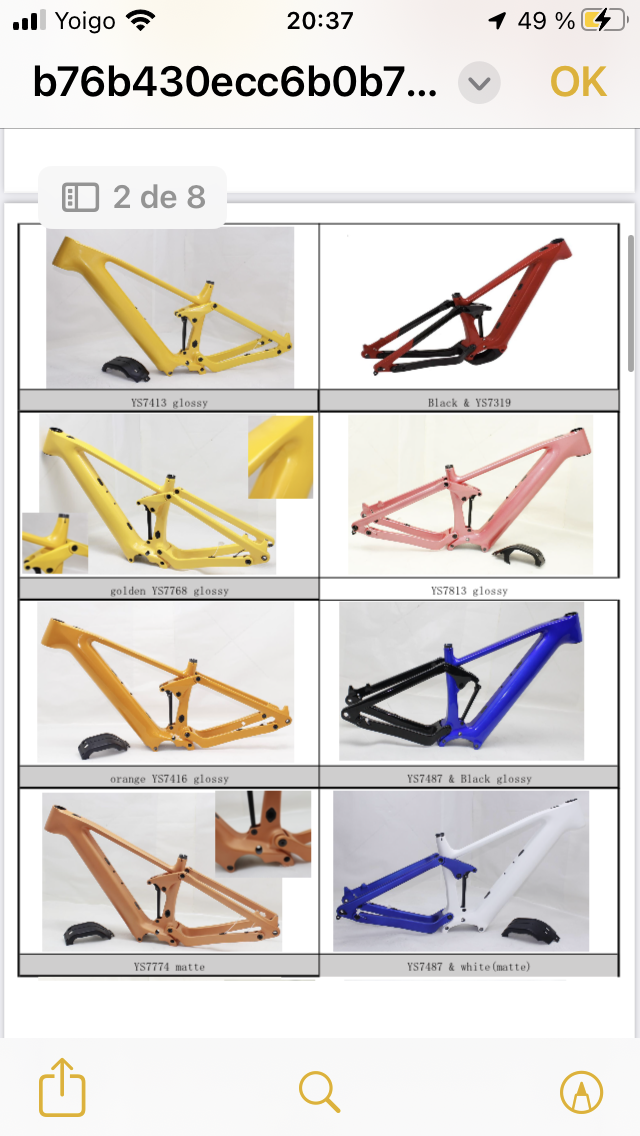
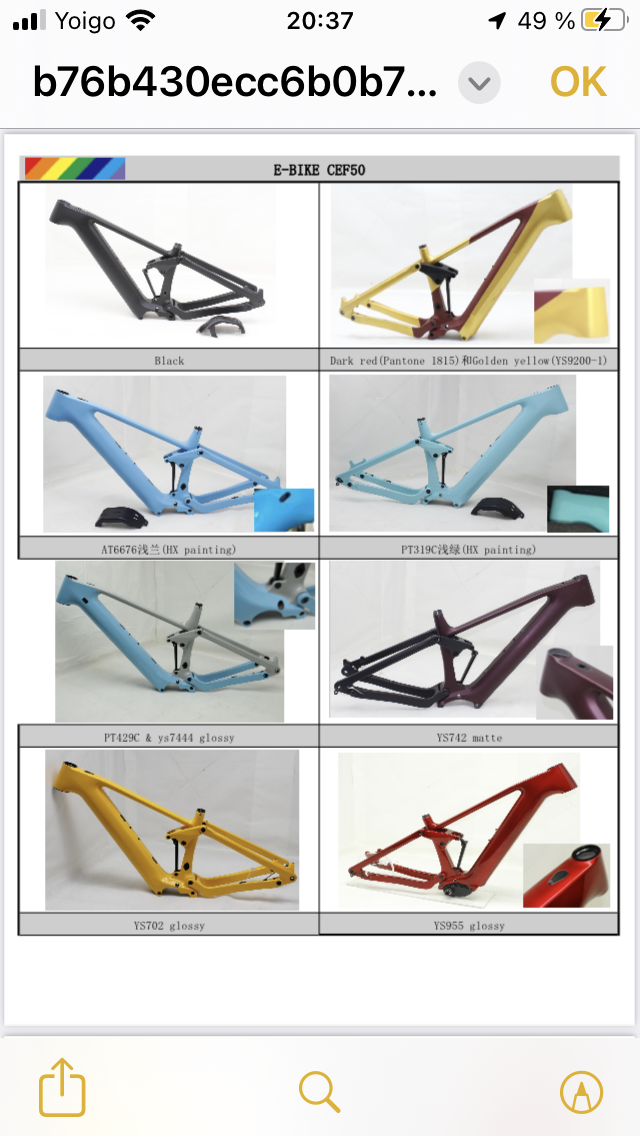
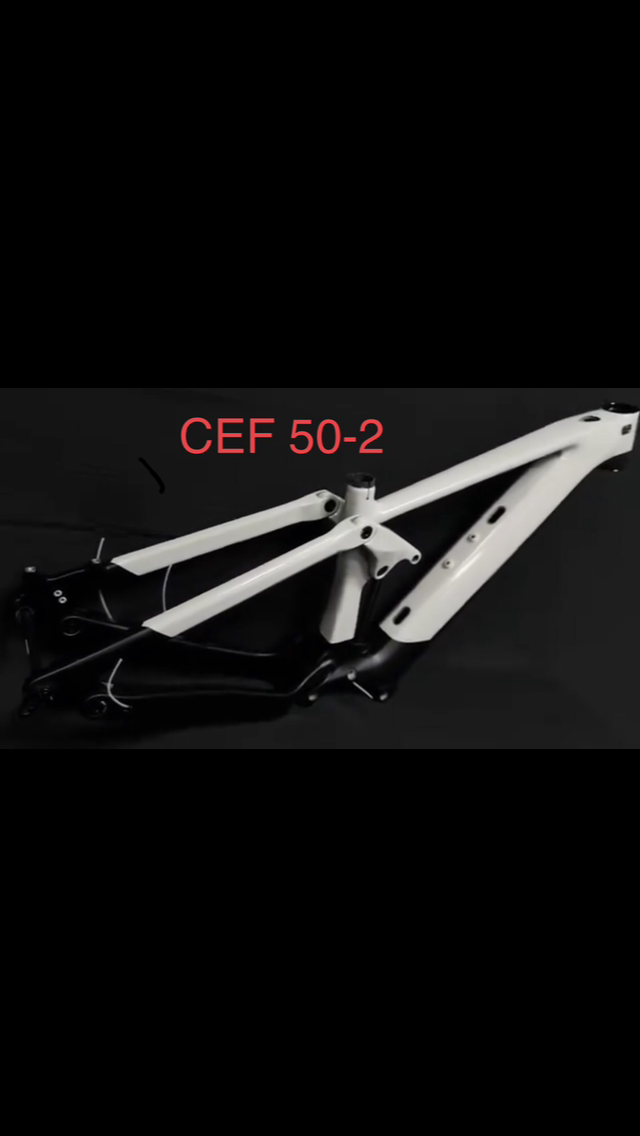
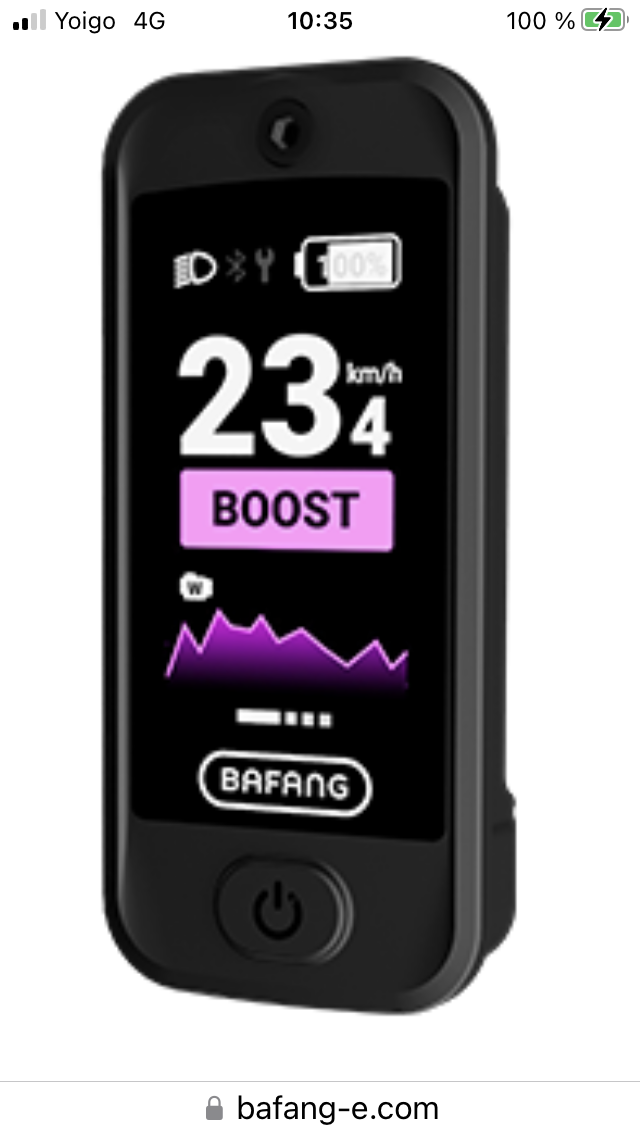
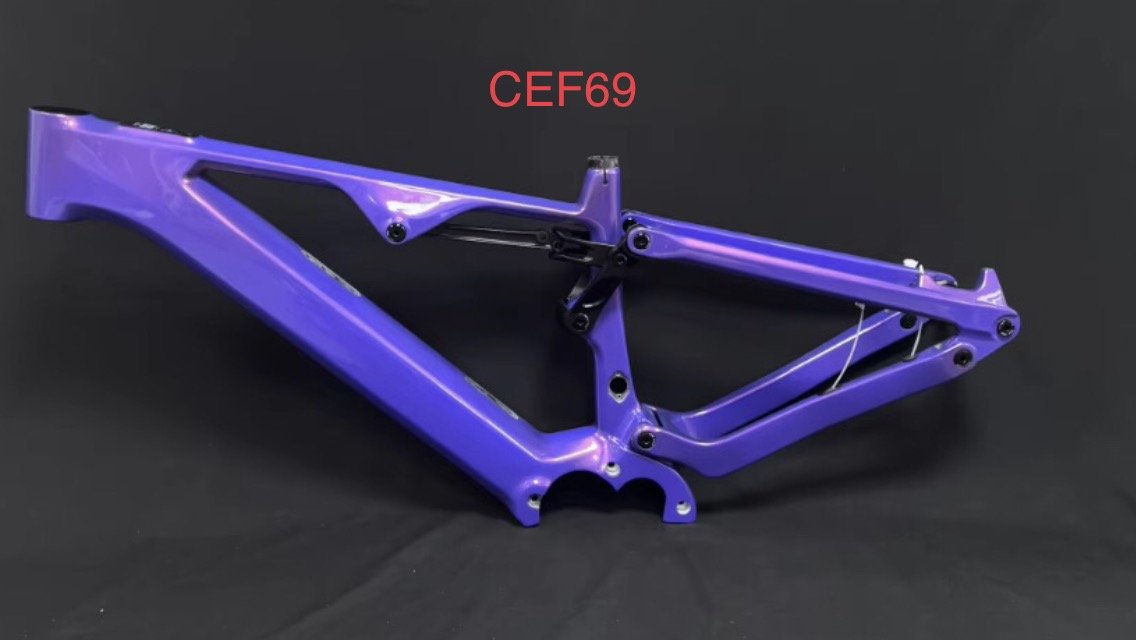
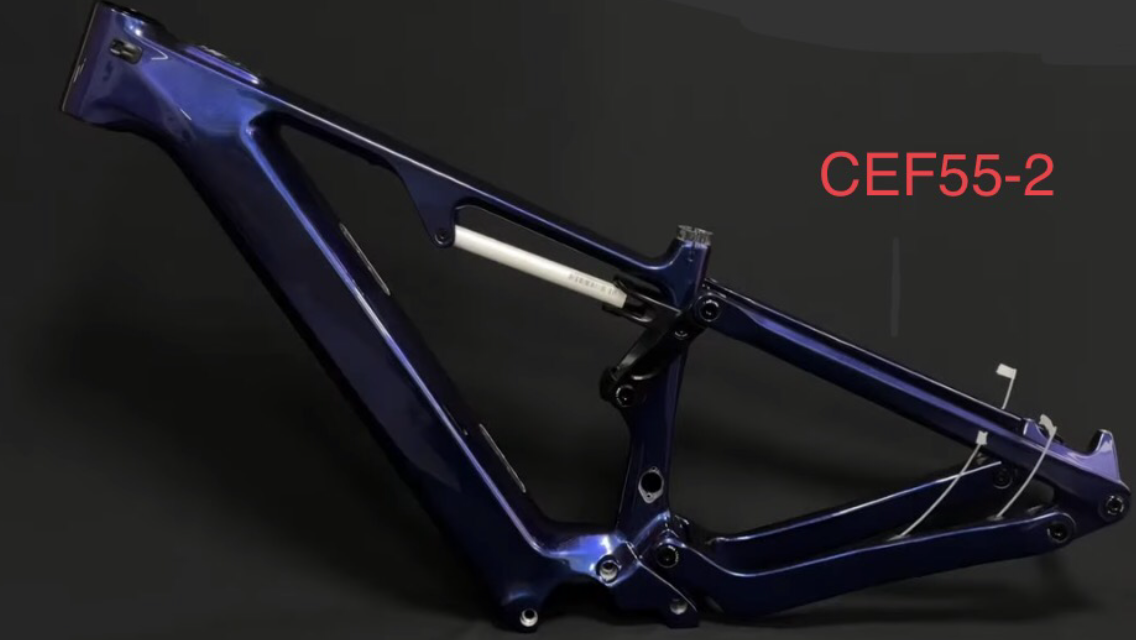
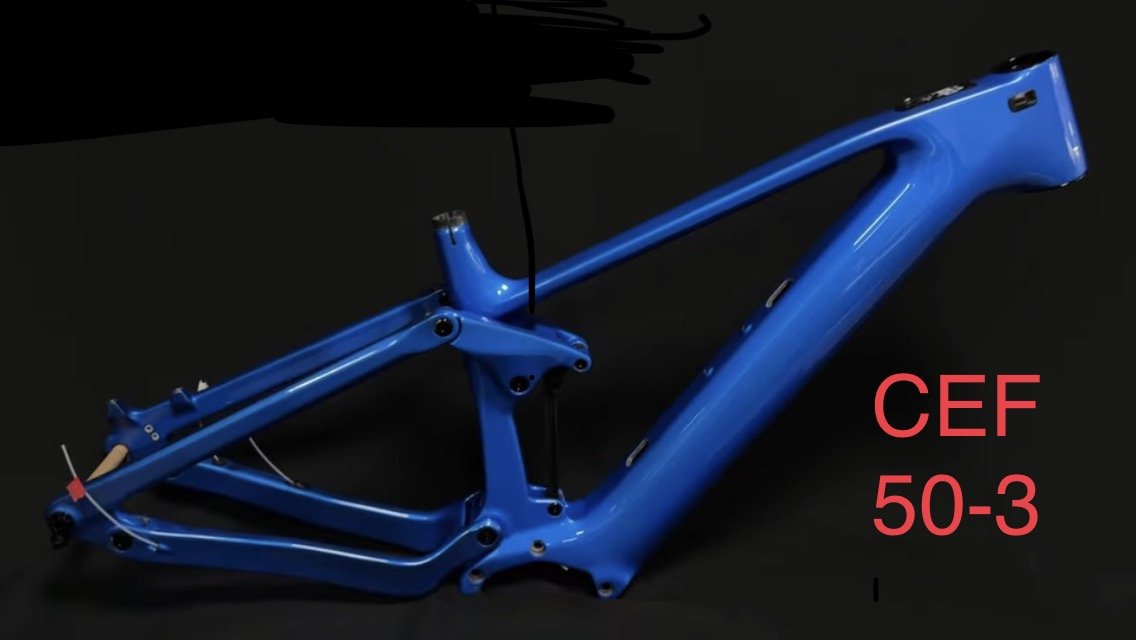
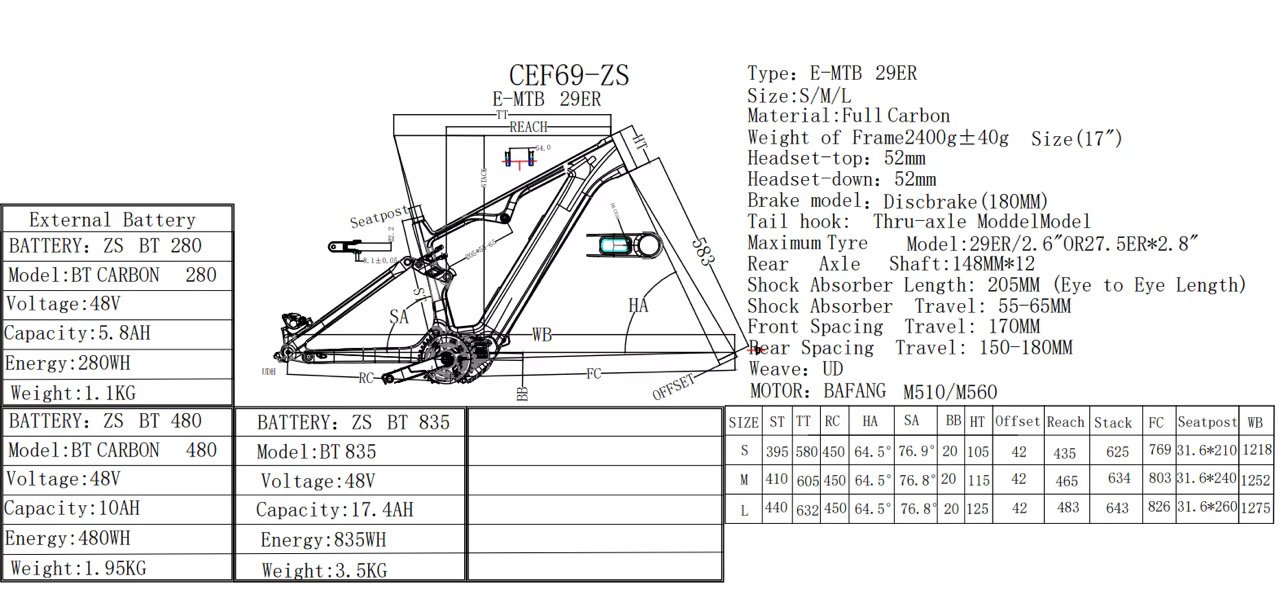
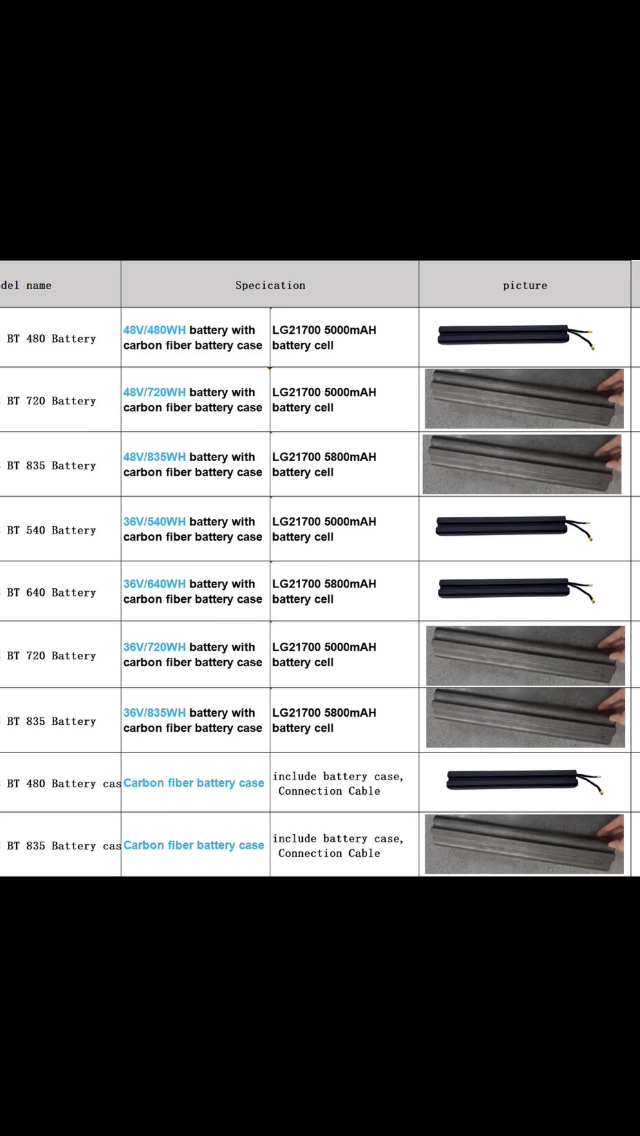
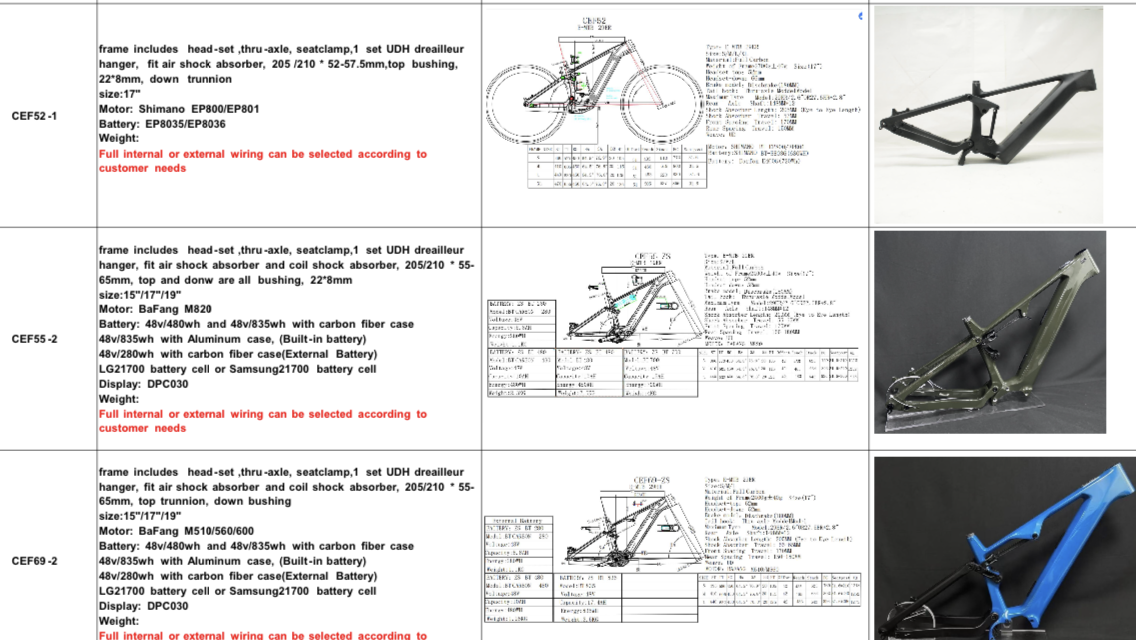
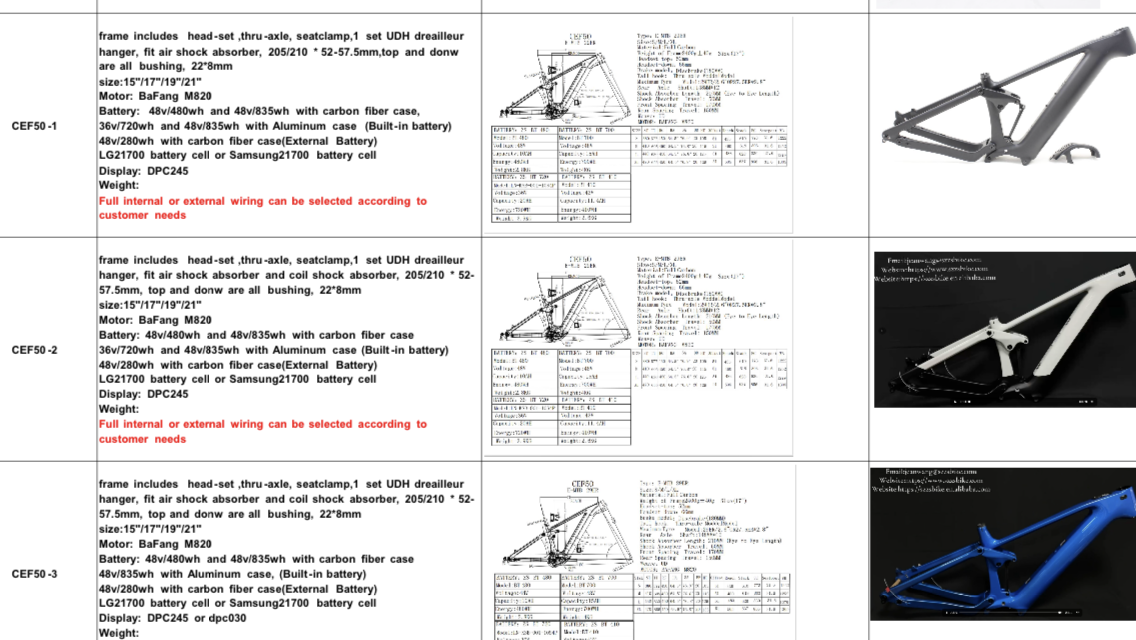
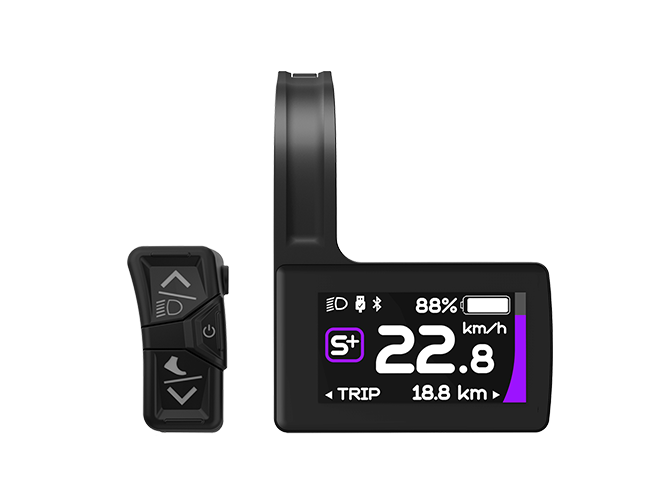
Website?We will be distributors of the SZZSbike brand with the CEF50-55-69 frames in Spain.
View attachment 166042 View attachment 166043 View attachment 166044 View attachment 166045 View attachment 166046 View attachment 166047 View attachment 166048 View attachment 166049 View attachment 166050 View attachment 166051 View attachment 166052 View attachment 166053 View attachment 166054 View attachment 166055 View attachment 166056
Question about freewheel resistance and clutch feel on the Bafang M820
Hi everyone,
Instead of starting a new thread on my question above, I thought it might be (?) more efficient and valuable to submit my question to the little sub-community gathered by this (very interesting ) thread I had been reading extensively for the last weeks about the respective merits of M820 and M510.
As for me I will go for M820 without any doubt, so I’m not here re-opening the initial comparison with M510, I have gathered sufficient info on both motors and on BOSCH CX that lead me to choose M820 against any other.
That being said, effective FREEWHEEL does matter a lot for me. I have been researching the Bafang M820 motor in detail before purchasing it for a custom lightweight TOURING BIKEPACKING build, and I’d love to get some REAL feedback from riders who actually OWN a bike equipped with the M820 motor.
Central point here is : how free and non resistance is the pedaling WITHOUT electric assistance ? (ideally zero drag from motor elements)
I’ve already compared the M820 with M510 and the Bosch Performance SX, regarding their freewheel system and clutch behavior when the motor is off (aka : no electrical assistance, battery disconnected / or empty or not even on the bike).
As a result :
From the technical specs and the internal cutaway photos of what’s inside the box view of M820 I could find,
(have a look here if interested https://lfbikes.com/es/blogs/blog/disassembly-of-bafang-m820 )
it seems that the M820 uses a similar “roller one-way clutch” system than the Bosch SX, which should, in theory, allow smooth pedaling and very low drag when riding without assistance.
Hence my question here :
Could any of you that actually possess already an M820-powered bike please share your impressions about this?
Thanks in advance for your feedback — it’ll be super helpful for those of us considering the M820 for Bikepacking custom builds !
(you might have your own opinion about travel Bikepacking with an eBike, and I will be happy to talk about the numerous variables that i have already solved on that topic, but let’s not enter into that here, as it’s a completely different and broader topic which would deserve its own dedicated thread…
for the moment let’s concentrate on this simple but tricky question about clutch spec / freewheeling in non assisted mode with motor on off mode / specifically for the M820
(as the M510 and the Bosch CX are not good at all on that aspect and we already know why ;-)
I’m looking forward to your actual REX (return of experience) in the field with YOUR M820 BIKES ;-)
Thank you
PS : two photos of the opened M820 by Disassembly of BAFANG M820
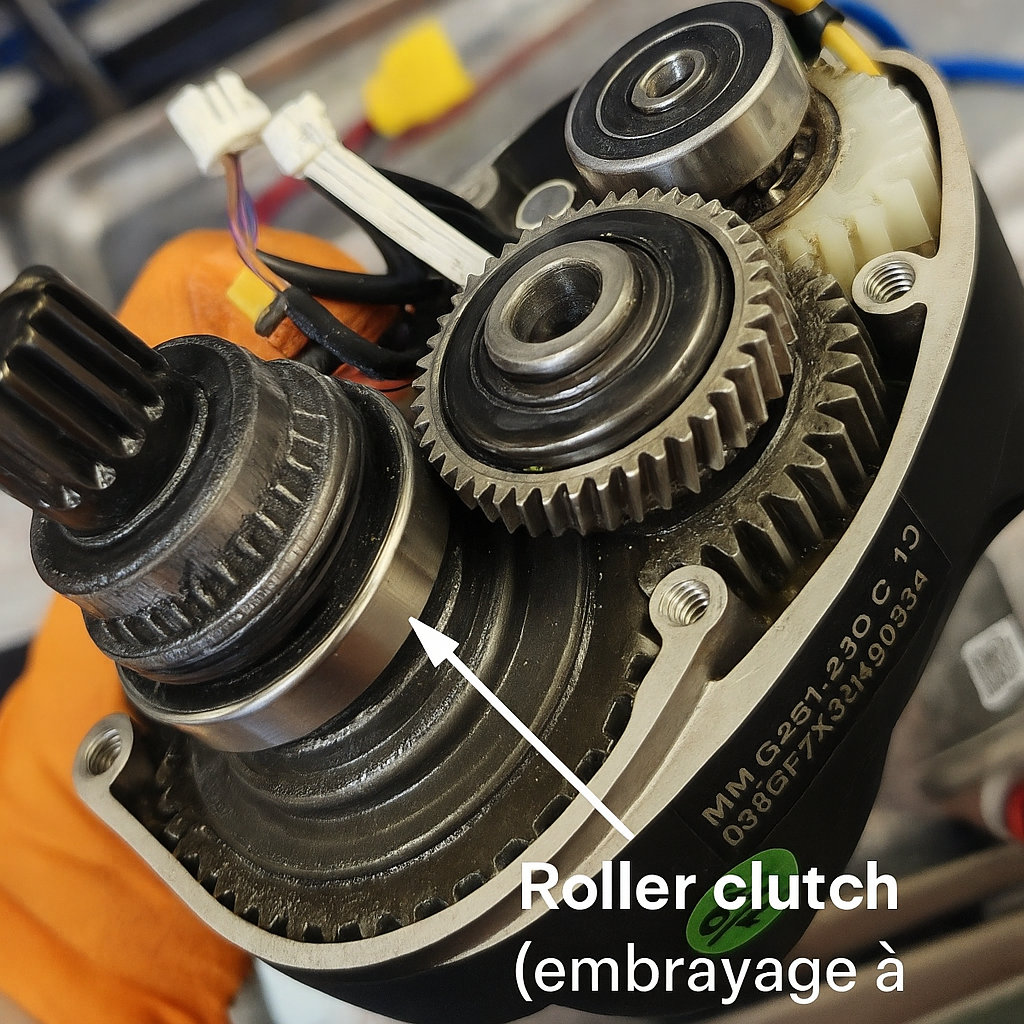
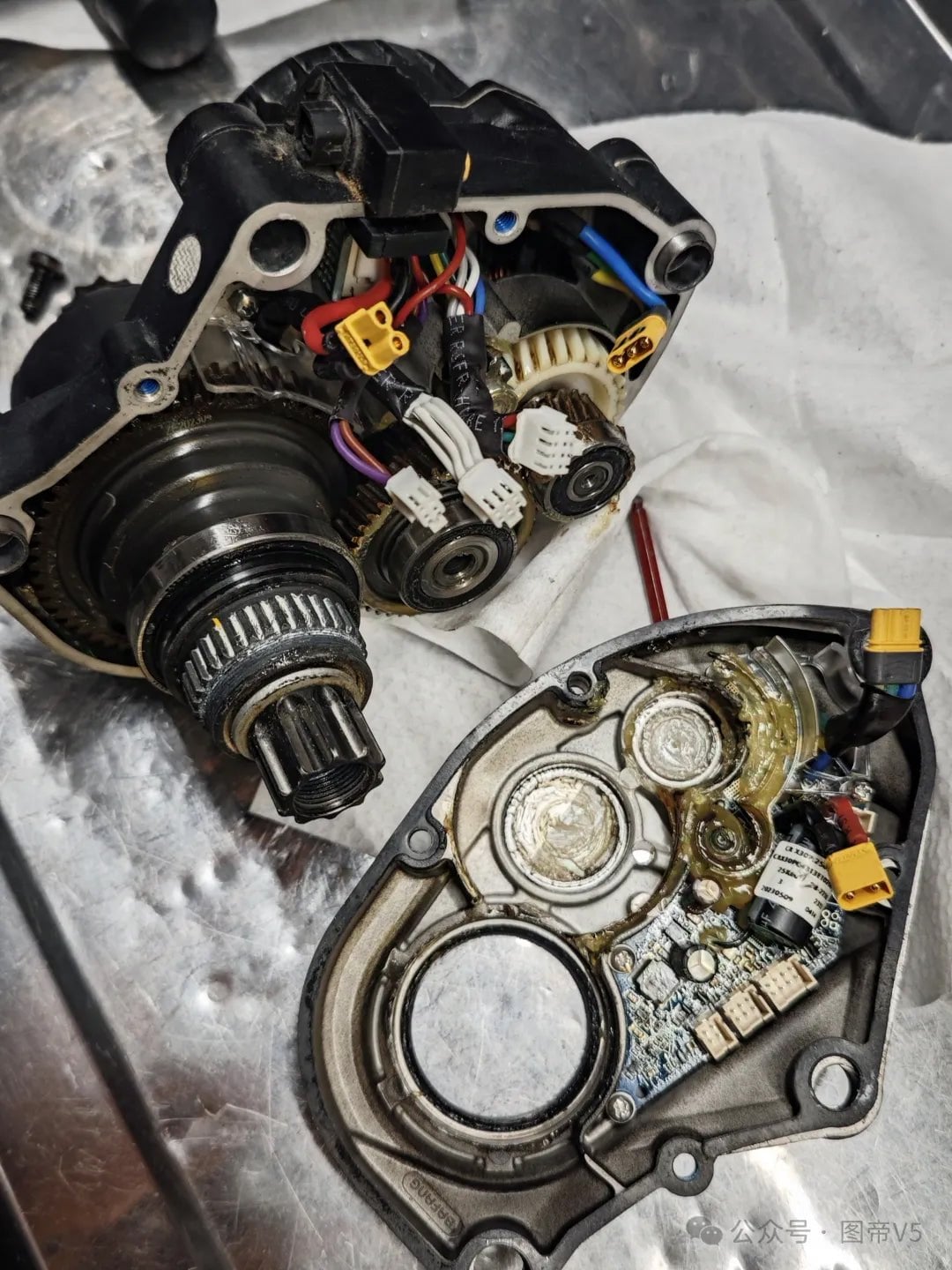
Hi everyone,
Instead of starting a new thread on my question above, I thought it might be (?) more efficient and valuable to submit my question to the little sub-community gathered by this (very interesting
) thread I had been reading extensively for the last weeks about the respective merits of M820 and M510.As for me I will go for M820 without any doubt, so I’m not here re-opening the initial comparison with M510, I have gathered sufficient info on both motors and on BOSCH CX that lead me to choose M820 against any other.
That being said, effective FREEWHEEL does matter a lot for me. I have been researching the Bafang M820 motor in detail before purchasing it for a custom lightweight TOURING BIKEPACKING build, and I’d love to get some REAL feedback from riders who actually OWN a bike equipped with the M820 motor.
Central point here is : how free and non resistance is the pedaling WITHOUT electric assistance ? (ideally zero drag from motor elements)
I’ve already compared the M820 with M510 and the Bosch Performance SX, regarding their freewheel system and clutch behavior when the motor is off (aka : no electrical assistance, battery disconnected / or empty or not even on the bike).
As a result :
From the technical specs and the internal cutaway photos of what’s inside the box view of M820 I could find,
(have a look here if interested https://lfbikes.com/es/blogs/blog/disassembly-of-bafang-m820 )
it seems that the M820 uses a similar “roller one-way clutch” system than the Bosch SX, which should, in theory, allow smooth pedaling and very low drag when riding without assistance.
Hence my question here :
Could any of you that actually possess already an M820-powered bike please share your impressions about this?
- How does the bike feel when pedaling with the motor off — is there any noticeable drag or mechanical resistance?
- What’s the sensation like when you backpedal slightly — does the crank spin freely, or do you feel some internal friction (at the beginning which may disappear after a while?) ?
- And more generally, how would you describe the freewheel / coasting behavior compared to other e-MTB or lightweight e-road systems you’ve tried ?
Thanks in advance for your feedback — it’ll be super helpful for those of us considering the M820 for Bikepacking custom builds !
(you might have your own opinion about travel Bikepacking with an eBike, and I will be happy to talk about the numerous variables that i have already solved on that topic, but let’s not enter into that here, as it’s a completely different and broader topic which would deserve its own dedicated thread…
for the moment let’s concentrate on this simple but tricky question about clutch spec / freewheeling in non assisted mode with motor on off mode / specifically for the M820
(as the M510 and the Bosch CX are not good at all on that aspect and we already know why ;-)
I’m looking forward to your actual REX (return of experience) in the field with YOUR M820 BIKES ;-)
Thank you
PS : two photos of the opened M820 by Disassembly of BAFANG M820
Website?
In private, on Facebook as Charly Boje, I can give you a quote and give you information about everything.I am a sales representative for the Szzsbike brand in Spain.Website?
I own two Bafang M820 48V ebikes.
1 - CEF50 (mine), firmware CRX30PC4812E102006.1.
2 - CEF55 (wife), firmware CRX304313E102004.5.
Now, let's look at the differences in practice. I find "1" to be conservative, with standard acceleration and a power cut below 22%, very smooth when turning off the engine, to the point that drag is present. I believe it's psychological because it's off and heavy. I notice that the engine pulls for about 2 seconds after stopping pedaling with the engine running.
Now, let's talk about "2." It delivers more power, a battery cut below 10%, adjusted for maximum acceleration, and the clutch automatically turns off when stopping pedaling with the engine running, and with the engine off, there's no apparent drag. She believes I made adjustments due to the different profiles between my wife and I, and that the M510 would have been a better choice for her.
For people who cycle touring, if you use the bike in eco/trail mode to compensate for the weight of luggage without losing the feeling of pedaling, the m820 motor is perfect. I am an XCM cyclist and do 100km rides with 2000m of elevation, alternating between the motor and legs, the motor on climbs and legs at other times, the motor is perfect.
1 - CEF50 (mine), firmware CRX30PC4812E102006.1.
2 - CEF55 (wife), firmware CRX304313E102004.5.
Now, let's look at the differences in practice. I find "1" to be conservative, with standard acceleration and a power cut below 22%, very smooth when turning off the engine, to the point that drag is present. I believe it's psychological because it's off and heavy. I notice that the engine pulls for about 2 seconds after stopping pedaling with the engine running.
Now, let's talk about "2." It delivers more power, a battery cut below 10%, adjusted for maximum acceleration, and the clutch automatically turns off when stopping pedaling with the engine running, and with the engine off, there's no apparent drag. She believes I made adjustments due to the different profiles between my wife and I, and that the M510 would have been a better choice for her.
For people who cycle touring, if you use the bike in eco/trail mode to compensate for the weight of luggage without losing the feeling of pedaling, the m820 motor is perfect. I am an XCM cyclist and do 100km rides with 2000m of elevation, alternating between the motor and legs, the motor on climbs and legs at other times, the motor is perfect.
…/… alternating between the motor and legs, the motor on climbs and legs at other times, the motor is perfect.
Yes, all my research led me to believe that too, and your way of riding is exactly my intention while BikeTouring, it’s actually the reason why I think I will go with the M820 instead of any other motor I know ….
But still : drag or no drag is paramount and is caused or is suppressed by motor design. Firmware and software might influence it what I’m interested in is the actual behavior of pedaling this middrive motor when shut down.
Therefore without any possible interference (i guess) from the firmware software setup by the user through EggRider or BESST Pro Tool (this custom fine tuning of the motor behavior by the user himself IS the HUGE advantage of BAFANG and similar against closed encrypted system BOSCH, but it is not my point here ;-)
Actually the test I would like anyone owning already an M820 bike (because I can’t at my pre-purchase and custom bike building stage) is both simple and tricky (because somehow subjective) :
. motor turned off, and or battery disconnected, no e-assistance
. riding the bike as a normal bike
=> do you feel any drag (due to inside motor friction at bearings and rotors level),
compared to what it would be to be pedaling with a normal (bearings) Bottom Bracket ?
This simple point is paramount (for me) on a midterm long term Bikepacking biketouring / travelling :
using the bike without E-assistance should not be restrained by the internal mechanisms of a turned off motor or dead battery (or with a battery left charging at a warm shower home or at a camping while making a non Electric ride ;-)
How do you feel your ride when you are freewheeling pedaling without E-assistance ?
Do you feel fully free, or is there any resistance, or any inside motor slight noise of some parts in (even slight) friction ?
I guess that none of the custom firmware and software profiles previously set up by you and your wife on your respective set-ups could interfere or influence the results of this test if the motor / battery is actually shut down.
I may be wrong, but as I see it, the results of this “naked non assisted pedaling with a middrive motor in this case a Bafang M820” should depend only (but strongly) on the respective construction quality of each motor, the inside components and design and build….which maybe or maybe not differ from one M820 (yours) to another M820 (your wife), but certainly differ from other motors (the M510 as far as I know, and the Bosch CX both will impose a drag to the pedaling while shut off, even if they have the clutch and freewheel, because their clutch and inside parts are NOT conceived like the M820 or the Bosch SX (built with a “clutch roller bearing one way” which helps prevent too much drag when motor is disconnected…but that’s the theory I got from all my web research on the topic….and I’m glad to have you both with your wife at the other side of this thread, sharing your actual test and feeling and practice
How does this M820 actually feel while riding without it connected ?
Error in my former message,
Please read :
* Firmware and software might influence it when motor is on, BUT what I’m interested in is the actual behavior of pedaling this middrive motor when shut down.*
Instead of :
Also I add a comment about your wife wishing maybe to switch her M820 to a M510 :
. fine tuning her firmware and controller profile with Eggrider of BSS would help get the most power when she most needs it ?
. if switching to M510 : she will gain in longer time climbing times at powerful hep than m820….but will loose in battery capacity (more powered M510 design has heavier consumption of currents and leads to faster battery discharges…)
Will post here if interested a table comparing M820 / M510 at several criteria ….which led me to choose M820 including for climbing hills ;-)
Please read :
* Firmware and software might influence it when motor is on, BUT what I’m interested in is the actual behavior of pedaling this middrive motor when shut down.*
Instead of :
Firmware and software might influence it
Also I add a comment about your wife wishing maybe to switch her M820 to a M510 :
. fine tuning her firmware and controller profile with Eggrider of BSS would help get the most power when she most needs it ?
. if switching to M510 : she will gain in longer time climbing times at powerful hep than m820….but will loose in battery capacity (more powered M510 design has heavier consumption of currents and leads to faster battery discharges…)
Will post here if interested a table comparing M820 / M510 at several criteria ….which led me to choose M820 including for climbing hills ;-)
So I'm super happy with the m820 for my riding style. I don't feel any drag when the bike is off. I've ridden the Shinamo e7000 before, and it didn't feel any heavier either.
I was thinking about keeping my other 11kg MTB XC, but that doesn't make sense anymore unless I'm taking it on a plane; batteries can't fly.
I mostly ride with friends on motorless bikes, and most of the time I don't even turn on the motor, even on slight climbs.
I was thinking about keeping my other 11kg MTB XC, but that doesn't make sense anymore unless I'm taking it on a plane; batteries can't fly.
I mostly ride with friends on motorless bikes, and most of the time I don't even turn on the motor, even on slight climbs.
I was riding a couple times M820 turned off completely. Was riding with friends on analog bikes, so to be fair play I have turned my bike off. Done about 30km a few times. I am 92kG kind of fit 44 years old fart, but I was able to keep up.How does this M820 actually feel while riding without it connected ?
Do not expect miracles, ebike is heavy, with no assistance You have to work hard.
So I'm super happy with the m820 for my riding style. I don't feel any drag when the bike is off. I've ridden the Shinamo e7000 before, and it didn't feel any heavier either.
I was thinking about keeping my other 11kg MTB XC, but that doesn't make sense anymore unless I'm taking it on a plane; batteries can't fly.
I mostly ride with friends on motorless bikes, and most of the time I don't even turn on the motor, even on slight climbs.
Your practice and your feeling both seem to confirm that this motor M820 has NO PRECEPTIBLE DRAG when riding shut down, this is very good news,
thank you very much !
I was riding a couple times M820 turned off completely. Was riding with friends on analog bikes, so to be fair play I have turned my bike off. Done about 30km a few times. I am 92kG kind of fit 44 years old fart, but I was able to keep up.
Do not expect miracles, ebike is heavy, with no assistance You have to work hard.
You’re right, eBike his heavier, and much more so with bikepacking gear adding to the weight of motor + battery + charger,
Nonetheless, and thank you for this, you too you seem to confirm the point I needed to get feedback from actual users of the M820 :
you’ve been able to ride your bike without E-assistance during 30km with your friends,
and, aside from the additional weight you had, compared to your friends’ bikes, you didn’t feel any internal piece of the motor having a friction that created any resistance feeling at the bottom bracket when you where pedaling….is that right ?
My next build steps :
A/ sourcing a reliable seller of BAFANG M820 kit.
=> where did the people here that made their own custom bikes buy their M820 kit ?
A priori I wish to avoid AliBaba and co
I wrote to BAFANG France and they replied they sell only to OEM or bike professional builders.
I will have some parts of my bike built by Kinetics, a professional bike framer, who customize Bromptons and created a MTB version of Brompton, among other magic transformations,
but would like to buy and provide him the BAFANG kit for M820 instead of him having to order it with UK duty fees + his fees +…
What are the most reliable sellers of this kit BAFANG M820 ?
B/ battery setup :
As anyone using an eBike, I will have to find my ideal compromise between battery weight / capacity / fast charge habilities and / quality (impacts the discharge and the charge and the range as of number of Wh per km)
=> What are your best battery setups ?
Setup depends of every one’s needs and usage of course, mine are :
. minimum 130 km -140 km and above range autonomy in flat and valley moderate climbs, 80 km in climbing mode combining muscular (Rohloff 14 speed hub ) and motor assistance
. fast charging ability with a 6A fast charger
. keeping weight as low as possible,
. choosing cells and case and BMS components as the more lightweight and reliable quality possible while powerful (cells)
. Eventually Custom building the battery or the set of two batteries.
. If so, aiming at a DIY copycat of Grinn LiGO 10x battery that has travelling by plane authorization because they made blocks of cells of 99 Wh that the user clips together to have a full power bike battery (6 blocks of 99 Wh get you your 600 Wh battery). Plane companies authorize to fly in cabin with up to 20 of what they consider being a “battery” providing that each one is less than 100 Wh (such as your laptop battery and Grin LiGo 10X battery…. ;-))
 ebikes.ca
As far as my research now my ideal battery setup is :
. either 2 batteries of 336 Wh (48 V × 7 Ah) = 672 Wh ~ 2 x 1,8kg each = 3,6 kg
. or one battery 672 Wh (48 V × 14 Ah) ~ 4,3 kg
. with 21700 Lithium cells like Samsung 50E of 5000 mAh each
+ a fast charger 6A or 7A (weight 1,6 - 1,8 kg full charge a 700 Wh battery in 1h30 and charge from 20% to 80% in 1 hour max)
What do you think ?
Has anyone tried high voltage setup like 52 V × 10 Ah (520 Wh) ? (higher voltage is claimed to improve the efficiency of the current distribution and recharge by the battery)
(BAFANG M820 controller accepts 36V or 48V but some guys seem to use 52 V without damage, at least with BAFANG BBS02 which is out of our topic here)
=> What are your actual experiences with :
A/ buying your motor kit BAFANG M820 ?
B/ choosing or building your battery setup that best suits your needs AND this motor M820 capabilities ?
Next step after that for me will be, when I will have the bike built with its motor, to fine tune the behavior of the motor according to my needs using EGGRIDER app (riding profiles with pedal assist system motor power etc) and BSSET Pro tool (if flashing firmware is needed).
But it’s abother story ;-))
A/ sourcing a reliable seller of BAFANG M820 kit.
=> where did the people here that made their own custom bikes buy their M820 kit ?
A priori I wish to avoid AliBaba and co
I wrote to BAFANG France and they replied they sell only to OEM or bike professional builders.
I will have some parts of my bike built by Kinetics, a professional bike framer, who customize Bromptons and created a MTB version of Brompton, among other magic transformations,
but would like to buy and provide him the BAFANG kit for M820 instead of him having to order it with UK duty fees + his fees +…
What are the most reliable sellers of this kit BAFANG M820 ?
B/ battery setup :
As anyone using an eBike, I will have to find my ideal compromise between battery weight / capacity / fast charge habilities and / quality (impacts the discharge and the charge and the range as of number of Wh per km)
=> What are your best battery setups ?
Setup depends of every one’s needs and usage of course, mine are :
. minimum 130 km -140 km and above range autonomy in flat and valley moderate climbs, 80 km in climbing mode combining muscular (Rohloff 14 speed hub ) and motor assistance
. fast charging ability with a 6A fast charger
. keeping weight as low as possible,
. choosing cells and case and BMS components as the more lightweight and reliable quality possible while powerful (cells)
. Eventually Custom building the battery or the set of two batteries.
. If so, aiming at a DIY copycat of Grinn LiGO 10x battery that has travelling by plane authorization because they made blocks of cells of 99 Wh that the user clips together to have a full power bike battery (6 blocks of 99 Wh get you your 600 Wh battery). Plane companies authorize to fly in cabin with up to 20 of what they consider being a “battery” providing that each one is less than 100 Wh (such as your laptop battery and Grin LiGo 10X battery…. ;-))
LiGo 10x Battery Pack
LiGo 10X, Air Travel Friendly 36V Stackable Battery Pack and Mounting Hardware. Click here for full product info page
ebikes.ca
As far as my research now my ideal battery setup is :
. either 2 batteries of 336 Wh (48 V × 7 Ah) = 672 Wh ~ 2 x 1,8kg each = 3,6 kg
. or one battery 672 Wh (48 V × 14 Ah) ~ 4,3 kg
. with 21700 Lithium cells like Samsung 50E of 5000 mAh each
+ a fast charger 6A or 7A (weight 1,6 - 1,8 kg full charge a 700 Wh battery in 1h30 and charge from 20% to 80% in 1 hour max)
What do you think ?
Has anyone tried high voltage setup like 52 V × 10 Ah (520 Wh) ? (higher voltage is claimed to improve the efficiency of the current distribution and recharge by the battery)
(BAFANG M820 controller accepts 36V or 48V but some guys seem to use 52 V without damage, at least with BAFANG BBS02 which is out of our topic here)
=> What are your actual experiences with :
A/ buying your motor kit BAFANG M820 ?
B/ choosing or building your battery setup that best suits your needs AND this motor M820 capabilities ?
Next step after that for me will be, when I will have the bike built with its motor, to fine tune the behavior of the motor according to my needs using EGGRIDER app (riding profiles with pedal assist system motor power etc) and BSSET Pro tool (if flashing firmware is needed).
But it’s abother story ;-))
For bike packing I would go for M820, IMHO it would be more battery efficient. I have M820 with 910Wh battery and charged it for a first time (after I build the bike) after 120km (mix assistance).You’re right, eBike his heavier, and much more so with bikepacking gear adding to the weight of motor + battery + charger,
Nonetheless, and thank you for this, you too you seem to confirm the point I needed to get feedback from actual users of the M820 :
you’ve been able to ride your bike without E-assistance during 30km with your friends,
and, aside from the additional weight you had, compared to your friends’ bikes, you didn’t feel any internal piece of the motor having a friction that created any resistance feeling at the bottom bracket when you where pedaling….is that right ?
Friction --> I think more friction will be caused by tire type and pressure setup.
I think it will be very hard to find if there is any friction caused by the motor. Easiest thing to do is to remove the chain and spin the cranks.

Green Mamba CEF50 - 900Wh
Hi Found a bit of a time and finished up my CEF50 frame. Long story short: -FORK: 170MM BOMBER Z1 COIL -SHOCK: BOMBER CR + COIL SPRING -BATTERY: 12S4P @ SAMSUNG 53G 2170, JBD BMS -WHEELS: SYNCHROS -BRAKES: IIIPRO4 -DRIVETRAIN: SLX + 38T CHAINRING -REST: AS YOU CAN SEE -WEIGHT: 21.75KG -HEAD...
 www.emtbforums.com
Above the bike with big battery.
Done a small spin with my friend. He was using S and S+ modes.
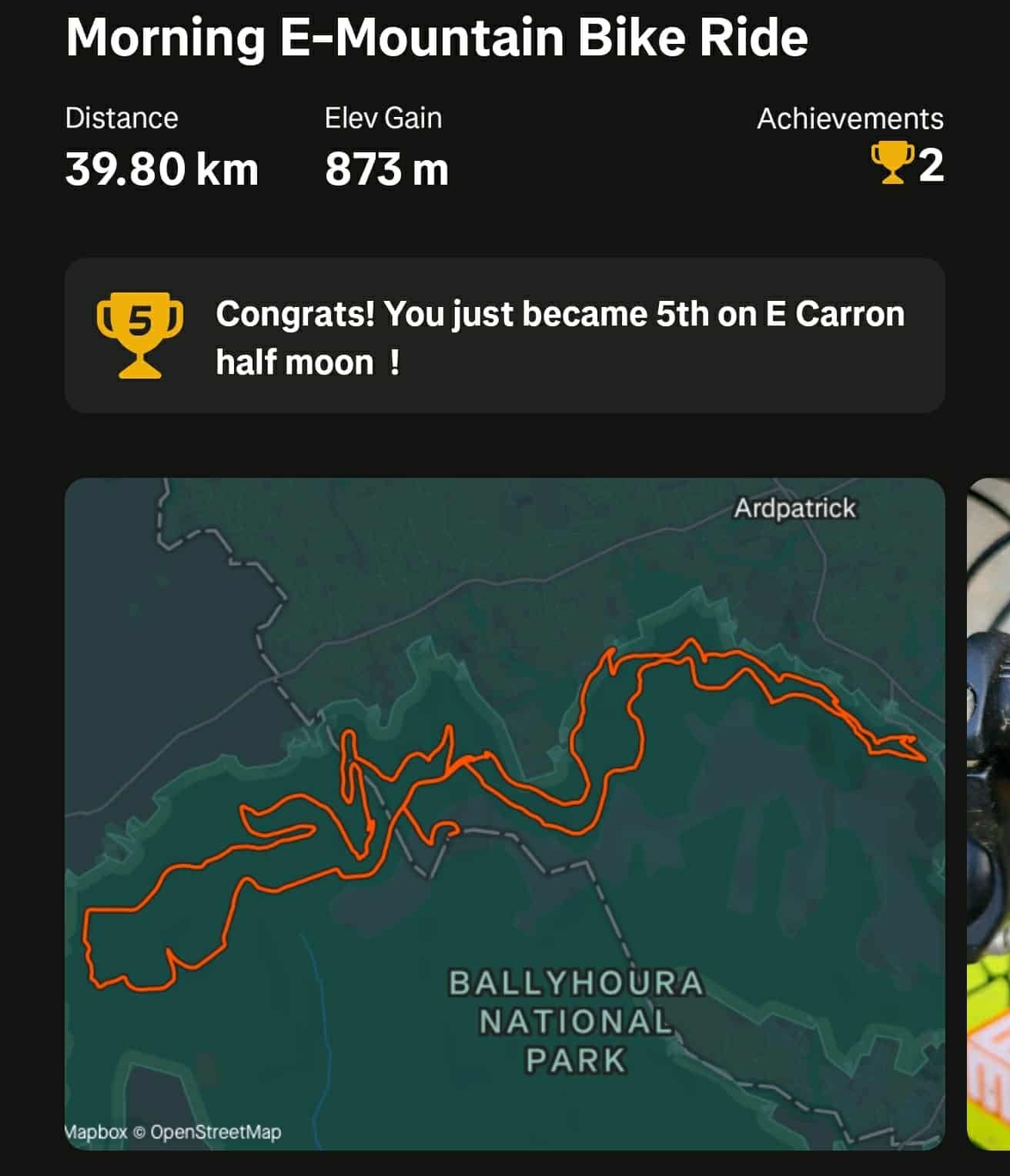
63%battery left
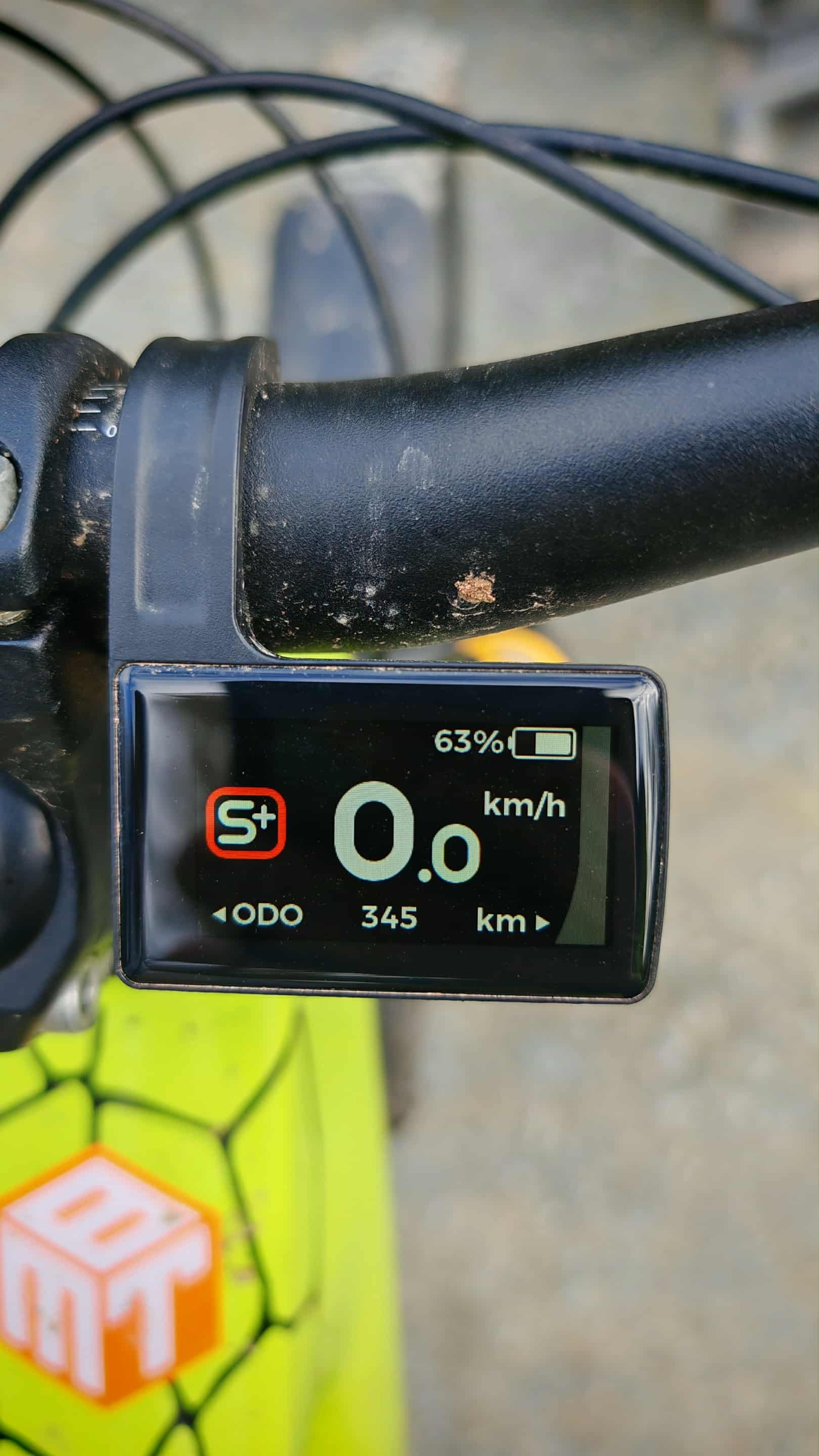
Bike have 345km on the clock and was charged only 4 times.
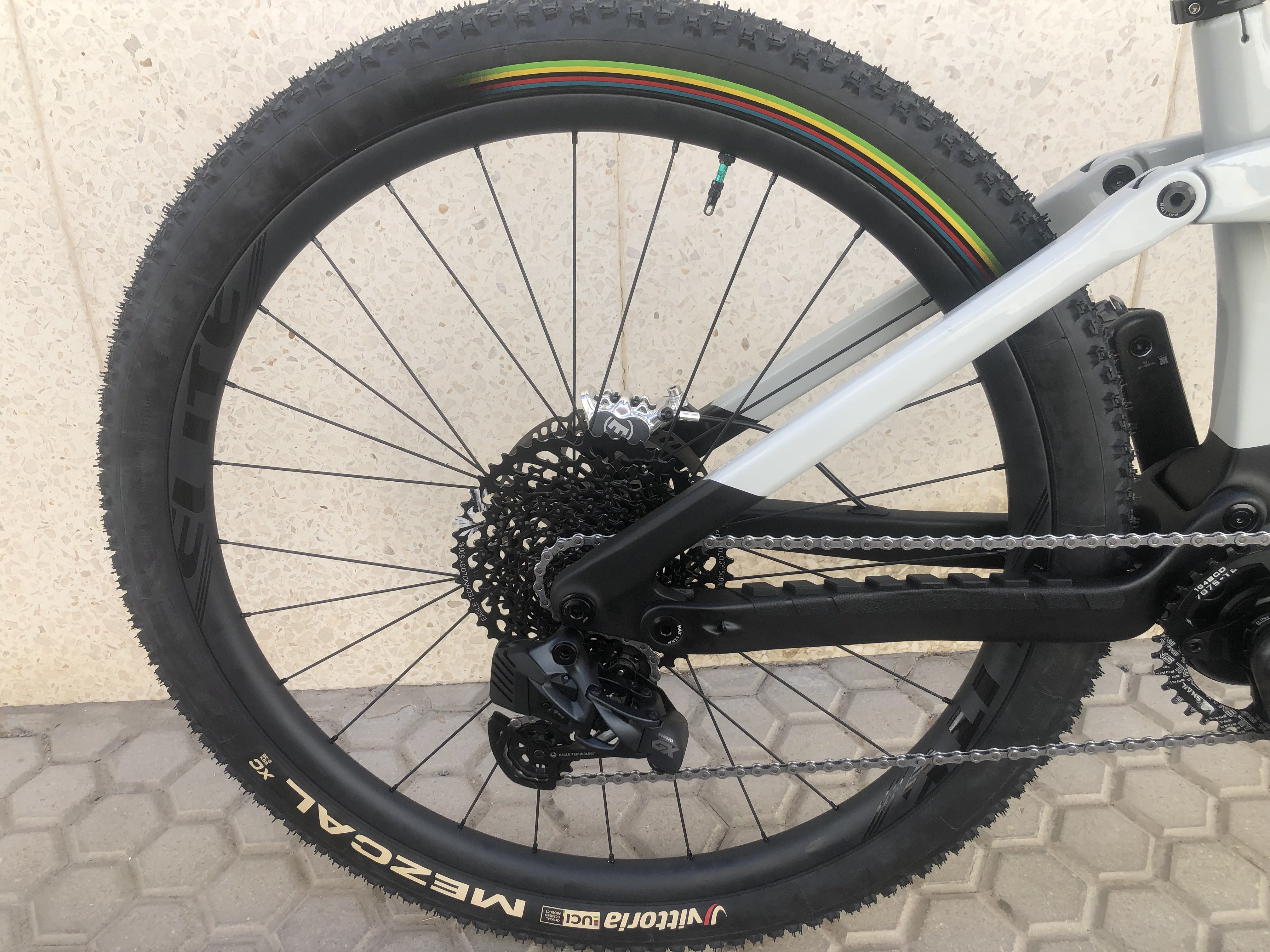
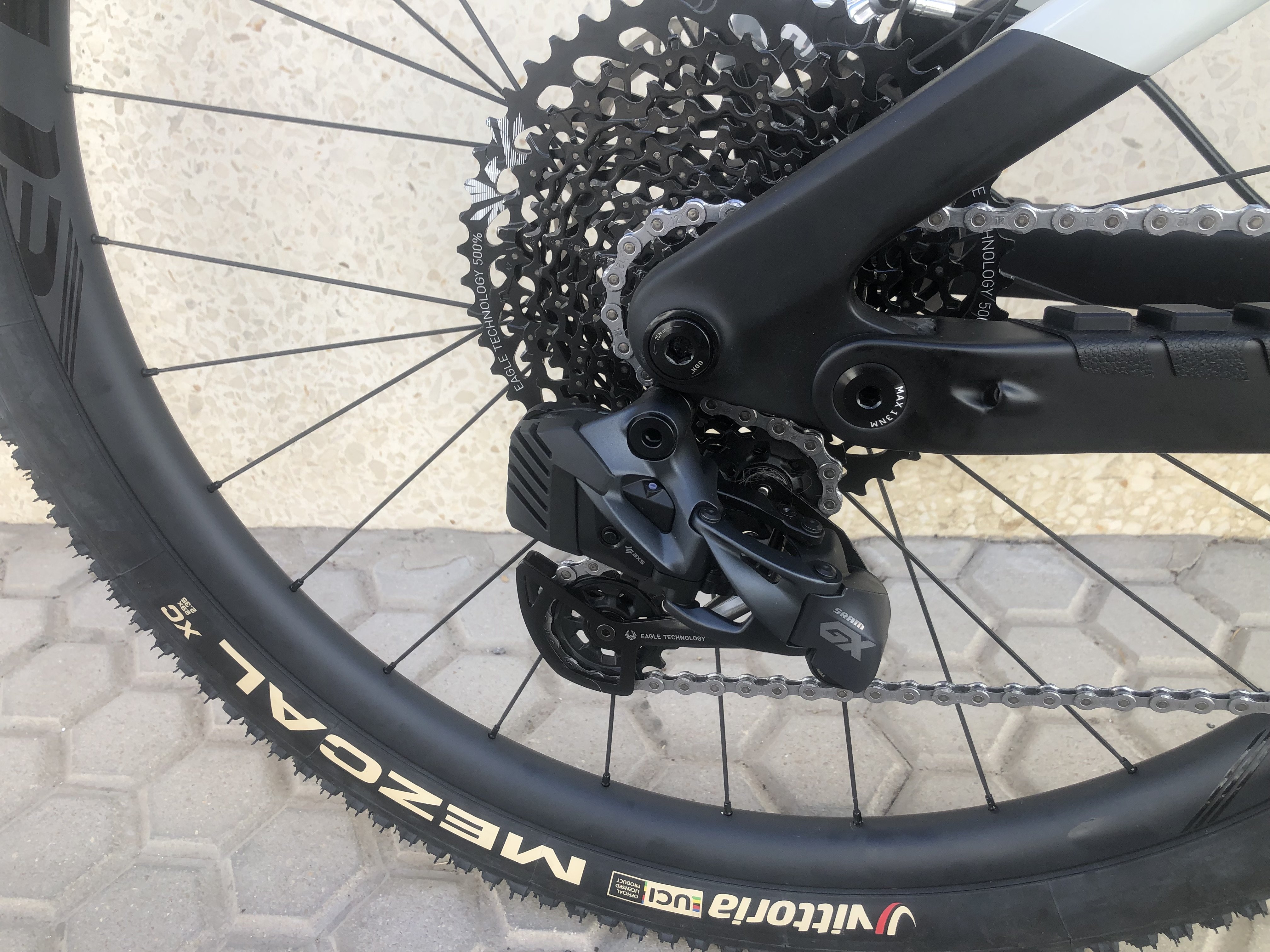
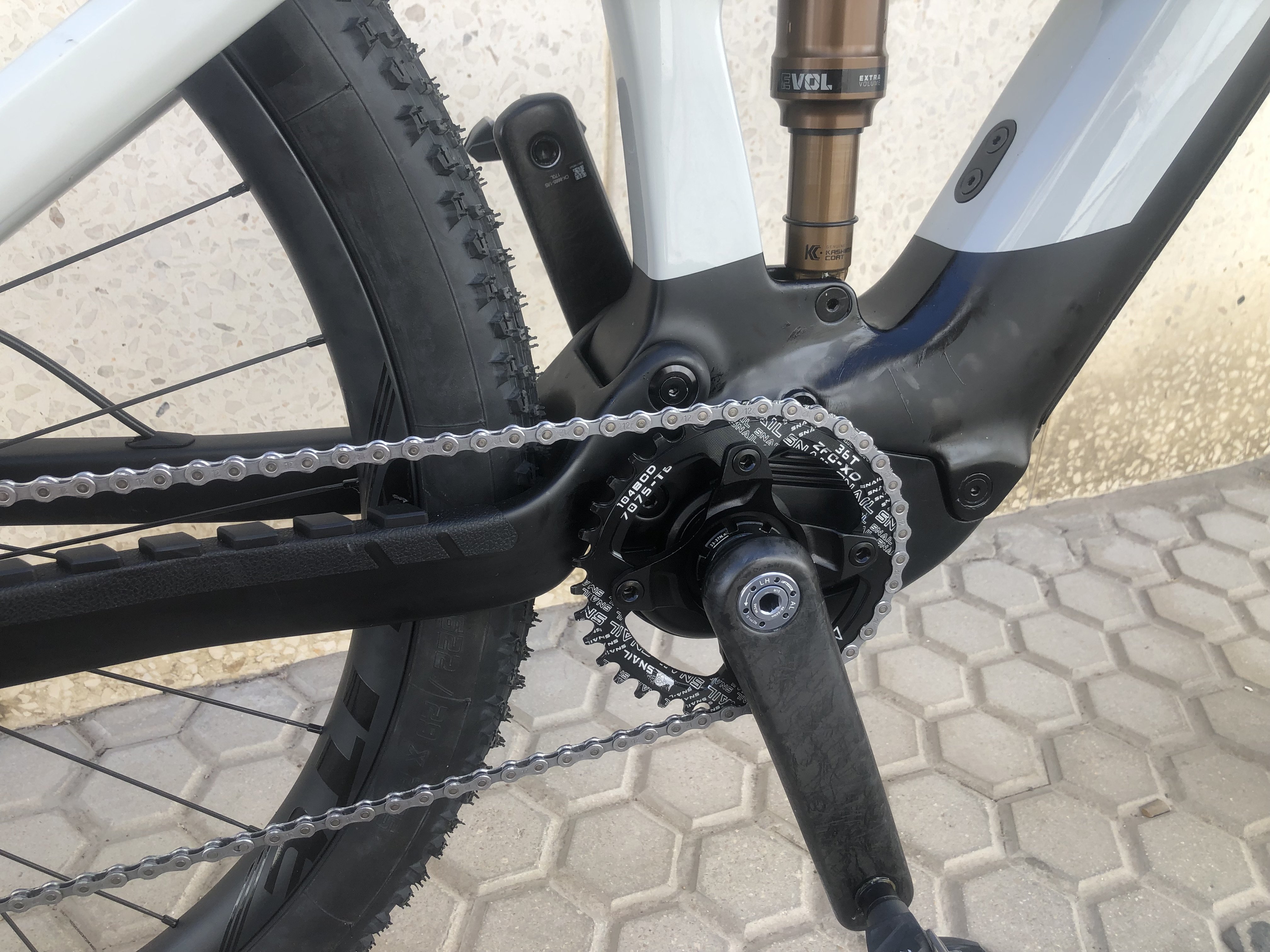
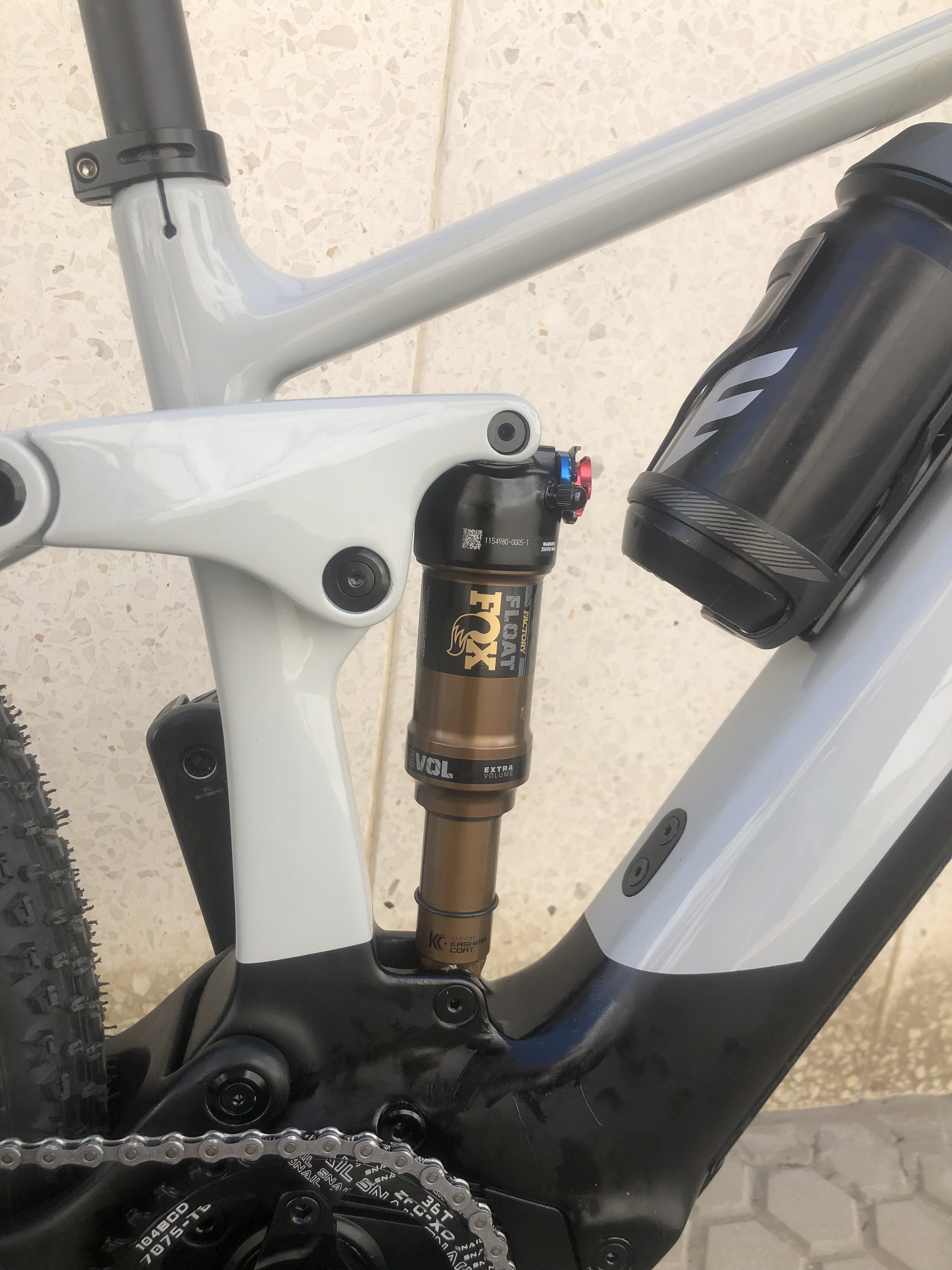
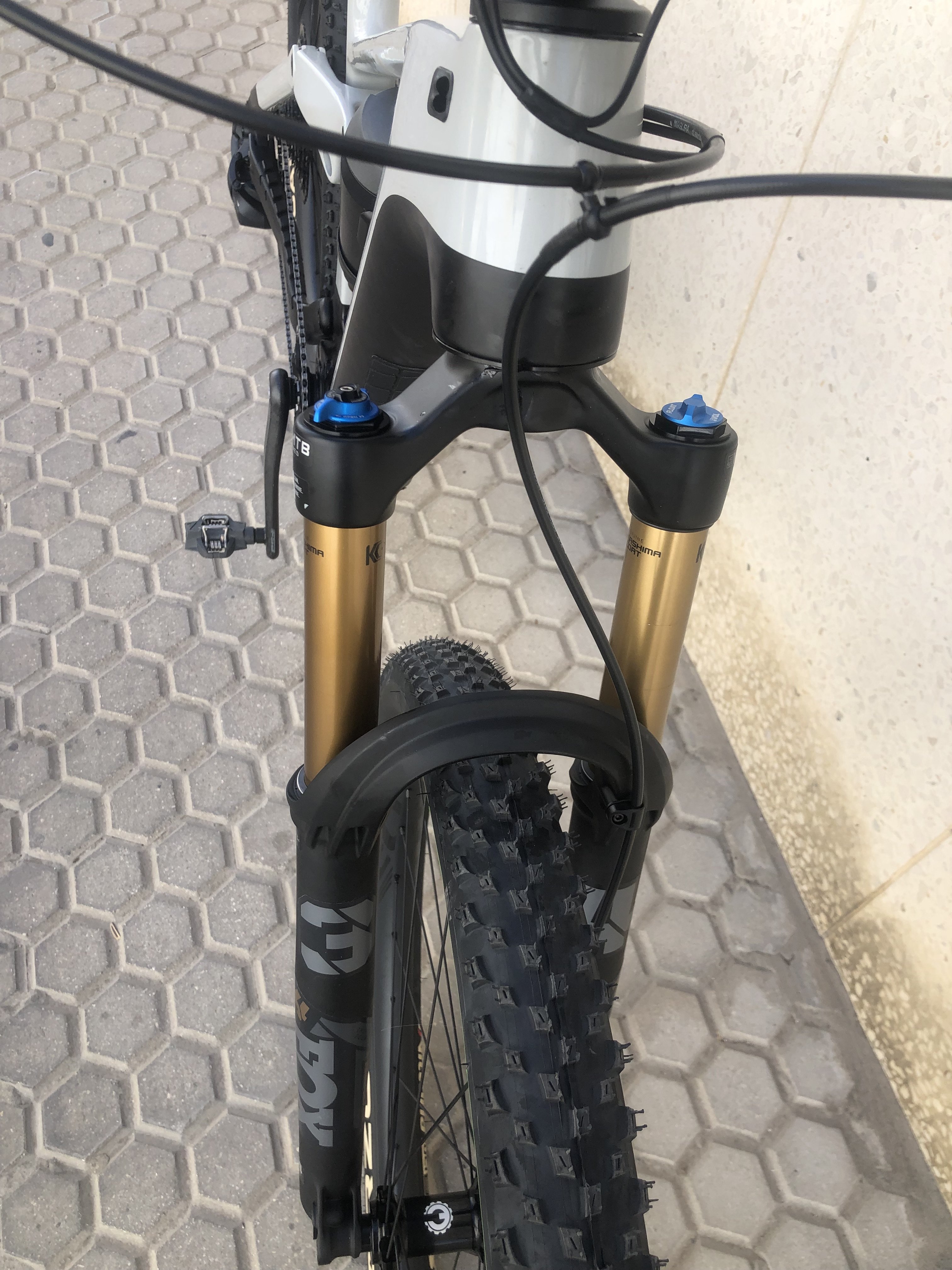
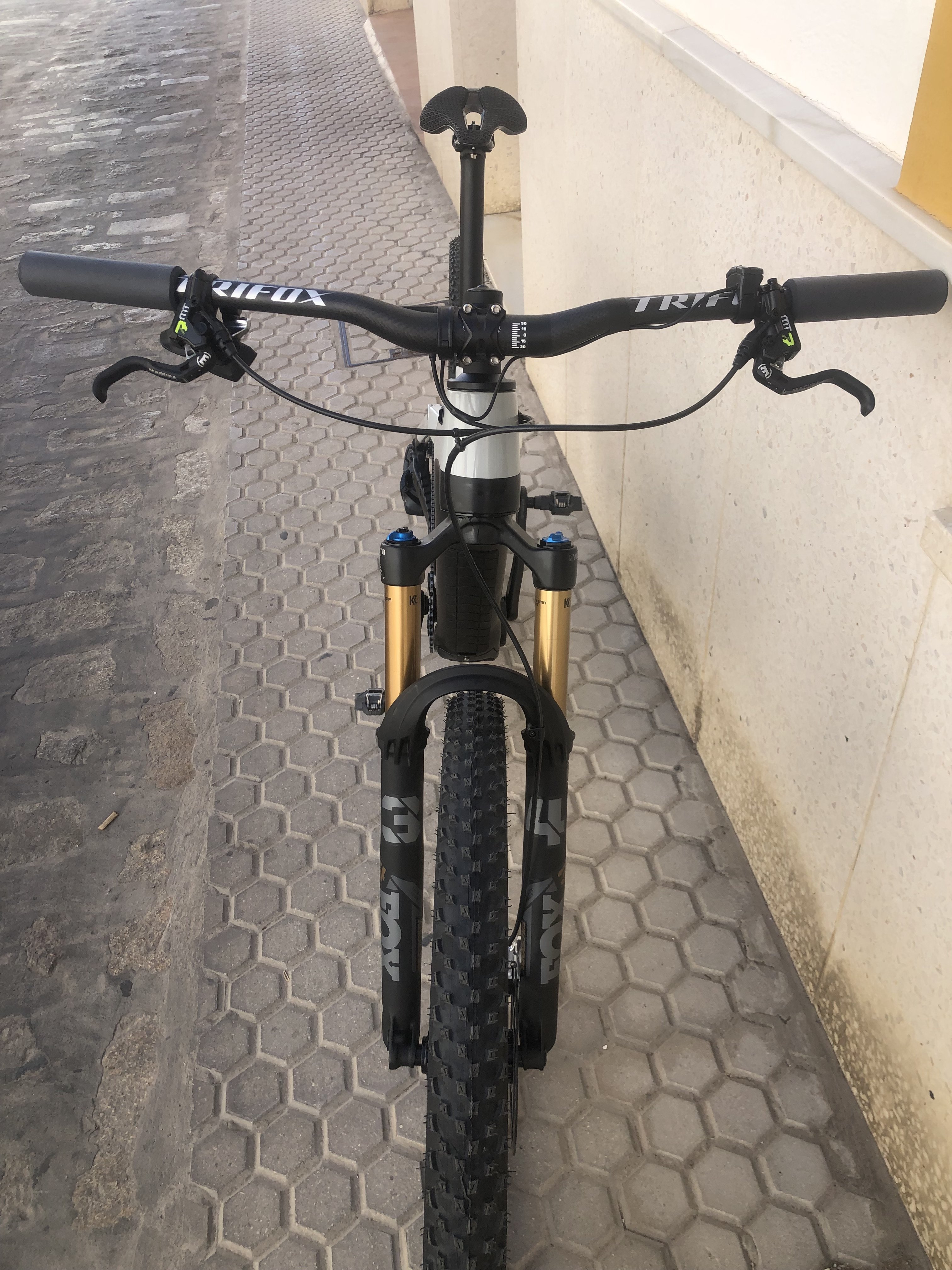
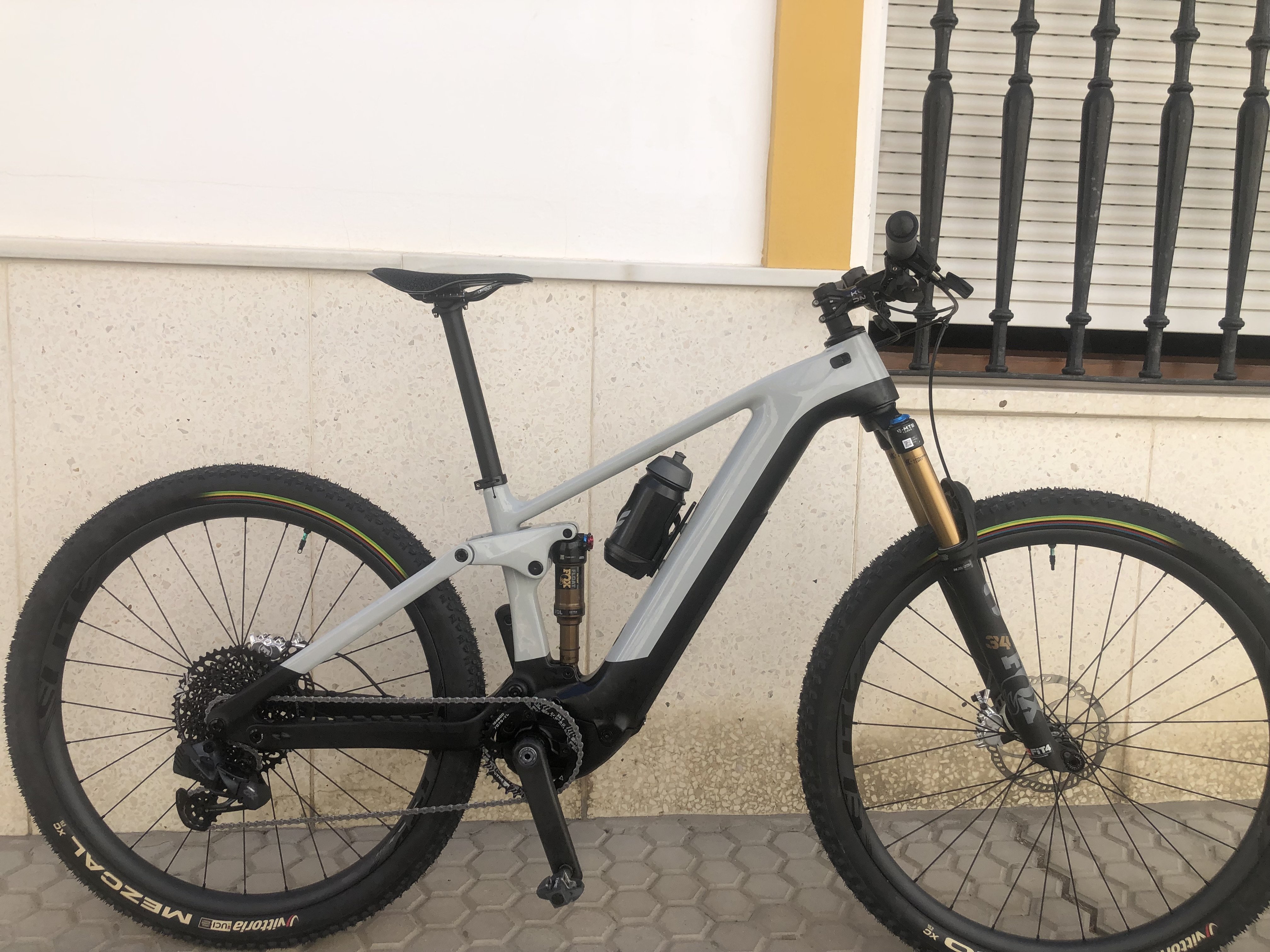
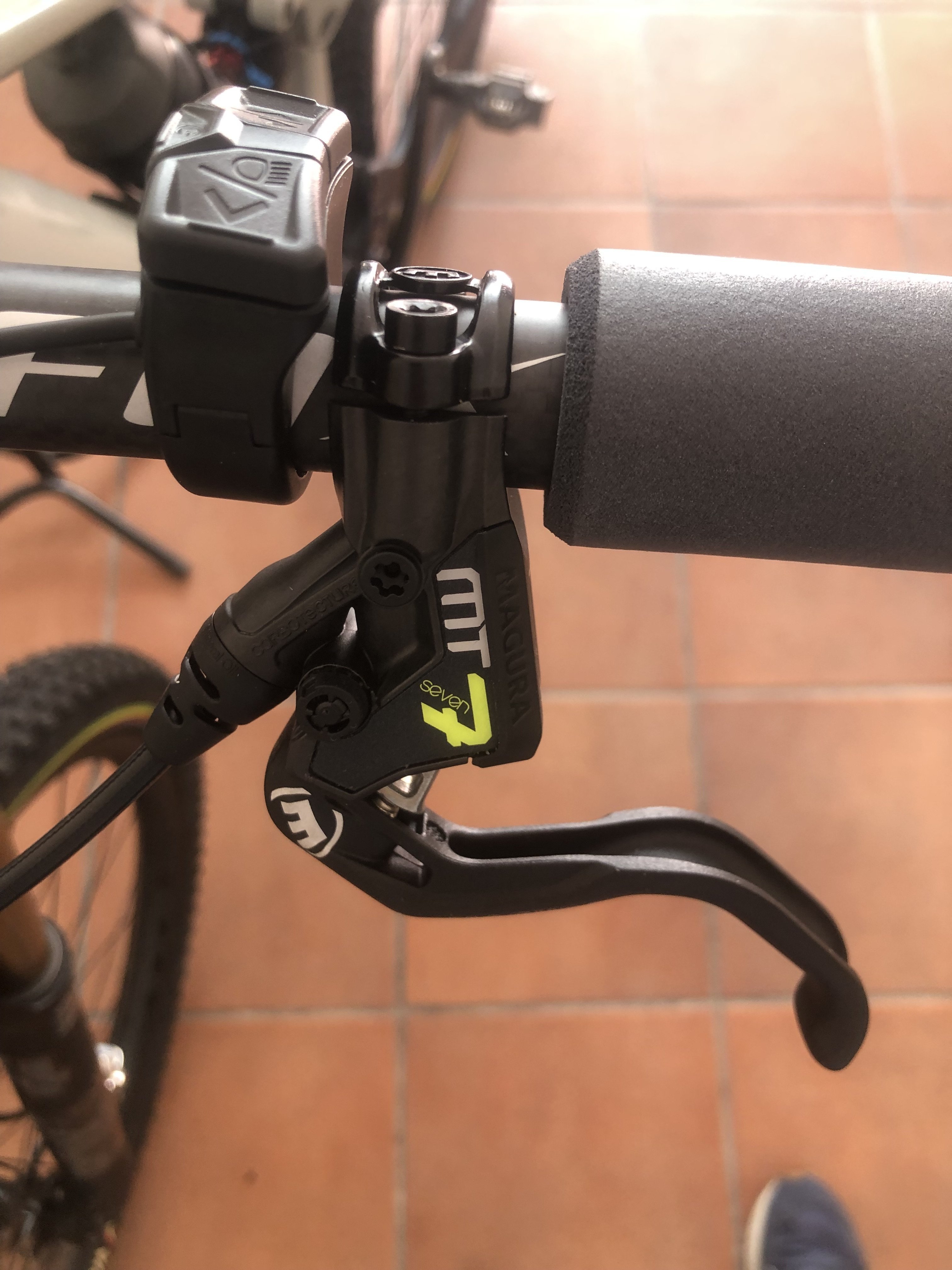
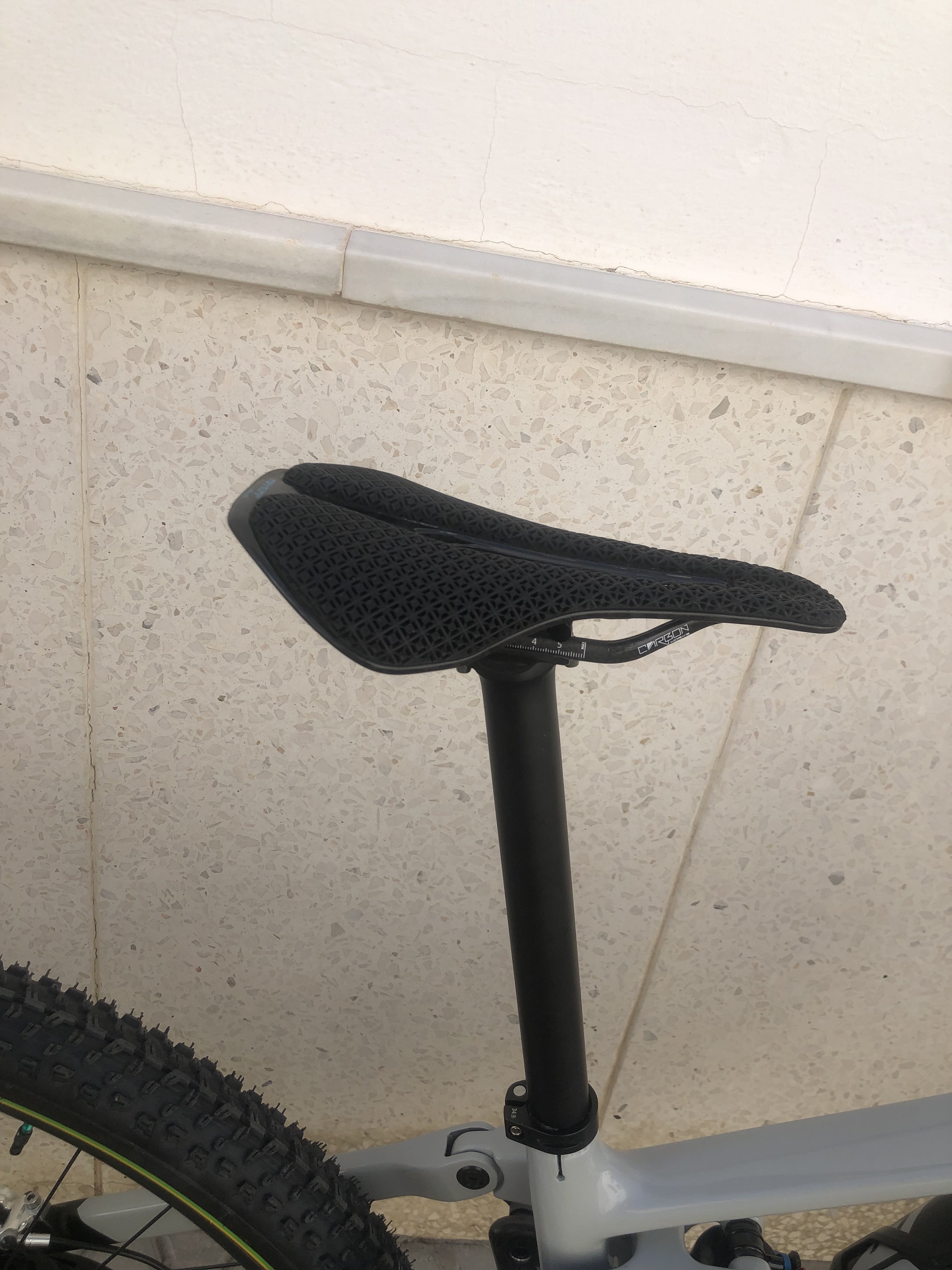
For bike packing I would go for M820, IMHO it would be more battery efficient. I have M820 with 910Wh battery and charged it for a first time (after I build the bike) after 120km (mix assistance).
Friction --> I think more friction will be caused by tire type and pressure setup.
I think it will be very hard to find if there is any friction caused by the motor. Easiest thing to do is to remove the chain and spin the cranks.
[URL
Thank you so much for sharing this impressive and very encouraging actual return of your own experience with M820 !
What you say is very comforting and confirms that M820 is efficient and VERY economic on the battery current consumption thus expending the range in km and time of e-assisted riding

Thank you for the test you recommend : I will try to do it once I get my hand on this motor : spinning the cranks of the motor while shut off AND disconnected from any chain or transmission belt
But I think your testimony shows already that there should be very low if any friction at the motor lever. Which was the point I had to assess.
Will go for that motor then ;-)
Was impressed by the huge capa of your DIY battery > 900 Wh
Bravo !
Might be too heavy for my Bikepacking purpose…because I have to think of ending a cycling day coasting on a mountain dirt trail going up, with eventually a non asssited eBike because of its discharged battery (which obviously WILL happen, no matter what precautions I’ll take, at some point or another of my trips ;-),
and then the more weight the worse it gets, muscular bike climbing…
But sparcing battery max capa in two batteries, of near 400 Wh each is an idea I’m exploring, because it might be a good option to secure that there is always either a spare charged battery when the first one gets to 20% charge left…
I think that at the end, my battery setup will strongly depend of the total weight of the complete system that I will intend to climb mountain routes and mixed terrain with.
It might weight approx 115 - 120 kgs =
rider (72 kg)
+ approx 17 kg bike
not build yet by Kinetics
a 20” custom MTB Brompton with 2,35 “ tubeless mtb tires and Jones H Bar and Rohloff hub, cable disc brakes, telescopic seat dropper, rear 4 wheeled rack, front carrier block and seat carrier block from Eerder Metaal (custom stainless steel welded very resistant parts) etc
+ M820 motor
+ battery x1 or x2 weight
+ fast charger 7A weight
+ bickepacking travel gear 15 to 20 kg (if long distance)
Green Mamba CEF50 - 900Wh
Hi Found a bit of a time and finished up my CEF50 frame. Long story short: -FORK: 170MM BOMBER Z1 COIL -SHOCK: BOMBER CR + COIL SPRING -BATTERY: 12S4P @ SAMSUNG 53G 2170, JBD BMS -WHEELS: SYNCHROS -BRAKES: IIIPRO4 -DRIVETRAIN: SLX + 38T CHAINRING -REST: AS YOU CAN SEE -WEIGHT: 21.75KG -HEAD...
I read part of your thread on your custom bike, because I was curious about how you had you had built your big DIY battery :
Basically the battery is: 12S4P @ SAMSUNG 53G 2170, JBD BMS
I have made 12S3P battery and than added another 12S1P to it, joined by 1^2mm wires. Cells are glued together with TEC7 adhesive, sides of the battery are reinforced with 1mm fiber glass board (same as the PCB is made of, but with no copper on it). All taped up and wrapped.
Additionally I am using ideal diode PCB on the charging side to avoid problems in case of any short or faulty charger.
Cells are coming from nkon.nl - have very good experience with this shop, highly recommended.
I would be interested to know where or how did you find useful info to learn how to actually design yourself your battery with its case, BMS, temperature capteurs etc,
if you don’t mind to share ?
Also :
have you ever considered building your battery without glueing all the cells together,
and to include an individual cell sensor together with the BMS or included in the BMS ?
This enable the defaulting cells in a low battery to be replaced — and only the default ones — when the whole battery capacity has become low after numerous charging cycles,
which has the huge advantage to enable recovering a full battery capacity only replacing the few cells that had reached the end of their lifespan.
This common battery phenomenon , has been very well explained and solved by Gouach, a company that has conceived an “Infinite battery” = a case + BMS + sensors which helps building ourselves our own DIY batteries choosing the cells we want…just like you did.
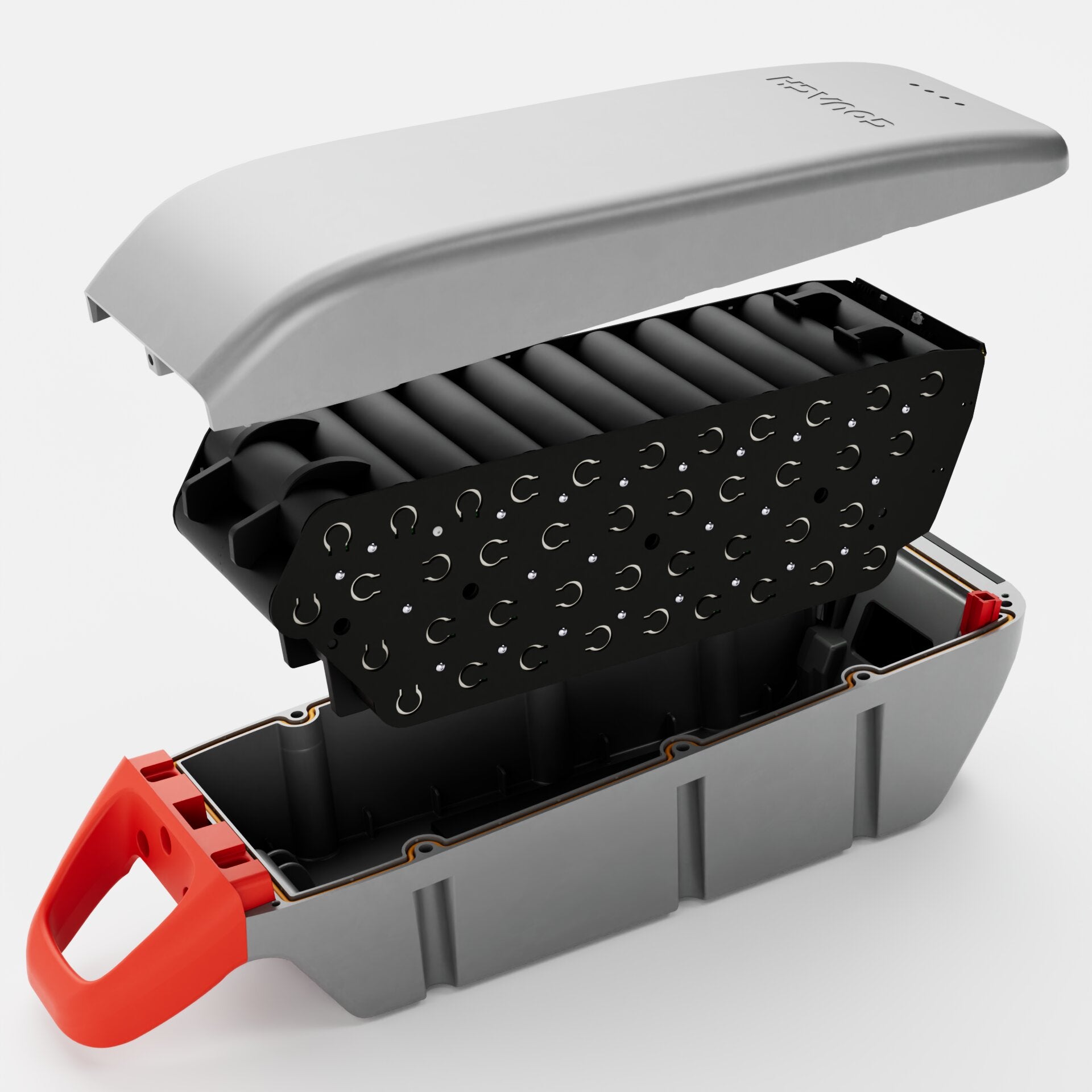

I might go that way, but still will have to source a BMS compatible with BAGANG M820, because that don’t have developed a BMS compatible for this motor yet….
A=> How did you actually do for casing your battery and for knowing how to build it ?
What were your sources of reference / learning / ordering parts ?
B=> Where did you find your BMS for your motor 820 ?
C=> any idea about how I could copycat the Grin Technologies LiGo 10X system ?
(separating and reassembling a battery with 5 to 7 black blocs of 99Wh, grouping the cells in groups
LiGo10x is proud to be the only battery that actually flies, the black blocs being authorized by plane travel companies as a hand luggage in plane cabins.
Do not overthink or over complicate things. Keep it simple. Get BMS from aliexpress for 25eur, get a bucket of cells from Nkon, a few basic tools.I read part of your thread on your custom bike, because I was curious about how you had you had built your big DIY battery :
I would be interested to know where or how did you find useful info to learn how to actually design yourself your battery with its case, BMS, temperature capteurs etc,
if you don’t mind to share ?
Also :
have you ever considered building your battery without glueing all the cells together,
and to include an individual cell sensor together with the BMS or included in the BMS ?
This enable the defaulting cells in a low battery to be replaced — and only the default ones — when the whole battery capacity has become low after numerous charging cycles,
which has the huge advantage to enable recovering a full battery capacity only replacing the few cells that had reached the end of their lifespan.
This common battery phenomenon , has been very well explained and solved by Gouach, a company that has conceived an “Infinite battery” = a case + BMS + sensors which helps building ourselves our own DIY batteries choosing the cells we want…just like you did.
I might go that way, but still will have to source a BMS compatible with BAGANG M820, because that don’t have developed a BMS compatible for this motor yet….
A=> How did you actually do for casing your battery and for knowing how to build it ?
What were your sources of reference / learning / ordering parts ?
B=> Where did you find your BMS for your motor 820 ?
C=> any idea about how I could copycat the Grin Technologies LiGo 10X system ?
(separating and reassembling a battery with 5 to 7 black blocs of 99Wh, grouping the cells in groups
LiGo10x is proud to be the only battery that actually flies, the black blocs being authorized by plane travel companies as a hand luggage in plane cabins.
Total cost of the home made battery will be max 200eur, so if something will go wrong simply, build the new one.
A-basic knowledge, basic materials, Aliexpress, Nkon, TME, Mouser
B-google ''JBD BMS''
C-I do not like to copycat stuff, IMHO block battery does not make sense for MTB:
-heavy
-over complicated
-not reliable
-problem with balancing
Best way to split it into the block will be to build master battery with single BMS and attach parallel slave blocks. Problem to overcome is to equalize cell/PACK's voltages before connection (to avoid high balancing currents).
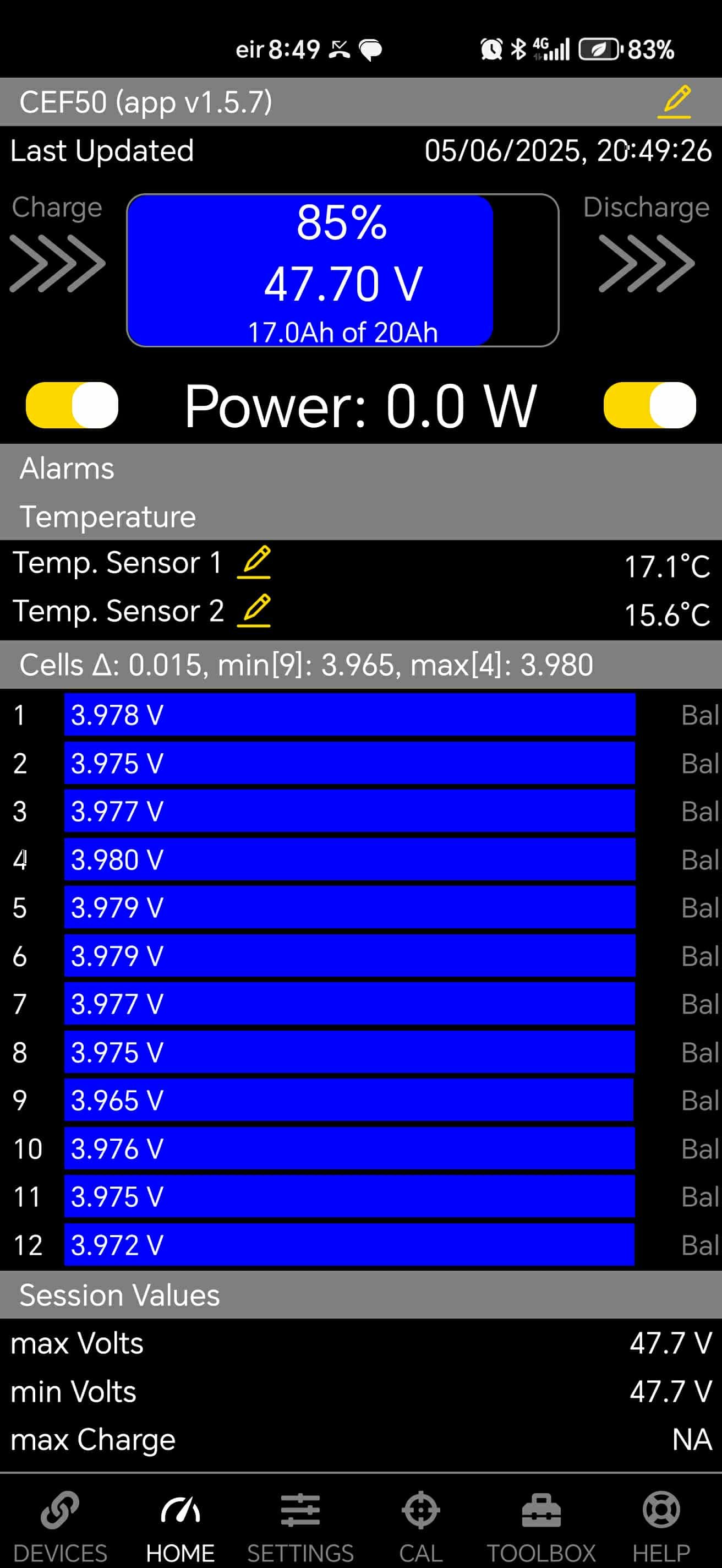
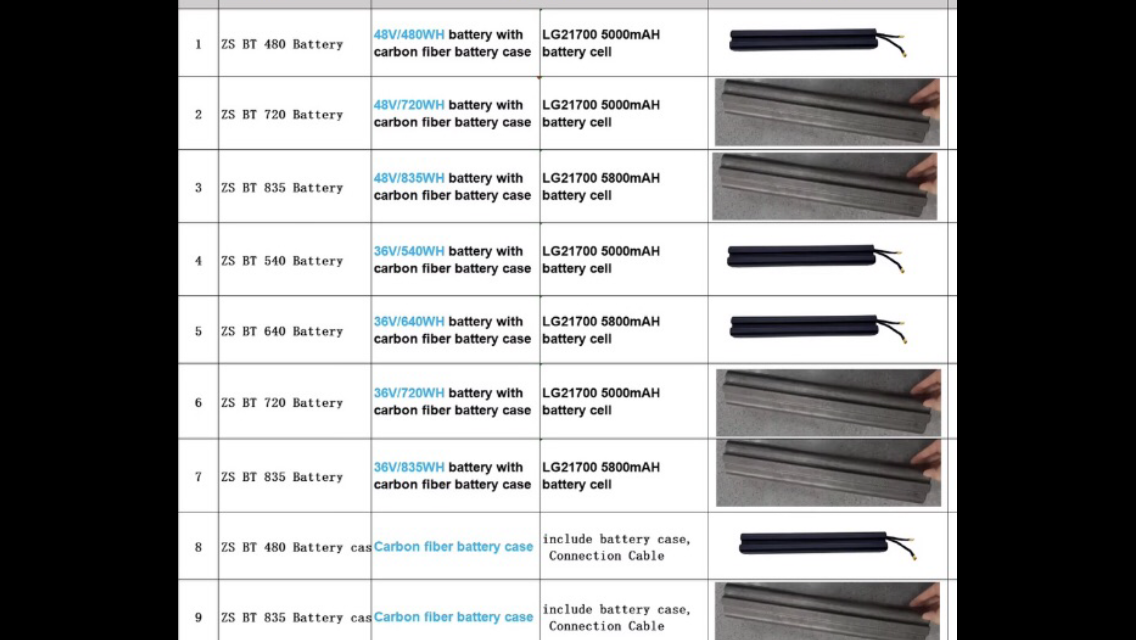
Do not overthink or over complicate things. Keep it simple. Get BMS from aliexpress for 25eur, get a bucket of cells from Nkon, a few basic tools.
Total cost of the home made battery will be max 200eur, so if something will go wrong simply, build the new one.
A-basic knowledge, basic materials, Aliexpress, Nkon, TME, Mouser
B-google ''JBD BMS''
C-I do not like to copycat stuff, IMHO block battery does not make sense for MTB:
-heavy
-over complicated
-not reliable
-problem with balancing
Best way to split it into the block will be to build master battery with single BMS and attach parallel slave blocks. Problem to overcome is to equalize cell/PACK's voltages before connection (to avoid high balancing currents).
View attachment 169598
Thank you so much again for these details and advices.
You’re right about « Problem to overcome is to equalize cell/PACK's voltages before connection (to avoid high balancing currents) » which us exactly what Grinn Tech in Canada has included in its product, and that hopefully I’ll achieve too with my a a friendly bunch of electronics fans at a FabLab Hackerspace ;-)
Learning and increasing self skills about how something works and being able to adjust / fine tune / fix it is one of the main by products of the way I am planning to concretize my project and achieve my goals.
Therefore, I will go for the easiest and most reliable route, as you advise, nonetheless trying not to fall in the “I don’t know how it works” trap. Therefore, far from “over-complicating things”, all my questions aim at understanding, taking responsibility, making choices, and ultimately DO and BUILD, with the help of most advanced people on each topic ;-))
=> Could you please tell me what is the weight of your DIY big battery that superates 900 Wh ?
=> any other return of experience of the bikers community on this tread about their eventual DIY battery and monitoring setup for their E-assisted bike ?
I am very pleased of the open spirit of this group and thread, helps a lot in the planning and concretization of this project, thank you all
