Hey
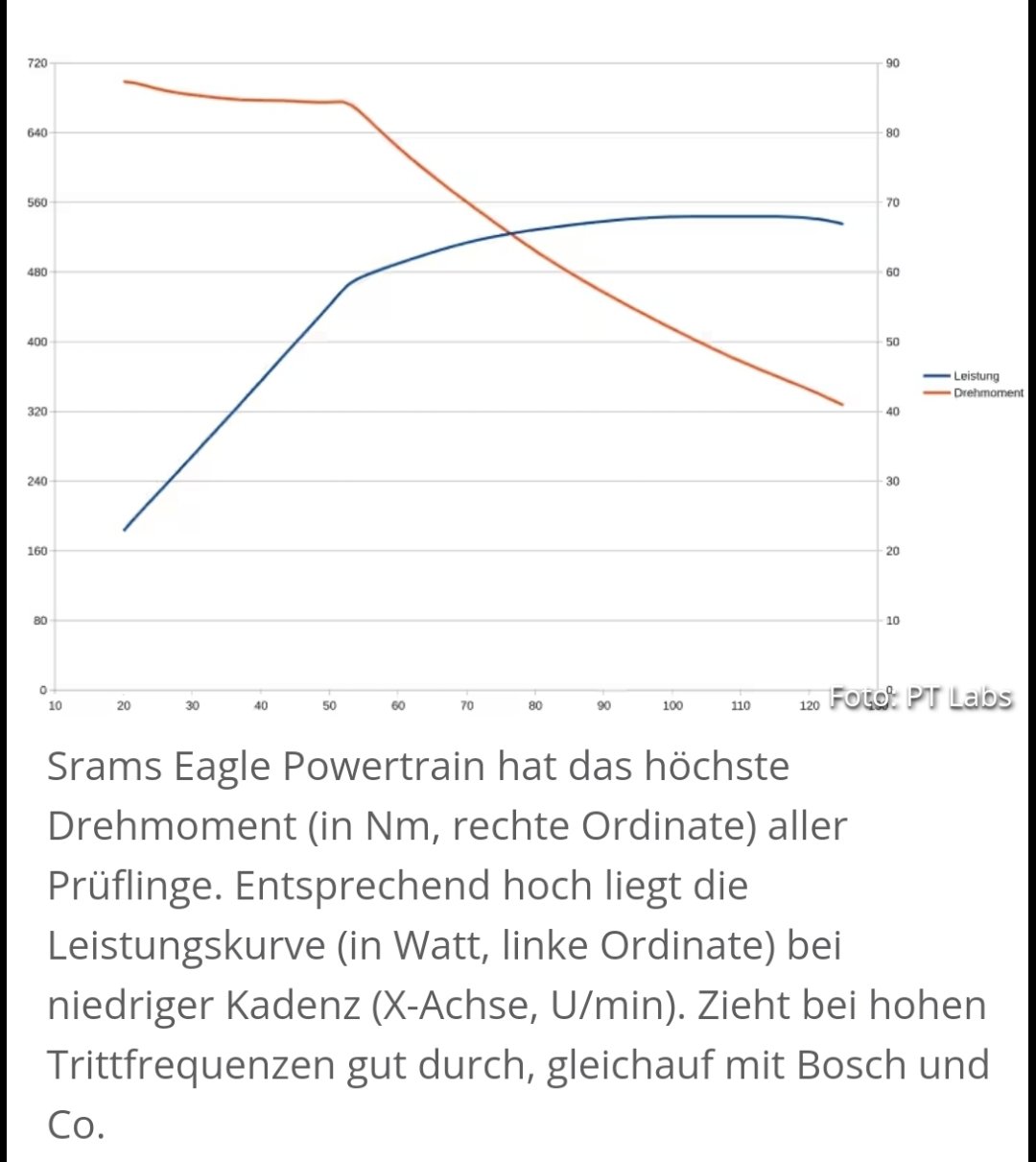
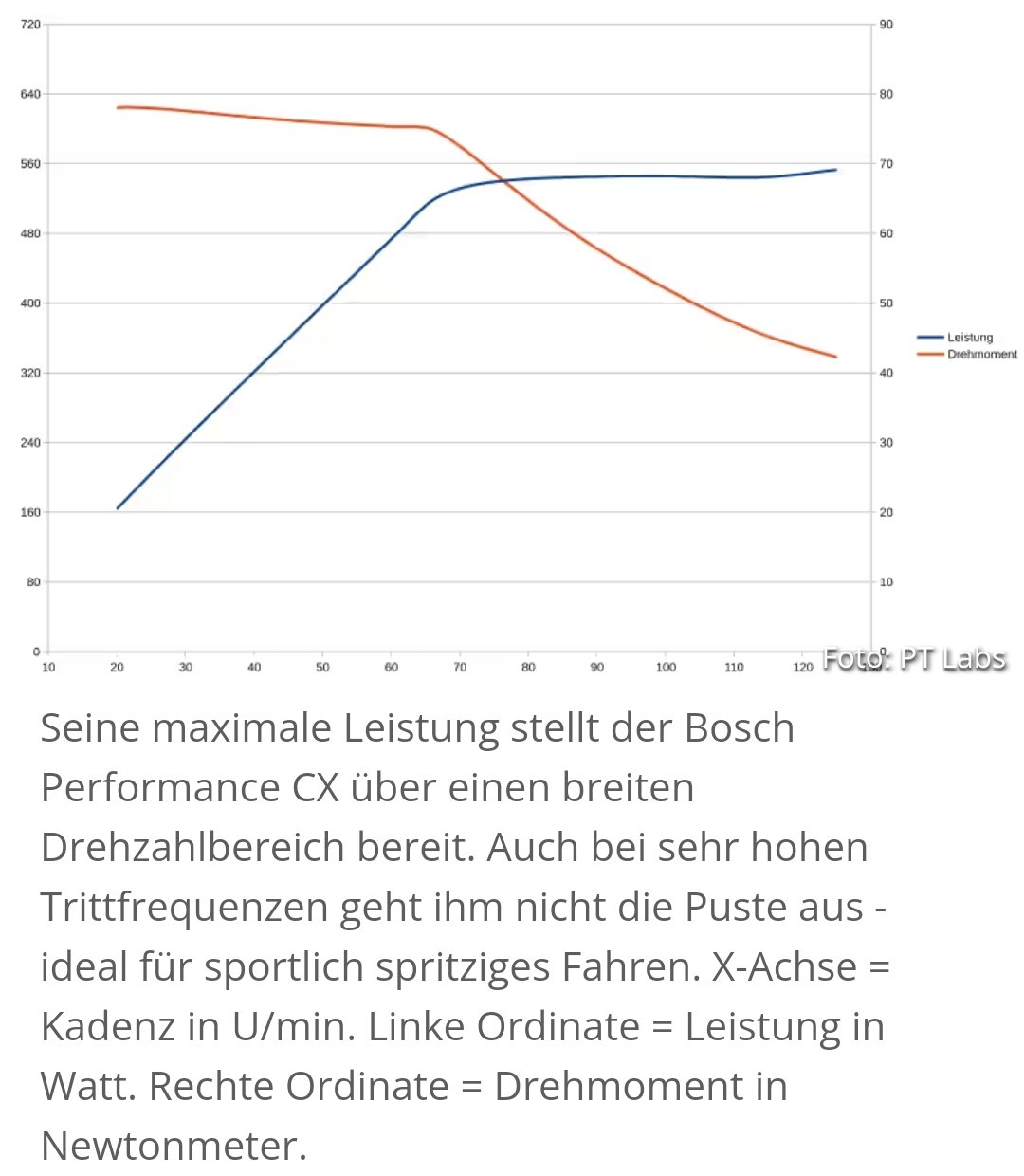
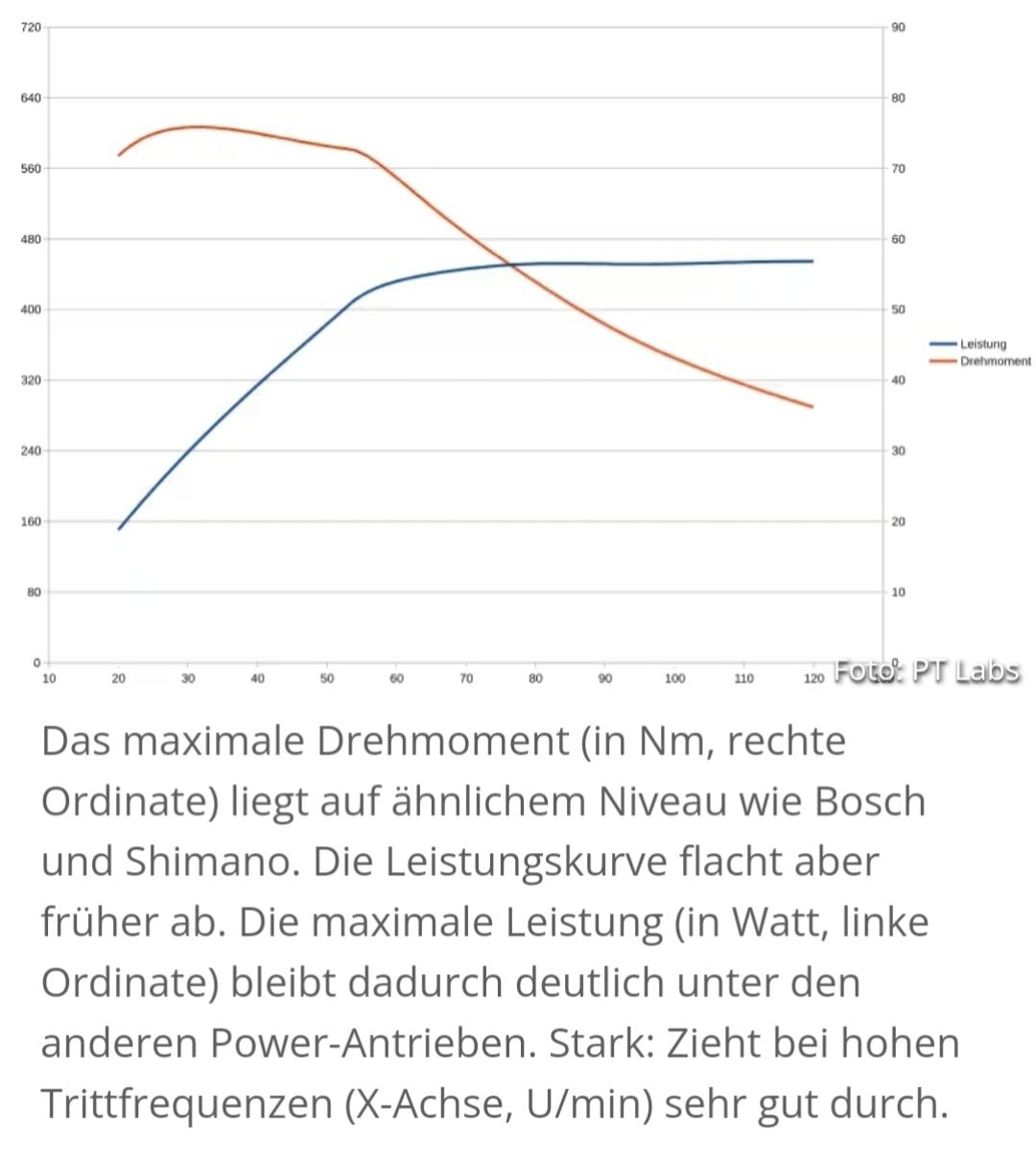
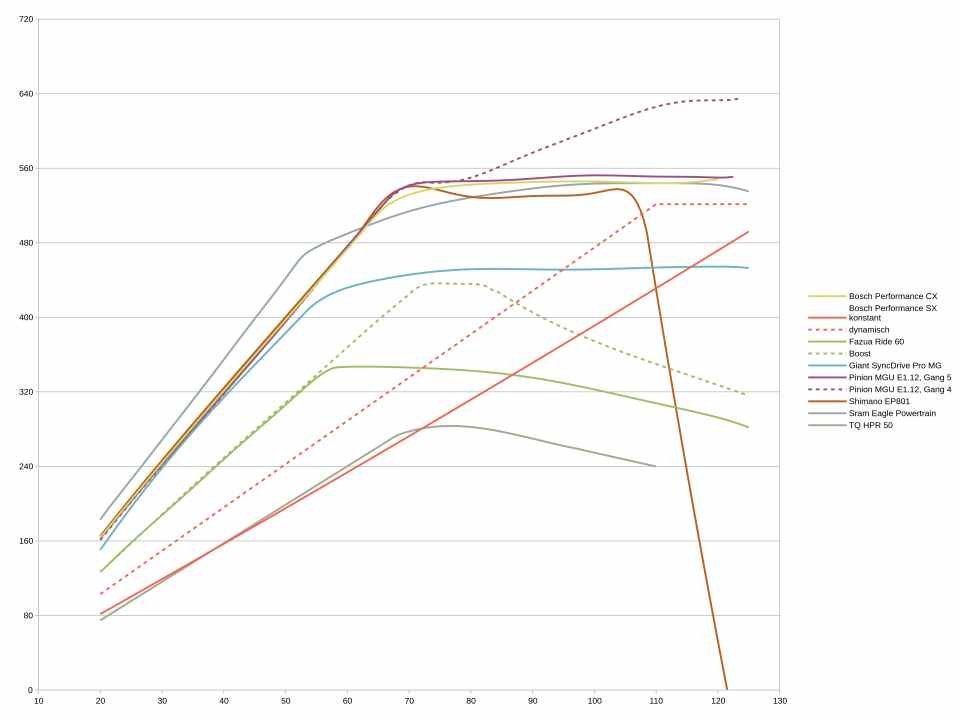
@timo2824 good points there, want provide some more info where I got the charts and all..
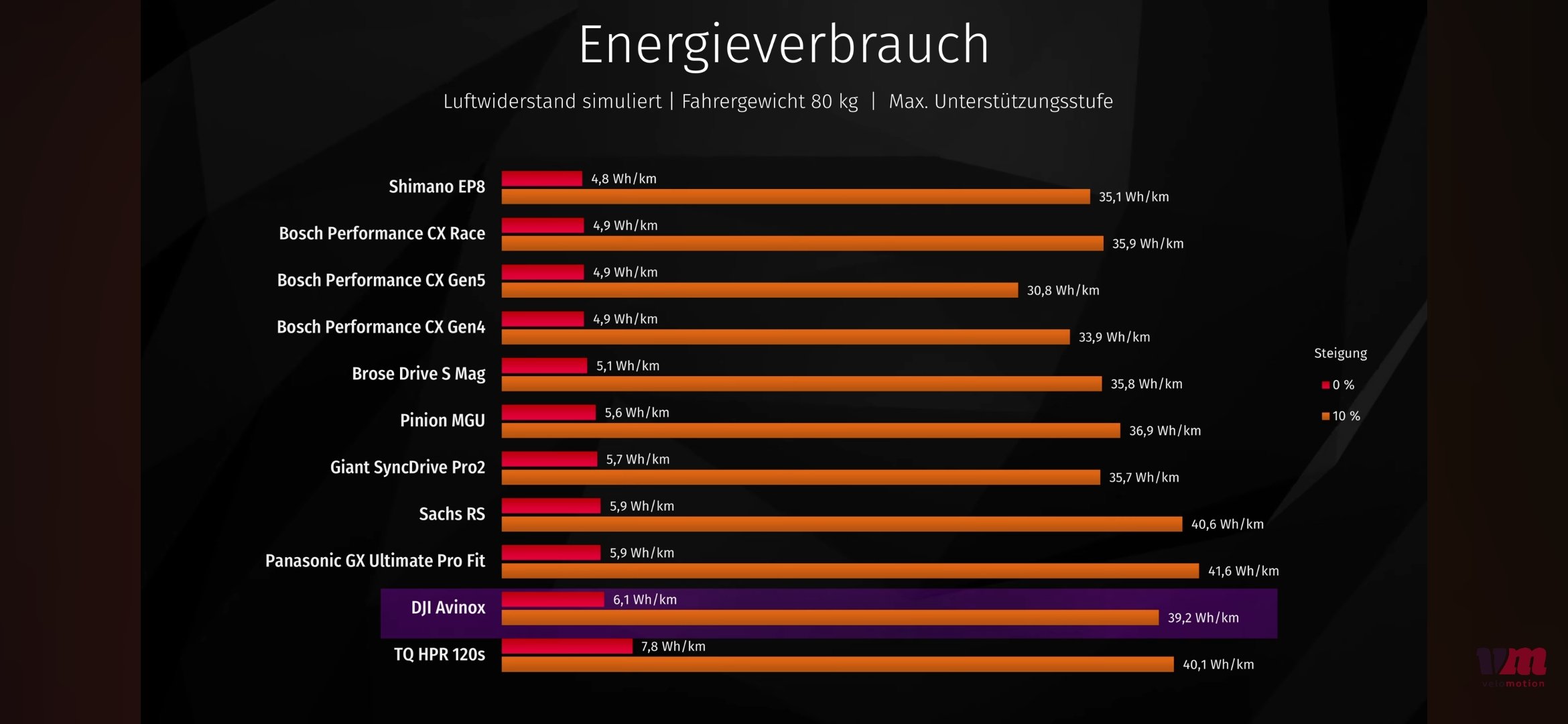
The charts I provided are from mostly from 2 sources:
1. ---------》
EMTB testet neue E-Mountainbikes und Komponenten. Daraus entstehen unabhängige Tipps für Ihren E-Bike-Kauf. Plus: E-Bike Touren mit dem Mountainbike.

www.bike-magazin.de
Der offizielle Youtube-Kanal von BIKE – Europas größtem Mountainbike Magazin. Wir versorgen Dich mit Videos und Clips rund ums Thema Mountainbike. Zu folgenden Themen: - BIKE-Tests: Mountainbikes, MTB-Komponenten und Zubehör - Fahrtechnik: How-to-Videos zu Wheelie, Bunnyhop & Co. -...

youtube.com
-----------《
2. ------------》
Velomotion.de ist dein digitales Magazin für alle Themen rund um Fahrrad- und E-Bike. Du findest hier die neuesten Infos zu Bikes und Zubehör: vom Kinderrad bis zum Pedelec, vom Downhill-Boliden bis zur Triathlon-Maschine. Velomotion testet Fahrräder und E-Bikes ebenso wie technisches Zubehör...

youtube.com
-------------《
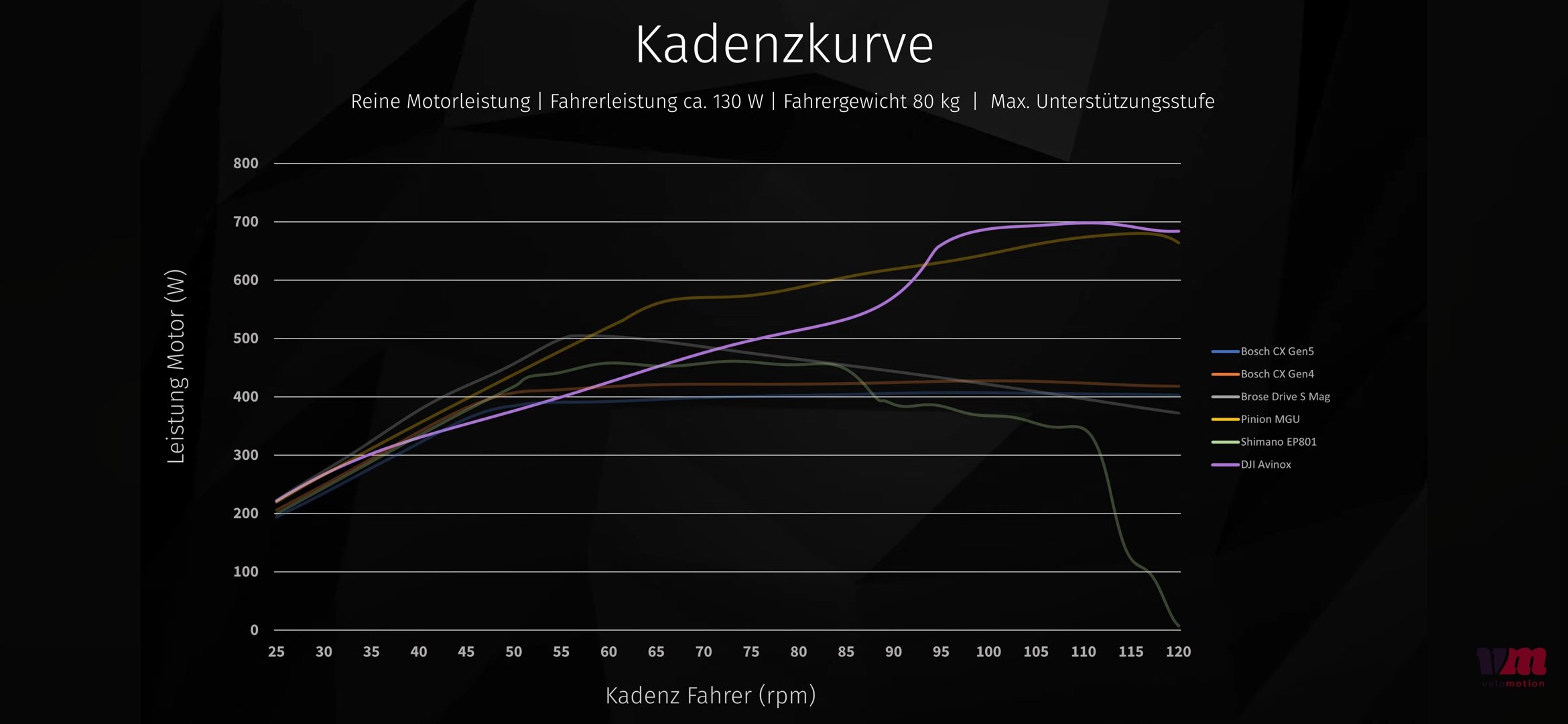
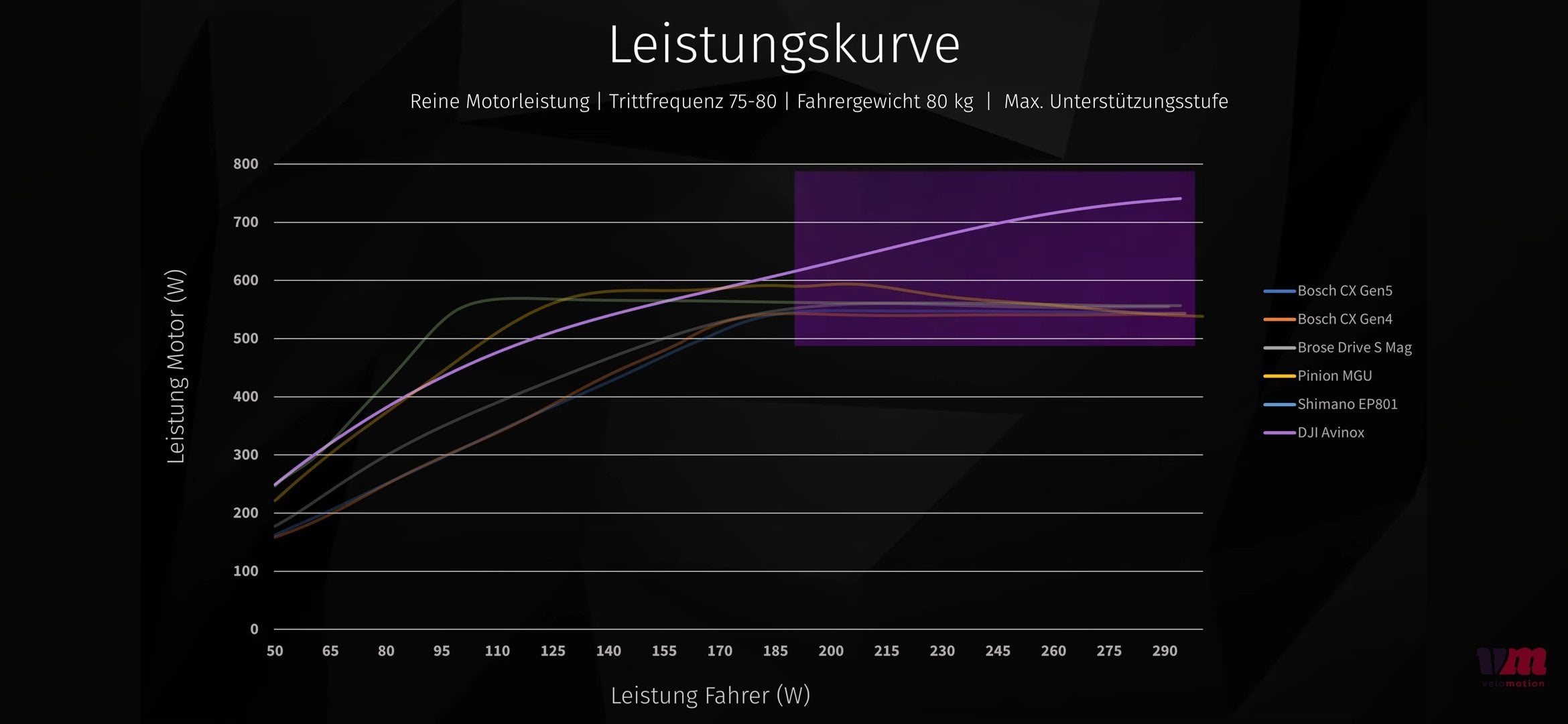
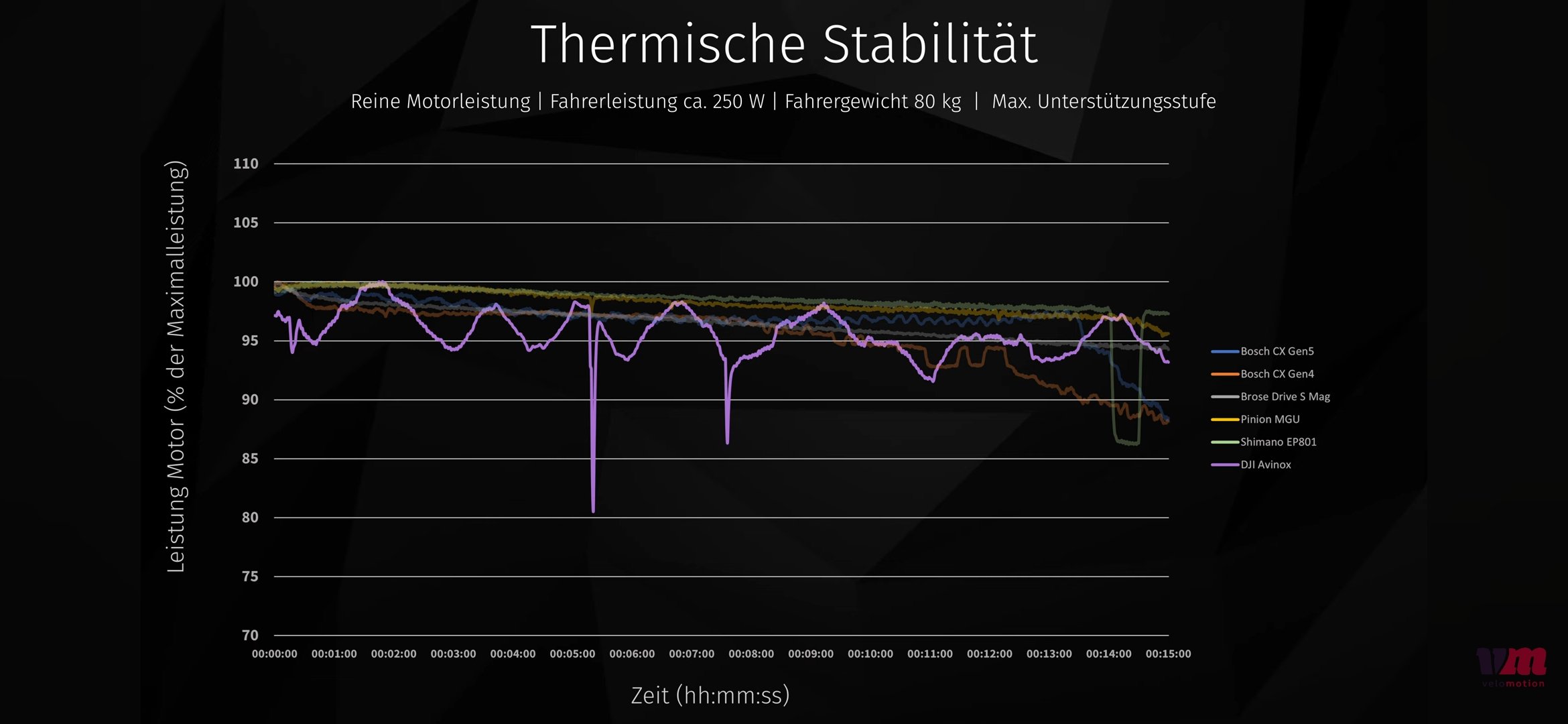
From my knowledge both sources do their testing in the same lab(PT labs) in Germany. As far as I remember from their videos and articles and a magazine I also bought, they do the testing with all the settings on the motors set to their max output overall(assistance, torque and launch or whatever others call it). While Velomotion gives a lot of information how the testing is done bike magazin does not as it's a paid magazine. The charts I provided were a lucky onetime access to their test via some link don't remember how I got it.
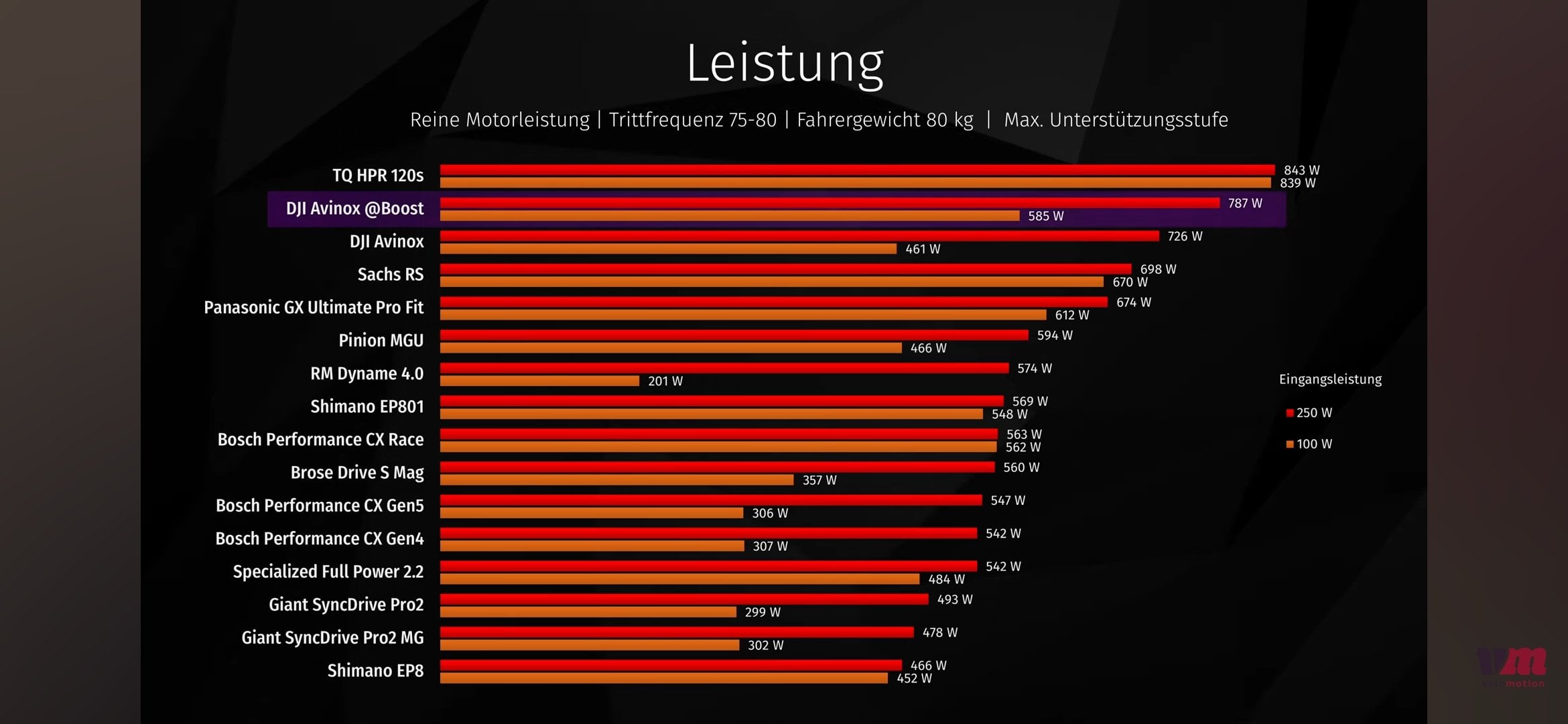
If we look at Velomotion's info, they do two different tests one with 250W of input power and one with 100W and as previously said on max assist settings.
View attachment 152616
Your points that motor have different assistance characteristics are on point, that's why they say they do the testing on max settings, just to most possibly even out the ods between the motors.
Of course a perfect match can never be done, but it also shouldn't be as then then we miss the point of testing different machines and their settings out of the factory. Now, If we can see differences at max load, that's a pretty good indicator for even greater difference at a lower load.
@TheKaiser Yes your assumptions are correct, the motor will be most efficient at the cadence where the two lines(power/torque) meet.
The Bosch Gen 5 tests are from this yt channel...the guy has more tests in videos and all nicely explained and documented:
About battery consumption on an ebike.
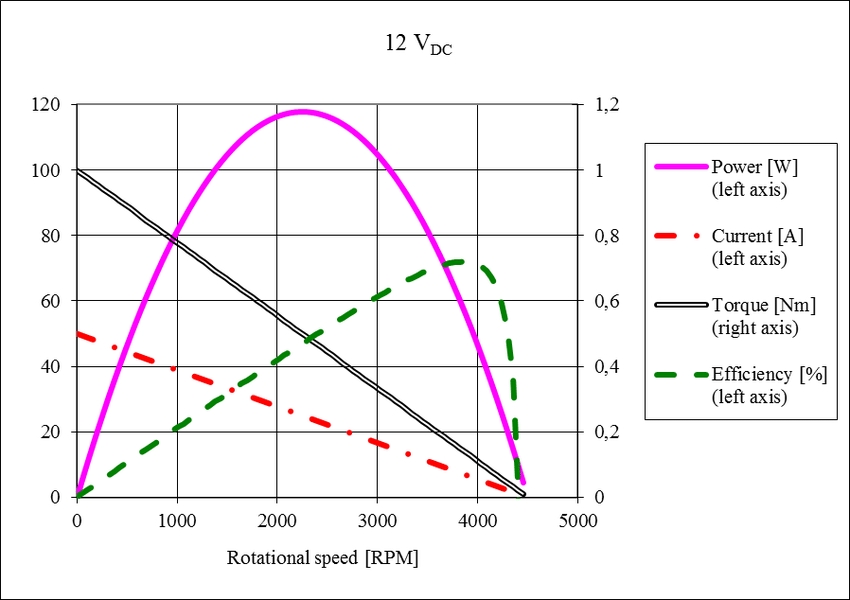
There is one thing that eats the battery pretty quick. I see a lot of riders doing technical uphill over obstacles etc..., the way an electrical motor works is that it's efficiency peaks at around 85% of its maximum rpm.
View attachment 152615
At low rpm the torque and current(consumption) is really high, but as you can see it drops with increased rpm and so at a high enough rpm you have the highest efficiency(low current draw and low torque).
What I am trying to say, every time you stop, slow down and accelerate it eats up the battery much more, and so spirited technical uphill riding is a biiig battery eater. A real life example, starting from a stop in high assistance mode and a gear to high(hard on the pedals) is going to eat a loot of battery.
You achieve best efficiency with good shifting and a good consistent motor rpm/pedaling cadence(the motor rpm adapts to your cadence).

Happy New Year


 I get that often