Some time ago, I had an e-bike with a TQ platform for which I developed an internal battery with improved range. This project was ultimately abandoned due to the limitations of the original TQ BMS's operating mode. A few years later, I'm back in the game with the Bosch platform, and we're starting a new project. This time, it's with a different approach, driven more by enjoyment than necessity. The goal is to build a battery with approximately the same capacity but 25% lighter, or the same weight but with 20% more capacity. The project will be based on the new semi-solid cells. I'm opening up a discussion for opinions and contributions of knowledge about how the Bosch ecosystem works with its BMS. I eagerly await your comments.
Navigation
Install the app
How to install the app on iOS
Follow along with the video below to see how to install our site as a web app on your home screen.
Note: This feature may not be available in some browsers.
More options
Style variation
You are using an out of date browser. It may not display this or other websites correctly.
You should upgrade or use an alternative browser.
You should upgrade or use an alternative browser.
New bike, new motor, new cells, new project !!
- Thread starter MamboN5
- Start date

- Thread starter
- #2
The idea is to buy a Powertube 750 battery; they're very cheap second-hand, around €150. I'd like to disassemble it, recover the BMS, and fabricate a casing for 10 semi-solid cells. I'm interested in knowing if anyone has experience with Bosch BMSs, and what problems I might encounter when disconnecting from the original cell pack and reconnecting to another pack.
- Thread starter
- #4
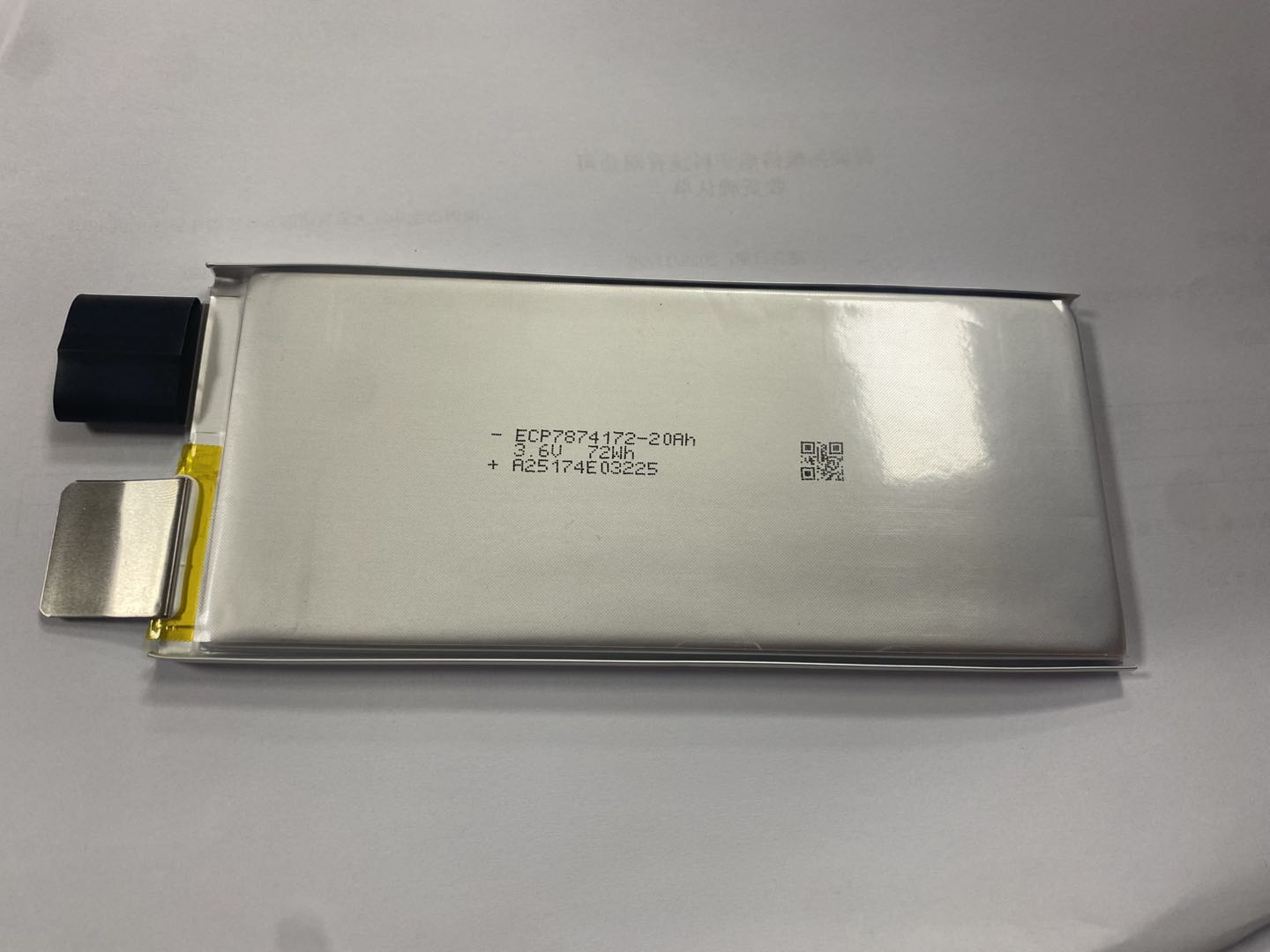
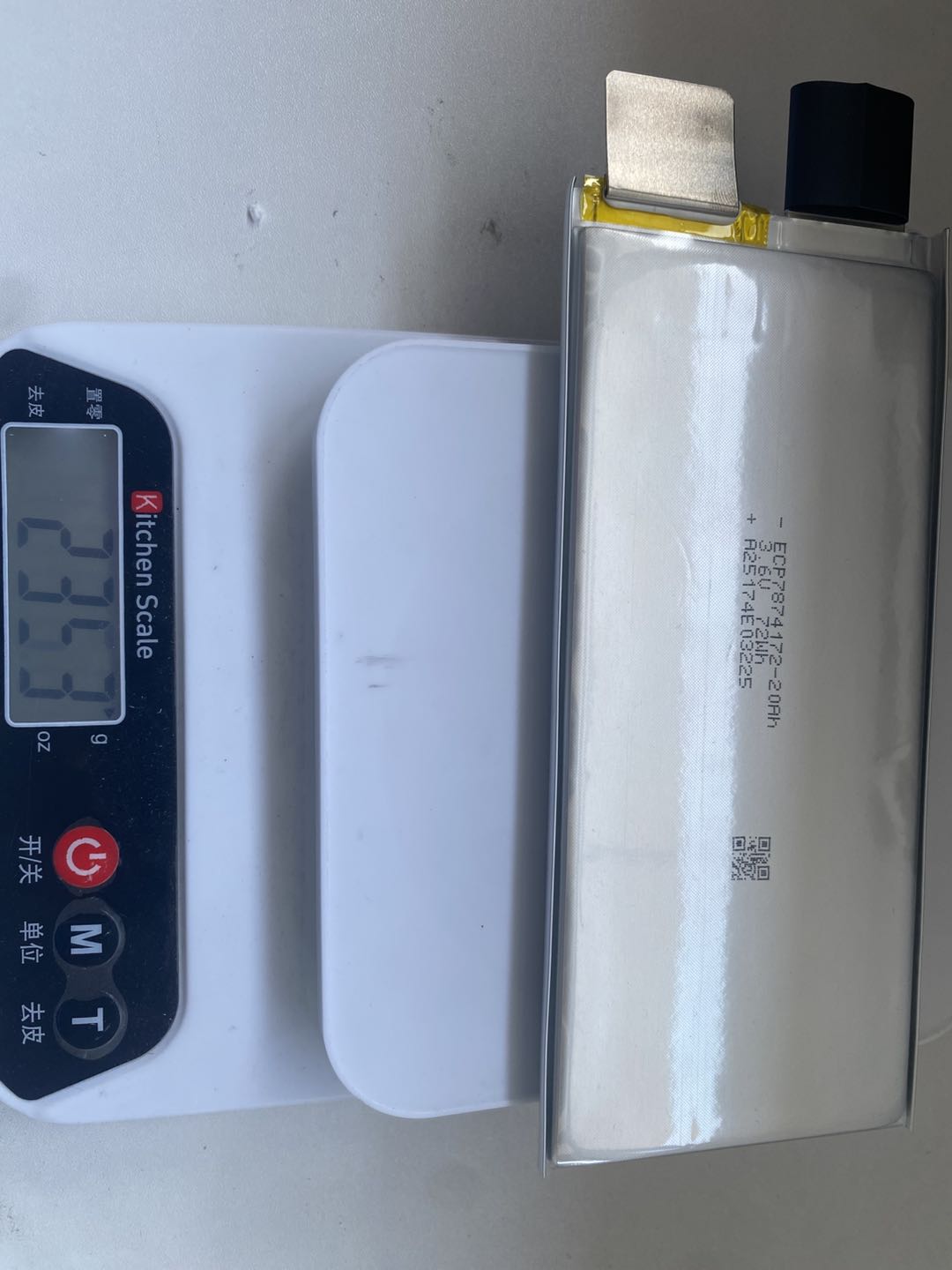
I have in mind 10 units of 3.6v 20.5Ah to get 738Wh. The total weight of the cells is 2.33kg compared to the 2.88kg of the cells that the current Powertube 800 uses. Then we will try to save 0.5kg in the casing by making it from carbon to get a total battery weight of approximately 3kg.
- Thread starter
- #5
These cells can withstand an instantaneous 10C discharge and have the significant advantage of not exploding, catching fire, or reacting to shocks, which provides peace of mind when handling the pack and allows for a much lighter battery. It will be mounted on a bicycle with a non-removable battery, greatly simplifying the design. I welcome any ideas or considerations I may have overlooked, as well as any constructive feedback and potential collaborations.
ThierryGTLTS
Member
Hi,
Keep in mind that some cells must be compressed to operate at high currents.
I know that some EVE and CATL have to be maintained compressed together.
That will add some weight!
Check with the maniufacturer.
Have a Nice Day.
Thierry
Keep in mind that some cells must be compressed to operate at high currents.
I know that some EVE and CATL have to be maintained compressed together.
That will add some weight!
Check with the maniufacturer.
Have a Nice Day.
Thierry
ThierryGTLTS
Member
And
Some cells, particularly
lithium-ion battery cells, are compressed together to prevent irreversible swelling and ensure stability. Compression keeps the internal components in firm contact and prevents the cell case from bulging, which can damage the battery, shorten its lifespan, and decrease its performance. In other contexts, like developmental biology, cell compression is a physical process that can be used to study how mechanical forces affect cell behavior, differentiation, and even cause cell death.
In lithium-ion batteries
Some cells, particularly
lithium-ion battery cells, are compressed together to prevent irreversible swelling and ensure stability. Compression keeps the internal components in firm contact and prevents the cell case from bulging, which can damage the battery, shorten its lifespan, and decrease its performance. In other contexts, like developmental biology, cell compression is a physical process that can be used to study how mechanical forces affect cell behavior, differentiation, and even cause cell death.
In lithium-ion batteries
- To prevent swelling: Cells slightly expand and contract during charging and discharging. Compression prevents this expansion from causing a permanent, damaging bulge in the cell's case.
- To ensure good contact: Compression forces the internal components to maintain a tight connection, which is crucial for performance and to push out any tiny bubbles that may have formed during manufacturing.
- To increase lifespan: By preventing damage from swelling and maintaining consistent internal contact, compression helps to maximize the battery's cycle life and performance.
- To create a stable pack: In a battery pack, compression keeps the cells from shifting, sliding, or rubbing against each other. This is important to prevent electrical shorts and to maintain a secure and stable unit.
- Thread starter
- #8
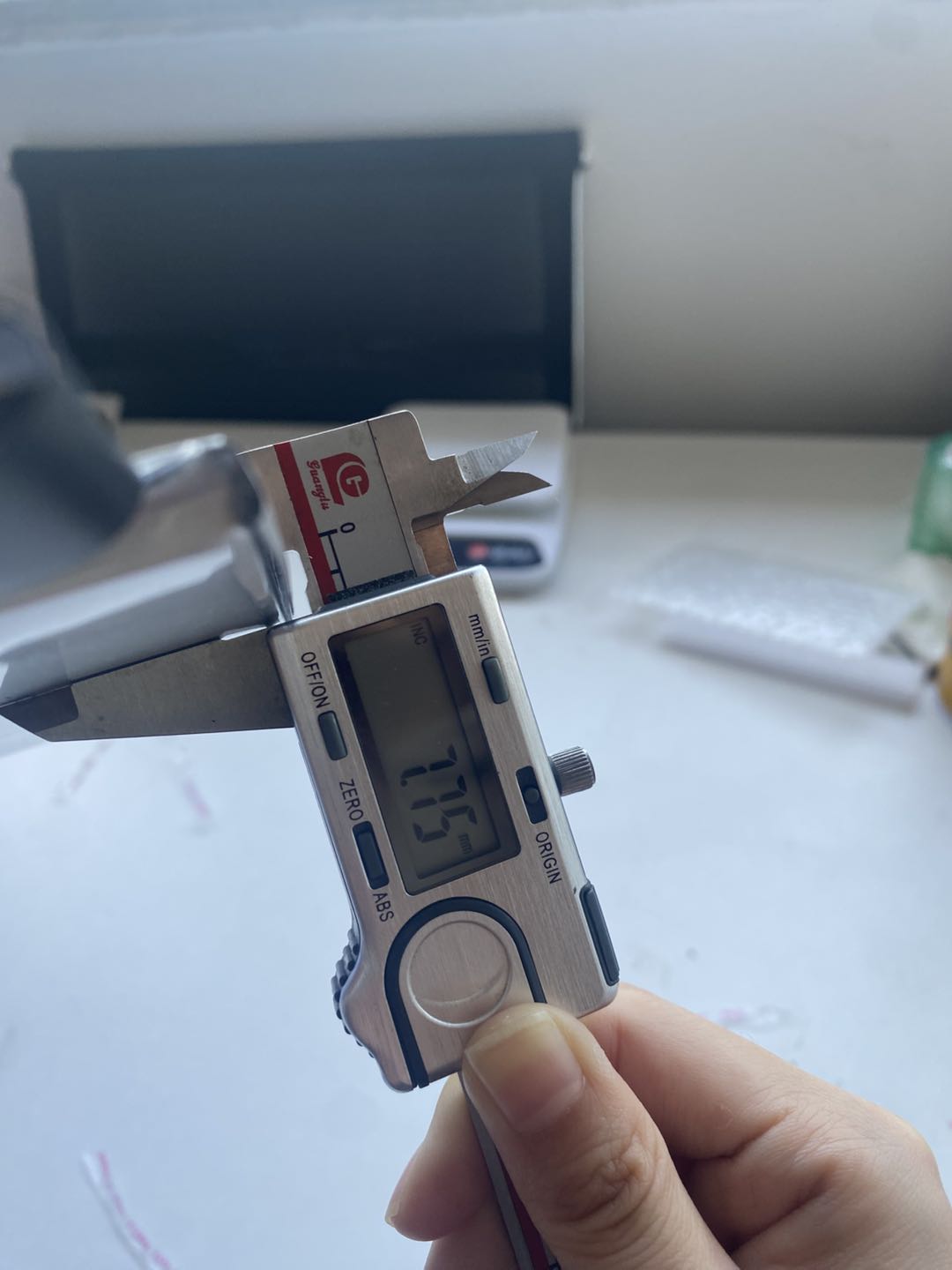
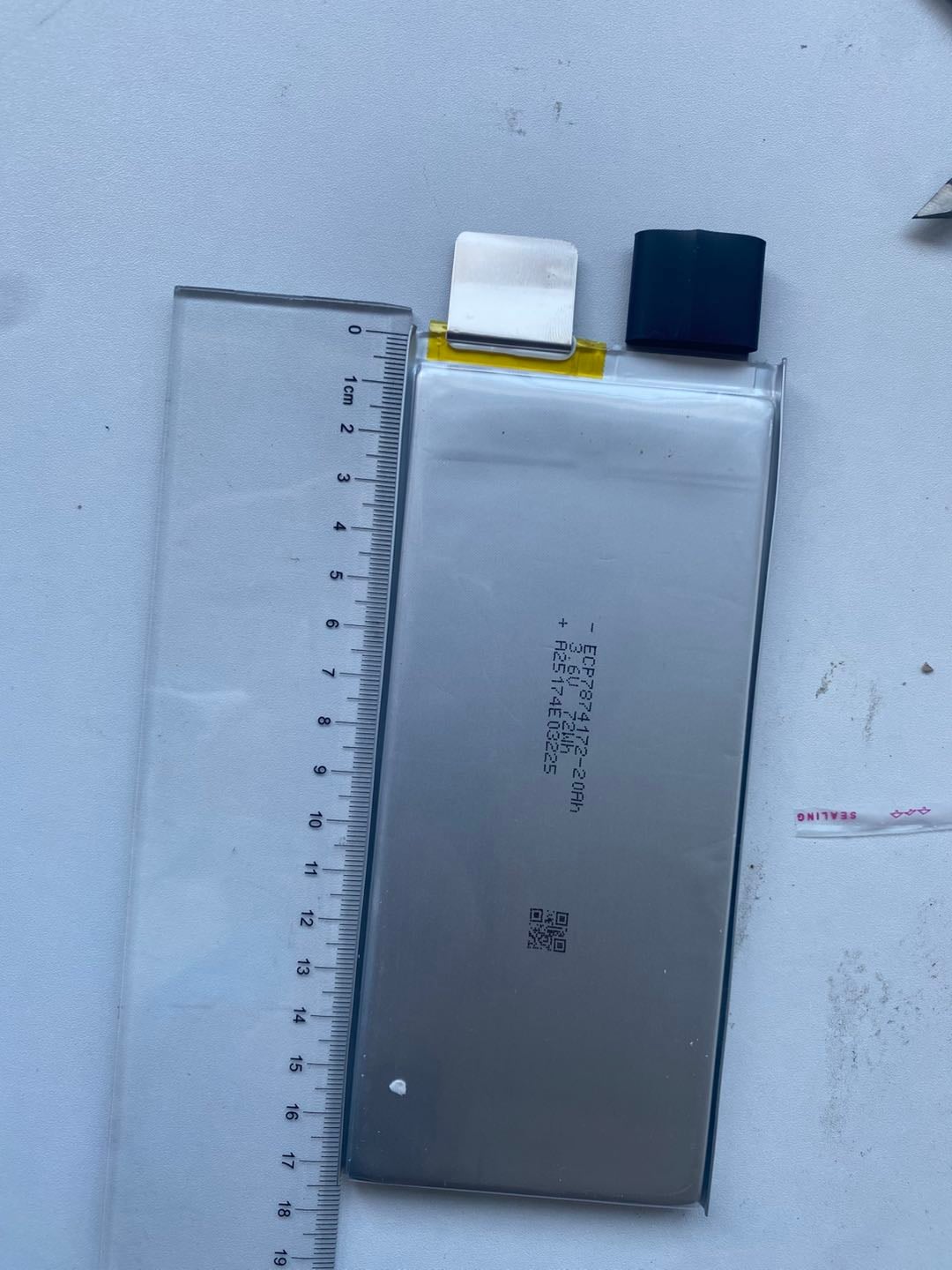
Thank you very much for your contribution. I will receive the technical specifications for the cells shortly, and we will discuss the best way to secure and arrange them within the available space. In the meantime, I have attached images of the cells being considered for the project.
- Thread starter
- #9
These cells are the best we currently have available for manufacturing e-bike batteries. From what I've seen, products offering higher energy density drastically reduce battery life with each charge cycle; they seem designed for war, I can't think of any other purpose. It seems we're finally reaching a point of maturity in e-bike products that will allow for stability and make it profitable for third parties to manufacture alternative replacement parts to keep our motor systems up-to-date. We already have major players in the market offering motor upgrades and rebuilds; let's see if we start to see the same with batteries. If you could put a current 800 Wh battery in your old e-bike with a 600 Wh battery, also reducing the total weight by 1 kg, we could extend the life of our bikes for a few more years without falling behind newer products, just like we did with standard or non-motorized bikes.
On the other hand, will we ever see high-performance batteries for racing or enthusiasts offered as tuning products, similar to how we see similar products in suspension systems? Batteries with high-performance cells and ultralight carbon fiber casings compatible with Bosch and similar platforms? The market is getting interesting.
On the other hand, will we ever see high-performance batteries for racing or enthusiasts offered as tuning products, similar to how we see similar products in suspension systems? Batteries with high-performance cells and ultralight carbon fiber casings compatible with Bosch and similar platforms? The market is getting interesting.

Rebuilding our Bosch Powertube Vertical 625Wh non-smart batteries which currently weigh about 3.5kg to save 25% weight would be a big deal. Or our original 500Wh batteries which weigh about 2.8kg but currently sit on the shelf doing nothing.Some time ago, I had an e-bike with a TQ platform for which I developed an internal battery with improved range. This project was ultimately abandoned due to the limitations of the original TQ BMS's operating mode. A few years later, I'm back in the game with the Bosch platform, and we're starting a new project. This time, it's with a different approach, driven more by enjoyment than necessity. The goal is to build a battery with approximately the same capacity but 25% lighter, or the same weight but with 20% more capacity. The project will be based on the new semi-solid cells. I'm opening up a discussion for opinions and contributions of knowledge about how the Bosch ecosystem works with its BMS. I eagerly await your comments.
This is very interesting.
I am a big fan of light-weight ebikes. I am not so bothered about all out power but getting a bike that feels as close to a push-bike as possible just adding the benefit of built in uplift.
With this in mind, my preference would be to get a 400-450Wh battery as light and SHORT as possible. The volumetric efficiency of a pouch cell compared to cylindrical cells should let you get the centre of gravity of the battery much closer to the BB which is a huge additional benefit.
Do they offer a smaller capacity cell? At 90mm wide these big cells aren't going to fit existing frames are they?
I am a big fan of light-weight ebikes. I am not so bothered about all out power but getting a bike that feels as close to a push-bike as possible just adding the benefit of built in uplift.
With this in mind, my preference would be to get a 400-450Wh battery as light and SHORT as possible. The volumetric efficiency of a pouch cell compared to cylindrical cells should let you get the centre of gravity of the battery much closer to the BB which is a huge additional benefit.
Do they offer a smaller capacity cell? At 90mm wide these big cells aren't going to fit existing frames are they?
- Thread starter
- #13
You're right, I attached the wrong sheet. The correct one has a width of 74, which is just right for the 77 width of the Bosch 800 battery, but it's still workable.
Indeed, the fact that it's only a series of 10 batteries and its shape makes it simpler to build and easier to position the weight closer to the bottom bracket. There are many types of cells with different shapes and energy densities; you can find something that fits your needs.
Indeed, the fact that it's only a series of 10 batteries and its shape makes it simpler to build and easier to position the weight closer to the bottom bracket. There are many types of cells with different shapes and energy densities; you can find something that fits your needs.
Thanks, that is super interesting. Do you think the stock BMS will work with these cells or need to be re-programmed?
I have a Levo SL with a 48v pack so most likely would use the 8.3Ah cells in the same series that you are looking at, do you happen to have the PDF for this cell you could share?
I have a Levo SL with a 48v pack so most likely would use the 8.3Ah cells in the same series that you are looking at, do you happen to have the PDF for this cell you could share?
randycpu
Member
I agree with the possible requirement for compressive force.And
Some cells, particularly
lithium-ion battery cells, are compressed together to prevent irreversible swelling and ensure stability. Compression keeps the internal components in firm contact and prevents the cell case from bulging, which can damage the battery, shorten its lifespan, and decrease its performance. In other contexts, like developmental biology, cell compression is a physical process that can be used to study how mechanical forces affect cell behavior, differentiation, and even cause cell death.
In lithium-ion batteries
- To prevent swelling: Cells slightly expand and contract during charging and discharging. Compression prevents this expansion from causing a permanent, damaging bulge in the cell's case.
- To ensure good contact: Compression forces the internal components to maintain a tight connection, which is crucial for performance and to push out any tiny bubbles that may have formed during manufacturing.
- To increase lifespan: By preventing damage from swelling and maintaining consistent internal contact, compression helps to maximize the battery's cycle life and performance.
- To create a stable pack: In a battery pack, compression keeps the cells from shifting, sliding, or rubbing against each other. This is important to prevent electrical shorts and to maintain a secure and stable unit.
Pouch cells often require compressive force, unlike 18650 and 21700 type cylindrical cells. They remain contained inside their little cans.
For example, EVE specifies the required normal force in their most common cells is 300kgf +/-20kgf (660lb)!! That is a non-trivial amount of force, especially inside a bike's pack.
Last edited:
- Thread starter
- #17
The cell's technical specifications don't mention the need for cell compression; they only state that the cells shouldn't move within the casing. My idea is to create a casing combining 3D printing and carbon fiber layers to prevent movement and make it robust enough to prevent any swelling that might occur.
For now, I'll buy the cells. Once I have them, we'll continue working on the project.
For now, I'll buy the cells. Once I have them, we'll continue working on the project.
- Thread starter
- #18
The nominal voltage of the cells and the charging voltages are the same as the lithium cells we intend to replace. The BMS should function without any changes; in fact, it has no way of knowing the voltage source. We simply need to reconnect the voltage sensors for each cell in the series and the thermistor that measures the temperature.Thanks, that is super interesting. Do you think the stock BMS will work with these cells or need to be re-programmed?
I have a Levo SL with a 48v pack so most likely would use the 8.3Ah cells in the same series that you are looking at, do you happen to have the PDF for this cell you could share?
I don't have the datasheet for the 8 Ah cells; we'll have to request it from the supplier.
If you'd like, I'll order the cells, and if they arrive correctly, I'll attach the supplier's information. I don't want to mislead any
one.
- Thread starter
- #19
The core difference is that pouch cells refer to a flexible packaging format, while semi-solid cells describe a newer, safer battery chemistry that typically uses the pouch format. A semi-solid cell is essentially a specialized, high-performance pouch cell.
Pouch Cell (General Format)
A pouch cell is a type of lithium-ion battery defined by its flexible, heat-sealed aluminum-laminate casing, as opposed to rigid metal shells (like those in cylindrical or prismatic cells).
Structure: Electrodes and a traditional liquid electrolyte are housed in a simple, soft package.
Advantages:
Lightweight: The absence of a heavy metal casing makes them lighter than other formats.
Flexible Design: They can be adapted to various shapes, making them highly efficient for maximizing space in devices like smartphones and drones.
Cost-Effective: They often have a simpler and more cost-effective manufacturing process.
Disadvantages:
Safety Risk: Without a rigid shell, they carry a higher risk of rupture if punctured or exposed to extreme conditions.
Swelling: They are prone to "bloating" or swelling as a normal part of use and aging.
Semi-Solid Cell (Chemistry Innovation)
A semi-solid cell is a technological advancement in battery chemistry that aims to improve on the limitations of traditional liquid-electrolyte lithium-ion batteries.
Chemistry: It uses a gel-like or semi-solid electrolyte material that replaces most of the flammable liquid electrolyte found in traditional cells.
Packaging: This chemistry innovation is typically integrated into the pouch cell format to take advantage of its high packing efficiency and lightweight design.
Advantages:
Enhanced Safety: Significantly reduces the risk of thermal runaway and fire/explosion by using less flammable liquid electrolyte.
Higher Energy Density: Can achieve much higher energy densities (e.g., 320 Wh/kg or more) compared to standard lithium-ion, extending range/flight time for EVs and drones.
Longer Lifespan & Performance: Offers improved thermal stability, which leads to less degradation, a longer lifespan, and support for high-rate charging/discharging.
Pouch Cell (General Format)
A pouch cell is a type of lithium-ion battery defined by its flexible, heat-sealed aluminum-laminate casing, as opposed to rigid metal shells (like those in cylindrical or prismatic cells).
Structure: Electrodes and a traditional liquid electrolyte are housed in a simple, soft package.
Advantages:
Lightweight: The absence of a heavy metal casing makes them lighter than other formats.
Flexible Design: They can be adapted to various shapes, making them highly efficient for maximizing space in devices like smartphones and drones.
Cost-Effective: They often have a simpler and more cost-effective manufacturing process.
Disadvantages:
Safety Risk: Without a rigid shell, they carry a higher risk of rupture if punctured or exposed to extreme conditions.
Swelling: They are prone to "bloating" or swelling as a normal part of use and aging.
Semi-Solid Cell (Chemistry Innovation)
A semi-solid cell is a technological advancement in battery chemistry that aims to improve on the limitations of traditional liquid-electrolyte lithium-ion batteries.
Chemistry: It uses a gel-like or semi-solid electrolyte material that replaces most of the flammable liquid electrolyte found in traditional cells.
Packaging: This chemistry innovation is typically integrated into the pouch cell format to take advantage of its high packing efficiency and lightweight design.
Advantages:
Enhanced Safety: Significantly reduces the risk of thermal runaway and fire/explosion by using less flammable liquid electrolyte.
Higher Energy Density: Can achieve much higher energy densities (e.g., 320 Wh/kg or more) compared to standard lithium-ion, extending range/flight time for EVs and drones.
Longer Lifespan & Performance: Offers improved thermal stability, which leads to less degradation, a longer lifespan, and support for high-rate charging/discharging.
Thanks for guinea-pigging it all, very interested to see how it goes.
If the charging profiles are interchangeable with more conventional cylindrical cells in our existing packs then that should make things a lot easier. Only thing I noticed was that the cut off voltage should be set to 2.6v whereas some BMS will let Li-Ions go down to 2.5v. I think my BMS is very conservative because power cuts right back while still at 10% and cuts out around 5%.
The expansion is going to make things difficult one way or another.
If the cells you are using start at 7.8mm but need to be allowed to expand to 9.4 then that's a considerable percentage increase (20.5%). So they would need to be spaced with a foam or similar perhaps? And the foam would need to be thicker than 1.6mm because it will not have zero thickness when fully compressed. But the cells need to still be securely retained so they can't shake about significantly under riding accelerations.
If on the other hand it is OK to try to constrain the cells to their original thickness then what are the loads that develop likely to be?
If the charging profiles are interchangeable with more conventional cylindrical cells in our existing packs then that should make things a lot easier. Only thing I noticed was that the cut off voltage should be set to 2.6v whereas some BMS will let Li-Ions go down to 2.5v. I think my BMS is very conservative because power cuts right back while still at 10% and cuts out around 5%.
The expansion is going to make things difficult one way or another.
If the cells you are using start at 7.8mm but need to be allowed to expand to 9.4 then that's a considerable percentage increase (20.5%). So they would need to be spaced with a foam or similar perhaps? And the foam would need to be thicker than 1.6mm because it will not have zero thickness when fully compressed. But the cells need to still be securely retained so they can't shake about significantly under riding accelerations.
If on the other hand it is OK to try to constrain the cells to their original thickness then what are the loads that develop likely to be?
- Thread starter
- #21
The operating range of the lithium cells is 2.6v / 4.2v according to their technical specifications, but the BMS of our batteries only allows them to discharge to 3.0v. This is documented in the previous project in another thread on this forum. If you're curious, check it out and you'll see the problems we encountered with the TQ motor and battery.Thanks for guinea-pigging it all, very interested to see how it goes.
If the charging profiles are interchangeable with more conventional cylindrical cells in our existing packs then that should make things a lot easier. Only thing I noticed was that the cut off voltage should be set to 2.6v whereas some BMS will let Li-Ions go down to 2.5v. I think my BMS is very conservative because power cuts right back while still at 10% and cuts out around 5%.
The expansion is going to make things difficult one way or another.
If the cells you are using start at 7.8mm but need to be allowed to expand to 9.4 then that's a considerable percentage increase (20.5%). So they would need to be spaced with a foam or similar perhaps? And the foam would need to be thicker than 1.6mm because it will not have zero thickness when fully compressed. But the cells need to still be securely retained so they can't shake about significantly under riding accelerations.
If on the other hand it is OK to try to constrain the cells to their original thickness then what are the loads that develop likely to be?
- Thread starter
- #22
Regarding the cell swelling documented in the technical data sheet, it is after performing cycle tests with a 1C charge and a 3C discharge (which would be equivalent to a constant 2100W motor) for 300 cycles. The tests are done with the cell without its container. This is a very extreme situation that we will never reach in our e-bikes. To prevent them from swelling, I do think it is advisable to provide good support across their entire surface, as recommended by our forum members.
randycpu
Member
I would reach out to the manufacturer and ask specifically about the need for cell compression. EVE only recently documented this spec. Before that it was "tribal knowledge".The cell's technical specifications don't mention the need for cell compression; they only state that the cells shouldn't move within the casing. My idea is to create a casing combining 3D printing and carbon fiber layers to prevent movement and make it robust enough to prevent any swelling that might occur.
For now, I'll buy the cells. Once I have them, we'll continue working on the project.

What a cool project I would certainly be a potential buyer for something like this.
I'd be a bit more interested in weight savings than additional watts.
My personal opinion is that you need to copy the form factor of the 600w power tube Bosch battery that's used in the gen 5. The reason is that many of the modern high volume bikes, this is the only battery that will fit within them. And several that run the 800 watt can also have the 600 in its place.
I have a new one on the shelf for a new build actually. Maybe you should build it into a SS battery for me?
GL!
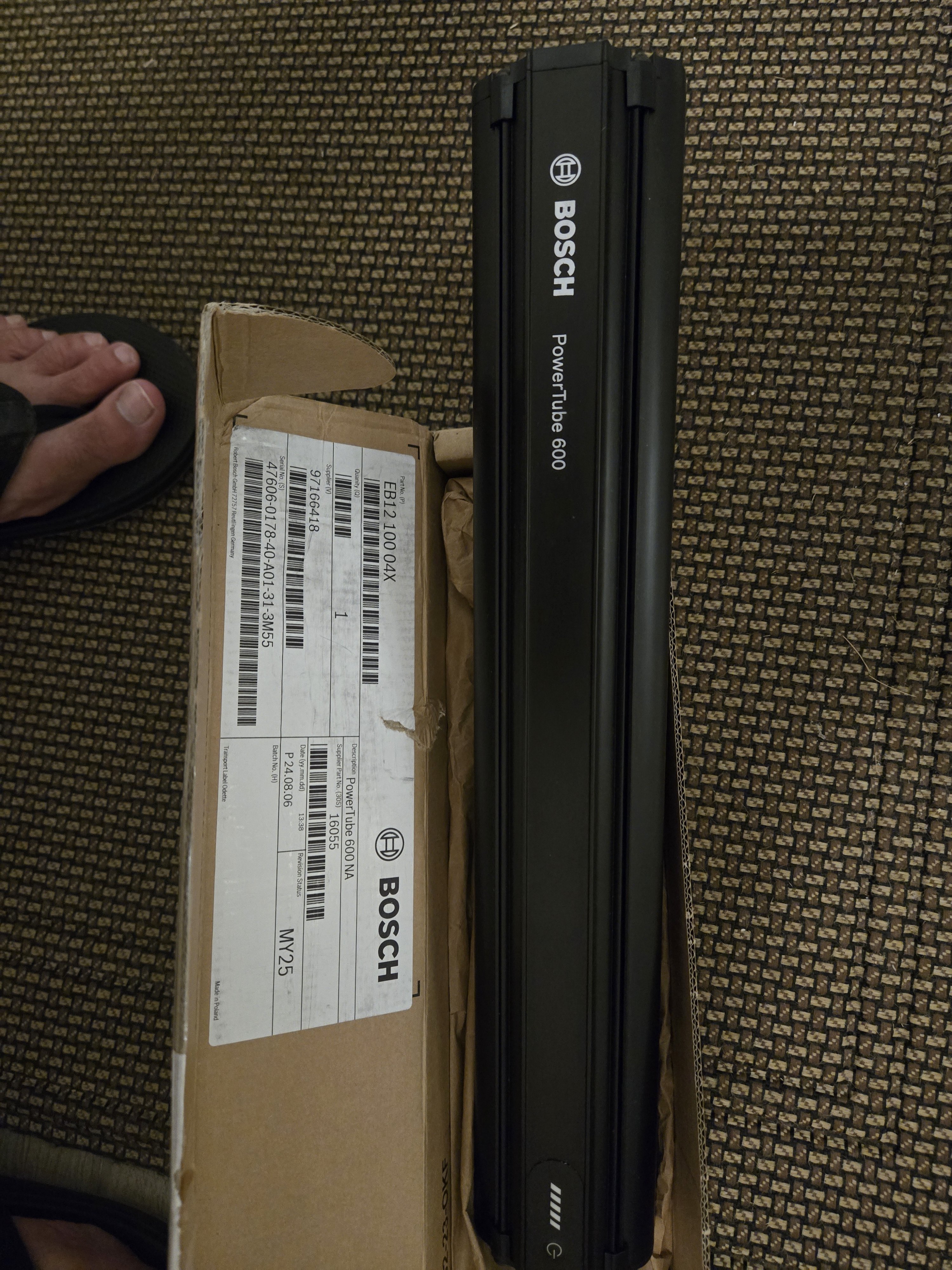
I'd be a bit more interested in weight savings than additional watts.
My personal opinion is that you need to copy the form factor of the 600w power tube Bosch battery that's used in the gen 5. The reason is that many of the modern high volume bikes, this is the only battery that will fit within them. And several that run the 800 watt can also have the 600 in its place.
I have a new one on the shelf for a new build actually. Maybe you should build it into a SS battery for me?
GL!
- Thread starter
- #26
It seems each user is looking for something different. Stainless steel doesn't seem like a very interesting option in terms of the final weight of the assembly. Second-hand batteries are very affordable; after all, we're only interested in the BMS, and if the cells are degraded, we don't care. But a range extender could be used as a base, of course. I don't know if the Bosch system might have the same problem we encountered with TQ regarding how it calculates the remaining battery capacity and performs the power reduction for the last 10% (see the post about the TQ battery project). In that case, it would be more interesting to start with a battery that has the same capacity as the one we want to manufacture. In any case, this should be a DIY system; we all collaborate, each contributing what we can and then manufacturing it in our own way. Let me state upfront that I don't intend to supply batteries to anyone.
- Thread starter
- #27
We will do it that way; it seems the most reasonable thing to do.I would reach out to the manufacturer and ask specifically about the need for cell compression. EVE only recently documented this spec. Before that it was "tribal knowledge".


Similar Threads
-

-
-
The Golden Goose. 72v Dengfu E55 CYC X1 Pro.
- Started by bram.biesiekierski
- Replies: 113
-
-