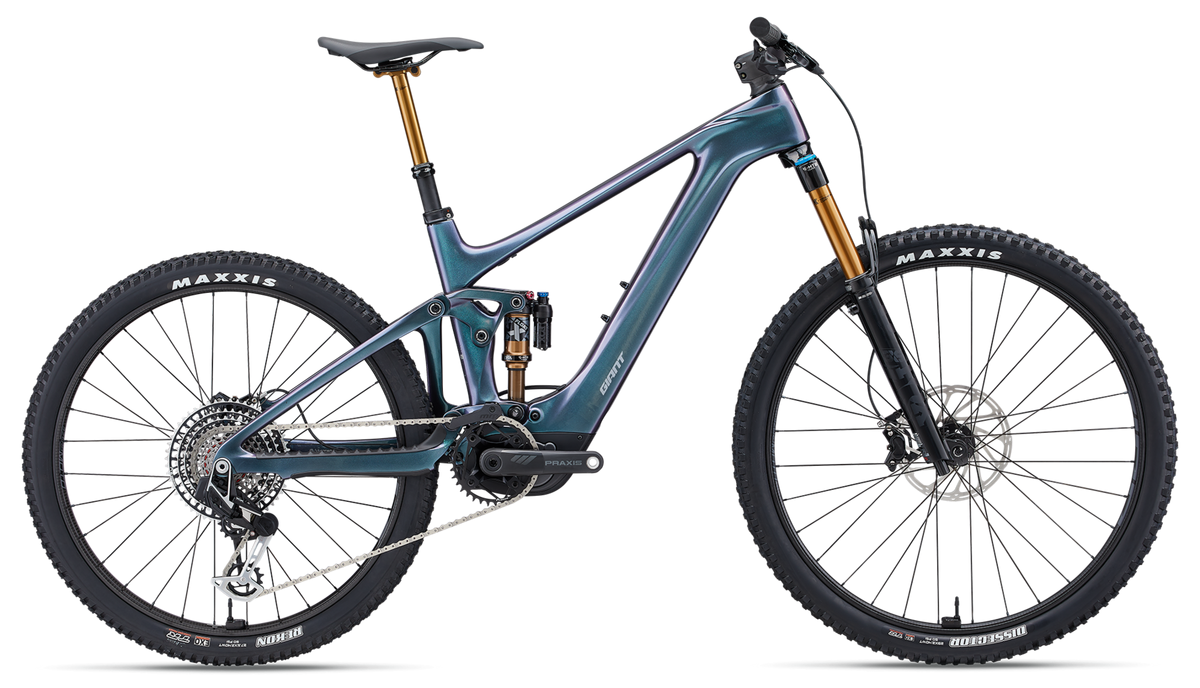
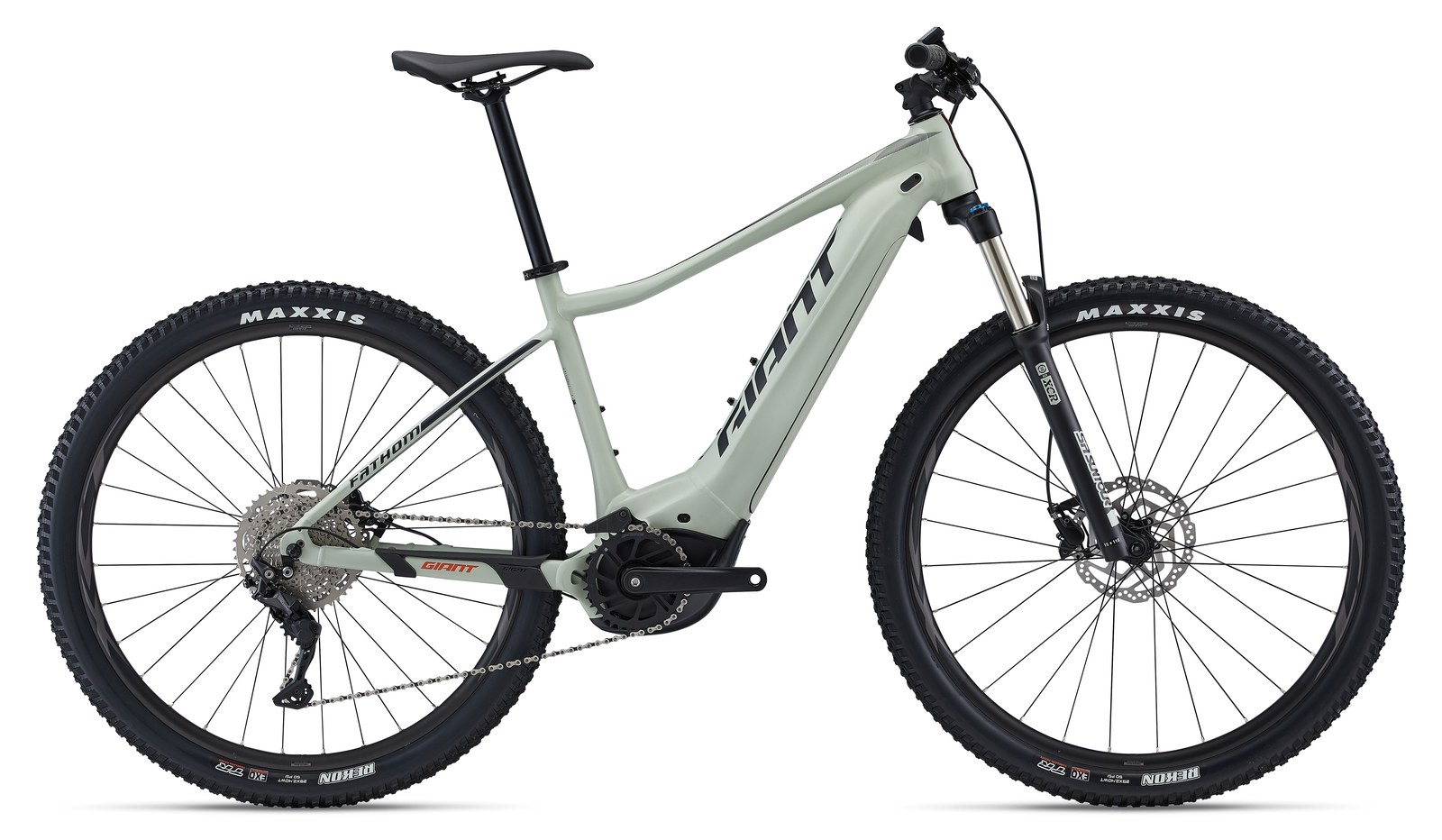
Giant SyncDrive Pro
Giant's SyncDrive Pro2 is a Yamaha PW-X3 motor re-tuned by Giant's own firmware: a 36 V, 85 Nm full-power unit whose party trick is how naturally it turns hard rider input into a big surge of power. Note it is now one generation back — the 48 V SyncDrive Pro 3 (90 Nm, 800 W peak) launched on the 2026 Reign Advanced E+ and is Giant's current flagship.
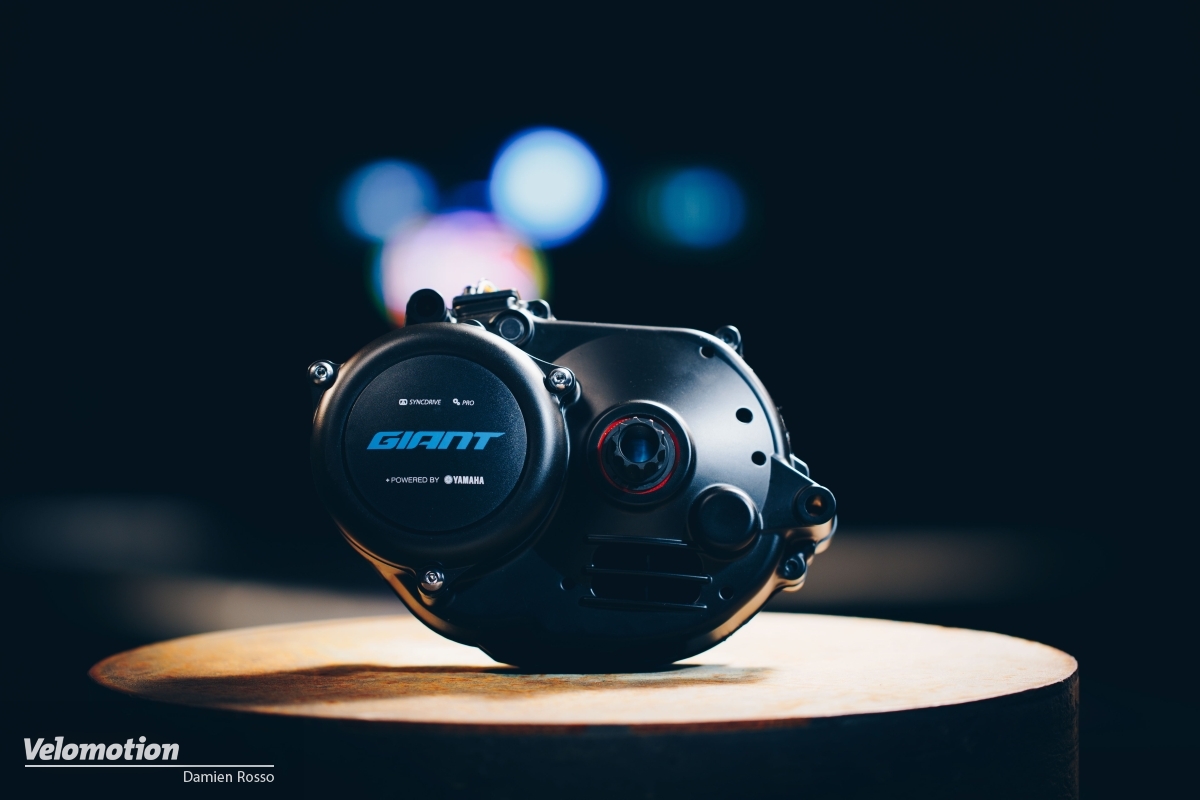
Builds progressively to a broad plateau around 70-75 rpm, then tapers gently at high cadence rather than falling off a cliff.
Giant SyncDrive Pro2 was, until recently, Giant's flagship full-power drive: Yamaha PW-X3 hardware wrapped in Giant's own RideControl software. Its headline 85 Nm looks tame next to the 90-100 Nm crowd, and 400% maximum assist is conservative on paper, but Giant tunes for feel rather than spec-sheet shock, and that is where this motor earns its keep. It is no longer the current flagship — the 48 V SyncDrive Pro 3 (90 Nm, 800 W peak) launched on the 2026 Reign Advanced E+ and now sits above it; the Pro2 lives on at the 36 V end of the range on bikes like the Trance X Advanced E+.
On Velomotion's 2022 bench it produced an average of around 682 W at a high 250 W rider input and a 70-75 rpm cadence. That is genuinely competitive: it actually edges the Shimano EP8 (666 W in the same test) and sits behind only the Bosch Performance Line CX Gen4, which Velomotion put more than 10% clear of the EP8. At low rider input (around 100 W) it deliberately holds back, where the EP8 jumps ahead. Pedal harder, though, and the reserves arrive in a smooth, linear wave; testers rated its response and controllability among the very best available, and it is noticeably quieter than a Shimano EP8 or Bosch Performance Line CX.
The trade-off is appetite: on flat ground at low load it draws more from the battery than most rivals, though on a steep 10% climb it becomes genuinely efficient and promises strong range. The MBR test of the Trance X Advanced E+ echoes the lab verdict — smooth, natural engagement and strong climbing from the 85 Nm — while noting a slight lurch at rest and a more hesitant Smart Assist mode. It is a motor for riders who like to drive the pedals rather than freewheel.
Character
The case for and against
Strengths
- Bench-competitive 682 W (Velomotion) — ahead of Shimano EP8's 666 W
- Class-leading response and controllability
- Notably quiet under load
- Light for a full-power motor at ~2.7 kg
- Smooth, linear power delivery; very efficient on steep climbs
Compromises
- Superseded as flagship by the 48 V SyncDrive Pro 3 (90 Nm, 800 W)
- 85 Nm trails the 90-100 Nm class leaders, and trails the Bosch CX on the dyno
- Holds back at low rider input; slight lurch at rest, hesitant Smart Assist
- Thirsty on flat ground at low load; 36 V runs warmer than the newer 48 V unit