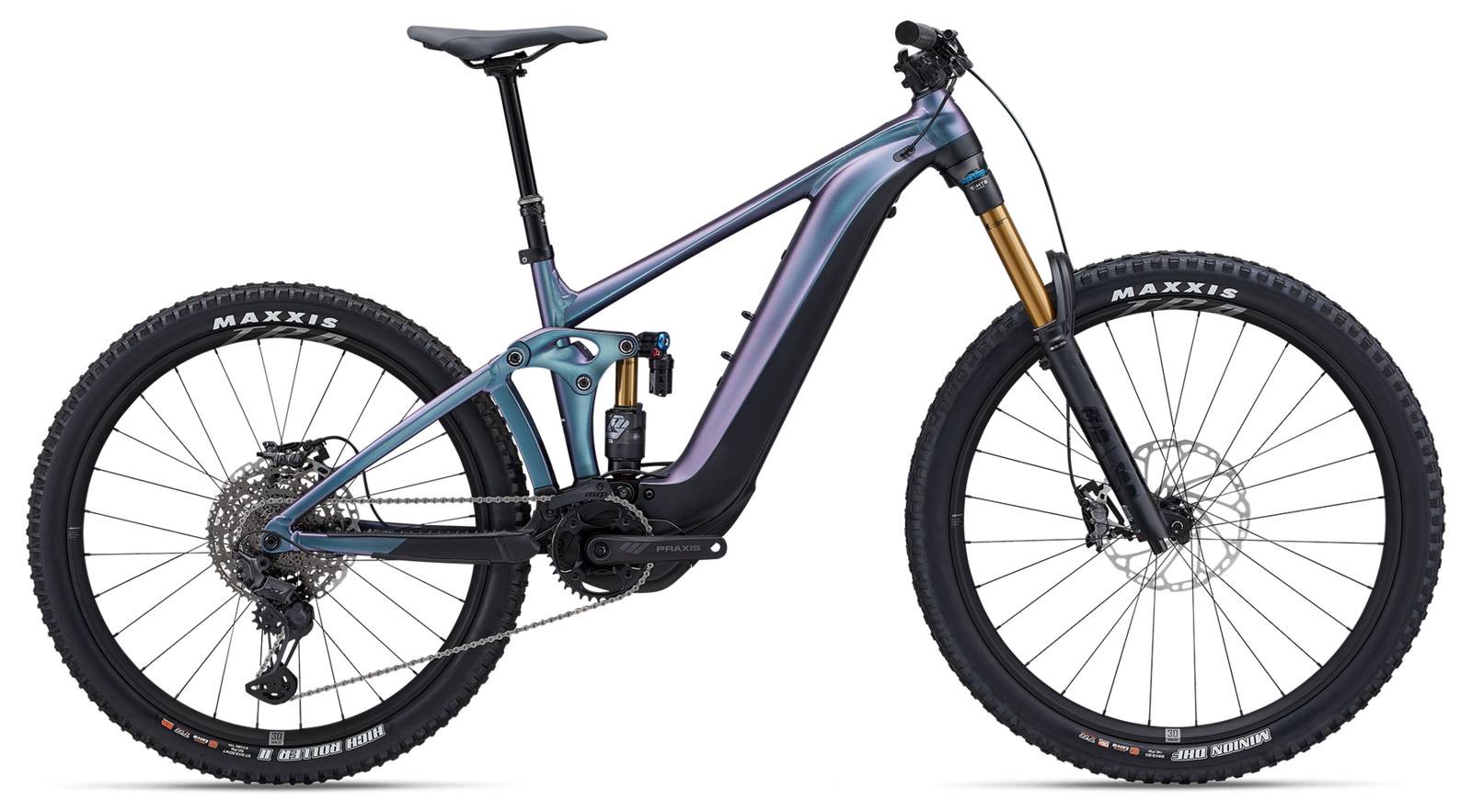
Motors · Giant (Yamaha)
Giant (Yamaha) · SyncDrive (48V)

Giant SyncDrive Pro3

Giant's flagship 2026 drive jumps to 48 volts, co-developed with Yamaha and widely understood to use the new 48 V PW-X4 platform. Giant quotes 90 Nm of sustained torque and 800 W of peak power, with the instant low-cadence punch SyncDrive has always been known for.
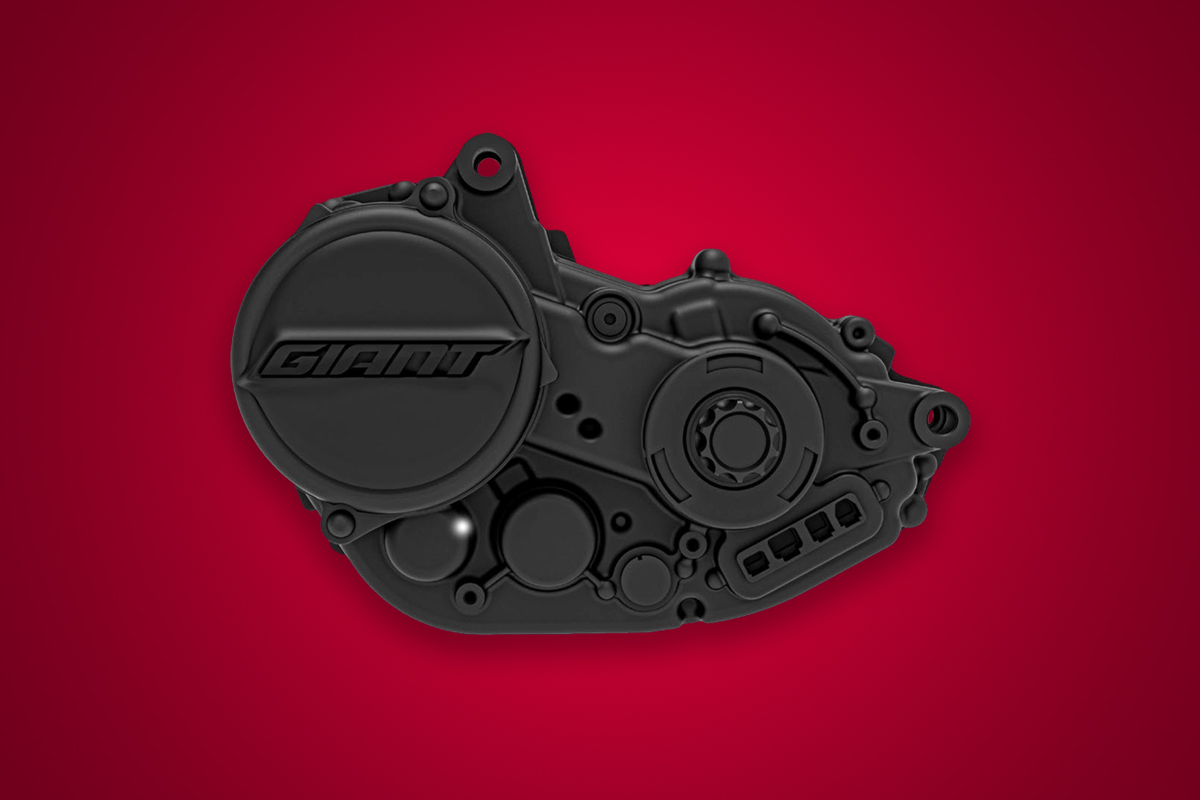
Giant SyncDrive Pro3 eMTB motor
Giant's SyncDrive Pro3 — the brand's 48 V full-power unit, reportedly built on Yamaha's PW-X4 platform (Giant hasn't officially named it).
0250500750406080100120800 Wcadence (rpm) →power (W)

Illustrative, not a Pro3 dyno trace. Strong from very low cadence thanks to Zero Cadence, a broad plateau through 60-90 rpm, then a gentle Yamaha-typical taper past 100 rpm. Anchored on Velomotion's measured Pro2 behaviour (682 W maximum output at max torque) and scaled to Giant's claimed 800 W Pro3 peak.

The verdict

Giant SyncDrive Pro3 is Giant's most significant motor leap in years: a move from the long-running 36 V SyncDrive Pro2 to a fresh 48 V architecture co-developed with Yamaha and widely understood to share its hardware with the new PW-X4. Giant quotes 90 Nm of sustained torque (note: a constant figure, not the peak number most rivals headline), 800 W of peak power and support of up to 400%, in a magnesium housing that keeps weight to 2.6 kg — figures that pull the brand level with the 48 V Bosch and Specialized units it used to trail.

The defining trait carries over from earlier SyncDrive generations: Yamaha's Zero Cadence response. Power arrives the instant you load the pedals rather than waiting for you to spin up, which makes the Pro3 feel immediate and intuitive on steep, low-speed technical climbs. The higher-voltage, lower-current 48 V design lets Giant claim cleaner delivery and less heat for a given power than the 36 V Pro2.

One honest caveat: as a freshly launched 2026 motor, the Pro3 has no independent dyno verification yet. Velomotion measured a maximum 682 W from the previous 36 V Pro2 at full torque (250 W rider input), so the Pro3's 800 W headline remains a manufacturer claim until the test benches catch up. Treat the 90 Nm / 800 W / 400% figures as Giant's published numbers, not lab-confirmed ones.

“Zero Cadence response means power lands the instant you push, not the moment you spin up.”

Character

Rider input
Giant publishes up to 400% maximum support (the previous Pro2 figure-of-merit; the underlying Yamaha EU rating is around 360%). Modest rider input unlocks strong assist, but the torque-sensing response still rewards a deliberate pedal push for the firmest shove.
On the trail
Immediate, lively and easy to meter out — the Pro3 feels natural on technical climbs and rewards a sporty pedalling style rather than pure spinning.
Noise
Not yet independently measured in dBA for the Pro3. SyncDrive units have historically run quieter than Shimano EP8 and around or below Bosch CX, with no rattle on rough descents; treat the Pro3 as expected-quiet rather than measured-quiet until a lab figure lands.
Efficiency
No independent Wh/km figures are published for the Pro3 yet. The predecessor 36 V Pro2 was an efficient climber but thirstier than rivals on level ground in Velomotion's testing; the 48 V Pro3 should improve on that, but it is unconfirmed.

The case for and against

Strengths

  • Instant Zero Cadence response on steep, slow climbs
  • Big 48 V step up to a claimed 800 W peak
  • Light for its class at 2.6 kg
  • 90 Nm is sustained torque, not a fleeting peak
  • Historically quiet, rattle-free running

Compromises

  • No independent dyno, thermal or noise data yet (2026 launch)
  • 800 W peak and 400% support are manufacturer claims, unverified
  • Outgunned on raw peak power and torque by Avinox
  • Tied to Giant frames and the RideControl ecosystem
How it stacks up

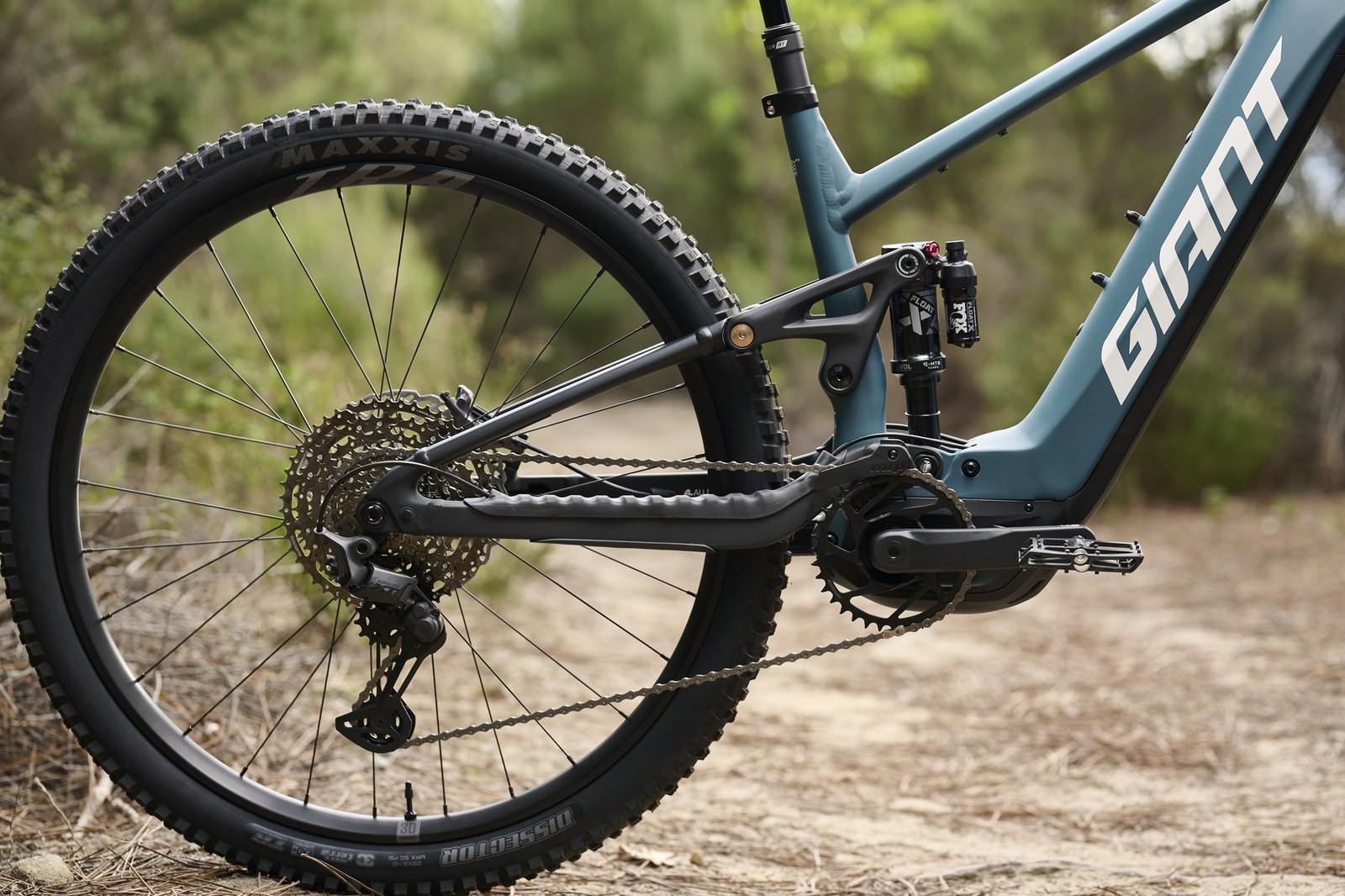
On paper the Pro3 (90 Nm sustained / 800 W claimed / 48 V) lines up with Bosch Performance Line CX Gen 5 (up to 120 Nm / 750 W peak after the 2026 Performance Upgrade 2.0) and Shimano EP801 (85 Nm, 600 W), while staying light at 2.6 kg — lighter than the 2.9 kg Bosch CX. It sits below Specialized's full-power 3.x system on raw figures and can't touch the Avinox M2S (up to 1,500 W / 150 Nm peak; 1,300 W / 130 Nm continuous) for outright boost, trading that for refinement and the trademark instant Yamaha response. Remember Giant's 90 Nm is a sustained figure where most rivals quote peak torque, so the on-trail gap is smaller than the number suggests.
OWNER INTELLIGENCE
Most owners report no problems · 4,536 posts from 668 members analysed.
66Bearings and water: the repairer's verdict on the PW-X generation · typical onset: Bearing complaints from ~2,000-7,000 km; water deaths are seasonal (after…
29Speed-sensor and wiring faults misdiagnosed as motor failures · typical onset: Any time; often after assembly or wheel/rotor work.
24Noise: high-cadence squeal, clicking, knocking (common but not normal) · typical onset: From new to ~650 miles; mostly stable rather than progressive.
18,953 miles on a 2016 Haibike Full FatSix's original, never-opened Yamaha PW motor - original everything except consumables
Read the full owner report →
Back
Top