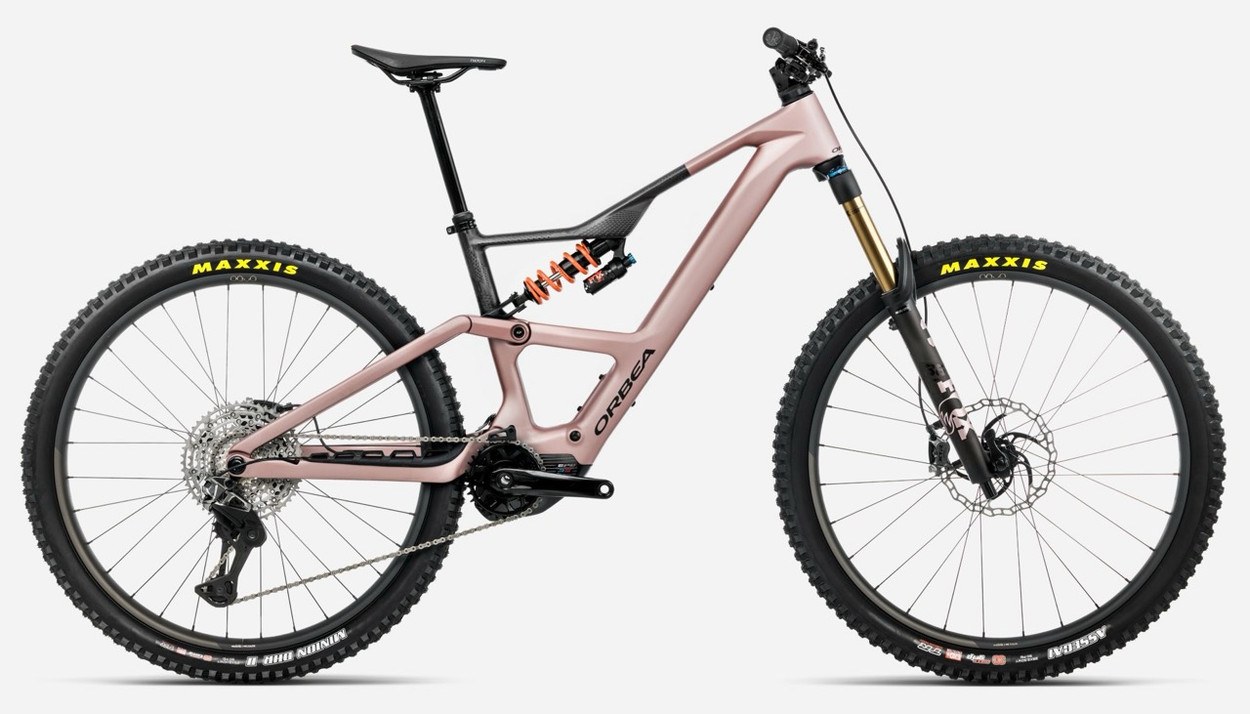
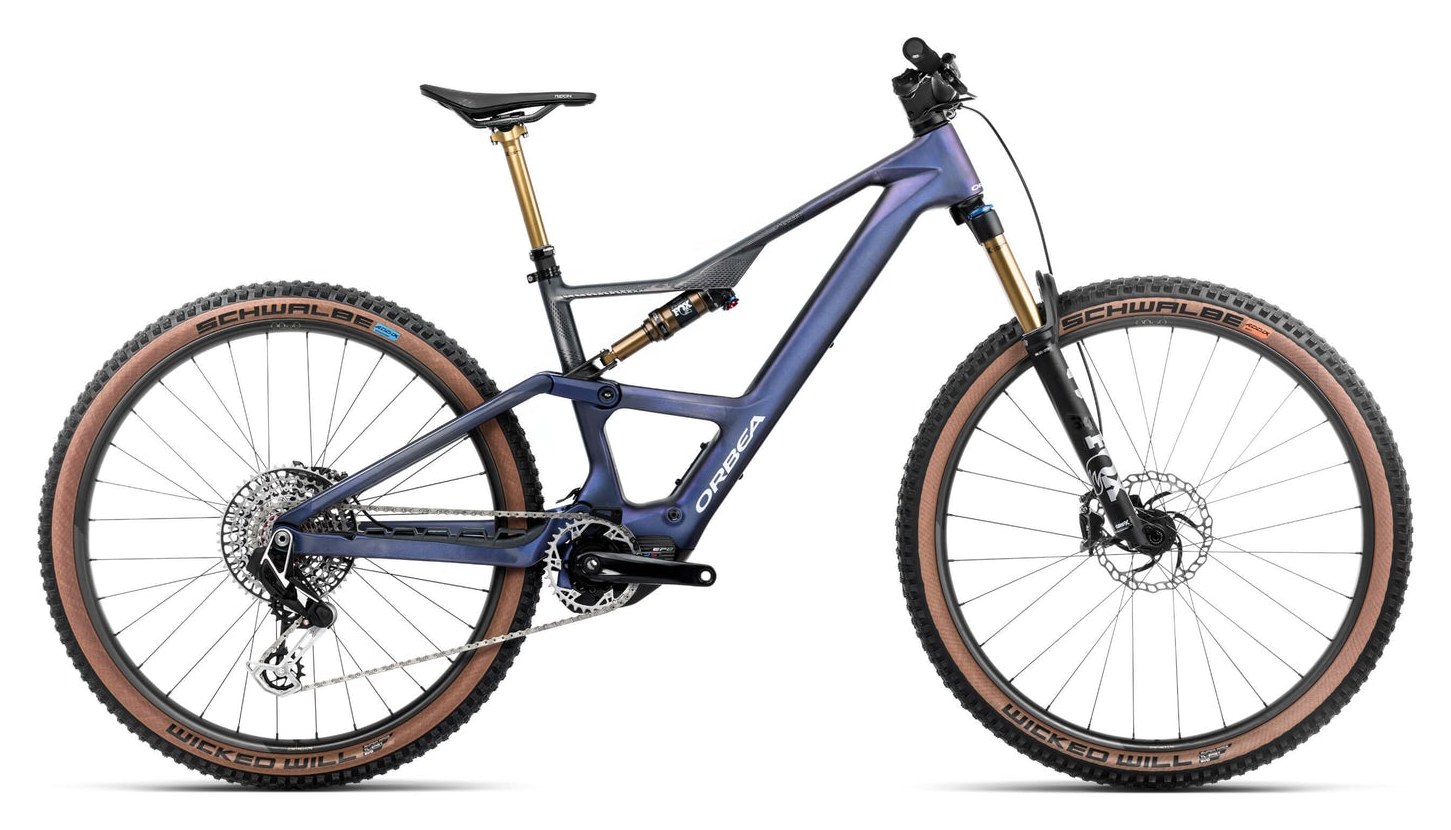
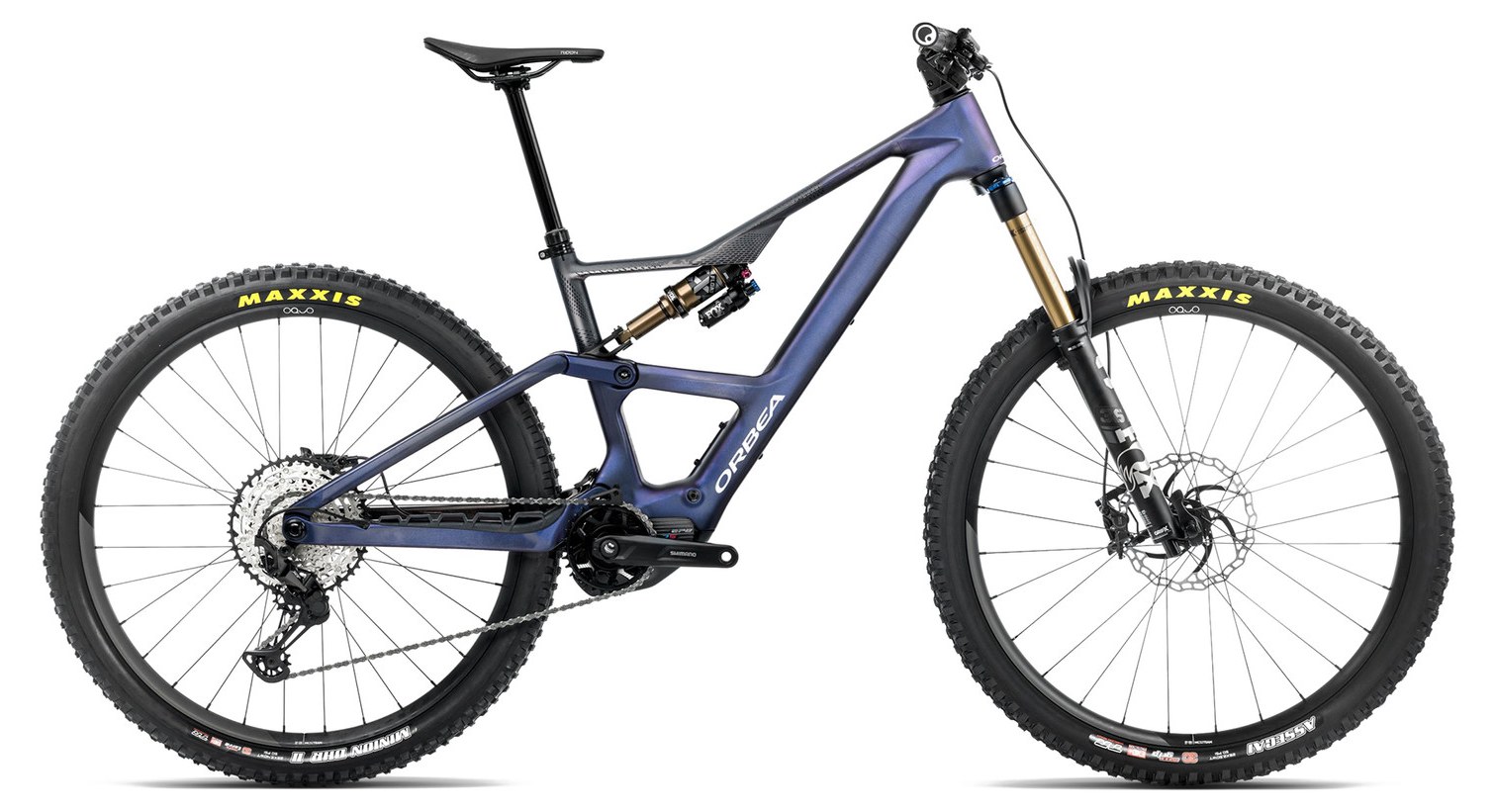
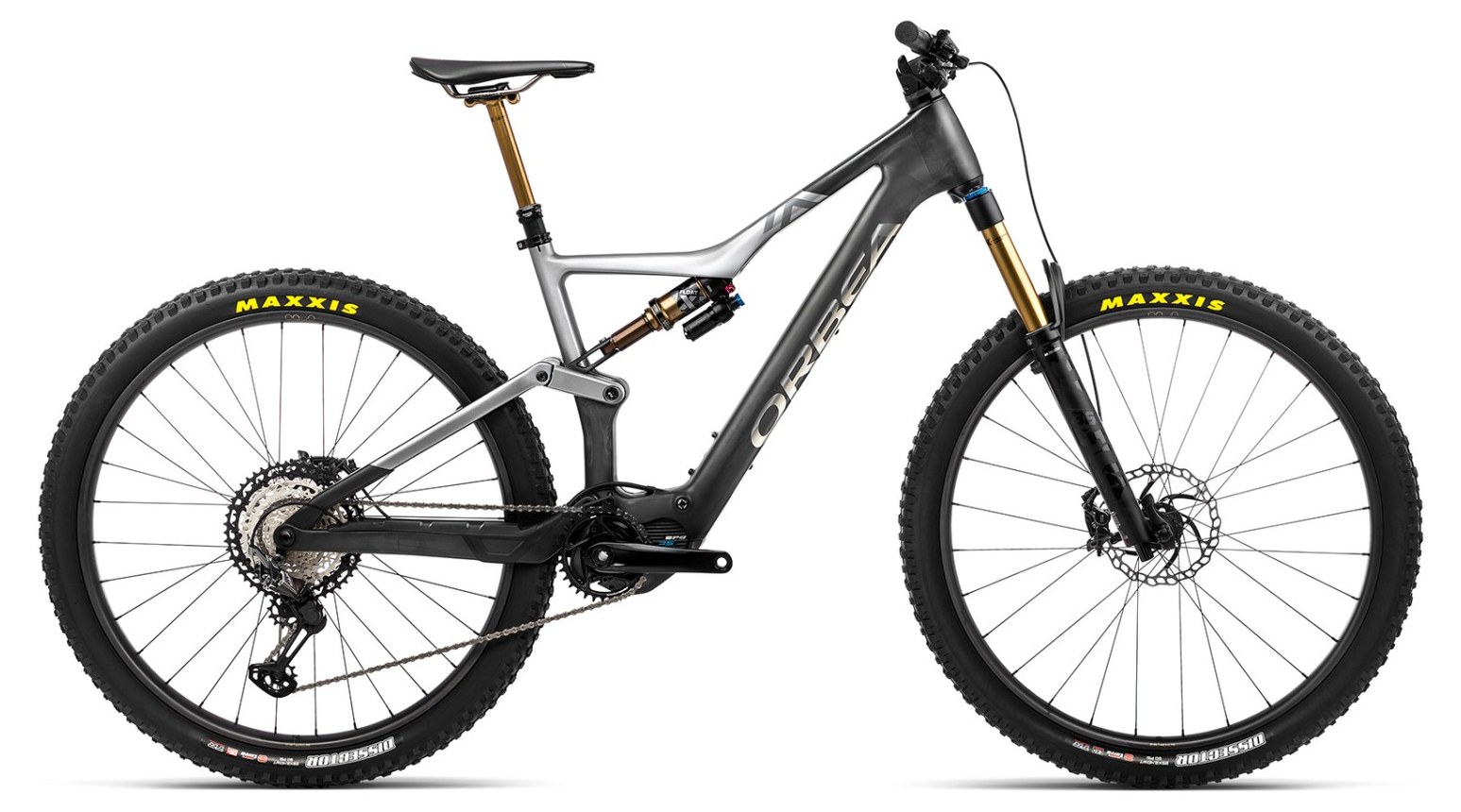
EP801 RS
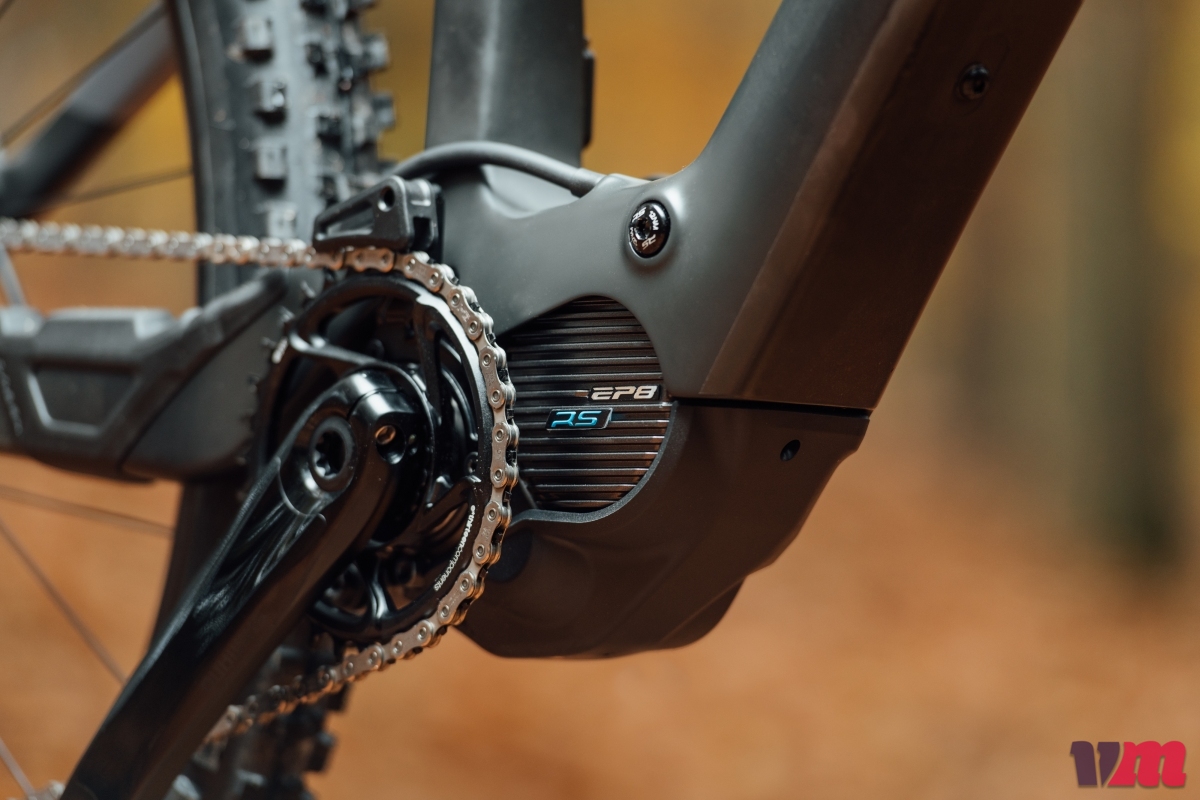
Shimano's EP801 RS is the Orbea-exclusive 'Rider Synergy' tune of the full-size EP801: same 2.65 kg hardware, but software that lets the rider toggle between an efficient RS natural mode (54 Nm) and a full-fat RS+ climbing mode (85 Nm) - and the second-generation tune now hands over that full 85 Nm from as low as ~45 rpm. It is the motor that finally let the Orbea Rise blur the line between light and full-power eMTB.
Builds fast off idle - in RS+ it delivers the full 85 Nm from as low as ~45 rpm - plateaus broadly across the 60-90 rpm window at peak power, then falls away sharply above 110 rpm where it noticeably runs out of breath.
Shimano EP801 RS is two motors in one firmware tune. For its first generation the Orbea EP8-RS was a deliberately softened drive, capped near 60 Nm and tuned to feel like a stronger rider rather than a winch; the current second-generation Rider Synergy tune replaces that with two cleanly defined modes - RS at 54 Nm for range and natural feel, and RS+ at the full 85 Nm for steep, technical climbing.
The Gen2 RS+ tune is the game-changer. Where the old RS asked for around 55 rpm before it would surrender its peak, the new tune pours the full 85 Nm in from as low as ~45 rpm - so on a pitch where you can only grind out a low cadence, it still digs deep. In RS+ the motor simply becomes a standard EP801, which Velomotion measured on the dyno at 562 W peak and 508 W at 100 W of rider input, so you get genuine full-power torque on tap, then dial back to 54 Nm to protect range.
The compromises are the EP801's compromises. It is one of the louder, more tonal motors in any group test - uphill it is roughly as loud as a Bosch Performance CX but lower in pitch, and it rattles audibly on descents. It also de-rates hard under sustained maximum load: hold it pinned and after about ten minutes it sheds output, settling toward its ~508 W sustained figure rather than the 562 W peak. But as a do-everything light-eMTB drive that can impersonate a full-power unit on demand, nothing else offers this trick.
Sustained power & heat
How long the headline number actually lasts under sustained climbing load.
63 min of turbo assist / 1,386 m climbed in endurance testing at 150 W input, vs 71 min for a 750 Wh Bosch CX.
Character
The case for and against
Strengths
- Switchable 54-85 Nm tune - light RS feel or full RS+ power on demand
- Full 85 Nm available from as low as ~45 rpm in RS+ mode
- Velomotion-measured 562 W peak / 508 W at 100 W input in EP801 (RS+) form
- Very low rider input needed for maximum assist
- Light at 2.65 kg, enabling sub-20 kg light-eMTBs
- Frugal 54 Nm RS mode unlocks big range from small batteries
Compromises
- Loud, tonal running noise and audible descent rattle
- De-rates from 562 W peak toward ~508 W sustained after ~10 min of full load
- Power falls away sharply above 110 rpm
- Full 85 Nm tune is Orbea-only, and needs a bigger battery to feed it