

In the past, I've managed to upgrade the capacity on Specialized M1 battery, so I wondered if it's possible to upgrade newer gen2/3 Levo battery maintaining the form factor/housing.
Yes, it is But it involved way more work than M1, both software and hardware side:
-Battery case disassembly. It's time consuming/hard to open M2/3 battery housing without damage it or leaving marks. It's put together by a combination of screws(ok), plastic latches (not so good) and silicone adhesive (2x not good).
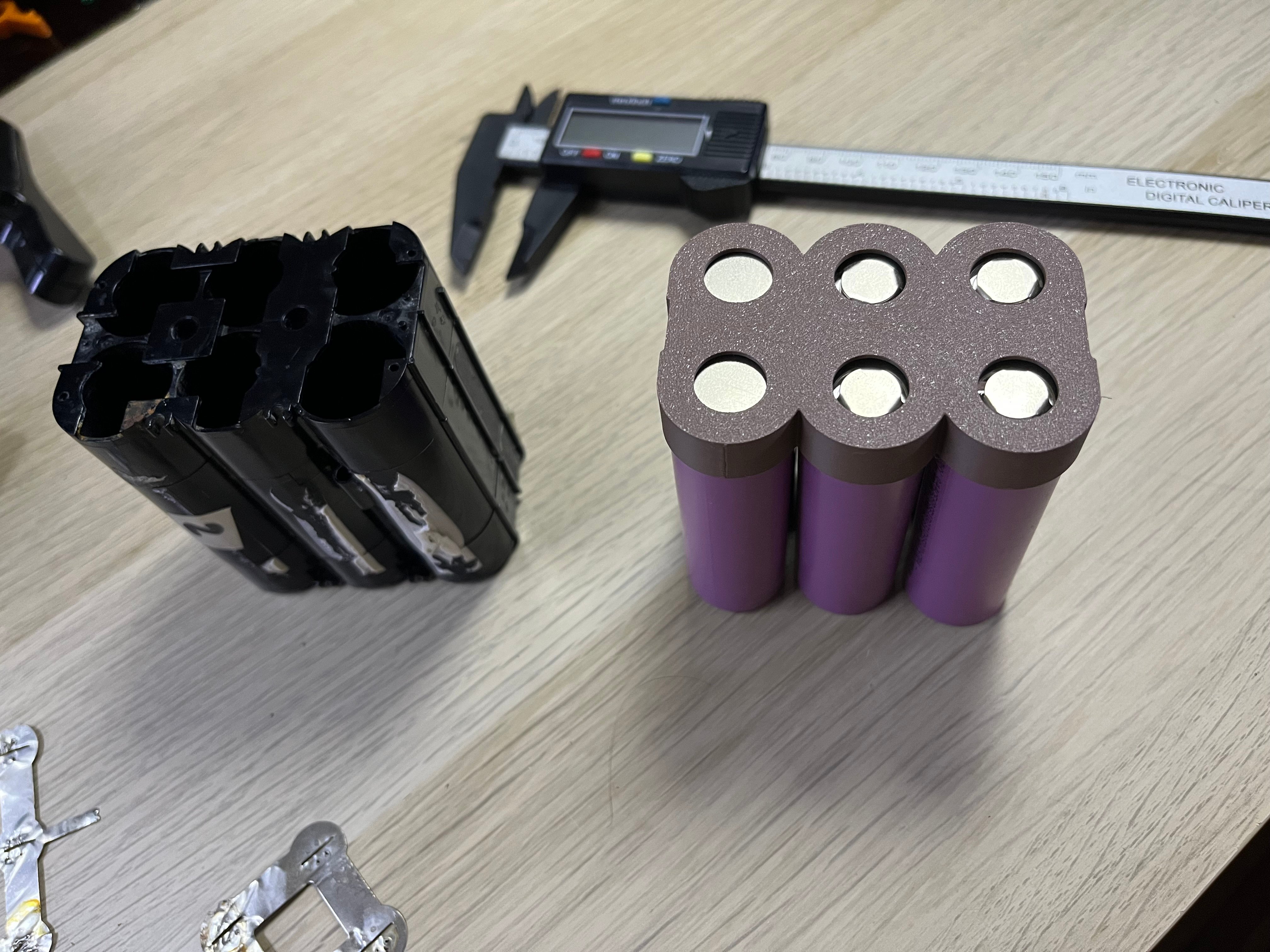
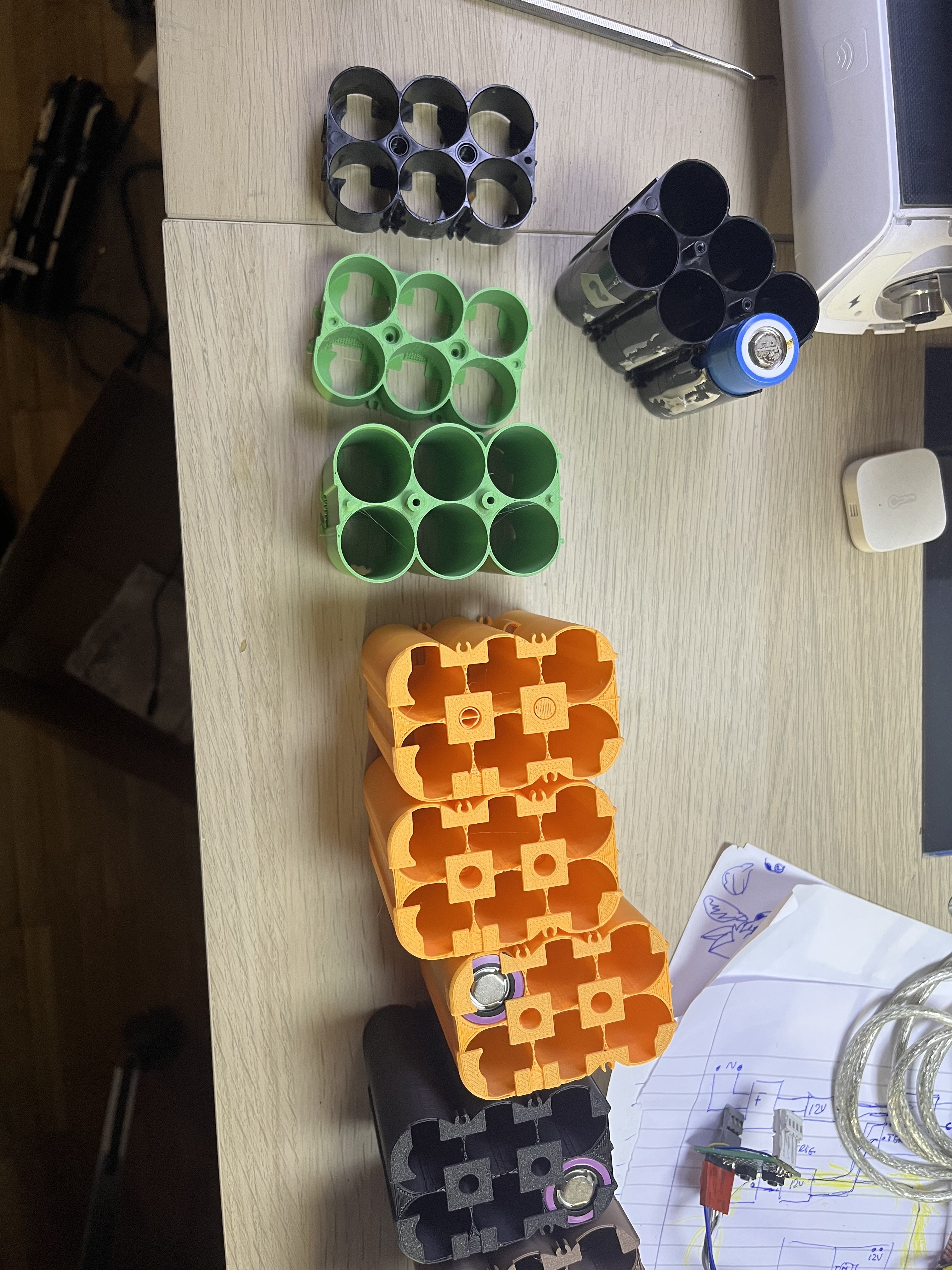
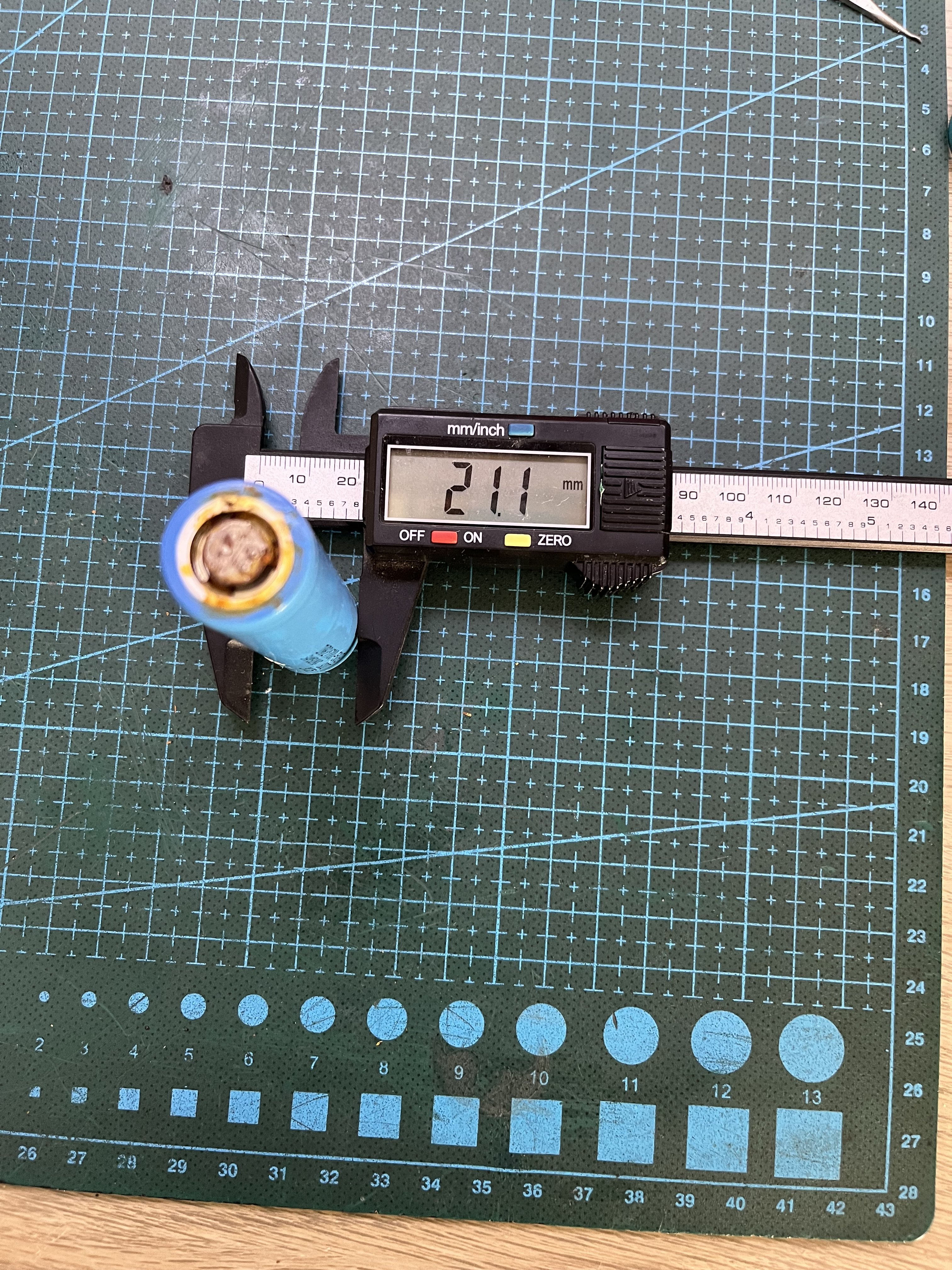
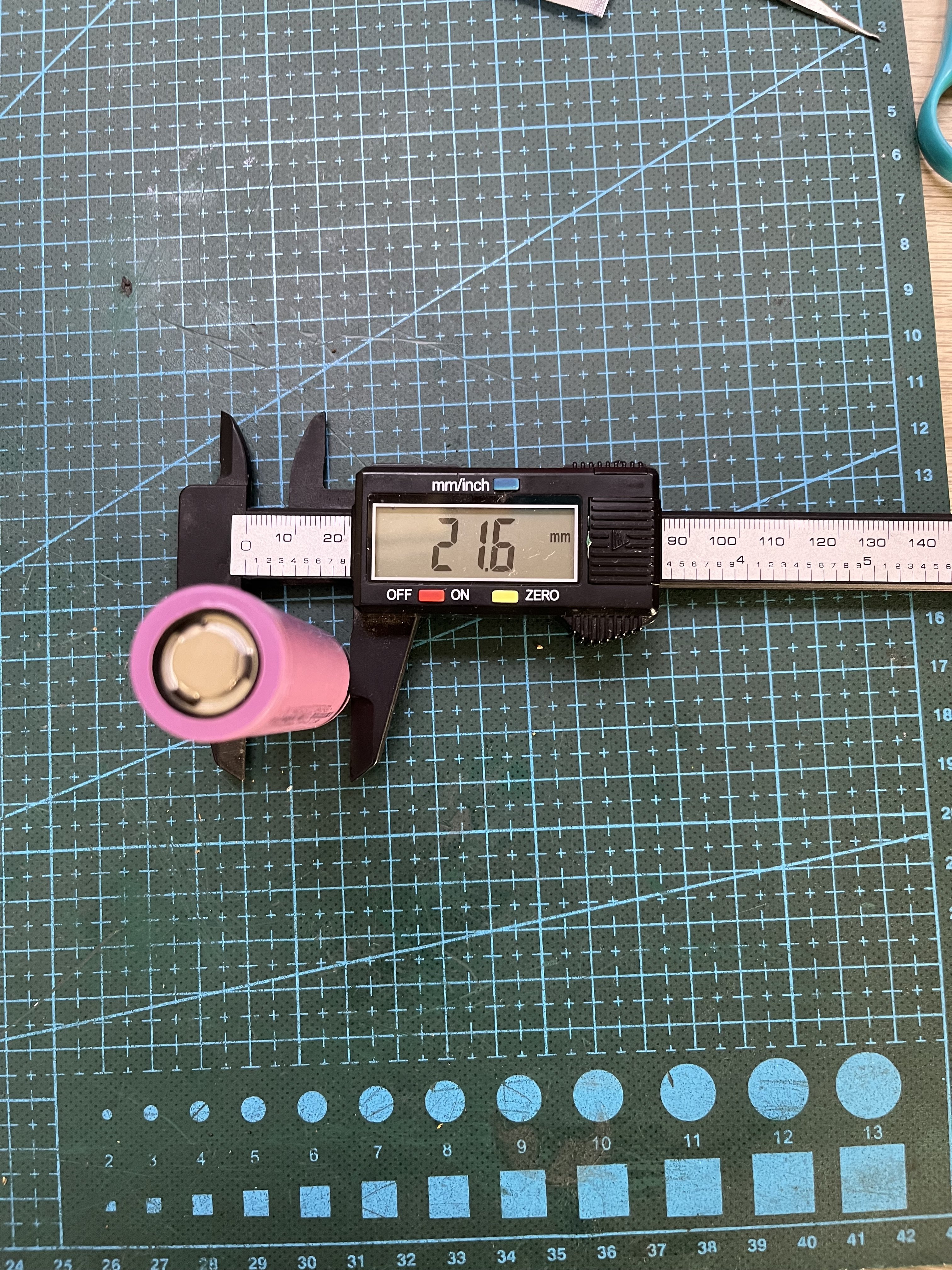
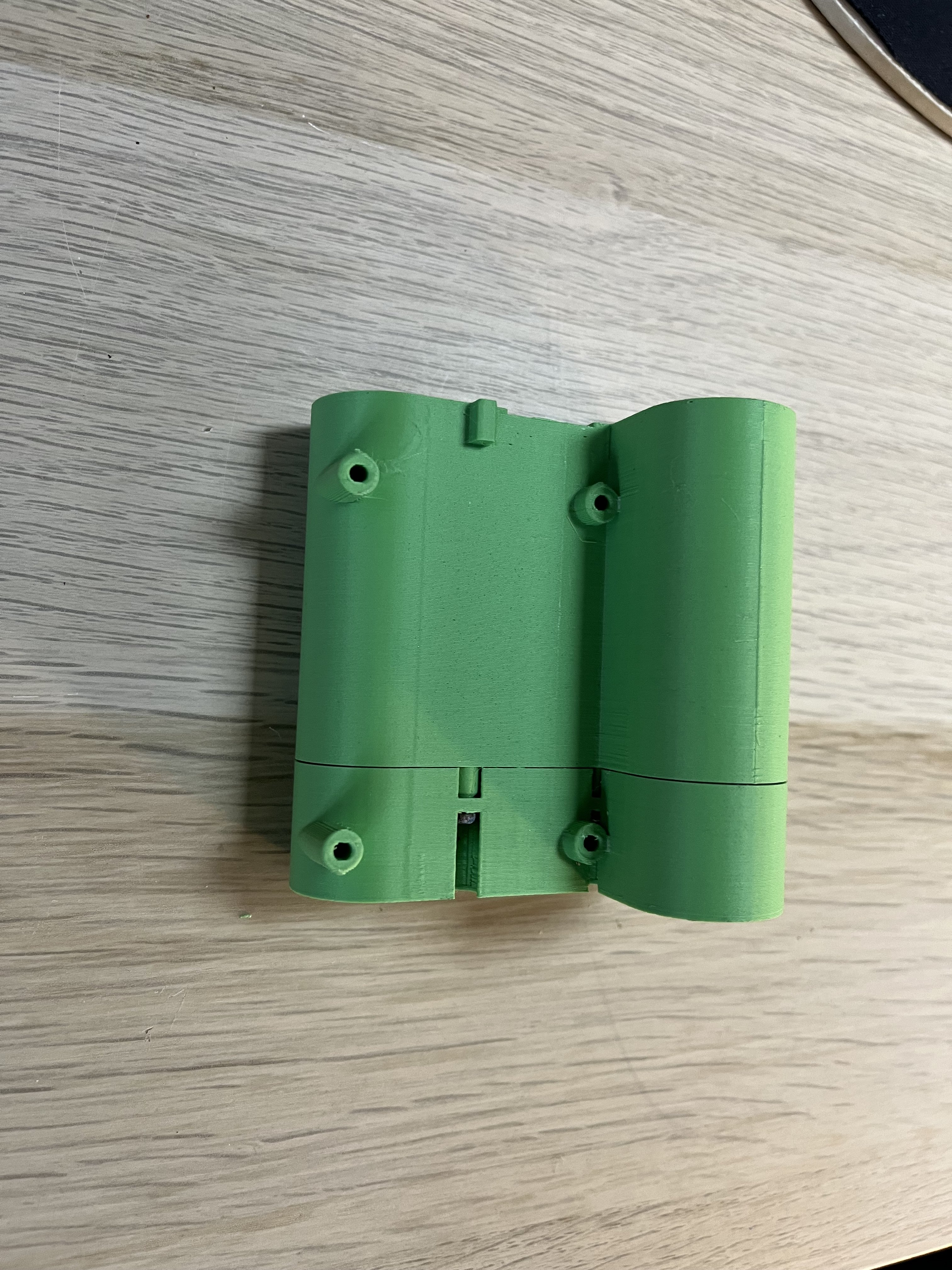
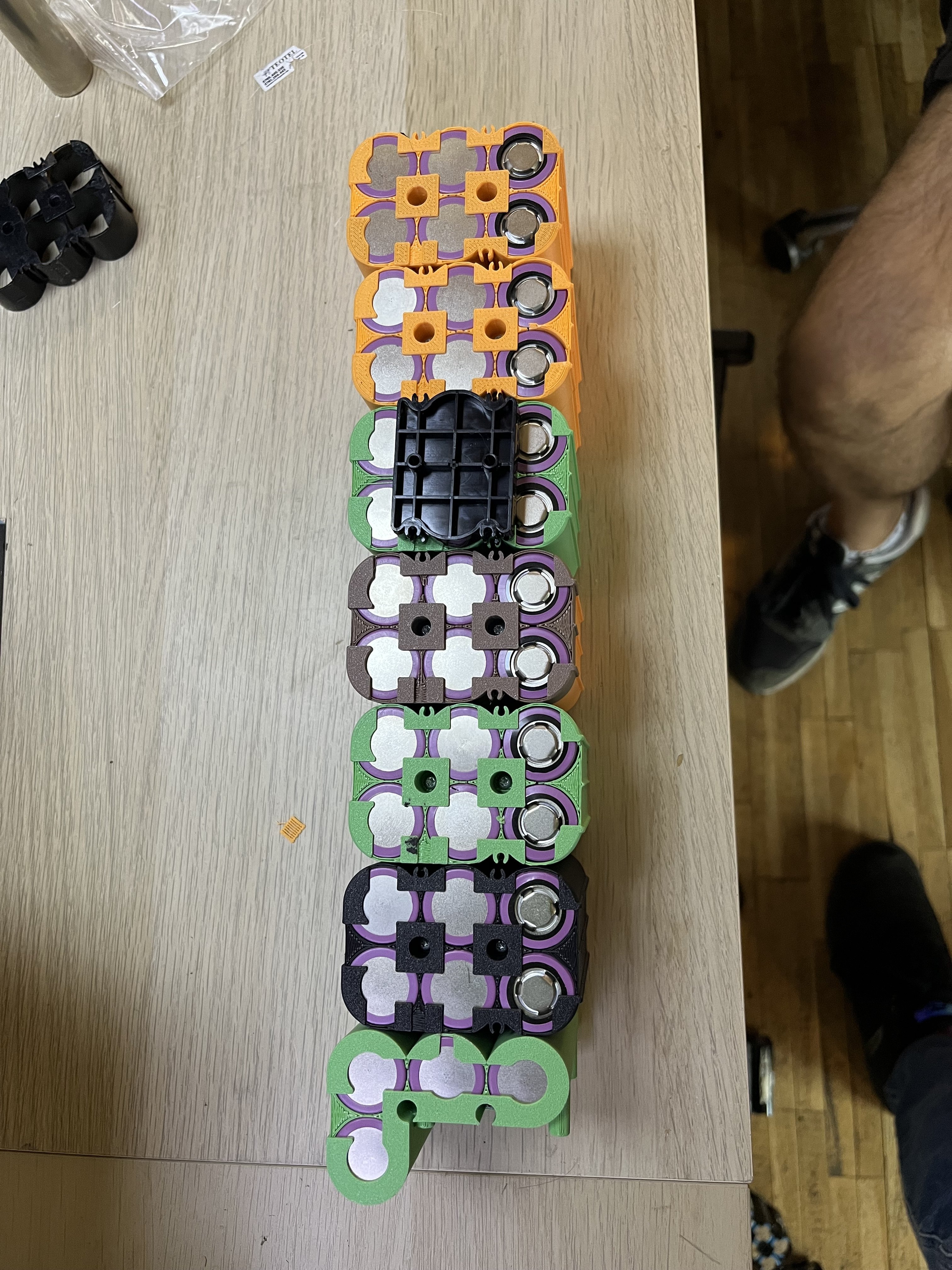
-Cell baskets incompatibility. Most high capacity 21700 batteries have a diameter of 21.4-21.5mm. The cells they're using from the factory have a slightly smaller diameter, 21.1(2). As the cell baskets were manufactured with almost no tolerance, it's impossible to use most other 21700 cells from different manufacturers.
So the whole battery internals needed to be redesigned to allow other cells be installed in the same battery housing. Time consuming, to get it right.
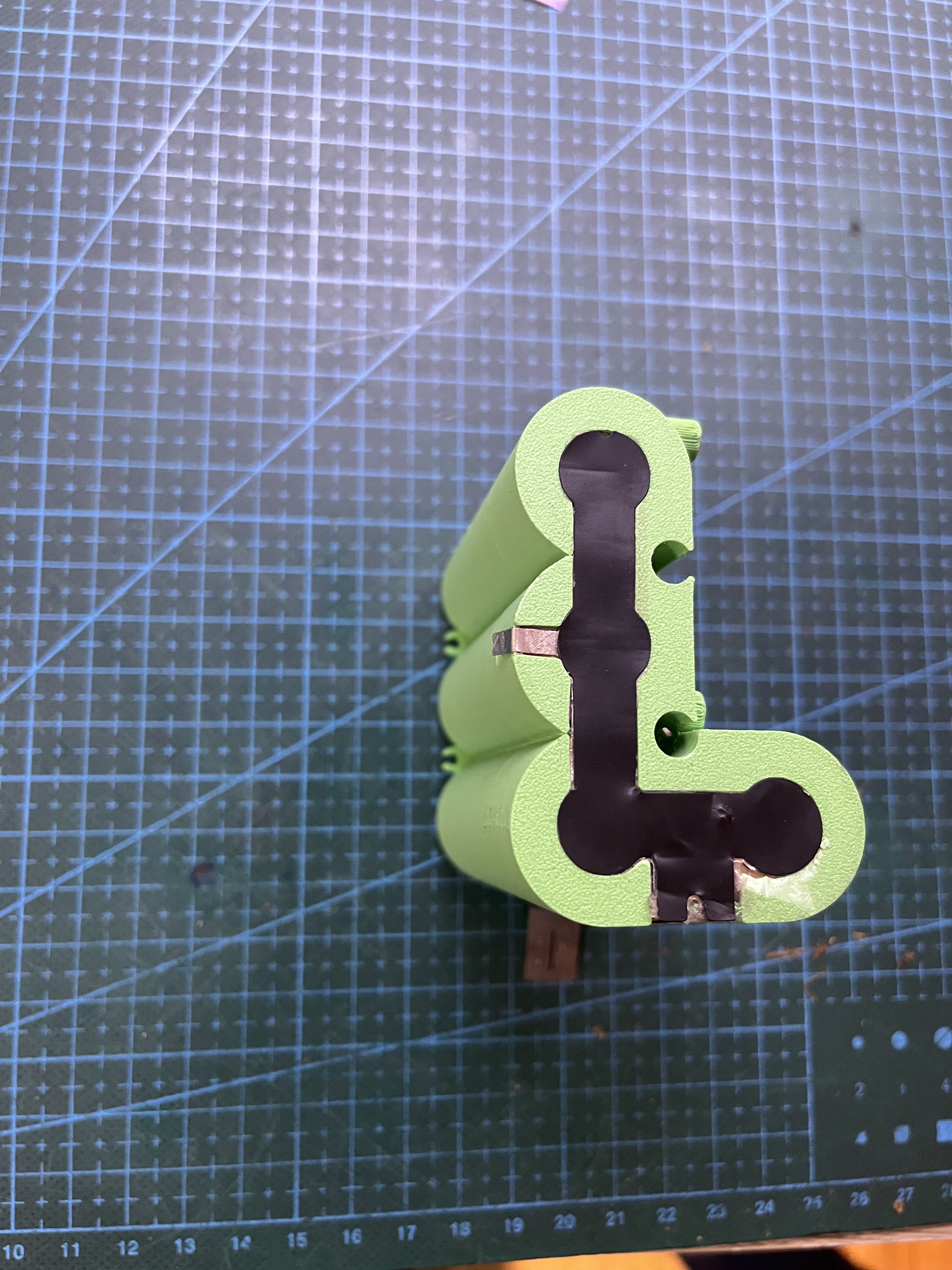
-Custom nickel plates for cell interconnection. Here's where I found out a design weakness (I was surprised, really) on the original battery. Some cell banks are interconnected in series using pretty long nickel strips that carry the total current. Under load, they will heat up. Not to the point where it will be a safety concern, but for the sake of efficiency, they could have spent a couple of cents more for nickel plated copper that would have way lower resistance, to avoid that. At 12A load, there's around 25mV drop on one strip (Brose have peak current draw of 20A). I've never seen this on a battery used in normal conditions (usual discharge current). You don't have control over cell internal resistance, but you have control of external resistance of the interconnects/power bus
-Software/firmware side. M2/M3 BMS is using a different Microcontroller with different firmware than M1. That had to be reverse engineered up to a point where we could modify the needed parameters. This is still work in progress as fine tuning of some parameters is needed in the testing phase.
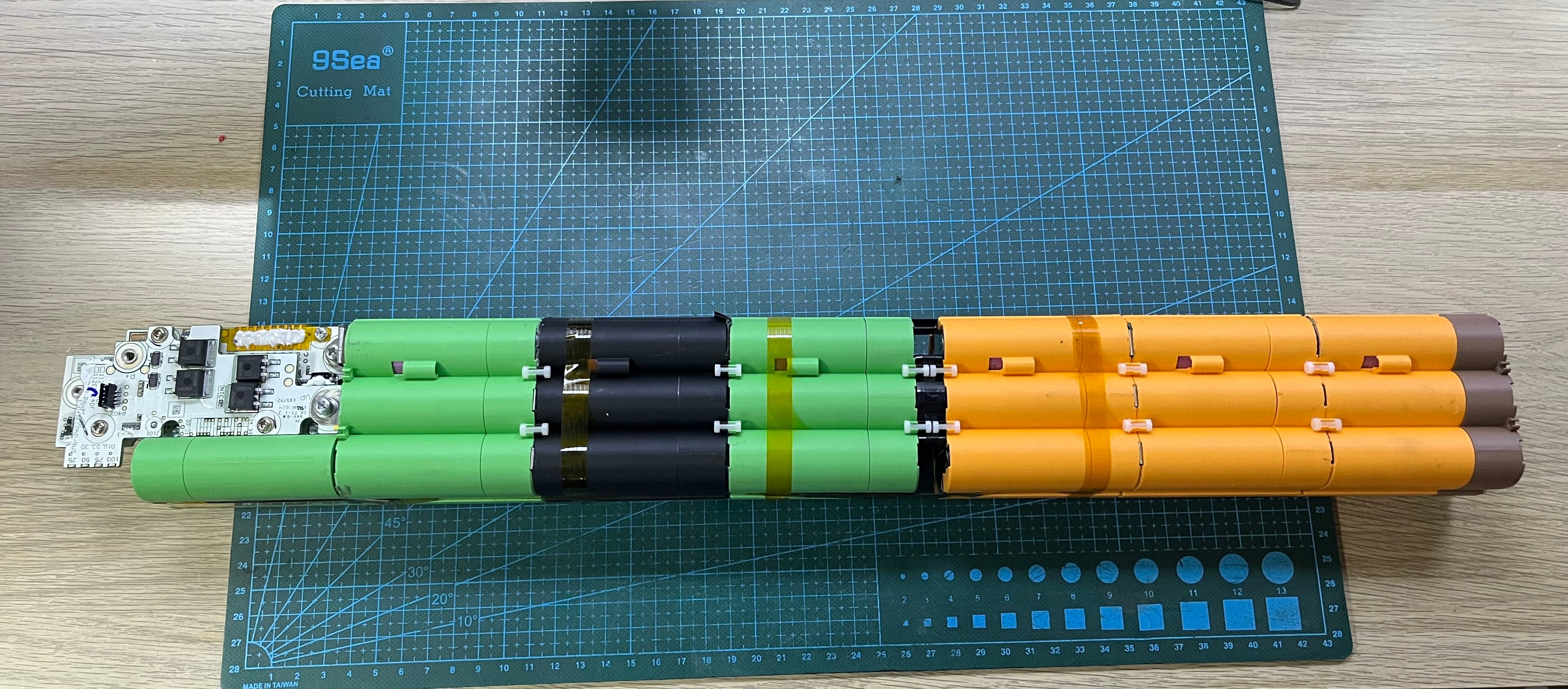
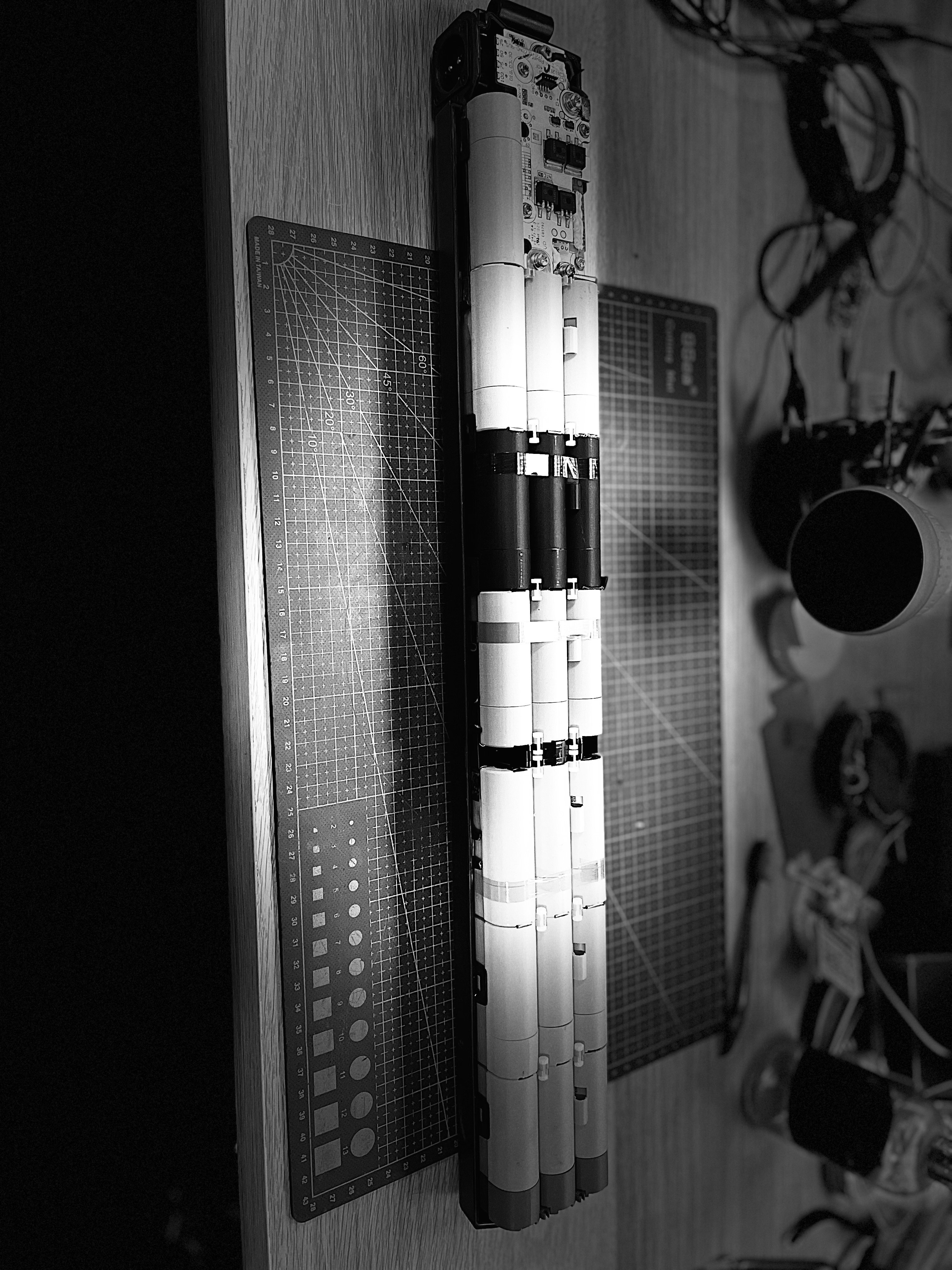
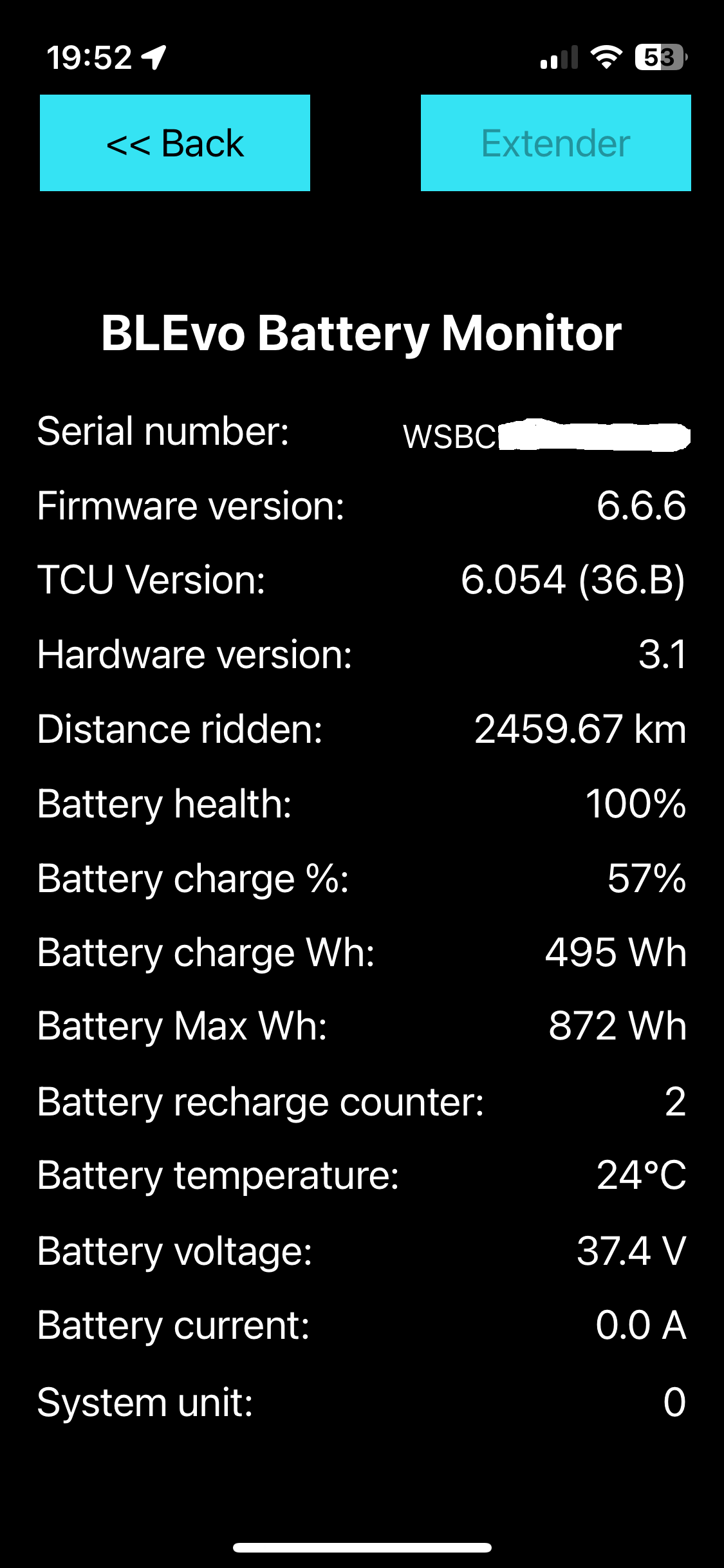
So, this is actually happening. I have a functional prototype in testing phase, here's a couple of photos with the battery in different stages of design/assembly. You'll see in the Blevo screenshot, the capacity shown is 872Wh. All li ion batteries will loose 1-2% of capacity in the first cycles, I thought a to add a little buffer at first, but so far (after 4 complete cycles) I still have access to those 872Wh, we'll see in the future the final capacity I will settle for.
Yes, it is
But it involved way more work than M1, both software and hardware side:-Battery case disassembly. It's time consuming/hard to open M2/3 battery housing without damage it or leaving marks. It's put together by a combination of screws(ok), plastic latches (not so good) and silicone adhesive (2x not good).
-Cell baskets incompatibility. Most high capacity 21700 batteries have a diameter of 21.4-21.5mm. The cells they're using from the factory have a slightly smaller diameter, 21.1(2). As the cell baskets were manufactured with almost no tolerance, it's impossible to use most other 21700 cells from different manufacturers.
So the whole battery internals needed to be redesigned to allow other cells be installed in the same battery housing. Time consuming, to get it right.
-Custom nickel plates for cell interconnection. Here's where I found out a design weakness (I was surprised, really) on the original battery. Some cell banks are interconnected in series using pretty long nickel strips that carry the total current. Under load, they will heat up. Not to the point where it will be a safety concern, but for the sake of efficiency, they could have spent a couple of cents more for nickel plated copper that would have way lower resistance, to avoid that. At 12A load, there's around 25mV drop on one strip (Brose have peak current draw of 20A). I've never seen this on a battery used in normal conditions (usual discharge current). You don't have control over cell internal resistance, but you have control of external resistance of the interconnects/power bus
-Software/firmware side. M2/M3 BMS is using a different Microcontroller with different firmware than M1. That had to be reverse engineered up to a point where we could modify the needed parameters. This is still work in progress as fine tuning of some parameters is needed in the testing phase.
So, this is actually happening. I have a functional prototype in testing phase, here's a couple of photos with the battery in different stages of design/assembly. You'll see in the Blevo screenshot, the capacity shown is 872Wh. All li ion batteries will loose 1-2% of capacity in the first cycles, I thought a to add a little buffer at first, but so far (after 4 complete cycles) I still have access to those 872Wh, we'll see in the future the final capacity I will settle for.


