
A look at the different options including the EMTB specific Zeb forks
Follow along with the video below to see how to install our site as a web app on your home screen.
Note: This feature may not be available in some browsers.

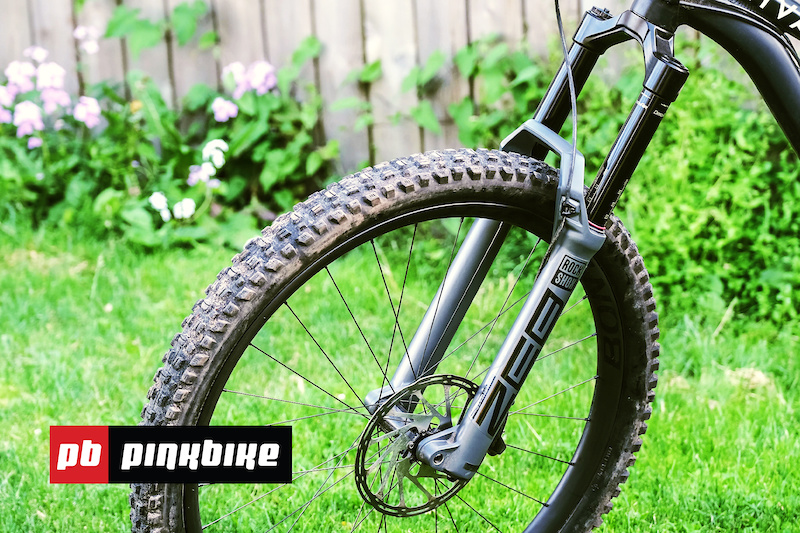


Even Lyric 2021 has now Dual Position Air spring option nowFrom 150 to 180 on the same fork with a just a click turn? That’s a nice feature men two forks in one


You lost me at "RockShox"...
Any more info on this ?Even Lyric 2021 has now Dual Position Air spring option now
well spotted mate!!Is that a 2021 Kenevo in the vid, the red bike?
2021 Lyrik specs and 2021 Front Suspension Oil, Air, Coil, Token, and Specifications show the Dual Position Air option for Lyrik too...Any more info on this ?
You lost me at "RockShox"...
Not sure but I think it's a business that make excellent suspension parts for mountain bikes (forks and shocks).

Not really. It's only for climbing but it can make a difference if you struggle with the front end lifting or losing steering. Fox used to make a TALAS* fork (may still do, I haven't looked) that could swap from 140 to 110 at the flick of a lever (maybe also a 160-130). So it's the same 30 mm adjustment option. It was handy at first and there were a few short and steep climbs where it helped, but I soon got the hang of climbing them without having to risk leaning down to move the lever. In the end I stopped using it. The downside of the TALAS system was that I could not tune the air spring by adding tokens or even by adding oil other than a very small amount that would have little effect. I wonder if the dual position Rockshox offering stop the addition of tokens?From 150 to 180 on the same fork with a just a click turn? That’s a nice feature men two forks in one
@Rob Hancill would love to hear how the Zeb compares to the boxxer on the Kenevo. You hinted in your video you would compare the two forks but I dont think you got to it in the end. Great video nonetheless, love your new studio and quality!
A look at the different options including the EMTB specific Zeb forks
Its really designed to be the other way round, they are a 180mm fork that can be dropped to 150mm when climbing, so designed for a bigger travel bike.If you’re bike came with 150mm of travel won’t 180mm forks impact the handling? How does that work?
Tokens are still there as shown on page 9 in RockShox Single Crown Suspension Fork User Manual@Rob Hancill Does the mechanism of the 2-postion Zeb fork prevent the use of tokens for air spring tuning?
I can't fault the Lyrik that's on the Kenevo although the Fox 38e would be preferable having not only 180 mm travel but also has a floating axle & many other new features.My experience is that they spend a lot more time being repaired than Fox components - and I prefer to be riding.

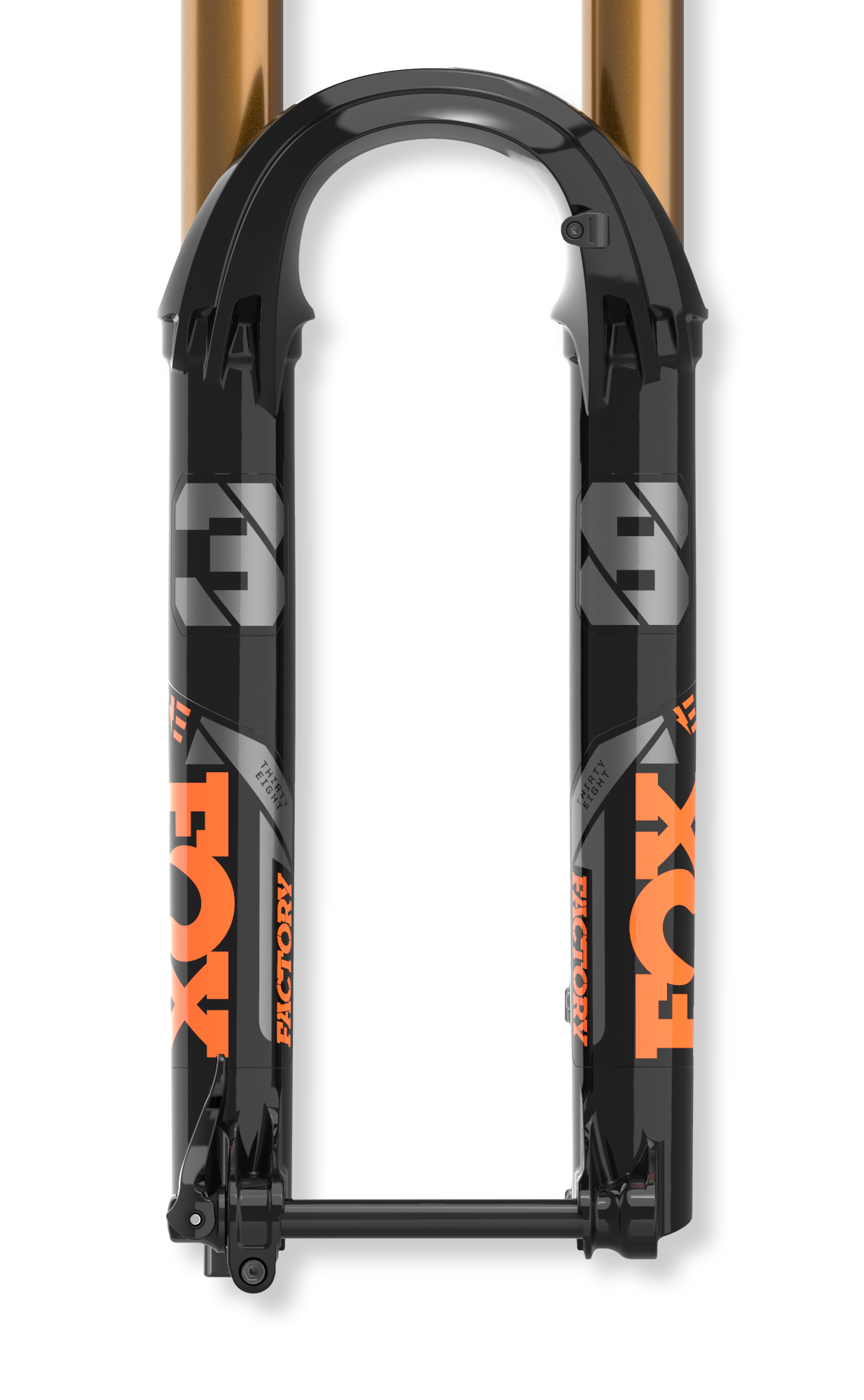 ...
...What is a floating axle and y should I care?
thank you for trying to explain it to me but i am not getting the 'floating' part. I understand the concept of a mismatched fork width and hub width. so if you fork is wider then your hub, your front wheel might not be held snug against the fork and wander back and forth on the axle. I would fix this with some big washers. What is floating on the fork to correct this?
Torque caps (What are Torque Caps? - NOBL) seem simply to be an adapter that allows a thinner axle to fit on a bigger dropout. How that translates to 'improved stiffness', I cannot understand - the use of a thinner axle would seem to cause more flex not less than using a thicker axle to match the bigger dropouts.
gotcha. but the torque is still transmitted through the wheel hub to the tire. Imagine if the dropouts were the size of a brake rotor- that would not make the fork stiffer. To spread out the stress of the hub, you need a larger dropout AND a larger hub so the CONTACT AREA is greater. no?No torque caps are end caps for the wheel hub that have a larger surface area, meaning “in theory” the connection between the hub, axle and fork is stronger, stiffer and flex less. They have nothing to do with axle size.


