Yes. Of course I read your post
The fact that you stated you can't understand how sprung pawls are more secure when engaged compared to ratchet rings says to me you probably haven't actually thought very hard about the mechanics of each design and how the engagement is achieved.
It's not all that difficult to grasp if you simply look at the two designs. Allow me to explain.
View attachment 68795
as you can hopefully see with the above sprung pawl designs (not I9 but same principle) the more force you put into driving the hub when the pawls are engaged the more securely they are pressed into the ratchet
whereas...
The Ratchet LN replaces the pawl freehub system. It is the entry level Ratchet System of DT Swiss and it stands for outstanding reliability.

www.dtswiss.com
View attachment 68796 View attachment 68797
with two sprung ratchet rings as the DT Swiss design uses all that is keeping them from slipping (when worn) is the two springs either side.
and the more points of engagement. the finer the ratchet surface required the shallower each tooth. ie. less engagement material in contact. so it stands to reason with wear under high load they will eventually slip.
Nothing is perfect. and yes. As you state with just 2 pawls in contact at any one time in your I9 hub you are asking a lot of the hub shell, freehub body, pawls and ratchet.
And I'm just helping you answer your question within the discussion


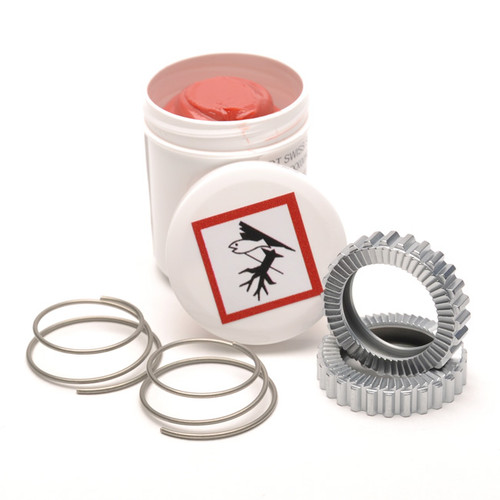


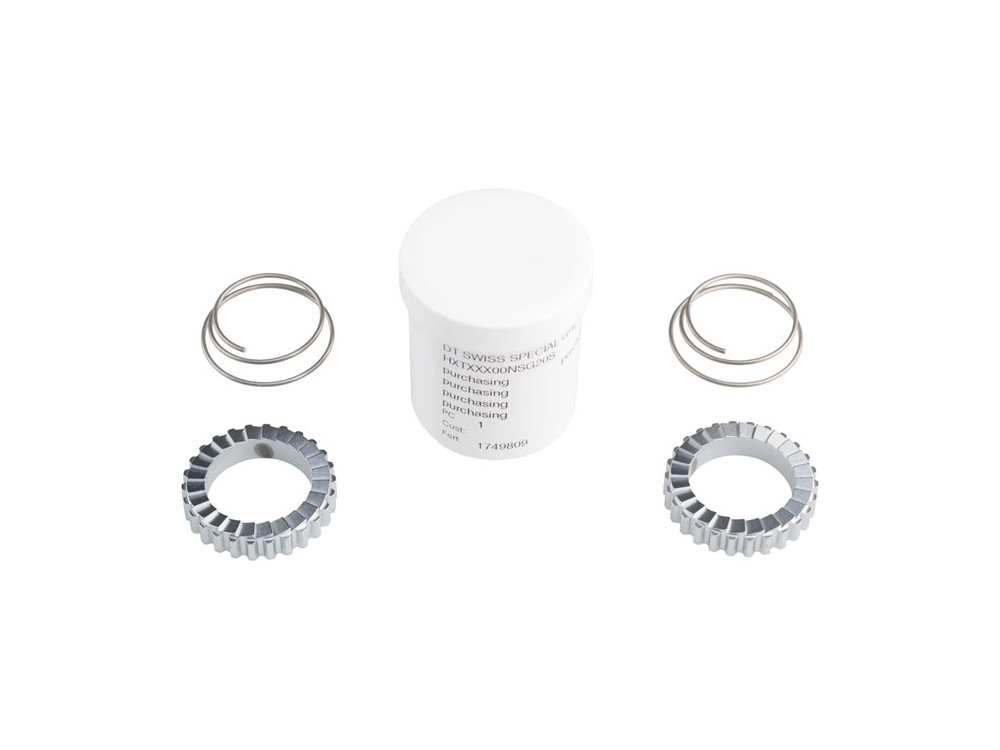


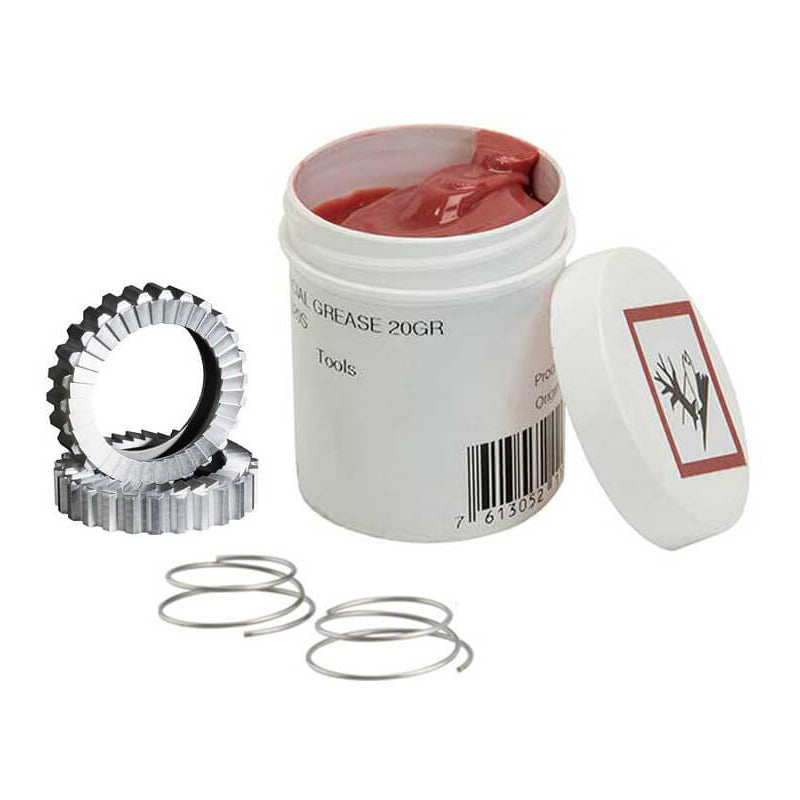





 .. Painful was removal of the pawls ratchet ring after one year of hard ebiking so I had to do several attempts by increasing the heat transfer with a buthan gas torche and increasing the "hammering" on the wrench till I got it released. I have also upgraded directly to a DT 24 t ratchet which is considered the most robust for ebikes applications. Surprisingly it is sounding very quite and less noisy than the 3 pawl system, even with light DT red grease as they reccomend. For this reason I have checked a few times if the installation was OK and it was perfect. Now I am considering to "invest" (=waste) into a 36T vs a 54T ratchet. What is the latest experience you can share about 54T durability target so far on ebikes and heavy duty application? In case is not clear, my only goal is to make noise so to put pressure on my buddies that I am driving with
  but due to the nature of trails with frequent "turbo" ramps uphill I don't want to have bald ratchets after a few rides. . I am also to considering the chinese knock-off as the latest info exchanges are quite promising. thanks!

