Well I think you are right and bike manufactures aim to achieve that since it delivers equal amounts of chain angle across the cassette cogs up and down from the centre............even more important on a 12 speed where the chain angle is pretty acute on cogs 1 and 12. (which is why I never use either gear 12 or gear 1!)
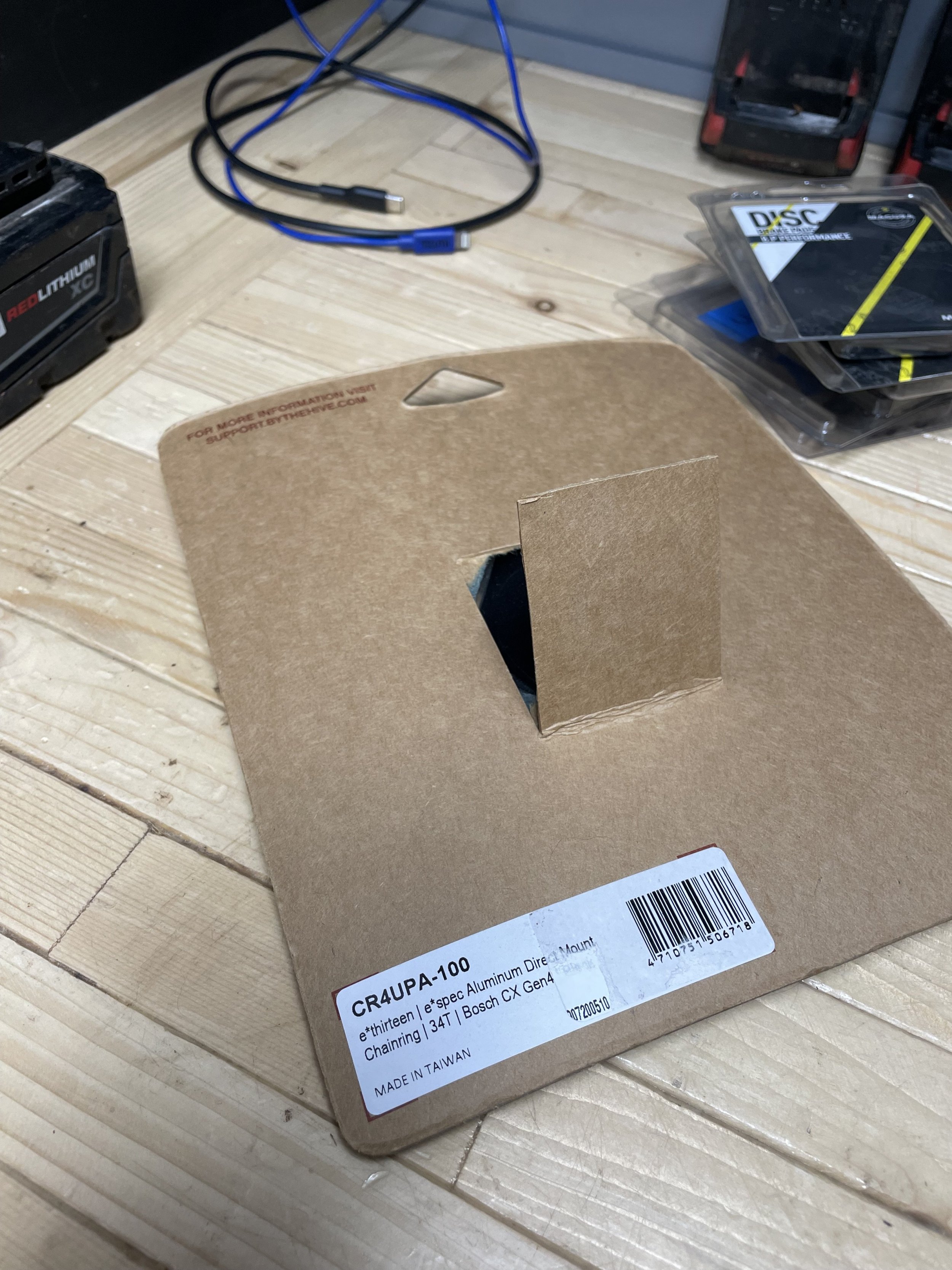
The normal position of the chainring from the centre of the bike/centre of what would be a BB on an analogue bike is 49mm and that will deliver a central cassette position for the chain on a 142mm ( non boost) rear hub. Most ( if not all) of our bikes use boost rear hubs at 148mm........ie 6mm wider. The cassette is therefore 3mm ( half of the 6mm) further out on the drive side of the bike. A chainwheel that has 3mm offset ( or a chainline of 52mm) keeps the chain straight on the central cog of the cassette therefore.
On mountain bikes, manufacturers also have to use a chainline that enables the chain to avoid hitting the chainstay ( typically on the upper cogs of the cassette) whilst also allowing enough clearance between chainstays for tyres up to 2.6....or on a fat bike 2.8 or 3!!. There are various ways they can achieve that and moving the freehub/cassette position slightly further out on the hub is one and using starting position at the BB of more than 49mm is another.
In most cases if the rear hub is boost the chainline is 52mm.
I think from reading some of the posts on Eagle "T" the required chainline is 53mm?? ( not interested so not sure!!

) presumably because the "T" cassette sits further out on the hub.


 .
.