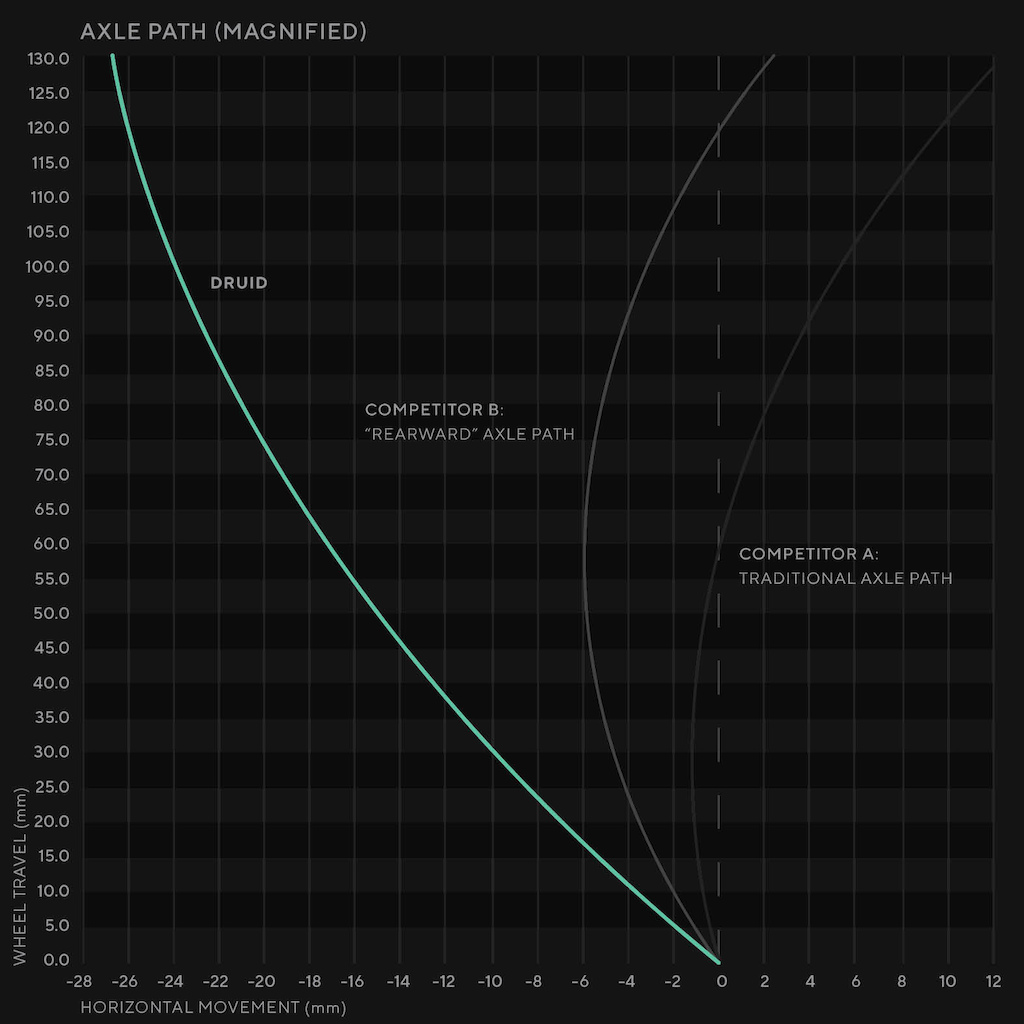
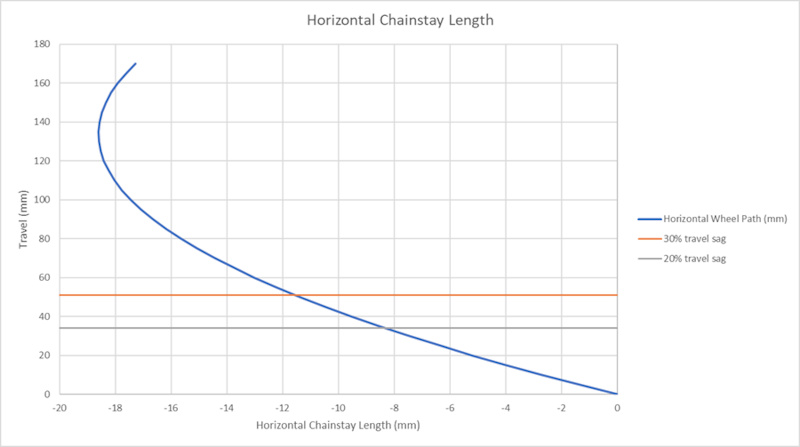
I own and race Vikkela K3 from Polè,(analog) - Yes I know this is not E But the Voima shares same geo just more weight. I would disagree with your comment and your statement about wacky geo after spending 2 years racing abord the Polè. If you look at the trend now Polè was at the leading edge of this, my bike is longer overall than most enduro bikes, but the FC and RC is really well balanced, the 80* seat tube angle puts you in a VERY good position for climbing , and works wonders with the long RC in the steep , its level BB takes time to get used to but has a ton of advantages, once you train your body to level up and tip in feet more level, cornering lean become intuitive and fast. Lack of pedal strikes and the ability to keep power down of very technical terrain is unmatched. the long head tube is great for a nice tall front end and is amazing in the steeps. the suspension platform pedals VERY well with great anti squat values and has great anti rise under braking. It's a very capable fast race enduro bike that also doubles as a really good all mountain machine . 36 lbs for a full setup race 190/190 CAT 5 aluminum bike is amazing. It does many things VERY well, and NOTHING bad. It's different and takes time to learn it, most people jump on it and dont get it because it feels so different to what they are used to feeling. and thats where they stop or thats where the review get written from that perspective. I have mine setup with a 190 Zeb, and run 191 out back with my Vivid. It friking works SO WELL.
The Vikkela in size k3 has a f/r ratio of 1.95, that's quite poor by modern standards. Most manufacturers target the 1.8 range at this point.
Pole makes this rideable by giving it a very long reach compared to the stack, bikes like the ibis hd6 use a similar approach. It will tend to pitch you forward on very steep stuff and have minimal front end traction if you don't ride it with a forward bias. That forward bias can be tiring, and put you in the wrong place in certain cases. I don't find it too bad on shorter known tracks, but it's not optimal for longer blind tracks.
The bb height being high, that's just straightforward physics, a lower bb always corners better, all other things being equal. Dynamic ride height is a factor there too, of course. So if you're running lots of sag it can be a non issue.
I can't speak to the kinematic performance, but it doesn't really matter when the geo is compromised already. I give Pole props for trying new things and pushing boundaries, others did follow suit to an extent, and since have course corrected away from the long reach, low stack, greater than 1.9 ratio experiment. The only manufacturers that have stayed with that design philosophy on newer bikes, tend to design bikes for slower tech oriented climbing and descending (Arizona), and have shortened wheelbases to accommodate that kind of riding.
I don't doubt the Vikkela does work very well for you, it's amazing what we can adapt to as individuals and still ride at a fairly high level. I have had similar ratio/geo bikes in the past and thought they were great, and was reasonably rapid on them. For myself the differentiator with geo has almost always been fast, loose corners with minimal support. I was shocked how much better it could be with a 1.8 ratio.
Unfortunately that revelation stimulated an obsession with needing to try every bike I could get my hands on.
Terrain is a huge factor as well, making certain highlights or lowlights of geo more or less of a factor.
Certainly, I have rode bikes that did well in Arizona that were pretty sub par in British Columbia, and vice versa.