Navigation
Install the app
How to install the app on iOS
Follow along with the video below to see how to install our site as a web app on your home screen.
Note: This feature may not be available in some browsers.
More options
Style variation
-
How to use this section. To the thread starter: Once you are satisfied with the answer that youve been given, click the Trophy on the left hand side of the message. This will rate this answer as the 'Best Answer' and will change the question status from 'Unanswerd' to 'Answered'. All members can also upvote an answer with the 'Up' arrow, this will help identify the best answer.
You are using an out of date browser. It may not display this or other websites correctly.
You should upgrade or use an alternative browser.
You should upgrade or use an alternative browser.
Motors subject to corrosion
- Thread starter wb3jma
- Start date


People argue about pressure washing.
I think it’s bad.
Regardless of how you get it wet. Regrease the spindle (behind cranks) a tiny bit, once it is fully dry again after washing.
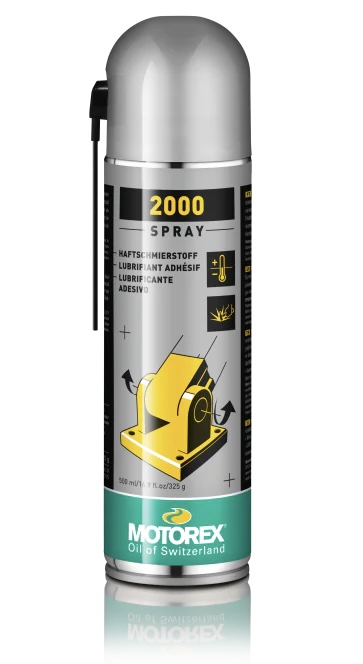
I live by this Motorex 2000 up in the PNW
It comes out thin (penetrates deep) and thickens as you watch. Or use a brush to push some new grease in.
Waterproof, high temp. Works really well. A little squirt on each side , and a few crank turns.
I think it’s bad.
Regardless of how you get it wet. Regrease the spindle (behind cranks) a tiny bit, once it is fully dry again after washing.
I live by this Motorex 2000 up in the PNW
It comes out thin (penetrates deep) and thickens as you watch. Or use a brush to push some new grease in.
Waterproof, high temp. Works really well. A little squirt on each side , and a few crank turns.
⚡ EMTB PRO
25% off e*thirteen, Peaty’s & more with PRO
Member-only deals from e*thirteen, Peaty’s, PEMBREE and Magicshine · ad-free browsing · PRO badge · Living Intelligence Reports
See the deals →
From £1.99/month

Really? I haven’t heard such a problems, I‘ve seen people using bikes like submarines, riding under water and searching treasures from the bottom of the ocean.Obviously you should not drive an emtb through any water that immerses the engine. But I'm seeing people complaining about water getting in even from just washing them in small enough amounts to bring the engine life down of corrosion.

I've had my Shimano EP8 powered bike for over 4 years and I have never once greased the motor, the axles, or anything to do with the motor and its crank. I've greased the pedal axes, but that's it. No pressure washers and no hoses. Just a watering can with a sprinkler head. I use the cheapest salt-free car shampoo I can get. The bike gets transported on the back of the car in all weathers, without a cover. No problems that I can see with any rust, motor still quiet.
Same story with the previous bike with a Shimano e8000, one year less is the only other difference.
Maybe I was lucky once for over three years, but lucky for almost eight years, two different bikes, two different motor designs? Maybe its because its a Shimano?
Same story with the previous bike with a Shimano e8000, one year less is the only other difference.
Maybe I was lucky once for over three years, but lucky for almost eight years, two different bikes, two different motor designs? Maybe its because its a Shimano?

I have about 1700 miles on one of my Whyte e160 RSXbikes over nearly 4 years and c 500 on another just over a year old.....more miles on an Whye E180 RSX during some of that time...now sold. No issues with any of the Bosch cx motors. All are ridden almost exclusively in emtb mode and with cadence averaging 70+, and the battery is only removed on any of them once a year. All have been ridden in UK winters. Riding through water is unavoidable on my trails but I never submerge the motor or go though water fast. My method of cleaning is to remove both wheels and they are brushed with motoverde bike cleaner and then rinsed with a hose outside. The rest of the bike is hung on a stand and most of the mud brushed off the wiped down with a damp cloth....wetted with motoverde first, then fresh water stiff brush on pivot bearings and if needed a pipe cleaner to clear any mud/dust. Dried with a towel and finished with silicon shine. Then chain degreased and lubed. Finally I drip oil on fork and shock shafts and all pivot bearings and pedal spindles and dropper. Reassemble the bike...compress suspension and slam/ release dropper.....wipe all clean. Bikes stored indoors. No motor failts, never changed a pivot bearing, in fact zero faults on any of the bikes.

Pretty good method you got there.I have about 1700 miles on one of my Whyte e160 RSXbikes over nearly 4 years and c 500 on another just over a year old.....more miles on an Whye E180 RSX during some of that time...now sold. No issues with any of the Bosch cx motors. All are ridden almost exclusively in emtb mode and with cadence averaging 70+, and the battery is only removed on any of them once a year. All have been ridden in UK winters. Riding through water is unavoidable on my trails but I never submerge the motor or go though water fast. My method of cleaning is to remove both wheels and they are brushed with motoverde bike cleaner and then rinsed with a hose outside. The rest of the bike is hung on a stand and most of the mud brushed off the wiped down with a damp cloth....wetted with motoverde first, then fresh water stiff brush on pivot bearings and if needed a pipe cleaner to clear any mud/dust. Dried with a towel and finished with silicon shine. Then chain degreased and lubed. Finally I drip oil on fork and shock shafts and all pivot bearings and pedal spindles and dropper. Reassemble the bike...compress suspension and slam/ release dropper.....wipe all clean. Bikes stored indoors. No motor failts, never changed a pivot bearing, in fact zero faults on any of the bikes.

I love washing my bikes after riding. Inspecting, cleaning, lubing, preparing it for the next ride. Great time to reflect on the ride, think about what areas I want to improve (usually think about a crash
 )
)I put my life in my bikes protective embrace when I ride, so I make sure it’s in tip top condition. Things must work when called upon.
During this last summer it took no more than 15 minutes!! Now it takes at least an hour but I do enough to bring the bike indoors after a ride and then finish the job in the garage the following day or a day later. That second session also provides the opportunity to inspect the bike for anything that needs more attention than cleaning. Regardless I service free hub and headset, and top up tyre sealant every 2 months.@Mikerb Wow! I would do that level of clean maybe once per year!
Mind you, you do live on the coast, so maybe all that wind-driven salty rain does some damage!
Bajakid
Member
It depends on what your motor is rated for. I have had two eBikes, I power wash , And I go through water crossings that submerge the entire motor. My Hybike failed at 800 miles (then new motor) and failed again 1500 miles later. My Trek Fuel EXe has 2600 miles on it, and no problems yet. The difference is the rating. The Trek TQ motors has IP67 -
That means:
6 = completely dust-tight
7 = protected against immersion in water up to 1 meter for up to 30 minutes
The Bosch motor is IP54
That means:
5 = dust-protected (not fully dust-tight, but protected enough for normal outdoor use)
4 = protected against splashing water from any direction
So compared with my TQ HPR50 at IP67, Bosch motors are well sealed for rain, mud, and washing, but not officially rated for immersion the way an IP67 unit is. After owning the Trek, I would not own a bike with less than a IP67 rating.
As for power washing, I’ve seen that debate my whole life, on my dirt bikes and my MTBs. I get them dirty, and I power wash them clean . Just like the Bosch motor, when it breaks it breaks . After the motor failure, I dug into why the Bosch motor failed. Learned it only had IP54. I then searched for a new bike with IP67. I’m not going to let the bike determine how I use it or wash it. I’m going to do what I do, if it cost me a little more money down the road, then that’s what it is. And along the way, I always try to make it better.
That means:
6 = completely dust-tight
7 = protected against immersion in water up to 1 meter for up to 30 minutes
The Bosch motor is IP54
That means:
5 = dust-protected (not fully dust-tight, but protected enough for normal outdoor use)
4 = protected against splashing water from any direction
So compared with my TQ HPR50 at IP67, Bosch motors are well sealed for rain, mud, and washing, but not officially rated for immersion the way an IP67 unit is. After owning the Trek, I would not own a bike with less than a IP67 rating.
As for power washing, I’ve seen that debate my whole life, on my dirt bikes and my MTBs. I get them dirty, and I power wash them clean . Just like the Bosch motor, when it breaks it breaks . After the motor failure, I dug into why the Bosch motor failed. Learned it only had IP54. I then searched for a new bike with IP67. I’m not going to let the bike determine how I use it or wash it. I’m going to do what I do, if it cost me a little more money down the road, then that’s what it is. And along the way, I always try to make it better.
Bajakid
Member
I get it, and know many people with the same stance. However, I wash after every ride, I clean the chain and cogs and re-lube. I can’t stand the thought of dirt grinding away at my chain every mile. My rides are usually between 15 and 21 miles a ride, in dirt and silt. My chains look brand new each ride. I live and measure, the first sign of stretch, I replace. This system has worked well for me.I think some wash too often. I get you want to start every ride looking showroom fresh but it can do more harm than good In the long run. I don’t think chains need to be cleaned and lubed every single ride either.
Definitely don’t clean the grit and scum off
1 . The main point of control input
2. Metal on metal with high stress and abrasives
3. easy and cheap to clean
4. prevent cassette wear
5. There’s more but these numbskulls won’t understand.
Clean your chain as often as you can. It’s incredibly important for smooth shifting and preventing unneeded cassette wear. Keeping stanction tubes clean will increase service intervals on suspension components.
You can’t wash a bike too much. Ludicrous.
Keep your equipment in whatever crap state you want. Don’t spread false information.
My rides are tightened, tuned, and cleaned every ride.
1 . The main point of control input
2. Metal on metal with high stress and abrasives
3. easy and cheap to clean
4. prevent cassette wear
5. There’s more but these numbskulls won’t understand.
Clean your chain as often as you can. It’s incredibly important for smooth shifting and preventing unneeded cassette wear. Keeping stanction tubes clean will increase service intervals on suspension components.
You can’t wash a bike too much. Ludicrous.
Keep your equipment in whatever crap state you want. Don’t spread false information.
My rides are tightened, tuned, and cleaned every ride.
Last edited:
Bajakid
Member
Definitely don’t clean the grit and scum off
1 . The main point of control input
2. Metal on metal with high stress and abrasives
3. easy and cheap to clean
4. prevent cassette wear
5. There’s more but these numbskulls won’t understand.
Clean your chain as often as you can. It’s incredibly important for smooth shifting and preventing unneeded cassette wear. Keeping stanction tubes clean will increase service intervals on suspension components.
You can’t wash a bike too much. Ludicrous.
Keep your equipment in whatever crap state you want. Don’t spread false information.
My rides are tightened, tuned, and cleaned every ride.
 absolutely perfect! I hate misinformation, thank you
Bajakid
Member
You need to do your homework before you post. There are water proof motors, Anything with an IP67 rating. I own one.The motors are water-resistant not waterproof. I personally would never submerge it in water. Hand wash only, no pressure washing much like a motorbike.
 I explained that in my earlier post
Bajakid
Member
Hahahaha, you dug deep for that nonsense. What a'However, IP67 does not guarantee protection against high-pressure water jets, continuous immersion, or harsh environmental factors like saltwater corrosion, UV degradation, or chemical exposure.'
Pipe down ol sport.

Similar Threads
-
How are you lot washing your bikes without contaminating your pads and rotors?
- Started by RipGroove
- Replies: 61
-

-
Looking for Bosch Smart System developers and BLE experts (Open Source BikeBridge project)
- Started by stereodreieck86
- Replies: 5
-

-


Free account
Join 43,274
eMTB riders
eMTB riders
One tap. No forms. Fewer ads.
or sign up with email
Already a member? Log in