It's nonsense though - It's basic physics if you deplete a 800WH battery in boost mode in an hour your power consumption averaged 800W
But can you drain an 800w battery in an hour of continuous riding? The continuous bit is important as I think the nominal measurement includes any stopped time you might have, or time spent coasting downhill where the motor power output is 0w.
Or does the motor start to throttle, making the motor average 250w or less. I'd be genuinely interested to know what happens with all the different motor types in this area.
There's also a matter of losses in the system ie 800w electrical input does not equal 800w output, it will lose a bit of power converting fro electrical energy into movement (due to heat, running the electronics etc), but I guess this will be minimal in reality.
I have no idea really how all this works, so I'm just speculating, but would be good to understand it.
I don't think it's as simple as the manufacturer lying to the regulators, and just stating their output is 250w nominal, but in reality they'll let you have 600-1000w for as long as your battery can deliver it.
So far most manufacturers downplay their peak power outputs and don't seem to make a big deal of it in the marketing literature (they do talk about peak torque and how much power it can output as a percentage of what you are inputting) , dji are not following this approach, so if they're promising big power it would be good to understand any constraints on accessing this power. The implication is it's available whenever you want for as long as you want (except for the 30 boost mode), and as you say this is in contradiction to the pedelec rules.


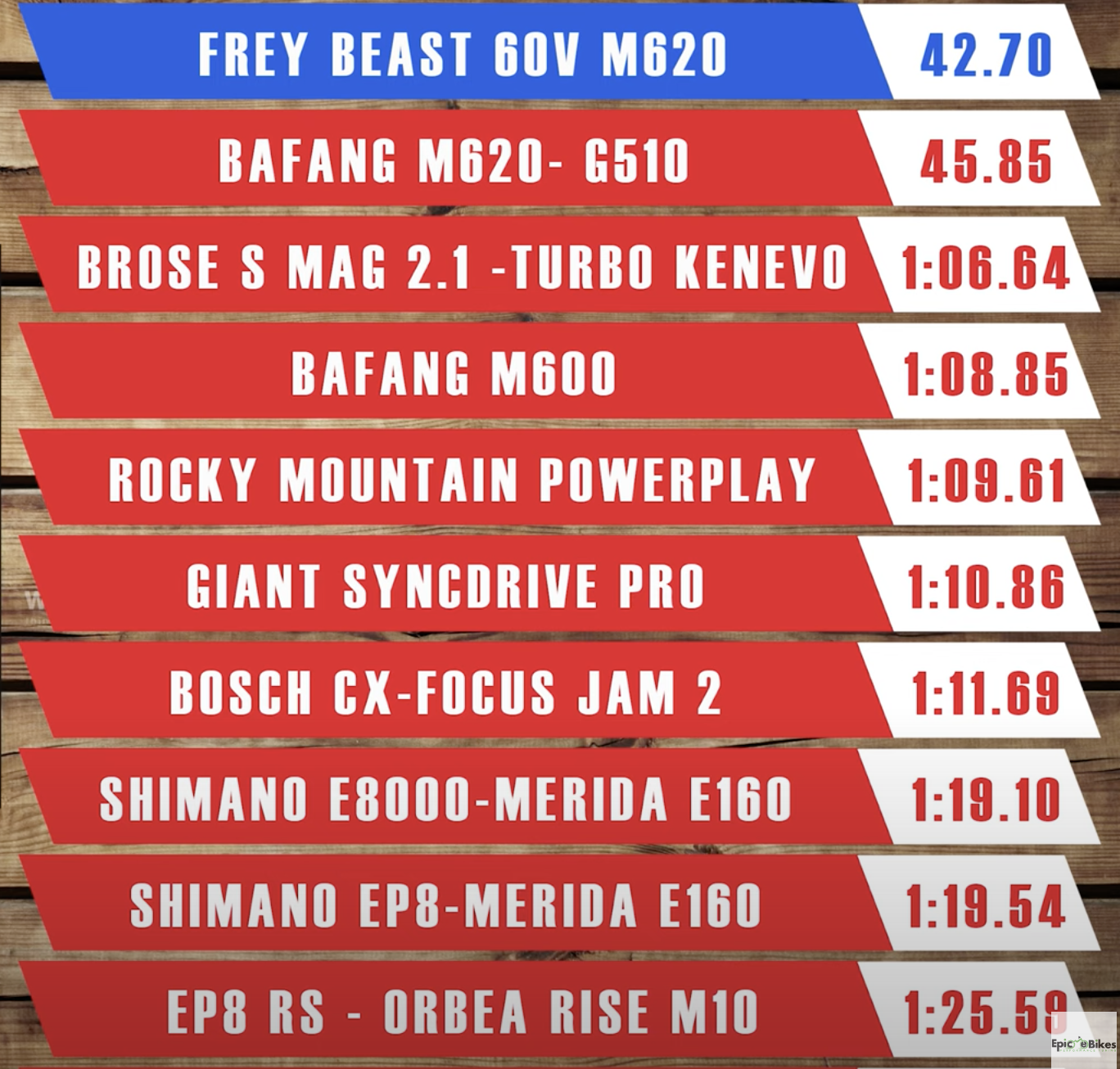
 . It just seems odd that a motor that's 25% quicker than a Bosch CX can have the same 'rated power'. You'd be chased off a trail riding a Bafang M620 but not with an Avinox, yet the actual power they put down on the wheels is similar. Not complaining - more power = good in my book



 . The video title writes itself!


