Not at all, sure we can all go to LED lights and back off with all energy needs but come the winter, how are you going to heat your house ( please no cheating here and say gas as thats being run down, as from 2025 there's no more gas boilers allowed to be sold )? The great energy myth put out by our current government that Air heatpumps are the next big thing, needs to be looked at. Their efficiency drops back to almost a worst than a bar heater situation from below about 4 degrees, just think how many nights are below that in the UK. So most houses are going to need big battery banks to power them. Thats OK but can you charge them fully in the 4 -5 hours most off peak times are limited to. Probably not.
The only car batteries that can be used in this way as far as I understand are ones that are being reused from accident damaged vehicles ( which I'm all for ) and those that have been hacked to allow the electricity to flow. If there are such vehicles then please list them as I would be keen to look at them if I was to be looking at going leccie car. There's then the hacked cars, looking for your warranty when it all goes wrong ?
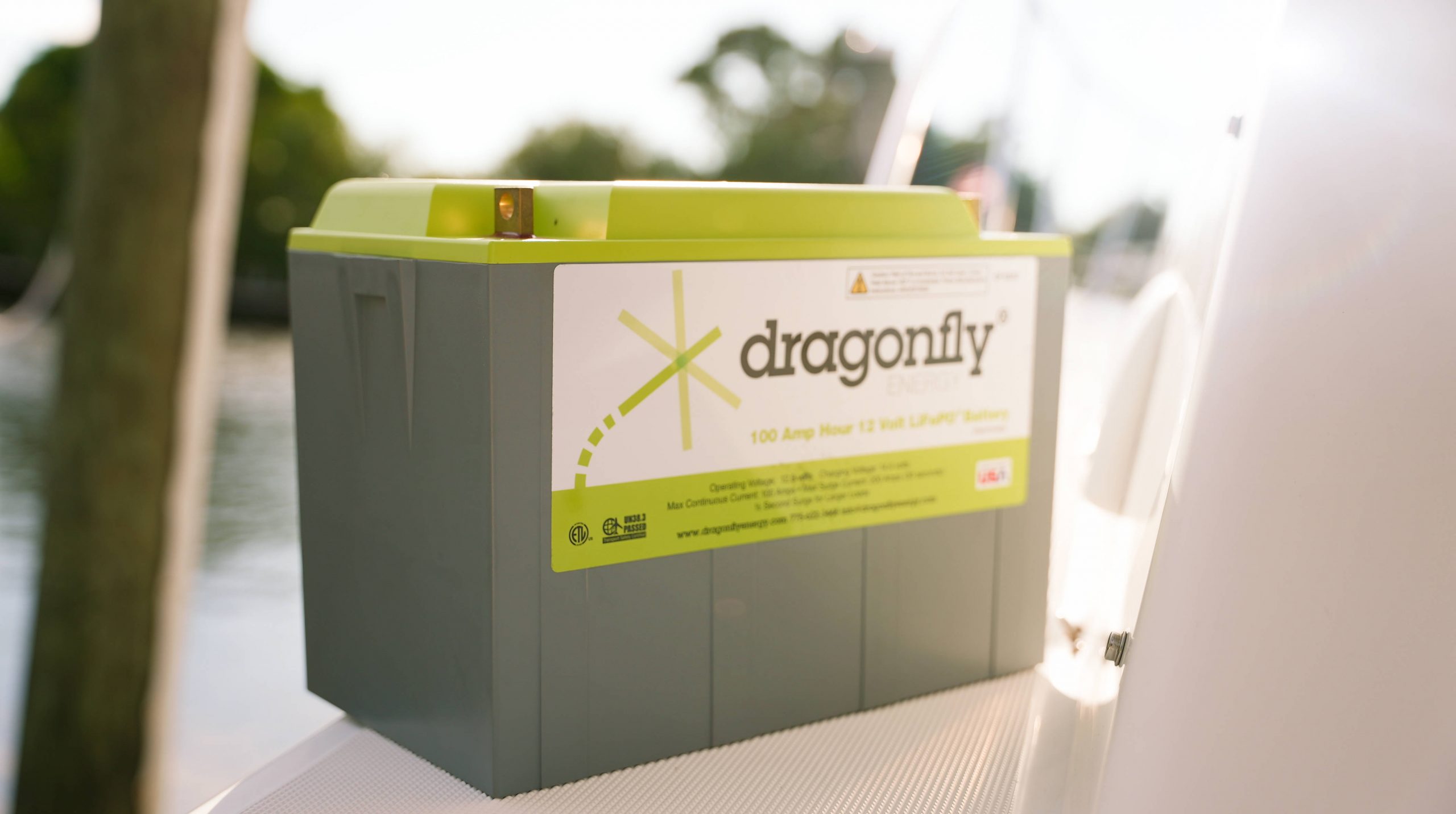
We need to explore Robs situation more, has he got when exactly he's using the bulk of his electricity and just exactly how much. Scottish Power has a really good App which you can break down usage to almost the hour, its surprising just how much is not used in the off peak times. Even at his rates of 20 -25KWh batteries, those are big chunks to charge every day on cheap off peak electricity. In say 7 -8 years have you considered how much it will cost to dispose of the now dead cells, have you considered just how much it will cost to install, have you considered the cost of the maintenace of balancing the cells out at least once a year to maintain optimum capacity and longevity. Its complicated guys and we just don't appreciate just how convenient electricity as we know it, that of a single cable coming into the house is.
Don't get me wrong, I'm all for battery banks but for the vast majority of people, they would make greater savings if for example they invested in properly insulating their homes ( and I mean properly insulate ). On a recent conversion we did to create flats, I had to go back in to do about 4 hours of work in one of them. It was 10 degrees outside. With just my body heat alone and working at a reasonable pace, the temp inside the flats was rising about 1 degree an hour, I was impressed but then the flat was insulated to a higher spec than needed by current building regs. But then what happens in the summer, will those flats over heat such as the Net Zero house of the early noughties at MK which now cost more to run in the summer than the winter, having to cool the houses.



 ️
️


