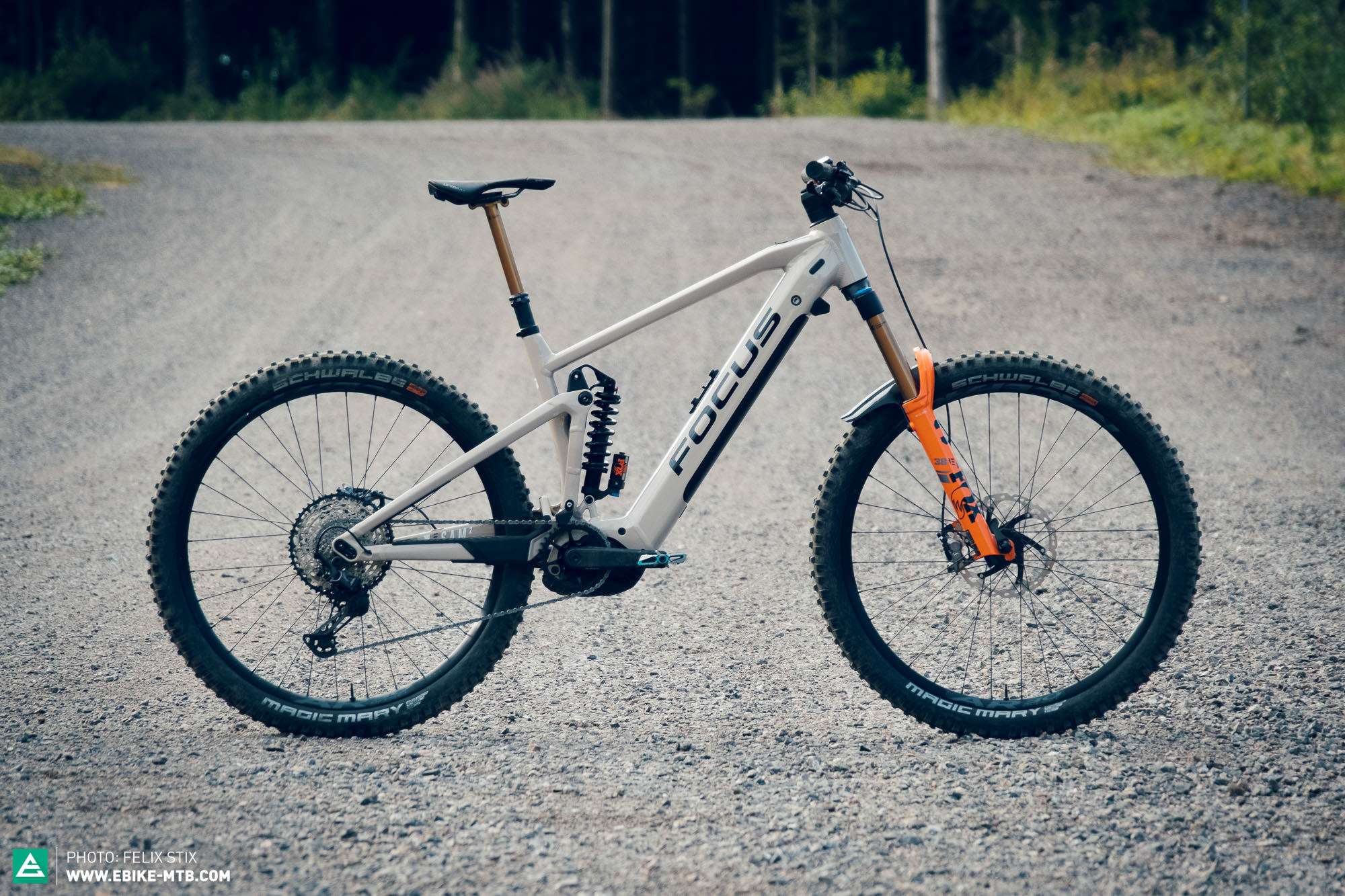
It may be that the max pressure the fork can withstand that results is many times beyond what the heaviest rider could exert and that's why they don't indicate a max pressure, just a max weight.
The weight/pressure chart is the advisory for a recommended sag.
Not that I have any idea what the actual answers are here, but there is something not mentioned yet that‘s relevant and differentiates forks from shocks.
So far, the discussion has been about forces directed into the fork/shock directly in line with the axis of the piston(s) — through the long axis of the pistons. This is by far the most important factor concerning the forces exerted on a shock, although that is a little dependent on how the same shock articulates slightly differently in its bearings in different frames
But forks are subject to other forces as well. The first tends to bend forks lengthways into a curved shape (?) and there are two others as well. Here are the three additional forces and all are obviously affected by total weight and speed.
For the first force, have a good look — and a laugh — at this hilarious PinkBike ‘huck-to-flat’ test of cheap bikes. The emphasis is on the shocks and frames, but the best bits are at the front watching what happens to the forks
Also, but to a lesser extent, forks tend to twist around their long axis in fast turns, especially with a weighted front for traction — Fox’s new axle fixing system is in part designed to address this. Then there’s the unilateral load imparted through the calliper mount by the power of the brake/disc-size combination which tends to twist the left leg backwards at the bottom by tying to rip the bottom mount off.
When building a fork, the design will consider all these loads. When considering what’s a safe working envelope, published or not, all these factors apply to a fork.
And really only one of them applies to a shock:— the long axis compression through the piston.
So peak pressure is important for shocks and forks. And there are are several further factors that are important for forks alone.
Combined total weight and speed (momentum) will affect all of them, sometimes when dropping off onto things and sometimes riding forwards into things and most importantly when both happen essentially at the same time.