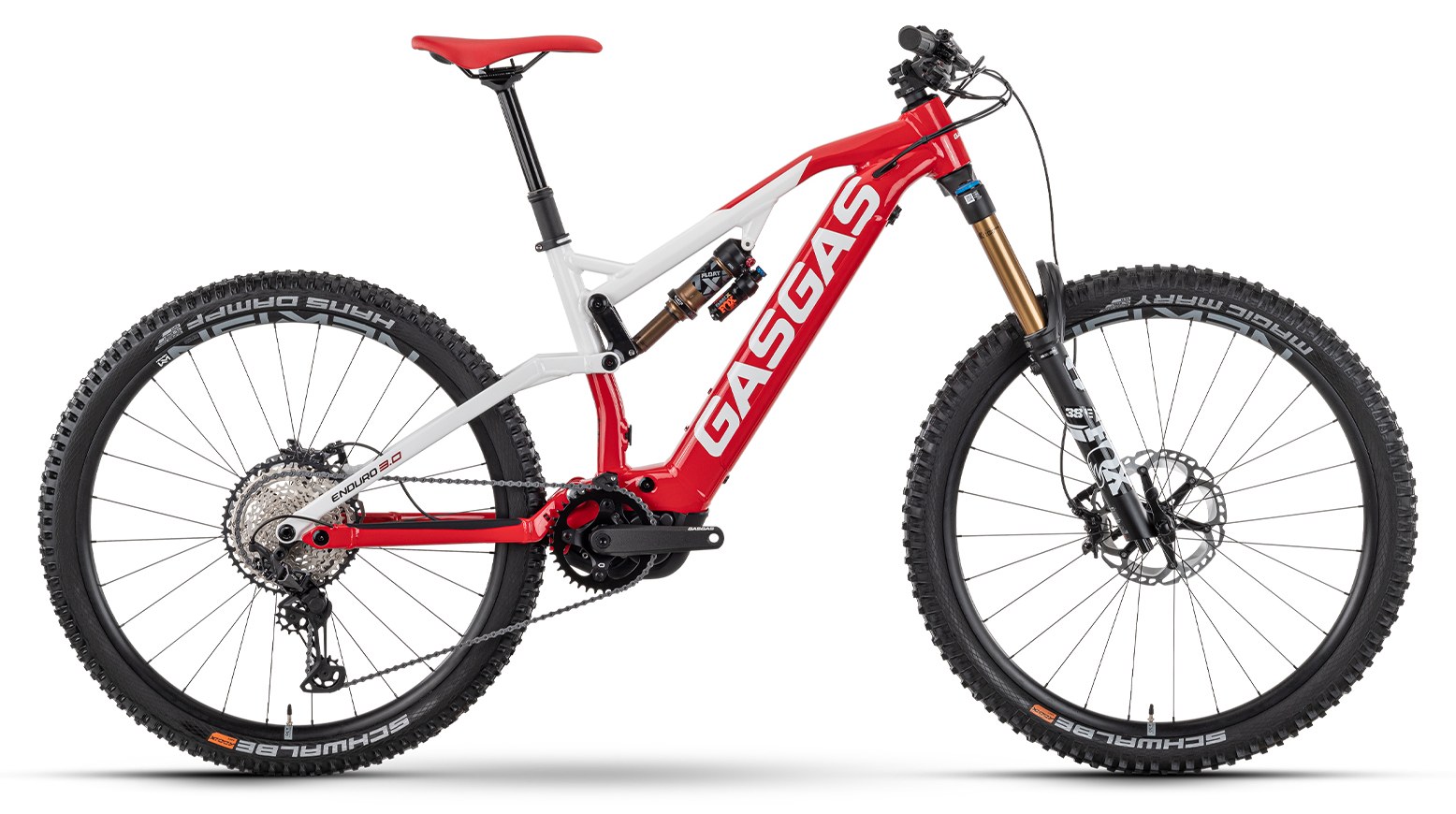
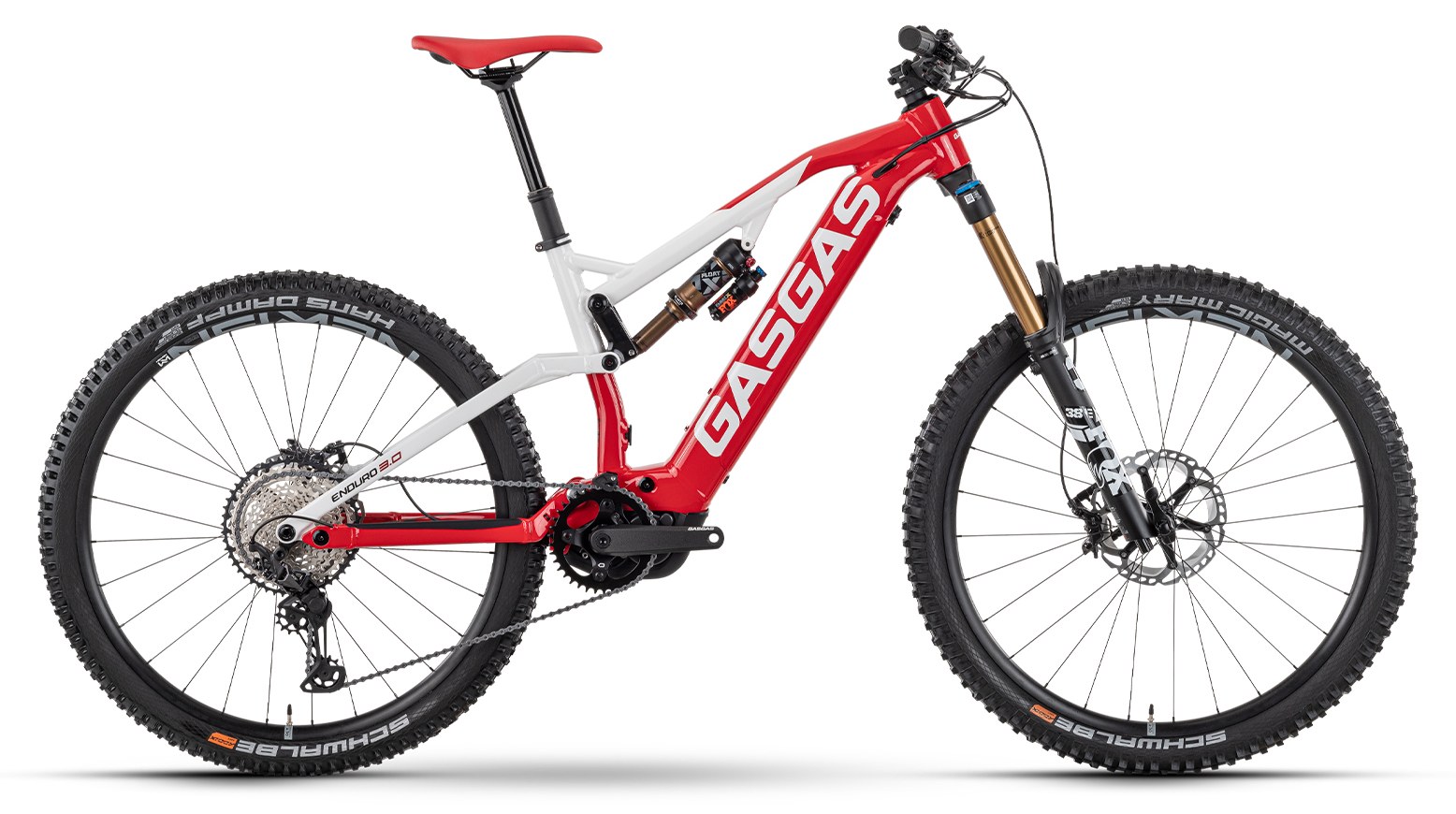
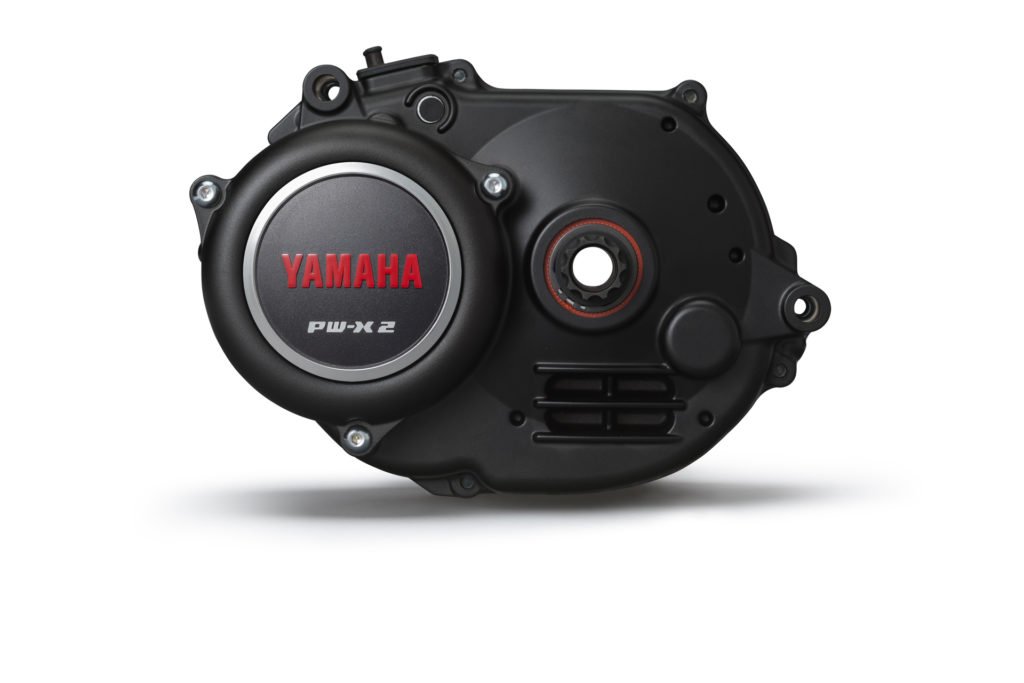
PW-X2
Yamaha's 2020-era flagship eMTB mid-drive: an 80Nm, 250W-rated unit that traded the previous PW-X's narrow punch for a notably wider power band, holding assist all the way to a class-leading 170rpm cadence. Discontinued in favour of the PW-X3, but still common on the second-hand Haibike, Giant and R Raymon market.
Builds early, holds a broad plateau and crucially keeps pulling at high cadence where the original PW-X dropped away. In MTB and Extra Power modes assist runs all the way to 170rpm (155rpm in the lower three modes), only tapering in the final stretch.
Yamaha PW-X2 was the motor that finally gave Yamaha a credible eMTB answer to Bosch and Shimano. It keeps the 250W nominal rating and tops out at 80Nm in its two strongest modes (MTB and Extra Power), dropping to 70Nm in the three lower levels, but the real story is the spread: Yamaha widened the assist band so the unit keeps pulling at the high cadences where the old PW-X fell flat. Where the lower modes hold support to 155rpm, MTB and Extra Power keep assisting all the way to 170rpm — a genuinely class-leading cadence ceiling — and Yamaha claims up to 50% more power at 100rpm than its predecessor. On the trail that means you can spin a gear higher and still get a shove.
The delivery is direct to a fault. A Quad Sensor System (incline, speed, cadence, pedal torque) feeds an eager response that reacts the instant you load a pedal, so much so that bikes fitted with it tend to lurch off the mark and can "tremble" if you rest a foot on the cranks at a standstill. Riders chasing the last word in finesse on tricky, low-speed climbs still rate Bosch, Brose and Shimano a notch higher for sensitivity. What the PW-X2 banks in return is reach and refinement of noise: testers consistently praise how quiet it stays even on full power, and the efficient 36V system pairs well with Yamaha's 400/500/600Wh InTube packs for genuinely long range.
It is an older design now, and it shows: more freewheel drag at coast and an audibly more mechanical whirr under load than the PW-X3 that replaced it in 2022. Yamaha publishes its modes by name (ECO, STD, HIGH, MTB and Extra Power) rather than as support ratios — the widely-quoted 360% figure belongs to Giant's SyncDrive Pro, the Giant-tuned version of this same hardware, not to the stock Yamaha unit. No independent lab has published a measured dyno trace for the PW-X2 either, so the power figures here are Yamaha's own claims and a representative curve shaped to its wide-cadence character, not laboratory data. As a used buy it remains a sensible, durable choice; as a new motor it has simply been overtaken.
Character
The case for and against
Strengths
- 80Nm and a genuinely wide power band that holds assist to 170rpm
- Very quiet even at full assist — quieter than Bosch CX/Shimano EP8 of its era
- Efficient 36V system, excellent real-world range with 400/500/600Wh InTube packs
- Direct, instant response
- Durable, well-supported used-market unit
Compromises
- Snatchy off the line; can "tremble" at a standstill
- Less low-speed climbing finesse than Bosch/Brose/Shimano
- More freewheel drag and louder than the PW-X3 that replaced it
- Discontinued (2018–2022 era); no independent dyno data exists