2.1
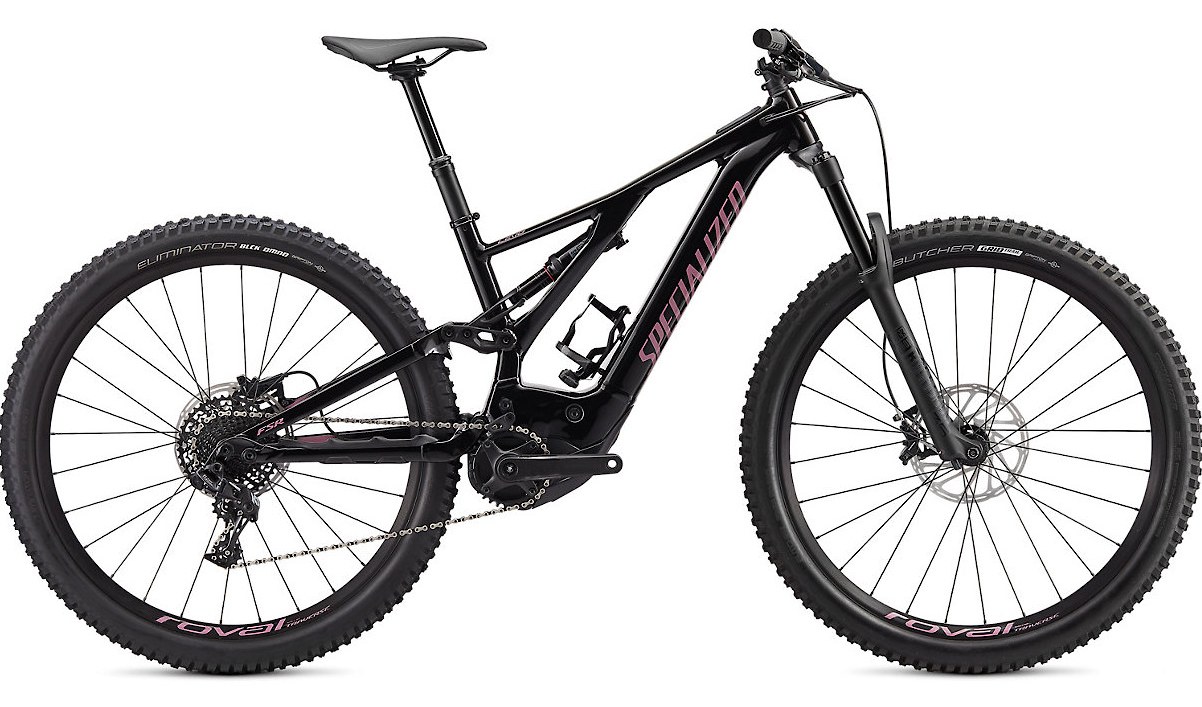
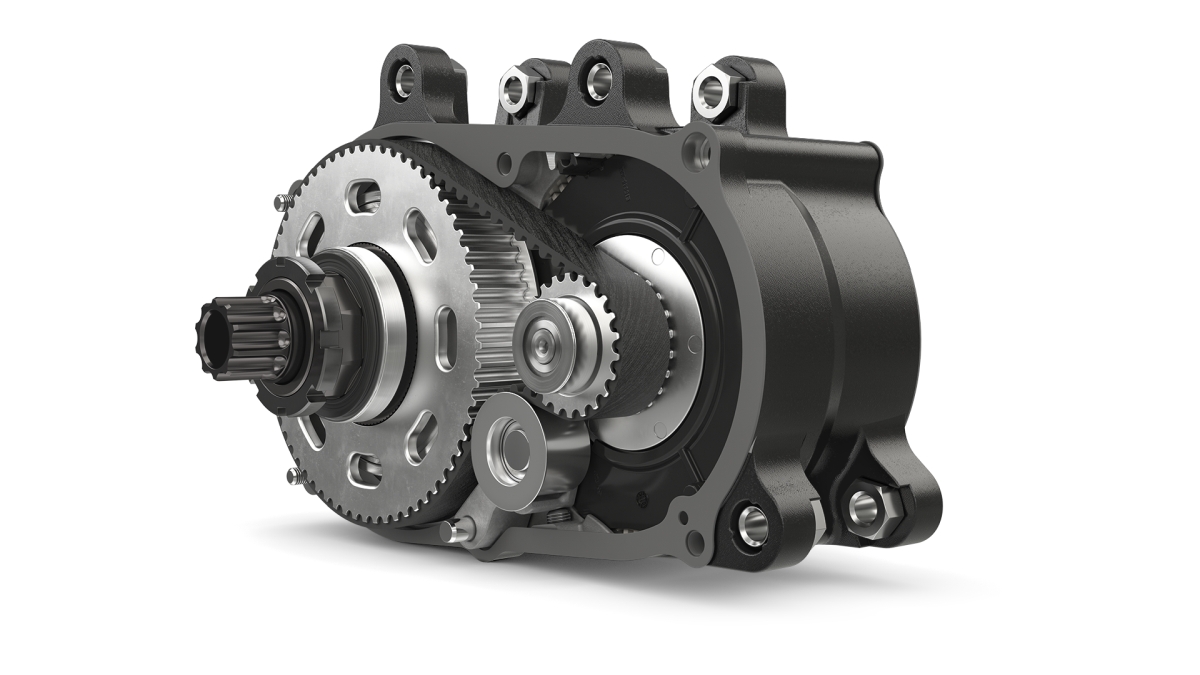
The Specialized 2.1 is Brose's Drive S Mag in Turbo livery — the belt-driven motor that powered the 2019-2021 Levo Gen 2 and Kenevo. Quiet, smooth and surprisingly elastic, it traded outright punch for the most refined power delivery of its generation.
Brose-typical flat and elastic — chain power at a steady ~100 W rider input builds early and holds high right across the cadence band, with no sharp peak or low-rpm dead spot.
Specialized 2.1 is Specialized's badge for the Brose Drive S Mag, the magnesium-housed, carbon-belt mid-drive that defined the Turbo Levo Gen 2 era. Specialized's own figures are 90 Nm, a 560 W mechanical peak and 410% (4×) maximum assist from a 250 W-rated, 36 V unit. On the bench it behaves less like a peaky sprinter and more like a flywheel: feed in roughly 100 W of rider input and Velomotion measured around 575 W back at the chain, held smoothly whether you spin or grind (its absolute ceiling under maximum load runs higher, but the 100 W-input figure is the honest real-world number).
What set it apart in 2019-2021 was refinement rather than raw numbers. The belt drive makes it the quietest motor in its power class — a low, constant whirr with none of the freewheel rattle of geared rivals, and the calmest descender of its generation. Velomotion's bench found it among the most efficient drives on the flat, slipping only to the Bosch CX on steep climbs, and BikeRadar's group test reached the same verdict: natural, progressive delivery with a clear optimum support window. The flat torque curve across 60-90 rpm is its signature — no dead spots low down, no fade up high.
Sustained-climb behaviour is where the belt, not the silicon, is the limiter. The magnesium housing sheds heat well and no independent test recorded a thermal de-rate, so it holds its claimed output on long fire-road grinds rather than tapering like an over-stressed geared motor. But the carbon belt is heat- and load-sensitive: the 2020 firmware update deliberately capped peak torque events on long, hard efforts precisely to keep belt temperatures and strain down. In practice it rewards a steady, moderate cadence on sustained climbs over repeated full-power stamps.
The asterisk is durability. The 2019-2020 belts were the Achilles heel — failures often meant a full motor swap, since Brose belts aren't user-serviceable. That 2020 firmware update eased peak belt loads, reinforced belts shipped from late 2020, and Specialized extended the warranty from two to four years on affected bikes. Buy a used Levo Gen 2 on this motor and the first question is belt service history, not power.
Character
The case for and against
Strengths
- Quietest motor in its class — belt drive, constant pitch, no rattle
- Flat, elastic power across 60-90 rpm with no dead spots
- Most chain power at a steady 100 W input of its peer group (575 W vs Bosch CX / EP8)
- Holds power on sustained climbs — no measured thermal de-rate
- Very efficient on flat terrain; 2,000 m-plus climbing on the 700 Wh pack
- Smooth, natural delivery, fully tunable via Mission Control
- Light magnesium housing (2.9 kg Velomotion bench; Specialized quote 3.0 kg)
Compromises
- 2019-2020 belt durability issues — failures often meant a full motor swap
- Lower absolute peak ceiling for short surges than the Bosch CX
- Less outright torque/power than later Specialized 2.2 and 3.1 motors
- Belt is heat/load-sensitive — 2020 firmware capped peak torque on hard efforts
- Dealer-only servicing via Brose Servicetool
- Now discontinued, superseded by the Specialized 3.1