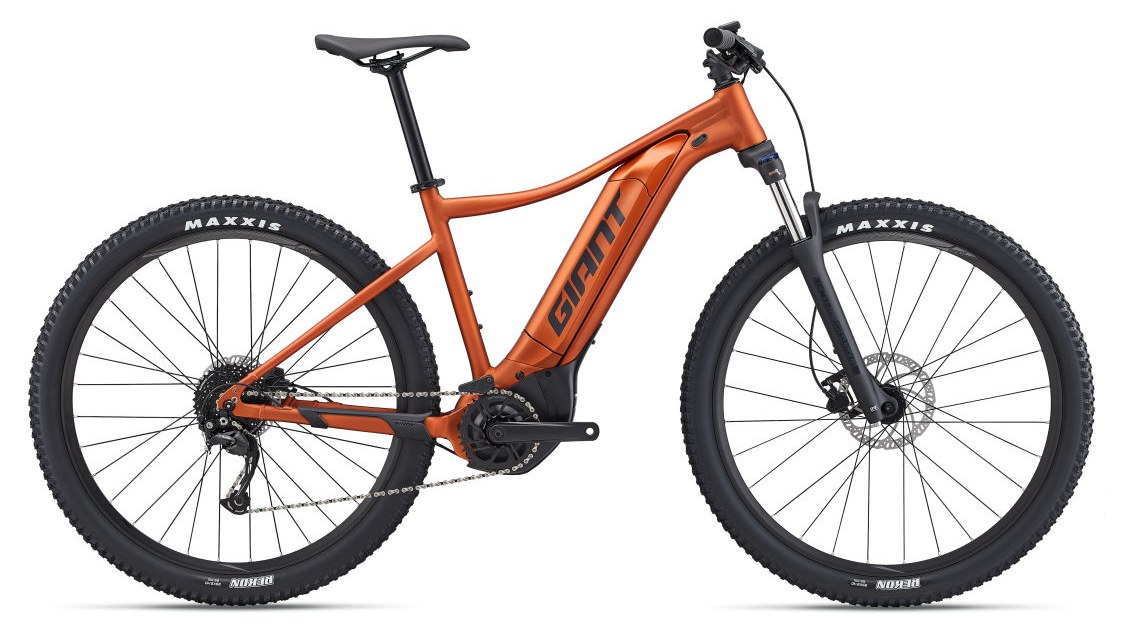
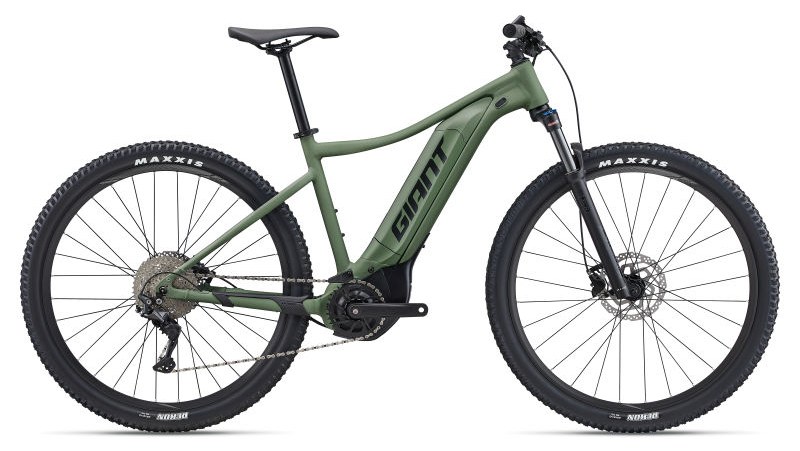
Giant SyncDrive Core
Giant's entry-level SyncDrive unit, built in cooperation with Yamaha for the brand's e-trekking and recreation bikes. It trades the headline torque of an eMTB drive for compact size, low weight and a deliberately natural, hands-off feel.
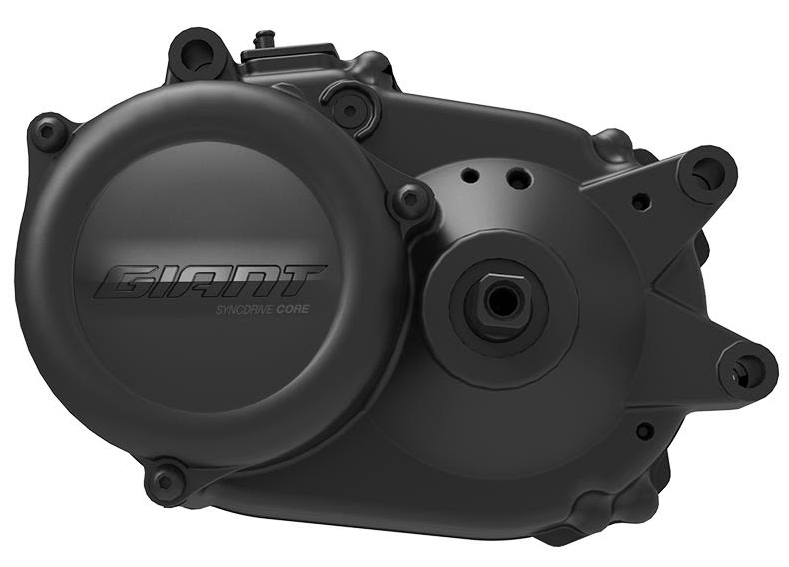
A modest, broad torque hump that builds through the mid-cadence range and is held by Giant's tuning toward the claimed 140 rpm support ceiling — a representative shape from Giant's claims, not measured dyno data.
Giant SyncDrive Core is the quiet workhorse at the bottom of Giant's e-bike ladder, sitting below the SyncDrive Sport and the eMTB-grade SyncDrive Pro2. It is a Yamaha-cooperation mid-drive rated at 50Nm of torque and 250W nominal power, fitted to commuting and light-trekking bikes such as the Roam E+, Entour E+ and Explore E+ rather than anything built for steep singletrack.
Its calling card is Giant's 6-sensor Smart Assist system, which reads cadence, torque, speed, slope and an accelerometer to meter out assistance automatically. Giant quotes a support ratio up to 300%, and the tuning gives a smooth, progressive push that feels more like a tailwind than a shove. There is no need to chase modes: it simply amplifies what your legs are already doing, cutting cleanly at 25 km/h. Giant also claims pedalling support all the way up to a 140 rpm cadence, so the assistance holds rather than dropping away when you spin out on the flat.
Giant does not publish a peak-watt figure for the Core, and no independent lab has put one on a dyno, so the numbers here are manufacturer claims rather than measured peaks. On thermal behaviour there is likewise no published de-rate data, but a 50Nm trekking unit running well within its limits on flat duty is unlikely to heat-limit in normal use. Taken on its own terms the Core is a capable, refined entry drive, just don't expect it to drag you up a 20% fire road the way a Bosch Performance CX or the eMTB-grade SyncDrive Pro2 will.
Note that Giant's SyncDrive Core family has since grown: the current catalogue lists a Core 2 (55Nm, up to 300% support) and a Core 3 (75Nm, up to 450% support) per Giant's SyncDrive overview. This page covers the original 50Nm / 250W unit.
Character
The case for and against
Strengths
- Compact and light at a claimed 2.9 kg
- Smooth, natural Smart Assist with 6-sensor metering
- Claimed pedal support up to a 140 rpm cadence
- Easy on battery range thanks to low nominal draw
Compromises
- Only 50Nm — not an eMTB-grade drive
- No independent dyno data and no published peak-watt figure; specs are manufacturer claims
- Underlying Yamaha base unit not publicly named
- Limited grunt on steep climbs versus 85Nm+ rivals