Trail Maintenance

Rob Rides EMTB

E*POWAH BOSS
Staff member
EMTB Pro
Joined
Jan 14, 2018
Messages
7,239
Reaction score
16,707
Location
Surrey, UK
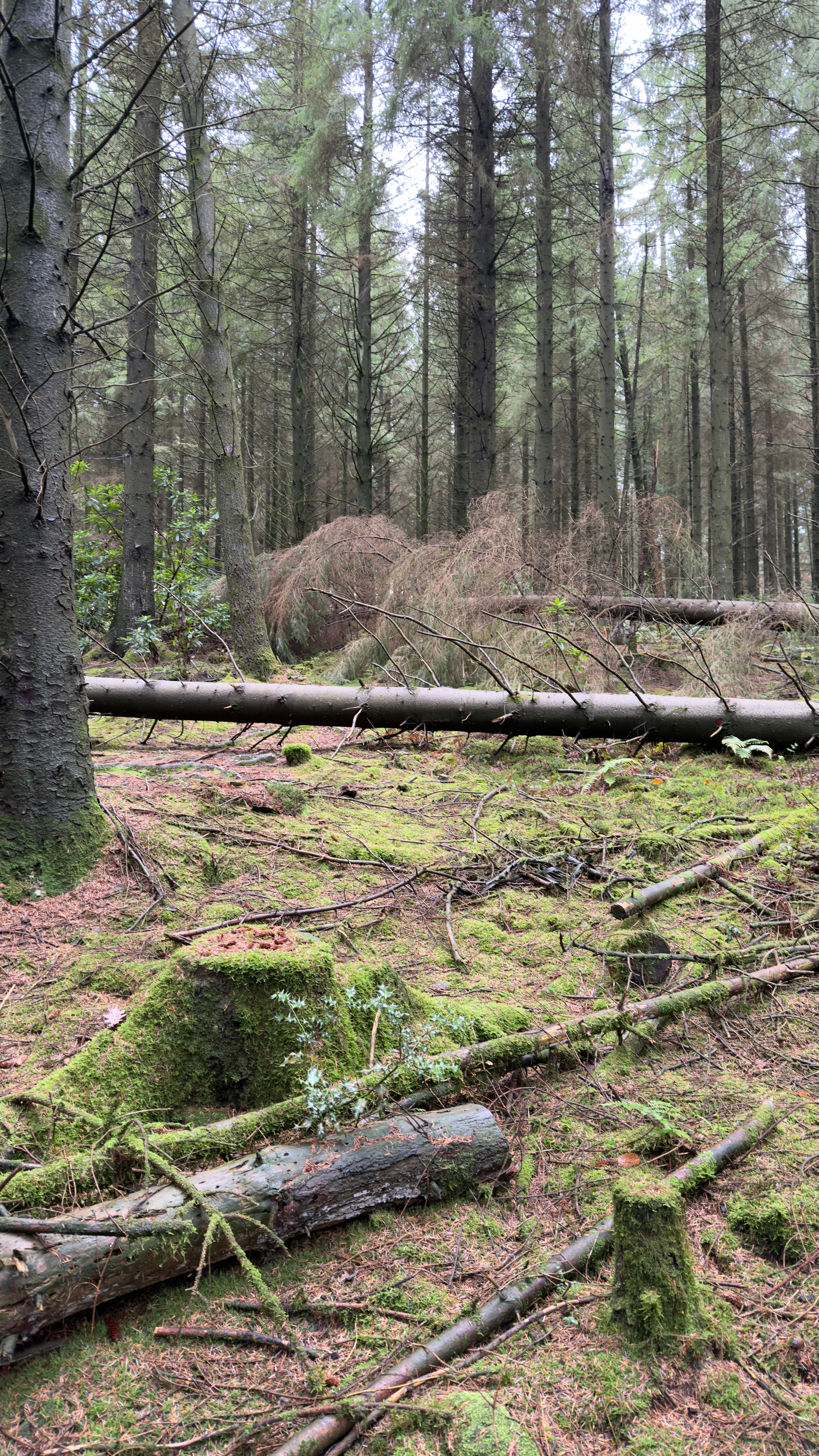
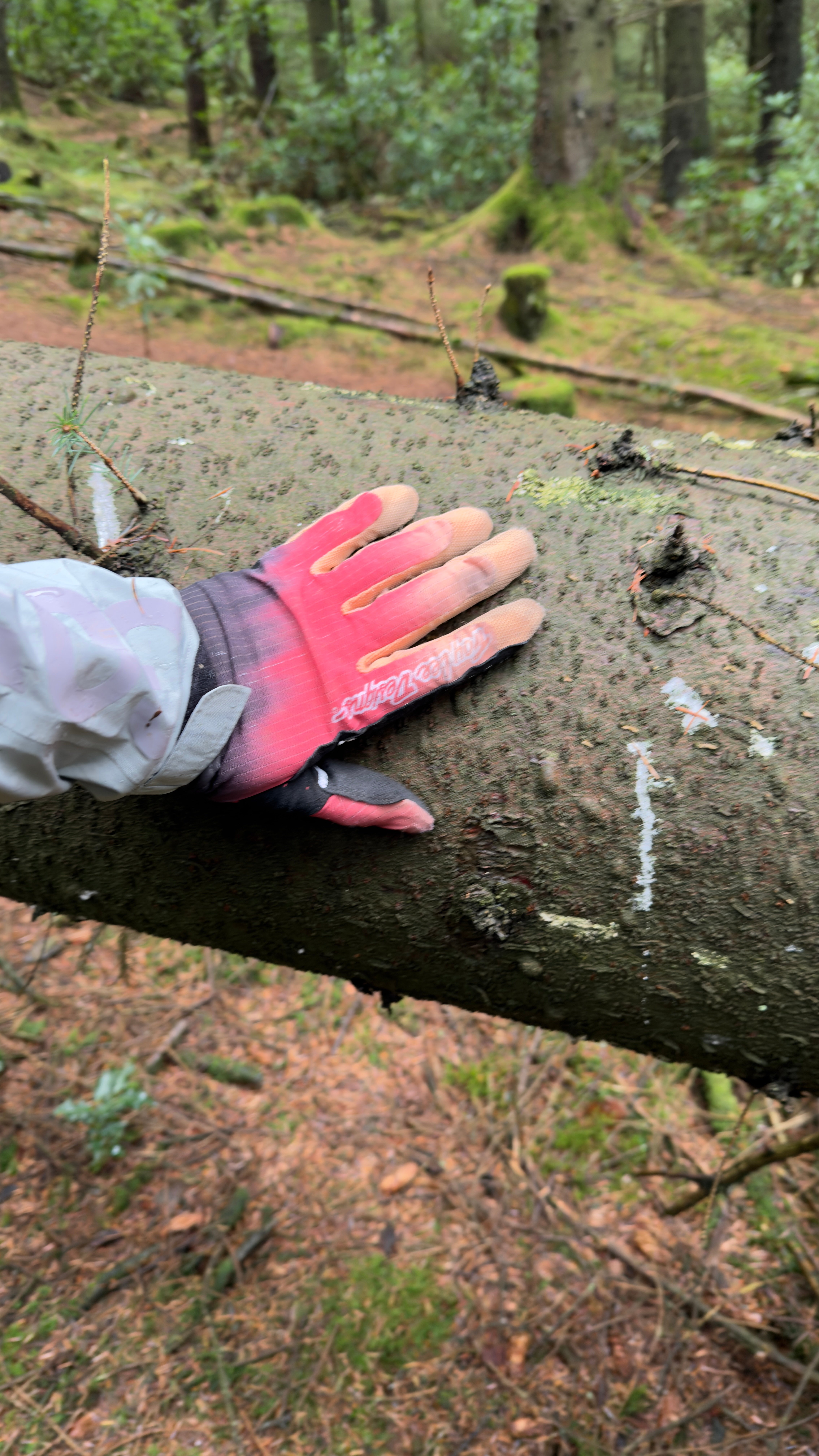
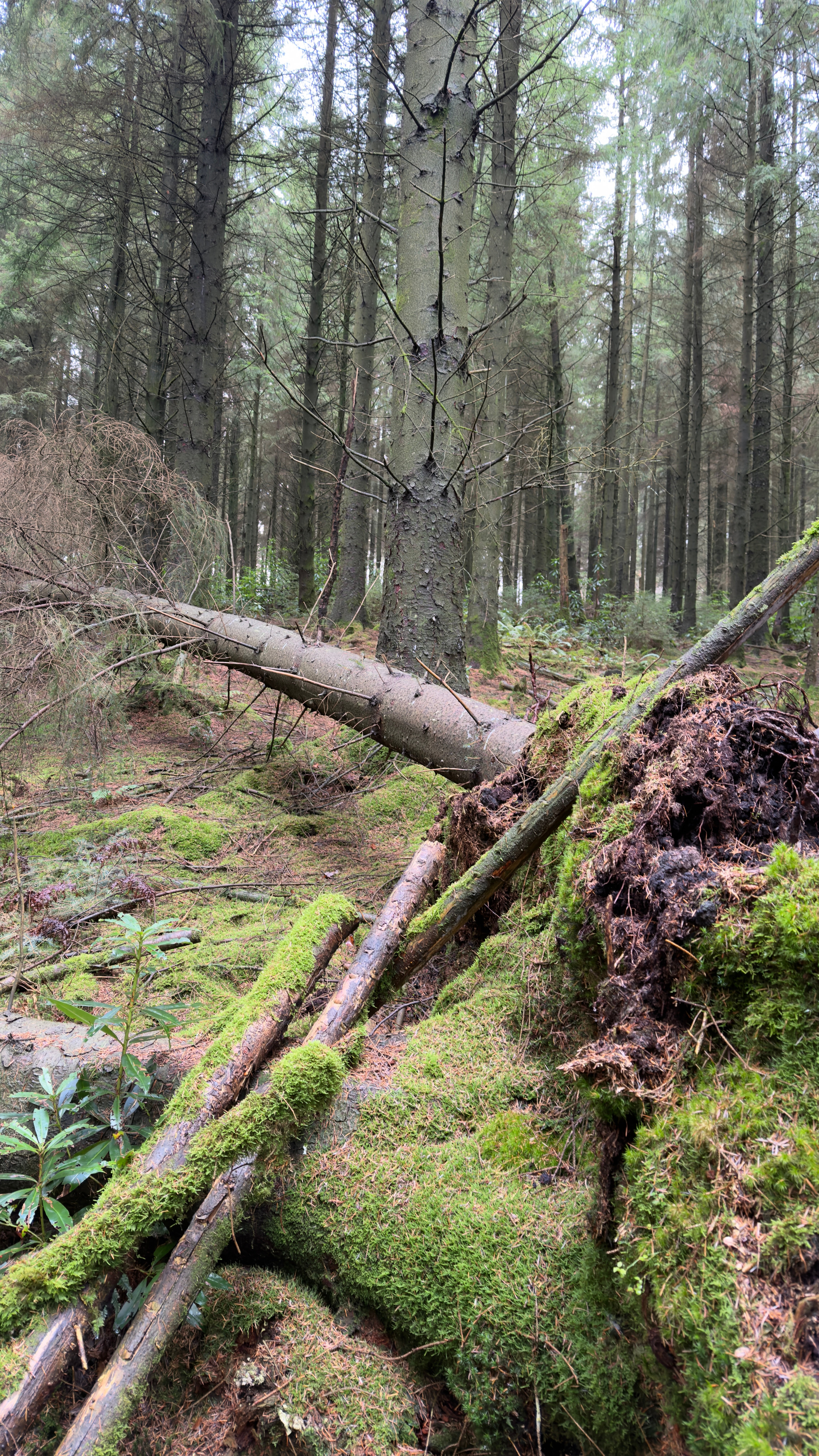
A trail I used to like to ride has had a tree (2 actually) down on it for about a year now. I'm not sure the etiquette here in terms of "can i just cut it myself" or do the forestry commission like to deal with these themselves?

Would a BigBoy 2000 type saw be able to tackle these, or does it require something more heavy duty. I'm not experienced at cutting this stuff, but am quite aware to the risks / dangers!, any tips @Stihldog ?!

IMG_1232.jpg
IMG_1234.jpg
IMG_1236.jpg
 
⚡ EMTB Pro Go Pro — exclusive discounts & ad-free Peaty's 25% off & more · Ad-free browsing · Pro badge See the deals →
Not sure on the rules in the UK, but around me if the trails are in a public forest of any type they don’t want you using any sort of power tools to clear things without approval from the rangers of the park, they’ll typically just do it themselves. They seem fine with any hand powered saws though.
 
Biggest danger is tree movement post saw.
There’s an incredible amount of energy in a large down tree. It takes an experienced eye to spot where the movement will be after the cut is made.
If you are in the wrong spot your day may be quickly shortened. Or your saw taken for good by the tree.
 
Depends on the specific locale. Near me, I have two parks less than 5 miles apart that have completely different rules. For one I need to be certified/approved for chainsaw use - the other, not so much. I can remove most of the downed trees with my 16 inch electric chainsaw. As pointed out above, proper technique is important as is proper safety equipment. A meter long section of a 16" tree still weighs an enormous amount, much less a 10 or 20 meter tree. And it's different removing a downed tree than felling a tree.
As far as building over them vs clearing them, I think it's usually best to remove them if they can't be ridden over without additional buildup. I think we've all encountered really sh*tty ramps and log piles that are more dangerous than nothing.
 
If the obstacle is on the recognised trails (whatever grade), I will leave it alone unless it is an easily removed fallen branch. In my experience, the Forest England team will clear the obstacle quickly. Unless it is the aftermath of a big storm, in which case it may take a week or more. I will still leave them to it.

But if I am off-piste, I have a different approach. The Forest England staff have enough to do without also maintaining the mass of trails all over the forest, even if it is under their control. They have neither the budget nor the staff to monitor the extensive network of trails that cover the forest.
If I can, I will remove any obstacle I find. It might take a few visits, or even require assistance. If the tree is up to 7" diameter, I will saw through it with my folding saw and drag it out of the way. Above that I leave it alone and find a way around it. The obstacle can be trees or branches that have fallen across the trail. Sometimes they are branches that have snapped and are hanging above the trail low enough to impede passage. I do the same with brambles, nettles and bracken where they provide an obstacle to passage or just a safety hazard. Brambles can be released by winds and can appear apparently overnight, blocking the trail. I have not forgotten leading a group ride down a steep slope that I had checked the day before and ended up with a thumb-thick bramble in my mouth. I had trapped it with my teeth, but if the guy behind me had ridden into me I would be the owner of a wider smile than currently. :(

I am very aware of the hazard of stored energy in a fallen tree. I always survey the fallen tree to see if it might be under pressure from another tree, or appears to be bent. Because I am sawing by hand, if there is stored energy, the tree may start to bend and/or make creaking sounds as I cut through it. I adapt my approach appropriately. I always ensure that my feet and head are well out of the way. Trees may spring in any direction including upwards! They can just drop, or even roll down any slope. Be careful and use your head! :unsure: In the forest no-one will hear you scream! :eek:
 
Modern single handed, battery powered chainsaw, that fit inside a tiny backpack, are capable of cutting these logs.
 
I use a BigBoy 2000 (Bahco 36inch bow saw) to manage fallen trees on our trails. You have to cut a V into the trunk so the saw can make it all the way through, takes a while but doable depending on thickness.

I'd like try to a battery powered chainsaw.
 
A trail I used to like to ride has had a tree (2 actually) down on it for about a year now. I'm not sure the etiquette here in terms of "can i just cut it myself" or do the forestry commission like to deal with these themselves?

Would a BigBoy 2000 type saw be able to tackle these, or does it require something more heavy duty. I'm not experienced at cutting this stuff, but am quite aware to the risks / dangers!, any tips @Stihldog ?!

View attachment 172049View attachment 172050View attachment 172048
It’s difficult to anticipate every single hazard or danger (even for me). In the forest. Our trails are surrounded by hidden hazards that most would never recognize.

Falling a live tree can be dangerous, but a felled tree can be extremely dangerous. An unexpected log roll, a loaded limb, a compromised snag ( 100’ away), a widow maker, kick-back, etc.

Liability becomes the issue. I am not authorized to do anything in this area or on our trail network. The park wardens are not even qualified (imo) to remove a hazard. However, identifying a hazard and asking the authorities could take up to 3 years before that’s dealt with.

Therefore users take matters in their own hands…and I could go into a long discussion about that.

I’ve only felled 2 small snags in this area. (5” and a 18”) Both times I had spotters at a safe distance. The job of sanitizing every single hazard in this area would be endless and potentially impossible.

I know the wardens in this area and they probably know me. The Fines are high and the risks are great for falling or clearing any hazard or obstruction and I understand why.

We have a handful of trail-elves in this area and I try my best to educate them …but I also know that I can’t save the world. 🤷🏼‍♂️
 
I’m with Stihldog…. Leave alone… there’s some energy stored in that..
Get the shovel out… and get a ramp built over it…💪👍

Ha - in some of our forests, if I had to build over every downed tree, it'd quickly start looking like the Stacks from Ready Player One.
 
A trail I used to like to ride has had a tree (2 actually) down on it for about a year now. I'm not sure the etiquette here in terms of "can i just cut it myself" or do the forestry commission like to deal with these themselves?

After a year, it's safe to assume that the forestry commission doesn't care. Around here, I can never figure them out. Some trails get neglected for years, others receive maintenance at least annually. The bummer is when trails are neglected too long, they deteriorate into nothing, and are gone forever.

That tree looks big. After reading some of the comments here, I'd be afraid to cut it. What about diverting the trail around the fallen trees? If the rozzers come around, tell them Yankee Rob told you it was ok.
 
Adjacent to the topic but I've been waiting for an excuse to post something from this guy. While he does plenty of tree chopping in his trail building & may lnow the score with this stuff* & is probably quite easy to get hold of too, I just think he's an engaging character with an endearingly odd face.

*Not watertight legal advice obvs

 
Modern single handed, battery powered chainsaw, that fit inside a tiny backpack, are capable of cutting these logs.
I don’t know what the formula is for trail maintenance or features, but here are some tools that work for me.
IMG_0860.jpeg

When I need to, I suff my tools into a large green garbage bag and stash the items. This usually helps if I have to make multiple trips to the same location.

My buddies, or sometimes regulars, are always helpful for the heavy lifting. But most of the time I work on my own. The younger guys have a different vision but the goal is usually the same.

Large fallen trees and water erosion is always a concern. Sometimes an assessment of the area or use of the trail has to be considered. The important thing is that you and others are safe. We can all say that we are good volunteer custodians…but there is a red line.
 
DeWalt 60v chainsaw. The destroyer
IMG_5889.jpeg

It’s more powerful than any similar sized gas CS. Carry in a skateboard backpack. Nothing stops it, always starts. 1 battery has lasted every time I brought it out.
 
DeWalt 60v chainsaw. The destroyer View attachment 172067
It’s more powerful than any similar sized gas CS. Carry in a skateboard backpack. Nothing stops it, always starts. 1 battery has lasted every time I brought it out.
No gas, no oil, starts every time. Almost perfect 👌. Just top up the chain oil.

I use the Milwaukee saw. It does the trick. But the 12amp battery cost more than the saw. I have 7 or 9 spare batteries that I’ve collected years ago. They were cheaper then and they all still work great.
 
No gas, no oil, starts every time. Almost perfect 👌. Just top up the chain oil.

I use the Milwaukee saw. It does the trick. But the 12amp battery cost more than the saw. I lohave 7 or 9 spare batteries that I’ve collected years ago. They were cheaper then and they all still work great.
LoL
Always with the godamn batteries! These ones are so much $$$
I build furniture, and use DeWalt. So I have a few spares. Only need one on the trail luckily.
 
Your Forests are on another Level, We have nothing compared to what you got….😢
Sometimes it’s a good thing. A large log can make a great support for a feature …but it still needs to be laying on the ground and secure. If the stringers and decking is close by …why not 🤷🏼‍♂️.

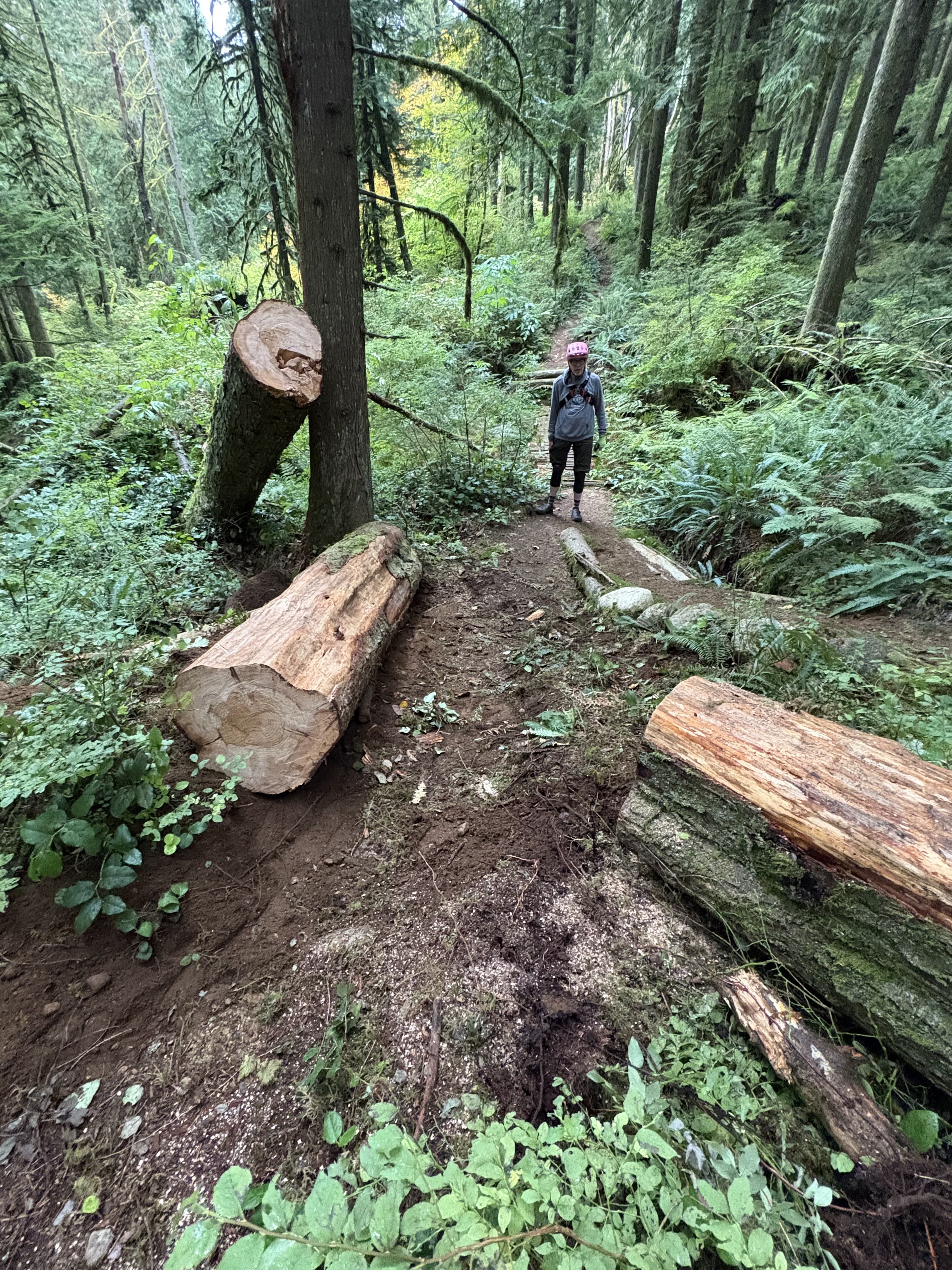
I’ve posted a pic of a large log that I recently bucked. Building a feature in that location didn’t make sense.
IMG_0855.jpeg
But this is an example of why I don’t report this. A very active trail for us EMTB’ers. There are 2 features in the immediate area and the authorities or pros could have taken over a year to even respond. With the help of my buddies …we just got’er’done.
 
Sometimes it’s a good thing. A large log can make a great support for a feature …but it still needs to be laying on the ground and secure. If the stringers and decking is close by …why not 🤷🏼‍♂️.

I’ve posted a pic of a large log that I recently bucked. Building a feature in that location didn’t make sense.
View attachment 172085
But this is an example of why I don’t report this. A very active trail for us EMTB’ers. There are 2 features in the immediate area and the authorities or pros could have taken over a year to even respond. With the help of my buddies …we just got’er’done.
Carve a loveseat outs one of those sections, for tired bikers! A dugout loveseat🤣
 
Carve a loveseat outs one of those sections, for tired bikers! A dugout loveseat🤣
Yessss! I’ve always wanted to do that. It would create a destination and perhaps secure your legacy. 😄

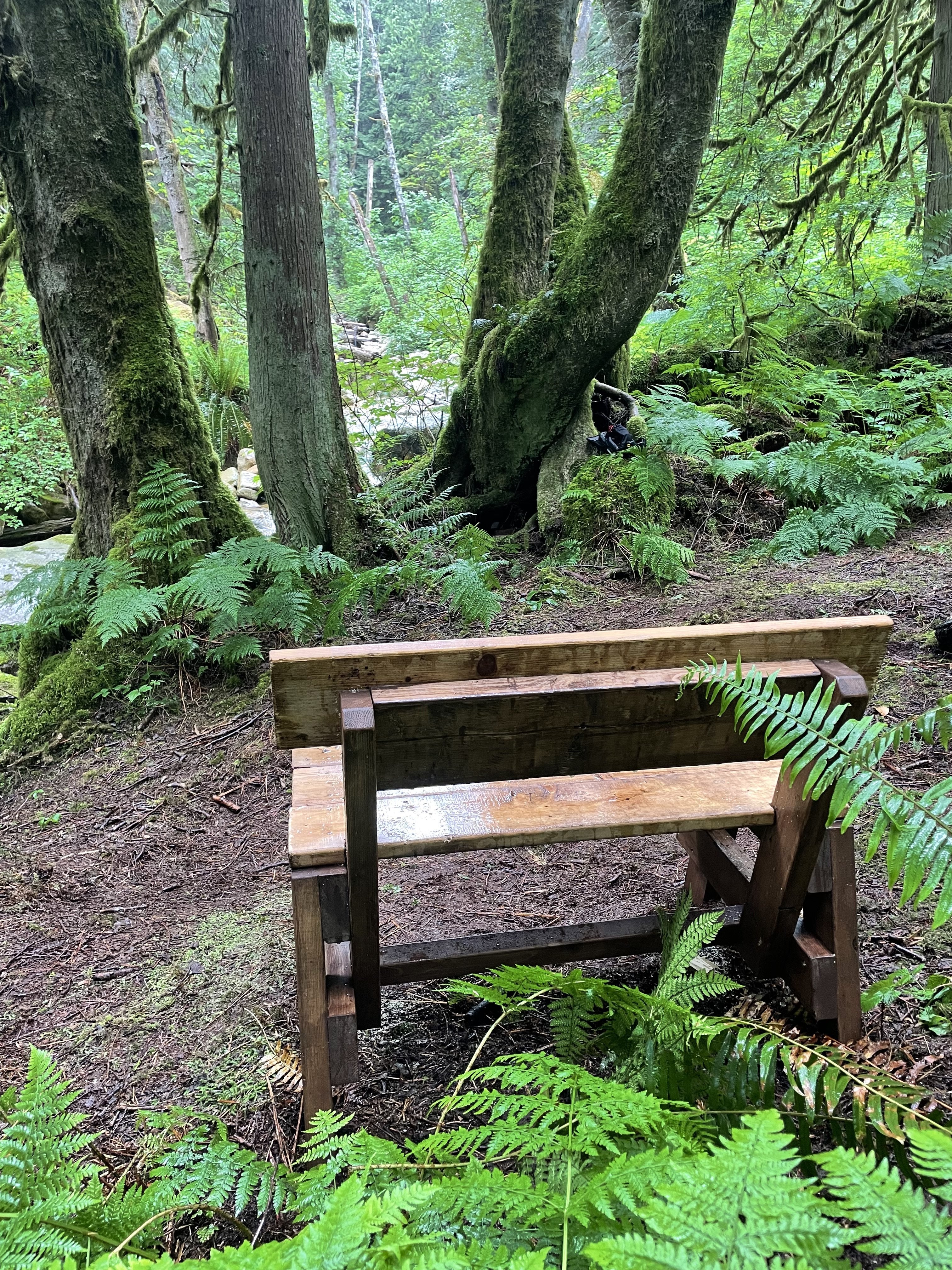
4-5 years ago I built, painted, transported and secured a chair next to a trail, overlooking an active creek. It’s definitely a destination in a secluded location.

I suspect that a few babies were conceived there. 👌
IMG_3891.jpeg
Nice quiet location. 👍🏻
 
Would a BigBoy 2000 type saw be able to tackle these,
Each cut would take 20-30 mins. You'd need to make several to be safe.

We cut smaller trees, and build around or over bigger ones, if the rangers don't clear downed trees for more than a month or two.

With big trees, we clear a trail to a low point, then just cut all the small branches and build a ramp by stacking smaller cuttings and rocks. Bit of clay mud or gravel to seal it together.

The problem we have is that if the trail is left unridden for too long, it grows over the rest of the trail, and the trail can be lost.

One downed tree we built over a few years ago, is one of my favourite jumps.

1764815113554.png


Here's another.

1764815237997.png
 
I chatted to a chap from FLS a couple of years ago. He said they only have 3 guys in Scotland qualified to tackle windfall, they have to work in pairs and the storms are causing more than they can deal with.
 
  • Helpful
Reactions: Dax
Every person and place has its own context. My local areas have so many areas of past forest fires that trail clearing is a minimum of 40+ hours a year. Battery saws tend to be limited as a days clearing will often include hundreds of downfall trees. The local Forest Service can't begin to address the volume so individuals and clubs team up to keep our trails clear.

Clubs that clear as a scheduled event have to provide at least one certified chainsaw operator per group to supervise. People acting as individuals or non affiliated groups can use chainsaws at their own risk. As a rule almost everyone that participates has been operating chainsaws for years in this capacity with at least hundreds of hours of experience or are learning with those that have this experience. Myself and my group have about 100 miles of trails that we focus on to keep clear at the beginning of every season.

Rob as pertains to your logs in question, If it was myself I would get a Silky Katana boy 500mm. It can easily handle those trees but you do need to know where and how to cut. The Katana Boy nicely straps to a down tube and is fairly light. For our area it is the minimum saw we carry at all times as there will inevitably be at least one or two new downed trees every ride even when the trail was cleared a week before. The BigBoy 2000 is a good saw for smaller trees but will be a struggle with the trees pictured. Doable but will take at least 2 or 3 times as long as the Katana boy. I will carry my Big Boy when I know that I won't encounter any larger trees.(lodge pole pecker pole region) I have bucked 30" logs with my Katana Boy but it was a struggle and the motor kept bogging down.

Lots of how to videos on You Tube for bucking logs on trails. Good luck!
 
  • Helpful
Reactions: Dax
What is "bucking"? @anybody
“Bucking” is a term used when a log is cross cut with a chainsaw for example. Usually perpendicular to the grain of the fibres. “Ripping” is cutting wood, or a log, in the direction of the fibre grain.

Most wood mills prefer specific lengths of logs, therefore, when possible, the log is cut to length. ie; 41’, 36’, 17’ etc. logs are generally measured and “bucked” to length after they are felled.

Bucking a log also makes yarding and transporting easier. Sometimes a log is “bucked “ to eliminate certain types of rot. (Usually recognized by “a log-grader”). The trees that I bucked had up to 27 different types of rot. Usually specific species of trees had specific types of rot (sometimes called Conk).

The bottom line was, you were working to make them money as safely as possible. tmi ?
 
Keep reading
    Browse all

    Similar Threads

    Community Stats

    Since 2018
    668K
    Messages
    40,737
    Members
    Join 30,000+ Riders, it's free!
    Back
    Top