Matty (and any others)
I hope this does not sound like an unwanted lecture . . .
As you cruise through life, you do not always recognise your achievements.
This hopefully changes a bit after you have had a life trauma as each minor improvement becomes a personal major step forward in your capability.
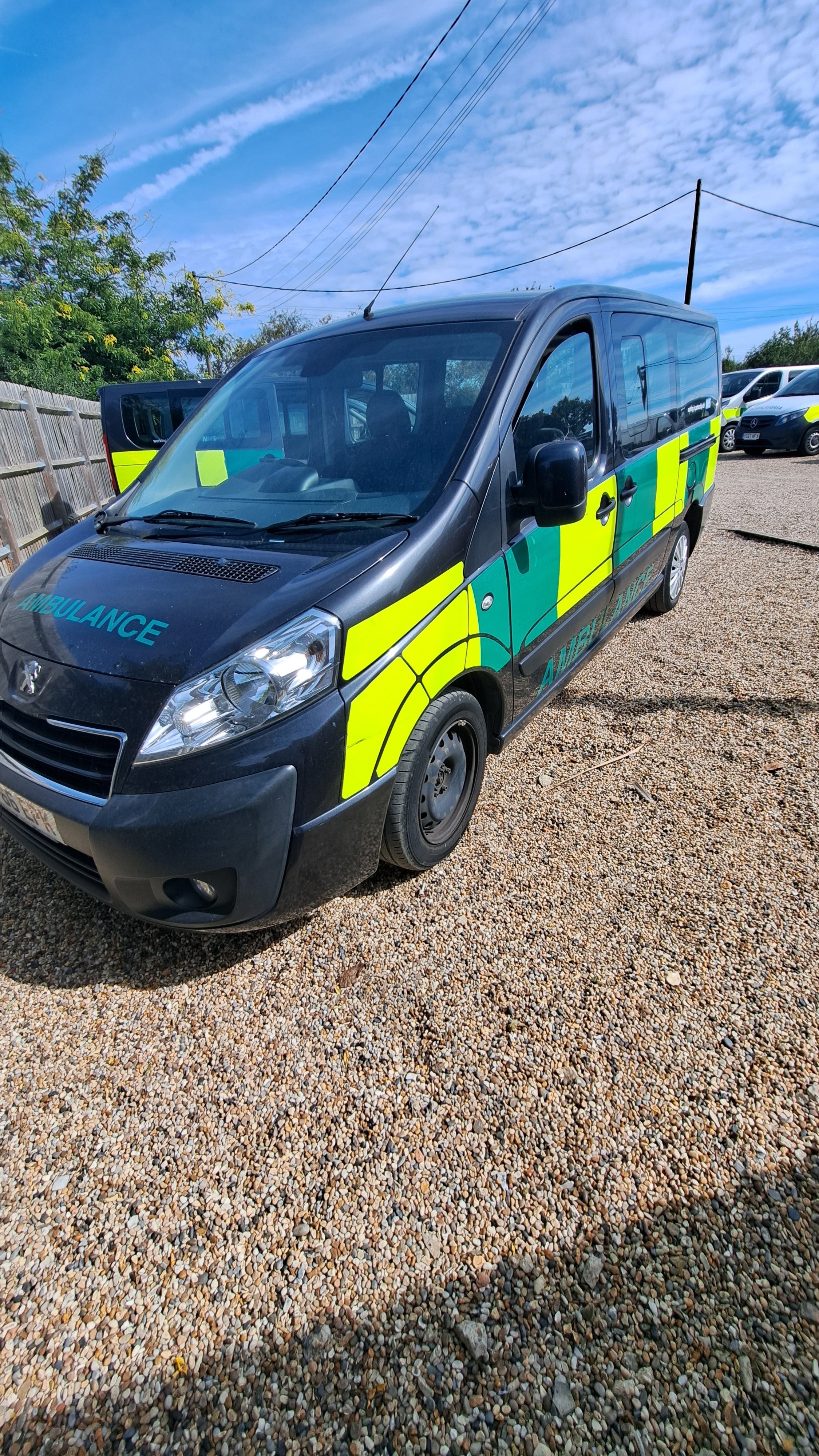
I had a stroke in January 2023, 8 weeks after I purchased my new E mountain bike and a day before my wife’s significant birthday. We were away, intending to celebrate that birthday.
After the ambulance ride to the local hospital and some scans, I was told I had had a bleed on my left side. They then then said my right arm and leg were not working at all, but (a big but), I might get some use back if I worked really, really hard.
So my wife and I decided that’s what we would do and try to beat the shit out of this. I have always looked to the future, so this helped me to accept the situation.
So my immediate goals were eating, sleeping, physio and OT; nothing else. My wife took over everything at home; to the extent that she would ring me a 6am asking me for advice as she had been gardening since 5.30am.
This is a tale of positivity, so read on if you think it might be useful.
When starting exercises in the rehab ward and gym, I insisted that the physios and OT people tell me what, how, why, muscles and bones involved, how much, the exercise goals and the hoped-for effect on my skills and capabilities.
This gave me a much-improved understanding of what we were doing and the ability to recognise when improvements were made. I became a much more useful patient in the physio’s mind, it helped them to show their expertise and created a situation of mutual enthusiasm which drove both of us on to perform in an improved way, and stimulate each other’s enthusiasm.
My first physio was still a student at her first practical workplace attachment from university. Considering her relatively limited practical experience, she exuded enthusiasm, had good interpersonal skills, a natural adult training ability, a good technical understanding, the ability to assess my capabilities, and it was very pleasant to spend long periods of hard work with her in the gym.
First job was to teach me to sit up without falling over. My unsteadiness probably came from a lack of controllable muscles in my core and my right leg helping me to balance.
Then standing up: necessary to get up from the hospital bed, the toilet, shower chair and my new best friend, the wheelchair. It took six weeks for me to independently stand. I’m still doing this exercise, sit-to-stand, 20 months later.
The wheelchair was great - such independence and the ability to race another rehab patient around the corridors of the hospital. It also gave me the ability to purchase an espresso from the coffee cart.
During these exercises, we found there was a faint ability to push with my right leg. So, onto the sliding tilt bed set to 8 degrees (very flat). Put right leg into support and push. This was my first exercise every morning for the next 8 weeks.
Next was placing me on a bed and supporting my right leg so it was virtually weightless. And then we looked at it, for some time, over two days. Eventually I managed some movement, which the physio acquired and developed exercises to improve the motion.
I only had slight movement in my right arm of the thumb and first two fingers. I was given some exercises to improve this, which I did before breakfast whilst still in bed. One Sunday morning, I suddenly found I could lift the complete arm!!!! Much emotion ensued.
When I surprised my physio with my new-found skills the following morning, her face lit up with delight, with a comment “let’s cancel today’s plans and get into that arm”.
Support from the nursing staff in the rehab ward was wonderful. It was not unusual to have a nurse come into my room and congratulate me because she had heard I moved a finger the previous day.
My riding group totals 105, of which there are about 40 regular riders. They were regular hospital visitors, in my room and watching me exercise.
This level of support was important. People in the street were mowing our lawns and organising the garbage. Another friend was pruning the roses.
After all this time, I still receive recognition for an improvement that is noticed. Nothing big, but those pats on the back and a “well done” make the hard work even more rewarding.
On time off from exercising in the rehab gym, I answered every phone message, every email and every text message. At the very least, it kept people up to date with my activities and progress. After all, they had made the effort to contact me.
I hope I am not appearing to “blow my own horn”, but success from a student or patient will help to drive those around you to greater heights in their efforts to help you.
My wonderful physio spent a week on the floor whist I was learning to stand. She had to constrain my out-of-control right leg.
She then spent another 2 weeks sitting on the floor next to the walking machine whilst I was suspended above it by the crane. She hooked her fingers in my right shoe and “taught” my right leg and brain how to walk again. I walked independently without support after 8 weeks.
After all this time, I was maintaining my positivity and drive because I was able to recognise the almost daily achievements.
The medical experts say that the first six months generally show the greatest level of improvement, and then it starts to slow down.
After 11 months I regained my ability to whisk eggs; after 13 months I started to ride my mountain bike; after 19 months I can wipe my feet on a doormat.
I realised it was important to seek out experts who could help my endeavours; medical, physio, OT for upper-body and fine motor skills and efforts in good exercise.
This was not successful in all instances, but I learnt a lot and moved on if all they offered was just going through the motions.
After I left hospital, I was lucky to find an excellent physio who was also a cyclist. As I progressed and became stronger from my regular exercises, my strength appeared to be “over-powering” my ability to control my limbs. This physio was able to “tidy” my actions. I think I will be using this service for some time to come as my abilities change.
One of the lucky finds was the local Seniors Gym, courtesy of a friend. They assess your needs, goals, limitations and general health and prepare an exercise program
specifically for you. This is re-assessed every three months with new exercises and goals. The machines in the gym, from
www.hur.fi can be setup with different pressure to allow for weakness on one side. I was surprised to find that my right side was about 40% weaker when I started at the gym. The machines allow for easy adjustment as you become more capable.
I have been relatively lucky. Once I had accepted the pain-in-the-arse occurrence of the stroke, I quickly realised a positive approach allowed me to think optimistically and consider how best to approach the future.
I know stroke victims who are worse off than me; and some who are better. I am 73 years old. My age has driven me on to ensure the stroke impacts me as little as possible.
It is my responsibility to myself, my wife and the over-burdened health system in Australia. This health system takes the approach that an investment in people with trauma will be repaid with less reliance on the system. As an example, my gym costs are subsidised.
You need to actively seek these government schemes. They can reduce costs and sometimes reduce your reliance on family and friends. I have been amazed at the assistance I have received, sometimes from people I have not met before. I would imagine that if I was a “misery guts” showing no efforts, help from friends and associates would be thin on the ground.
So what can I recommend?
Go for it, be positive and show it, and thank everyone involved. But do not relate more stroke information than they request.
Ensure your home exercise equipment is readily available so if you have 10 minutes to spare, you can easily get one or two exercises completed.
Time your exercises (or some other appropriate measure) to allow you to assess your progress. I wrote them all down for the first nine months. RunKeeper is useful for monitoring walking. You get a buzz out of achieving goals.
There are probably many more things I could say, but that's enough for the moment. Reach out to me if you want to talk.
There endeth the lecture
FirstRideToCoffee.mp4


 . But I continue to do lots of rehab and am improving ( more slowly now whilst trying to work part time). This has been a devastating experience for me and my family, so all I say is ride carefully and make sure you have life cover and critical injury cover that meets yours and your families needs. These things do happen to relatively young people s as well as older individuals so make sure you have the correct cover for you in place ours has been a life saver.