What i do is start on a low setting say 2/3rds of taget then take it up to the corrct setting 1-2Nm at a time.
I was always told to use one like this, especially if a fixture has more than 1 securing bolt, and when tightening in a cross pattern., maybe not 1-2 at a time but definitely in stages, as long as the last stage has the wrench in motion, you shouldn't torque on a static bolt.
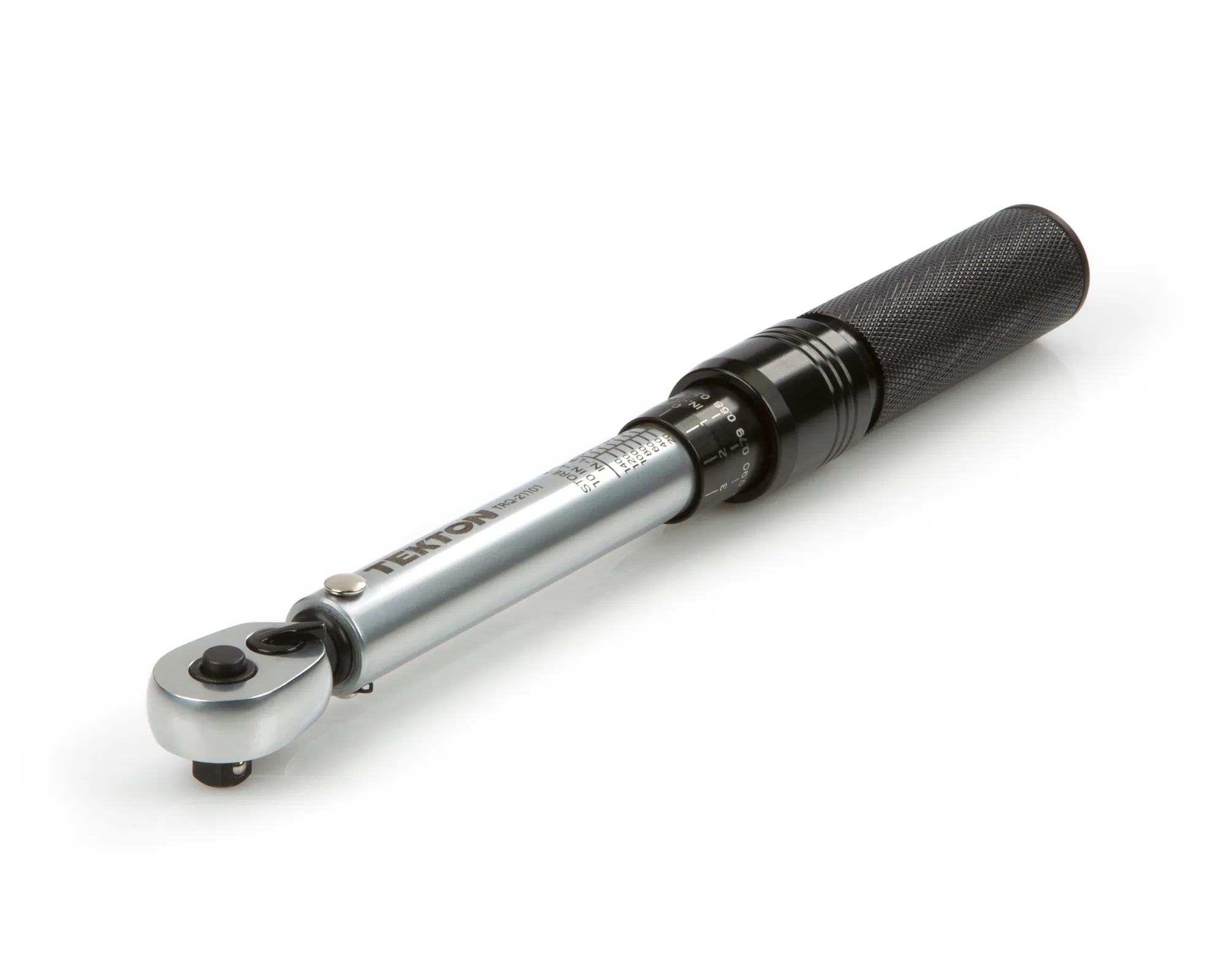
Each to their own, but for a diy home mech I don't think you need to spend any more than £50 on a torque wrench for a mountain bike. Cheap ones will vary in accuracy, but they should be in the ballpark.
If you're going into business, using one day in day out, then of course a branded one makes sense.
Manufacturing has come on a long way, so the cheaper ones are all much of a muchness, it's just tension on a spring and even my cheap one can be user recalibrated. Material quality may differ, so just go for one with plenty of good reviews. The best thing to remember is always store your torque wrench at it's lowest setting and never use one to undo fasteners, this way it should stay accurate for longer.
For a 1/4 wrench, I'd avoid the ones with the securing bolt at the bottom and go for one with an indentation lock on the handle and a smaller, higher tooth ratch head.
Personally, I'd put the saved money into very good quality bits, as the ones that come bundled with the wrenches are poor quality, both in material and sizing, and are more often than not the reason for a stripped head, rather than the wrench itself.
Lastly, if you've never used one before, I'd practise on a spare bolt in a block of wood to get used to the feel of the wrench and the subtle click. The amount of videos I've seen of people over torquing with a torque wrench is mad.