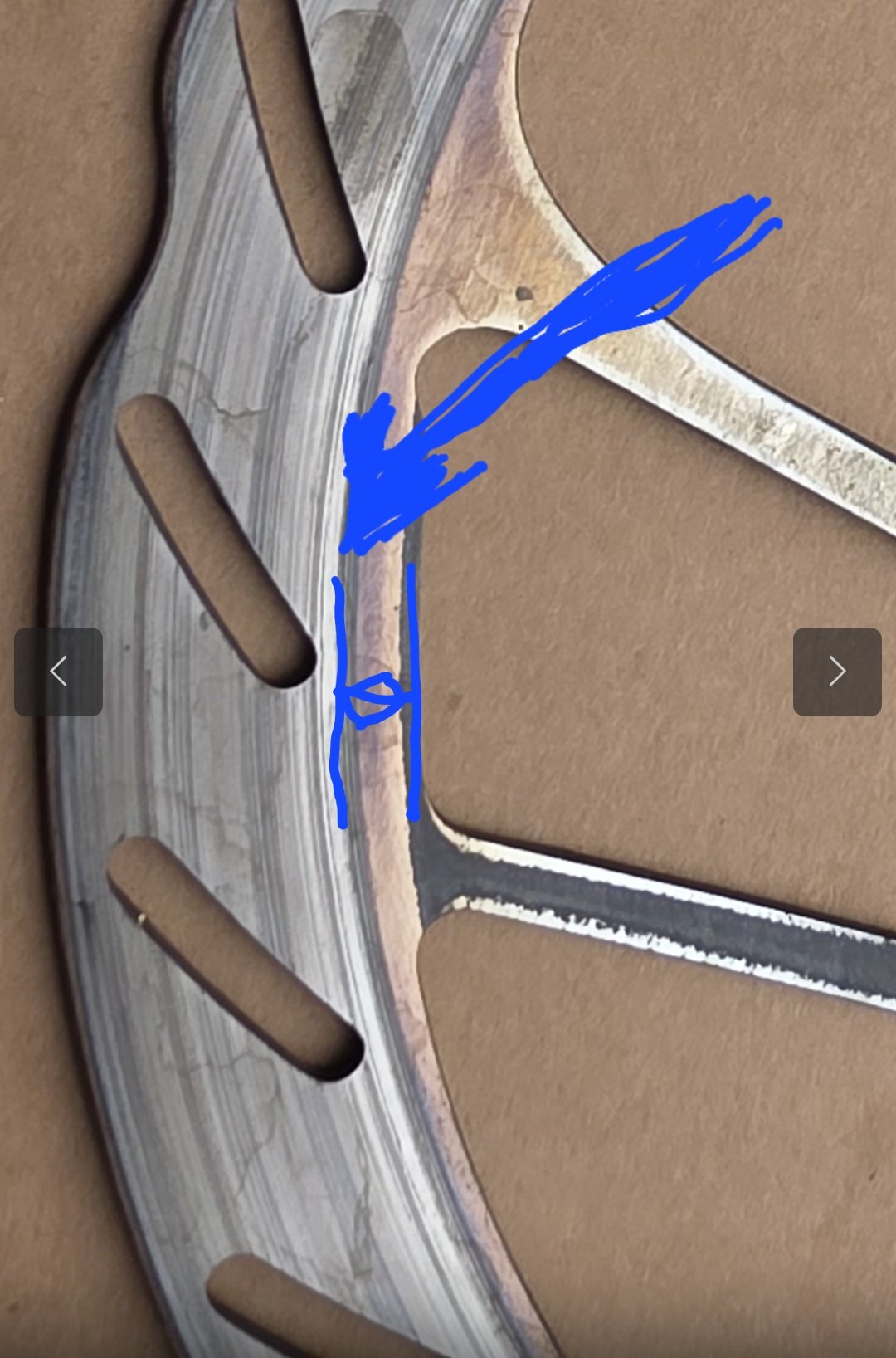
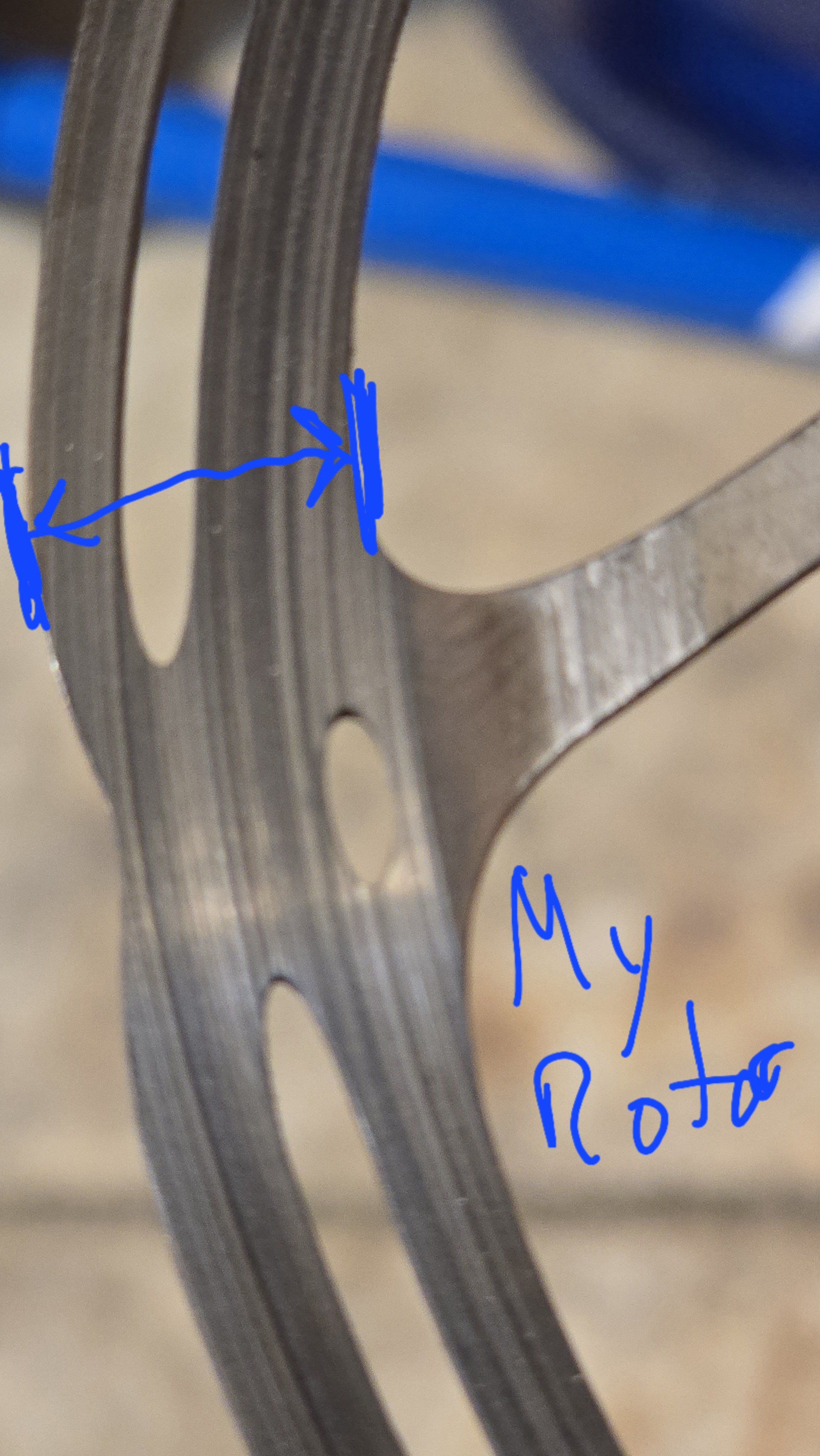
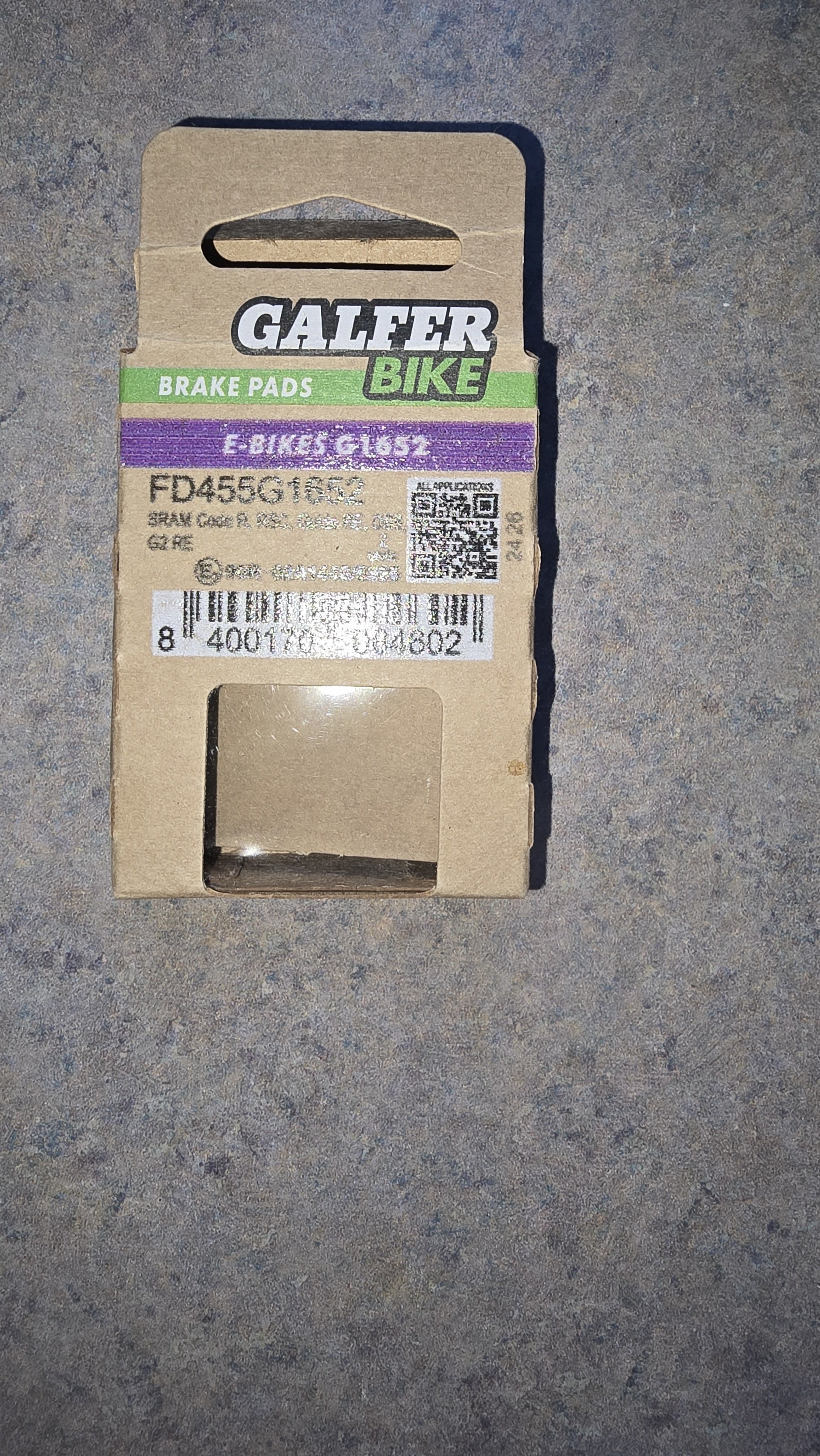
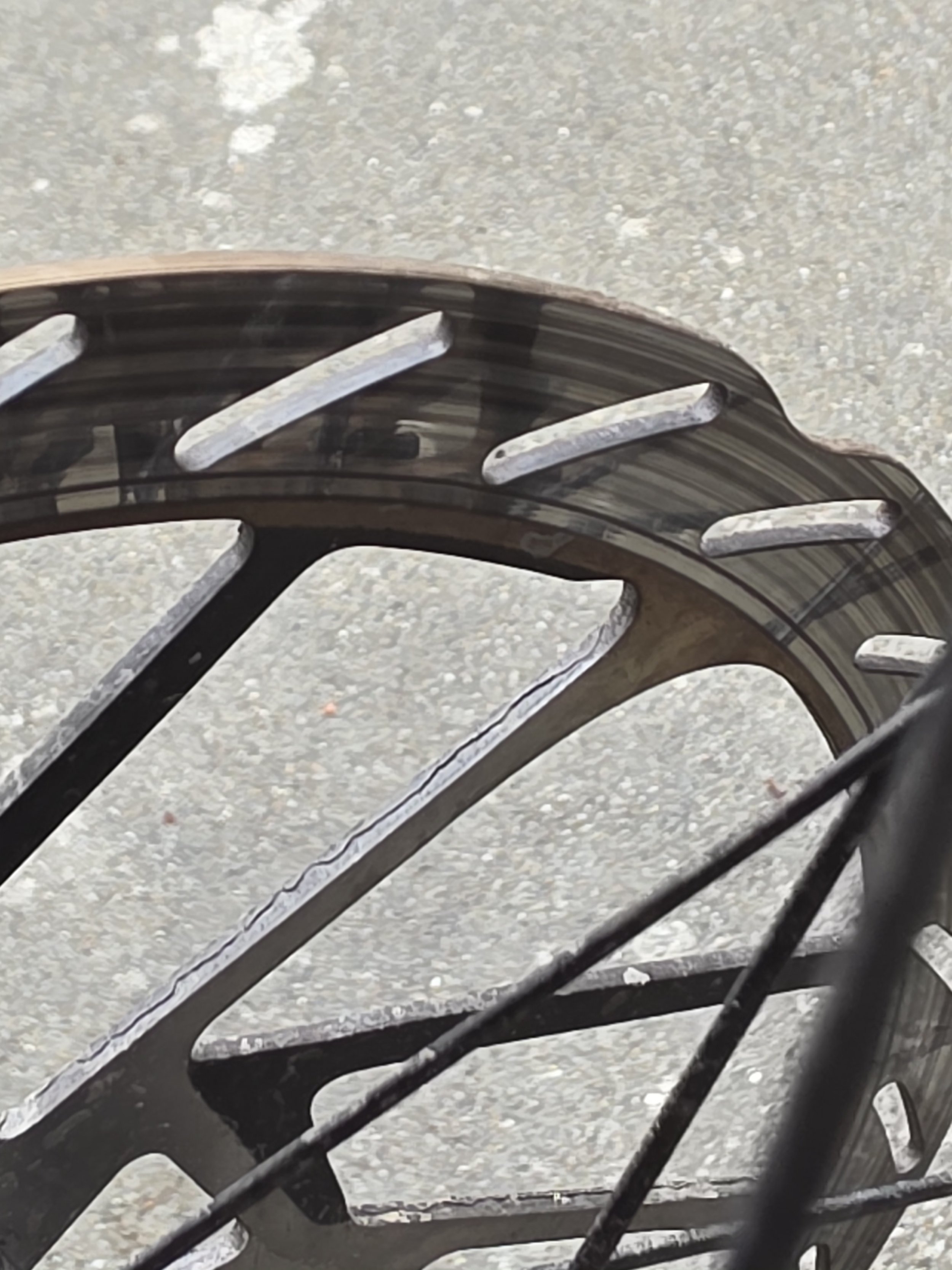
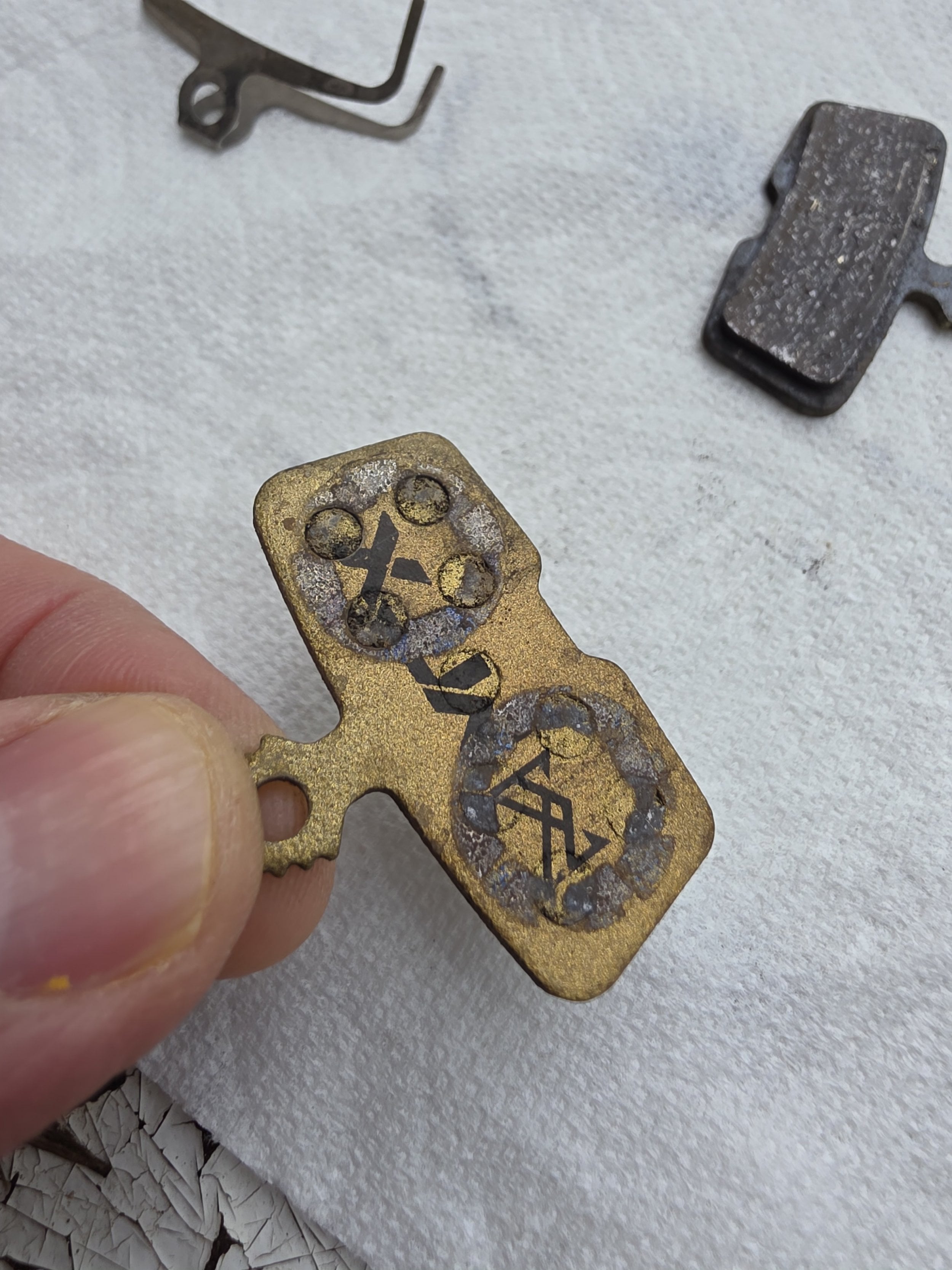
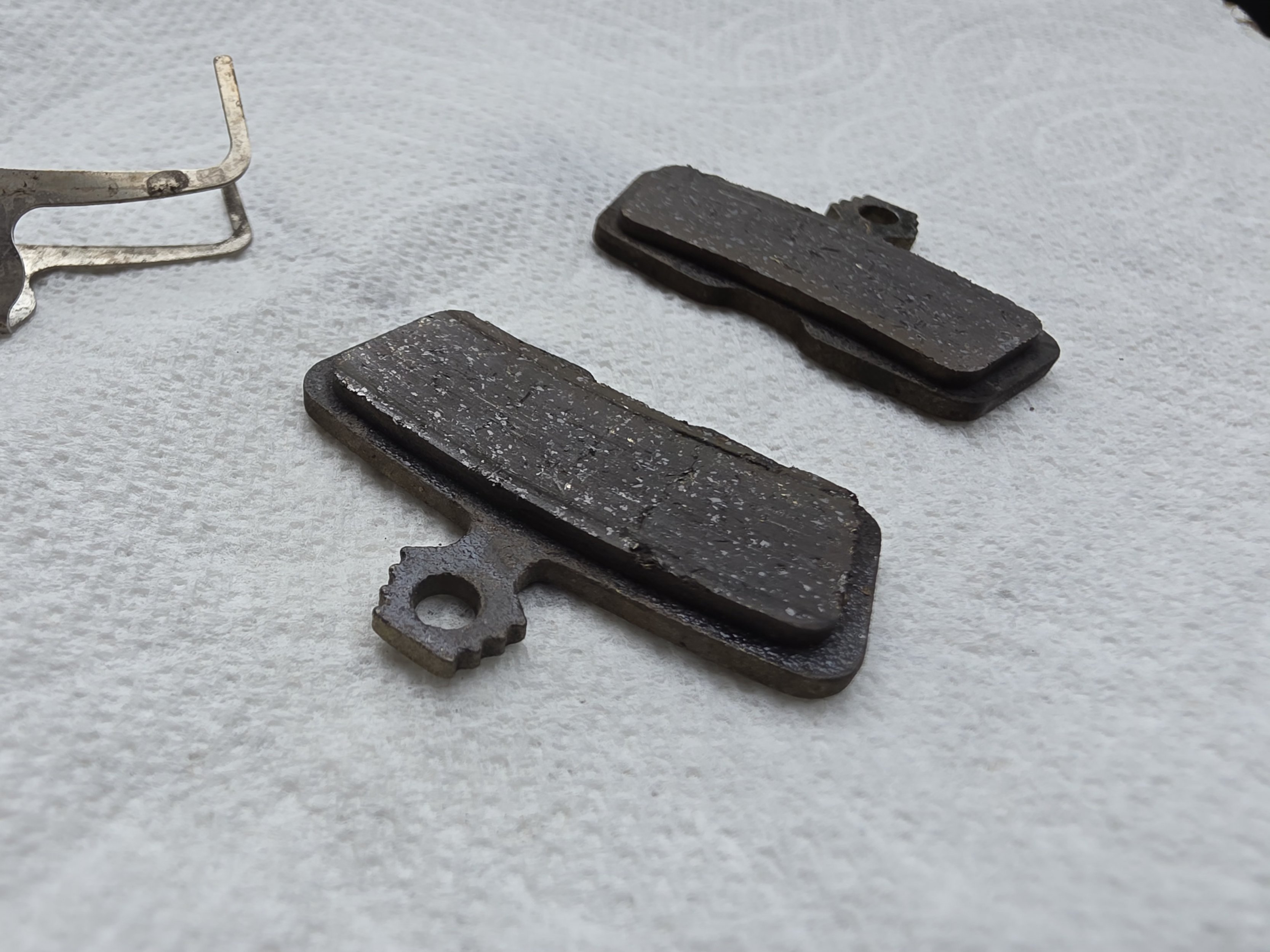
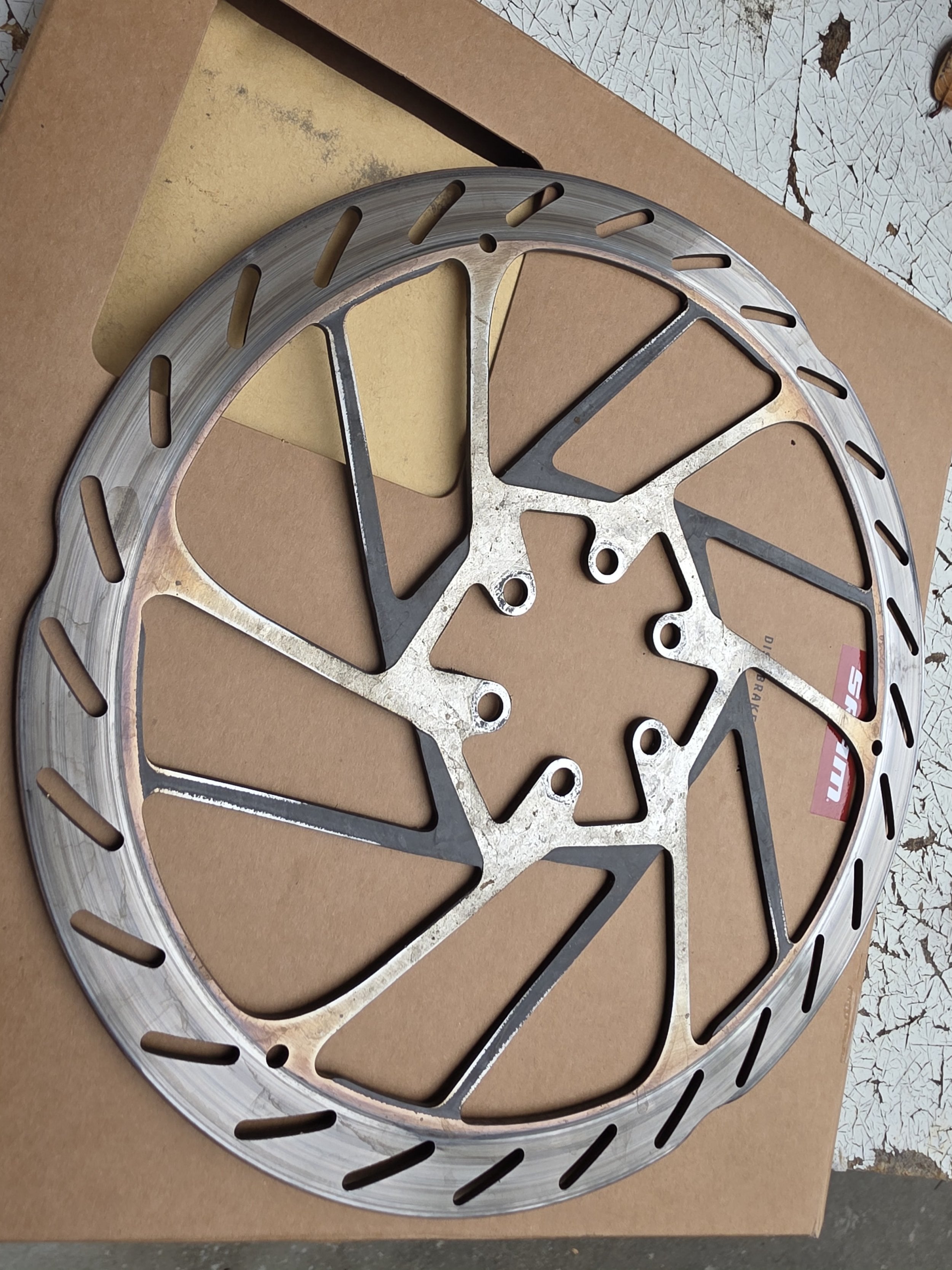
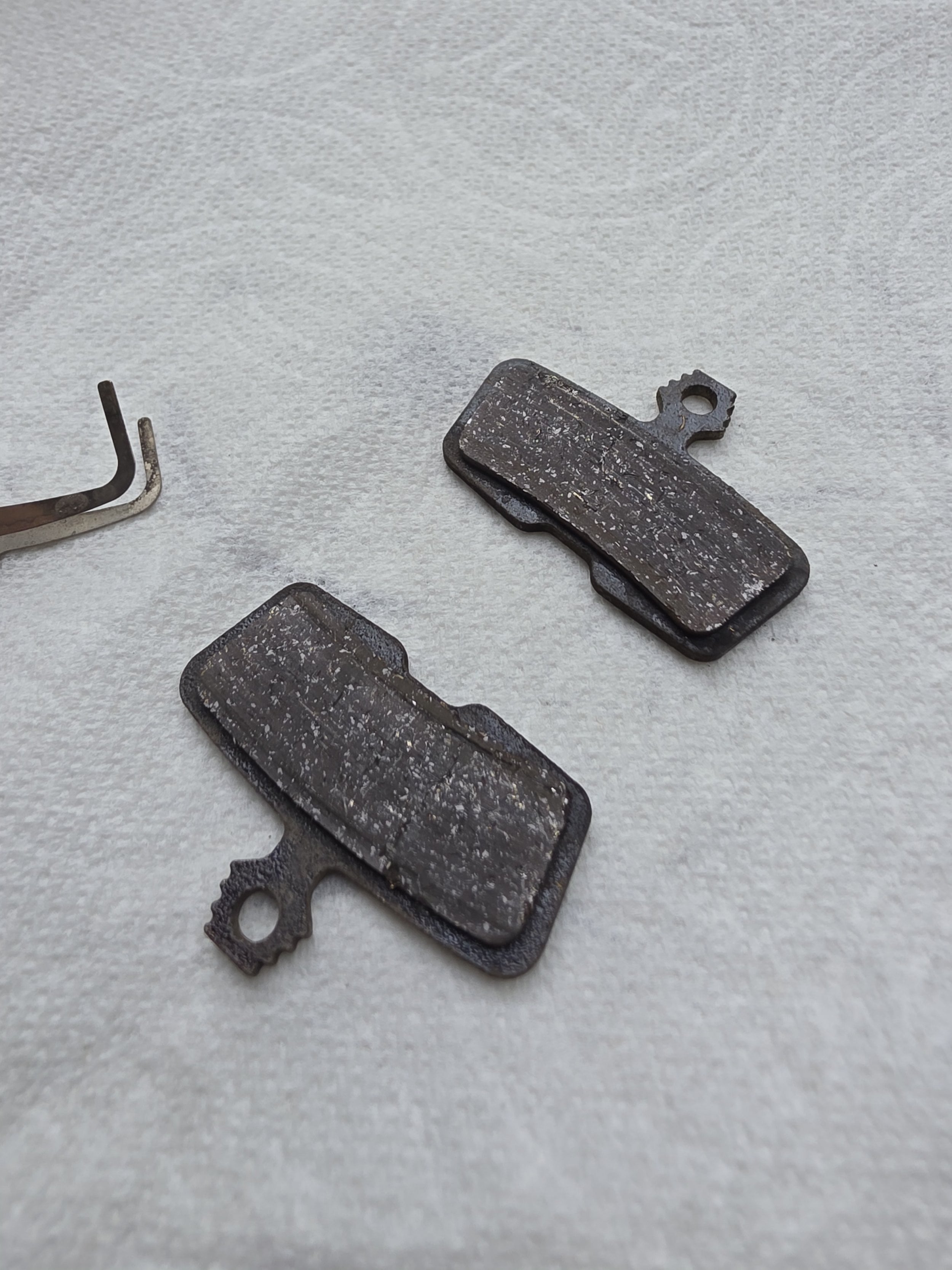
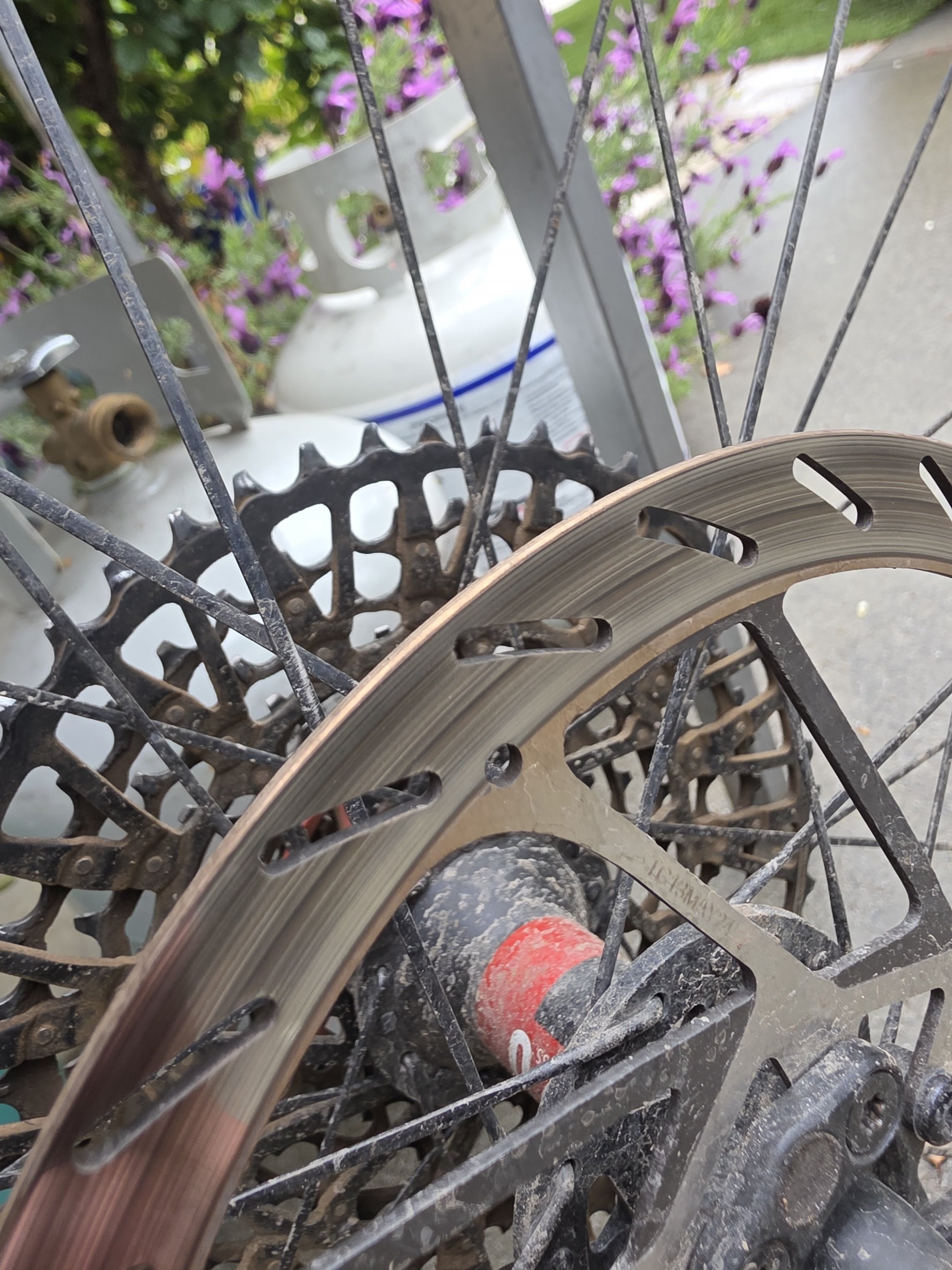
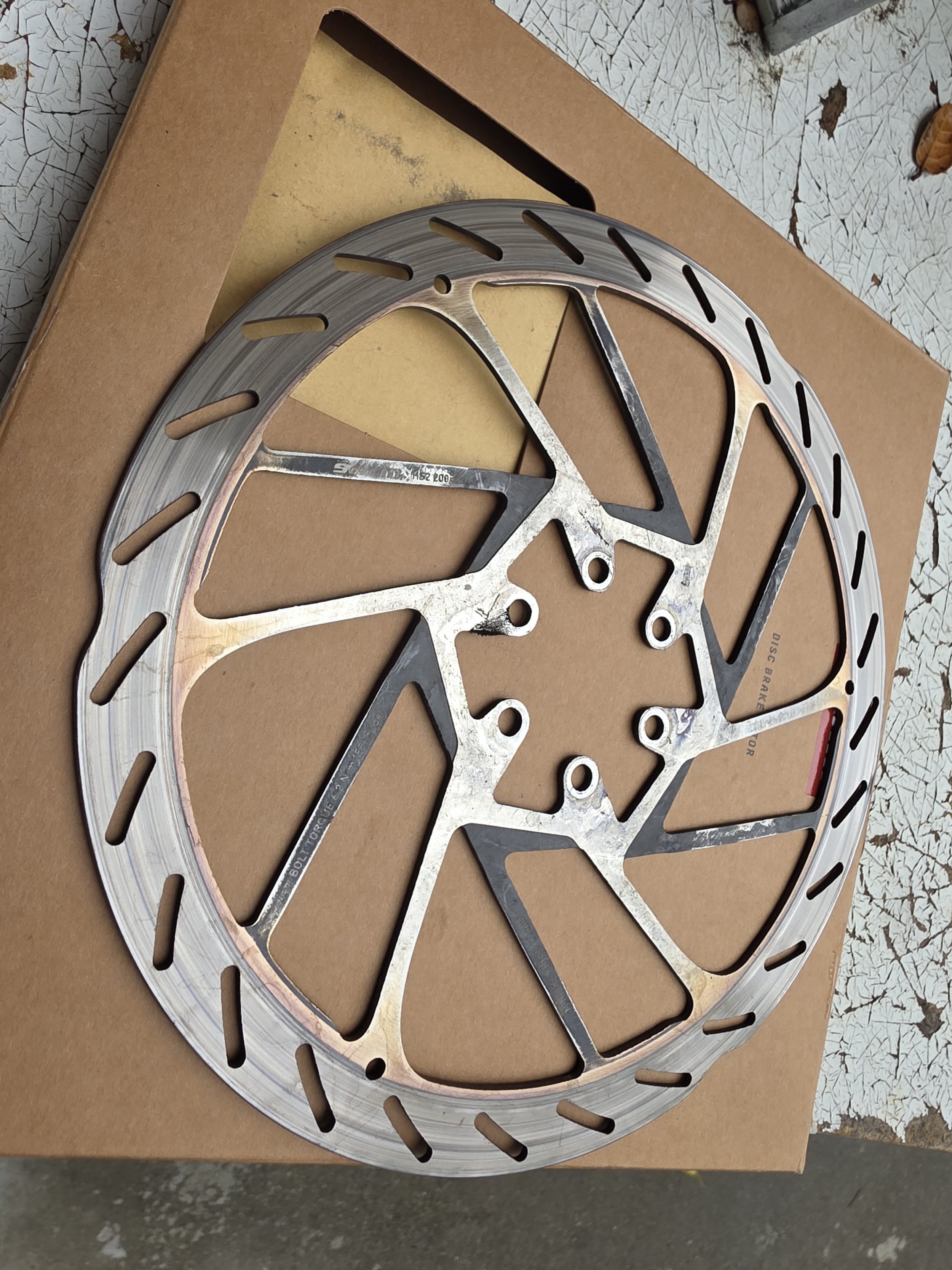
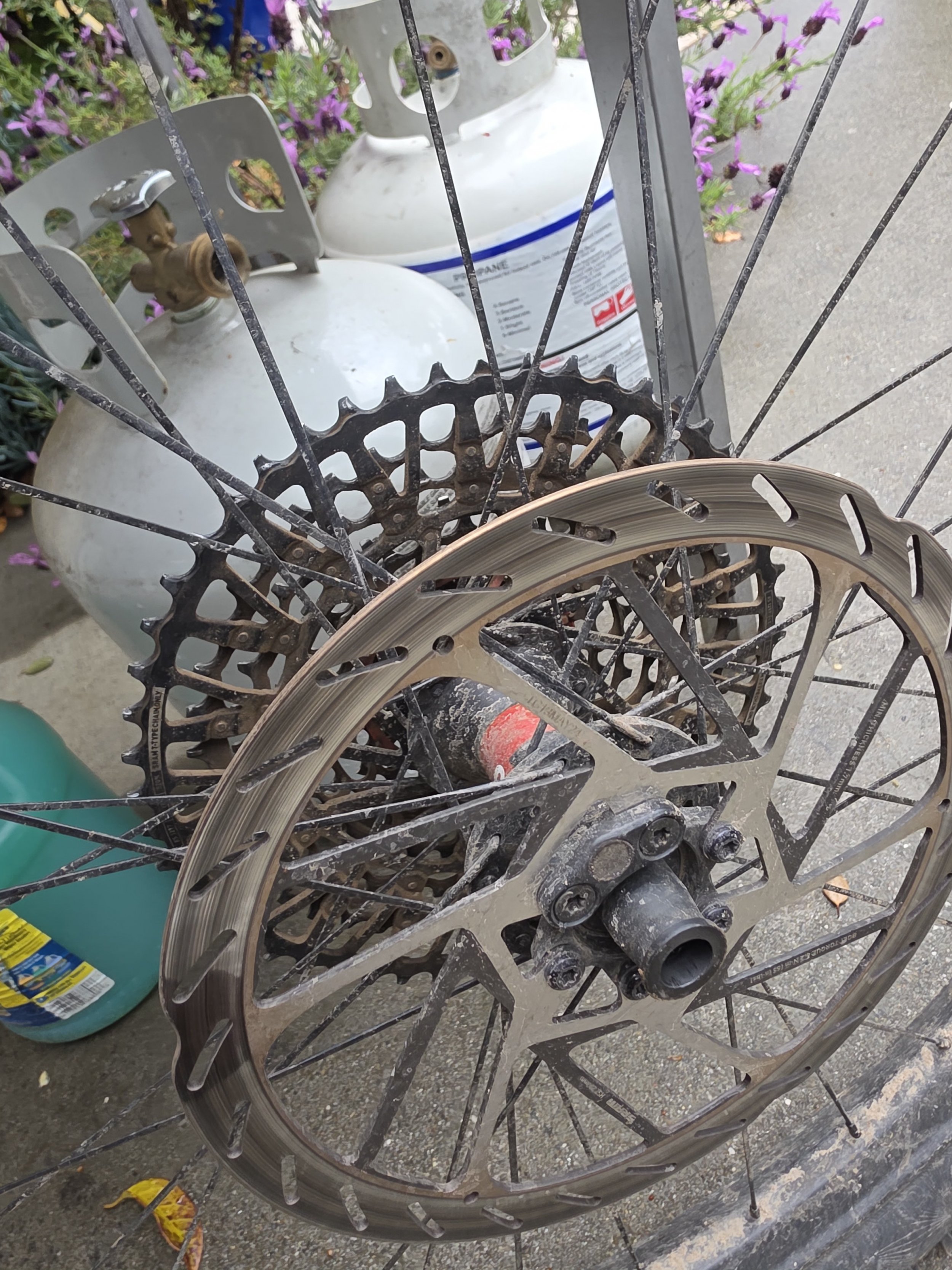
Hi, I have SRAM Code RSC on two of my amish bikes and on my Levo SL ebike. Only on the Levo SL I'm running into this issue: after 1-2 rides the disc makes loud squealing noises and I sometimes even feel the vibrations through the frame. I've tried everything - new rotors new pads, different pad material, sanding/cleaning existing rotors and pads. I take care to properly bed in the pads every time I do this. It works well for a few descents and then the squealing comes back.
Before I replace my brakes completely to something else - anyone ran into this and had a solution? Could my rear rotor be slowly contaminated by something in the system?
Thanks!
ah1,
In response to your questions, there are two issues at play when it comes to SRAM brakes. I will explain below. My hope is this will help you and others who have a similar issue with their SRAM brakes or possibly any other manufactuer's brake system.
At the end of this message you will find a Shimano Part # 3 brake maintenance article that deals will issues causing squealing brakes and loss of brake performance due to brake rotor wear.
Below is contained general information pertaining to SRAM and squealing brakes caused by pistons sticking in a SRAM brake caliper.
1. SRAM Code brakes, Guide, Level, or G2 all use D.O.T. 5.1 or D.O.T. 4.0 brake fluid.
The Dept. of Transportation (DOT) sets brake fluid standards. DOT classifies brake fluids (DOT 3, DOT 4, DOT 5, and DOT 5.1, etc) based on their performance characteristics, primarily the boiling point of the brake fluid. DOT fluids are mainly used in automotive applications and in most instances should not be mixed, i.e. use DOT 5.1 with DOT 3. To do so will alter the chracteristics of the brake fluid, i.e. boiling point.
All DOT brake fluids are "
Hygroscopic", meaning the fluid readily absorbs moisture from the air. This applies to fluid sitting on a shelf in it's storage container, or flowing through brake lines and calipers. Because of the mositure absorption properties, DOT fluid must be flushed from a braking system on a regular basis and replaced. I personally like to do so about every six months or so. If the brake fluid is not replaced regularly, the fluid will become contaminated. This is indicated by the DOT brake fluid becoming discolored. In severe contamination instances the fluid will turn black due to moisture contamination. In mild contamination instances the fluid will turn a dark amber color.
Contaminated fluid will reduce braking performance due to the moisture altering the boiling point of the fluid. If you've ever accidentally touched your brake caliper or rotor after a hard downhill run, then you know how hot your brake system gets. You want your brake calipers to be able to apply maxium pressure to the brake pads and rotors and not fade due to loss of braking pressure. It is also important to point out that moisture contaminated brake fluid will lead to corrosion within the braking system, i.e. pistons sticking, brake lever action become sluggish, etc.
Note: Because DOT brake fluids are hygroscopic, some brake manufactuers such as Shimano, TRP, Magura, etc. use a mineral oil based braking fluid which is not hygroscopic.
There are numerous online videos online which detail how to bleed and flush your SRAM brake system. Fortunately, SRAM uses a tool called the "Bleeding Edge", which makes brake bleeding very easy to do on SRAM braking systems. You will need to purchase a bleed tool kit in order to flush your SRAM brake system. In many instaces the bleed kit will not come with a "Bleeding Edge" tool and you will need to purchase it seperately and incorporate it into your brake bleed kit.
2. All brake calipers, whether Shimano, SRAM, etc. use a flexible rubber seal to retract pistons back into the caliper once brake lever pressure has been released. I obtained the diagram below from a Singletracks online article which depicts how a brake caliper operates.
Note in the diagram that when brake pressure is applied, the piston glides outwards from the piston bore and also rolls and stretches the piston seal outwards. It is the stretching action of the piston seal that retracts the piston back into it's caliper bore when brake pressure is released ast the lever.
The resistance of the seal to being rolled outwards is not strong. If a piston is contaminated with dirt build up on the exposed surface and or deformation from scuffing has occured, the seal will not be sufficiently strong enough to retract the piston back into the caliper. This is the bane of all mountain biking systems, a "Sticking' brake caliper piston.
SRAM Guide, Code, etc. calipers use Phenolic resin based plastic pistons. These soft pistons are easily scuffed and scored from the repeated inward and outward motion of the piston. After about two to three months of hard use the phenolic pistons in your SRAM caliper will begin to stick. This will lead to uneven brake pad wear between the two sides, or front to back on one brake pad side.
A sticking piston(s) will cause your brake lever to feel spongy and have a lot of free play, i.e. the lever will travel almost to the handlebar before the brake engages. No amount of bleeding will fix a SRAM spongy brake lever action if the pistons are sticking. Repeat, if a piston is sticking in a SRAM caliper it is almost impossible to achieve a hard and firm brake lever action. I believe the cause for the spongy brake lever to be the small cavity created behind the sticking piston(s) which are usually stuck in the extended outward position. The small cavity behind the piston traps air and therefore no amount of bleeding will fix the issue. You must free up the piston(s) and fully retract them back into the caliper before you start the bleed process.
It's easy to determine if the pistons in your SRAM Code/Guide caliper are sticking. You visually look at your brake caliper while you squeeze the brake lever. If all four pistons move outward, then your caliper is functioning normal. If you see one or more pistons not moving, or you see some pistons moving more freely than others, then you have sticking piston(s).
SRAM caliper pistons seem to stick quicker than other manufacturer brake calipers. SHimano uses a hard ceramic piston, whereas TRP uses a piston incased in a stainless steel sleeve. SRAM caliper piston use a resin base piston which seems to scratch and score quicker.
All brake caliper pistons regardless of manufacturer, will become scored after a period of hard use. Seen below are pistons removed from my TRP DHR-Evo brake caliper. The caliper has approximately 6,000 miles of use and the pistons were beginning to stick in the caliper. Note that the upper piston has light scoring on the outer stainless steel piston sleeve. The scoring was causing the piston to stick. The piston depicted below the scored piston has been buffed and the scoring has been removed. This allowed the piston seal to to retract the pistons in a normal fashion again.
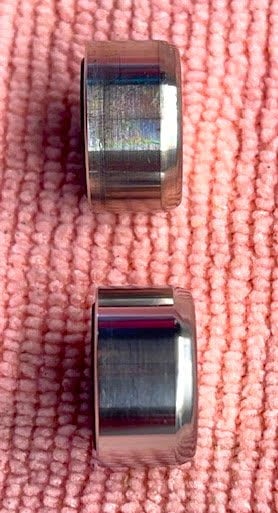
I do not recommend buffing and restoring pistons.
Many manufactuers such as SRAM sell caliper rebuild kits. The kits are inexpensive and rebuilding a caliper is a fairly easy process. You must possess the tools and sufficient mechanical skill to perform a caliper rebuild. If you do not, do yourself a favor and take your bike to a local mechanic. TRP unfortunately does not currently sell a caliper rebuild kit for the DHR-EVO caliper. I was left with the option of trying to restore the piston's surface or buy a brand new caliper. Hold my beer, lets do this.
There is a slight short cut that can briefly remedy a SRAM sticking pistons. This is a temporary fix and will not last long term. The only long term solution is to rebuild or replace the caliper. The process involves cleaning the caliper and pistons and applying brake fluid lubricant to the pistons. This will allow for a successful bleed and a firm lever once the pistons have been freed up.
The process involves taking your wheel off and removing the brake pads from the caliper. When removing your brake pads, be sure to mark the pads left and right side so that they will be returned back to the same side they were removed from. Take alcohol and a rag, scrub the brake caliper clean. Very carefully, extend one piston and using a thin strip of cloth or a Q-Tip, buff around the base of the piston to remove any debris/crud build up. Take a second Q-tip dipped in DOT fluid and lubricate all around the base of the piston. Cycle the piston back and forth in the piston bore until the piston slides smoothly inwards and outwards with no stiction.
Note: Use caution when extending the pistons. You want to extend the piston only a short amount. If you extend the piston too far outwards, the piston will exit the piston bore and your brake fluid will drain from the caliper. This will require an "Ah Shit" expletive and a total re-bleed of the brake system if this occurs. Note that several sellers on ETSY sell a 3D printed cleaning block. The cleaning block tool is placed incide the caliper and allows only one piston at a time to be extended. The tool also prevents the piston to be cleaned from extending out too far. To use the tool, you just flip it side to side for each piston.
I've written a three part series of articles on brake performance for the eMTB forum. The articles are for Shimano brake systems, however the information contained in Part # 1 and Part # 3 can generally be applied towards SRAM or any other brake system.
This will be a three part technical article discussing Shimano braking system components, how to service your Shimano brakes and brake system modification on your Rise. Part # 1 will discuss basic maintenance on your Shimano brakes. Part # 2 will discuss brake modifications to your Orbea...

www.emtbforums.com
This technical article is the second installment in a two part series on Shimano brake systems. Refer to “Part # 1: Shimano Brake System Service”, for information on bleeding and servicing Shimano brakes and brake pad compounds...
www.emtbforums.com
After submitting Part # 1 and Part # 2 of the tech series on Shimano brakes, I realized I had not included anything on checking your Shimano brake rotor for minimum thickness or signs of uneven rotor wear. You can review Part # 1 and Part # 2 in the series here...
www.emtbforums.com
Be safe,
Rod




 So I've already tried that, works great for aligning the rotor and calipers but the problem keeps coming back (even when they do seem aligned). BTW that 4mm wrench hack is genius!