BIKEDRIVE AIR S
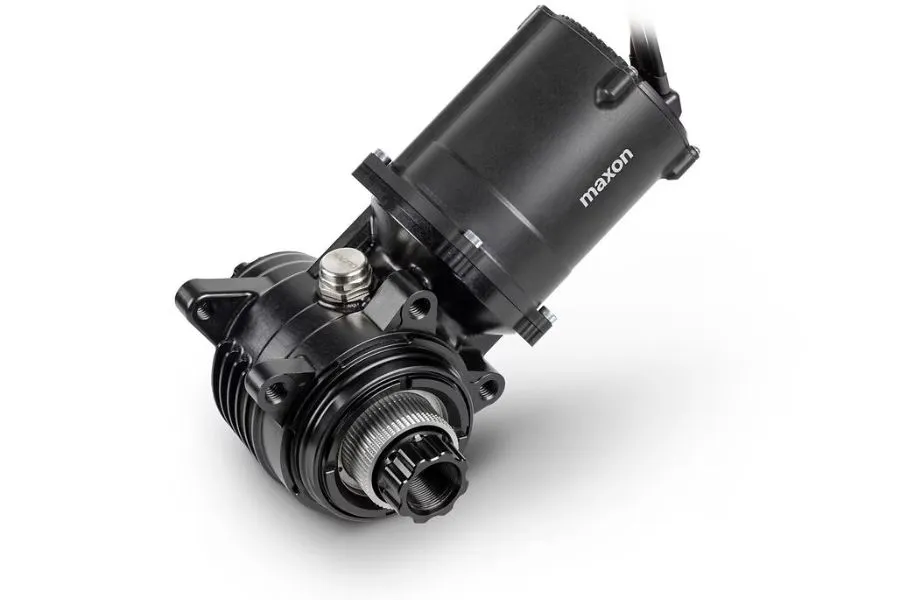
Maxon's first true full-power eMTB motor: a claimed 90 Nm and 620 W peak from a Swiss-built 2.0 kg drive unit the brand calls the lightest full-power motor on the market.
Representative full-power shape (no published dyno trace): strong torque from low cadence, a broad plateau near the claimed 620 W peak across the 70-90 rpm pedalling range, tapering smoothly above 100 rpm. Pinned to Maxon's claimed numbers, not a measured curve.
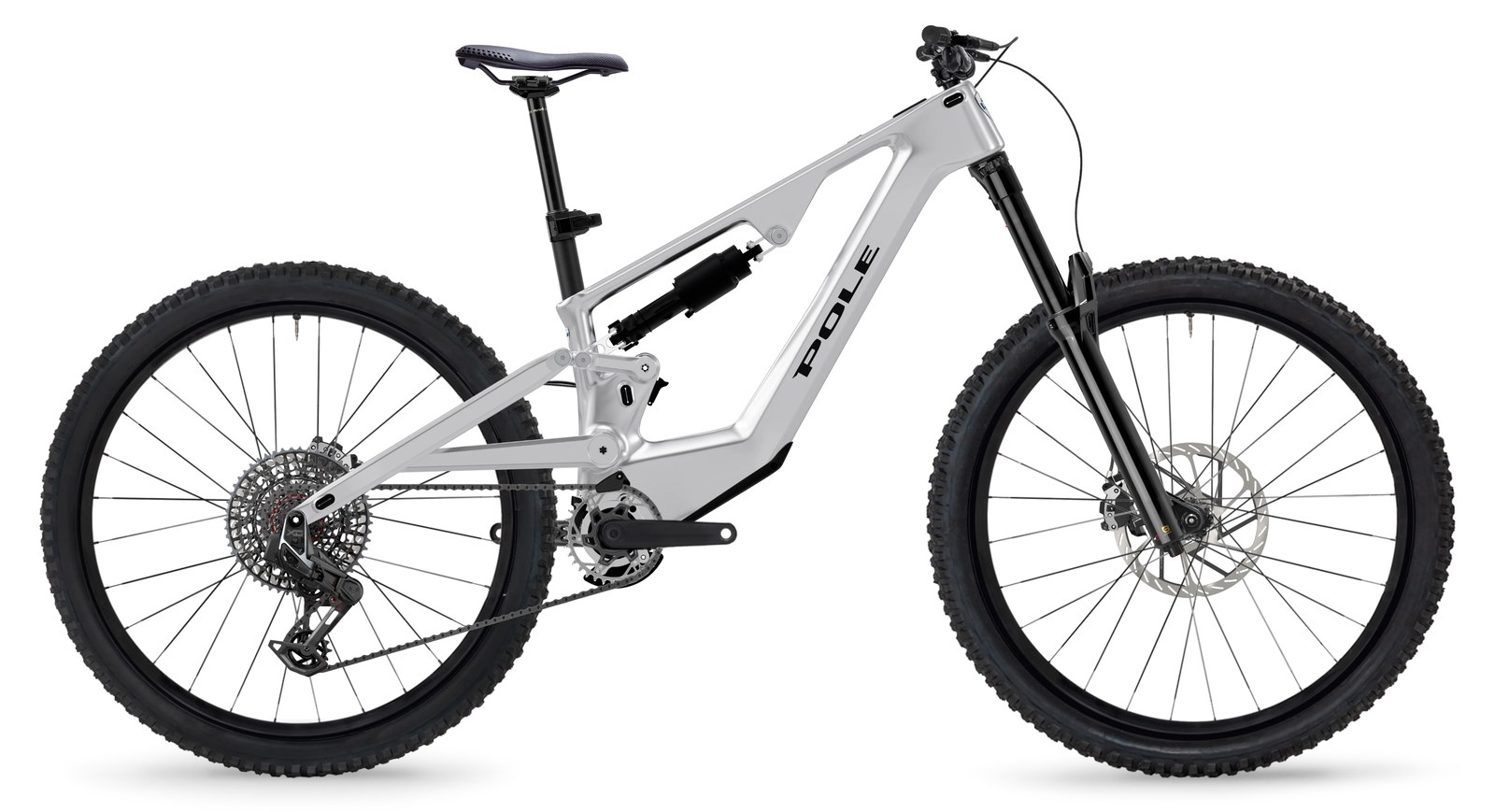
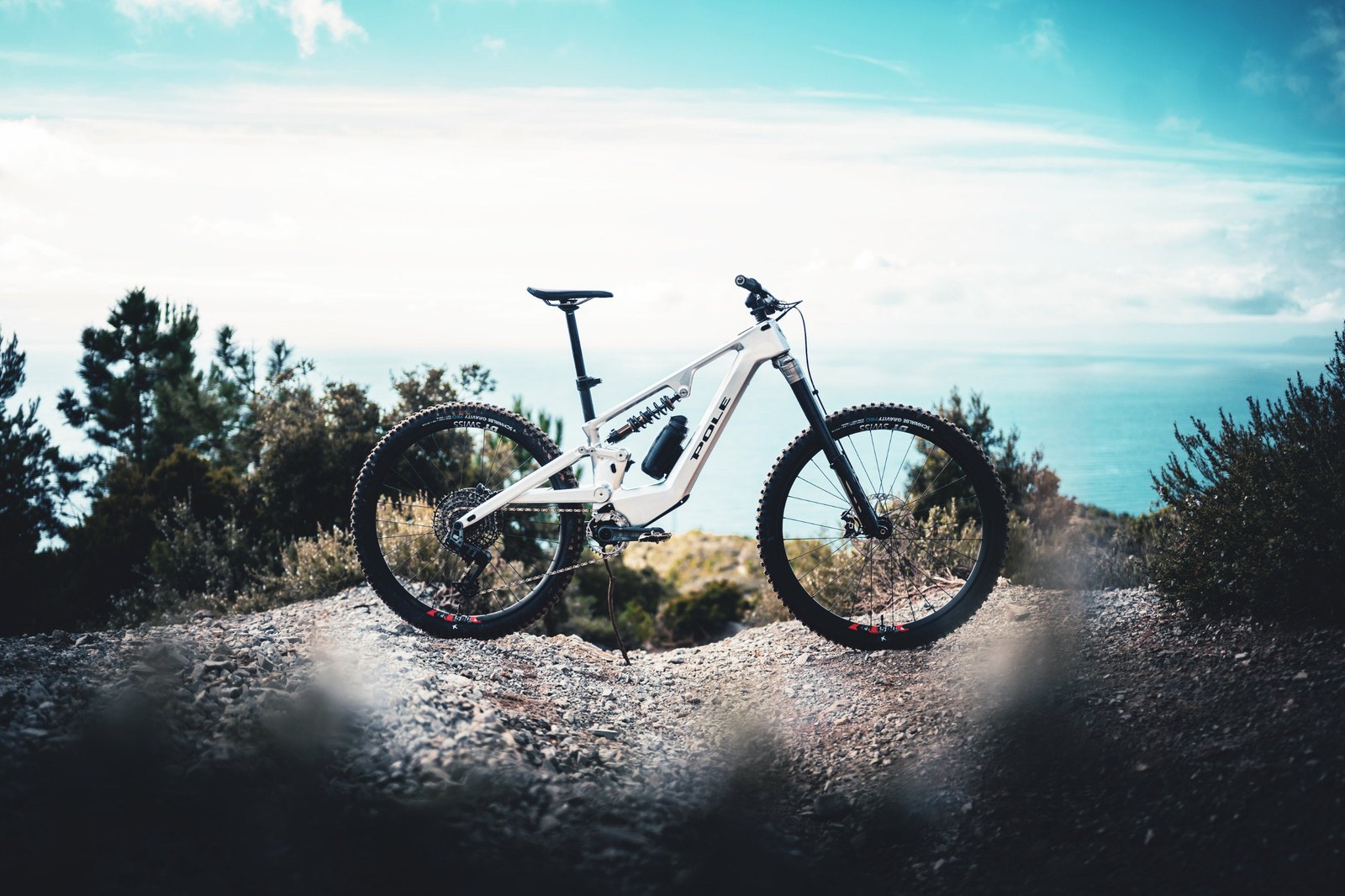
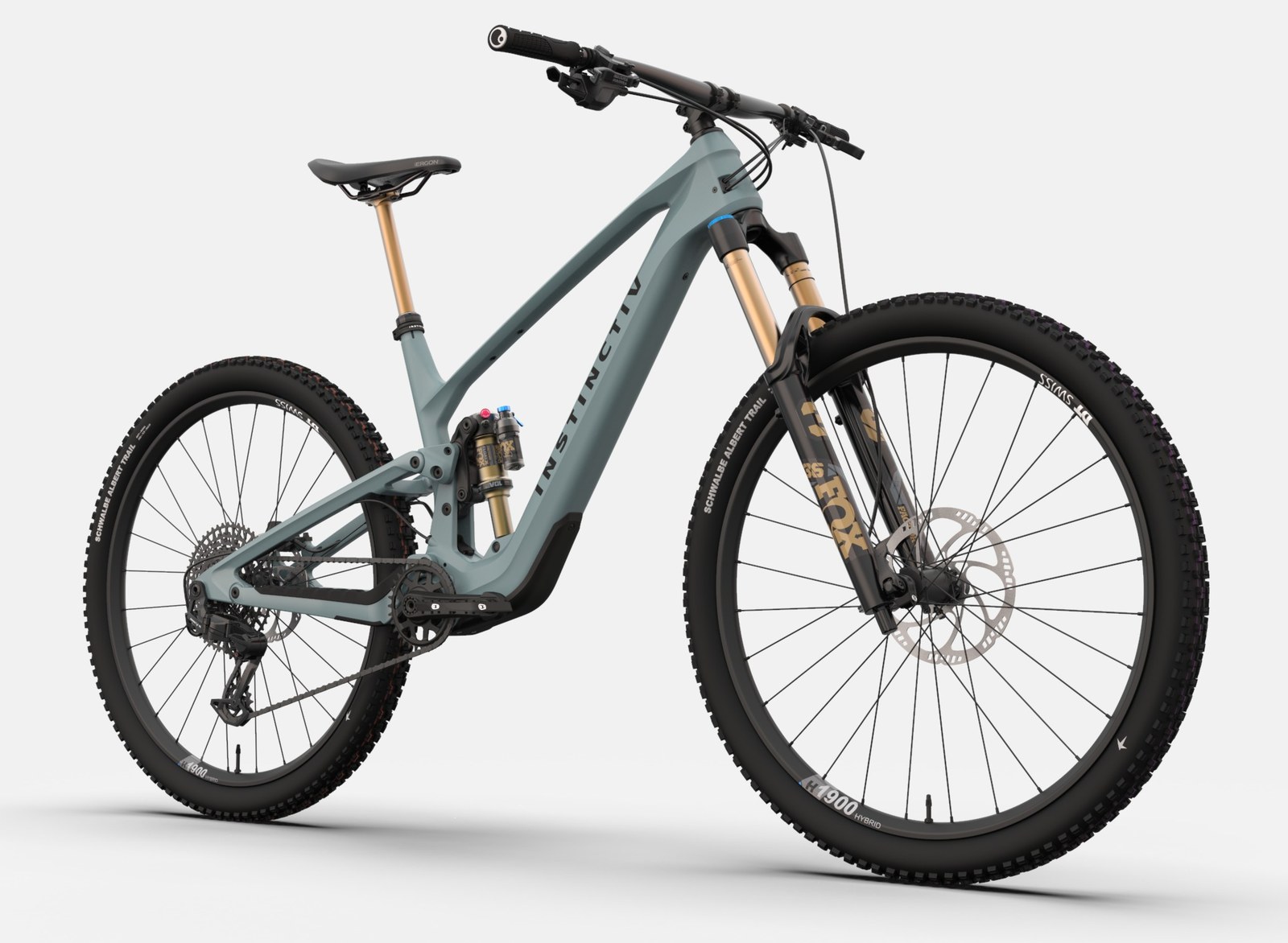
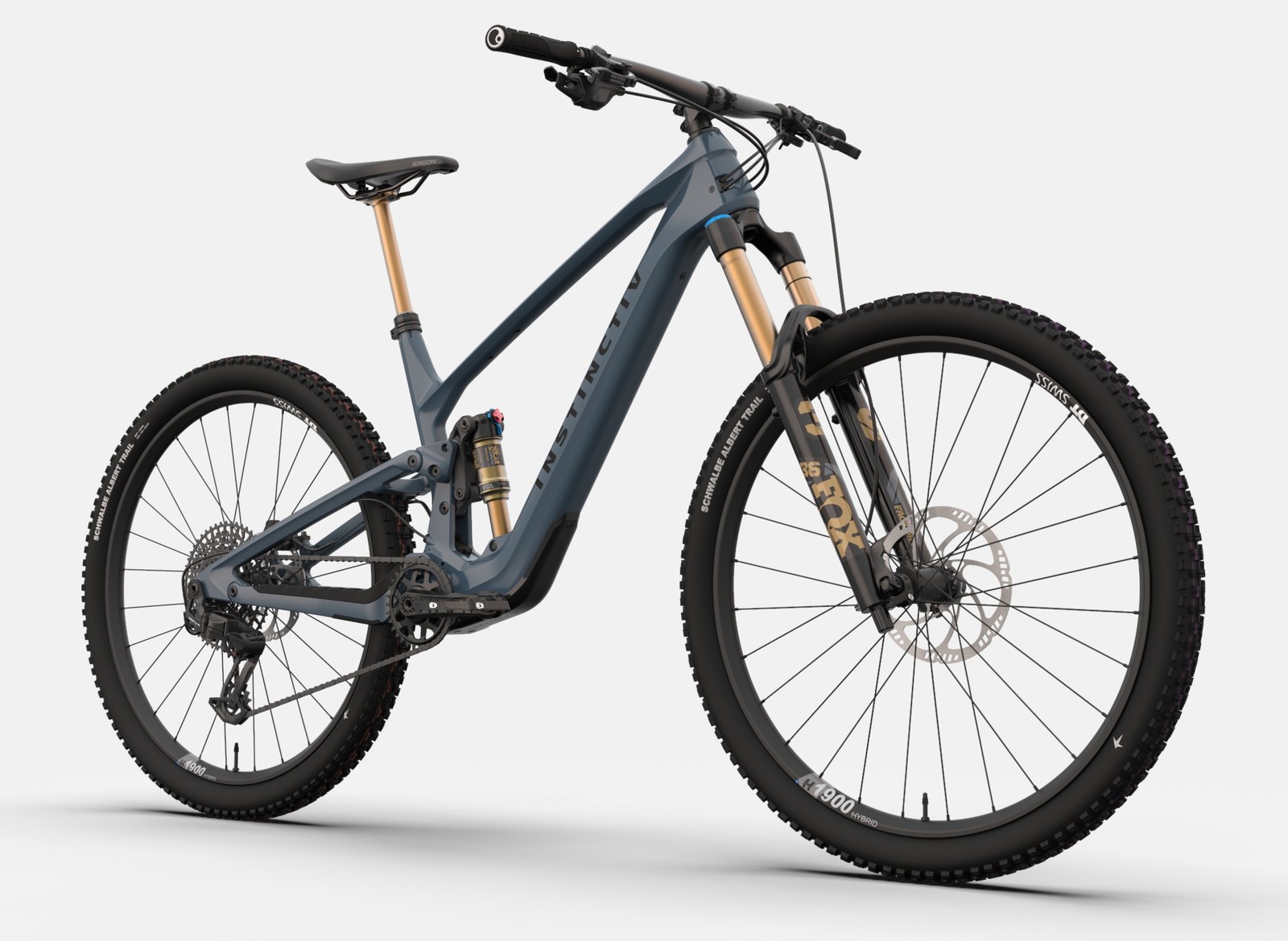
Maxon BIKEDRIVE AIR S is the Swiss precision-motor specialist's leap from the featherweight assist class into the full-power arena. Where the original BIKEDRIVE AIR was a sub-3 kg lightweight system, the AIR S roughly triples the output to a claimed 90 Nm of torque and 620 W of peak power while the drive unit itself still weighs just 2.0 kg. That figure is the headline: most 85-100 Nm rivals sit between 2.5 and 2.9 kg, so Maxon undercuts the full-power establishment by half a kilo or more and makes sub-17 kg complete bikes genuinely achievable.
The architecture is unusual. Maxon uses an elongated, split-cylinder layout where part of the motor body disappears up into the down tube, keeping the bottom-bracket cluster compact and the bike's silhouette close to analogue. Inside sits a brushless EC internal-rotor motor paired with a planetary gearbox, all wrapped in a magnesium housing with integrated sealing. The unit is EN 15194 pedelec-certified, so its continuous (nominal) rating is the usual 250 W; the 620 W is a short-duration peak. Maxon quotes 85% efficiency and up to 400% support in its top Blast mode, with torque and cadence sensing feeding three customisable assist modes (Cruise / Sport / Blast) tuned through the BIKEDRIVE app. The control unit hides in the top tube as a flush Powertab.
The caveat is newness. The AIR S only broke cover at Eurobike 2025 with first bikes arriving that autumn, so there is still no independent dyno measurement: the 90 Nm peak torque and 620 W peak power here are Maxon's own claims, and the brand publishes no continuous-torque figure and no system voltage, so the nominal side of the torque split and the electrical spec remain blanks. The delivery curve below is a representative full-power shape pinned to the claimed peak, not a measured trace. Two things to watch as field data arrives: sustained thermal behaviour - Maxon publishes no derate or housing-temperature data, and a 620 W peak squeezed into a 2.0 kg magnesium housing is exactly where heat management gets hard on long alpine climbs - and real-world range from the 400/600 Wh packs, which nobody has logged yet. On paper, though, this is one of the most interesting drive units of the year: full-power grunt at lightweight-class mass, built in Switzerland.
Character
The case for and against
Strengths
- Class-leading 2.0 kg drive unit for a full-power 90 Nm / 620 W claim
- Enables sub-17 kg complete eMTBs
- Quiet by spec (<65 dB(A) full load) and a claimed 85% efficient planetary drive
- Magnesium housing, Swiss-designed and built
- Up to 400% support across three app-customisable modes (Cruise / Sport / Blast)
Compromises
- Brand-new platform - no independent dyno, thermal/derate or long-term field data
- Power, torque and 85% efficiency figures are manufacturer claims only
- No published continuous torque or system voltage
- Maxon-specific battery, display and app ecosystem; smaller dealer/service network than Bosch or Shimano