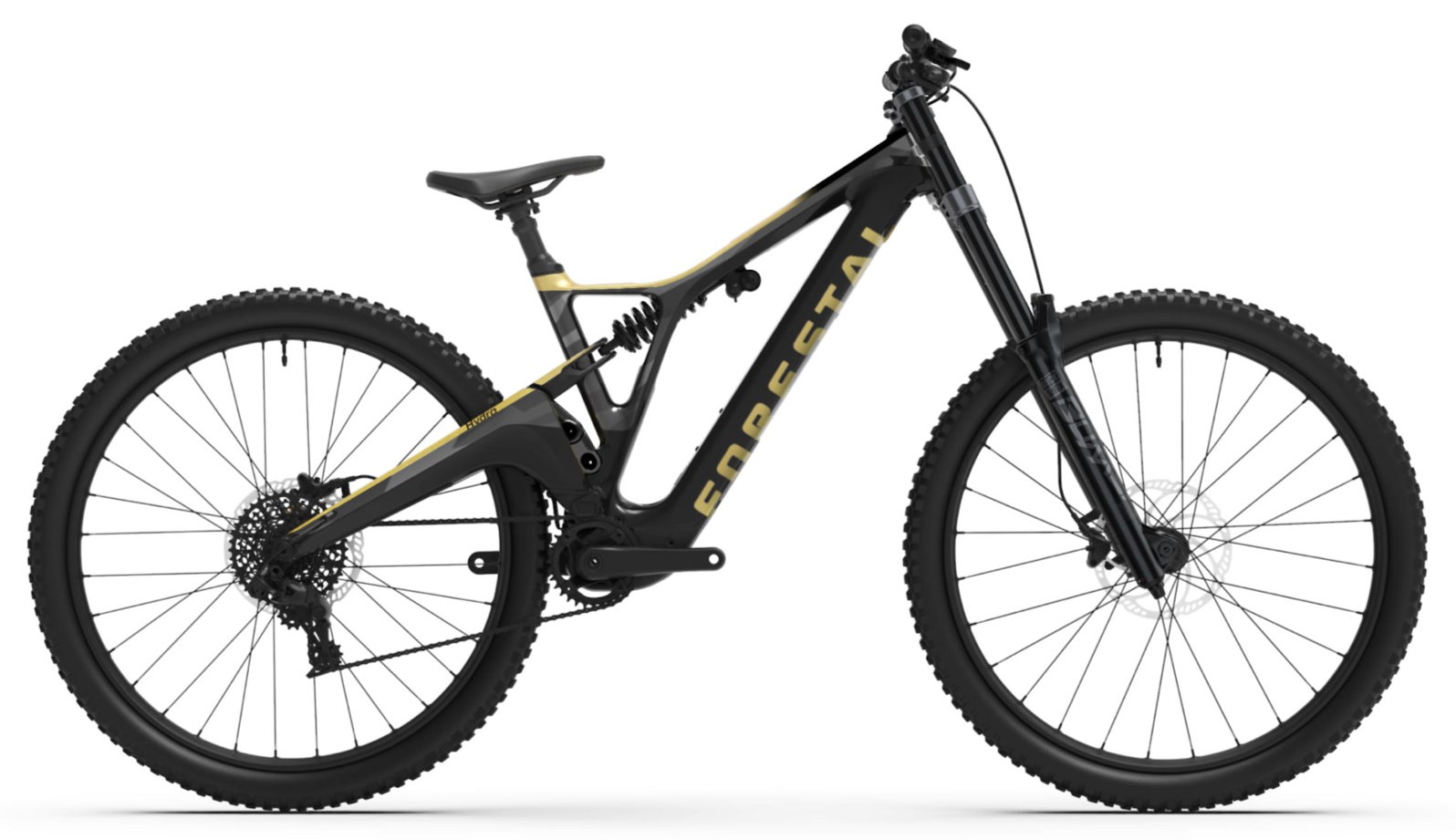
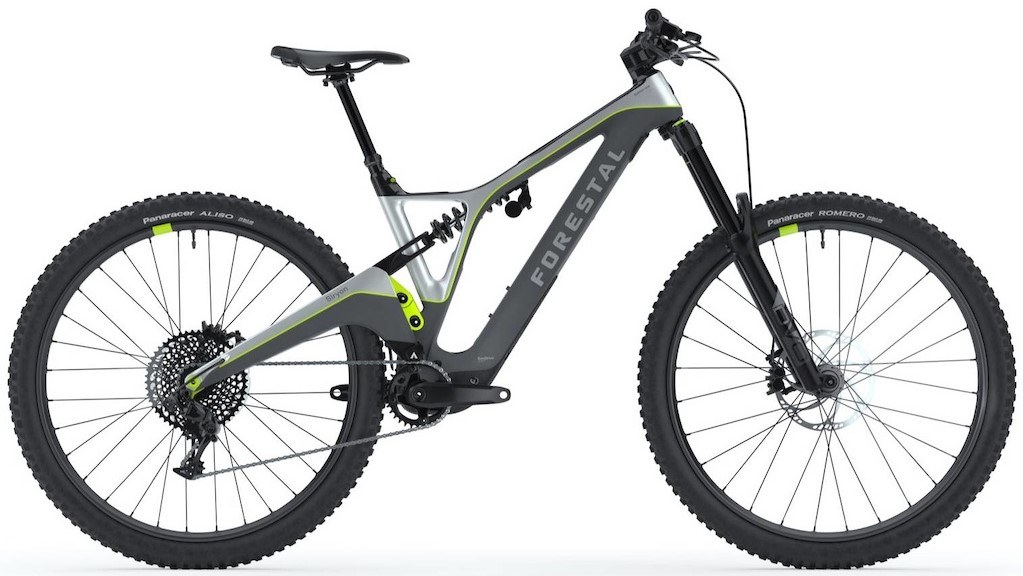
M820
Bafang's lightest mid-drive, the M820 chases the lightweight-eMTB class with a 2.3kg magnesium drive unit and a torque split that independent testers read as roughly 75Nm sustained and a peak near 95Nm, topped by a 'Rocky' boost mode whose real-world value reviewers question.
Representative shape (not a measured dyno trace): builds quickly off the bottom, peaks in the mid-cadence band around 70-90rpm, then tapers smoothly as it spins toward its 120rpm ceiling. Voltriderz puts achievable peak output near 600W, but that figure is tied to the 48V build and updated firmware — the 43V OEM units most riders run sit lower.
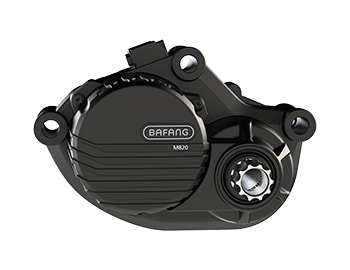
Bafang M820 is the Chinese giant's bid for the lightweight trail class, and on paper it lands in the gap between the featherweights and the full-power units. At 2.3kg it undercuts a Bosch CX by the best part of a kilo. Bafang's own page lists a single headline figure of 80Nm, which it labels 'Max. Possible torque' rather than a sustained rating; independent write-ups (ebike24, Voltriderz) read that as roughly 75Nm effective with a peak nearer 95Nm. Either way it sits clear of the 60Nm Fazua Ride 60 and Bosch SX it competes with.
The case is magnesium, which Bafang leans on for heat management and vibration damping rather than outright stiffness, and reviewers credit it with holding output on long climbs where cheaper alloy housings begin to throttle. Drive is metered by a torque sensor, so it reads pedal pressure cleanly and doesn't surge; the trade-off is that you have to put real watts in to unlock the full assist. Max cadence stretches to 120rpm, so it spins out later than the slower light motors. The headline trick is the 'Rocky' boost mode, but it's worth tempering expectations: Voltriderz's tester found it 'feels more like a marketing gimmick than a practical feature', with a boost too brief and too fiddly to call up on a real technical climb. Treat the ~95Nm peak as a short, conditional burst, not a mode you ride in.
No independent dyno bench has published a measured power curve for the M820, so the figures here are Bafang's claims plus a representative measured-shape curve, and the sources are the manufacturer page and reviewer reports rather than lab data. Voltriderz reckons around 600W is achievable, but only on the 48V build with the right firmware: the motor ships in 43V (OEM-dominant), 36V and 48V variants, and the 43V units most riders get won't see that number. As a value-tier route into a sub-18kg eMTB it's compelling on price and weight; what it still lacks is the long independent test record that Bosch, Shimano and TQ can point to.
Character
The case for and against
Strengths
- Only 2.3kg — enables sub-18kg complete builds
- ~75Nm sustained, ahead of 60Nm light-class rivals, peaking near 95Nm
- Magnesium case manages heat well on long climbs
- 120rpm ceiling resists spin-out
- Cheap route into a light, full-carbon eMTB via open-mould frames
Compromises
- No independent dyno, thermal or dBA bench data — specs are claims, not measured
- 'Rocky' boost rated a marketing gimmick by reviewers — too brief and fiddly to use
- ~600W peak only on the 48V firmware build; 43V OEM units sit lower
- Distinctive rattle on descents — not as quiet as a TQ HPR50
- Thin field record on emerging open-mould brands; no major-brand support network